
Gambella National Park: landscape and planning
Gambella National Park represents a lowland environment very different from Ethiopia's high mountain parks. The relevant starting point is its broad wetland and savannah landscape, together with the specialist planning a remote visit would require.
What a specialist visit would involve
The useful distinction from a conventional safari is the need to establish feasibility before choosing the experience. Ground observation, birdwatching, an aerial perspective and a remote camp would each require different permissions, support and environmental considerations. None is included simply because it appeared in an older tour description.
Accommodation and access should be discussed with the responsible authorities and local specialists. Charter aircraft are sometimes described as the only way in, but official material describes a more complex relationship between Gambella town and the park. The current workable option still needs an individual assessment.
Read the landscape through water and habitat
The Baro River and surrounding floodplain country help explain why Gambella differs so strongly from the highland parks. Wetlands, grasslands and river edges support different wildlife interests. White-eared kob migration is a regional ecological subject extending beyond a tourist camp or a national boundary.
A wildlife list should be read as a reason to learn about habitat, not as a checklist a guide can deliver. Time spent observing one wetland may be more informative than chasing a sequence of uncertain sightings.
What the historical expedition idea was trying to show
The older six-day outline combined an Addis Ababa introduction, a main tented camp, an aerial view of wetlands, and temporary camps in contrasting parts of the region. Its useful idea is the change in perspective from air to ground and from river edge to drier country.
That sequence is not an available package here. A new proposal would need to establish the actual landing or arrival point, permitted observation areas, camps and support arrangements. A cattle-camp visit would also require its own local invitation and purpose.
A different wildlife setting
Open plains, water and seasonal changes shape the habitat. Wildlife interest should be discussed with specialists using current field knowledge; historical population estimates and comparisons with other African parks are not a promise of sightings.
Establish feasibility before an itinerary
Confirm permissions, suitable local expertise, access and the seasonal conditions before assigning travel days or accommodation. Do not assume that a charter, camp or particular safari service currently operates.
Journeys to explore alongside this guide
Use these related route ideas to compare the places, interests and time involved. Open each outline for its route context and any details still requiring review.
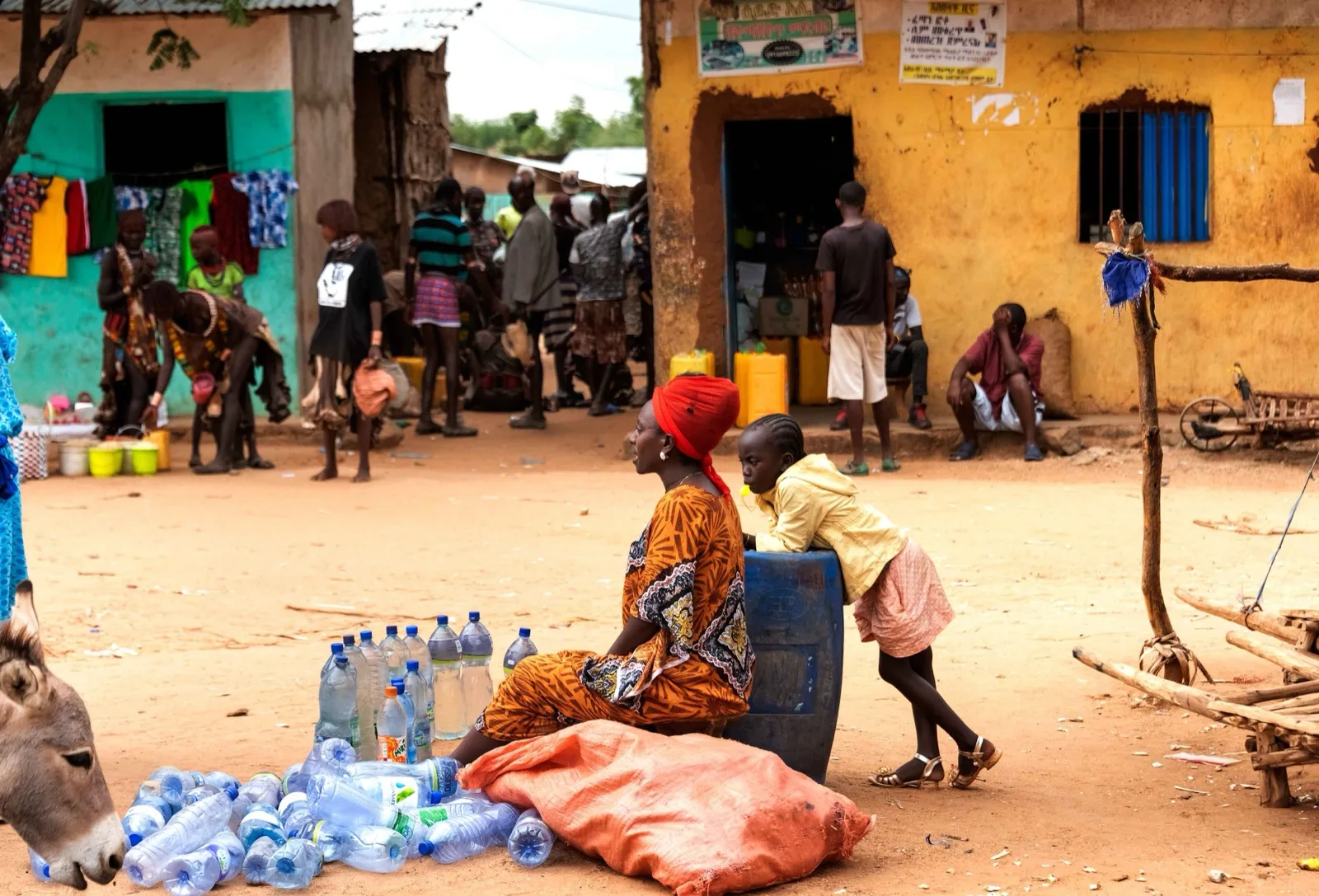
14 days · Itinerary
Fourteen-Day Aerial Journey through Ethiopia
A fourteen-day helicopter concept extends the northern heritage and mountain route into the Omo Valley and Bale.
Explore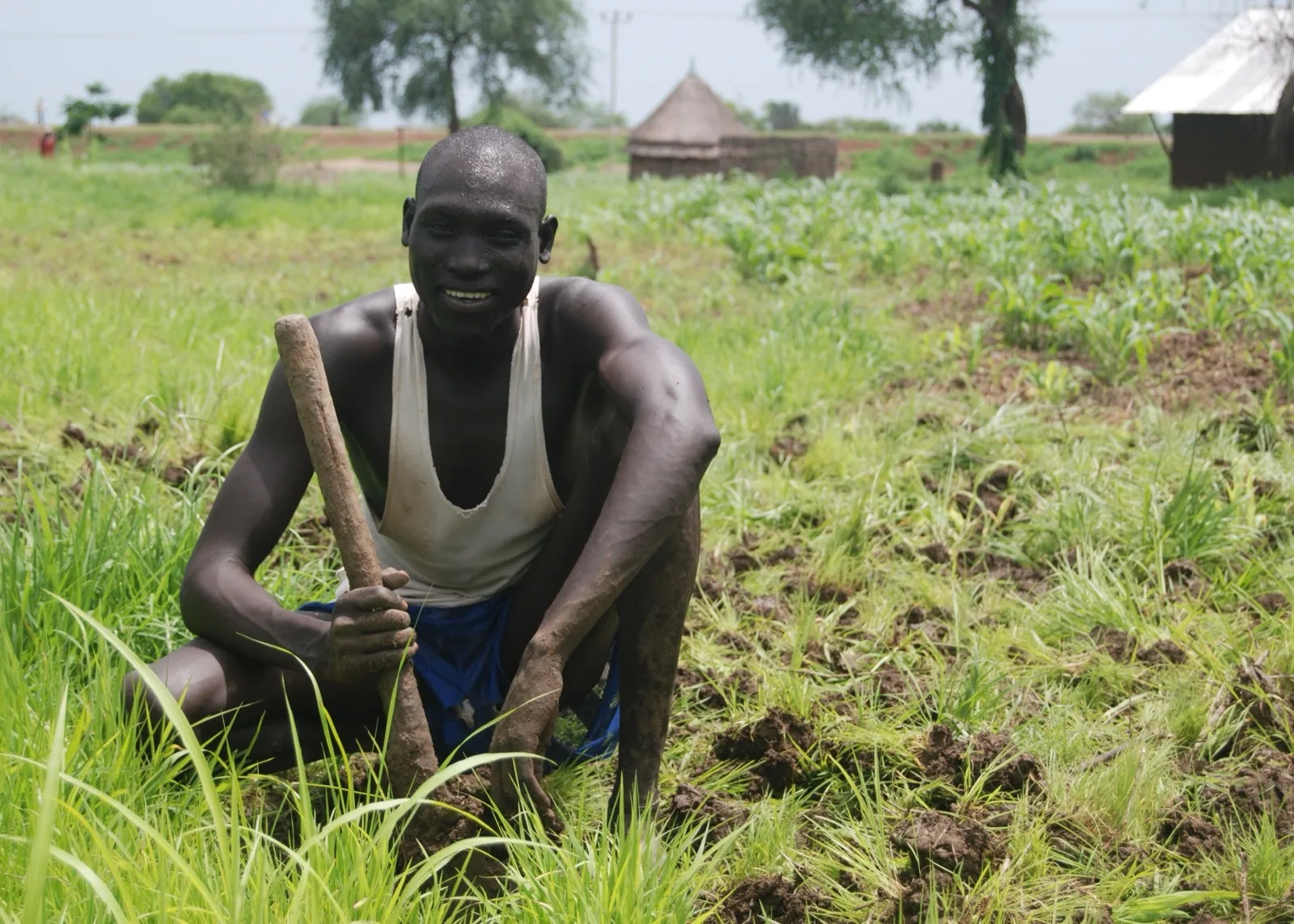
6 days · Itinerary
Six Days in the Gambella Wilderness
Six days connect Addis Ababa with a Gambella-focused programme of wetlands, plains and river-country observation.
Explore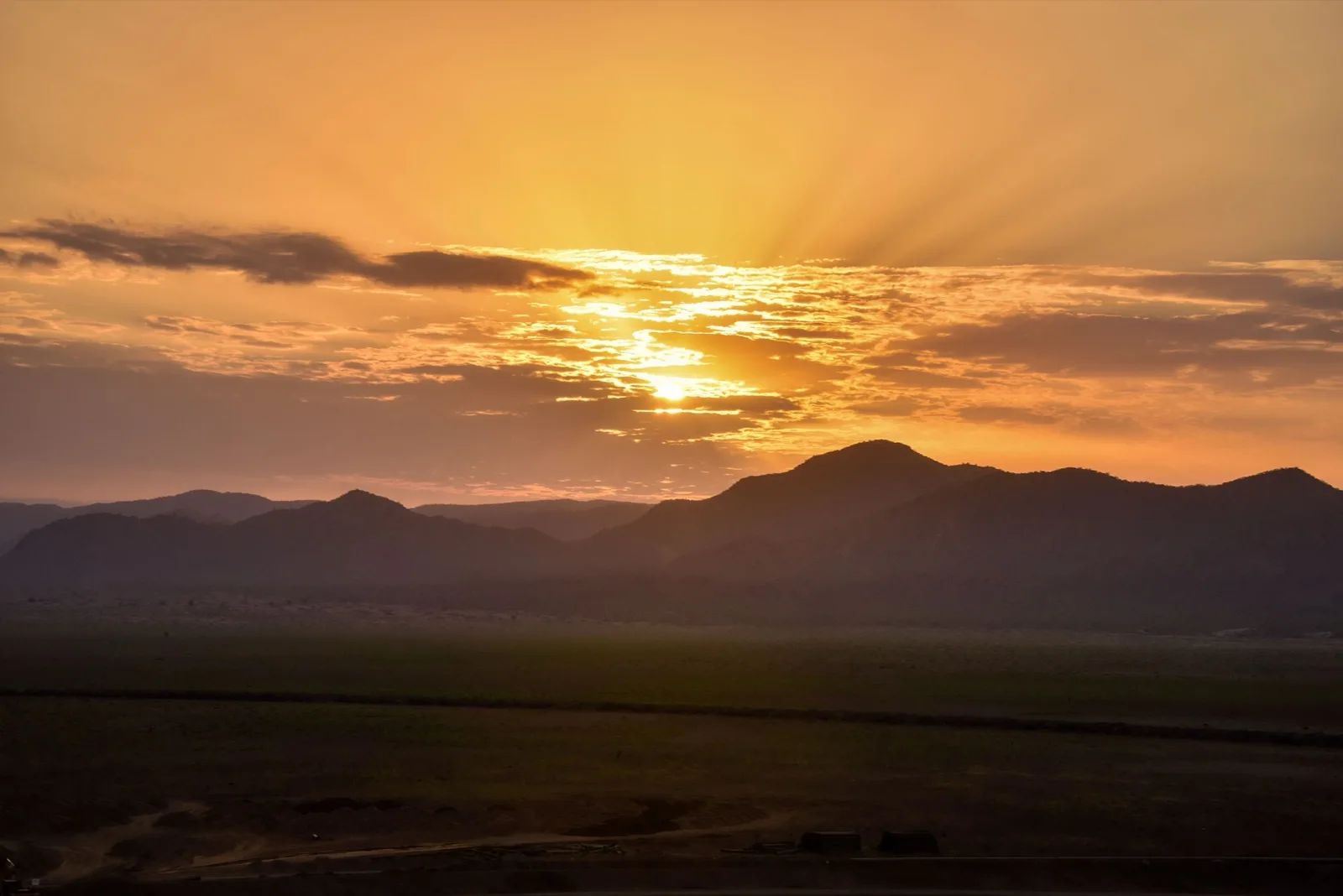
Route study
Ethiopia Frontier Safari
Study an extended Ethiopia journey linking the Omo Valley, Gambella, Bale, the Simien Mountains and Lalibela, with its daily schedule still to confirm.
Explore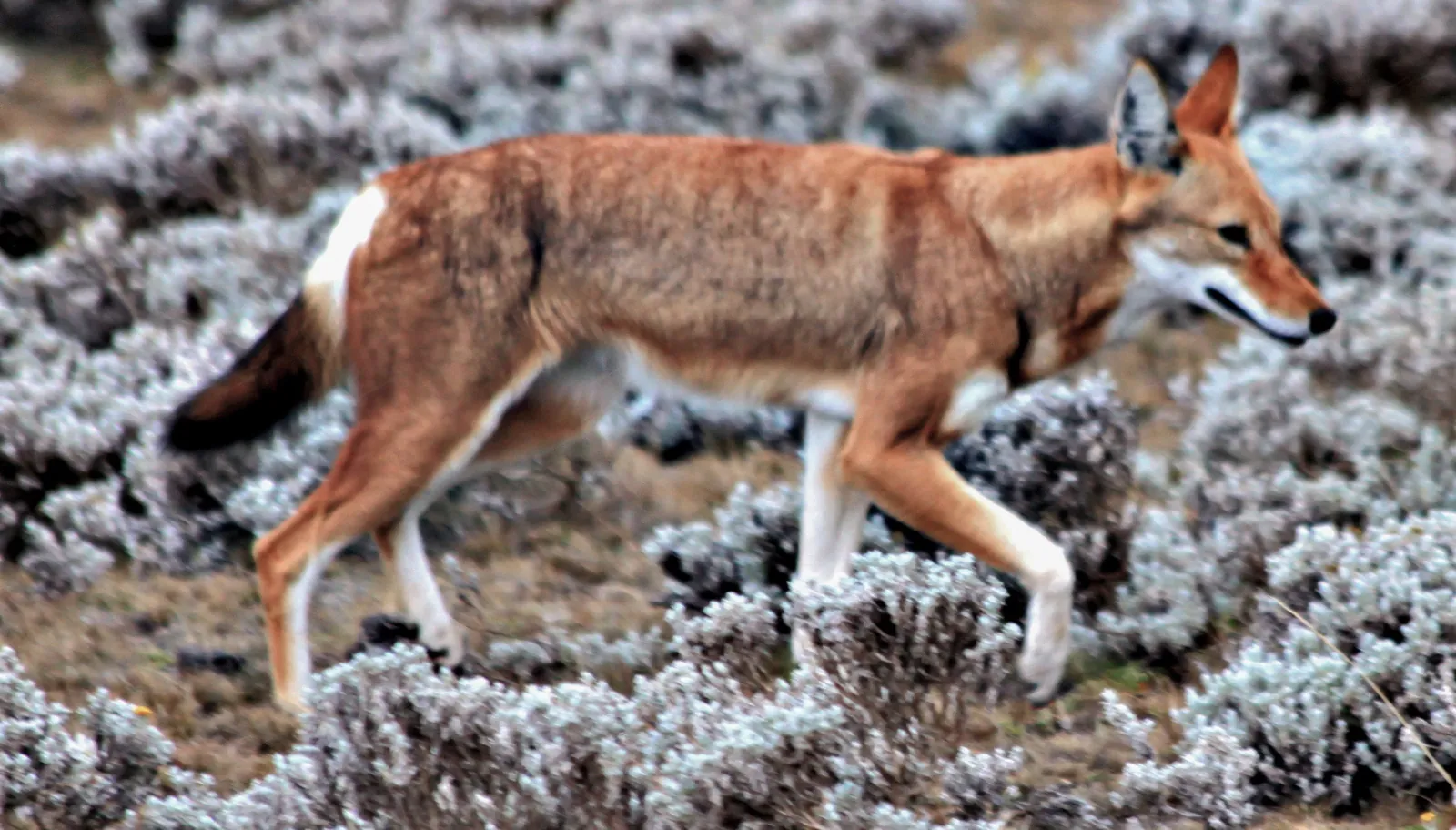
11 days · Itinerary
Southern Ethiopia by River and Highland
Eleven days link Gambella, the Omo River and Bale in a charter-based concept.
ExploreOfficial sources
Check these primary sources directly; their current information takes precedence.
Not yet reviewed: no named reviewer or review date has been recorded for this page. The official sources above take precedence.
Related places and journeys
Shape your journey
Bring your preferred dates, interests and pace together in a planning draft.