
Ethiopia Travel Guide
Plan Ethiopia by connecting geography, interests and practical questions. This guide provides a route into the detail, helping you build a coherent journey from a much wider set of possibilities.
Understand the regions before choosing stops
Places on this route, in order
- Addis Ababa
- Northern highlands
- Rift Valley
- Omo Valley
- Bale Mountains
- Harar
- Danakil Depression
- Gambella
Order only, not drawn to scale. Travel times and road connections are confirmed with your itinerary.
Ethiopia guide
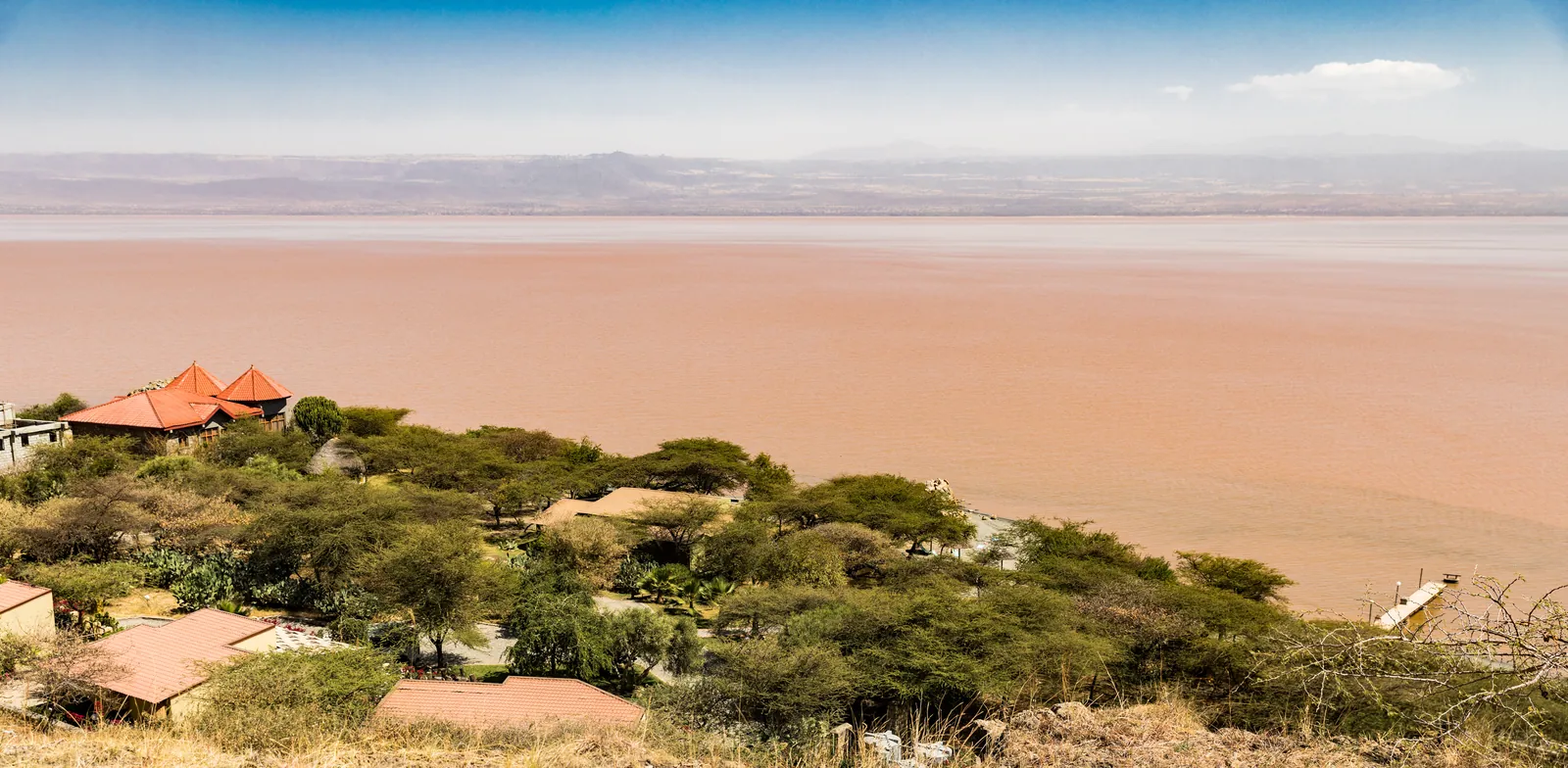
Ethiopia's lakes: choosing a route
Compare Lake Tana, the Rift Valley lakes and other Ethiopian water landscapes by setting, wildlife interests and the journey you want to build around them.
Explore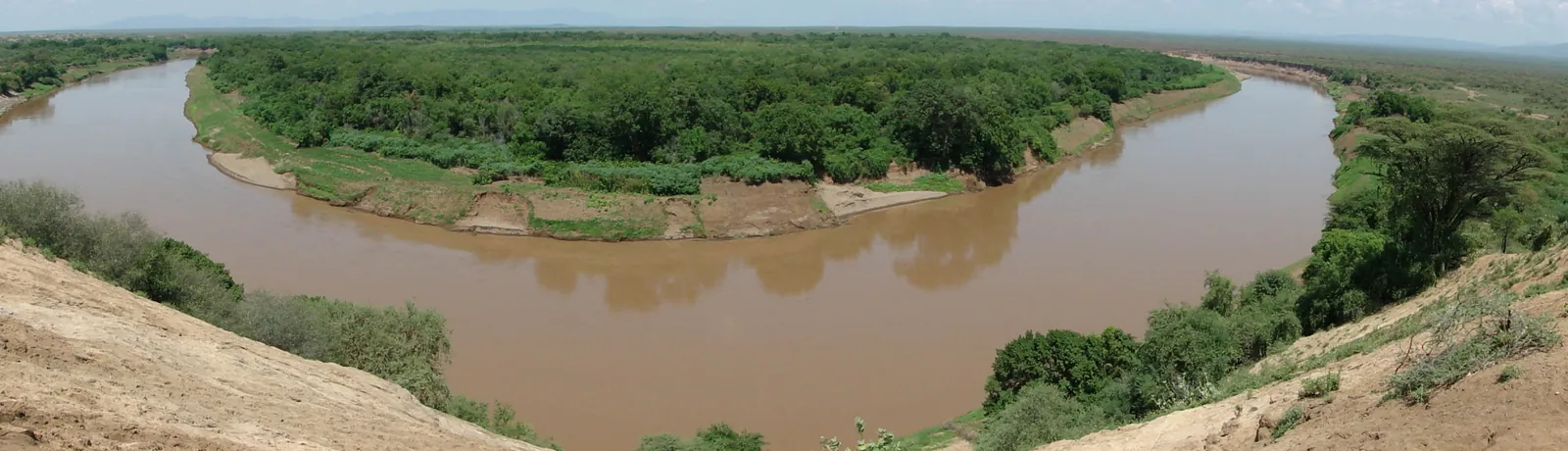
Ethiopia guide
Omo Valley: people, landscapes and respectful visits
Understand the Lower Omo Valley as a living cultural landscape, with guidance on locally agreed visits, photography, different bases and thoughtful pacing.
Explore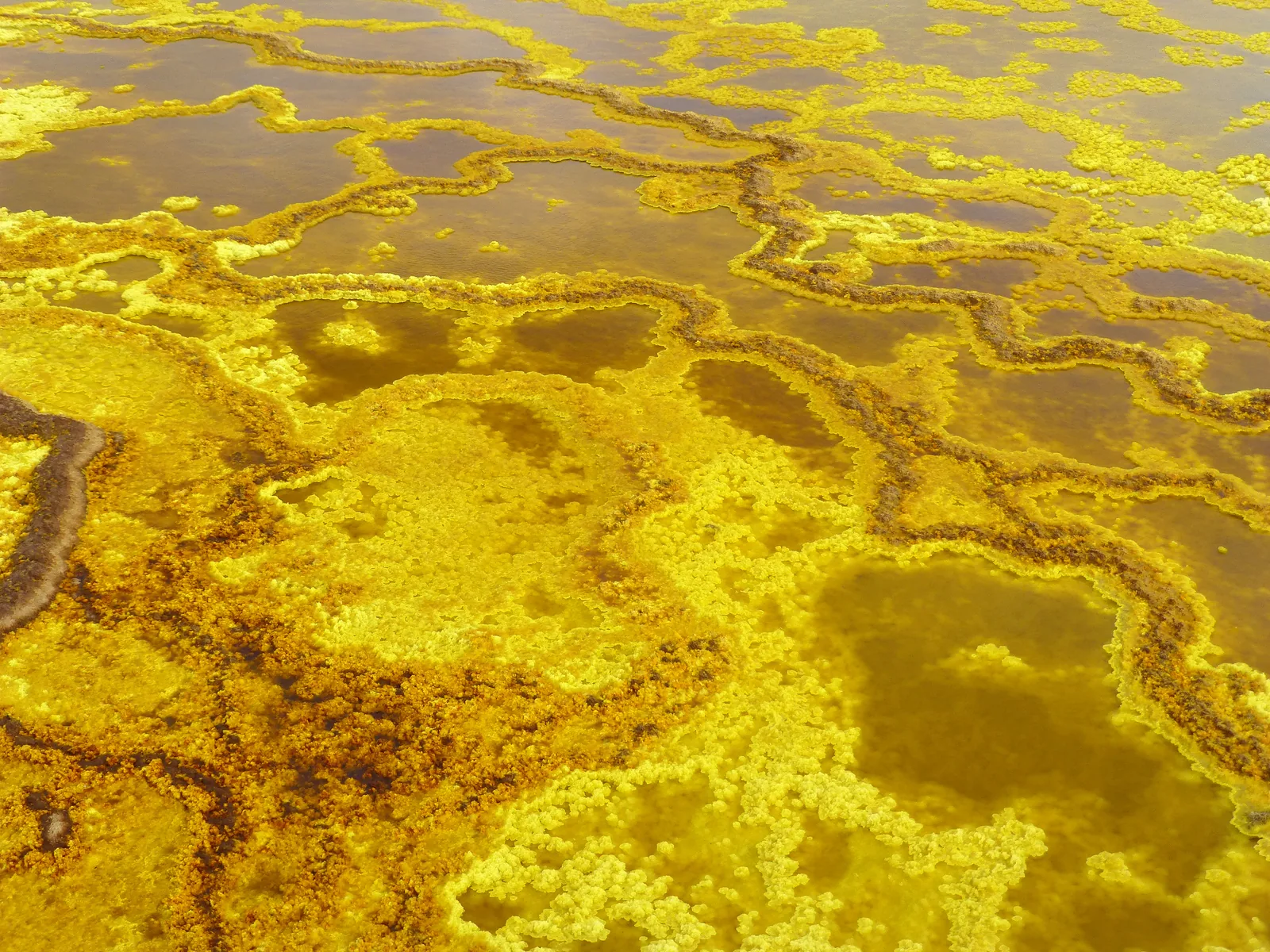
Ethiopia guide
Danakil Depression: geology and itinerary choices
Explore the Danakil's salt landscapes, Dallol and volcanic setting, and distinguish itinerary choices without assuming every tour includes the same stops.
Explore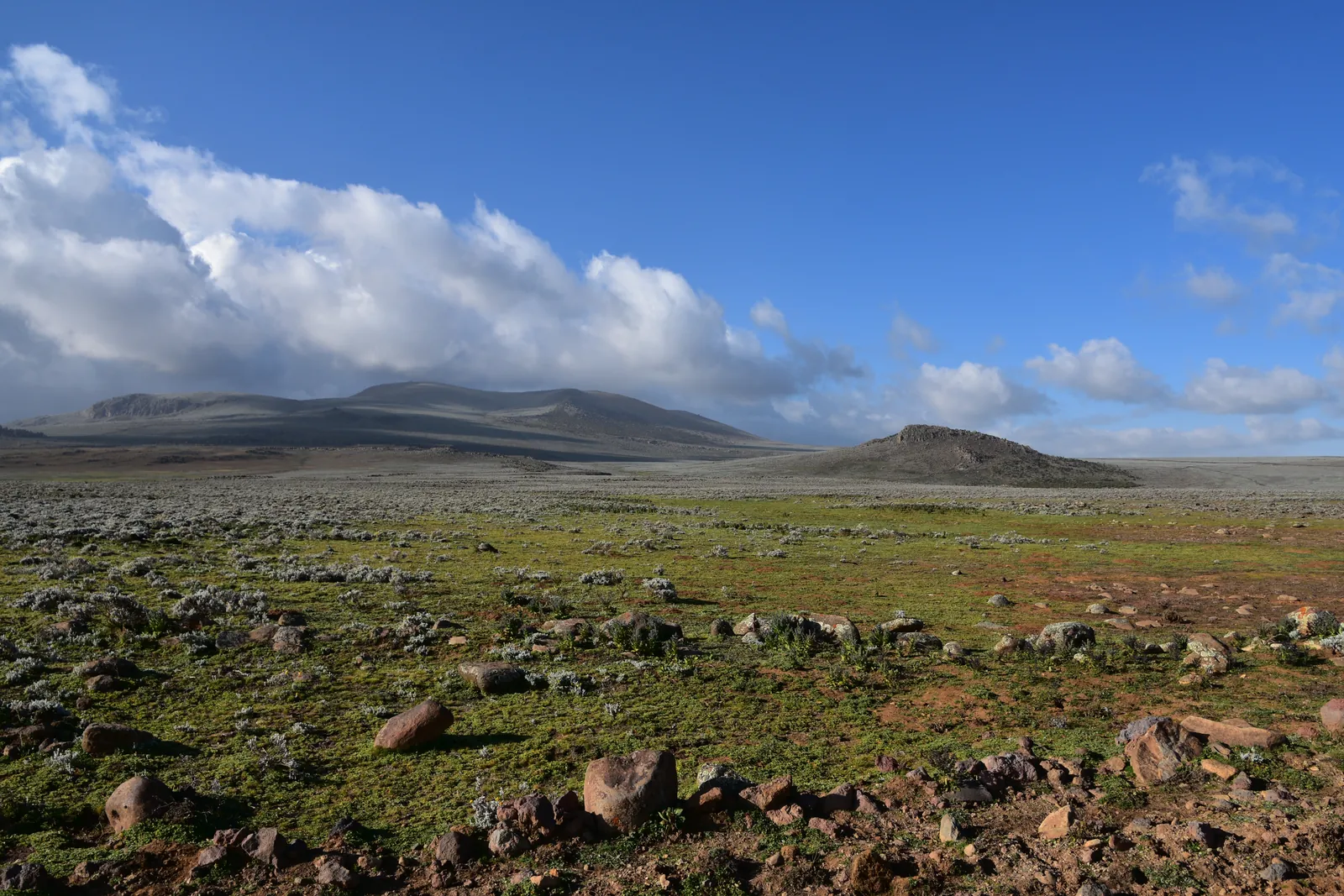
Ethiopia guide
Bale Mountains: plateau, forest and wildlife
Discover the Bale Mountains through the Sanetti Plateau, Harenna Forest and grasslands, and plan time around their distinct habitats and walking interests.
Explore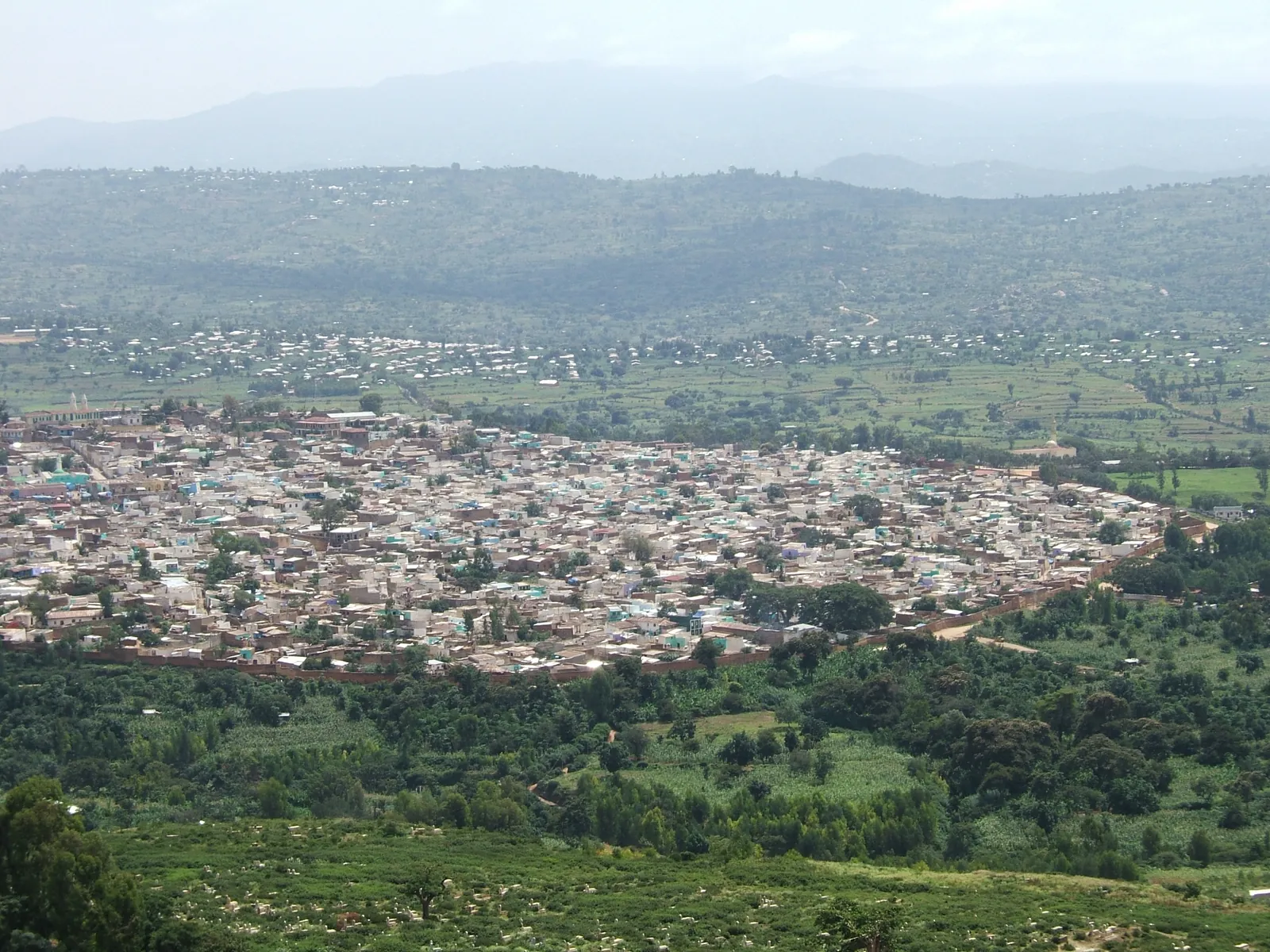
Ethiopia guide
Harar: the walled city and its living heritage
Discover Harar Jugol through its lanes, gates, townhouses and Islamic heritage, with thoughtful planning for private spaces and everyday city life.
ExploreEthiopia guide
Gambella National Park: landscape and planning
Understand Gambella's western lowland wildlife landscape and the specialist access, seasonal knowledge and current permissions needed to assess a visit.
Explore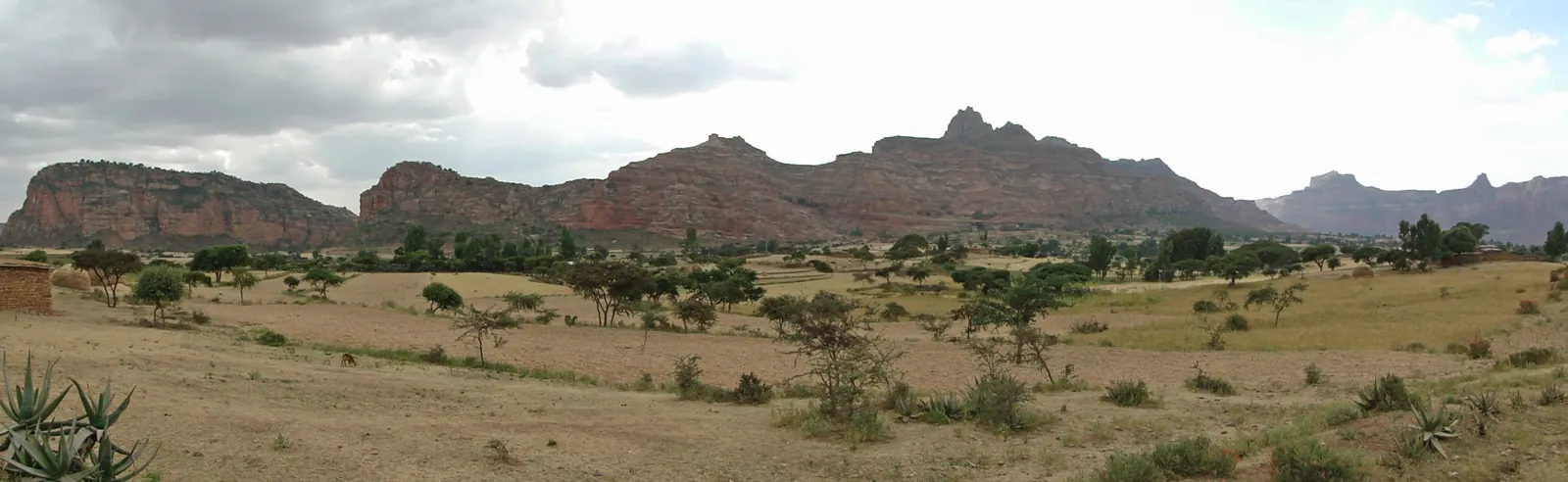
Ethiopia guide
Gheralta Mountains and Rock Churches
Explore Gheralta’s sandstone landscape and rock churches, with planning questions about individual approaches, walking demands and respectful visits in Tigray.
ExploreEthiopia guide
Understanding Ethiopia’s Travel Geography
Orient an Ethiopia itinerary through the northern highlands, Rift Valley, Bale, Afar and the Omo region, and understand why map distance is only a starting point.
Explore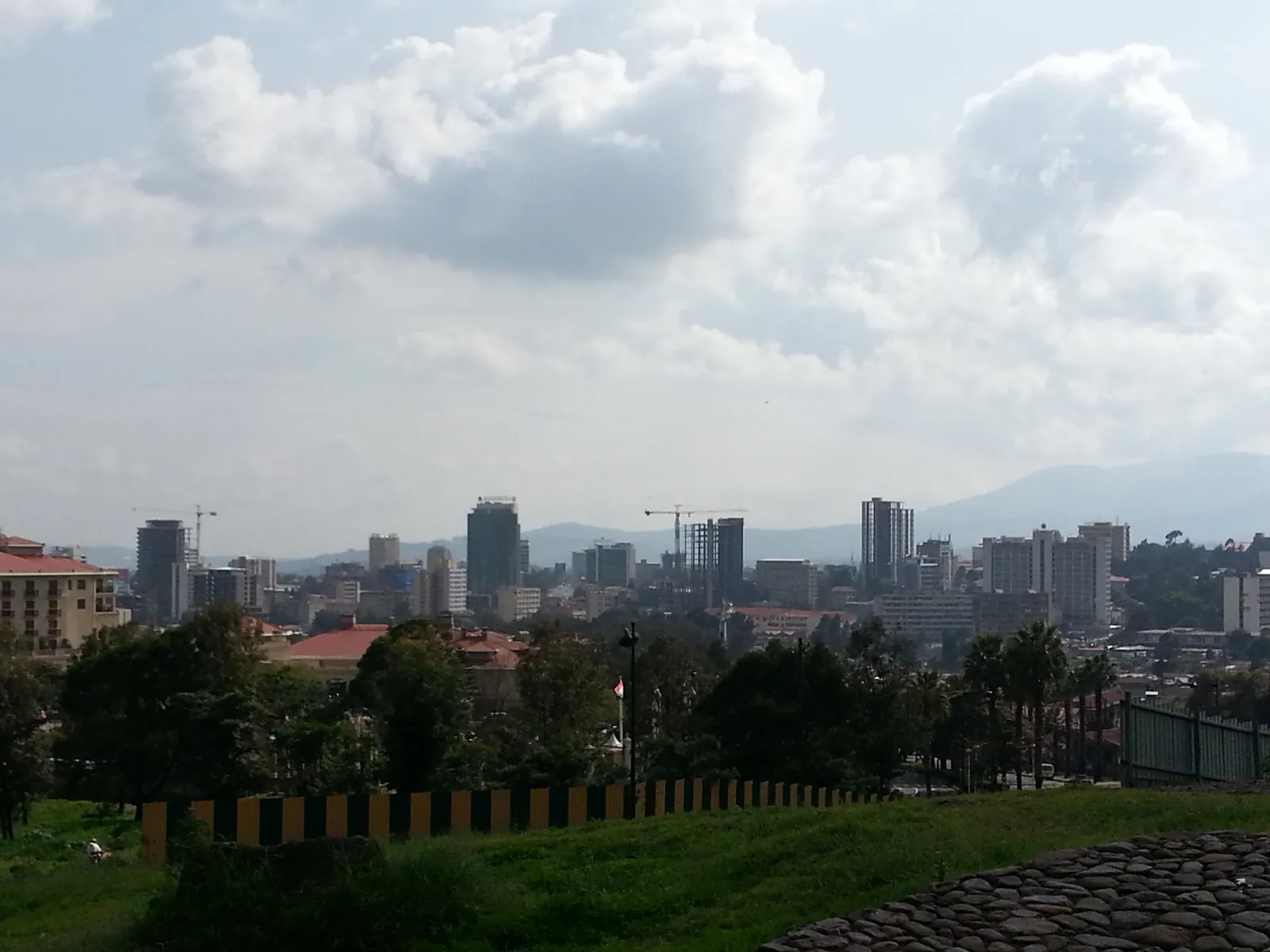
Ethiopia guide
Addis Ababa: culture, history and city time
Plan meaningful time in Addis Ababa around history, neighbourhood life, food and the city's highland setting, with a realistic pace between visits.
ExploreCompare northern and southern route patterns
A northern route can connect Bahir Dar, Gondar, the Simiens, Axum and Lalibela, with separate extensions. Southern ideas combine Rift Valley lakes, Bale and Omo interests. Neither pattern is a compulsory circuit: choose the parts that reward the time you have.
Ethiopia guide
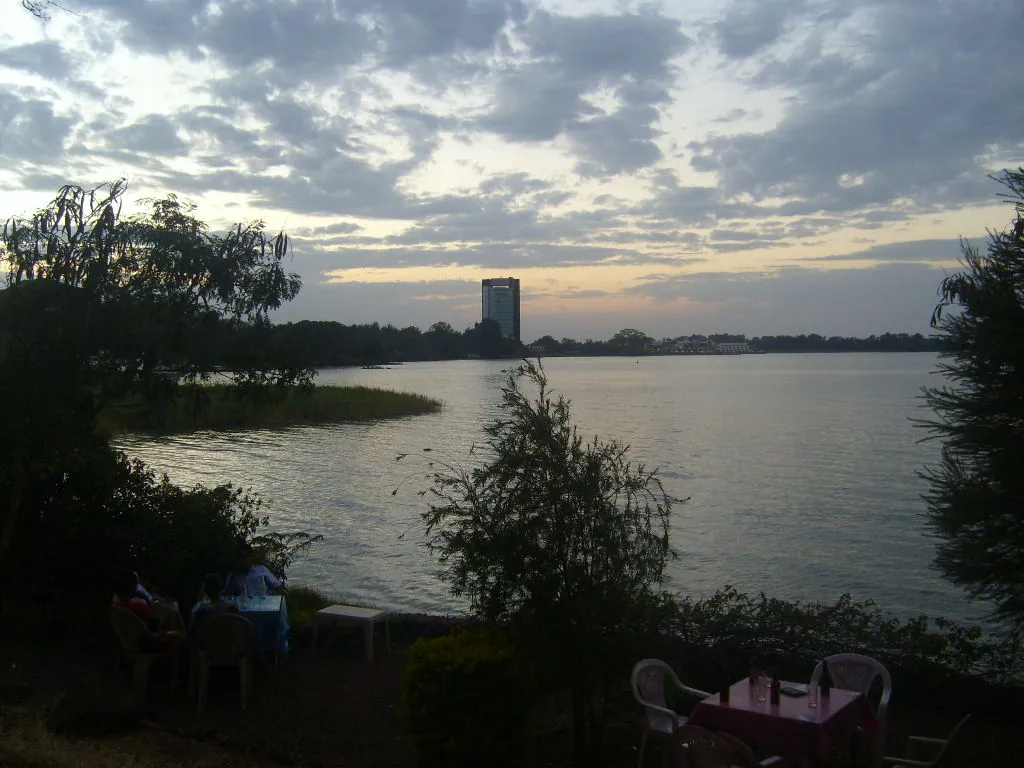
Bahir Dar and Lake Tana
Explore Bahir Dar's Lake Tana setting, monastery heritage and links with the Blue Nile Falls, and decide how these different visits fit your interests.
Explore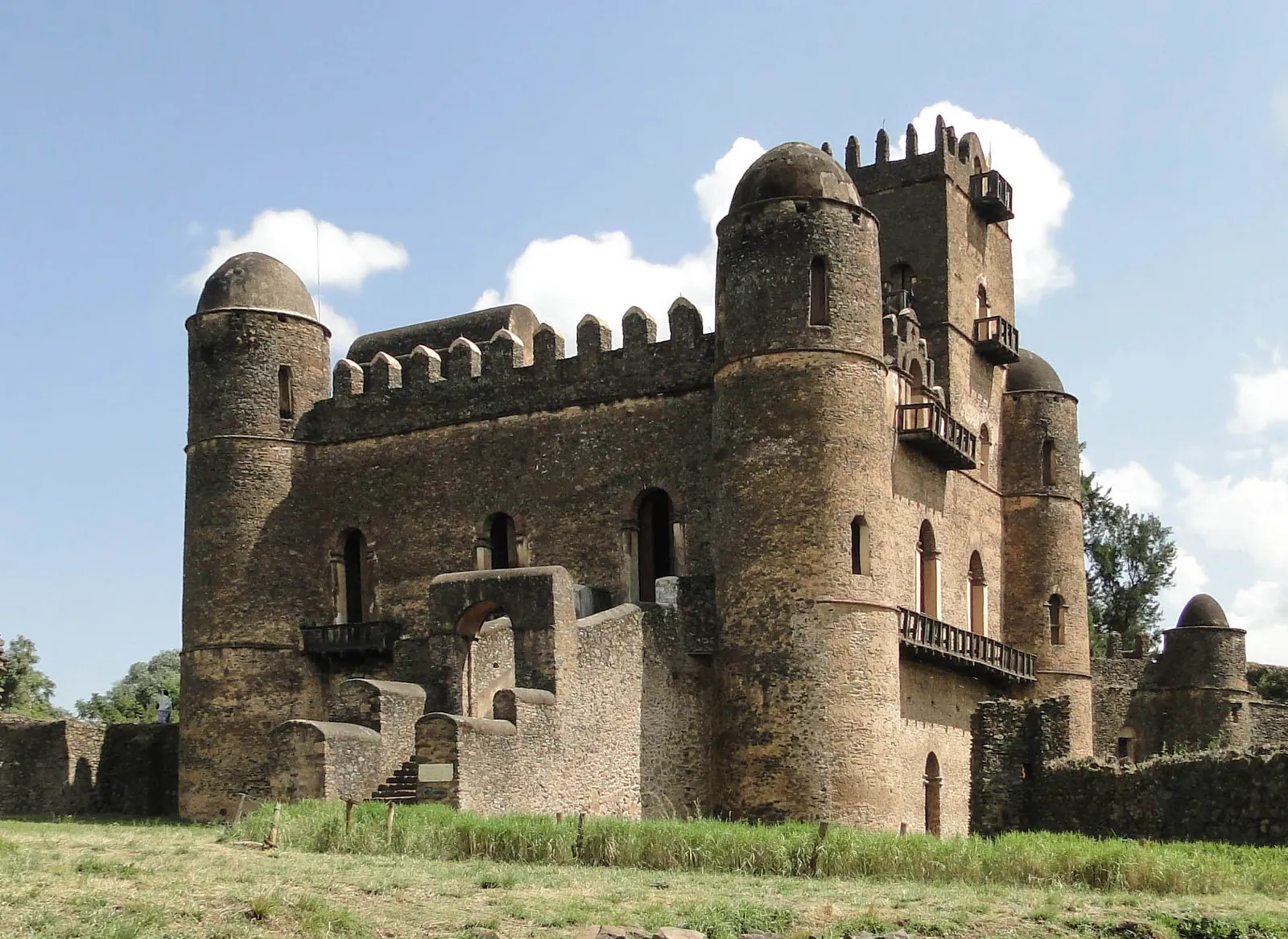
Ethiopia guide
Gondar: castles, churches and highland connections
Explore Gondar's Royal Enclosure, painted church interiors and relationship with the Simien Mountains, with a plan that gives the city its own attention.
Explore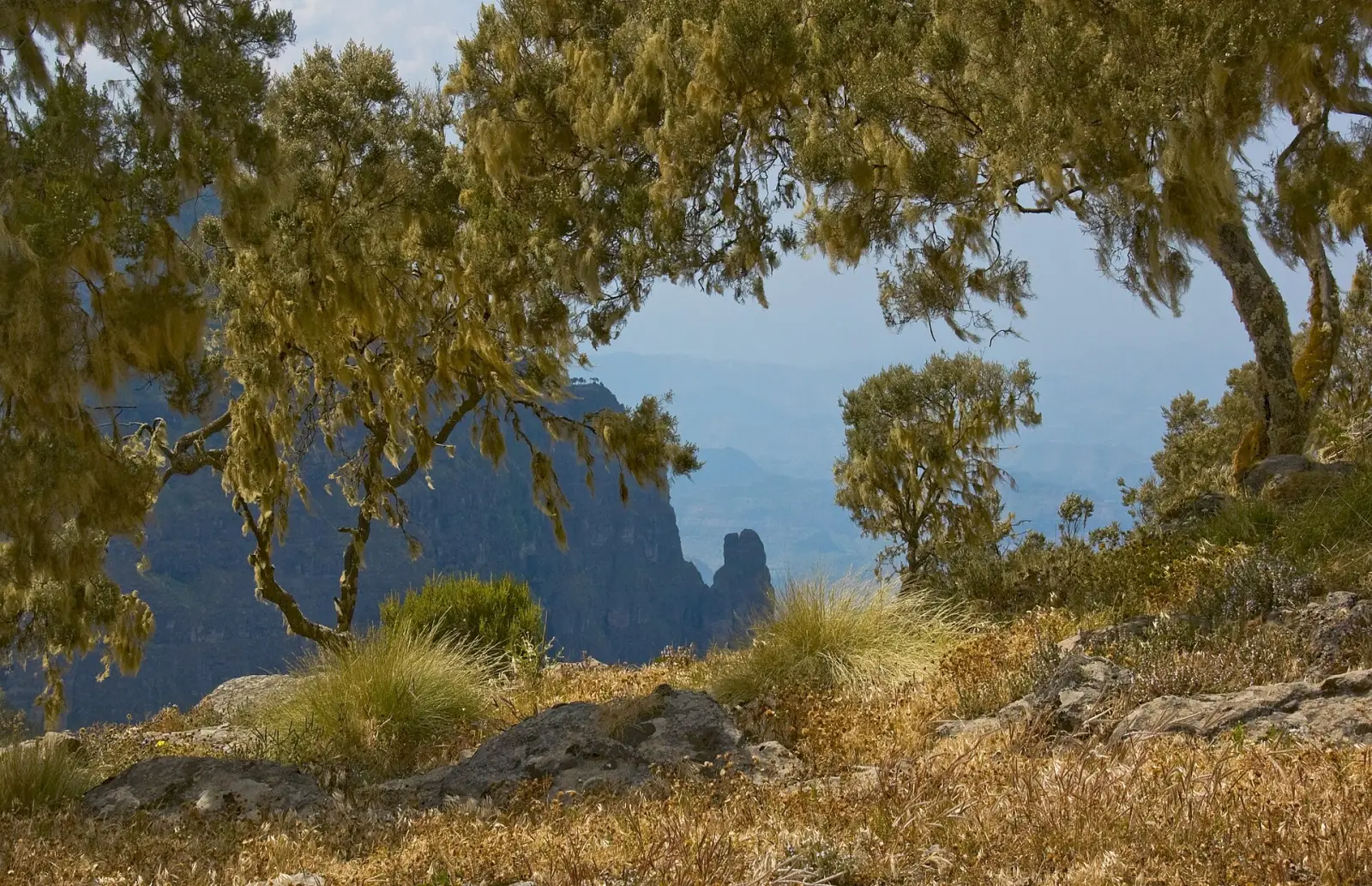
Ethiopia guide
Simien Mountains: escarpments and walking choices
Explore the Simien Mountains through escarpment scenery, endemic wildlife and distinct walking routes, with guidance on choosing the right mountain plan.
Explore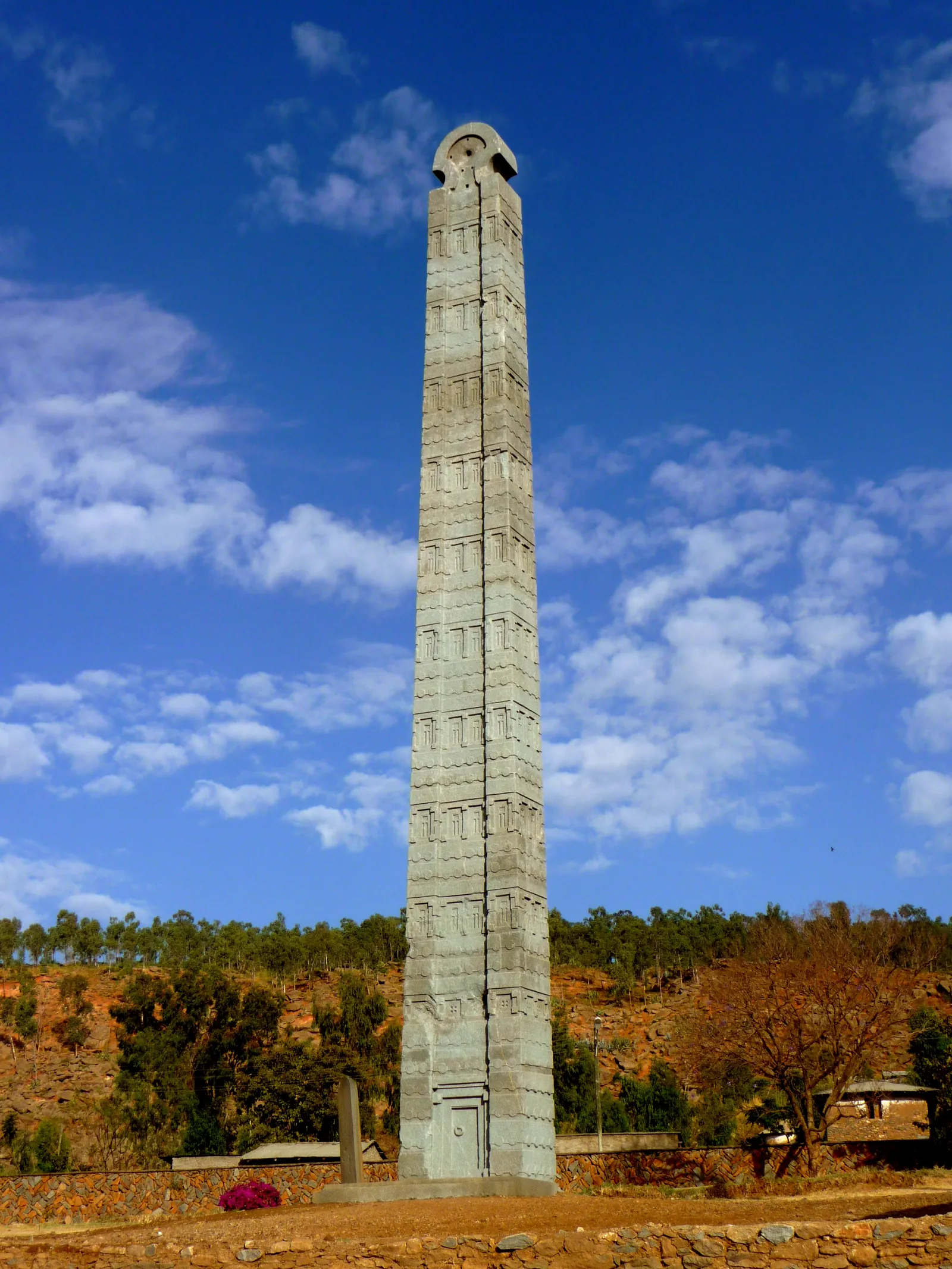
Ethiopia guide
Axum: archaeology and living heritage
Explore Axum's stelae, royal archaeology and religious traditions, and plan a visit that distinguishes historical evidence from stories of sacred heritage.
Explore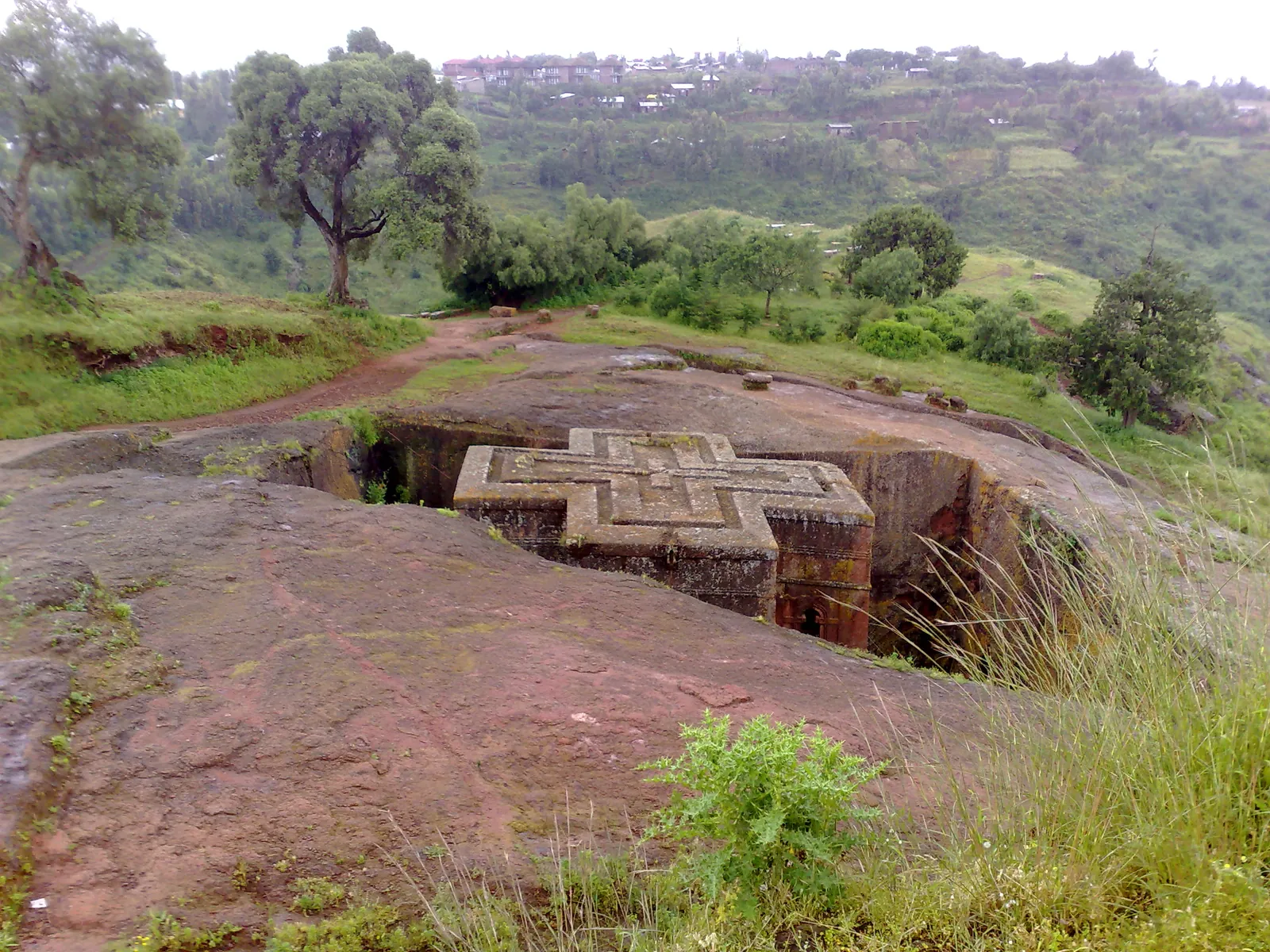
Ethiopia guide
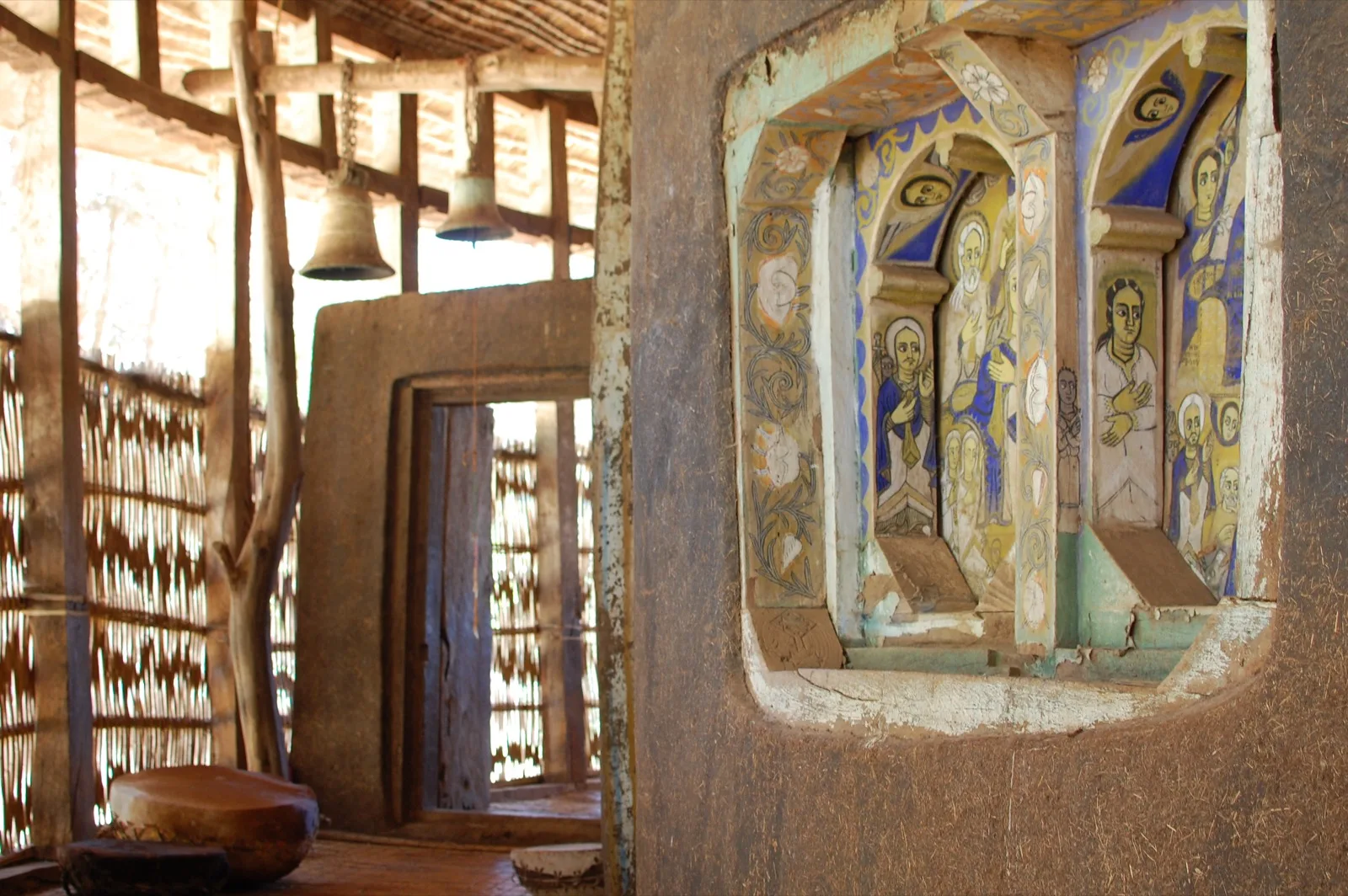
Lalibela: churches, highlands and pilgrimage
Explore Lalibela's eleven rock-hewn churches, living worship and surrounding highlands, and build a visit with time for both architecture and context.
ExploreEthiopia guide
Gheralta Mountains and Rock Churches
Explore Gheralta’s sandstone landscape and rock churches, with planning questions about individual approaches, walking demands and respectful visits in Tigray.
ExploreEthiopia guide
Danakil Depression: geology and itinerary choices
Explore the Danakil's salt landscapes, Dallol and volcanic setting, and distinguish itinerary choices without assuming every tour includes the same stops.
ExploreEthiopia guide
Community Trekking in Ethiopia
Explore community trekking through walking routes, locally hosted stays and thoughtful participation, with questions about ownership, guiding and the benefit to hosts.
ExploreEthiopia guide
Harar: the walled city and its living heritage
Discover Harar Jugol through its lanes, gates, townhouses and Islamic heritage, with thoughtful planning for private spaces and everyday city life.
ExploreEthiopia guide
Bale Mountains: plateau, forest and wildlife
Discover the Bale Mountains through the Sanetti Plateau, Harenna Forest and grasslands, and plan time around their distinct habitats and walking interests.
ExploreEthiopia guide
Ethiopia's lakes: choosing a route
Compare Lake Tana, the Rift Valley lakes and other Ethiopian water landscapes by setting, wildlife interests and the journey you want to build around them.
ExploreEthiopia guide
Omo Valley: people, landscapes and respectful visits
Understand the Lower Omo Valley as a living cultural landscape, with guidance on locally agreed visits, photography, different bases and thoughtful pacing.
ExploreFollow landmarks into fuller guides
Church of Saint George, Fasil Ghebbi, Lake Tana, the Obelisk of Axum, Dallol and the Sanetti wildlife setting give different reasons to travel. Use the place and activity indexes to investigate the subject behind a familiar image.
Ethiopia guide
Biete Giyorgis: Lalibela's Church of Saint George
Understand the cross-shaped Church of Saint George in Lalibela, its rock-cut setting and relationship with the other churches, with respectful visit guidance.
ExploreEthiopia guide
Ras Dashen: Planning a Summit Journey
Understand Ras Dashen as a distinct Simien trekking objective, with questions about the approach, acclimatisation plan, overnight sequence and return route.
ExploreEthiopia guide
Limalimo Lodge: a Simien escarpment setting
Explore Limalimo Lodge's relationship to the Simien Mountains and consider how an escarpment stay can fit before, after or alongside a walking itinerary.
ExploreEthiopia guide
Fasil Ghebbi: Gondar’s Royal Enclosure
Explore Fasil Ghebbi in Gondar through its royal buildings, courtyards and architectural history, with ideas for connecting the enclosure to the wider city.
ExploreEthiopia guide
Lake Tana and Its Monasteries
Explore Lake Tana through its monastery traditions, island and peninsula visits, and relationship with Bahir Dar, with practical questions for planning time on the lake.
Explore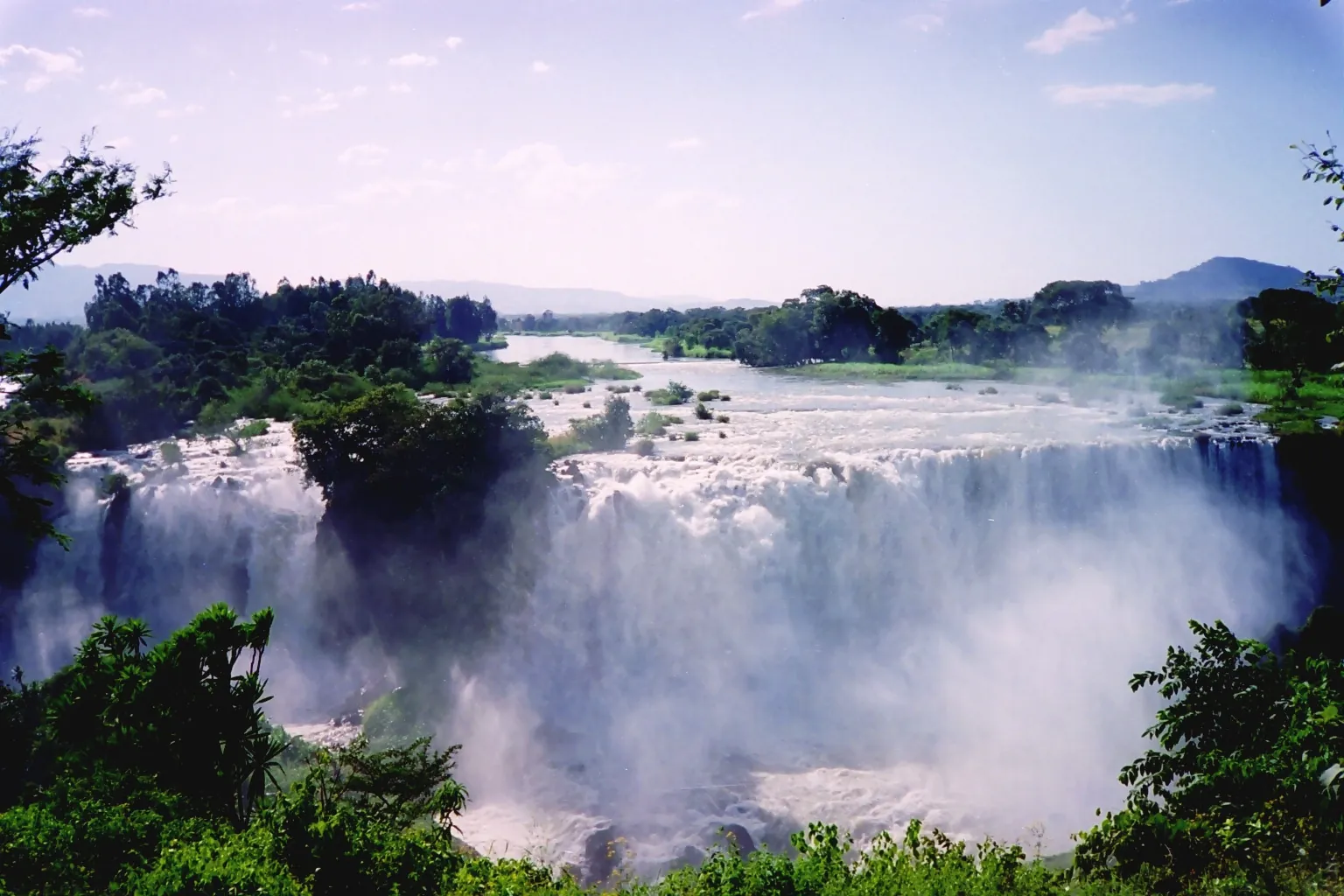
Ethiopia guide
Blue Nile Falls: landscape and visit planning
Understand the Blue Nile Falls near Bahir Dar, including seasonal changes in the river, the surrounding walking landscape and questions about a visit.
Explore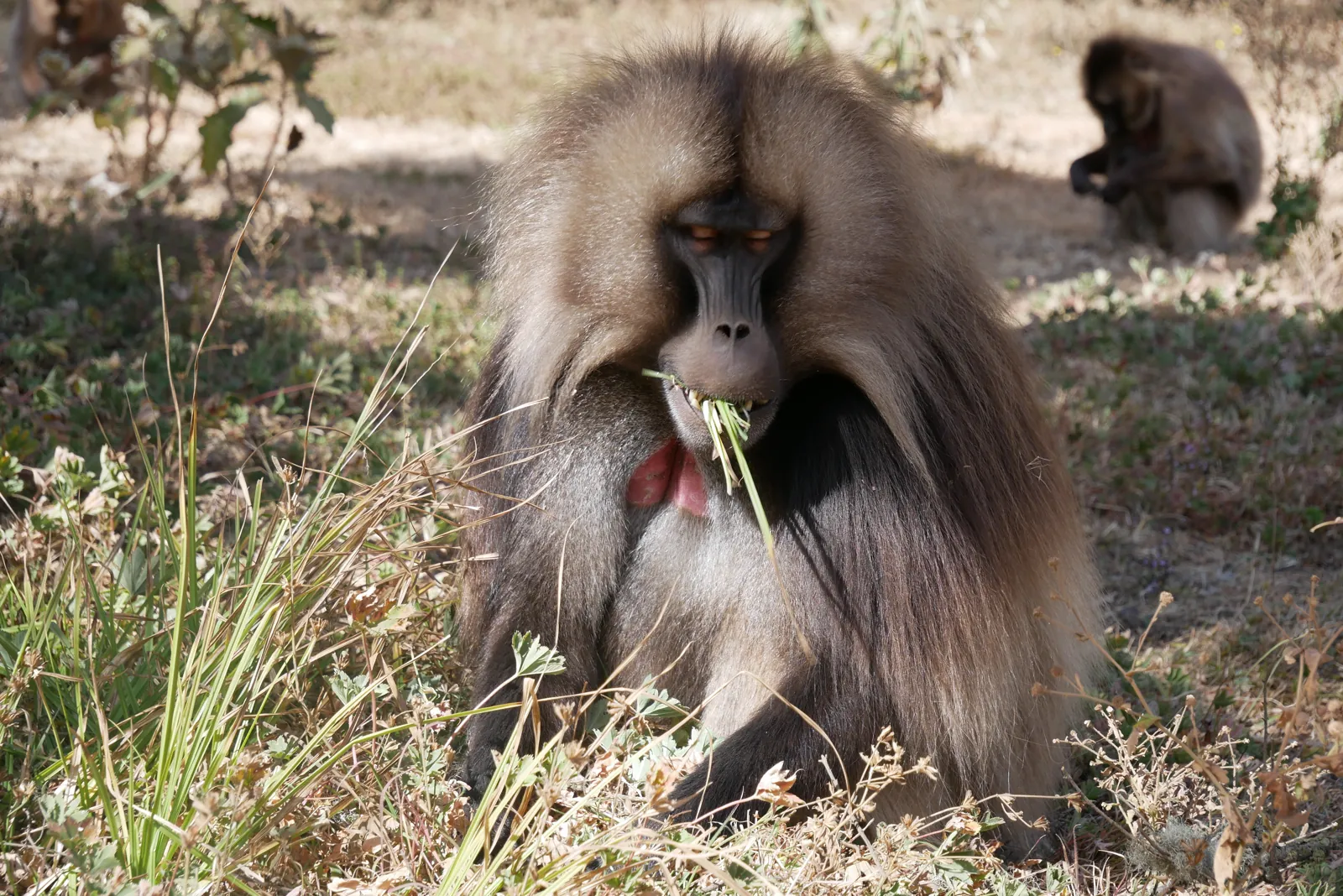
Ethiopia guide
Geladas of the Ethiopian Highlands
Learn about geladas, their grassland feeding and social groups, and plan a Simien wildlife encounter that leaves animals room to behave naturally.
Explore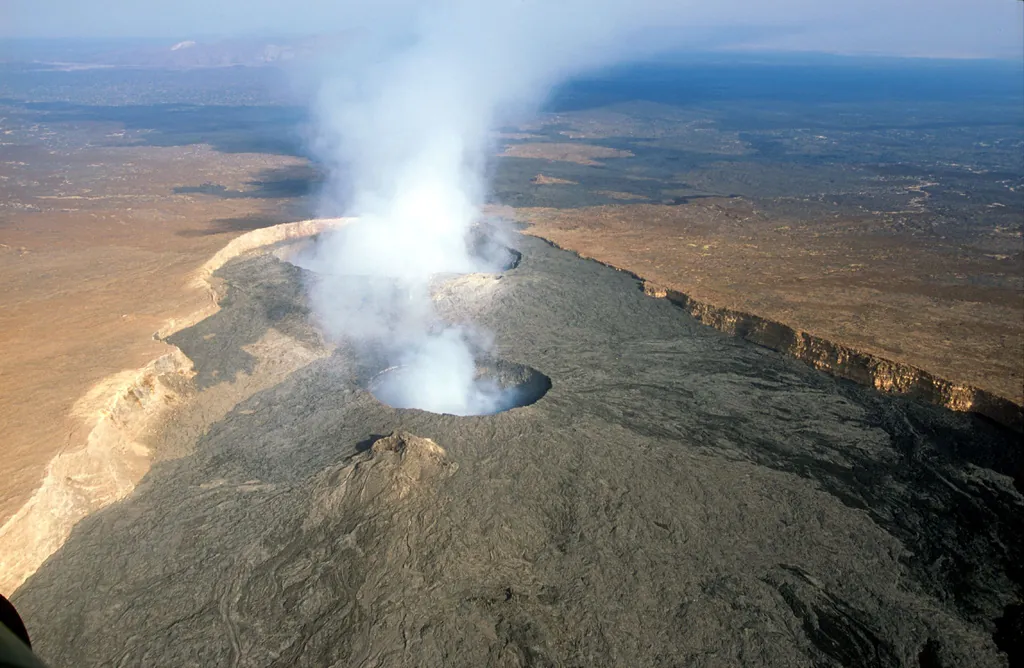
Ethiopia guide
Erta Ale: Volcanic Journey Planning
Understand Erta Ale as a separate Danakil volcanic objective, with questions about current activity, the approach, overnight arrangements and realistic expectations.
ExploreEthiopia guide
Dallol: Mineral Landscapes of Afar
Explore Dallol’s mineral formations and place in a Danakil route, with practical questions about the actual visiting area, local guidance and current access.
Explore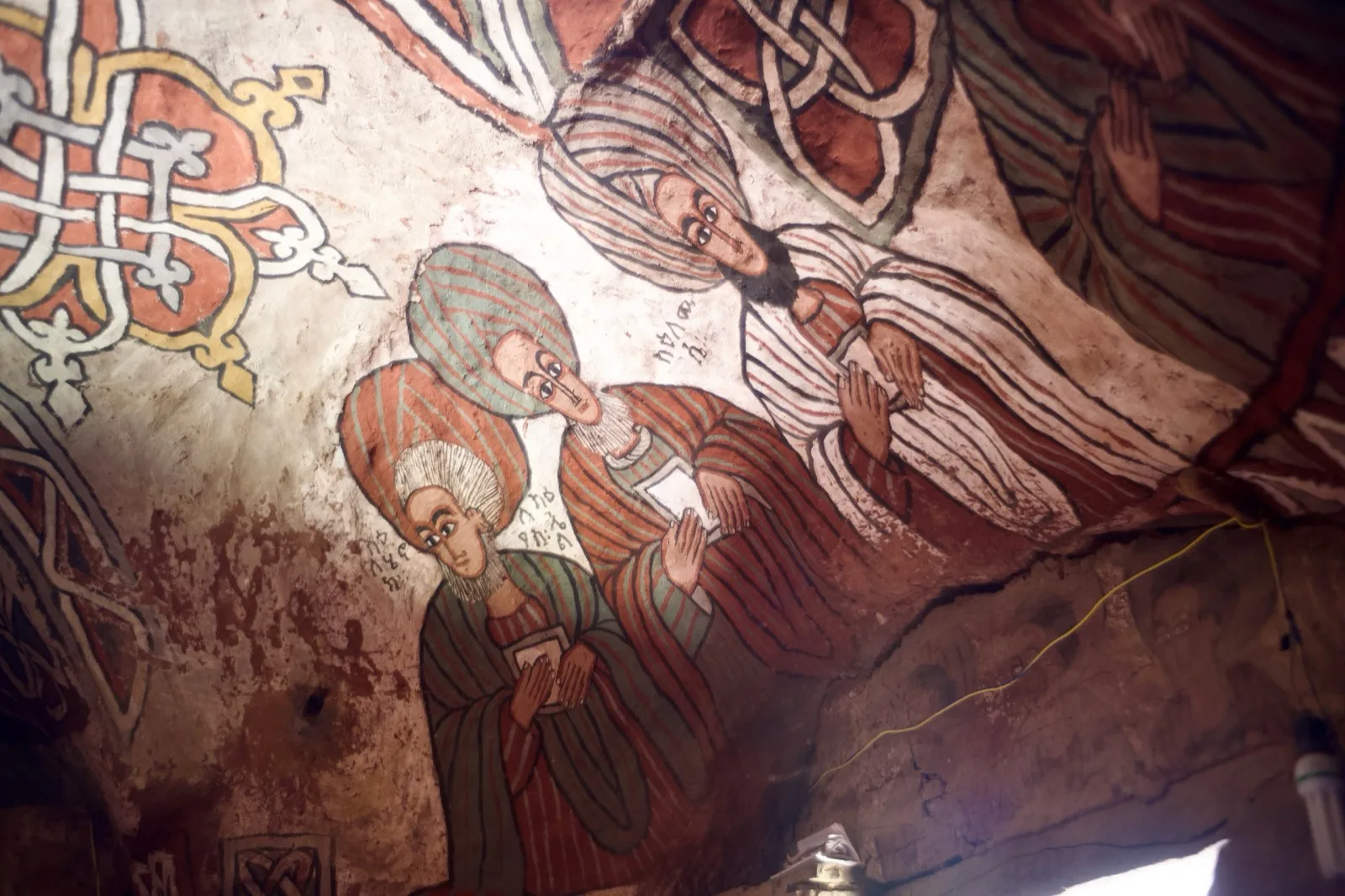
Ethiopia guide
Abuna Yemata Guh: church and cliff setting
Understand Abuna Yemata Guh's rock-church setting in Tigray and why the exposed approach, sacred interior and individual suitability need careful discussion.
ExploreEthiopia guide
Ben Abeba: a Lalibela dining landmark
Explore Ben Abeba as an architectural and hillside dining subject in Lalibela, with practical questions about the visit, current opening and menu choices.
ExploreEthiopia guide
Korkor Lodge: Gheralta accommodation context
Place Korkor Lodge within the Gheralta region and identify the church, walking and current property details needed for a considered Tigray itinerary.
ExploreEthiopia guide
The Stelae and Obelisk of Axum
Explore Axum’s monumental stelae, their place in Aksumite heritage and the history of the returned obelisk, with time for interpretation beyond a landmark photo.
ExploreEthiopia guide
Harar’s Hyena-Feeding Tradition
Understand Harar’s hyena-feeding tradition in its local context, with questions about wildlife welfare, visitor participation and alternatives within the city.
Explore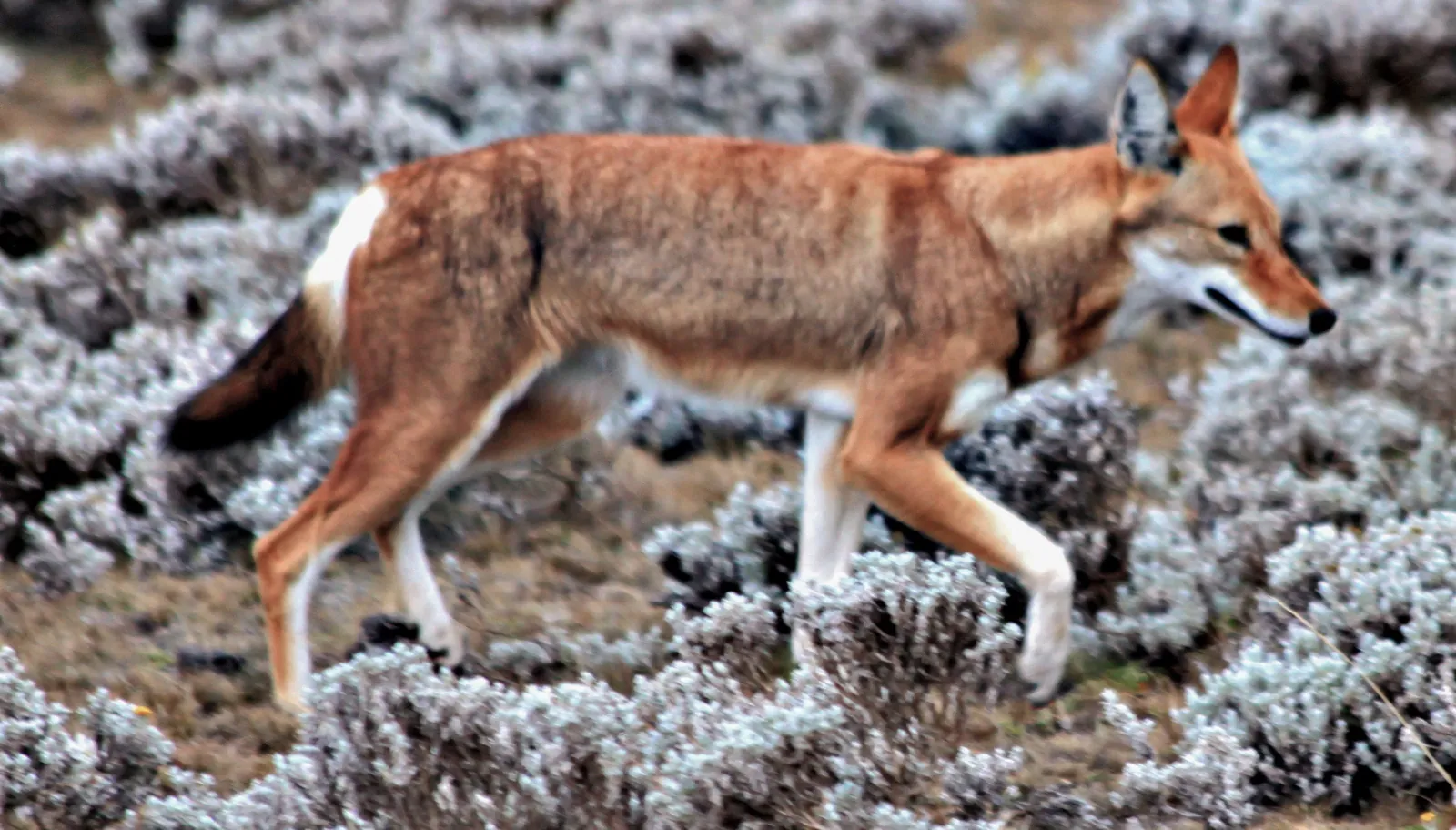
Ethiopia guide
The Ethiopian Wolf
Explore the Ethiopian wolf’s highland habitat, its red-and-white appearance and the place of Bale in wildlife planning, with a respectful approach to observation.
ExploreEthiopia guide
Bale Mountain Lodge and Harenna Forest
Place Bale Mountain Lodge in its historically described Harenna Forest setting and weigh forest time, plateau visits and the details of a proposed stay.
Explore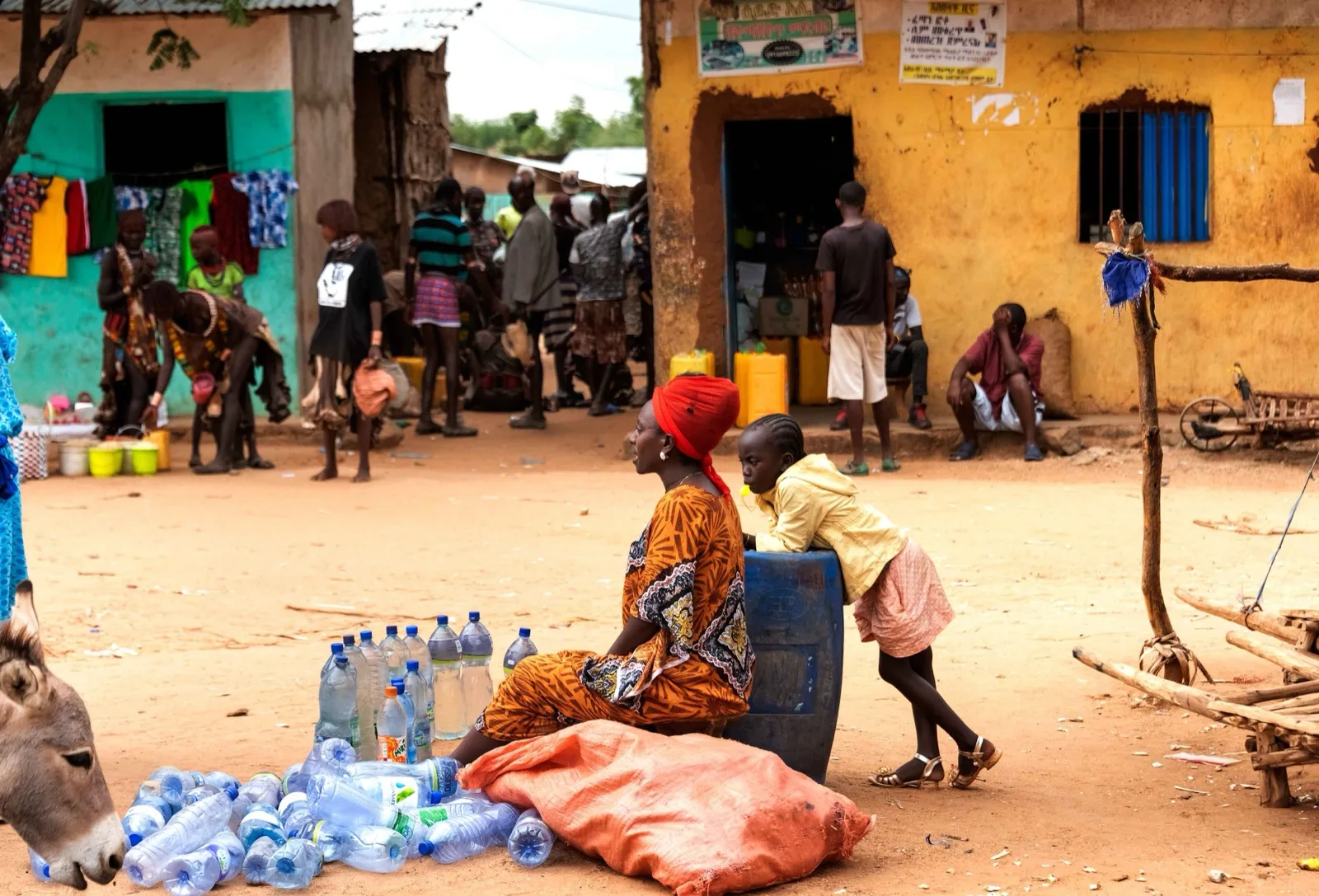
Ethiopia guide
Communities of the Omo Valley
Understand the Omo Valley as a region of distinct communities and living cultures, with practical questions about local hosts, consent and meaningful visits.
ExploreEthiopia guide
Things to do in Ethiopia
Build an Ethiopia journey around a few experiences you want time to enjoy.
ExploreEthiopia guide
Places to Visit in Ethiopia
Choose Ethiopia destinations by the kind of time you want to spend in them.
ExploreAllocate days, stays and guiding together
Count arrival and transfer days before dividing the remaining time between destinations. Think about where a local explanation would add most value and where a second night would reduce rushing. Accommodation location matters because it shapes each day's starting point.
Ethiopia guide
Danakil Depression: geology and itinerary choices
Explore the Danakil's salt landscapes, Dallol and volcanic setting, and distinguish itinerary choices without assuming every tour includes the same stops.
ExploreEthiopia guide
Community Trekking in Ethiopia
Explore community trekking through walking routes, locally hosted stays and thoughtful participation, with questions about ownership, guiding and the benefit to hosts.
ExploreEthiopia guide
Omo Valley: people, landscapes and respectful visits
Understand the Lower Omo Valley as a living cultural landscape, with guidance on locally agreed visits, photography, different bases and thoughtful pacing.
ExploreEthiopia guide
What to Expect on an Ethiopia Journey
Prepare for an Ethiopia trip by clarifying rooms, transport, guiding, meals and the pace of each day, while making space for local context and changing plans.
ExploreEthiopia guide
Hotels and lodges in Ethiopia
Choose between town hotels, landscape lodges and camping in Ethiopia, with a practical framework for matching accommodation to your route and priorities.
ExploreEthiopia guide
Choosing lodges in Ethiopia
Compare Ethiopia's lodge settings, from Simien escarpments to forest and Rift Valley lakes, and decide which qualities matter for your own journey.
ExploreEthiopia guide
Luxury lodges: choosing the experience
Think through luxury accommodation in Ethiopia by comparing setting, privacy, room design and service details rather than relying on a category label.
ExploreChoose the season and travel format
Seasonal context, travel costs, safety research and tour format are separate planning subjects. Read them alongside your actual destinations. A country-wide statement is rarely enough to decide whether a particular activity suits your dates.
Ethiopia guide
When to Visit Ethiopia
Choose when to visit Ethiopia by region, interests and festival plans, with a practical distinction between long-term seasonal patterns and conditions for your trip.
ExploreEthiopia guide
Understanding Ethiopia Travel Costs
Compare Ethiopia trip quotations through transport, overnight stays, guiding and included services, with a clear way to discuss budget without relying on old prices.
ExploreEthiopia guide
Ethiopia Travel Advice: Planning Checks
Use official Ethiopia travel advice alongside route-specific operator information, with clear questions about access, insurance, communication and changing arrangements.
ExploreEthiopia guide
Ethiopia Tours
Explore Ethiopia through its route ideas, destinations and travel styles.
ExploreEthiopia guide
Ethiopia Adventure Tours
Choose an Ethiopia adventure by the activity you want to spend time doing.
ExploreEthiopia guide
Ethiopia Cultural Tours
Explore Ethiopia's heritage through individual places and the people who give them meaning today.
ExploreEthiopia guide
Ethiopia Wildlife Tours
Choose Ethiopia wildlife journeys by habitat and time available for observation.
ExploreEthiopia guide
Ethiopia Luxury Tours
Think about comfort as part of the route: where you stay, how often you move and how much time you have in each landscape.
ExploreEthiopia guide
Wildlife Journeys in Ethiopia
Compare Ethiopia’s highland wildlife journeys, from Simien geladas and Walia ibex to Bale’s Ethiopian wolves, and plan time for habitats as well as sightings.
ExploreEthiopia guide
Private Tours
Use a private journey to shape the pace around your own party.
ExploreEthiopia guide
Tailor-made Tours to Ethiopia
Shape an Ethiopia journey around a few clear priorities.
ExplorePrepare your practical questions
Use this checklist when assembling your own travel brief. Changing rules need current authoritative answers; the questions help you identify what to verify without carrying old requirements into a new journey.
- Entry and equipment: visa, currency rules and permissions for professional camera equipment.
- Daily needs: spending money, payment options, phone connectivity and charging.
- Personal preparation: packing, individual health advice and medication requirements.
- Local expectations: food preferences, dress at religious sites and tipping arrangements.
Ethiopia guide
Trekking in the Simien Mountains
Choose a Simien trek by its actual walking days, terrain and overnight sequence, from shorter escarpment walks to longer mountain routes and summit plans.
Explore
Ethiopia guide
Ethiopian Cuisine: Food, Injera and Coffee
Explore Ethiopian food through injera, stews, shared meals and coffee, with practical questions about ingredients, dietary preferences and local dining etiquette.
ExploreCompare complete route examples
Once your priorities are clear, read several daily outlines and note the trade-offs. Prefer an itinerary that makes your main interests possible with a comfortable rhythm over one that simply names the greatest number of places.
12 days · Itinerary
Northern Heritage with Lodge-Based Stays
Twelve days follow Bahir Dar, Lalibela, Gondar, the Simien Mountains, Axum and Hawzien.
Explore12 days · Itinerary
Northern Heritage and Simien Camping Circuit
Twelve days connect Bahir Dar, Lalibela and Gondar with four Simien walking stages, then continue through Axum and Gheralta before returning to Addis Ababa.
ExploreRoute study
Historic North Circuit and Community Trekking
Explore a northern Ethiopia route concept combining Bahir Dar, Gondar, the Simien Mountains, Axum, Tigray community walking and Lalibela. The walking connection requires confirmation.
Explore9 days · Itinerary
Nine Days through Ethiopia's Historic Towns
A nine-day heritage journey links Bahir Dar, Gondar, Lalibela and Axum with the old walled city of Harar in the east.
Explore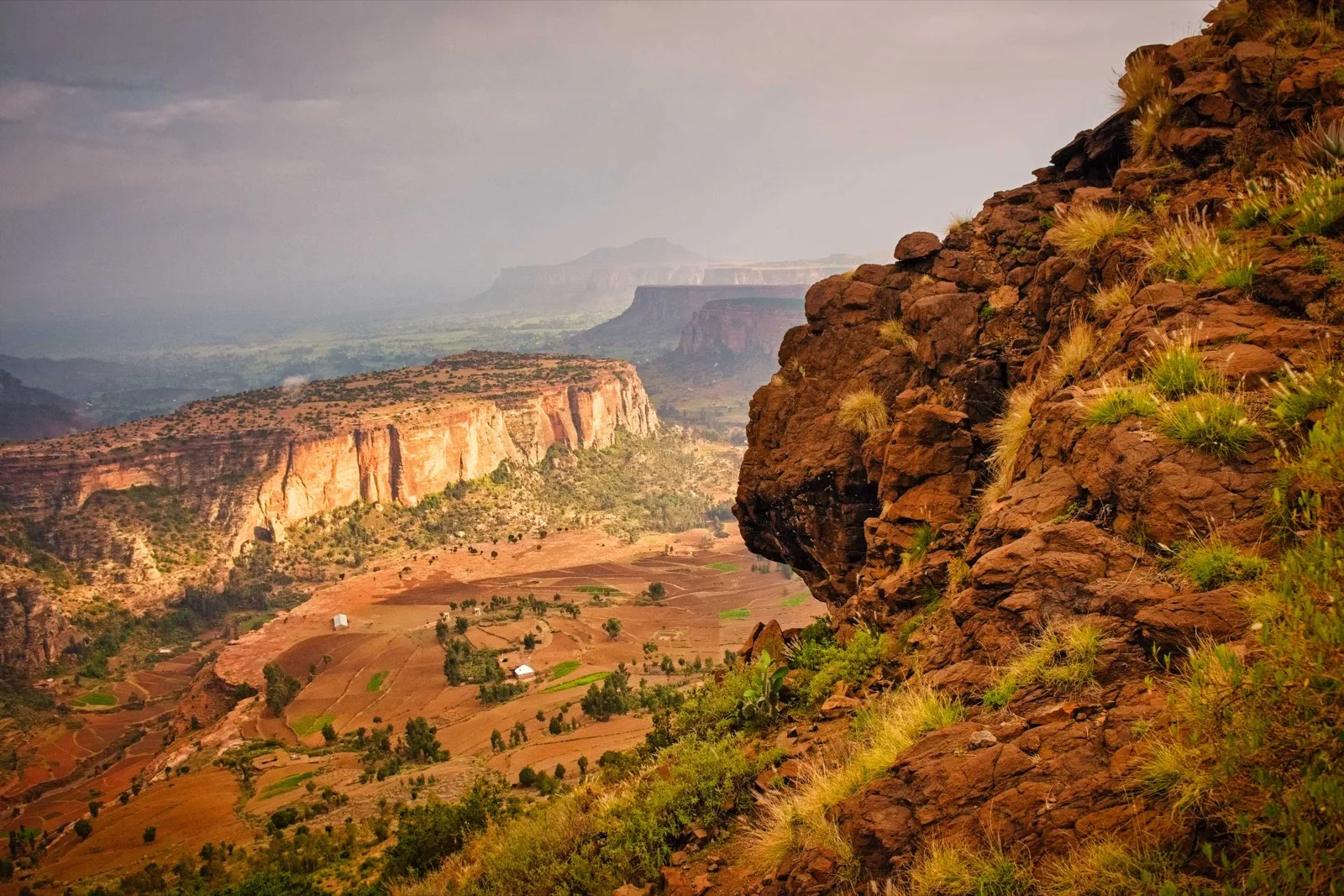
Route study
Community Trekking in Ethiopia: Route Study
Compare community walking around Wollo and Tigray with Lalibela, Gondar, the Simiens and Axum, and review the unresolved stages of this route concept.
ExploreRoute study
Simien Mountains and Northern History
Combine the interests of Lalibela, Gondar and the Simien Mountains in a northern Ethiopia route study, with the final connection still to confirm.
Explore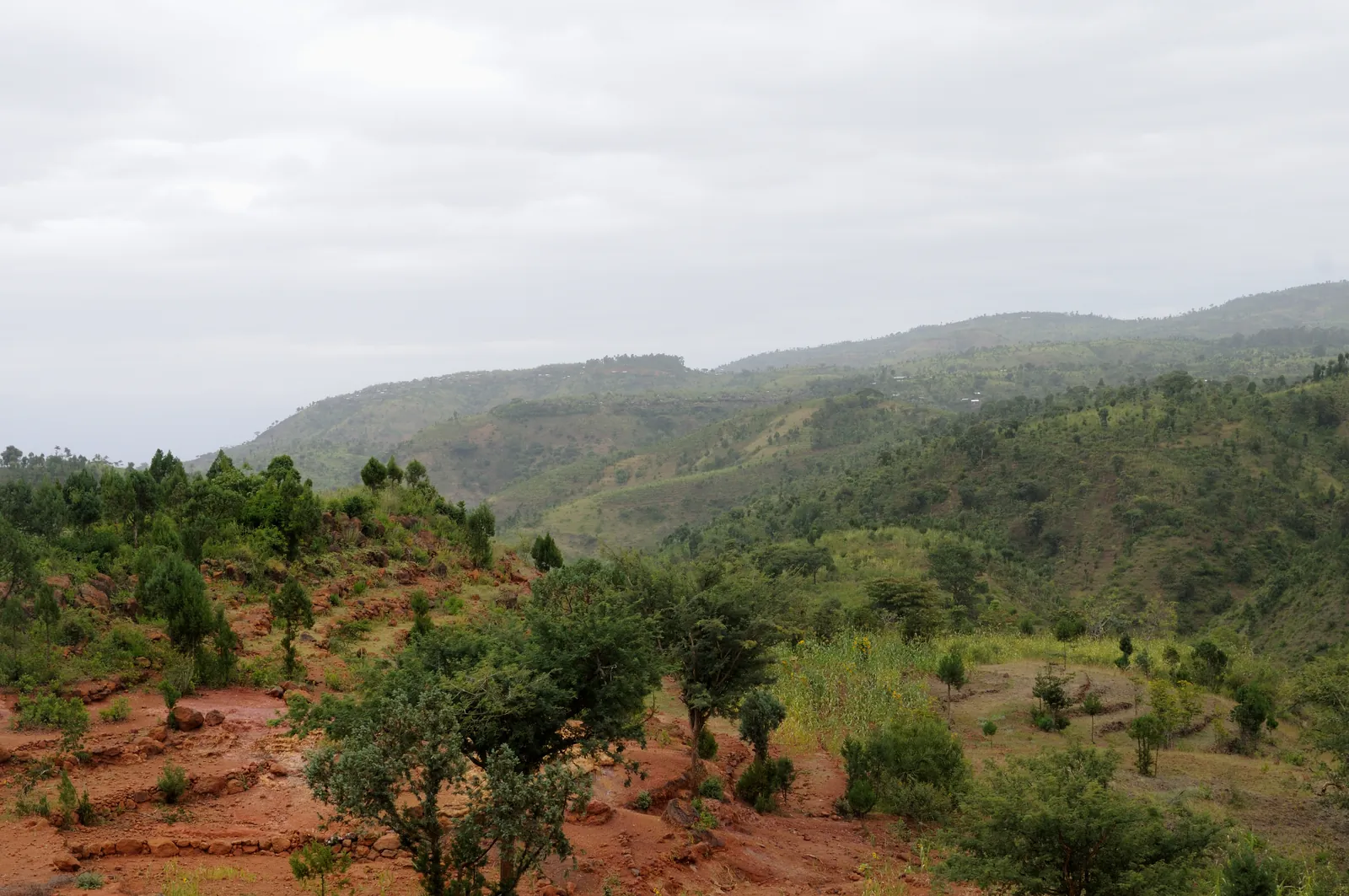
20 days · Itinerary
Twenty-Day Northern and Southern Ethiopia Survey
Twenty days join northern heritage cities and the Simien Mountains with Omo communities, Bale and the Rift lakes in one country-wide journey.
Explore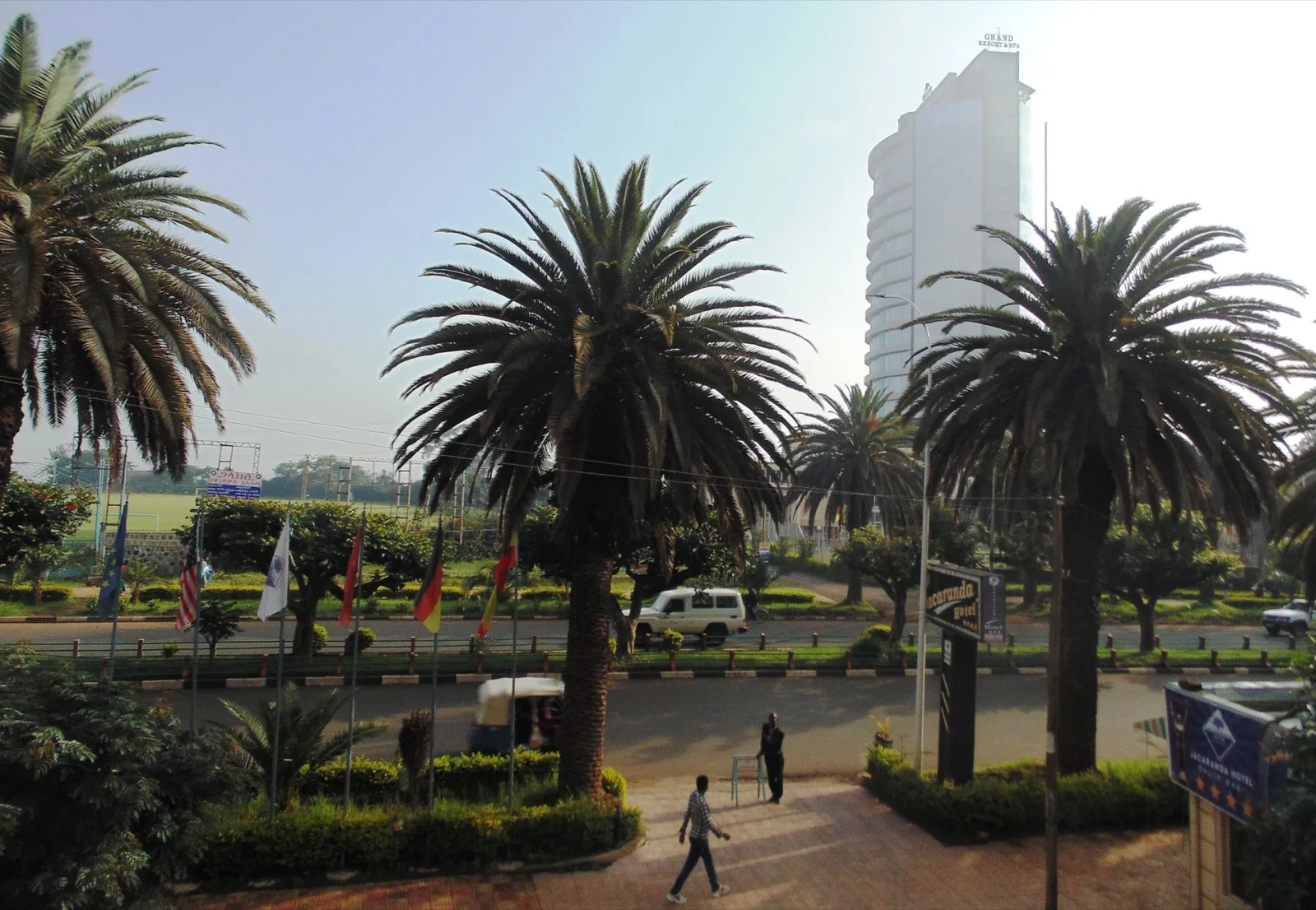
6 days · Itinerary
Six-Day Northern Heritage Sampler
Six days connect Lake Tana and Gondar with Axum and two Lalibela church days, returning to Addis Ababa. The focus stays on heritage sites rather than trekking.
Explore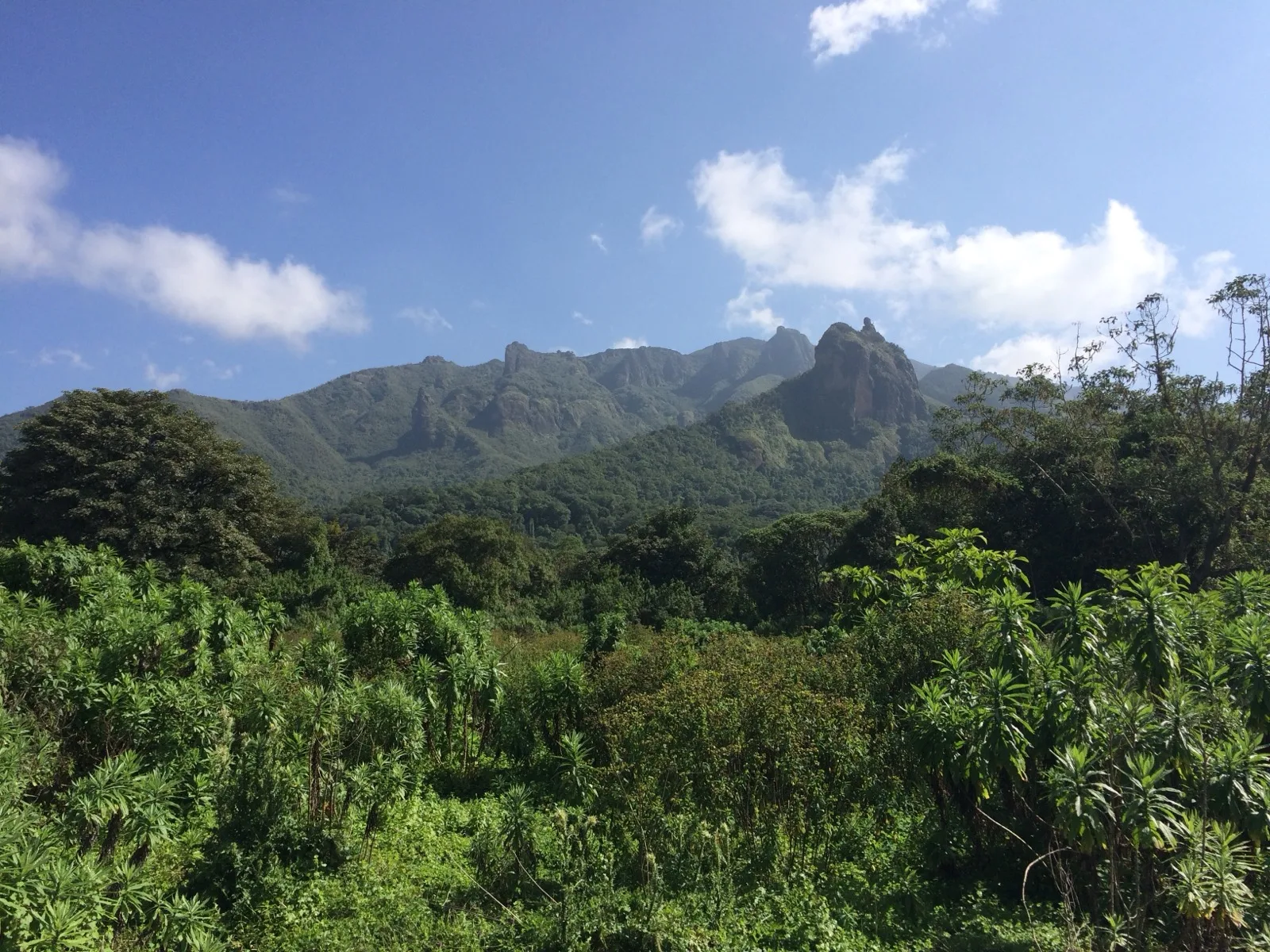
Route study
Trekking and Camping in the Bale Mountains
Explore a Bale Mountains camping and trekking concept across plateau and forest environments, with its overall length still to confirm.
Explore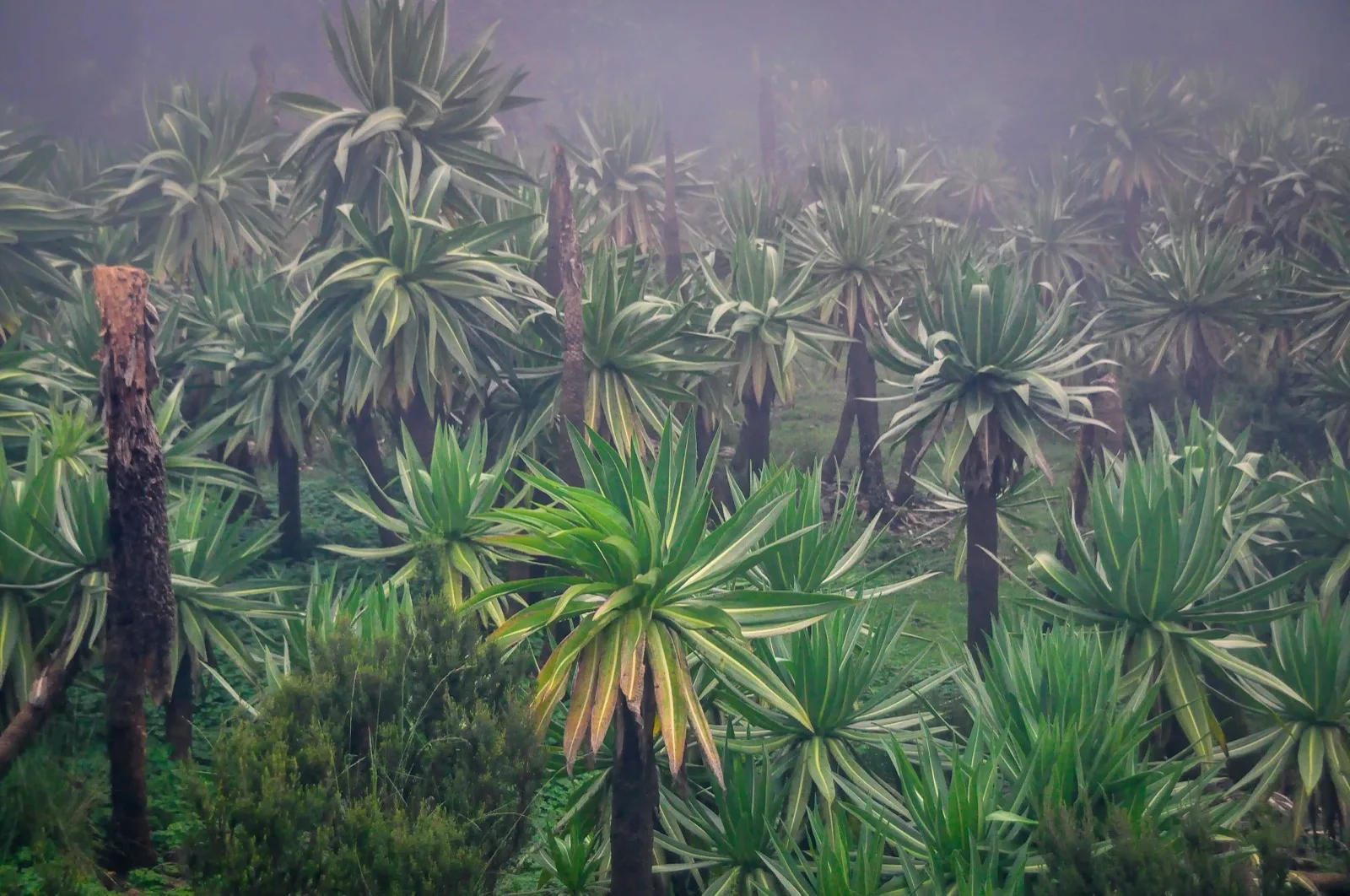
Route study
Peaks and Plateaus of Ethiopia
Compare Wollo and Tigray community walks, Lalibela, Gondar, the Simien Mountains and Axum in an Ethiopia route outline of twelve to thirteen days.
Explore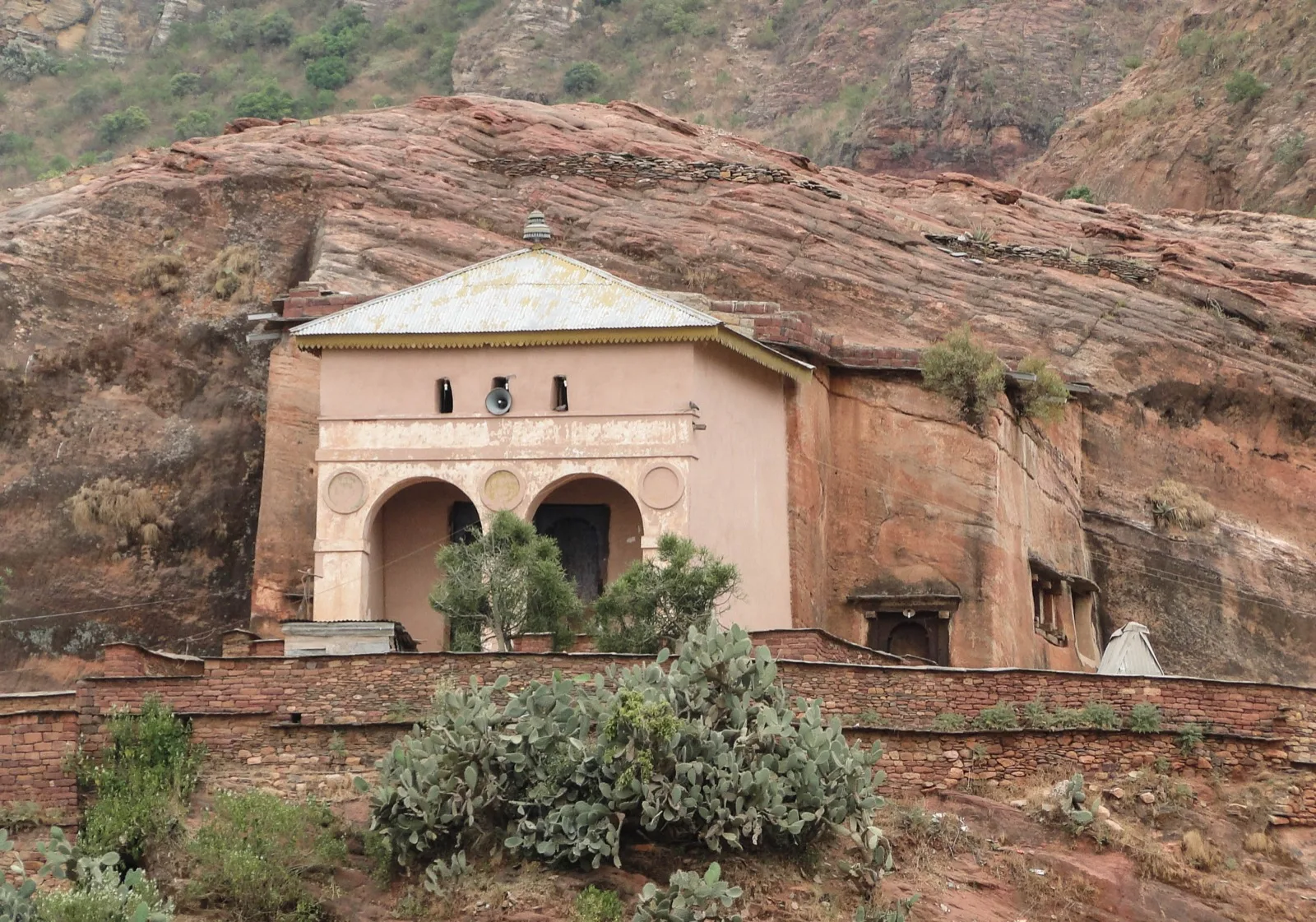
11 days · Itinerary
Tigray Community Trails and the Danakil
Eleven days connect Axum with a chain of Tigray community-trail locations before the route enters the Danakil for Erta Ale, Dallol and the salt lakes.
Explore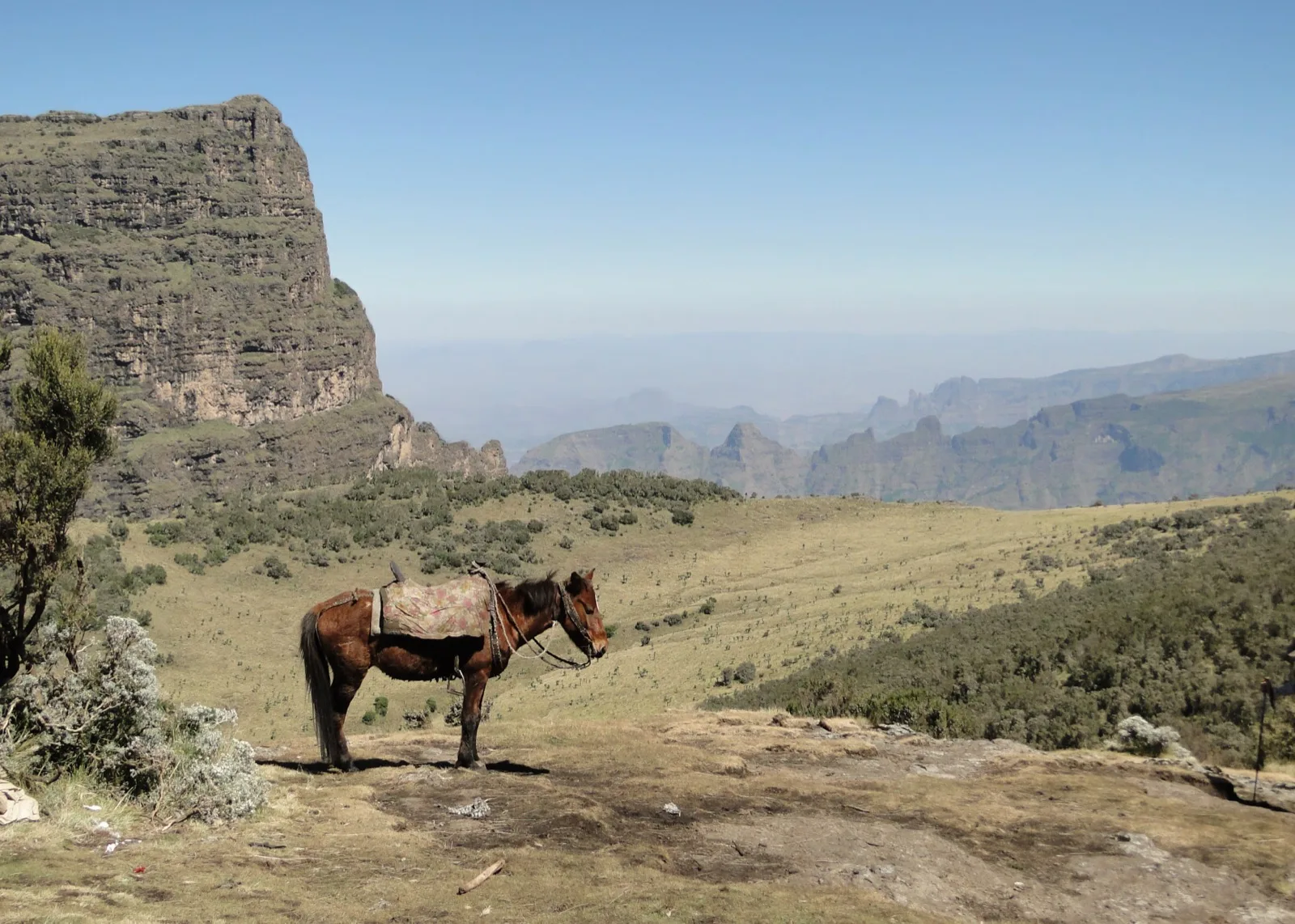
2 days · Itinerary
Two-Day Simien Escarpment Trek
A compact two-day walking route links Sankaber and Gich with Imet Gogo before returning to Gondar.
Explore
3 days · Itinerary
Three Days on the Simien Ridges
Three days walk from Sankaber and Gich across Imet Gogo to Chenek, with an optional Ras Bwahit summit, starting and finishing in Gondar.
Explore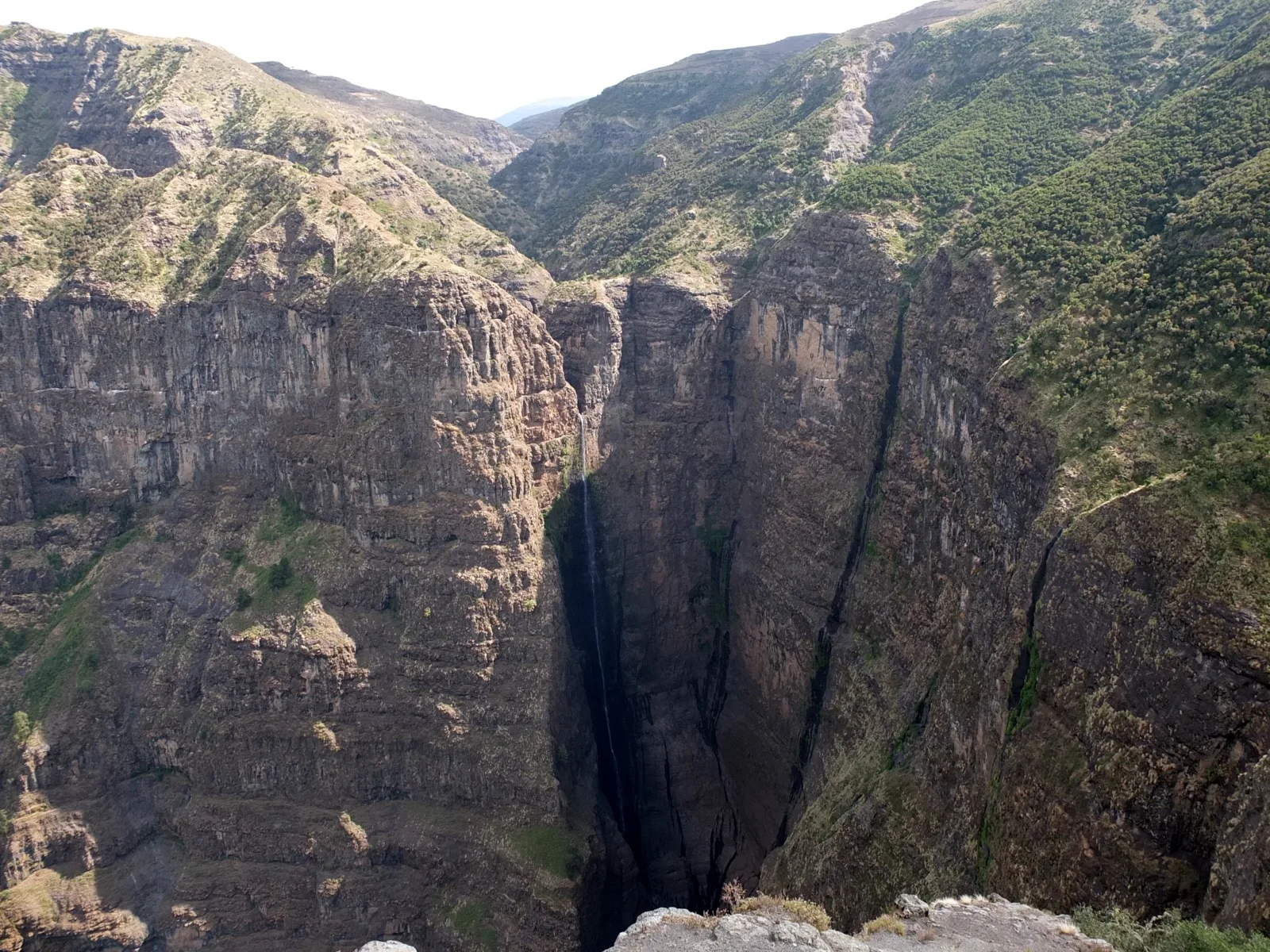
4 days · Itinerary
Four-Day Simien Walking Circuit
An introductory approach through Michibiny leads into three further days around Gich, Imet Gogo and Chenek, with a Bwahit option before the return to Gondar.
Explore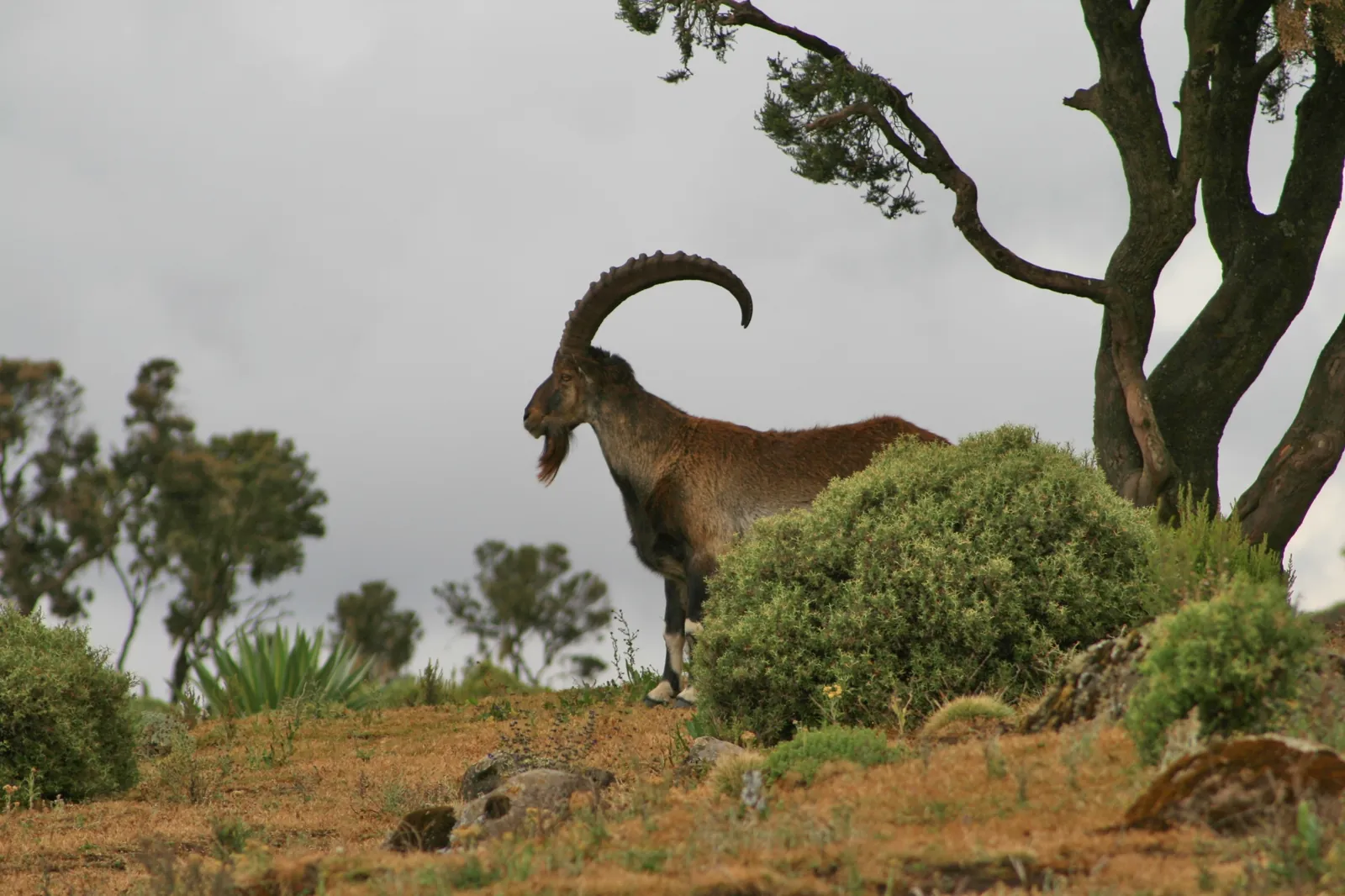
6 days · Itinerary
Six-Day Simien Trek towards Ras Dashen
Six days connect the western Simien camps with Ambiko and a Ras Dashen attempt.
Explore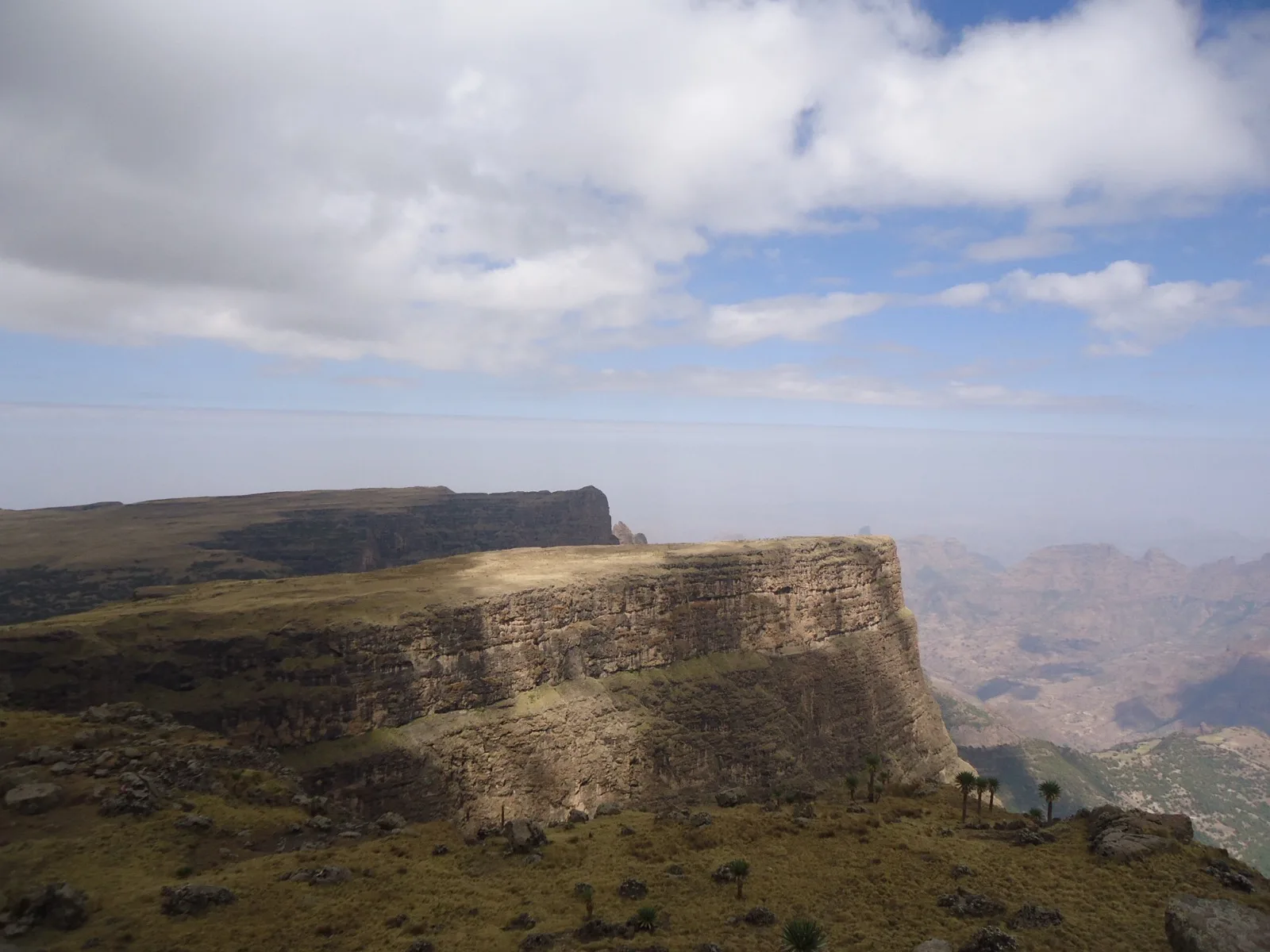
4 days · Itinerary
Four Days Camping in the Simien Mountains
Four days lead through Debark and the Simien camps of Sankaber, Gich and Chenek, finishing with a Mount Bwahit excursion.
Explore5 days · Itinerary
Gondar and the Western Simien Ridges
Five days place Gondar before a Simien walking sequence through Imet Gogo and Bwahit, with a final return to Addis Ababa via Gondar.
Explore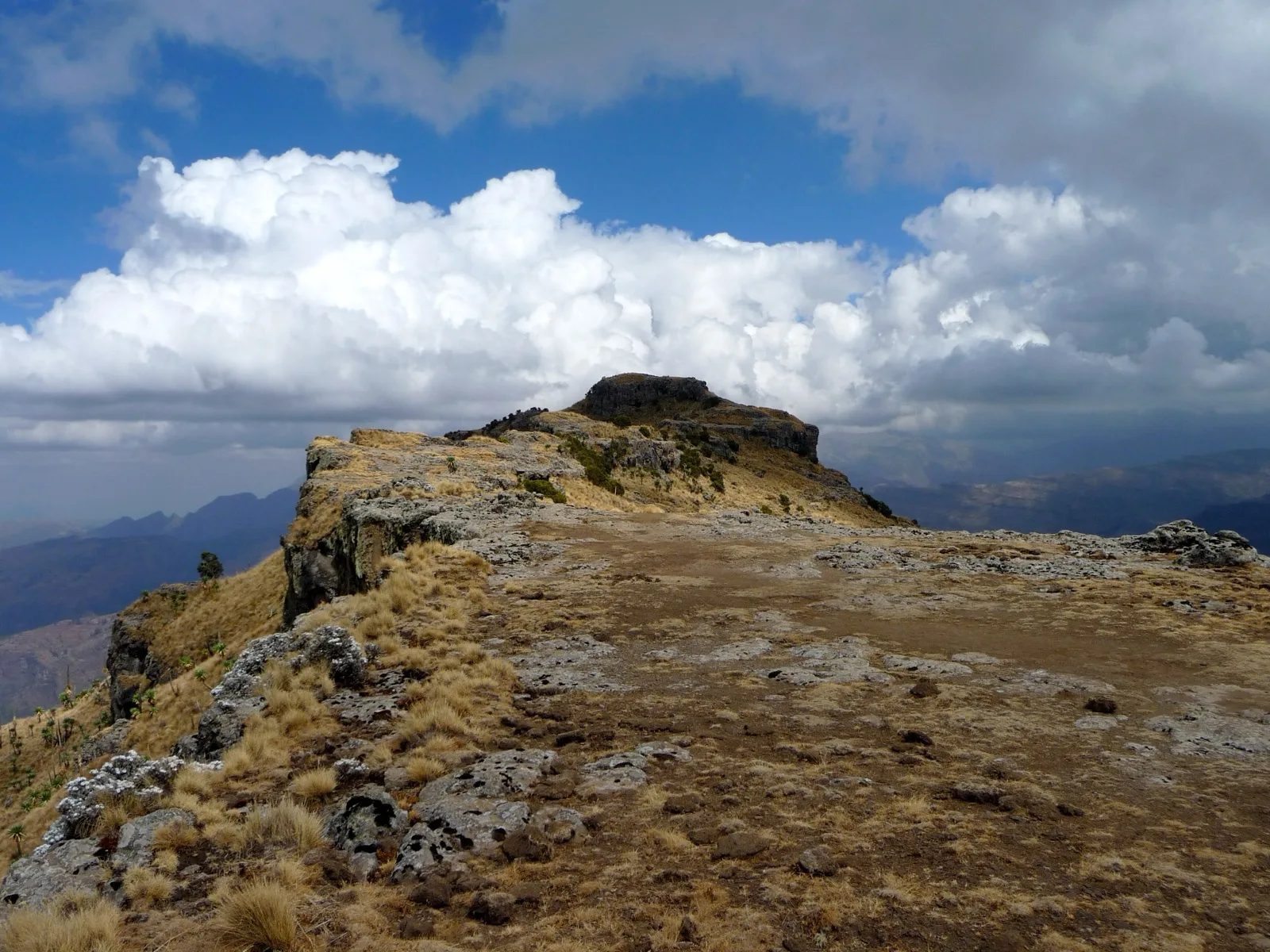
Route study
Trekking in the Simien Mountains: Route Study
Follow the named Simien trekking stages through Sankaber, Gich, Chenek, Ambiko and Ras Dashen, with the return from Menteber still to confirm.
Explore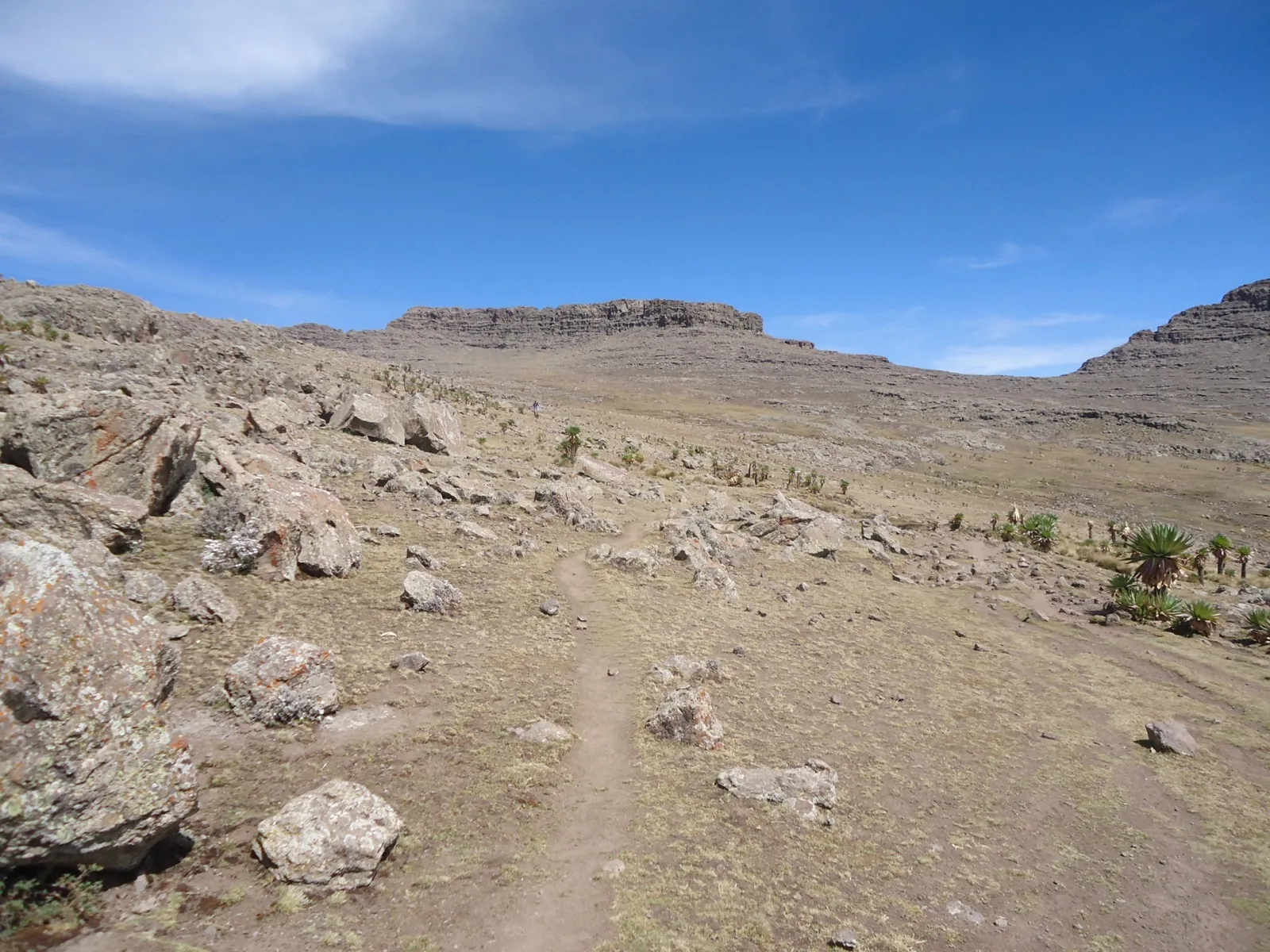
9 days · Itinerary
Nine-Day Simien Peaks and Lowland Traverse
This longer Simien route links Sankaber and Chenek with Ras Dashen, Kiddus Yared and the lowland stages through Sona, Mekerabiya and Mullit.
Explore
13 days · Itinerary
Southern Cultures, Rift Lakes and Bale
Thirteen days connect Jinka and Turmi with Arba Minch, Hawassa, Bale and Langano.
Explore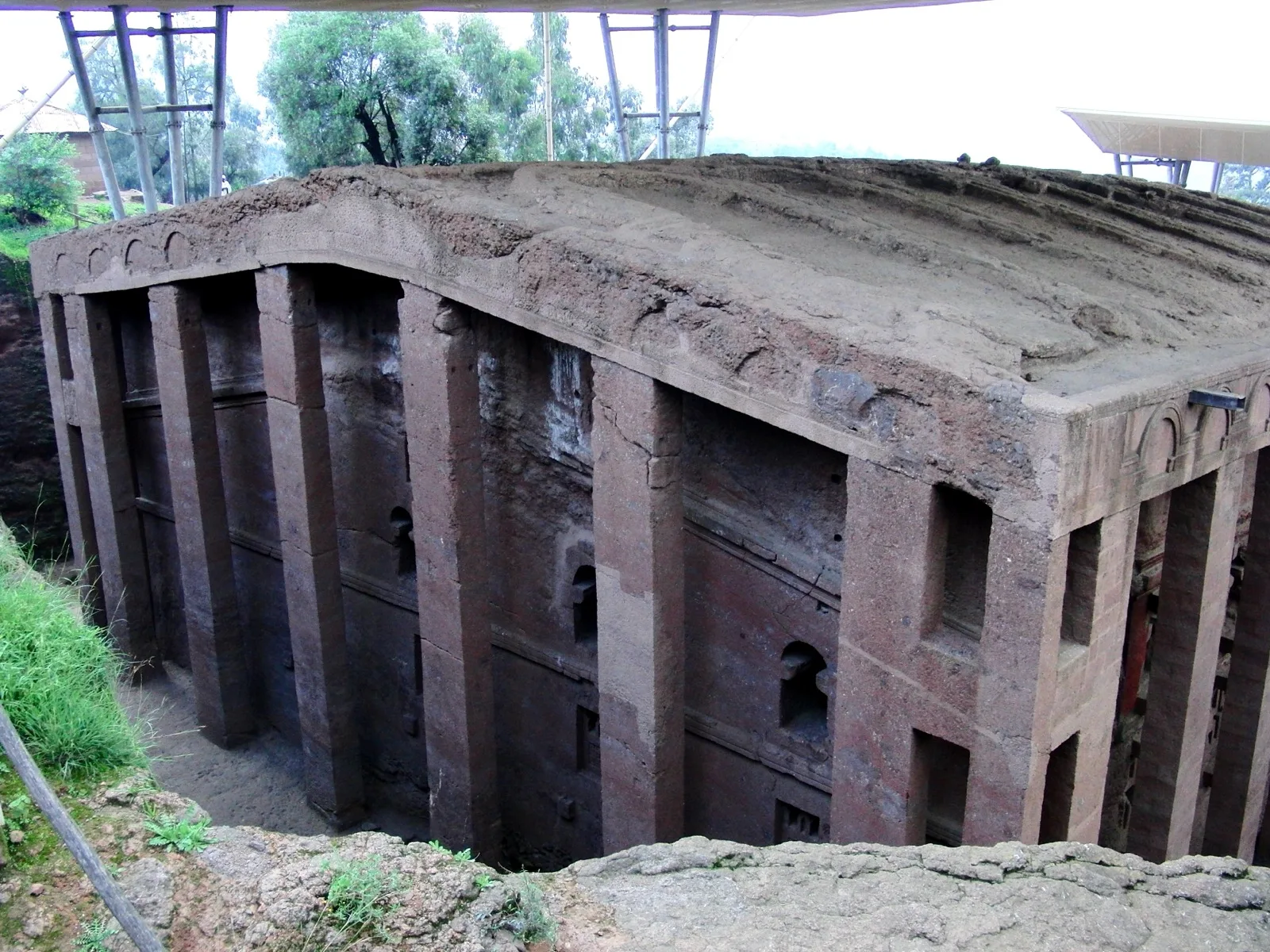
9 days · Historical Christmas programme
Lalibela Christmas and Northern Heritage: Historical Journey
A nine-day historical journey links Addis Ababa, Bahir Dar, Gondar and Axum with Lalibela and Tigray.
Explore4 days · Itinerary
Four-Day Rift Valley and Bale Road Journey
A four-day sequence starts in Addis Ababa, reaches Langano through Ziway, continues into Bale and returns through Hawassa.
Explore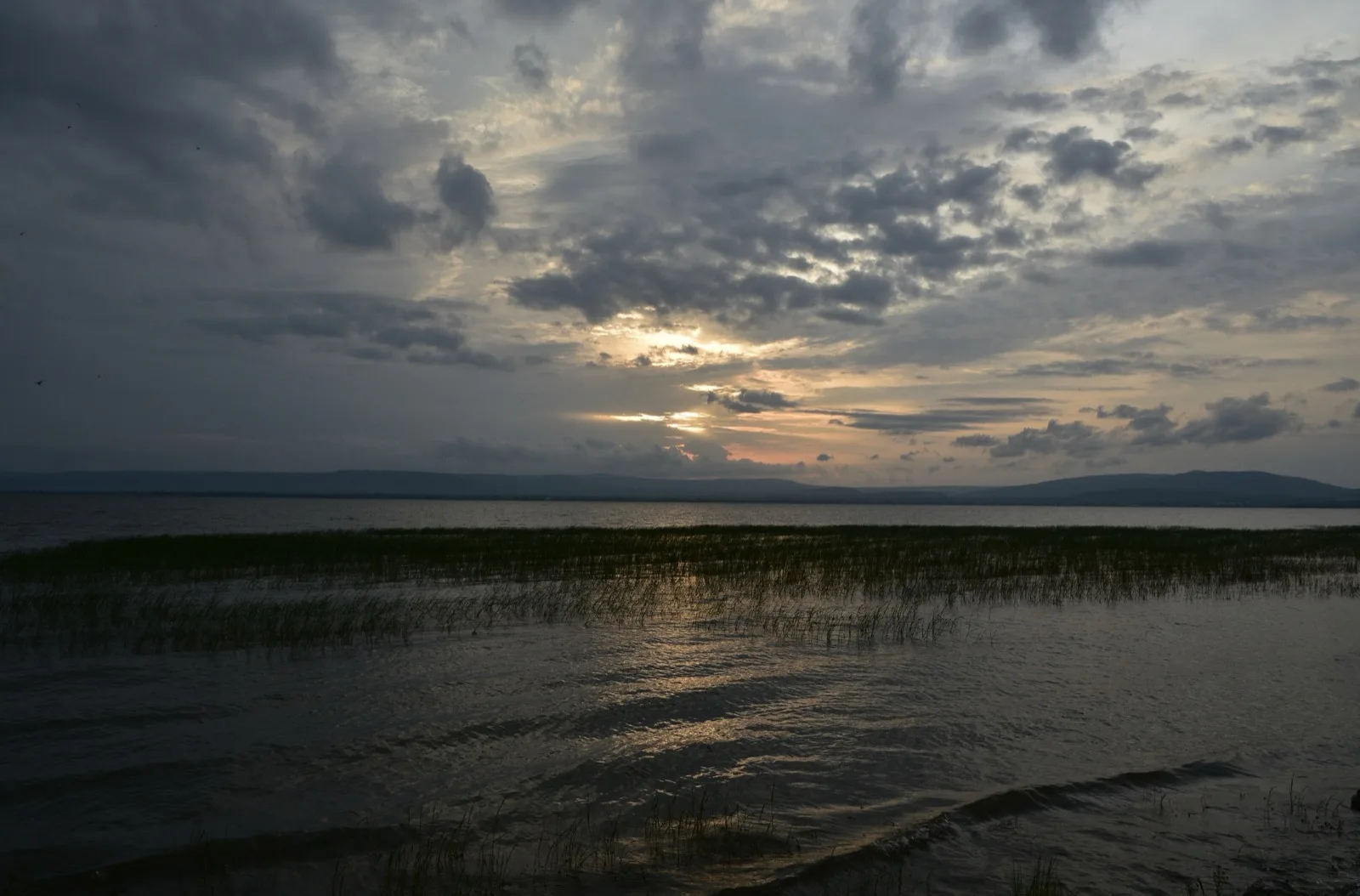
10 days · Itinerary
Ten-Day Rift Valley and Bale Nature Journey
Ten days link Awash, Langano, Hawassa and Bale, giving the park and lake sections their own days before returning through Robe to Addis Ababa.
Explore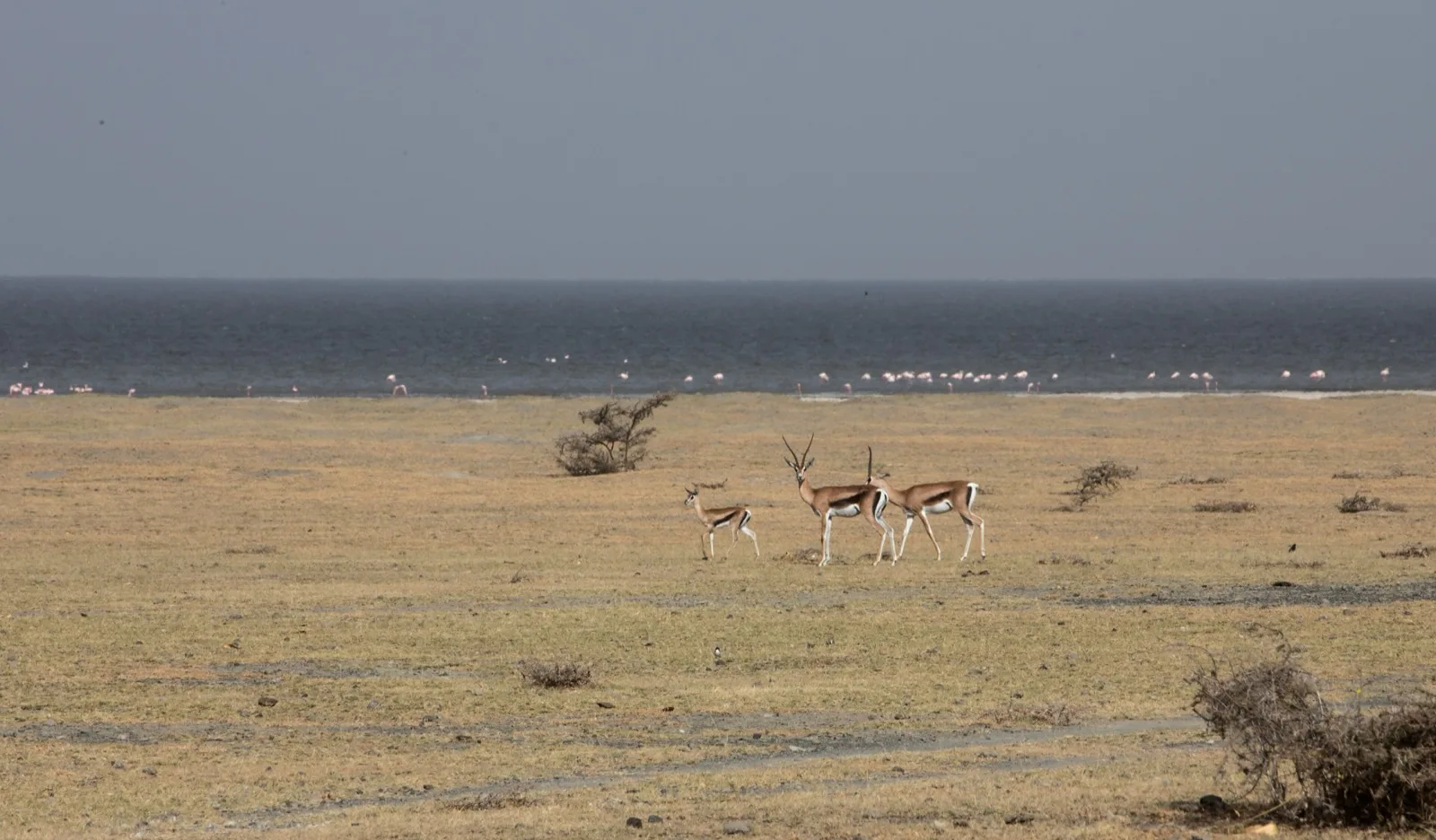
Route study
Birds of the Rift Valley and Southern Highlands
Explore an Ethiopia birding route through Ankober, Awash, the Rift Valley lakes, Bale and the southern highlands, with the southern lake stage still to confirm.
Explore2 days · Itinerary
Two Days in the Danakil Depression
Explore a proposed two-day Danakil route from Mekele through Berhale and Hamed Ela to Dallol, Lake Asale and the salt workings of Ragad.
Explore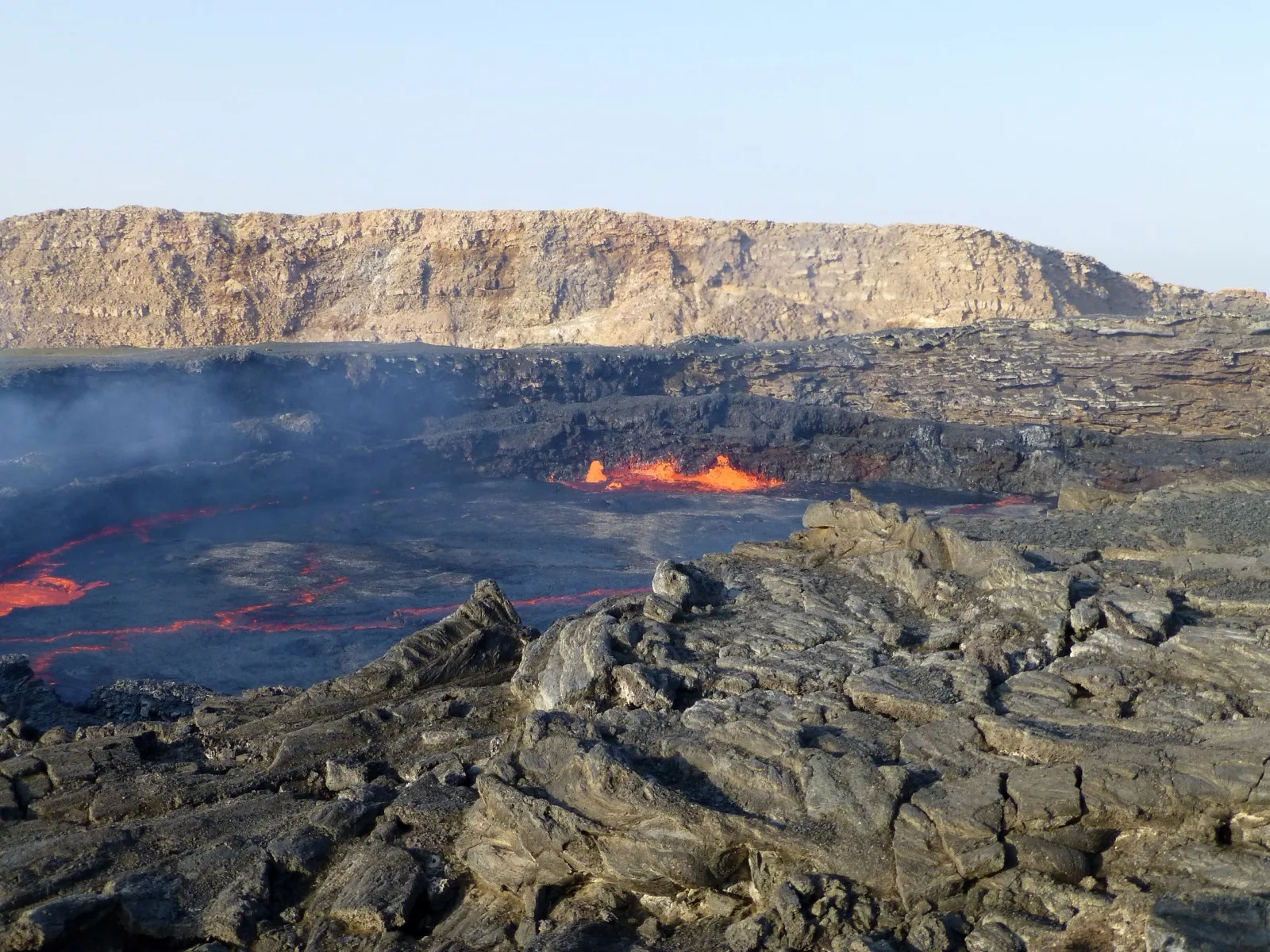
3 days · Itinerary
Three-Day Danakil Volcanic Traverse
Three days link Mekele with Erta Ale via Aksoma, then Hamed Ela, Dallol and Lake Afrera before the return to Mekele.
Explore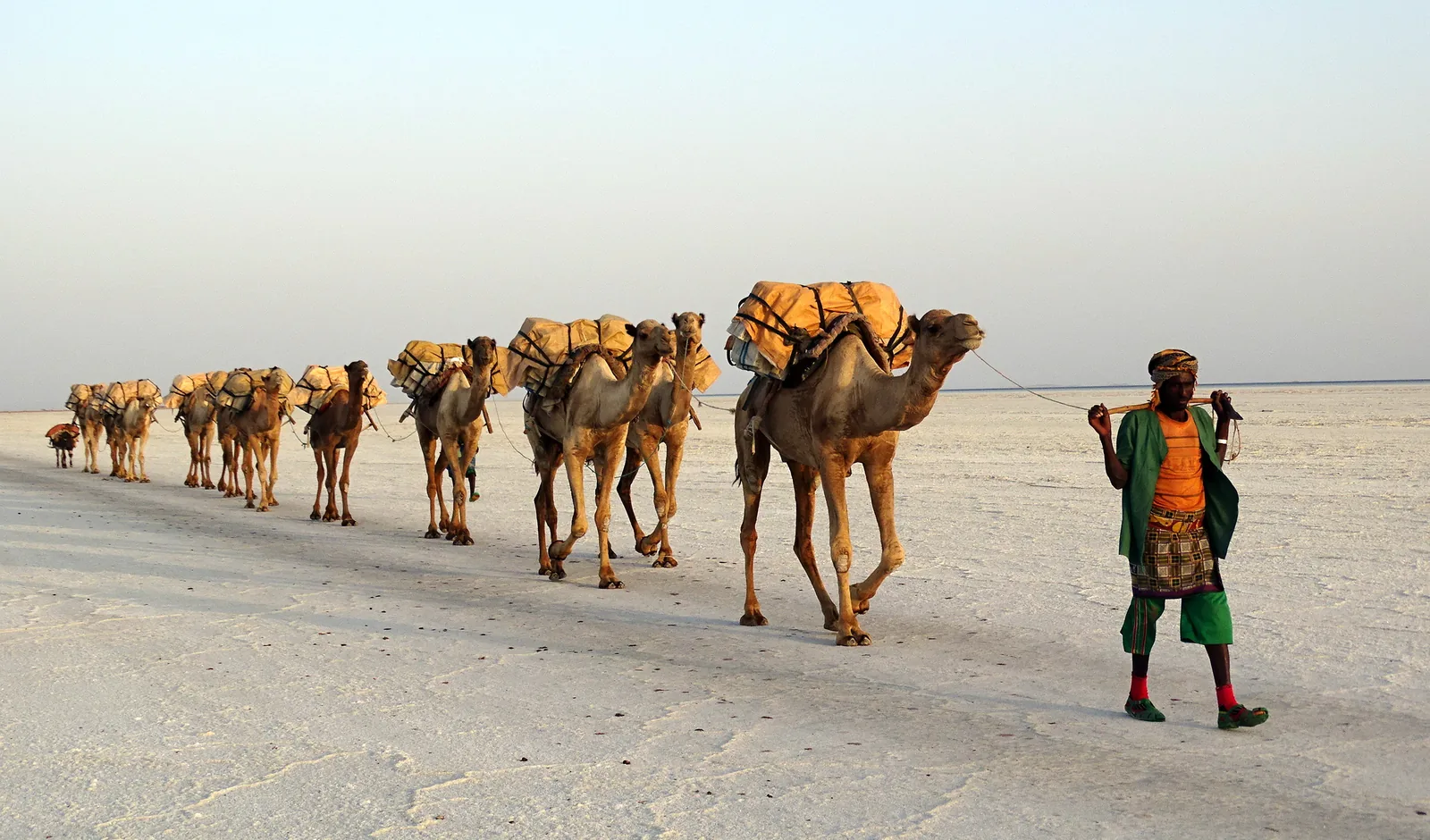
1 day · Itinerary
Danakil Salt-Landscape Day Trip
A single-day journey follows Berhale, Ahmed Ela, Lake Asale and Dallol before returning towards the Tigray highlands.
Explore5 days · Itinerary
Lalibela Churches and Highland Walking
Five days combine Lalibela's church groups with a Hudad approach, an optional Abuna Yosef outing and Yimrehane Kristos before returning to Addis Ababa.
Explore
Route study
Danakil Depression and Gheralta Mountains
Explore a route concept pairing Tigray's sandstone highlands with Lake Afrera, Erta Ale, Dallol and Mekele, with the Lake Afrera to Erta Ale connection still to confirm.
Explore
11 days · Itinerary
Omo Valley overland Community Journey
Eleven days follow an overland approach through Arba Minch and Konso to Jinka and Turmi, then return through Dorze and Hawassa.
ExploreExplore the collection
Shape your journey
Bring your preferred dates, interests and pace together in a planning draft.