
Omo Valley: people, landscapes and respectful visits
The Lower Omo Valley is home to distinct communities whose lives cannot be reduced to a list of cultural attractions. A worthwhile journey begins with local relationships, clear consent and time to understand the landscape people inhabit.
Bases, seasons and the quality of an encounter
Jinka and Turmi occupy different positions in the region, while river settings introduce another type of journey. Accommodation can range from town-based lodges to specifically arranged camps, with facilities that need to be described concretely. A greater number of stops does not necessarily provide a deeper understanding, especially when time is spent primarily moving between them.
Rainfall patterns in the south differ from those of the northern highlands. Current roads, community access and seasonal conditions should shape a feasible route. No single count of communities or fixed recommended duration replaces a conversation about interests, the hosts' wishes and enough time to avoid rushed, intrusive visits.
A map of communities is not one cultural itinerary
Jinka, Turmi and Omorate are useful base names when discussing a Lower Omo route. Hamar, Mursi, Karo, Dassanech, Nyangatom and Suri communities have different histories, languages and places; they cannot be represented by one village visit or one style of dress.
The wider southern journey may also include Konso and the Dorze highlands. Keep those settings distinct from the Lower Omo itself. Decide what you hope to learn and allow local hosts to shape a suitable encounter.
Markets, households and ceremonies
A market is a place of trade, a household is private space and a ceremony belongs to the people taking part. Those differences should determine how you visit. Agree introductions and photography with the people concerned, including whether a fee is appropriate and what it covers.
A Hamar bull-jumping ceremony should never be promised as a performance that can be scheduled to order. If an invitation arises, the hosts’ terms matter more than completing a sightseeing list. A thoughtful conversation, craft visit or locally guided walk can be valuable without a ceremonial event.

Ethiopia guide
Cultural experiences in Ethiopia
Approach Ethiopia's food, faith, markets and local encounters with curiosity and consent, and choose experiences that offer context rather than a checklist.
Explore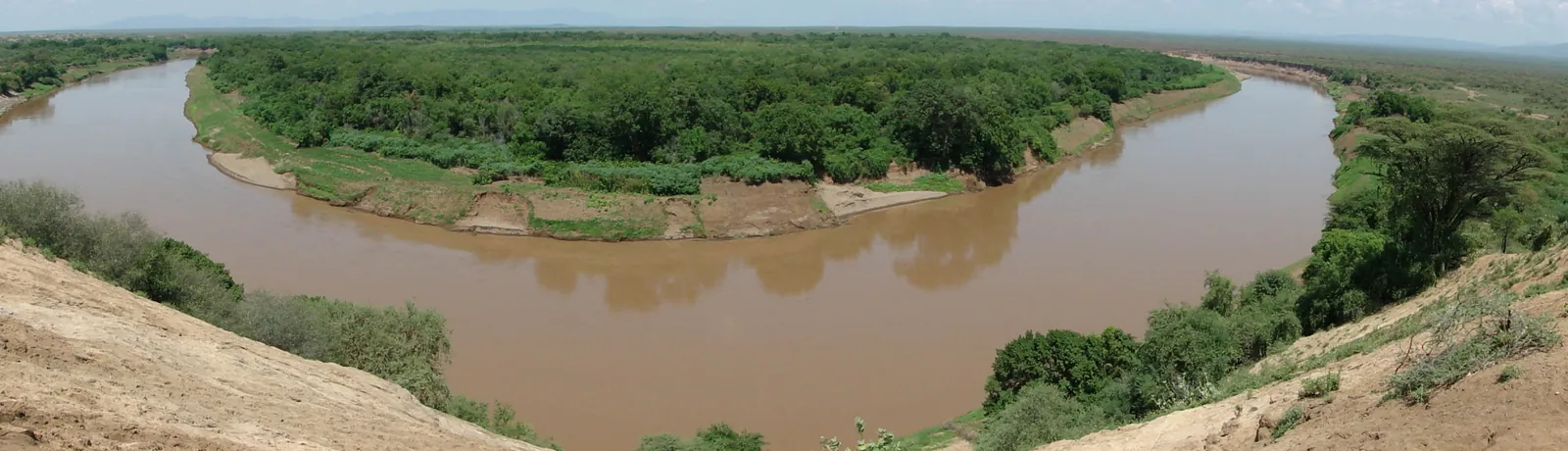
Ethiopia guide
Choosing stays in the Omo Valley
Understand the different roles of Jinka, Turmi and river-based stays in an Omo Valley journey, with questions about comfort, hosting and realistic pacing.
Explore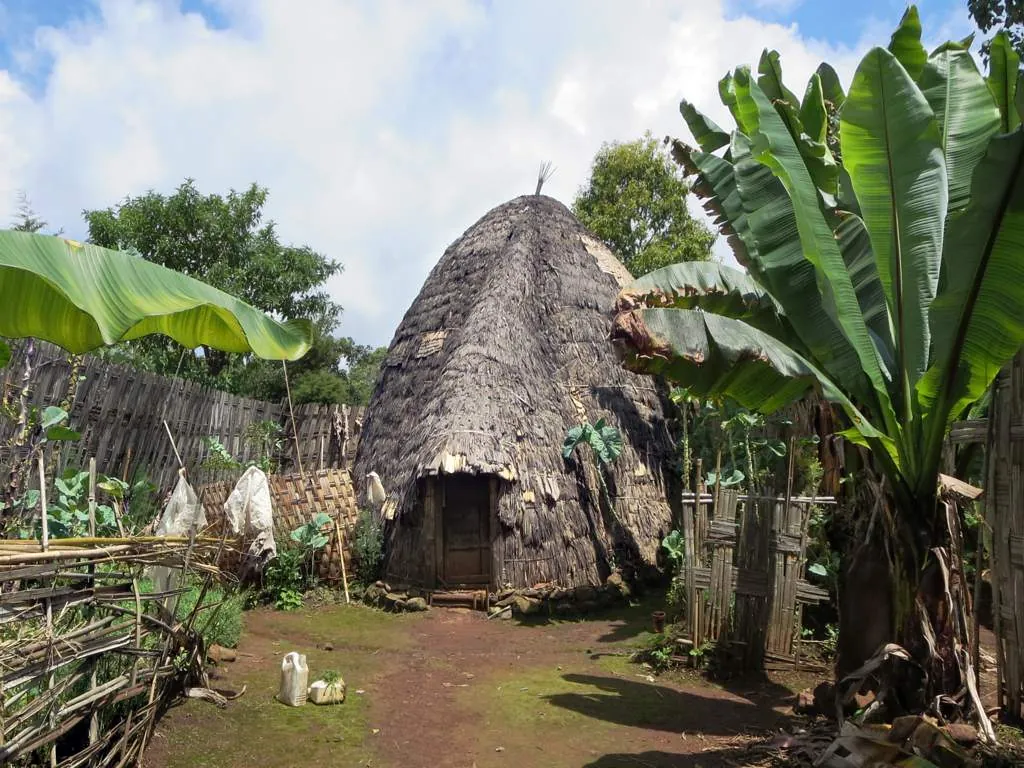
Ethiopia guide
Arba Minch: lakes and southern landscapes
Place Arba Minch within southern Ethiopia through its relationship with Lakes Abaya and Chamo, and choose a visit with a clear landscape or cultural focus.
ExploreChoose encounters with a purpose
Ask what a proposed visit involves, who has invited visitors and how hosts are compensated. A ceremony belongs to the community concerned; it should never be presented as a guaranteed performance for a tour.
Discuss photographs before taking them
Agree permission and any payment before photographing individuals, and respect a refusal without negotiation. Images should follow a relationship rather than replace it, especially when children or private spaces are involved.
Recognise the geography
Jinka, Turmi and the Omo River landscapes are different bases and journey stages. Select fewer, better-understood visits instead of trying to collect the greatest possible number of community names.
Journeys to explore alongside this guide
Use these related route ideas to compare the places, interests and time involved. Open each outline for its route context and any details still requiring review.

11 days · Itinerary
Omo Valley overland Community Journey
Eleven days follow an overland approach through Arba Minch and Konso to Jinka and Turmi, then return through Dorze and Hawassa.
Explore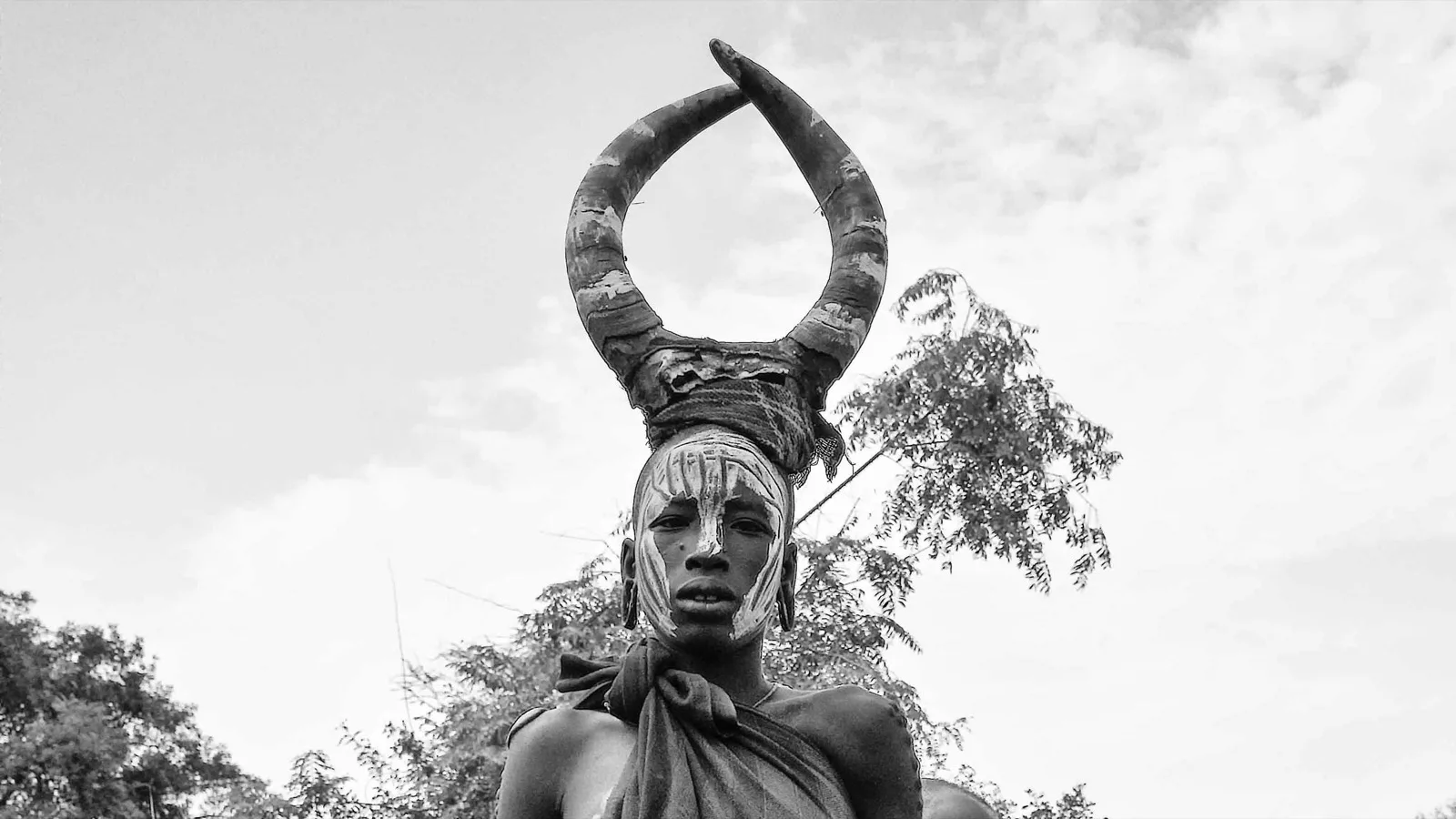
13 days · Itinerary
Southern Cultures, Rift Lakes and Bale
Thirteen days connect Jinka and Turmi with Arba Minch, Hawassa, Bale and Langano.
Explore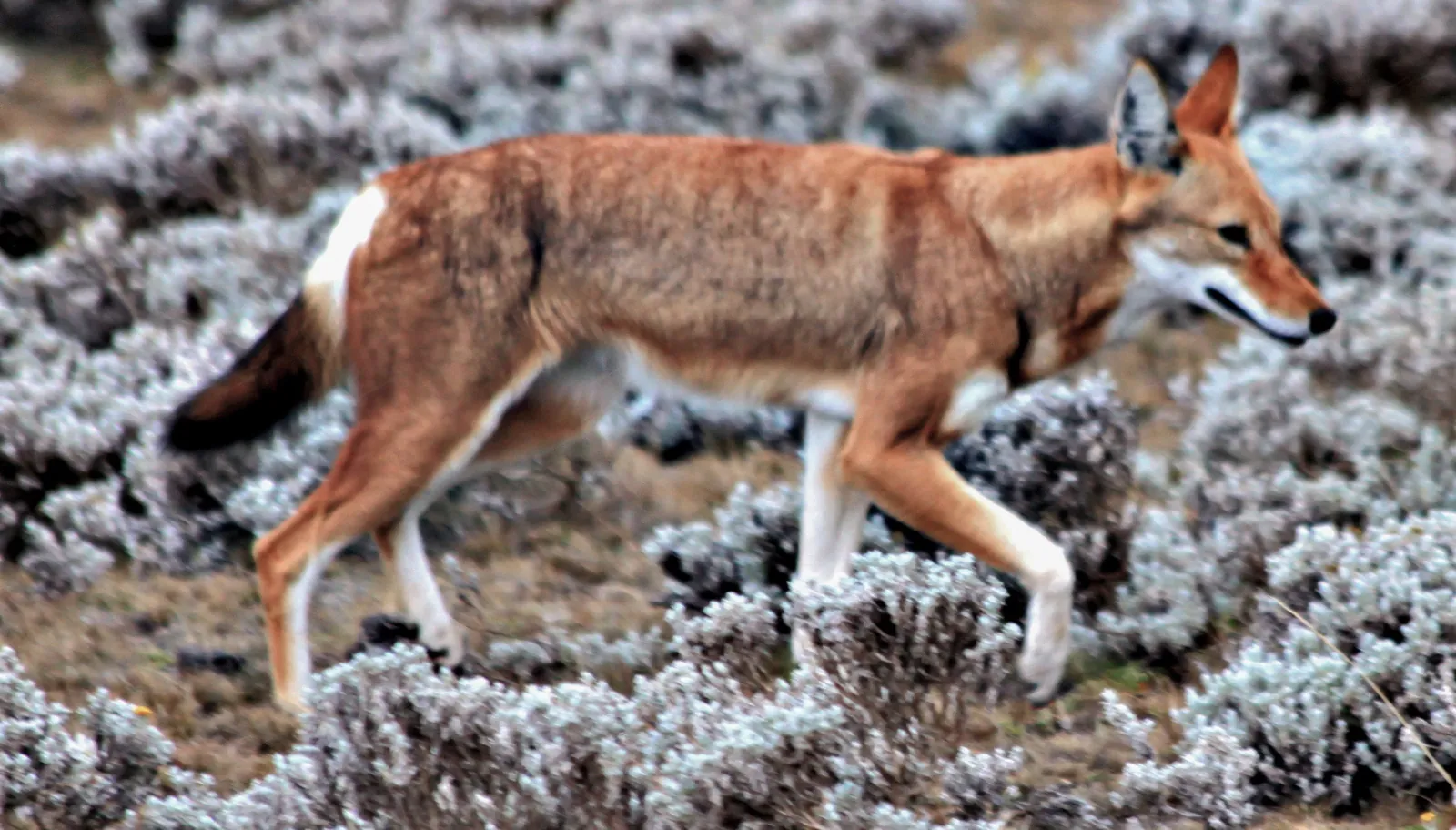
11 days · Itinerary
Southern Ethiopia by River and Highland
Eleven days link Gambella, the Omo River and Bale in a charter-based concept.
Explore8 days · Itinerary
Omo River and Community Camping Journey
An eight-day river-oriented itinerary starts and ends in Addis Ababa, with separate stages around Murulle, Mago, Nyangatom communities and the Omo delta.
Explore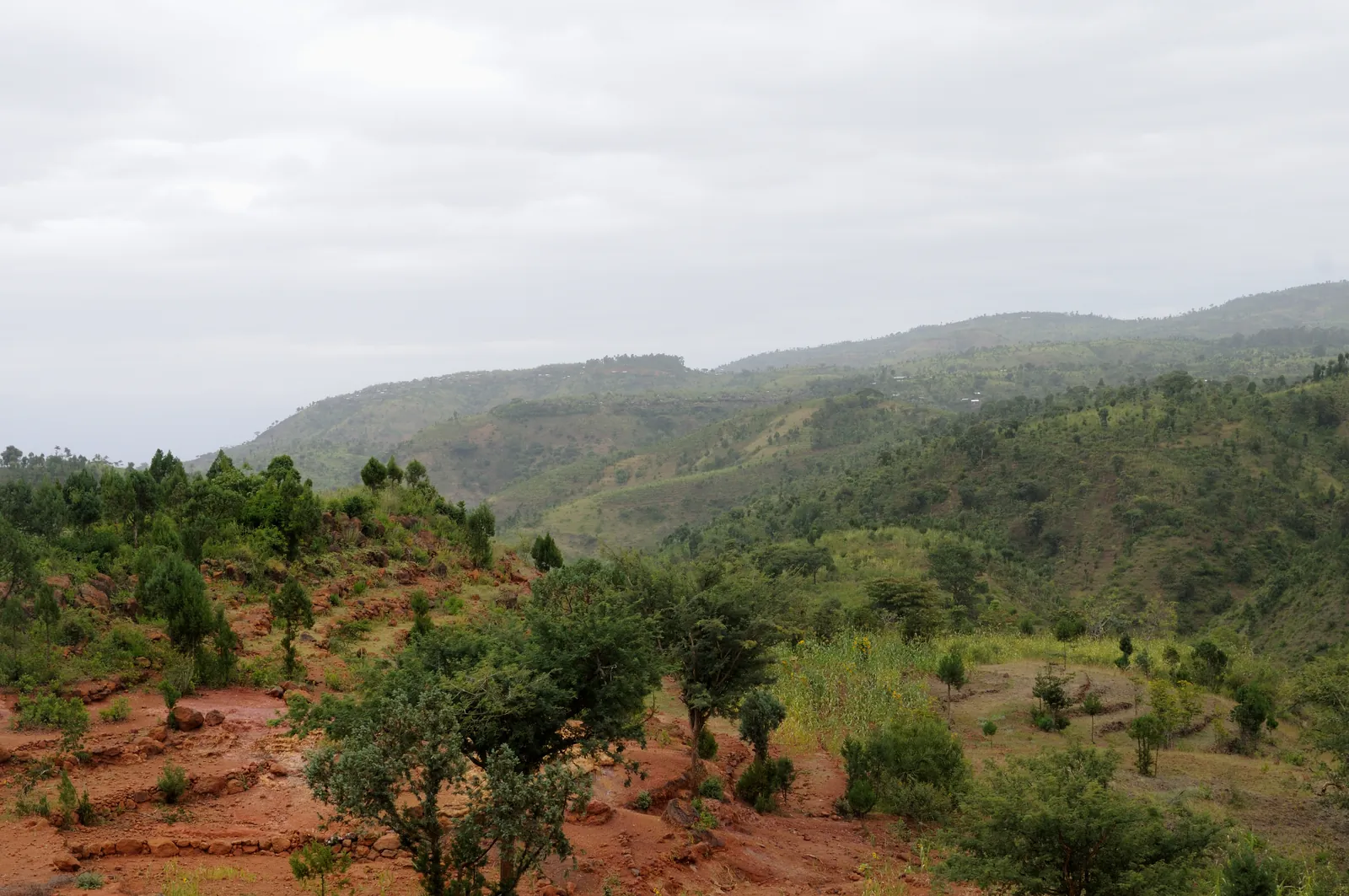
20 days · Itinerary
Twenty-Day Northern and Southern Ethiopia Survey
Twenty days join northern heritage cities and the Simien Mountains with Omo communities, Bale and the Rift lakes in one country-wide journey.
Explore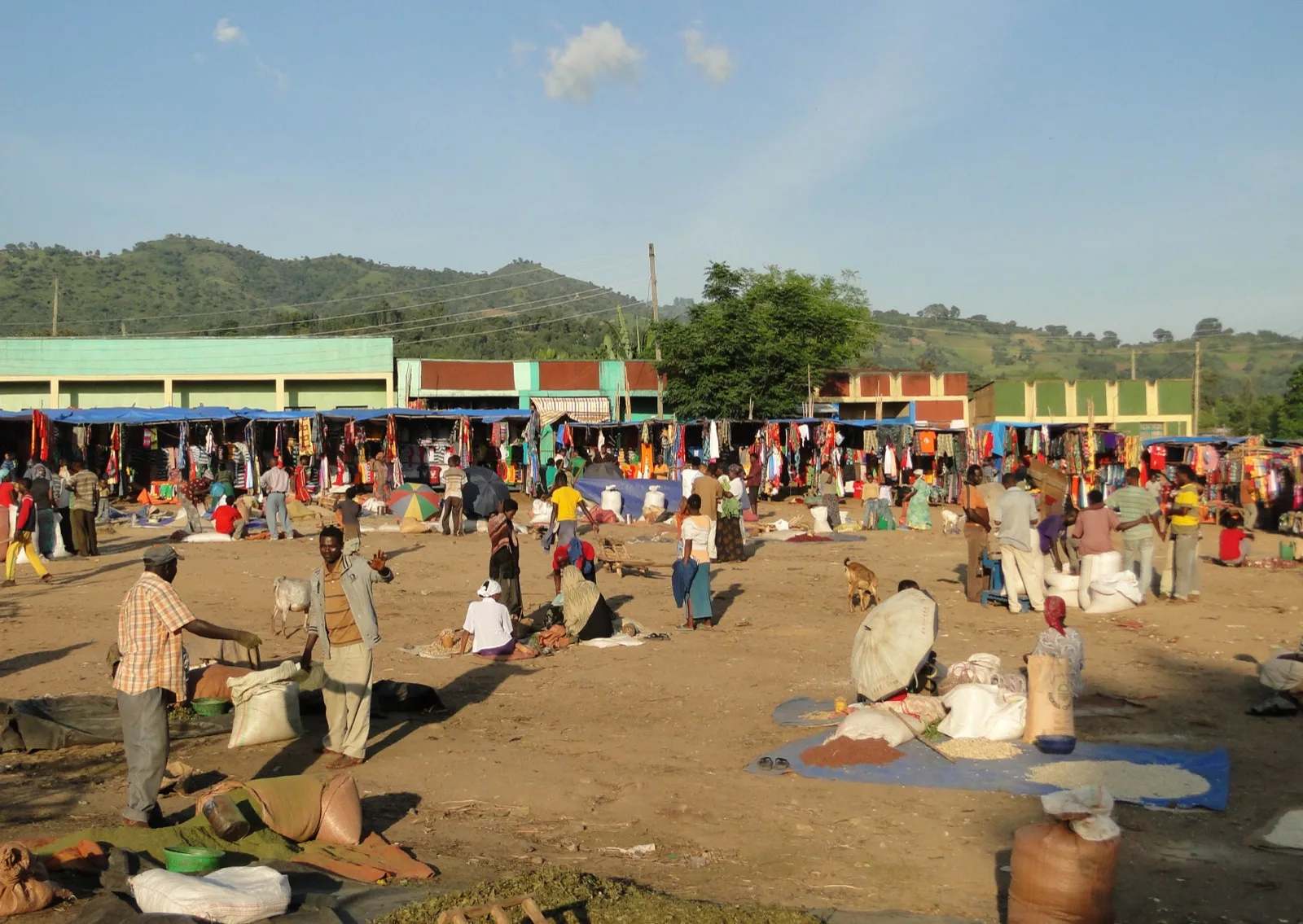
13 days · Itinerary
Southern Ethiopia: Omo Communities and Bale Highlands
Thirteen days connect Jinka and Turmi with Arba Minch, Yirgalem, Hawassa and Bale.
ExploreRelated places and journeys
Ethiopia guide
All Trips
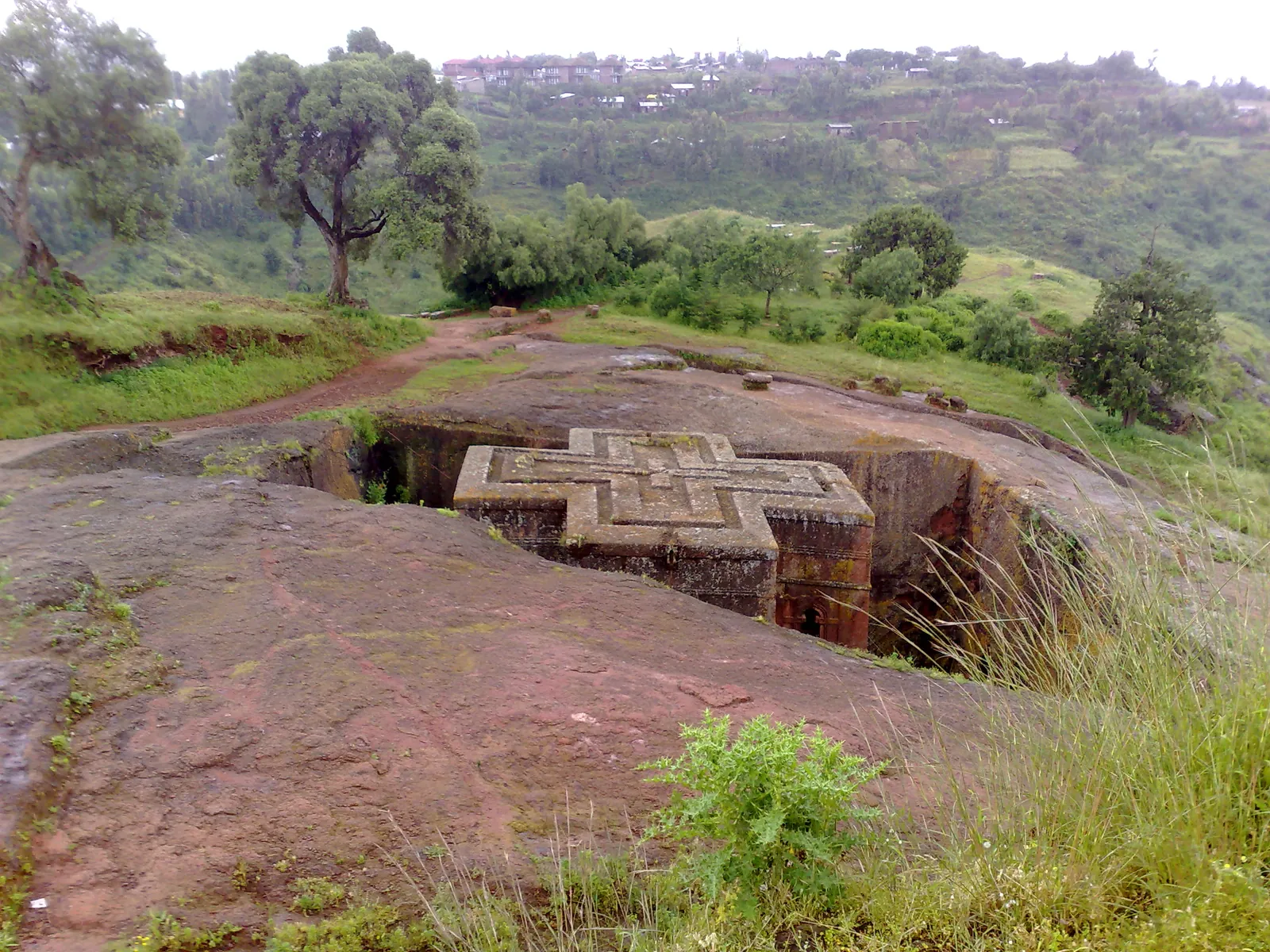
Compare Ethiopia journeys by their route, time on foot and regional focus.
ExploreEthiopia guide
Places to Visit in Ethiopia
Choose Ethiopia destinations by the kind of time you want to spend in them.
Explore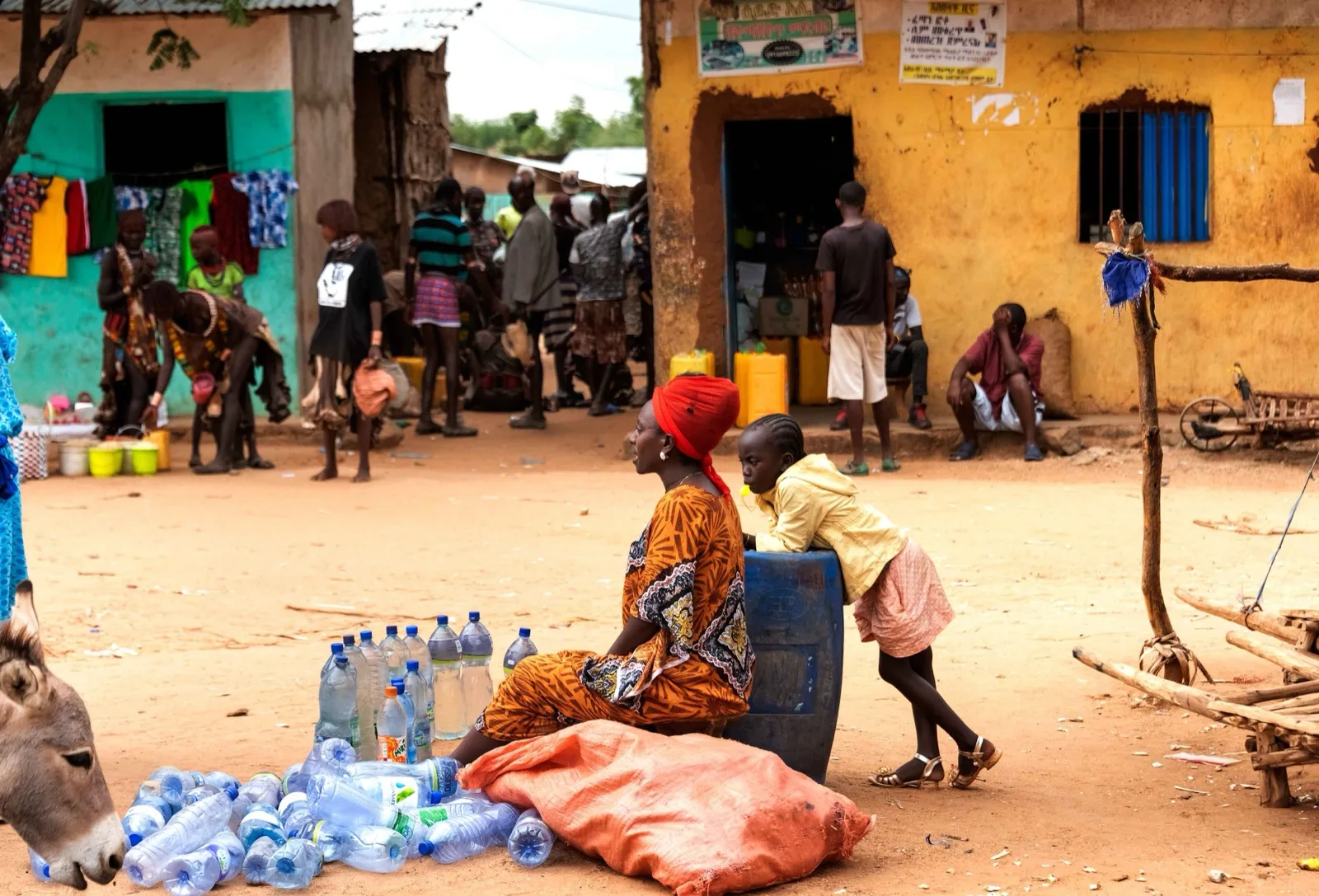
Ethiopia guide
Communities of the Omo Valley
Understand the Omo Valley as a region of distinct communities and living cultures, with practical questions about local hosts, consent and meaningful visits.
ExploreEthiopia guide
Understanding the Hamer Bull-Jumping Ceremony
Learn the cultural context of the Hamer bull-jumping ceremony and consider consent, invitations and photography before discussing a community visit.
ExploreEthiopia guide
Omo Valley Tours
Plan an Omo Valley journey around places, hosts and the purpose of each visit.
Explore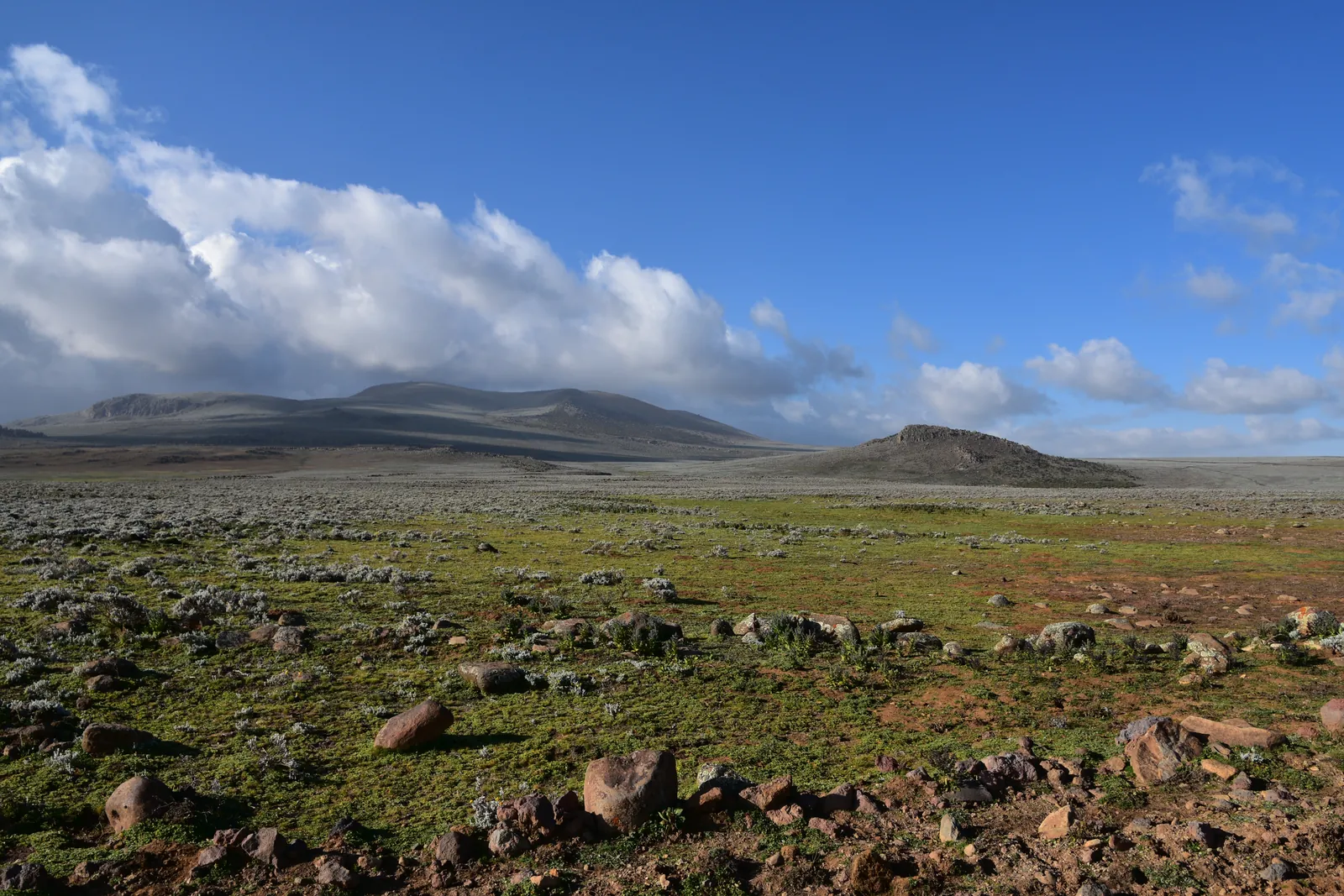
Ethiopia guide
Bale Mountains: plateau, forest and wildlife
Discover the Bale Mountains through the Sanetti Plateau, Harenna Forest and grasslands, and plan time around their distinct habitats and walking interests.
ExploreEthiopia guide
Getting to the Omo Valley
Compare Omo Valley arrival plans through Arba Minch and Jinka, and connect gateway travel with actual community visits, overnight stops and local hosts.
ExploreEthiopia guide
What to Expect on an Ethiopia Journey
Prepare for an Ethiopia trip by clarifying rooms, transport, guiding, meals and the pace of each day, while making space for local context and changing plans.
ExploreEthiopia guide
Lale's Camp and the Omo River landscape
Explore the remote river setting historically associated with Lale's Camp and the access, hosting and environmental questions needed for a careful plan.
ExploreEthiopia guide
When to Visit the Omo Valley
Consider Omo Valley timing through local rainfall, road access, hosting and the actual community programme, with flexibility around dates and onward travel.
ExploreEthiopia guide
When to Visit Ethiopia
Choose when to visit Ethiopia by region, interests and festival plans, with a practical distinction between long-term seasonal patterns and conditions for your trip.
ExploreShape your journey
Bring your preferred dates, interests and pace together in a planning draft.