
Bale Mountains: plateau, forest and wildlife
The Bale Mountains bring together open high-altitude country and dense forest within one mountain landscape. The contrast between the Sanetti Plateau and Harenna Forest is central to understanding the park's wildlife and appeal.
Walking, camping and choosing a base
A journey across the plateau, a forest walk and a multi-day trek have different purposes. Camping routes connect overnight stages on foot, while a lodge or town base supports separate outings. Bale Mountain Lodge sits in the Harenna setting; its facilities and current opening need confirmation.
Season and elevation affect the character of the visit. The national meteorological pattern helps explain why rainfall needs consideration, but individual routes and park arrangements still require current knowledge. A map should distinguish the broad habitat sequence from a verified driving or walking line; no travel time is inferred from a straight connection.
Five habitat zones to look for
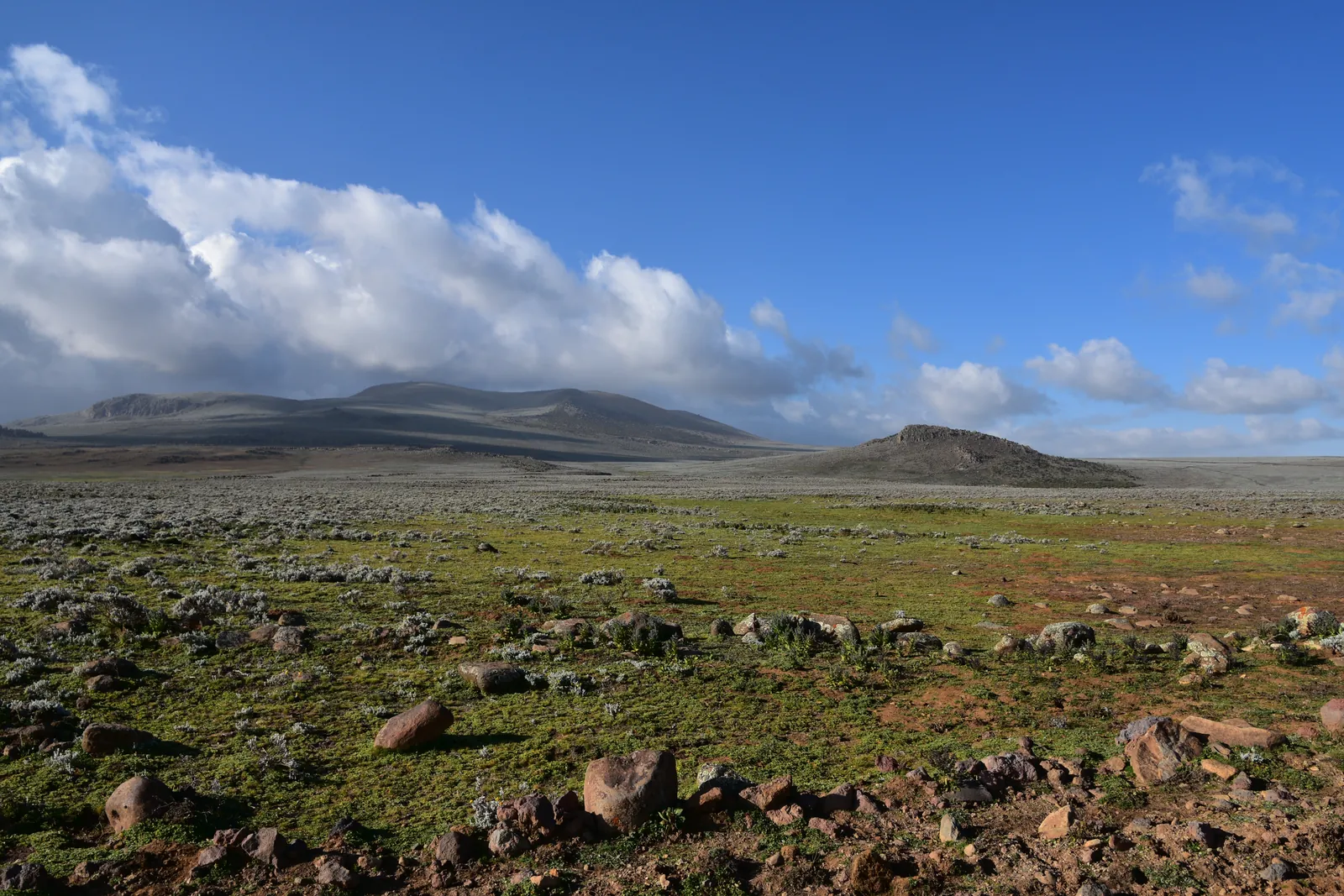
The park’s own landscape guide distinguishes northern grasslands, northern woodland, the Afroalpine plateau, an Erica belt and Harenna Forest. Around Dinsho and Gaysay, grassland and woodland interests differ from the exposed Sanetti Plateau. Descending towards Rira introduces taller heath and then forest.
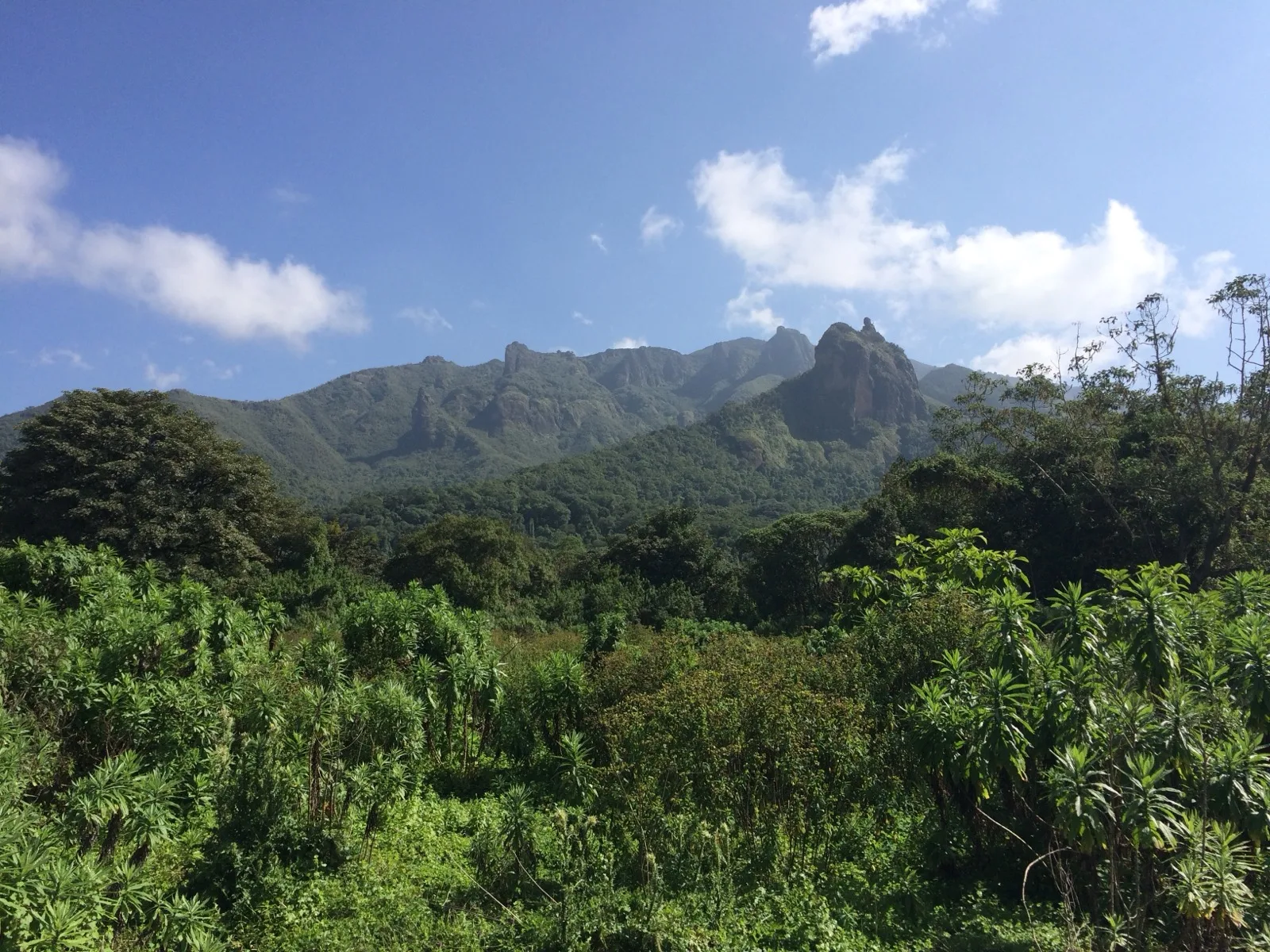
Look for the change in vegetation as well as individual animals. Giant lobelia, cushions of everlasting flowers and tree heath help make the elevation changes visible. Harenna adds bamboo and a forest canopy, giving the southern side its own pace and atmosphere.
Wildlife observation and a route through the park
Mountain nyala are associated with the northern grasslands and woodland; Ethiopian wolves with open high-altitude habitats. Colobus monkeys belong to the forest story. These habitat associations are a better starting point than promising every species on one outing.
A route can connect Dinsho, the Sanetti area, Tulu Dimtu and Harenna, but that is a geographical outline, not a guaranteed daily schedule. Choose whether you want vehicle-supported habitat visits, a forest base or a camp-to-camp walk before selecting the overnight plan.
Ethiopia guide
Camping routes in the Bale Mountains
Consider Bale Mountains camping through the habitats, walking stages and overnight support that distinguish a multi-day trek from a lodge-based visit.
ExploreEthiopia guide
Where to stay in the Bale Mountains
Compare plateau, forest and town-based stays around the Bale Mountains, and choose accommodation that fits the habitats you want to explore.
ExploreSeason, access and the number of nights
Robe, Goba and Dinsho are the useful gateway names to distinguish when reading a Bale proposal. A road journey from Addis Ababa can also make the Rift Valley part of the experience. Choose the approach after deciding which part of the park you want to explore.
A short stay can focus on one or two habitats; a longer walk needs its own camp sequence. Rain affects forest paths and exposed high ground differently, so compare the seasonal guide with the actual activities. Current flights, roads and park arrangements need to be checked for the planned dates.
Ethiopia guide
Getting to the Bale Mountains
Plan a Bale Mountains arrival around Dinsho, Robe and the part of the park you want to explore, with clear questions about transfers and overnight locations.
ExploreEthiopia guide
When to Visit the Bale Mountains
Plan Bale timing around plateau, grassland and forest interests, with practical questions about rainfall, walking conditions and the specific route for your dates.
ExploreEthiopia guide
Trekking in the Bale Mountains
Choose a Bale trek around its habitats, daily terrain and overnight support, from grassland walks to plateau routes and Harenna Forest experiences.
ExploreExplore more than one habitat
The plateau, grasslands and forest support different plants and animals. Build the visit around the habitats you want to understand, with time for observation rather than assuming a drive across the park provides the whole experience.
Set realistic wildlife expectations
The Ethiopian wolf is closely associated with Bale's highlands, but sightings depend on conditions and animal behaviour. Observe from an appropriate distance and avoid making a particular encounter the measure of a successful visit.
Choose the right form of exploration
Day outings, longer walks and camping routes require different overnight plans. Confirm the walking stages, altitude considerations and present park arrangements before choosing accommodation or committing to a multi-day route.
Journeys to explore alongside this guide
Use these related route ideas to compare the places, interests and time involved. Open each outline for its route context and any details still requiring review.
Route study
Trekking and Camping in the Bale Mountains
Explore a Bale Mountains camping and trekking concept across plateau and forest environments, with its overall length still to confirm.
Explore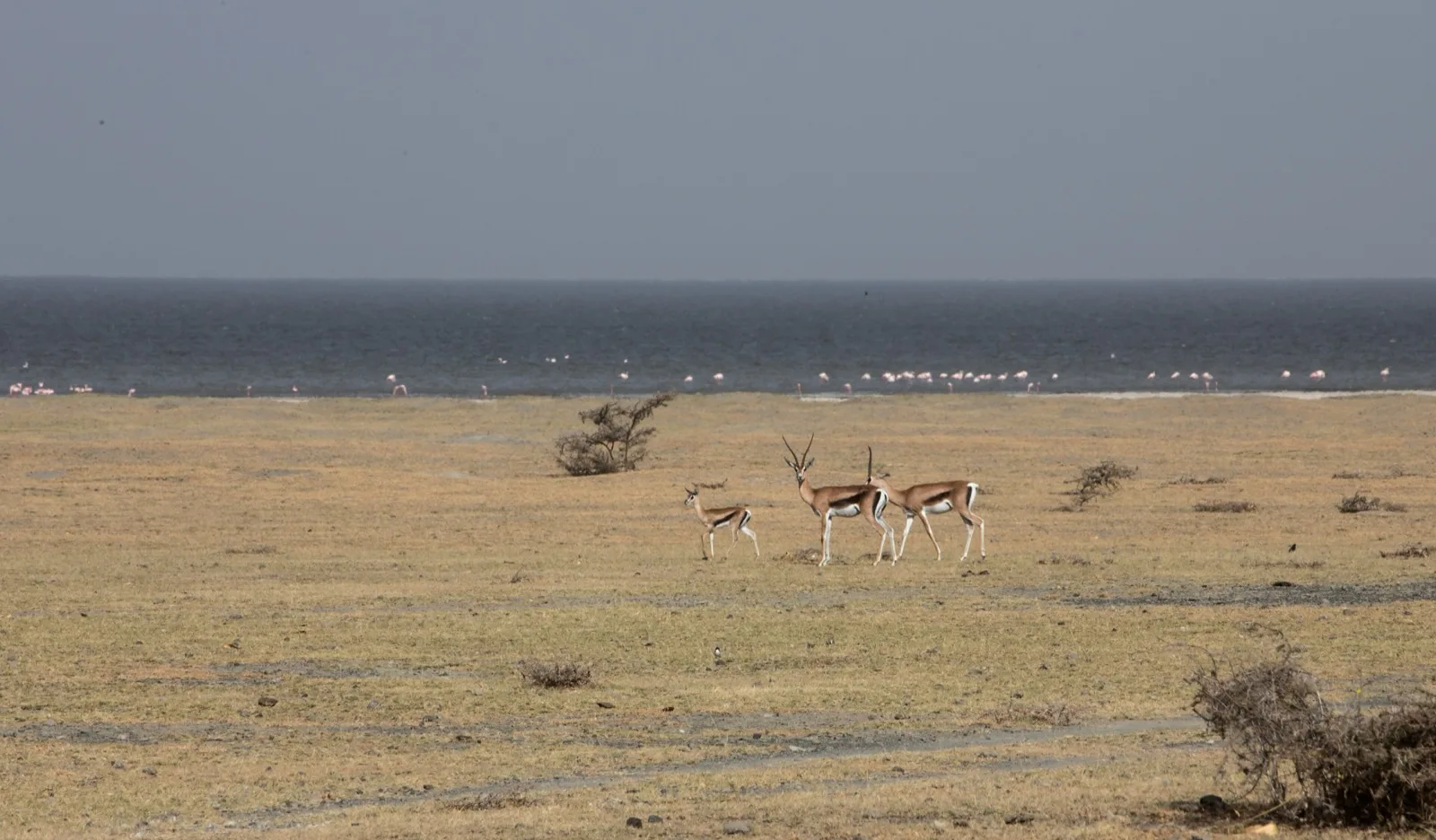
Route study
Birds of the Rift Valley and Southern Highlands
Explore an Ethiopia birding route through Ankober, Awash, the Rift Valley lakes, Bale and the southern highlands, with the southern lake stage still to confirm.
Explore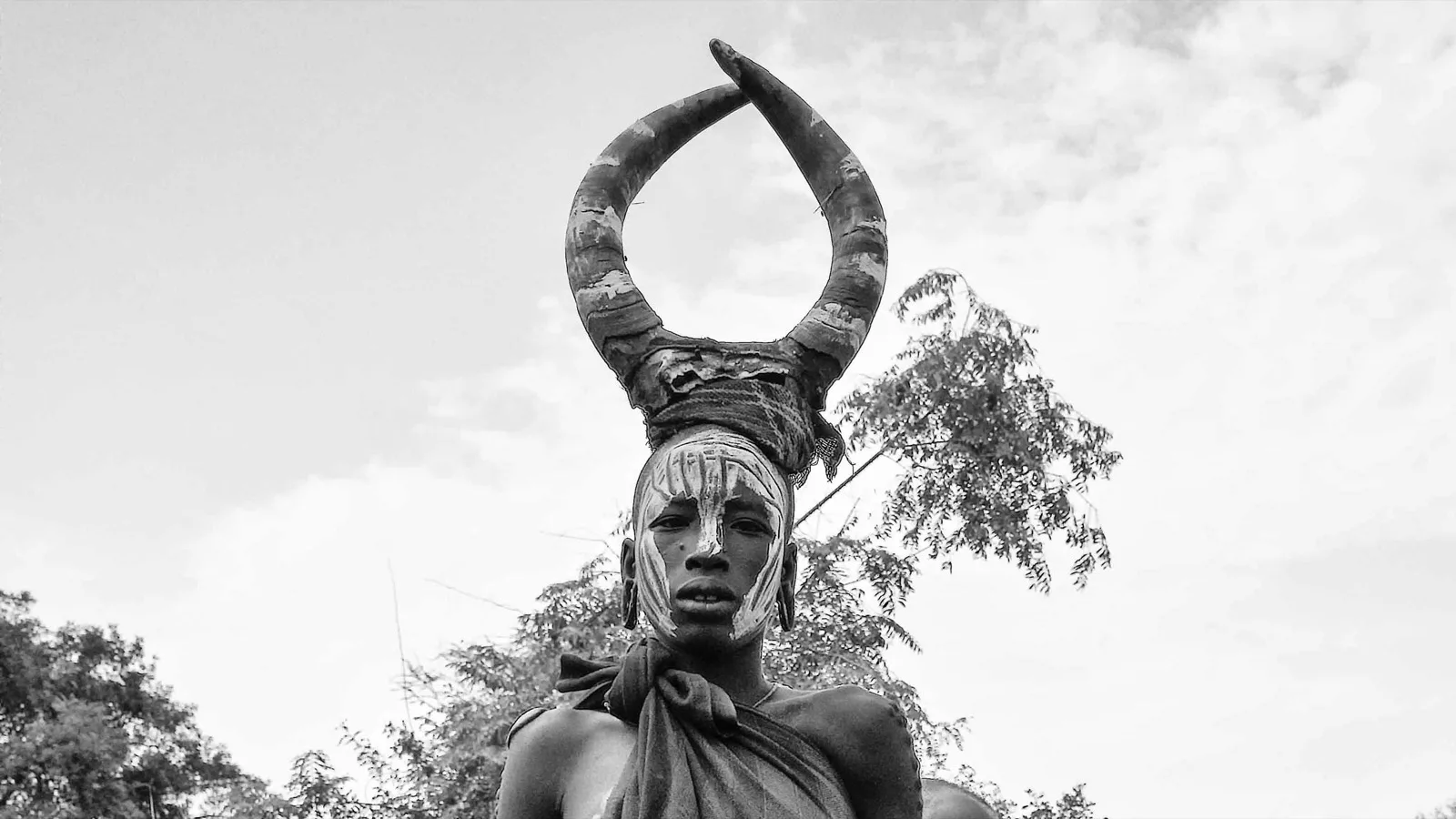
13 days · Itinerary
Southern Cultures, Rift Lakes and Bale
Thirteen days connect Jinka and Turmi with Arba Minch, Hawassa, Bale and Langano.
Explore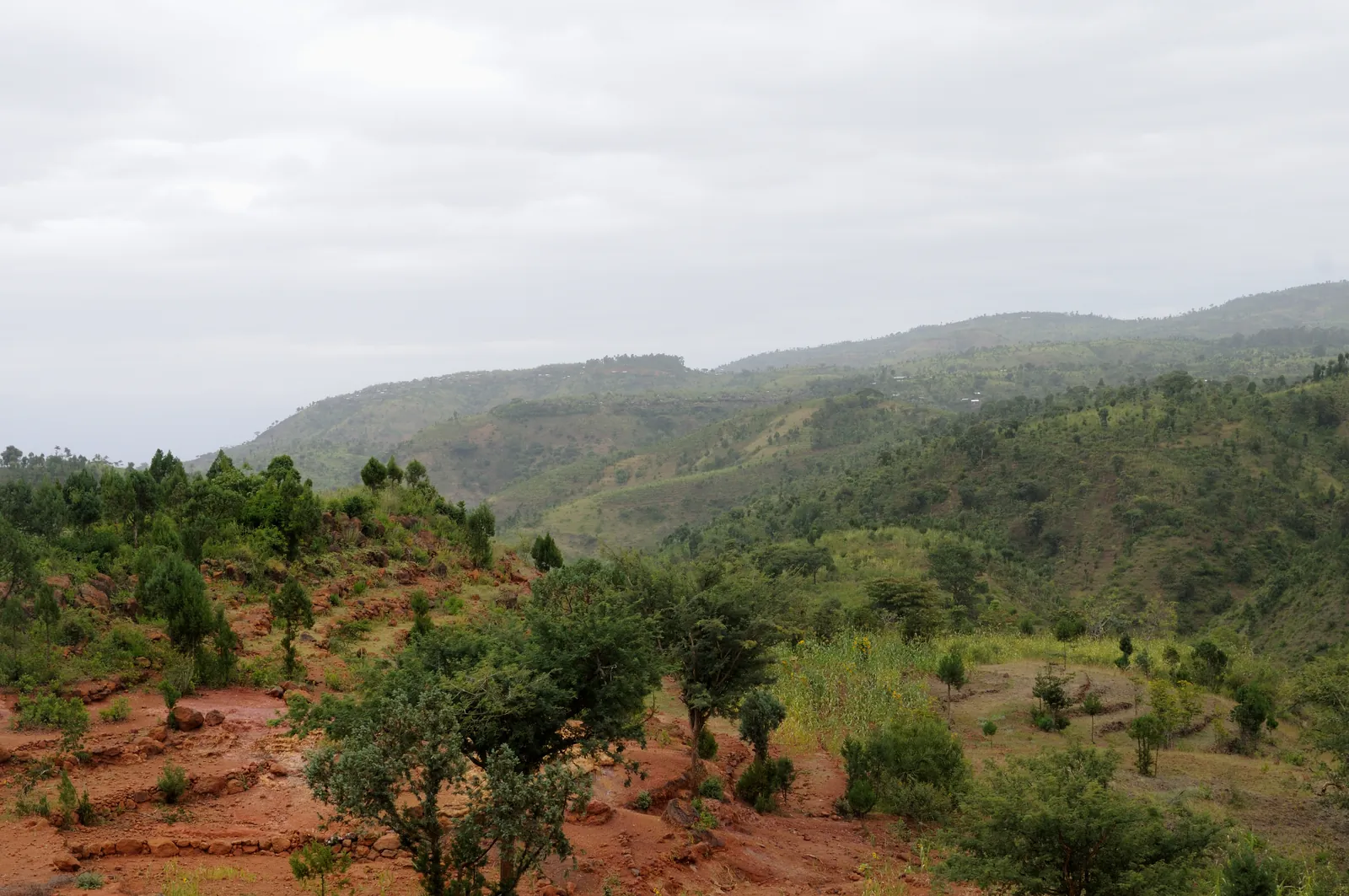
20 days · Itinerary
Twenty-Day Northern and Southern Ethiopia Survey
Twenty days join northern heritage cities and the Simien Mountains with Omo communities, Bale and the Rift lakes in one country-wide journey.
Explore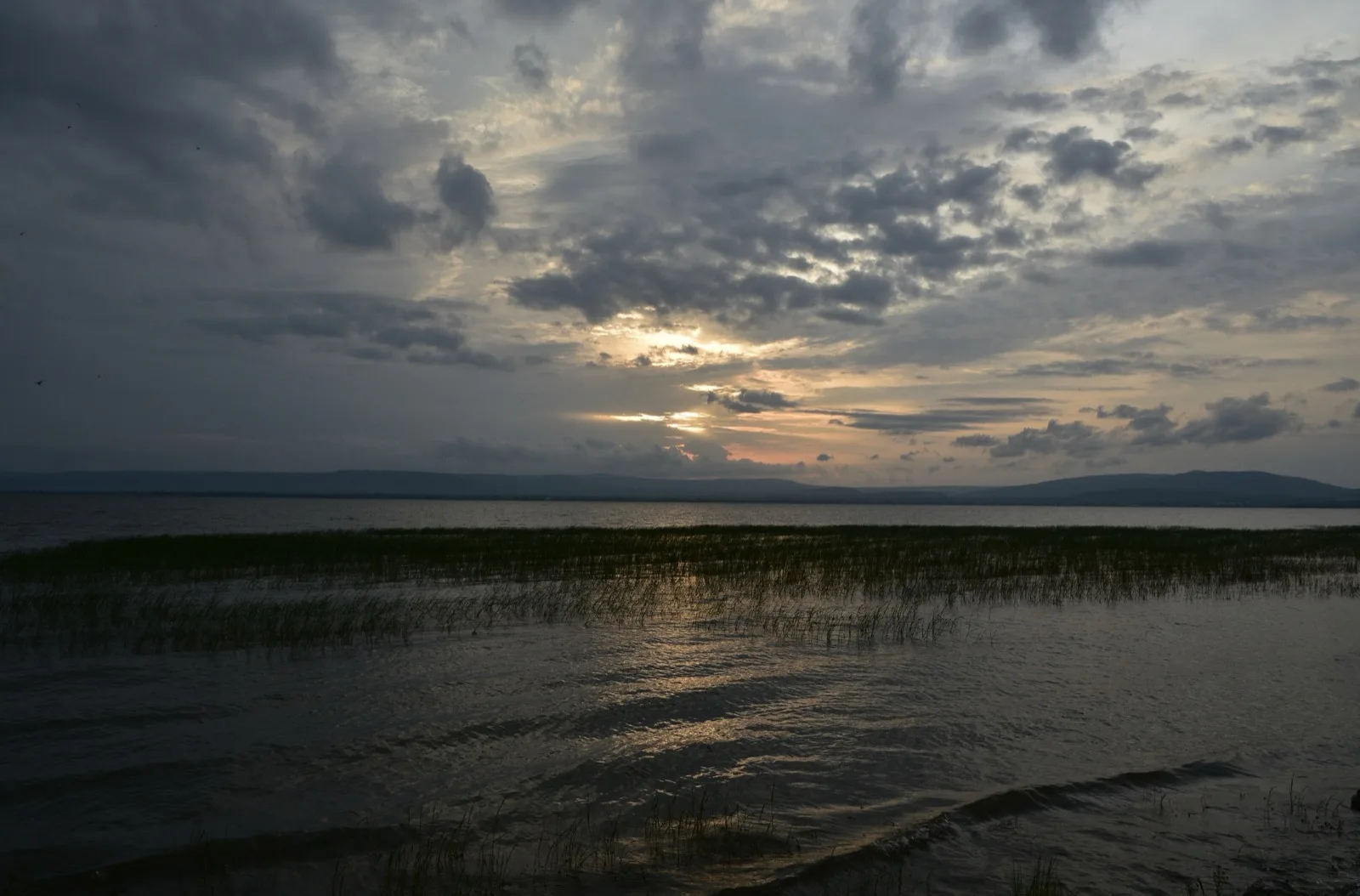
10 days · Itinerary
Ten-Day Rift Valley and Bale Nature Journey
Ten days link Awash, Langano, Hawassa and Bale, giving the park and lake sections their own days before returning through Robe to Addis Ababa.
Explore4 days · Itinerary
Four-Day Rift Valley and Bale Road Journey
A four-day sequence starts in Addis Ababa, reaches Langano through Ziway, continues into Bale and returns through Hawassa.
Explore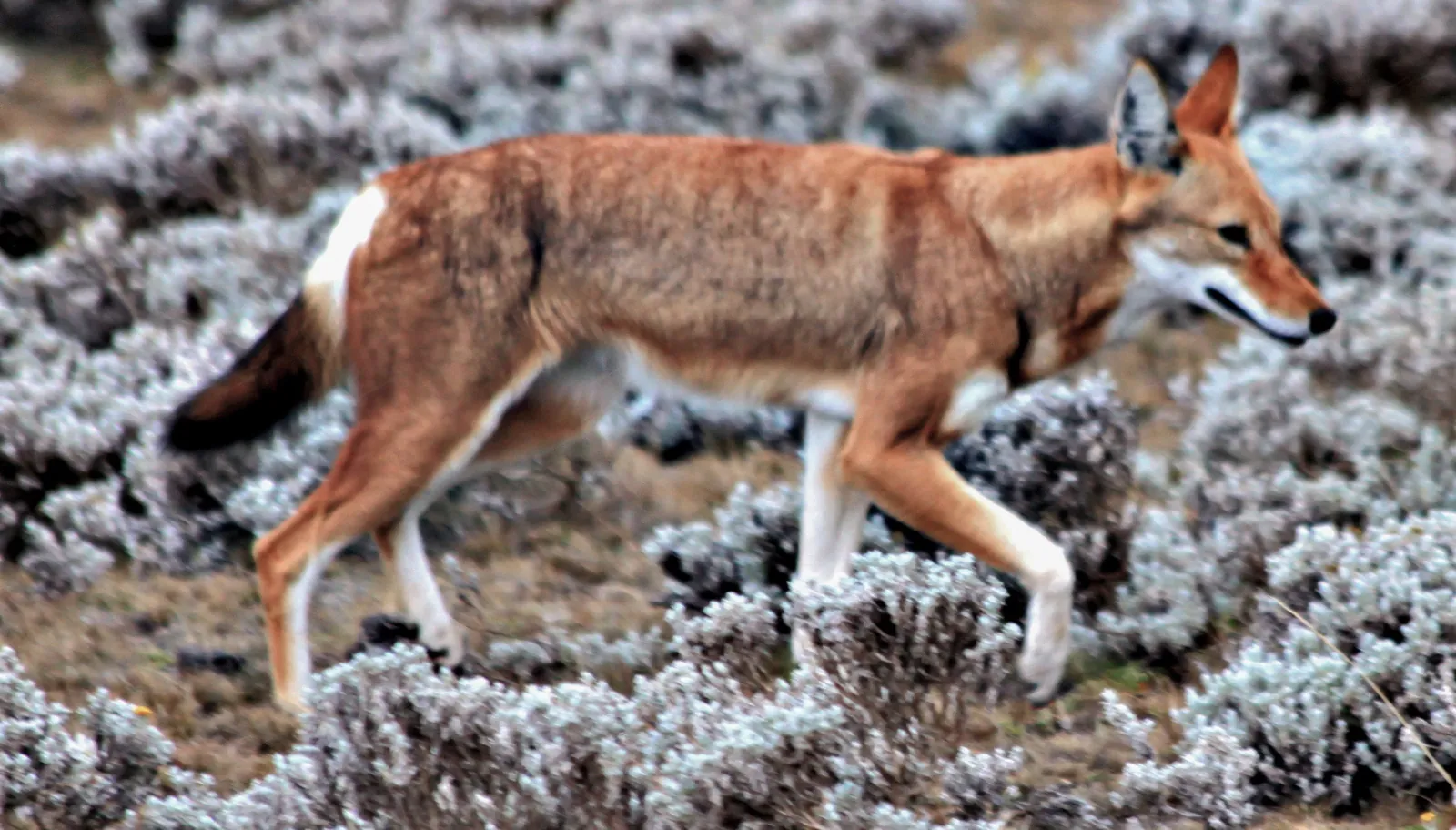
11 days · Itinerary
Southern Ethiopia by River and Highland
Eleven days link Gambella, the Omo River and Bale in a charter-based concept.
ExploreOfficial sources
Check these primary sources directly; their current information takes precedence.
Not yet reviewed: no named reviewer or review date has been recorded for this page. The official sources above take precedence.
Related places and journeys
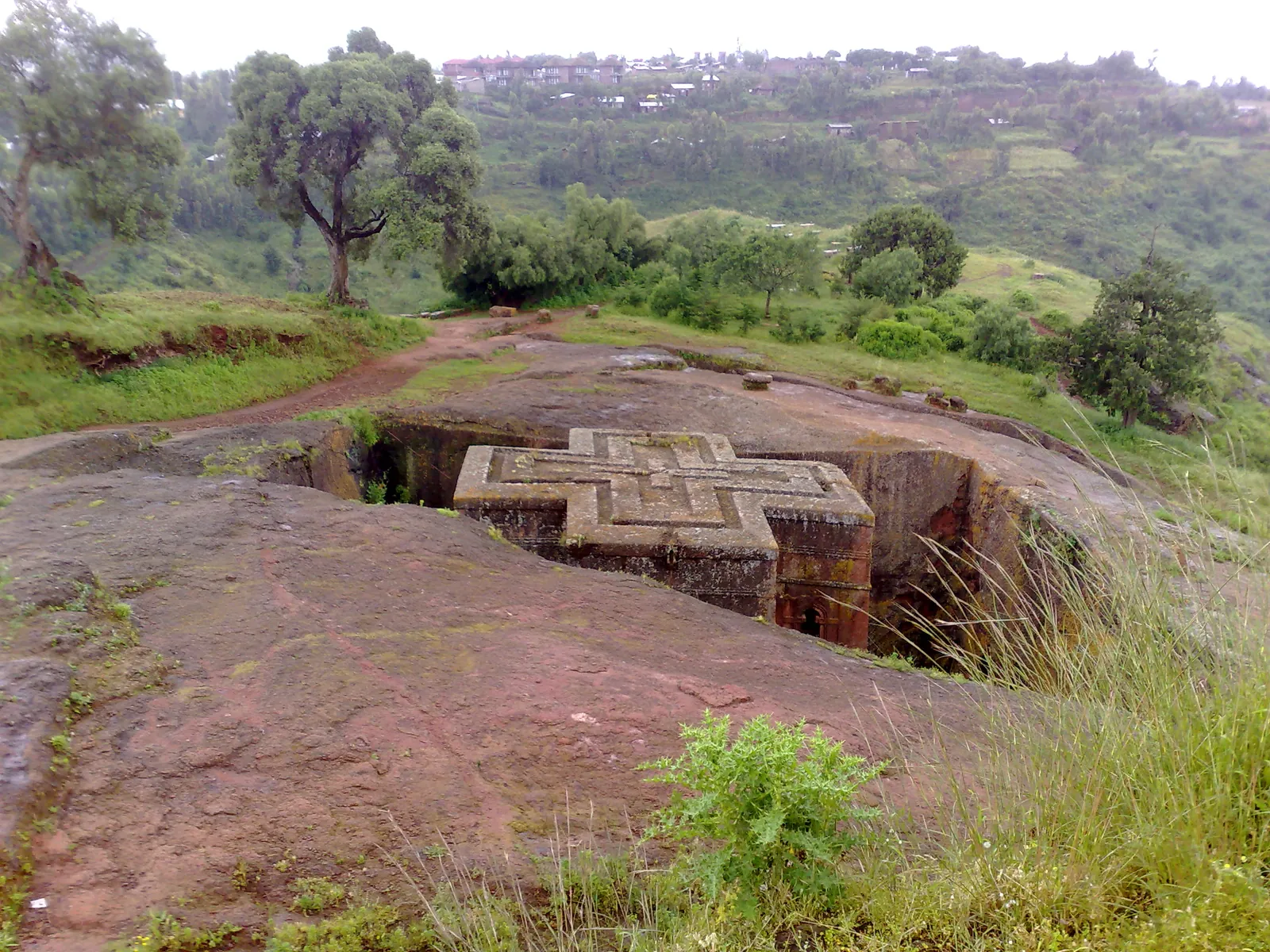
Ethiopia guide
All Trips
Compare Ethiopia journeys by their route, time on foot and regional focus.
ExploreEthiopia guide
Places to Visit in Ethiopia
Choose Ethiopia destinations by the kind of time you want to spend in them.
ExploreEthiopia guide
Sanetti Plateau in the Bale Mountains
Explore the Sanetti Plateau’s open highland habitat, Ethiopian wolf interest and role in a Bale route, with time to observe more than the main viewpoint.
ExploreEthiopia guide
Harenna Forest in the Bale Mountains
Explore Harenna Forest as part of a Bale journey, with attention to woodland habitat, guided walking and the contrast with the Sanetti Plateau above.
ExploreEthiopia guide
Bale Mountain Lodge and Harenna Forest
Place Bale Mountain Lodge in its historically described Harenna Forest setting and weigh forest time, plateau visits and the details of a proposed stay.
ExploreEthiopia guide
The Ethiopian Wolf
Explore the Ethiopian wolf’s highland habitat, its red-and-white appearance and the place of Bale in wildlife planning, with a respectful approach to observation.
ExploreEthiopia guide
Why Visit the Bale Mountains?
Explore Bale through its changing habitats, Ethiopian wolf interest, forest walks and plateau scenery, and plan time for more than a quick mountain stop.
ExploreShape your journey
Bring your preferred dates, interests and pace together in a planning draft.