
The Ethiopian Wolf
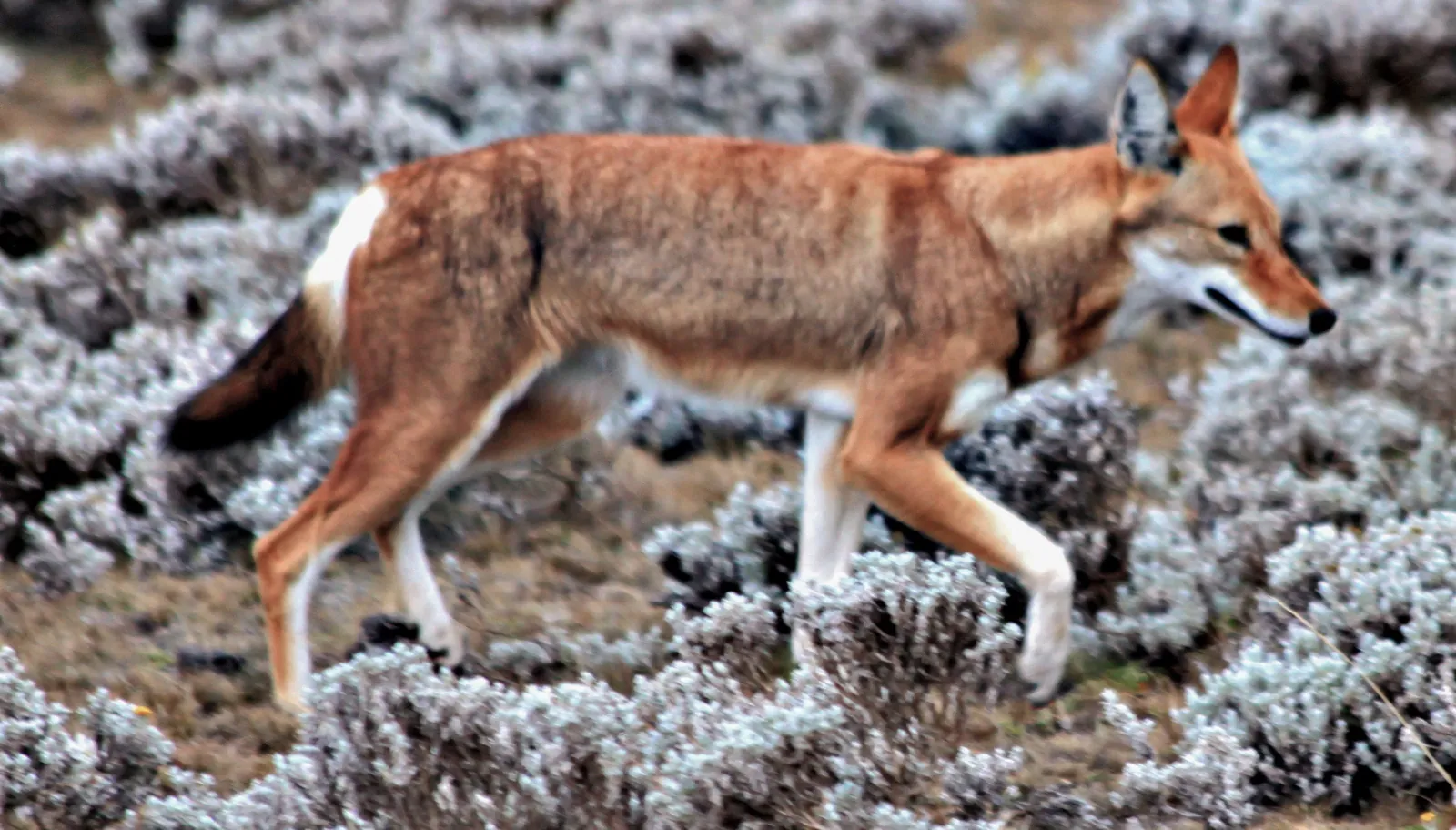
The Ethiopian wolf is one of the animals most closely associated with the country’s high mountain landscapes. Its reddish coat, pale markings and slender profile distinguish it from the wildlife visitors may expect elsewhere in East Africa.
Understand the conservation work
The Ethiopian Wolf Conservation Programme identifies habitat loss and disease as important threats. Its work includes monitoring, disease management and collaboration with highland communities. Read its current research before using a population figure: numbers in older travel articles are snapshots. For a visit, ask how the guide avoids interrupting hunting or approaching a den.
A highland specialist
Open Afro-alpine habitat is central to understanding the wolf. In Bale, the Sanetti Plateau gives visitors a sense of the landscape in which it lives: low vegetation, broad views and a very different environment from the forest below. Looking at the habitat helps make a wildlife visit meaningful even when an animal remains distant or out of sight.
Plan for observation rather than pursuit
If wolves are an important interest, ask for time in suitable habitat with a knowledgeable local guide. Avoid turning a sighting into a chase or approaching to improve a photograph. Population estimates and conservation assessments change, so use current conservation research when seeking figures. This guide does not promise a sighting or attach an outdated number to the species.
Related journeys
Route study
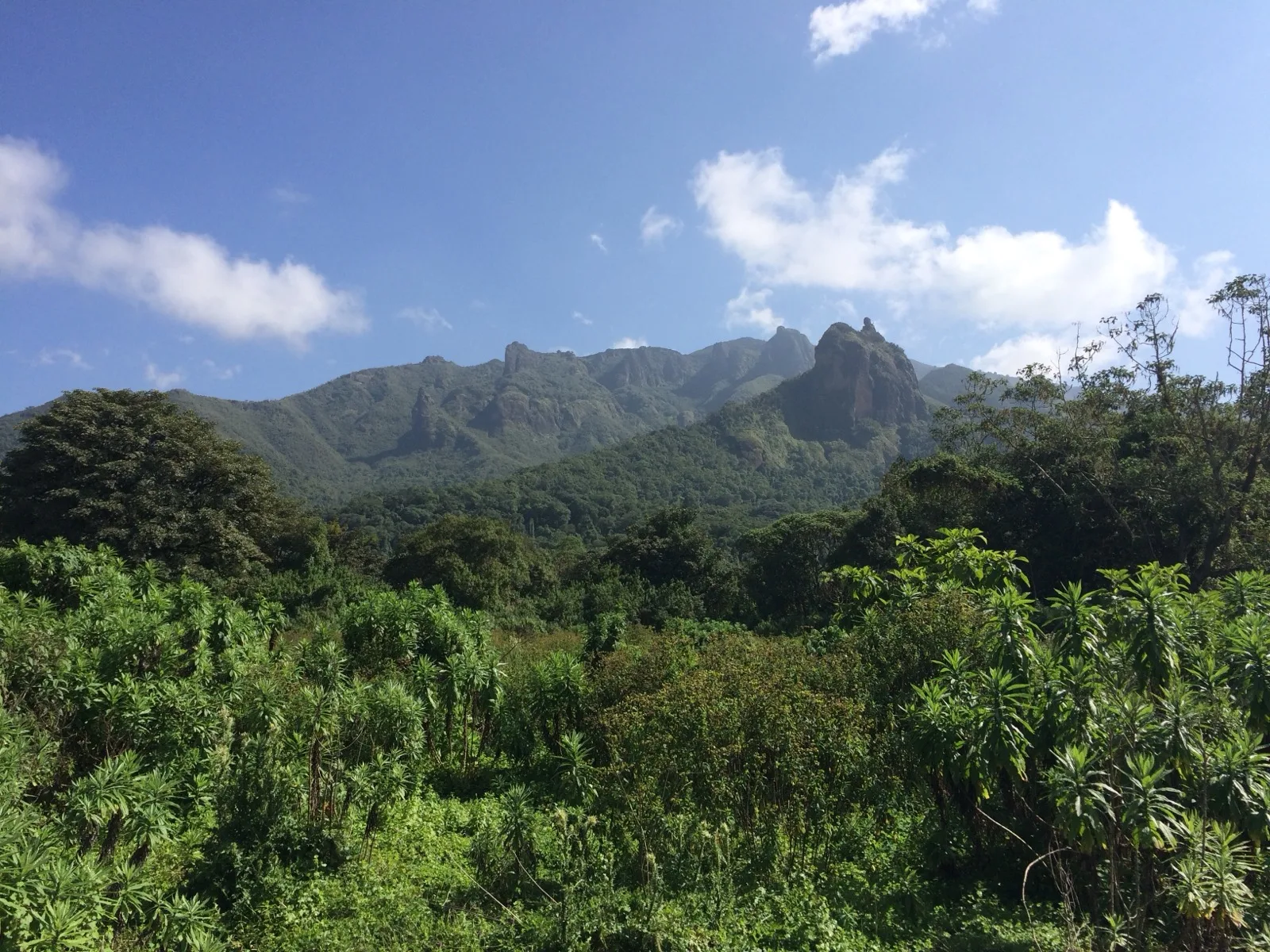
Trekking and Camping in the Bale Mountains
Explore a Bale Mountains camping and trekking concept across plateau and forest environments, with its overall length still to confirm.
Explore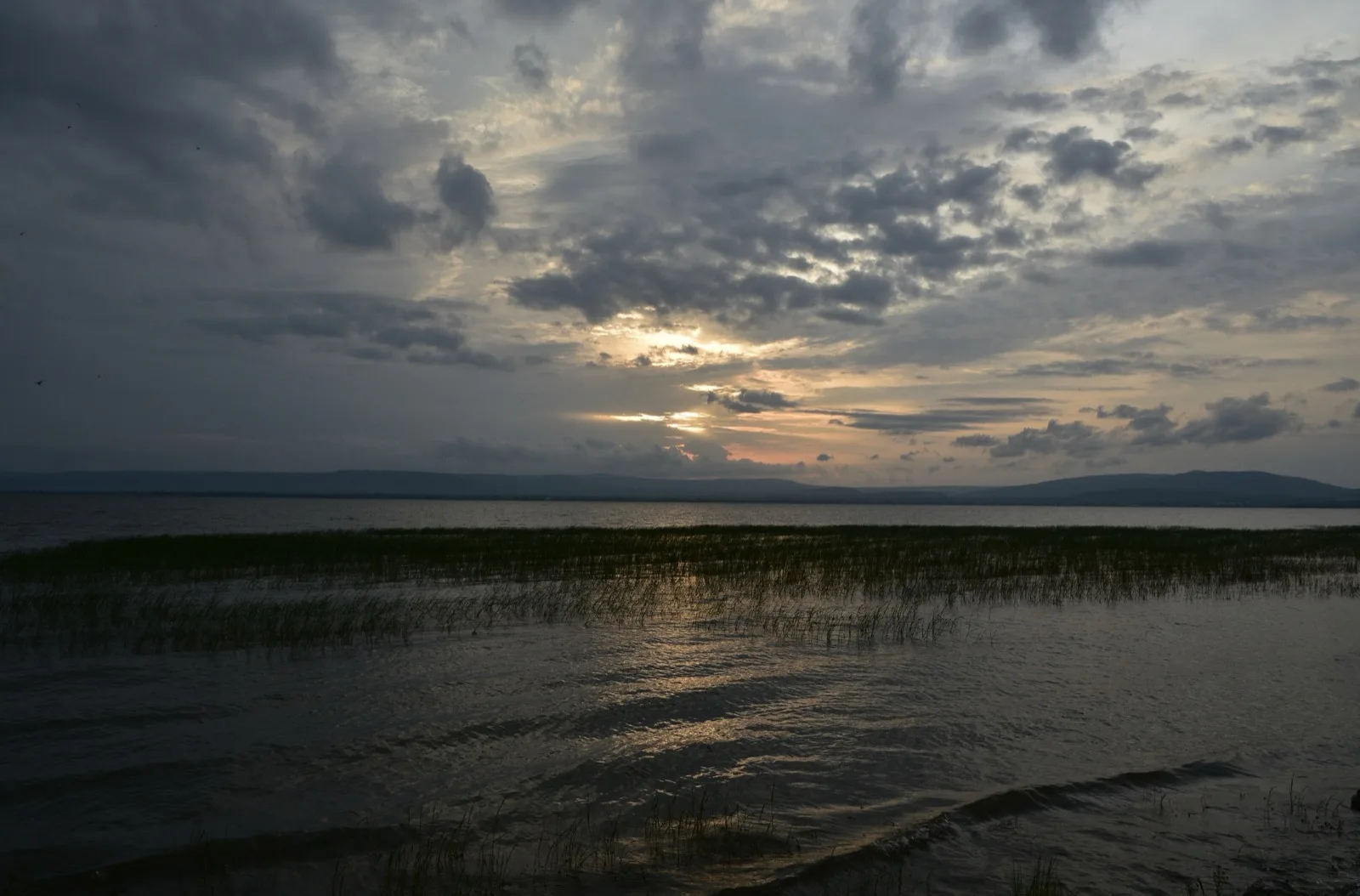
10 days · Itinerary
Ten-Day Rift Valley and Bale Nature Journey
Ten days link Awash, Langano, Hawassa and Bale, giving the park and lake sections their own days before returning through Robe to Addis Ababa.
Explore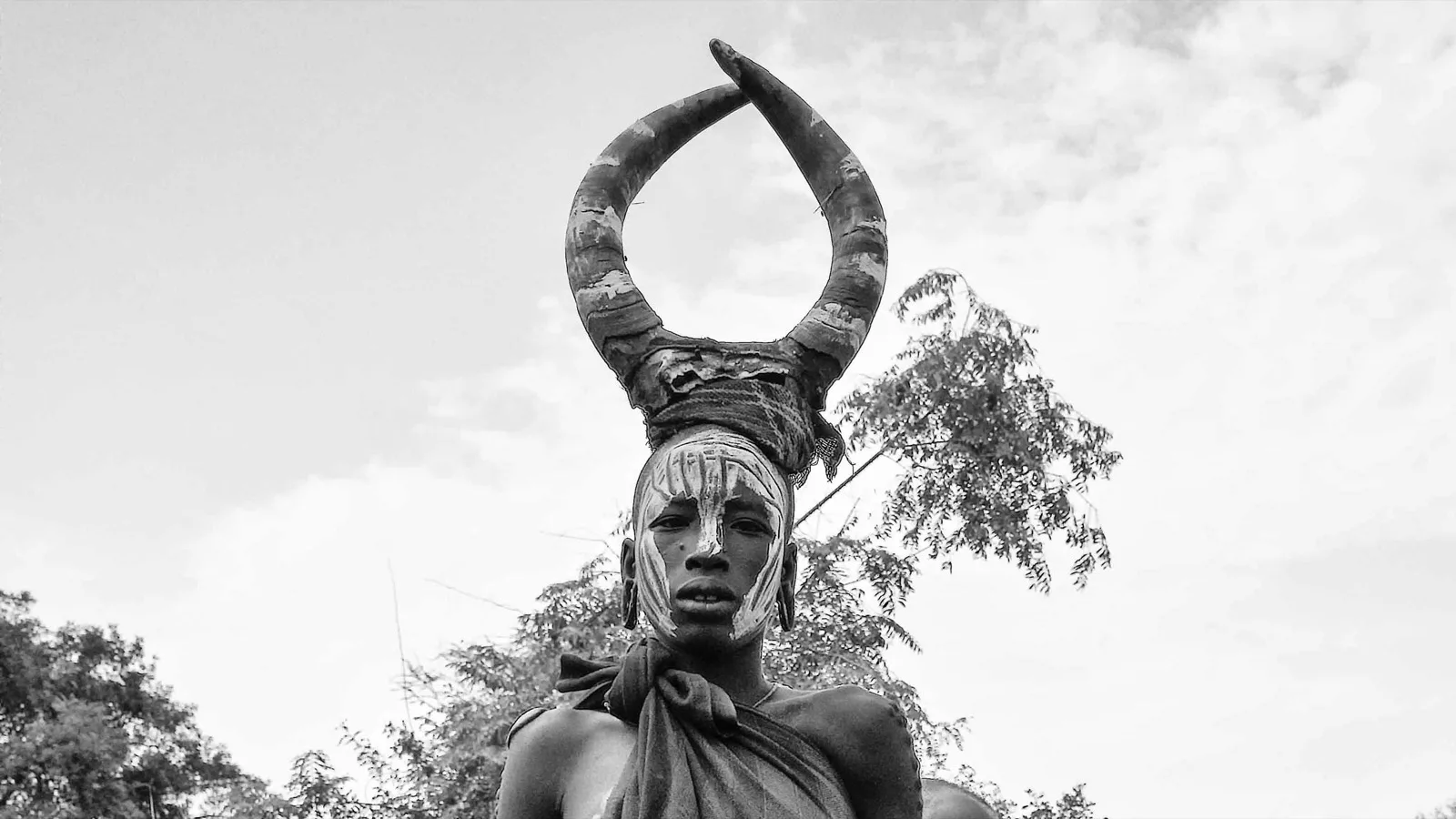
13 days · Itinerary
Southern Cultures, Rift Lakes and Bale
Thirteen days connect Jinka and Turmi with Arba Minch, Hawassa, Bale and Langano.
Explore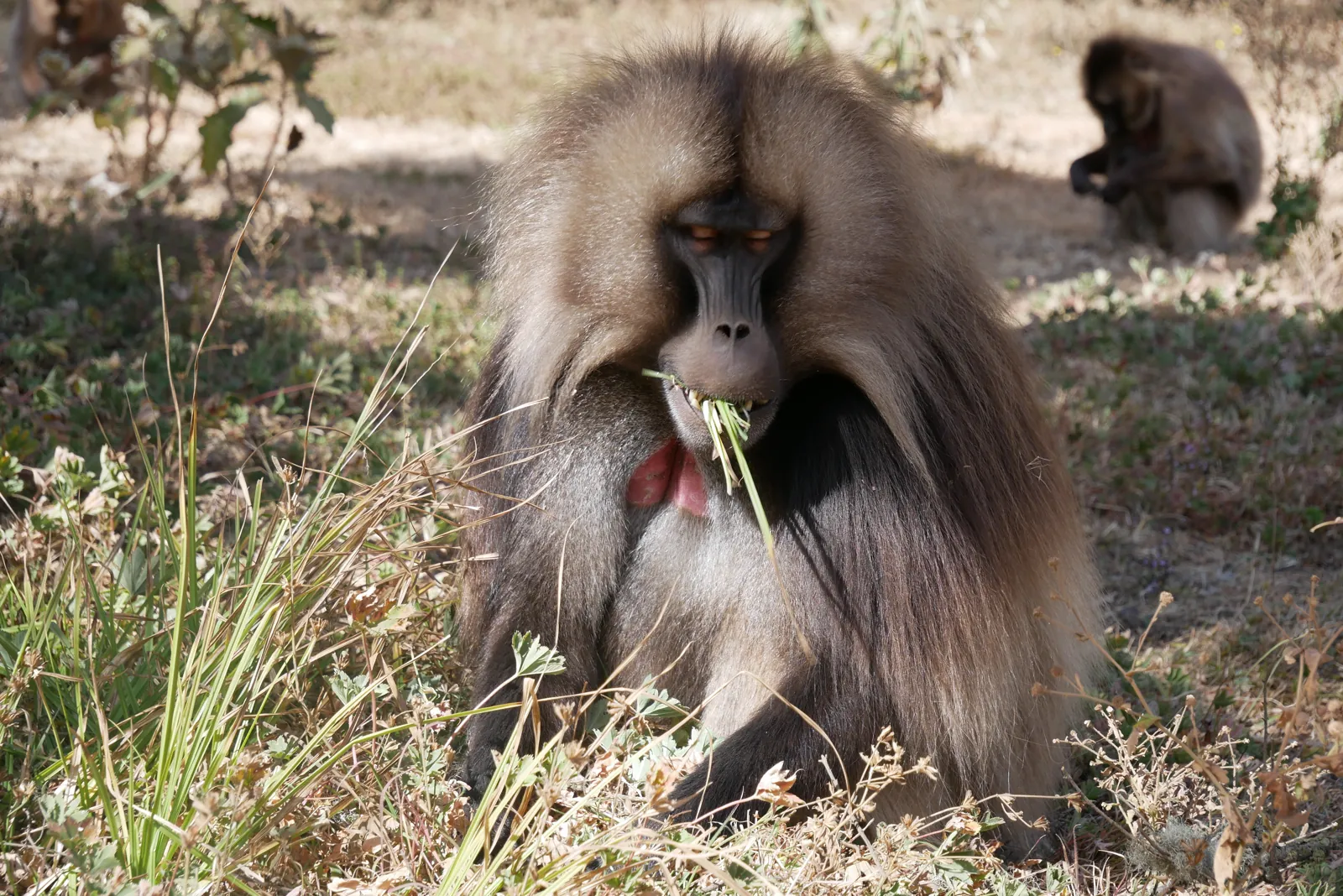
5 days · Itinerary
Gondar and the Western Simien Ridges
Five days place Gondar before a Simien walking sequence through Imet Gogo and Bwahit, with a final return to Addis Ababa via Gondar.
Explore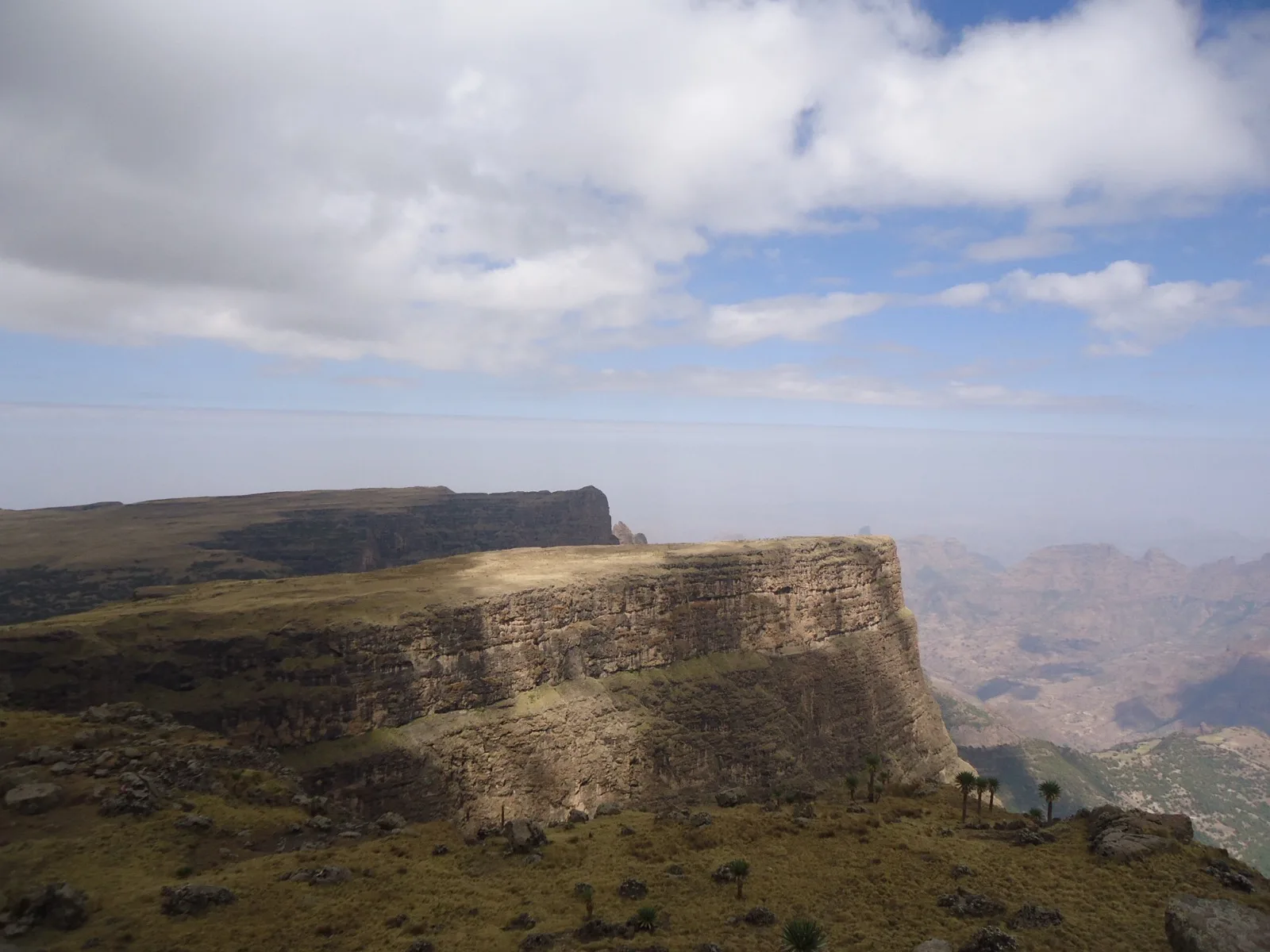
4 days · Itinerary
Four Days Camping in the Simien Mountains
Four days lead through Debark and the Simien camps of Sankaber, Gich and Chenek, finishing with a Mount Bwahit excursion.
Explore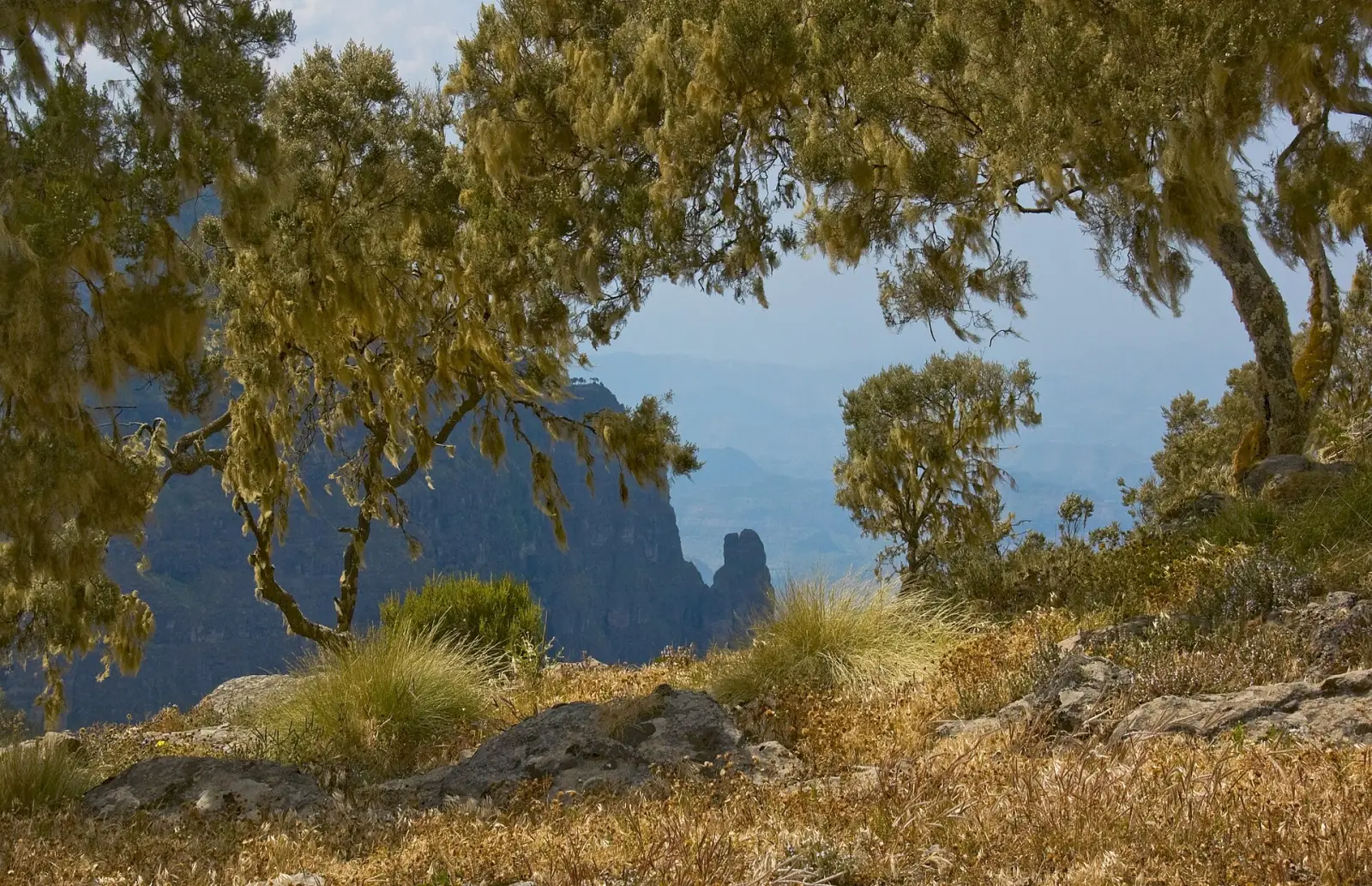
Route study
Simien Mountains and Northern History
Combine the interests of Lalibela, Gondar and the Simien Mountains in a northern Ethiopia route study, with the final connection still to confirm.
Explore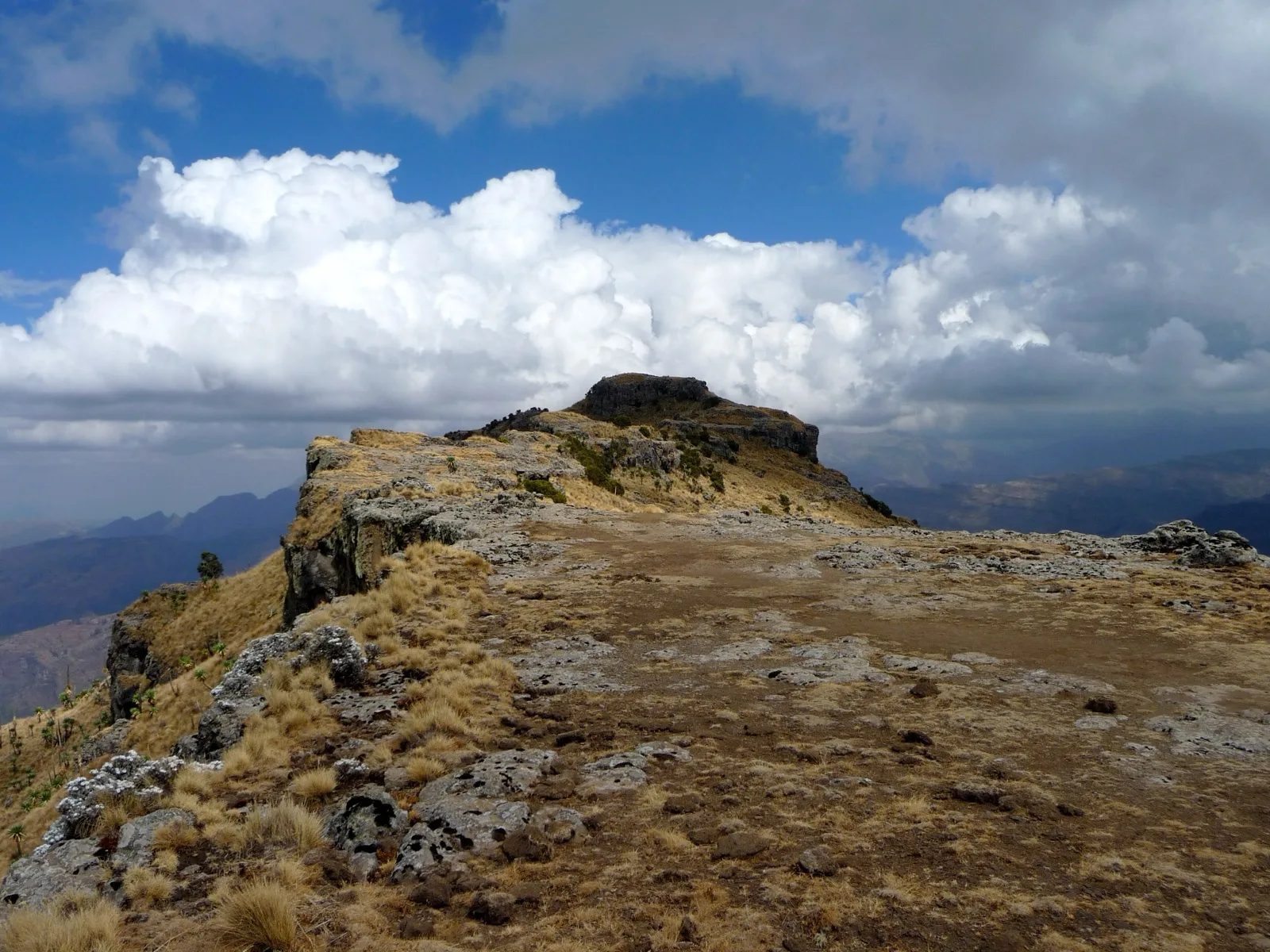
Route study
Trekking in the Simien Mountains: Route Study
Follow the named Simien trekking stages through Sankaber, Gich, Chenek, Ambiko and Ras Dashen, with the return from Menteber still to confirm.
Explore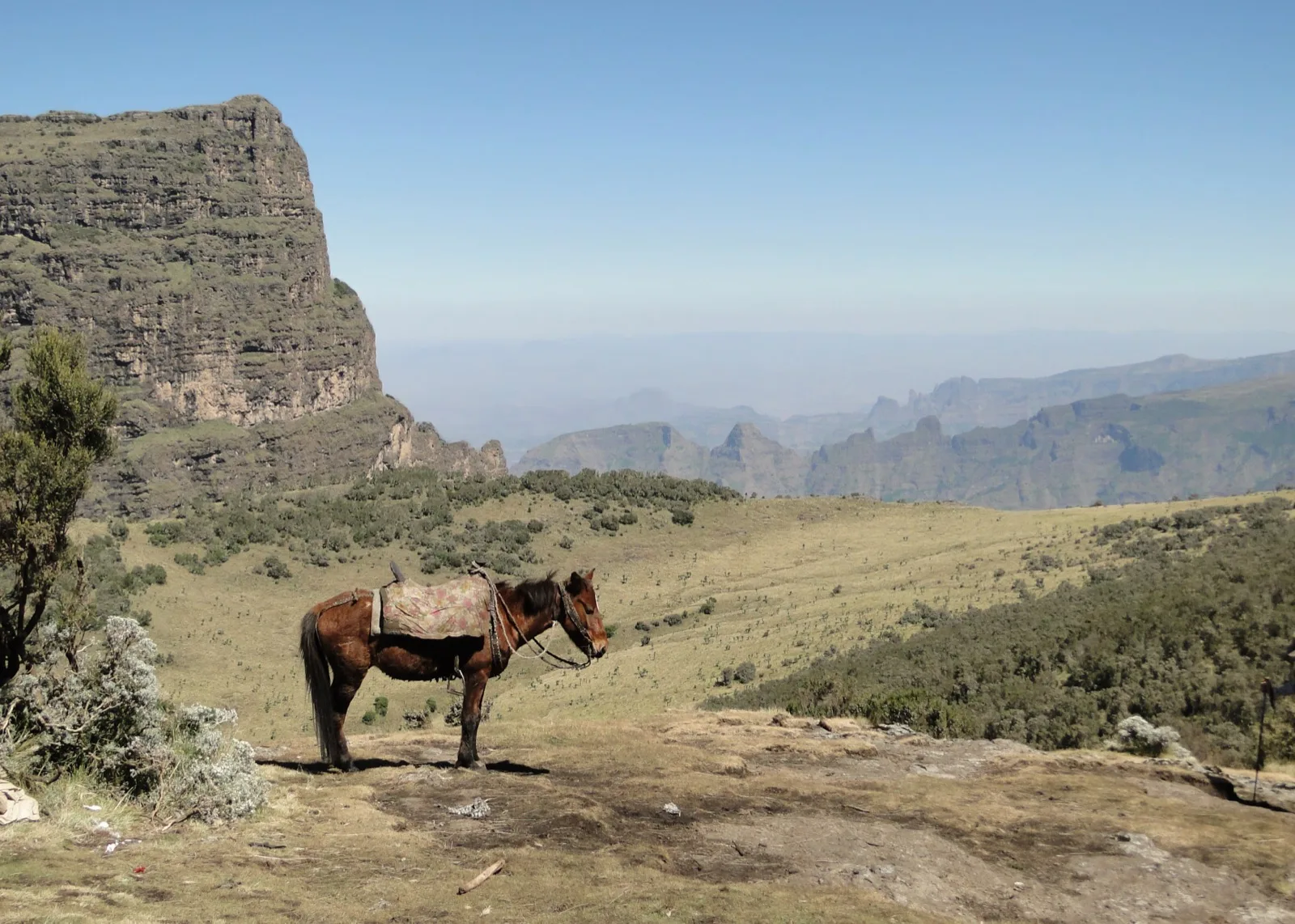
2 days · Itinerary
Two-Day Simien Escarpment Trek
A compact two-day walking route links Sankaber and Gich with Imet Gogo before returning to Gondar.
Explore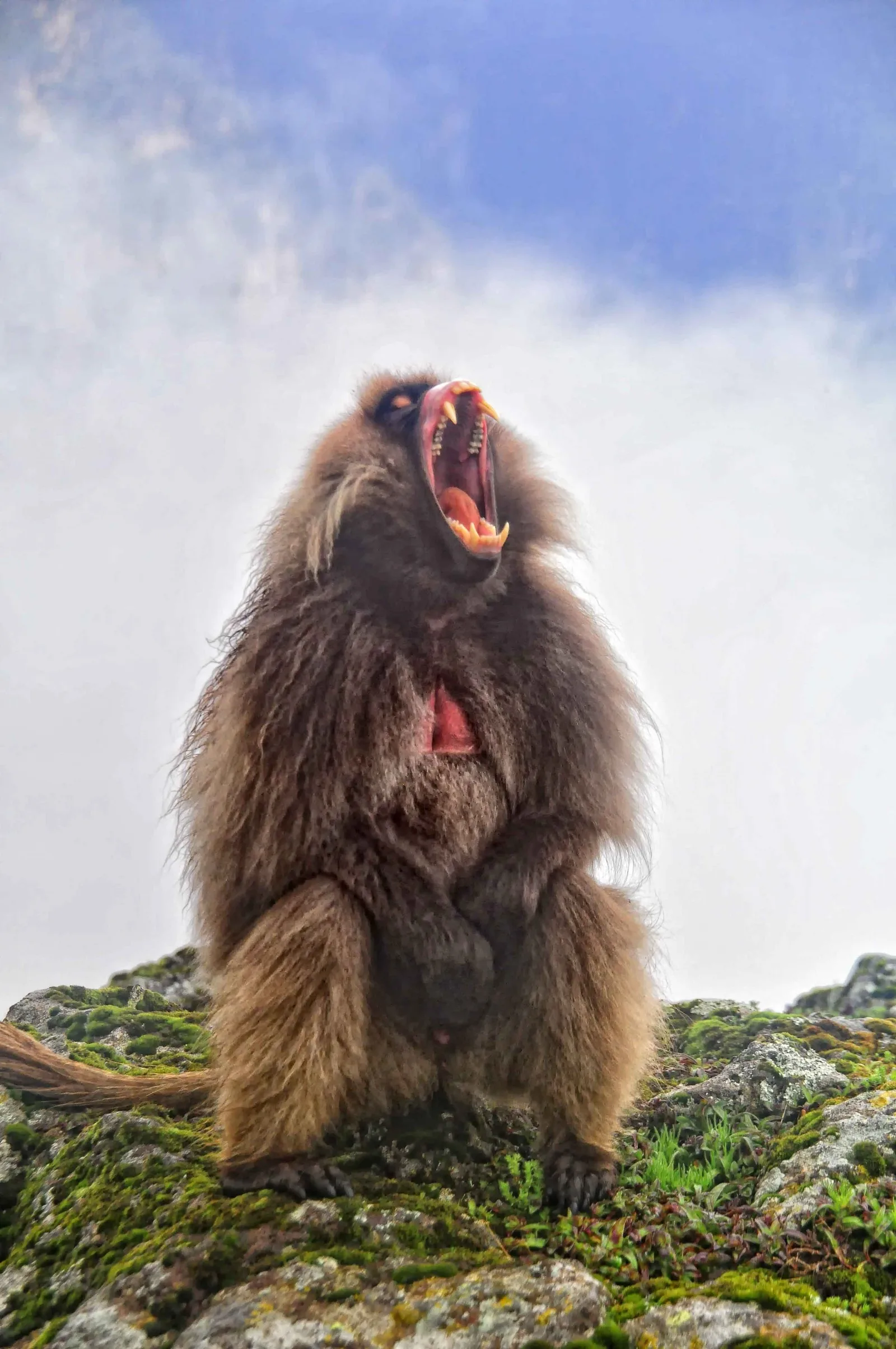
3 days · Itinerary
Three Days on the Simien Ridges
Three days walk from Sankaber and Gich across Imet Gogo to Chenek, with an optional Ras Bwahit summit, starting and finishing in Gondar.
Explore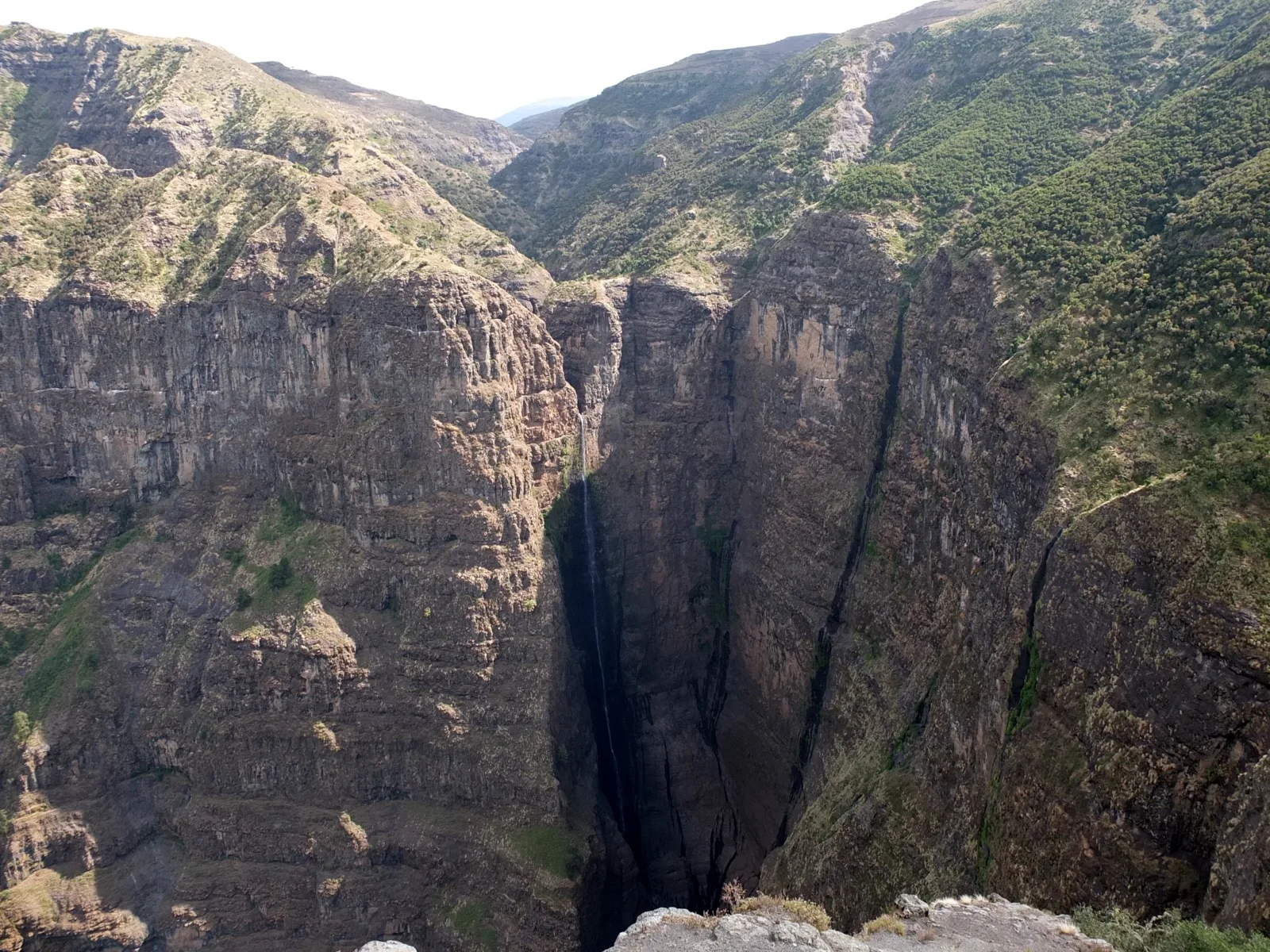
4 days · Itinerary
Four-Day Simien Walking Circuit
An introductory approach through Michibiny leads into three further days around Gich, Imet Gogo and Chenek, with a Bwahit option before the return to Gondar.
Explore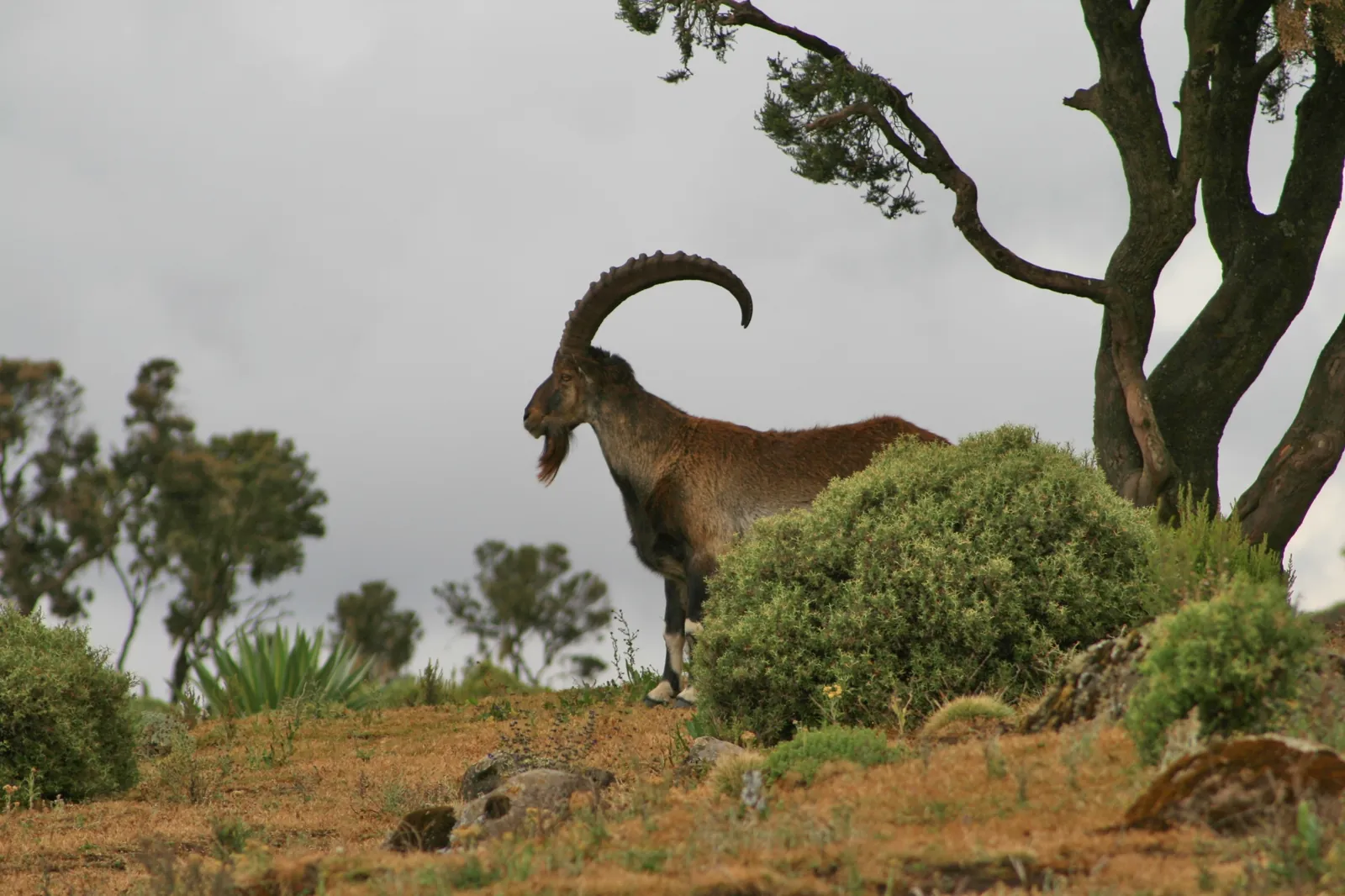
6 days · Itinerary
Six-Day Simien Trek towards Ras Dashen
Six days connect the western Simien camps with Ambiko and a Ras Dashen attempt.
ExploreOfficial sources
Check these primary sources directly; their current information takes precedence.
Not yet reviewed: no named reviewer or review date has been recorded for this page. The official sources above take precedence.
Related places and journeys
Ethiopia guide
Wildlife and Habitats of Ethiopia
Explore Ethiopia’s wildlife by habitat, from Simien escarpments and Bale grasslands to forests and Rift Valley lakes, with thoughtful ideas for observation.
ExploreEthiopia guide
Simien Mountains: escarpments and walking choices
Explore the Simien Mountains through escarpment scenery, endemic wildlife and distinct walking routes, with guidance on choosing the right mountain plan.
Explore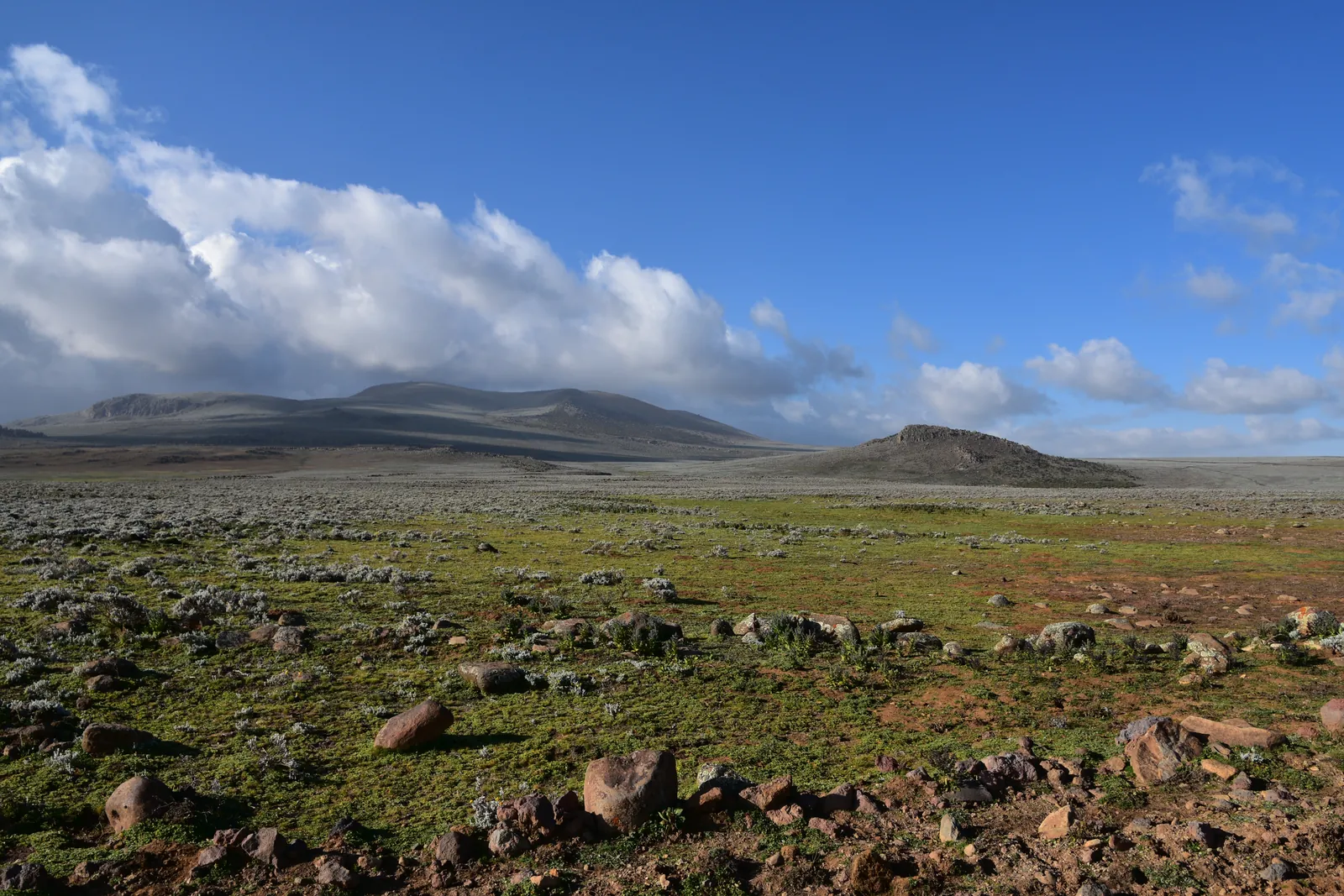
Ethiopia guide
Bale Mountains: plateau, forest and wildlife
Discover the Bale Mountains through the Sanetti Plateau, Harenna Forest and grasslands, and plan time around their distinct habitats and walking interests.
ExploreEthiopia guide
Trekking in the Bale Mountains
Choose a Bale trek around its habitats, daily terrain and overnight support, from grassland walks to plateau routes and Harenna Forest experiences.
ExploreEthiopia guide
Sanetti Plateau in the Bale Mountains
Explore the Sanetti Plateau’s open highland habitat, Ethiopian wolf interest and role in a Bale route, with time to observe more than the main viewpoint.
ExploreEthiopia guide
Geladas of the Ethiopian Highlands
Learn about geladas, their grassland feeding and social groups, and plan a Simien wildlife encounter that leaves animals room to behave naturally.
ExploreShape your journey
Bring your preferred dates, interests and pace together in a planning draft.