
Camping routes in the Bale Mountains
Camping can connect several walking days in the Bale Mountains without returning to the same room each night. The value lies in the route and the habitats encountered, not simply in replacing a lodge bed with a tent.
Wildlife and time on a multi-day route
Bale's highland interest includes the Ethiopian wolf, while other mammals and birds belong to different habitats. Observation should fit around animal behaviour and the route rather than determine a guaranteed timetable. Watching the open ground quietly can be more informative than pursuing a promised species checklist.
Equipment hire has been offered at Dinsho, but do not assume that any item is currently available or adequate for a particular trek. Agree equipment, shelter, baggage and the actual camp locations before departure, with a realistic plan for weather and the elevation of each overnight.
Rafu, Wasama and the highland route
The historical walking account links the Web Valley, the Wasama area, Rafu’s rock formations and Tulu Dimtu. These are distinct landscape objectives, not proof of one fixed number of walking days. A ridge, valley and plateau crossing each changes the effort and the view.
Choose the camps and daily finish points with a guide before adding summit aims. Weather, group pace and the actual approach determine how a stage works; an older statement that a peak is a short walk cannot settle that for every starting point.
Observe wildlife without changing its behaviour
The Ethiopian Wolf Conservation Programme has documented disturbance around den sites, including disturbance associated with visitors. Watch from a suitable distance and follow the guide’s direction; do not approach a den or use a horse to get closer to a wolf.
A quiet period in the Web Valley or on Sanetti can be worthwhile without a close encounter. Record the habitat and behaviour you can observe, and let the camping route provide time for that patience rather than making sightings a condition of a successful day.
Choose the landscape sequence
Discuss how the proposed stages relate to grasslands, high plateau or forest. A route should explain where the nights fall and what changes from one day to the next instead of using one general description of the park.
Confirm highland camp support
Ask for the walking stages, camp locations and current requirements, together with shelter, warm bedding, meals and baggage arrangements. Allow a realistic pace at elevation and retain flexibility for local weather and route conditions.
Journeys to explore alongside this guide
Use these related route ideas to compare the places, interests and time involved. Open each outline for its route context and any details still requiring review.
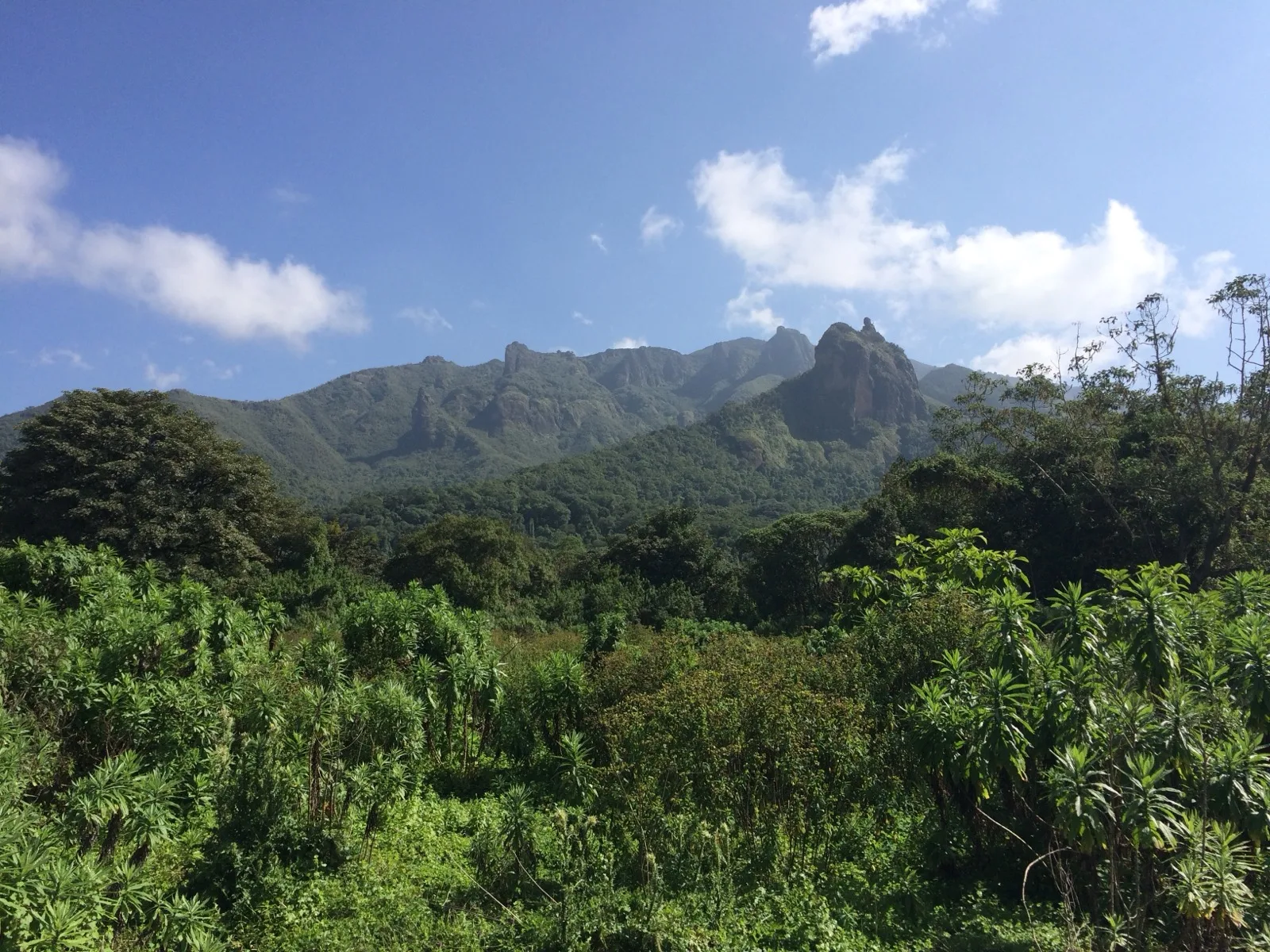
Route study
Trekking and Camping in the Bale Mountains
Explore a Bale Mountains camping and trekking concept across plateau and forest environments, with its overall length still to confirm.
Explore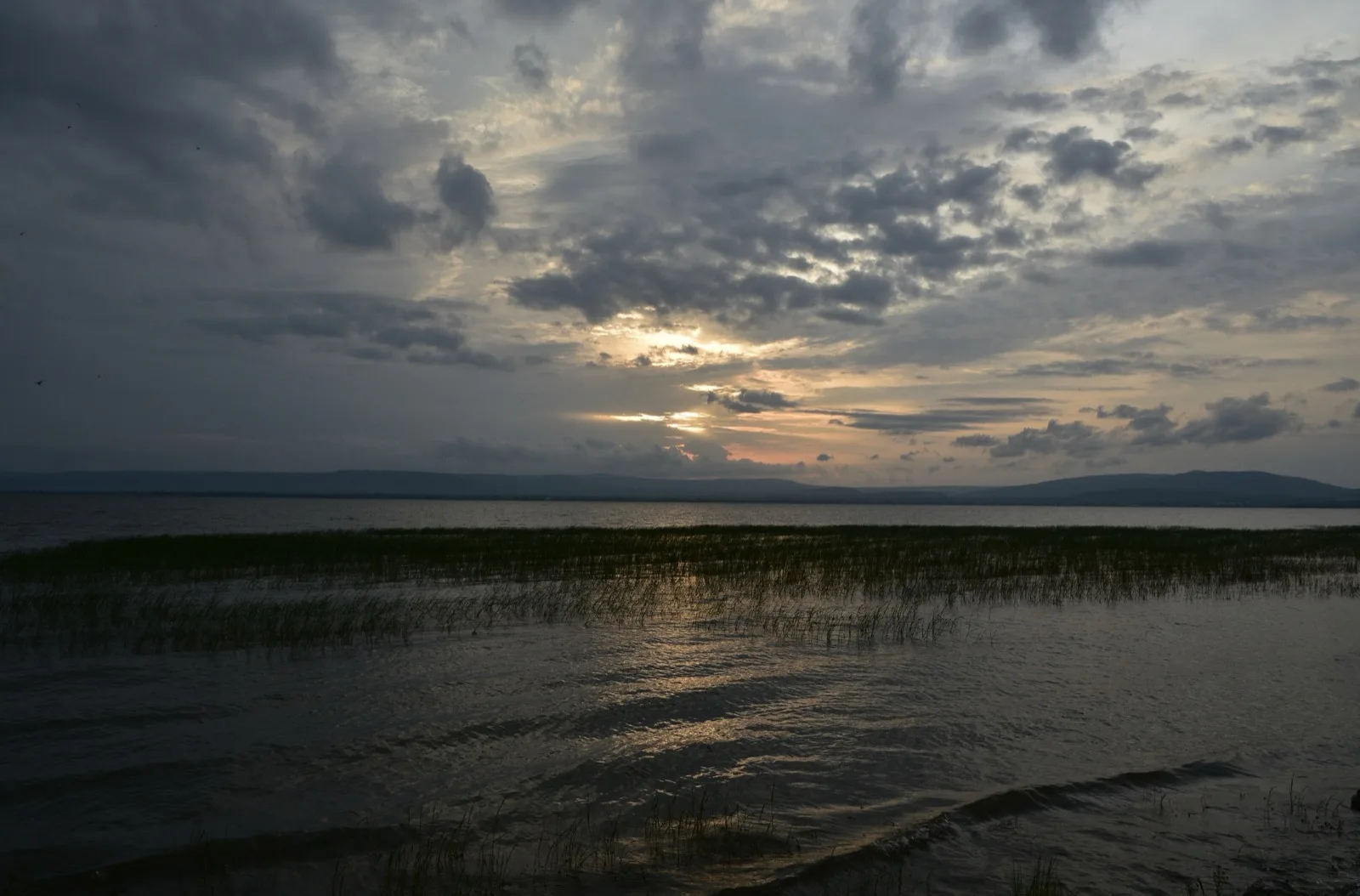
10 days · Itinerary
Ten-Day Rift Valley and Bale Nature Journey
Ten days link Awash, Langano, Hawassa and Bale, giving the park and lake sections their own days before returning through Robe to Addis Ababa.
Explore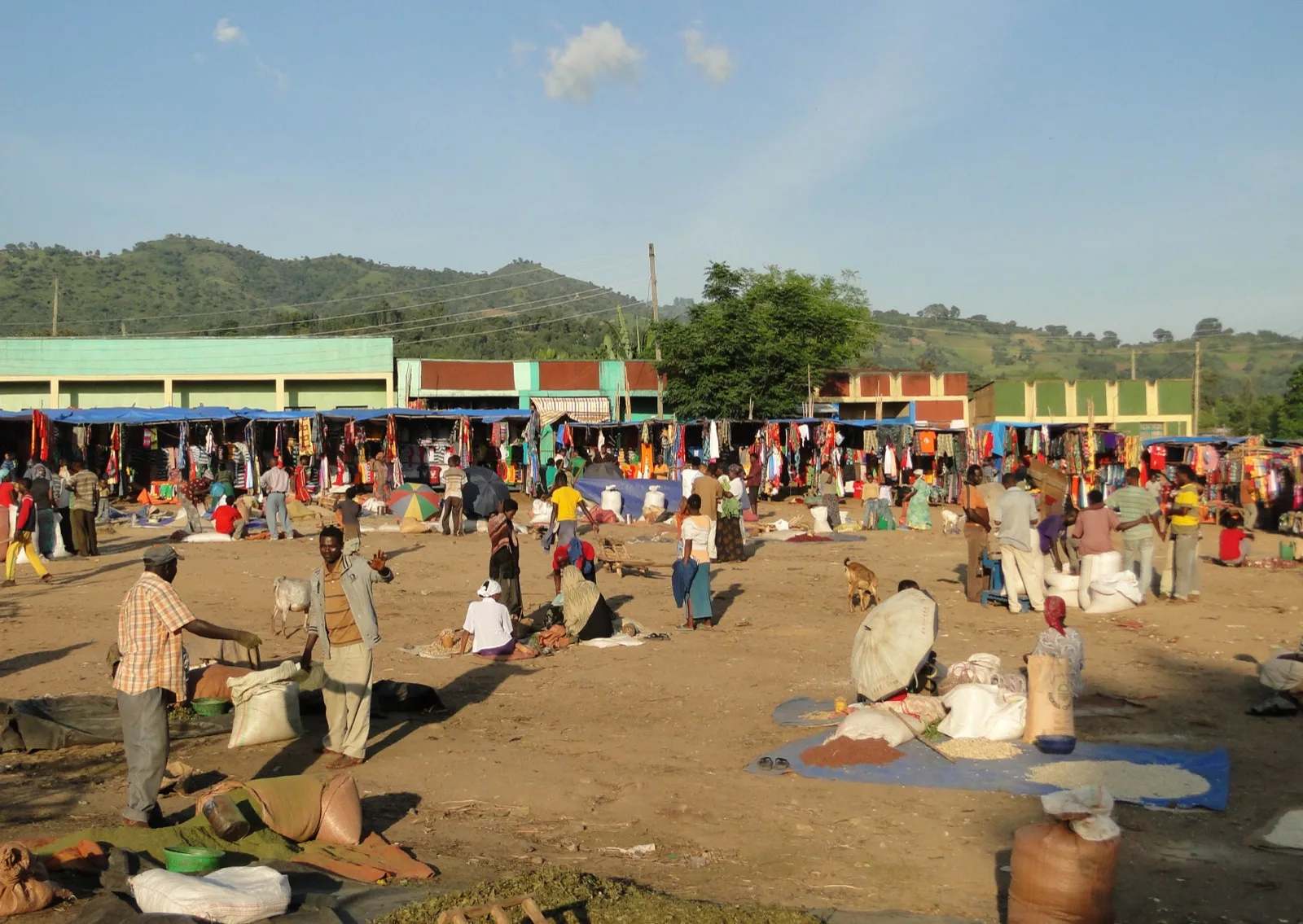
13 days · Itinerary
Southern Ethiopia: Omo Communities and Bale Highlands
Thirteen days connect Jinka and Turmi with Arba Minch, Yirgalem, Hawassa and Bale.
Explore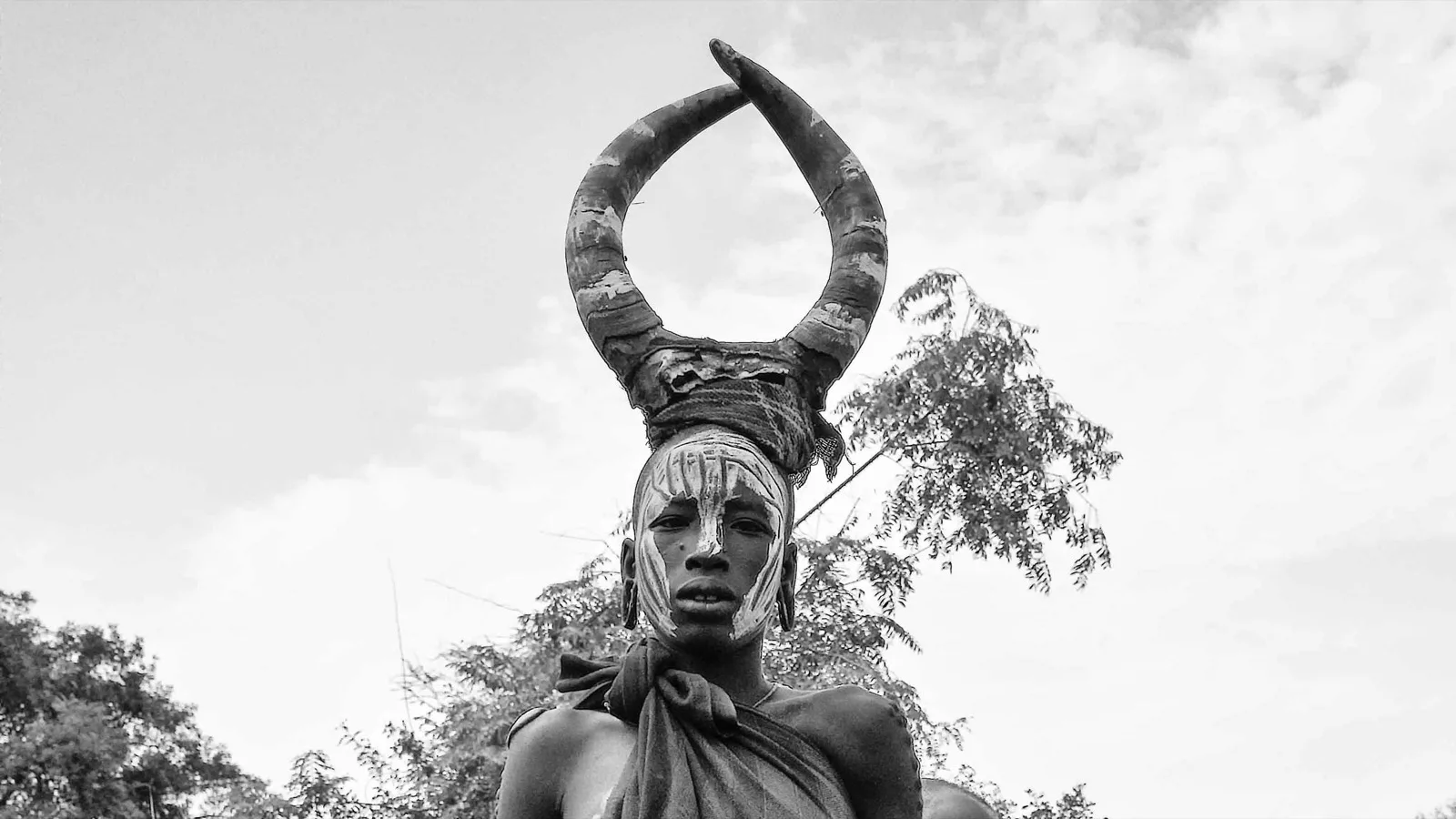
13 days · Itinerary
Southern Cultures, Rift Lakes and Bale
Thirteen days connect Jinka and Turmi with Arba Minch, Hawassa, Bale and Langano.
Explore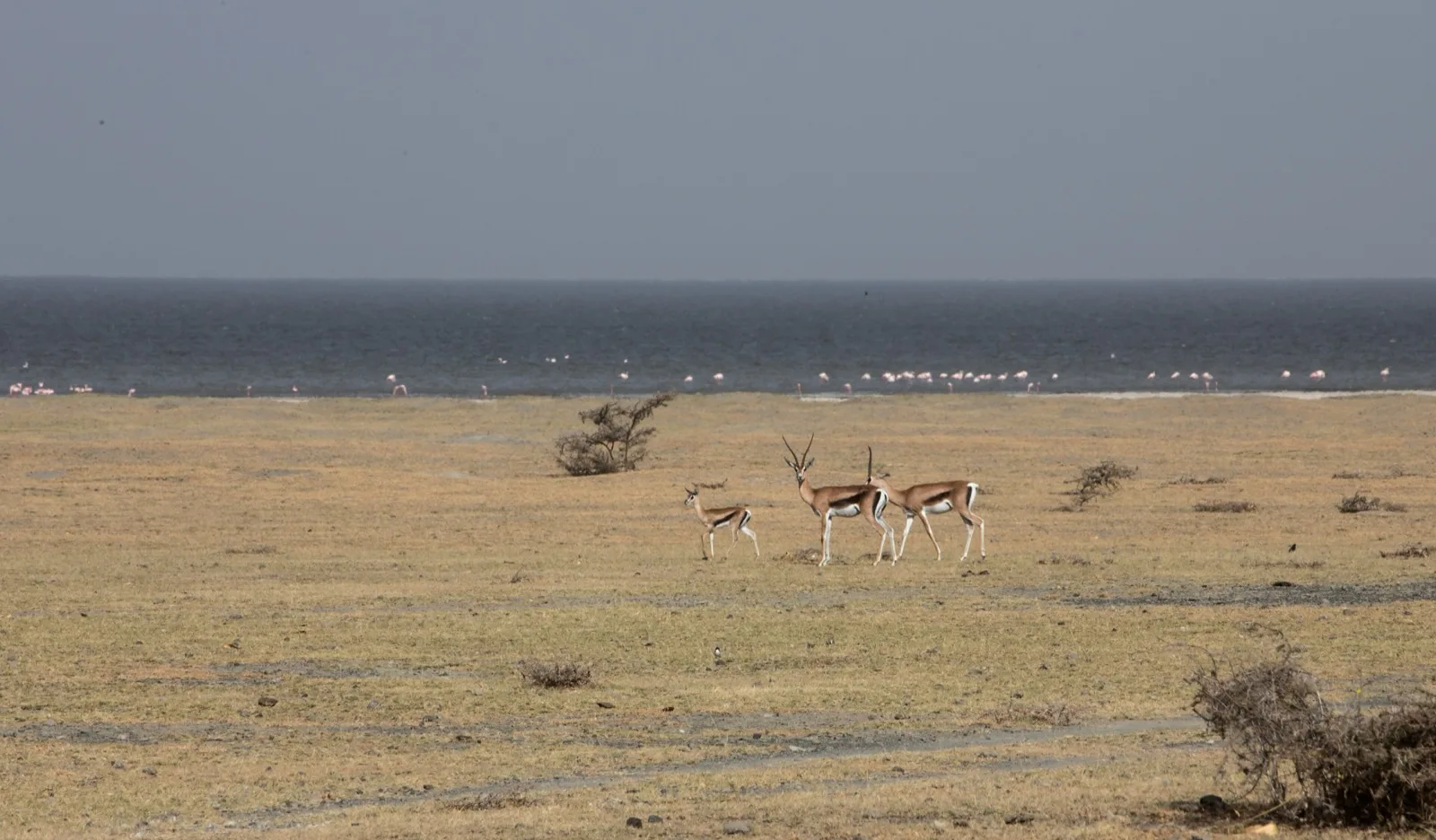
Route study
Birds of the Rift Valley and Southern Highlands
Explore an Ethiopia birding route through Ankober, Awash, the Rift Valley lakes, Bale and the southern highlands, with the southern lake stage still to confirm.
Explore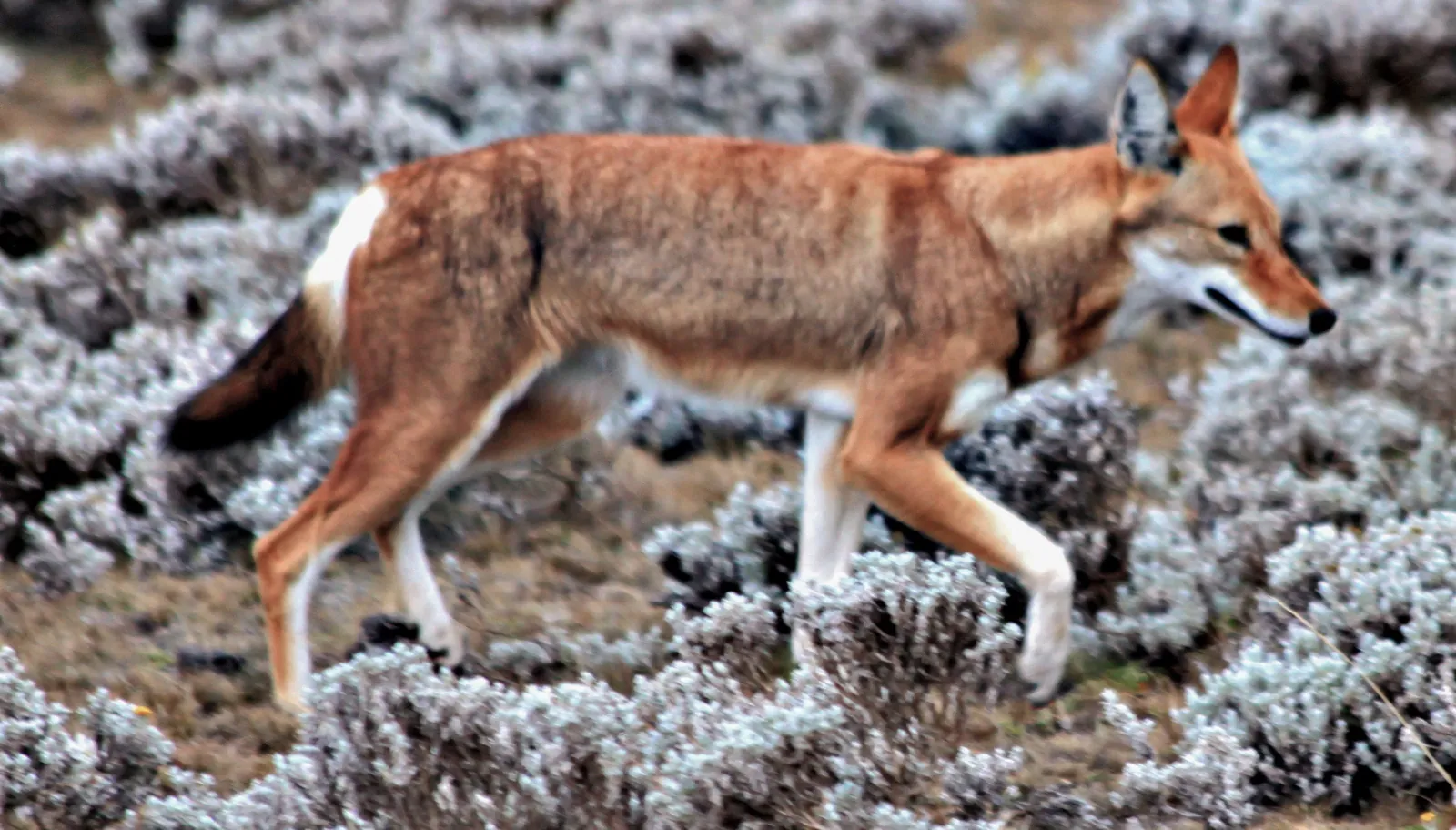
11 days · Itinerary
Southern Ethiopia by River and Highland
Eleven days link Gambella, the Omo River and Bale in a charter-based concept.
Explore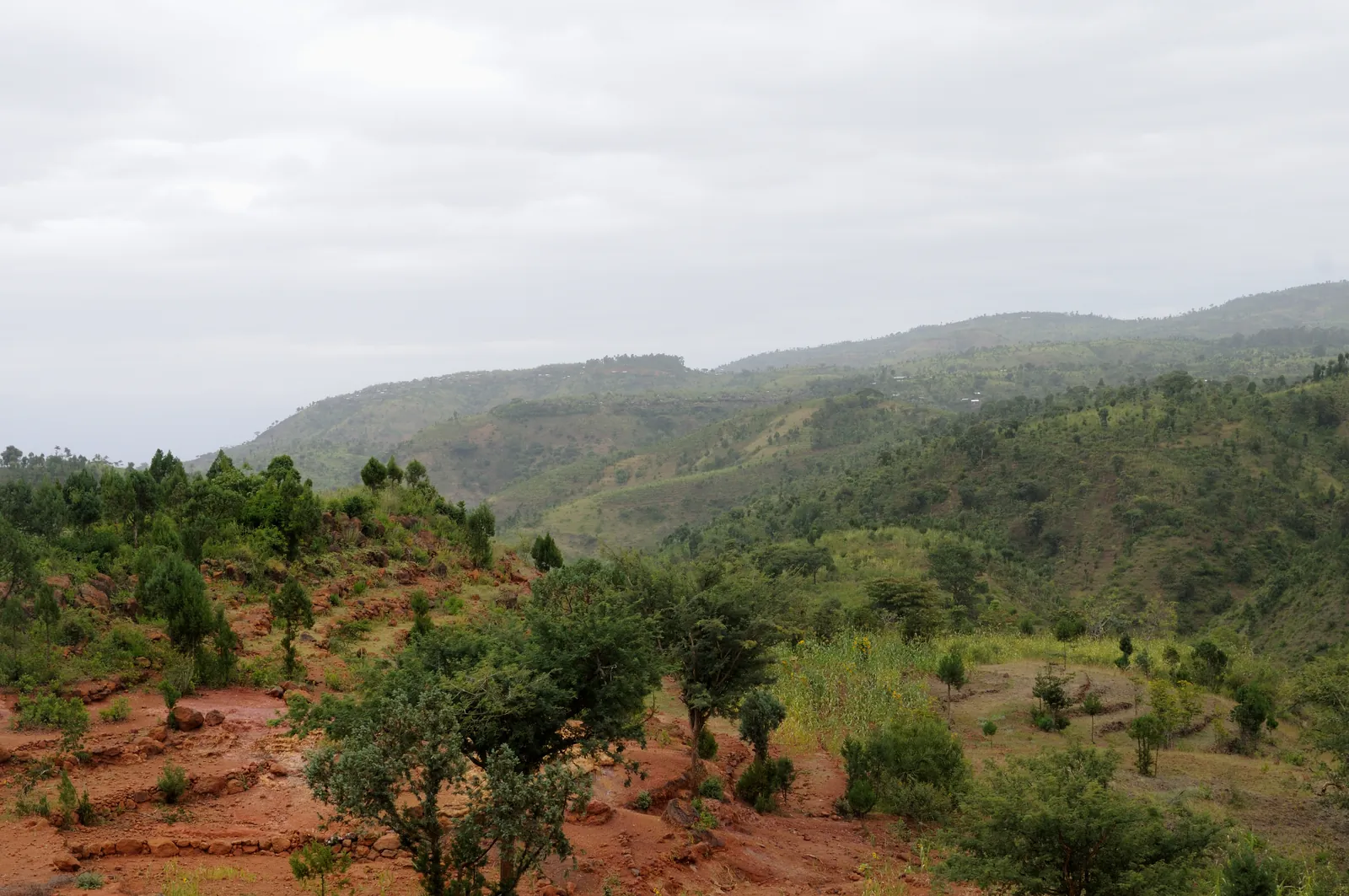
20 days · Itinerary
Twenty-Day Northern and Southern Ethiopia Survey
Twenty days join northern heritage cities and the Simien Mountains with Omo communities, Bale and the Rift lakes in one country-wide journey.
ExploreOfficial sources
Check these primary sources directly; their current information takes precedence.
- Bale Mountains National Park: habitat zones
- Ethiopian Wolf Conservation Programme: monitoring report and disturbance observations
Not yet reviewed: no named reviewer or review date has been recorded for this page. The official sources above take precedence.
Related places and journeys
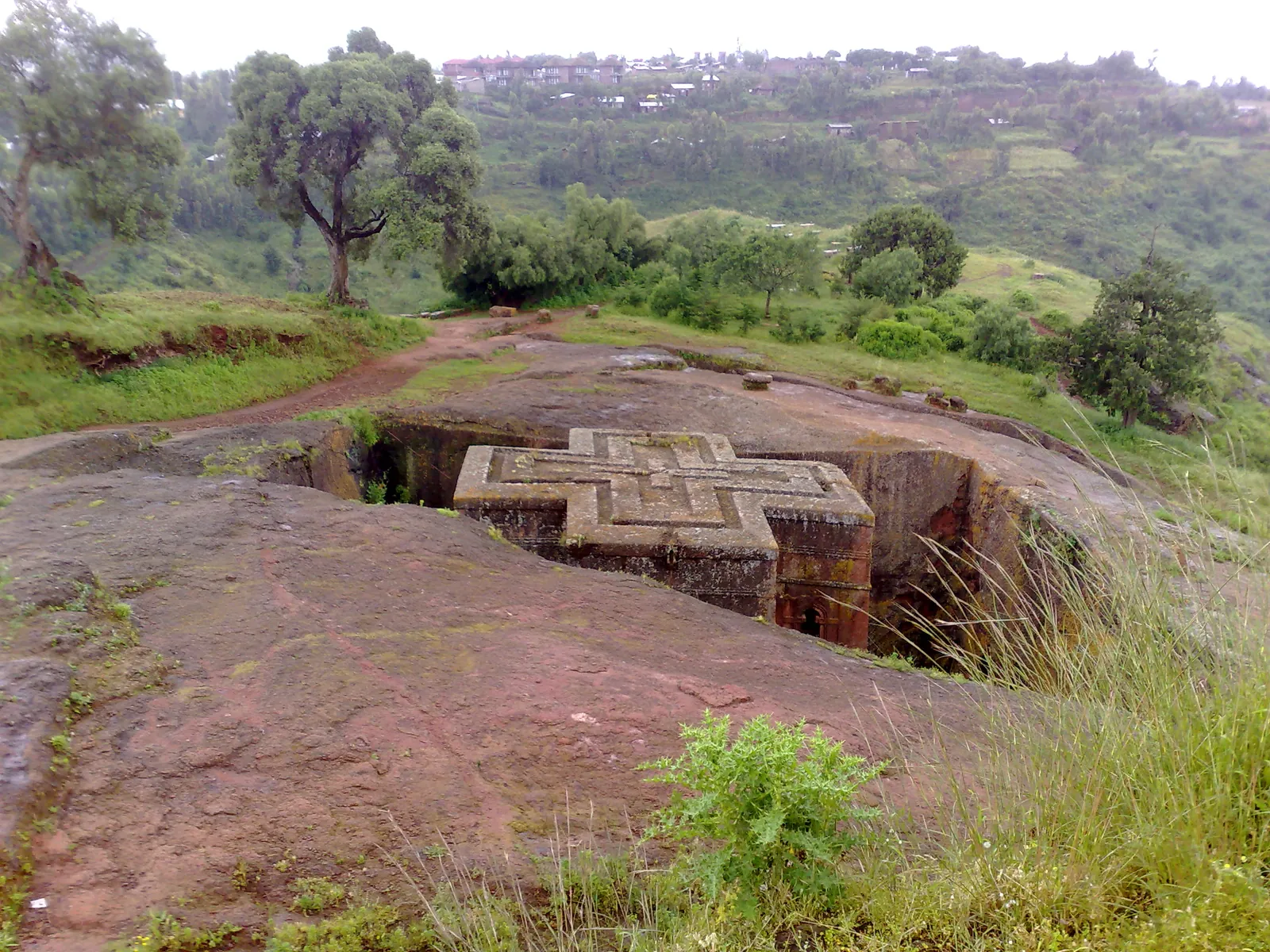
Ethiopia guide
All Trips
Compare Ethiopia journeys by their route, time on foot and regional focus.
ExploreEthiopia guide
Places to Visit in Ethiopia
Choose Ethiopia destinations by the kind of time you want to spend in them.
Explore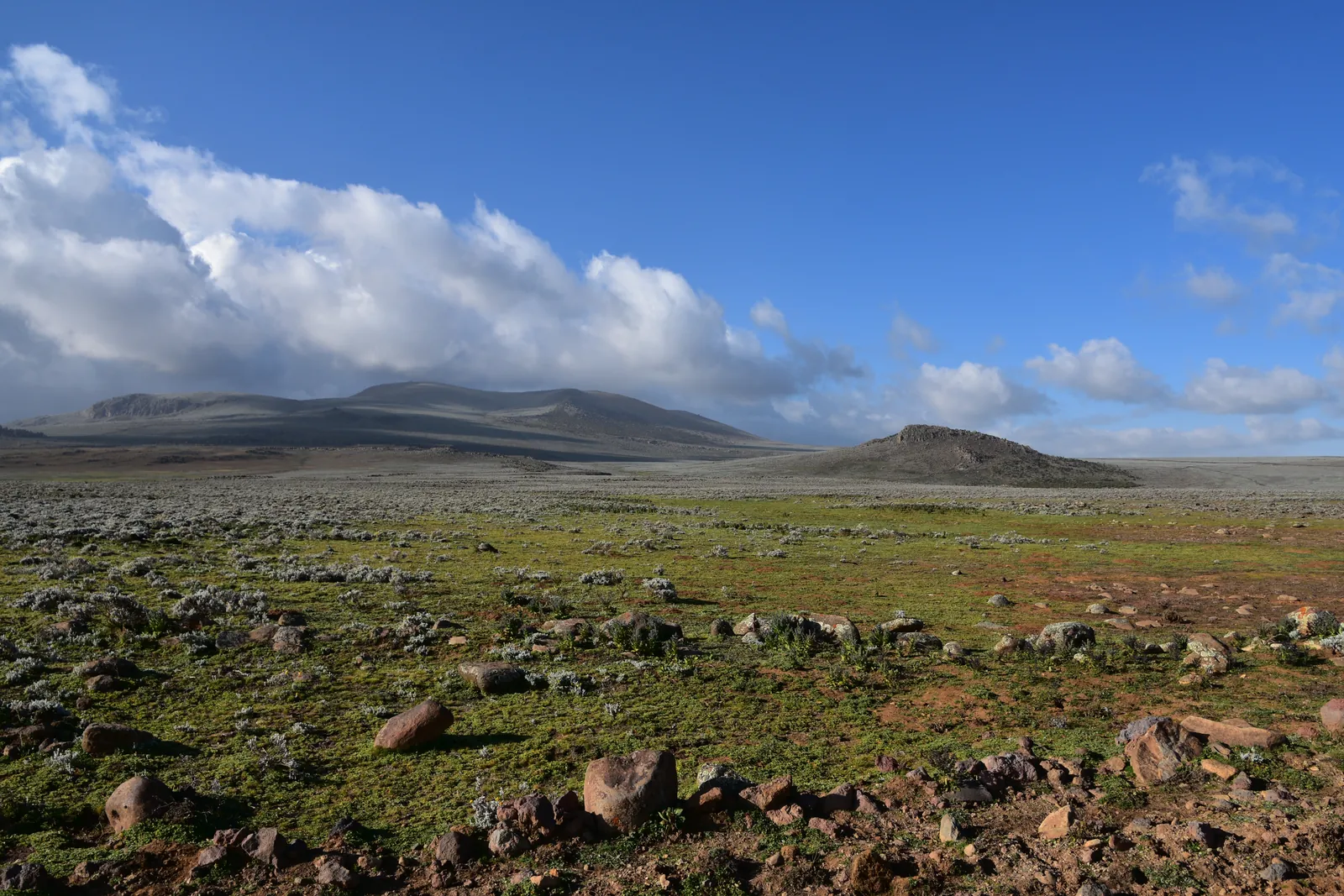
Ethiopia guide
Bale Mountains: plateau, forest and wildlife
Discover the Bale Mountains through the Sanetti Plateau, Harenna Forest and grasslands, and plan time around their distinct habitats and walking interests.
ExploreEthiopia guide
Harenna Forest in the Bale Mountains
Explore Harenna Forest as part of a Bale journey, with attention to woodland habitat, guided walking and the contrast with the Sanetti Plateau above.
ExploreEthiopia guide
The Ethiopian Wolf
Explore the Ethiopian wolf’s highland habitat, its red-and-white appearance and the place of Bale in wildlife planning, with a respectful approach to observation.
ExploreEthiopia guide
Trekking in the Bale Mountains
Choose a Bale trek around its habitats, daily terrain and overnight support, from grassland walks to plateau routes and Harenna Forest experiences.
ExploreEthiopia guide
Bale Mountain Lodge and Harenna Forest
Place Bale Mountain Lodge in its historically described Harenna Forest setting and weigh forest time, plateau visits and the details of a proposed stay.
ExploreShape your journey
Bring your preferred dates, interests and pace together in a planning draft.