
Cultural experiences in Ethiopia
Culture is part of everyday life, not a separate attraction added between landscapes. A meal, a place of worship or a conversation can offer understanding when the encounter is appropriate and the people involved have chosen to welcome visitors.
Coffee, cuisine and time to take part
Coffee preparation is a familiar Ethiopian cultural subject, bringing the making and serving of a drink into a social setting. UNESCO has discussed work on documenting the tradition; that does not mean a coffee ceremony can be advertised here as an already inscribed UNESCO element. The value for a visitor is in listening and allowing the host's pace.
Cuisine offers another approach through ingredients, shared serving and religious food practices. A meal may be ordinary hospitality rather than a formal lesson, and participation should never presume access to a private home. Clarify costs and dietary needs while leaving room for an encounter to be more than a photograph.
A calendar of distinct celebrations
Genna concerns the Nativity, Timkat the baptism of Jesus, Meskel the finding of the True Cross, and Enkutatash the New Year. Knowing the difference helps choose which occasion fits your interests and gives processions or gatherings their context.
If a celebration is central to the journey, select the town and dates around its actual observance. Build the rest of the route around that choice, leaving worship and local participation room to determine the pace.
Food and the everyday journey
A coffee ceremony, a market purchase and a shared injera meal can each teach something different. Ask about ingredients, preparation and the way food is served. A hosted demonstration needs its own agreement; an ordinary restaurant meal can still be a valuable introduction.
On a Rift Valley journey, make planned stops with a reason to be there: a local guide, an invited craft visit or time at a market. Roadside life is not a performance for passing vehicles, and a thoughtful stop is more useful than a hurried photograph.
Ethiopia guide
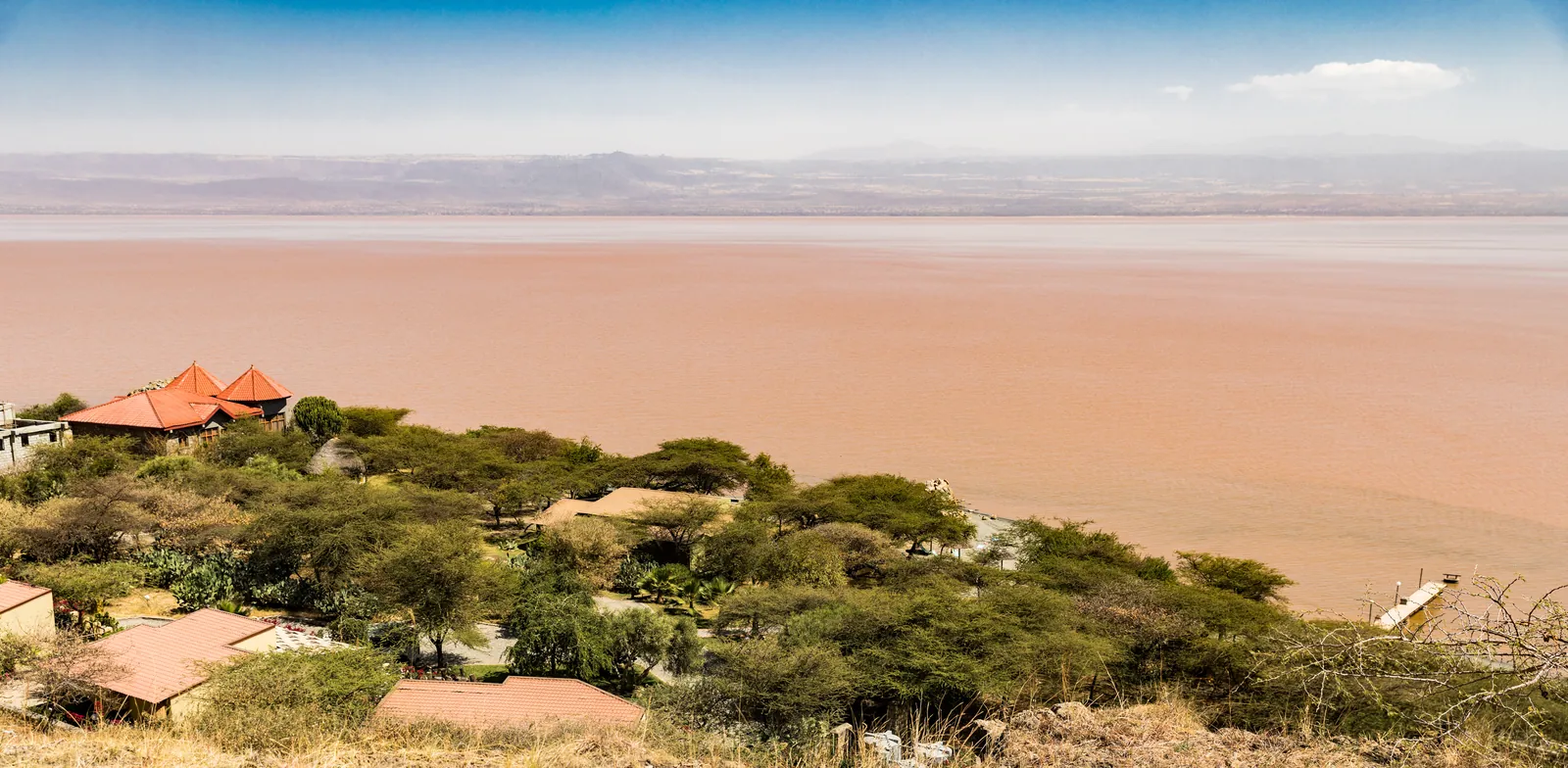
Ethiopia's lakes: choosing a route
Compare Lake Tana, the Rift Valley lakes and other Ethiopian water landscapes by setting, wildlife interests and the journey you want to build around them.
Explore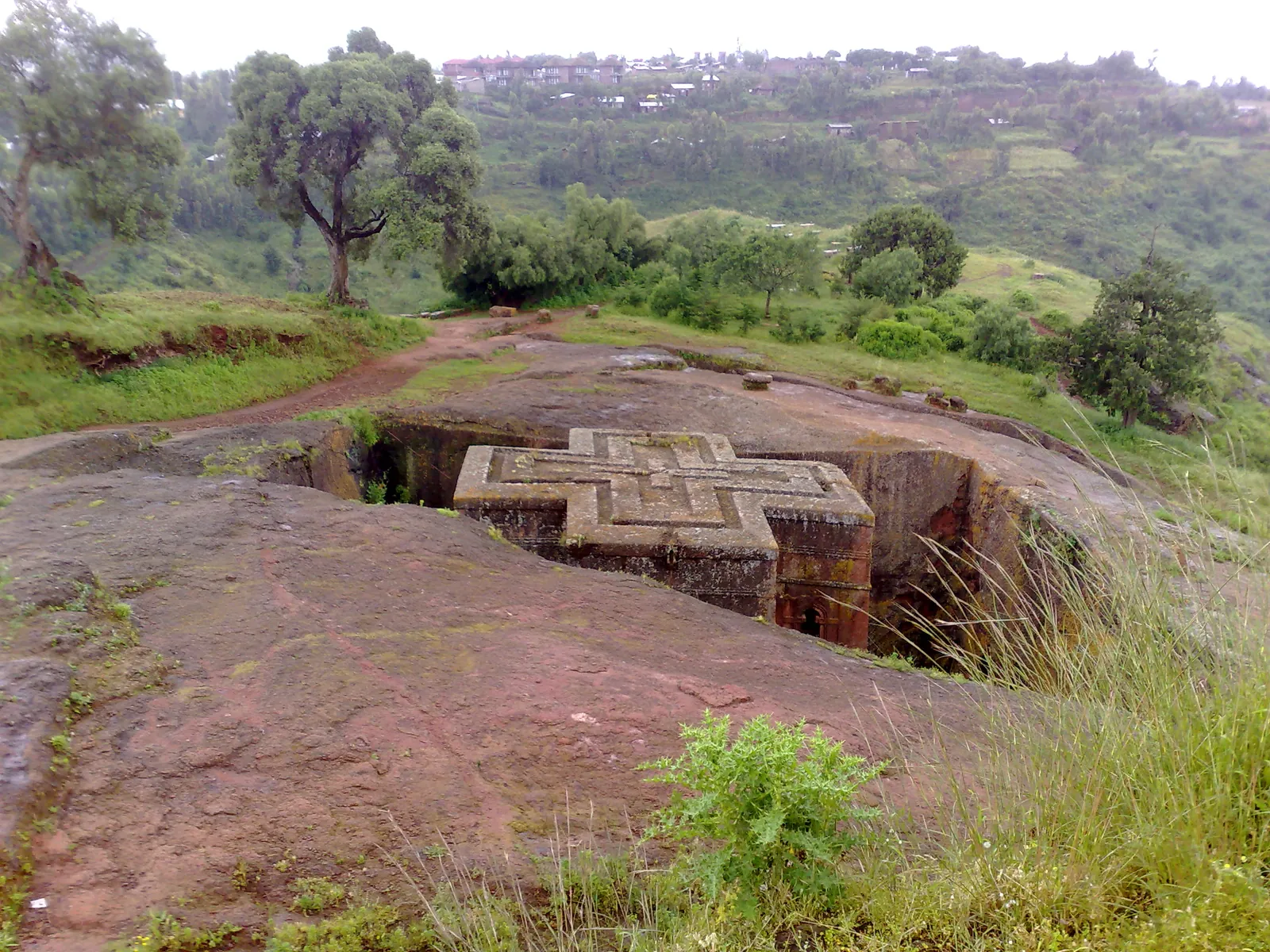
Ethiopia guide
Eating in Lalibela: choices and context
Plan meals in Lalibela around Ethiopian food, church visits and hillside settings, with questions about current opening, dietary needs and menu choices.
ExploreChoose context over collection
Link activities to a question you want to understand: how coffee is prepared, how a religious place is used or how a craft is made. A few thoughtful encounters can be more meaningful than an itinerary crowded with cultural labels.
Ask before entering or photographing
Permission should be specific to the person and place. A guide's presence is not a blanket agreement for photographs, private homes or religious ceremonies; respect limits and leave people free to decline.
Value the work involved
Clarify what is paid, to whom and for which service. Buying a craft or sharing a meal should be a transparent exchange, with no expectation that local people will stage private life for an audience.
Journeys to explore alongside this guide
Use these related route ideas to compare the places, interests and time involved. Open each outline for its route context and any details still requiring review.
13 days · Itinerary
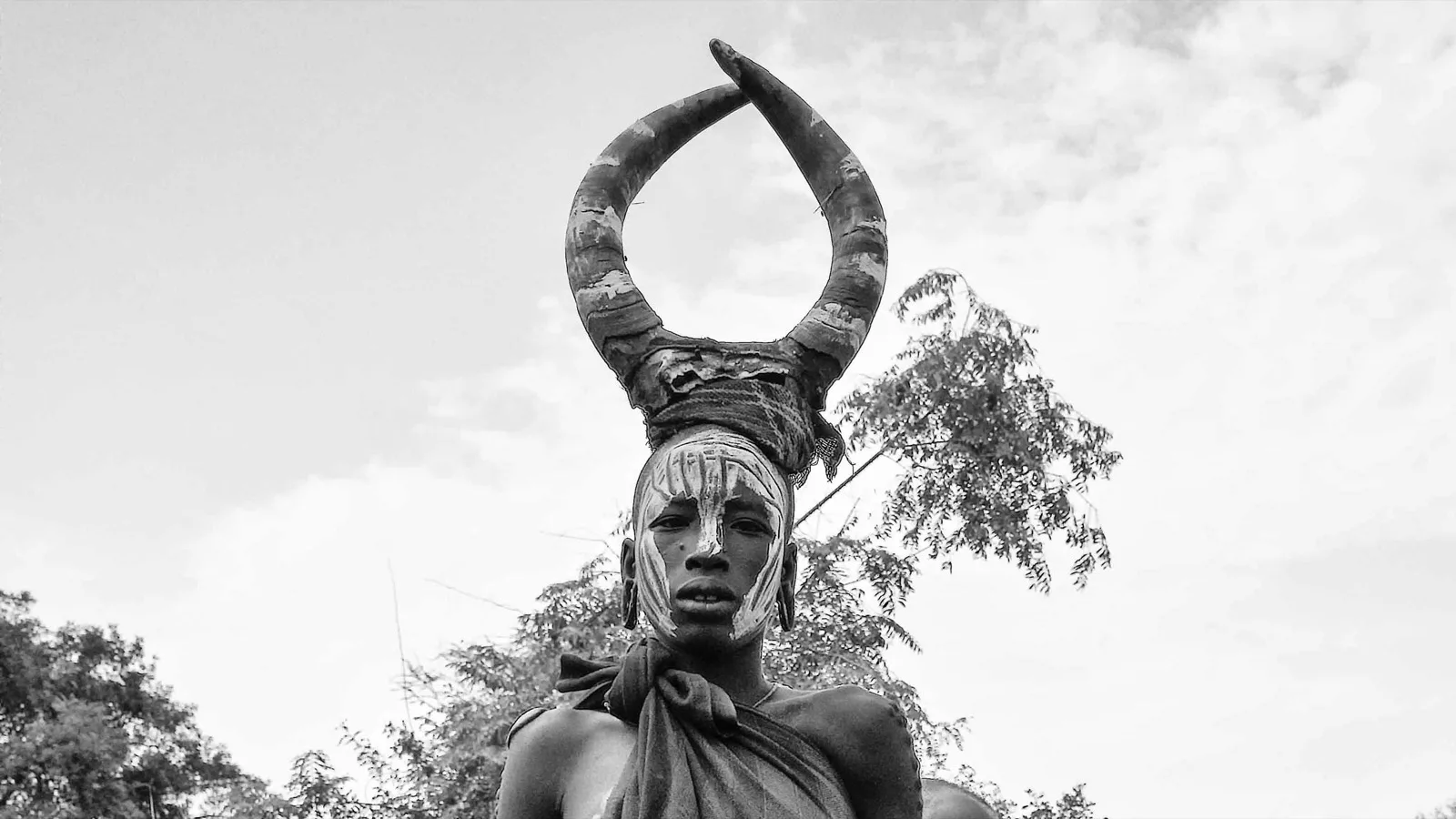
Southern Cultures, Rift Lakes and Bale
Thirteen days connect Jinka and Turmi with Arba Minch, Hawassa, Bale and Langano.
Explore
Route study
Historic North Circuit and Community Trekking
Explore a northern Ethiopia route concept combining Bahir Dar, Gondar, the Simien Mountains, Axum, Tigray community walking and Lalibela. The walking connection requires confirmation.
Explore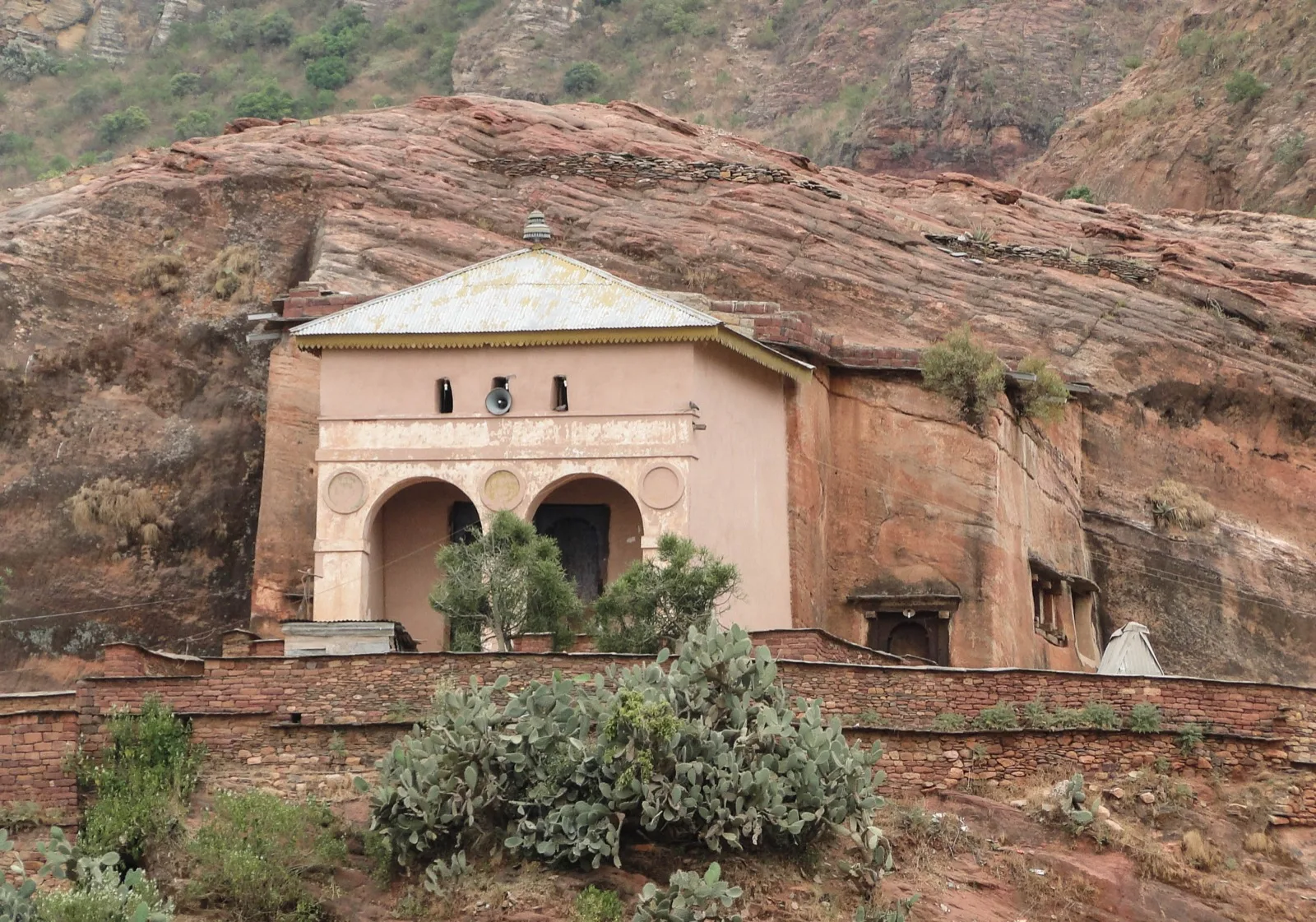
11 days · Itinerary
Tigray Community Trails and the Danakil
Eleven days connect Axum with a chain of Tigray community-trail locations before the route enters the Danakil for Erta Ale, Dallol and the salt lakes.
Explore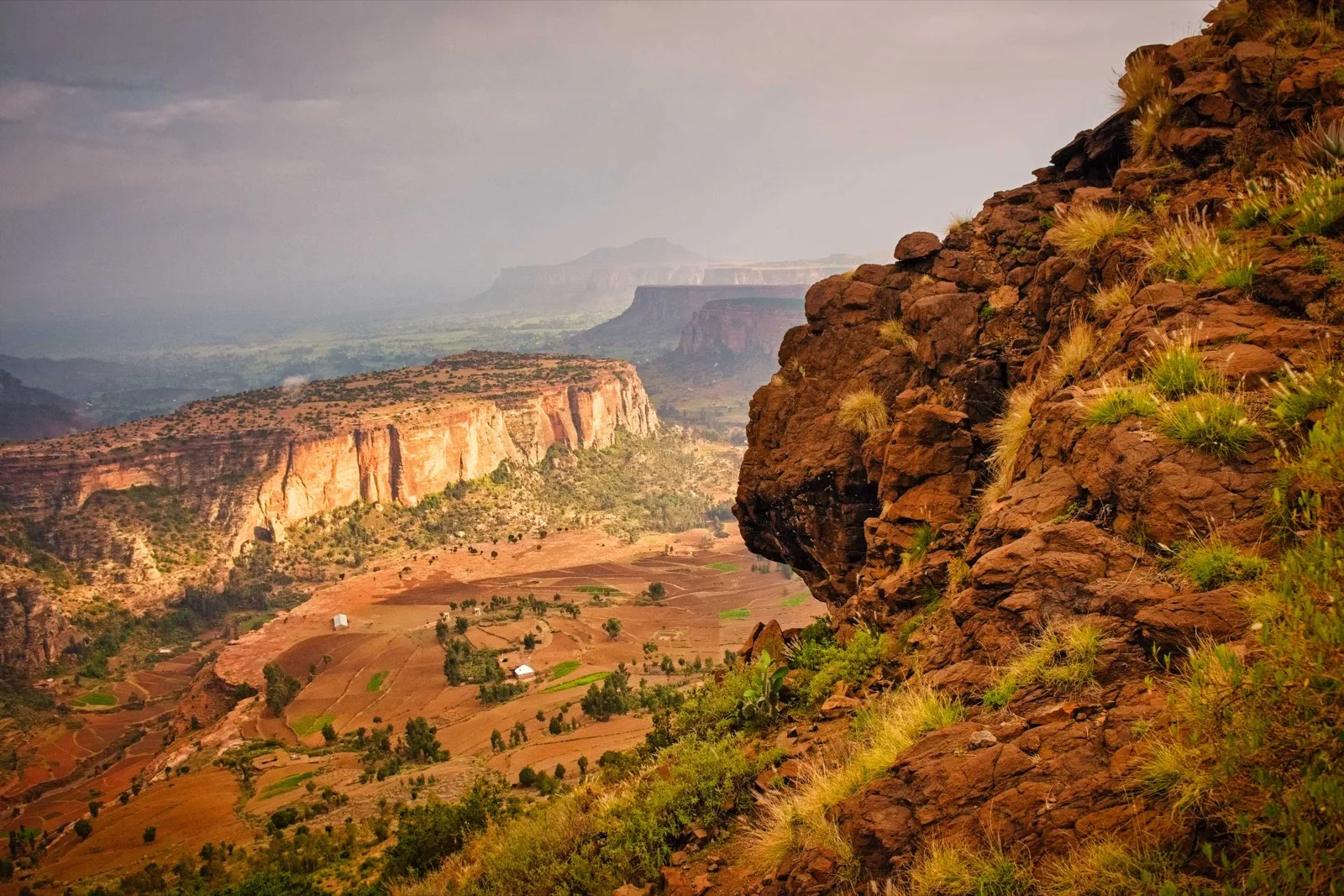
Route study
Community Trekking in Ethiopia: Route Study
Compare community walking around Wollo and Tigray with Lalibela, Gondar, the Simiens and Axum, and review the unresolved stages of this route concept.
Explore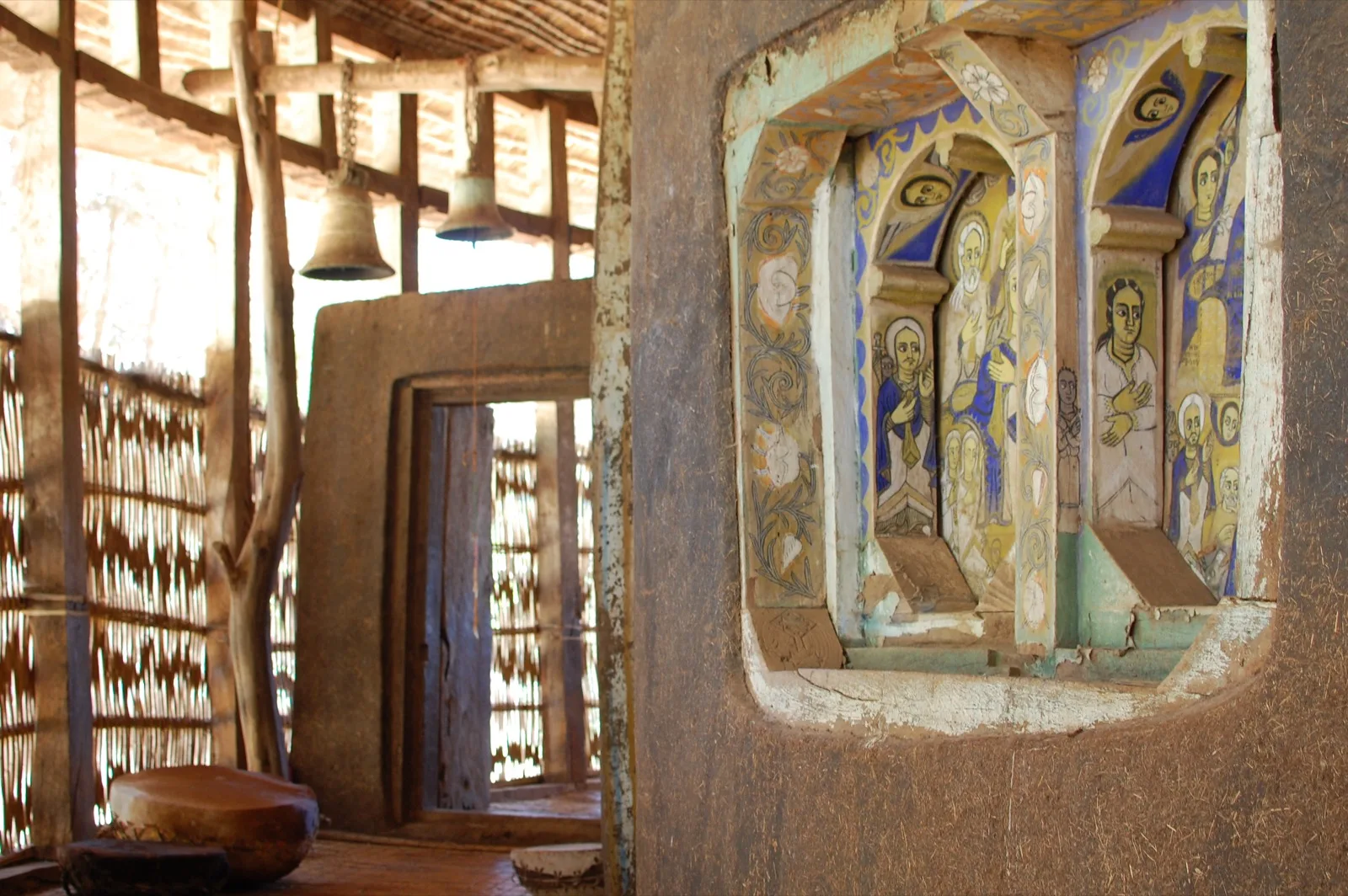
12 days · Itinerary
Northern Heritage with Lodge-Based Stays
Twelve days follow Bahir Dar, Lalibela, Gondar, the Simien Mountains, Axum and Hawzien.
Explore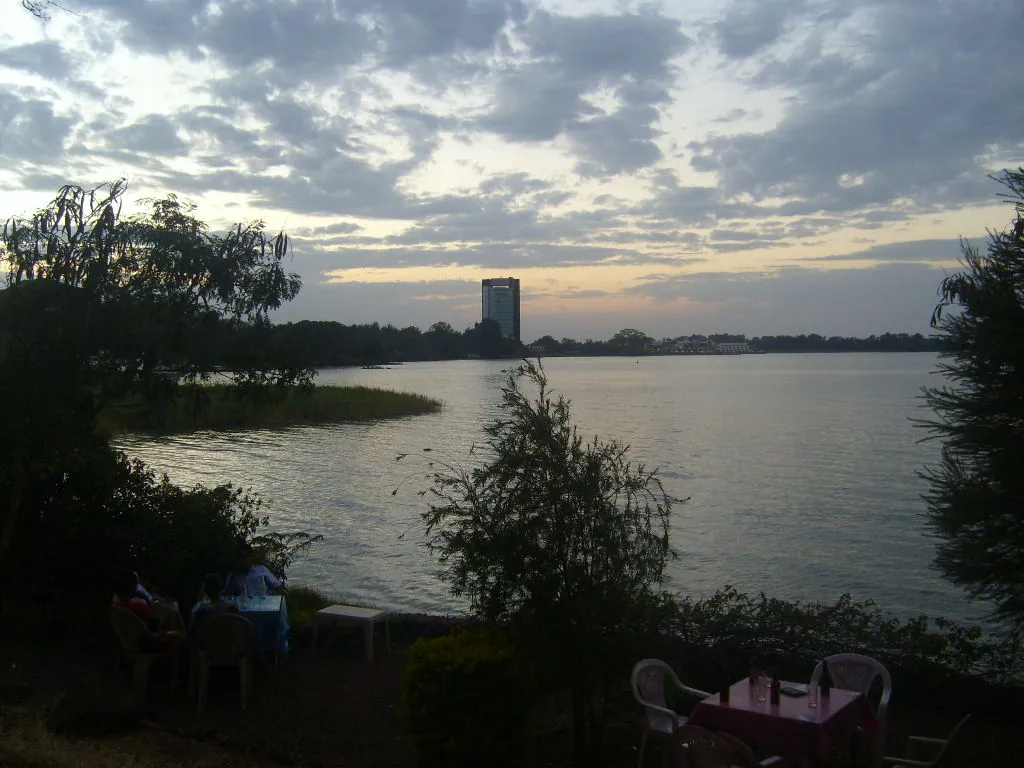
12 days · Itinerary
Northern Heritage and Simien Camping Circuit
Twelve days connect Bahir Dar, Lalibela and Gondar with four Simien walking stages, then continue through Axum and Gheralta before returning to Addis Ababa.
Explore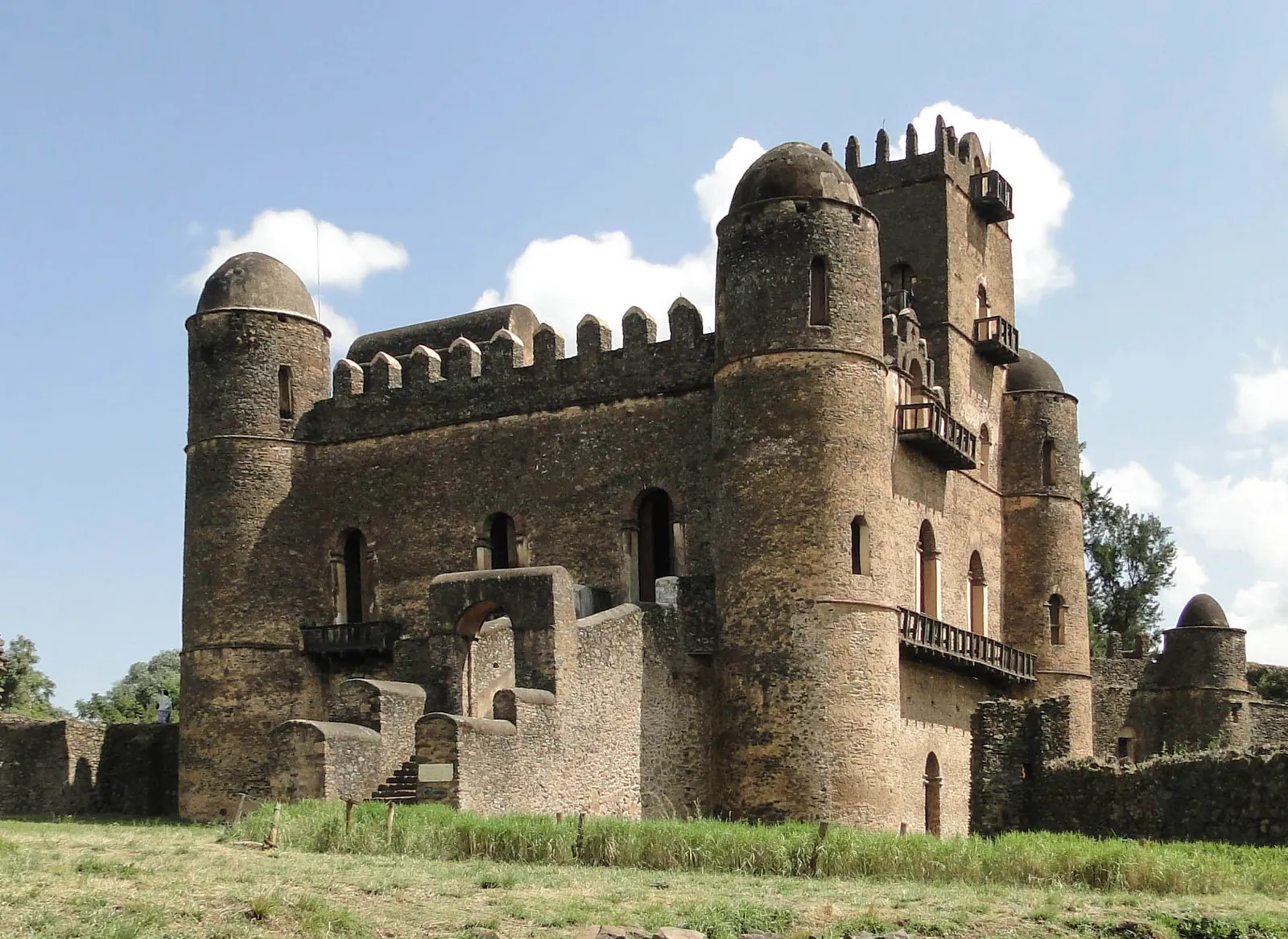
9 days · Itinerary
Nine Days through Ethiopia's Historic Towns
A nine-day heritage journey links Bahir Dar, Gondar, Lalibela and Axum with the old walled city of Harar in the east.
Explore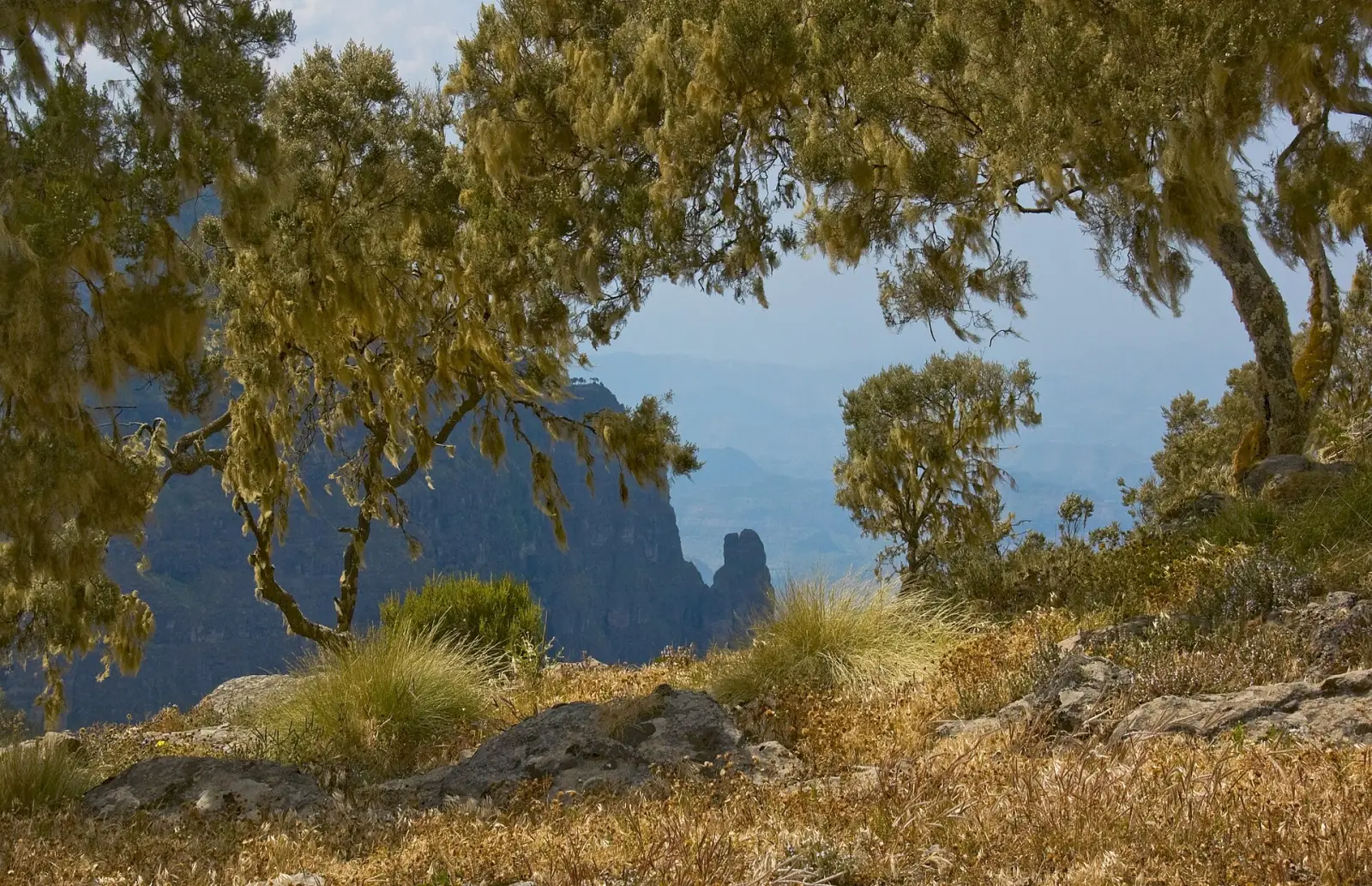
Route study
Simien Mountains and Northern History
Combine the interests of Lalibela, Gondar and the Simien Mountains in a northern Ethiopia route study, with the final connection still to confirm.
Explore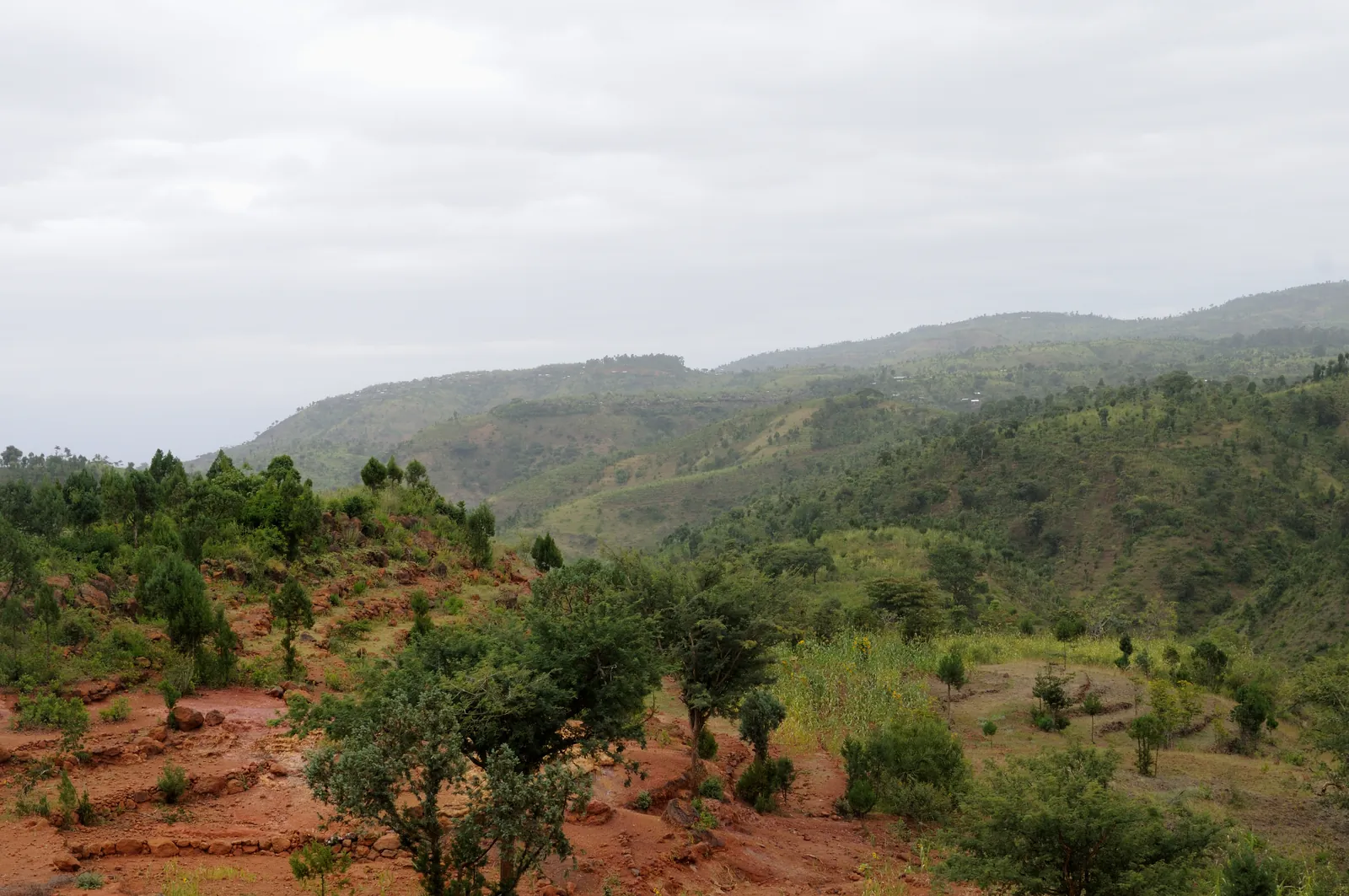
20 days · Itinerary
Twenty-Day Northern and Southern Ethiopia Survey
Twenty days join northern heritage cities and the Simien Mountains with Omo communities, Bale and the Rift lakes in one country-wide journey.
Explore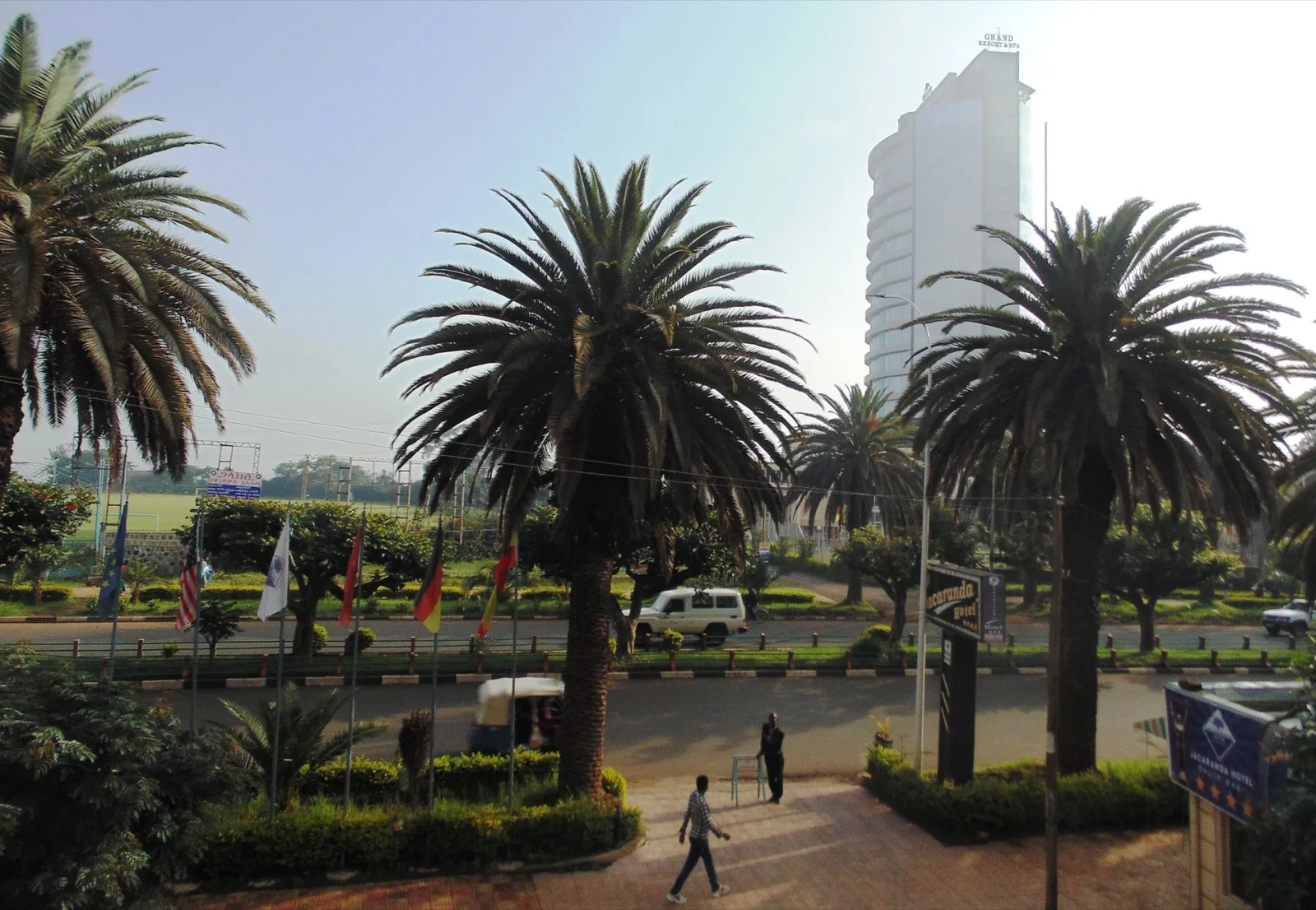
6 days · Itinerary
Six-Day Northern Heritage Sampler
Six days connect Lake Tana and Gondar with Axum and two Lalibela church days, returning to Addis Ababa. The focus stays on heritage sites rather than trekking.
Explore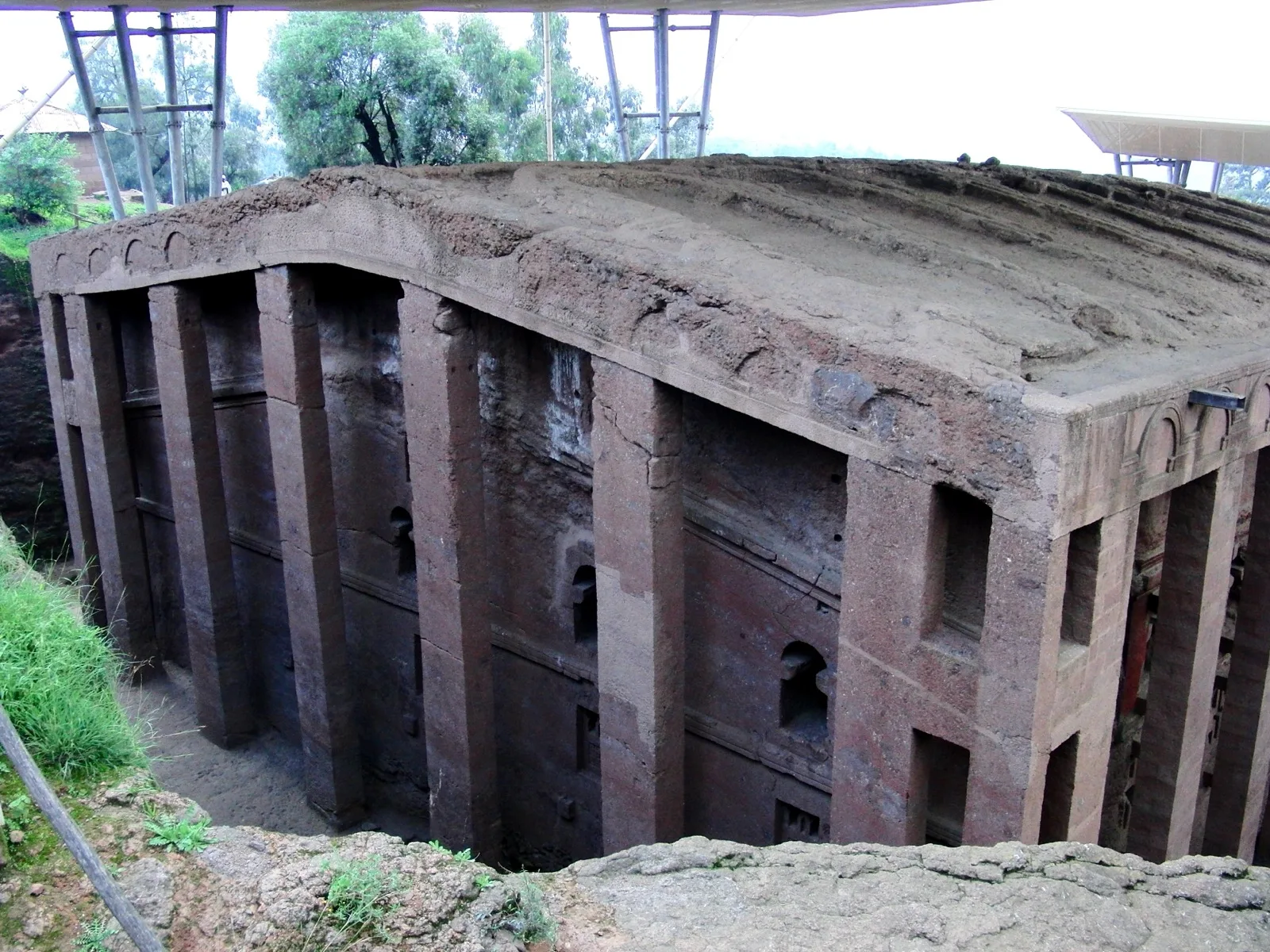
9 days · Historical Christmas programme
Lalibela Christmas and Northern Heritage: Historical Journey
A nine-day historical journey links Addis Ababa, Bahir Dar, Gondar and Axum with Lalibela and Tigray.
Explore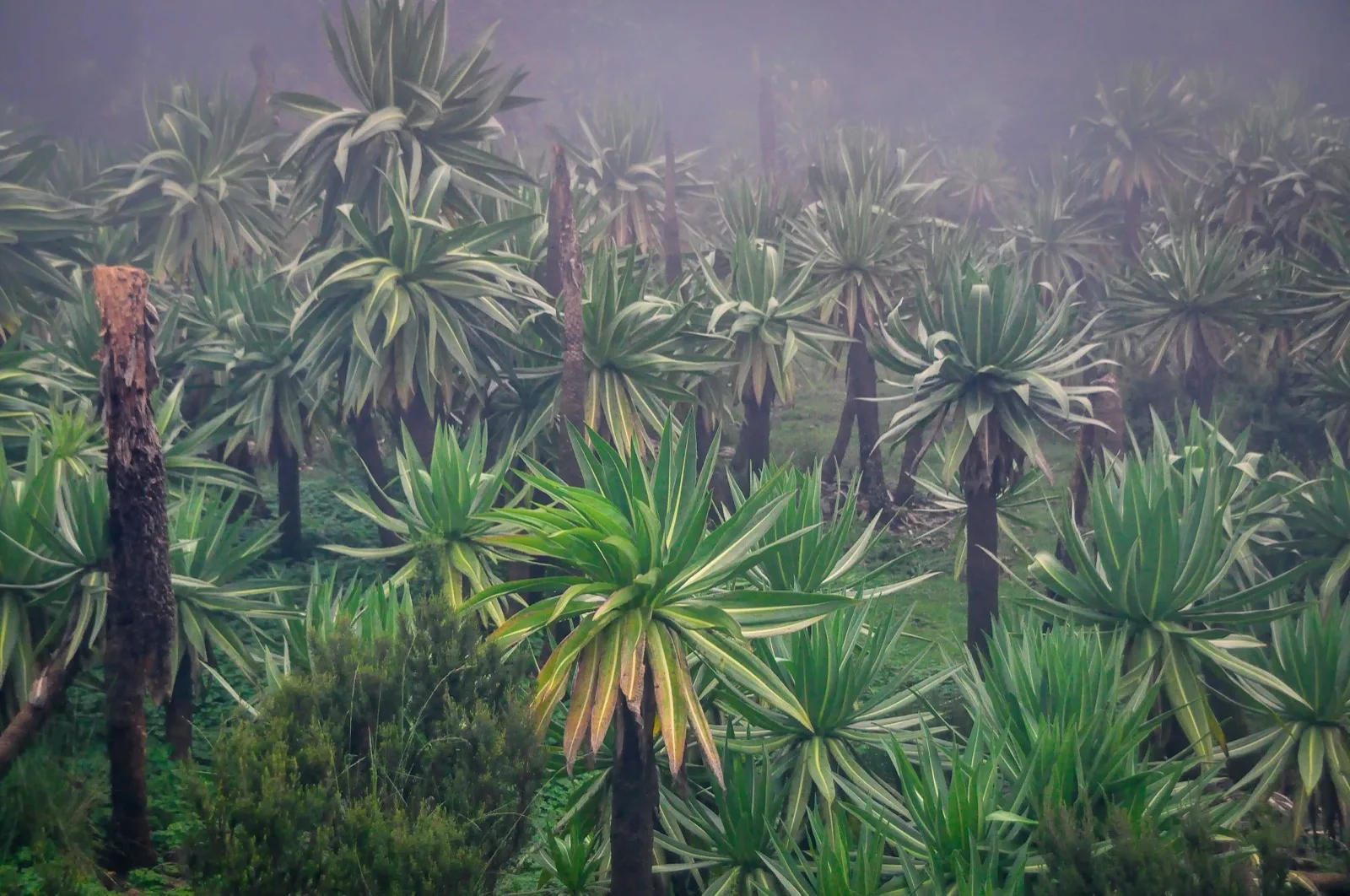
Route study
Peaks and Plateaus of Ethiopia
Compare Wollo and Tigray community walks, Lalibela, Gondar, the Simien Mountains and Axum in an Ethiopia route outline of twelve to thirteen days.
Explore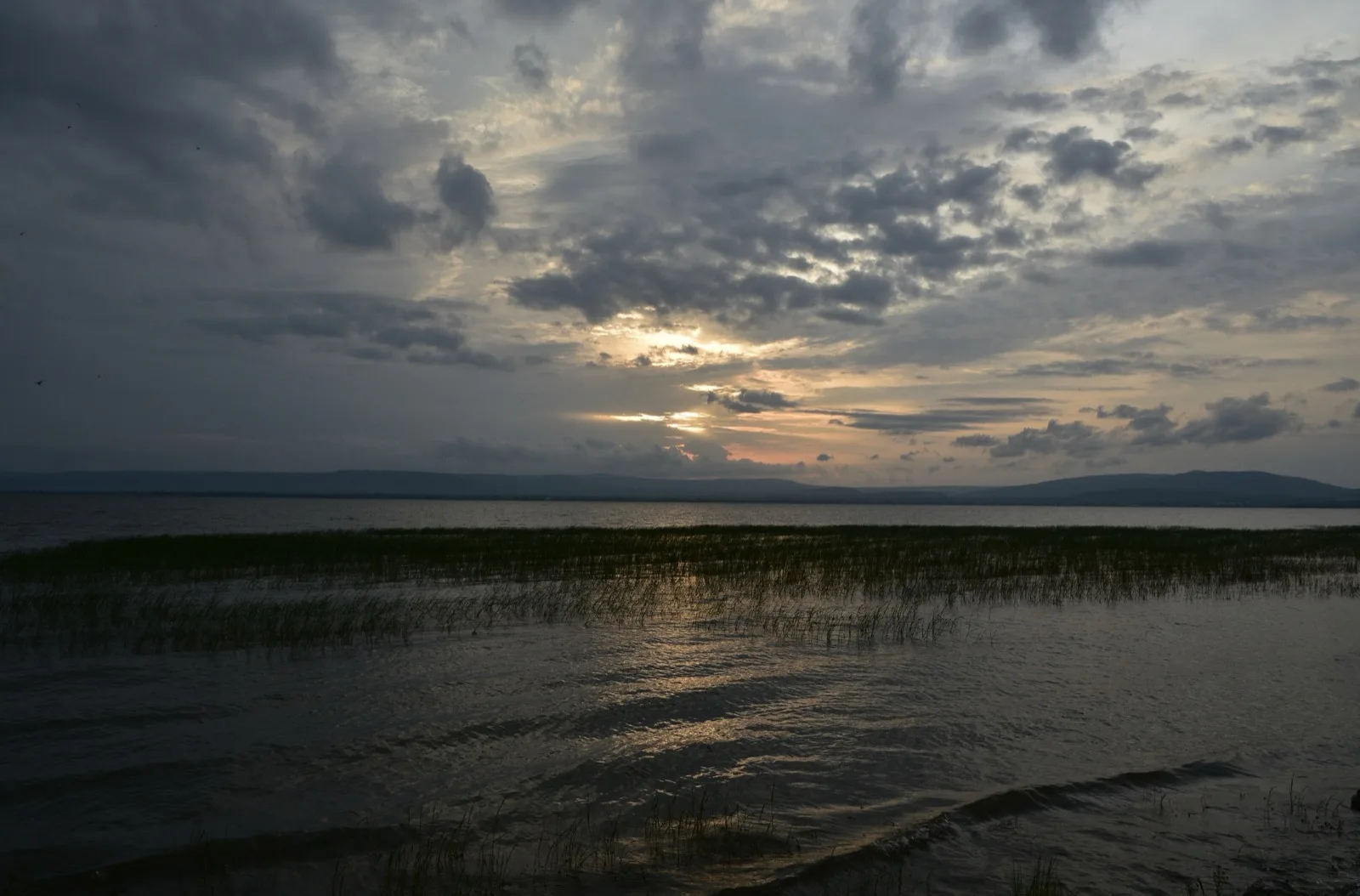
10 days · Itinerary
Ten-Day Rift Valley and Bale Nature Journey
Ten days link Awash, Langano, Hawassa and Bale, giving the park and lake sections their own days before returning through Robe to Addis Ababa.
Explore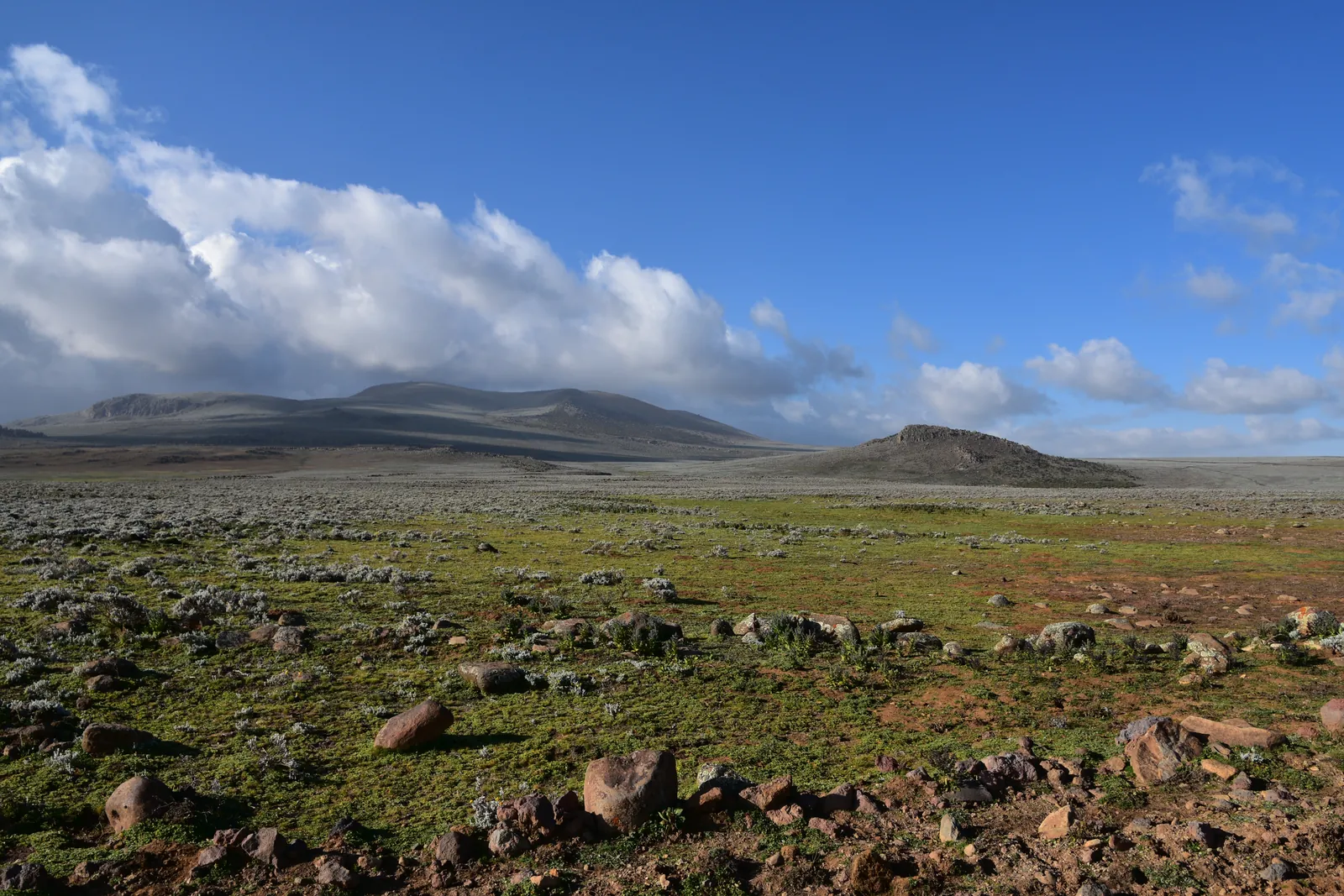
4 days · Itinerary
Four-Day Rift Valley and Bale Road Journey
A four-day sequence starts in Addis Ababa, reaches Langano through Ziway, continues into Bale and returns through Hawassa.
Explore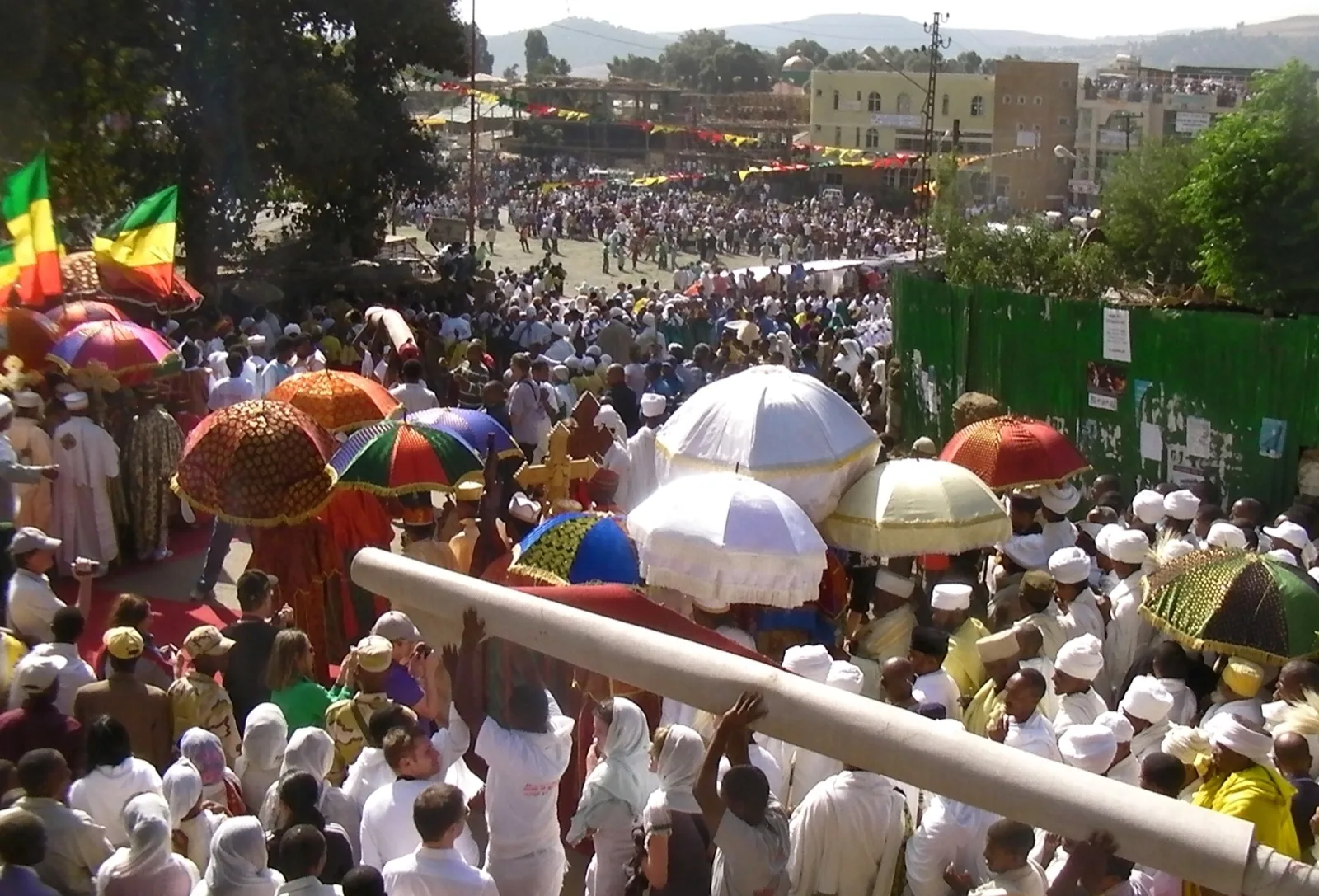
16 days · Archived Timket programme
Archived Timket on the Wollo and Tigray Plateaus
Sixteen historical days join Wollo community trails and a Timket occasion with Lalibela, Gondar, the Simiens, Axum and Tigray.
ExploreOfficial sources
Check these primary sources directly; their current information takes precedence.
- UNESCO: documenting Ethiopia's coffee ceremony
- Ethiopian Orthodox Church: religious calendar and feasts
Not yet reviewed: no named reviewer or review date has been recorded for this page. The official sources above take precedence.
Related places and journeys
Ethiopia guide
All Trips
Compare Ethiopia journeys by their route, time on foot and regional focus.
ExploreEthiopia guide
Things to do in Ethiopia
Build an Ethiopia journey around a few experiences you want time to enjoy.
ExploreEthiopia guide
Ethiopia’s Natural Landscapes
Explore Ethiopia’s contrasting landscapes, from Simien escarpments and Bale forest to Afar salt plains, and choose a route with time to notice the differences.
Explore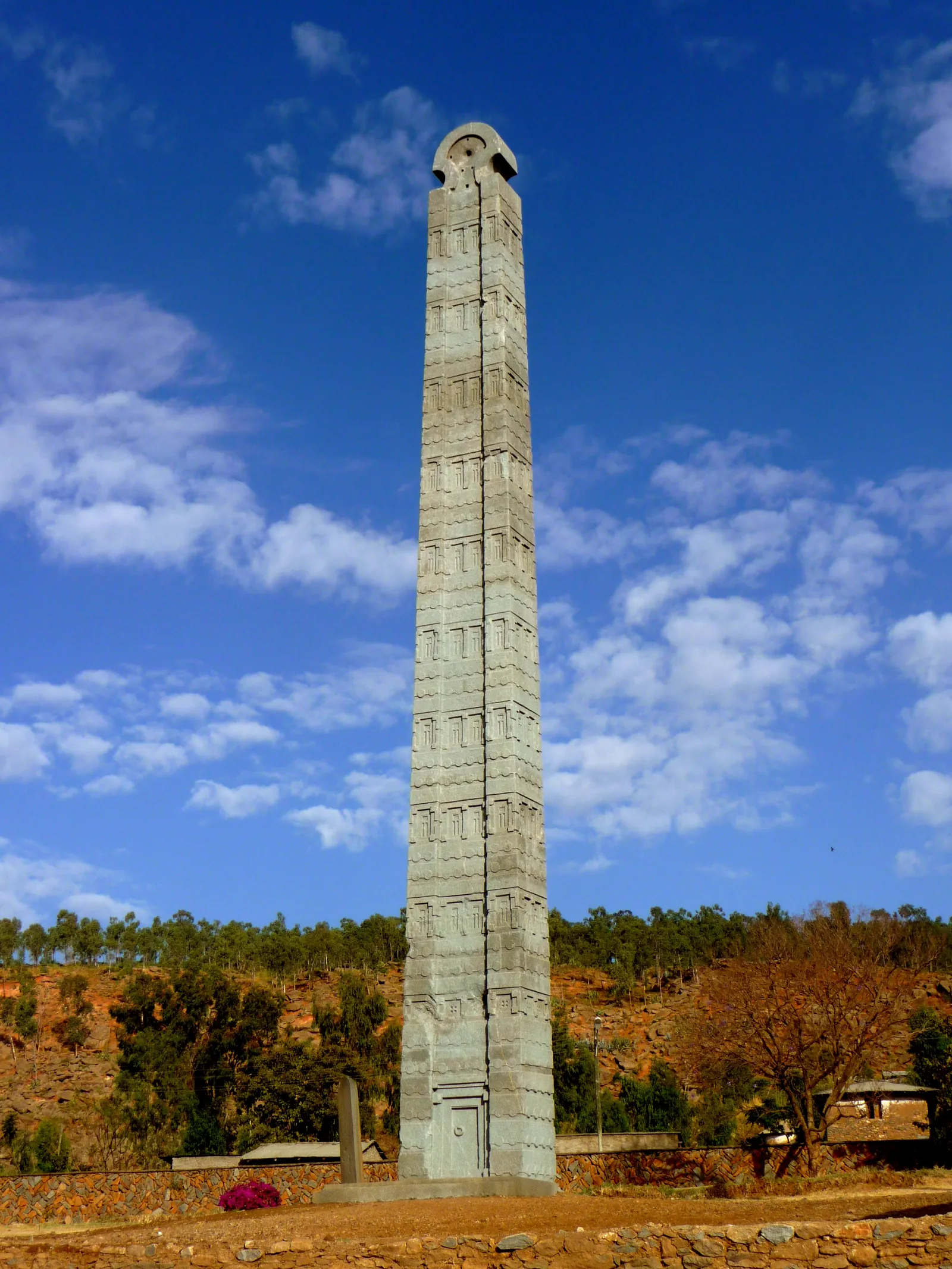
Ethiopia guide
Ethiopia’s Historical Monuments
Compare Ethiopia’s heritage places, from Lalibela and Gondar to Axum, Lake Tana and Harar, and build a route around the histories that interest you.
Explore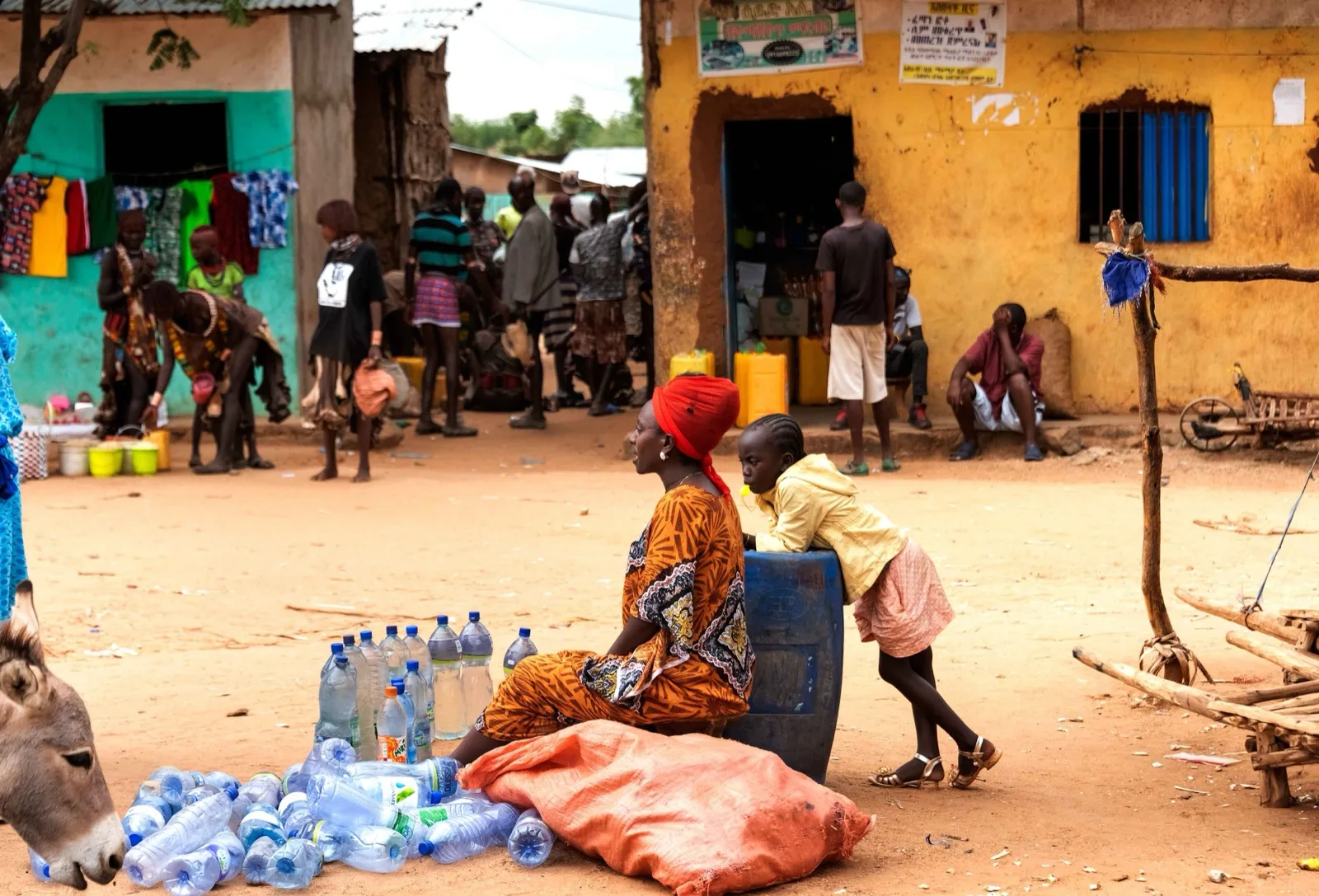
Ethiopia guide
Communities of the Omo Valley
Understand the Omo Valley as a region of distinct communities and living cultures, with practical questions about local hosts, consent and meaningful visits.
Explore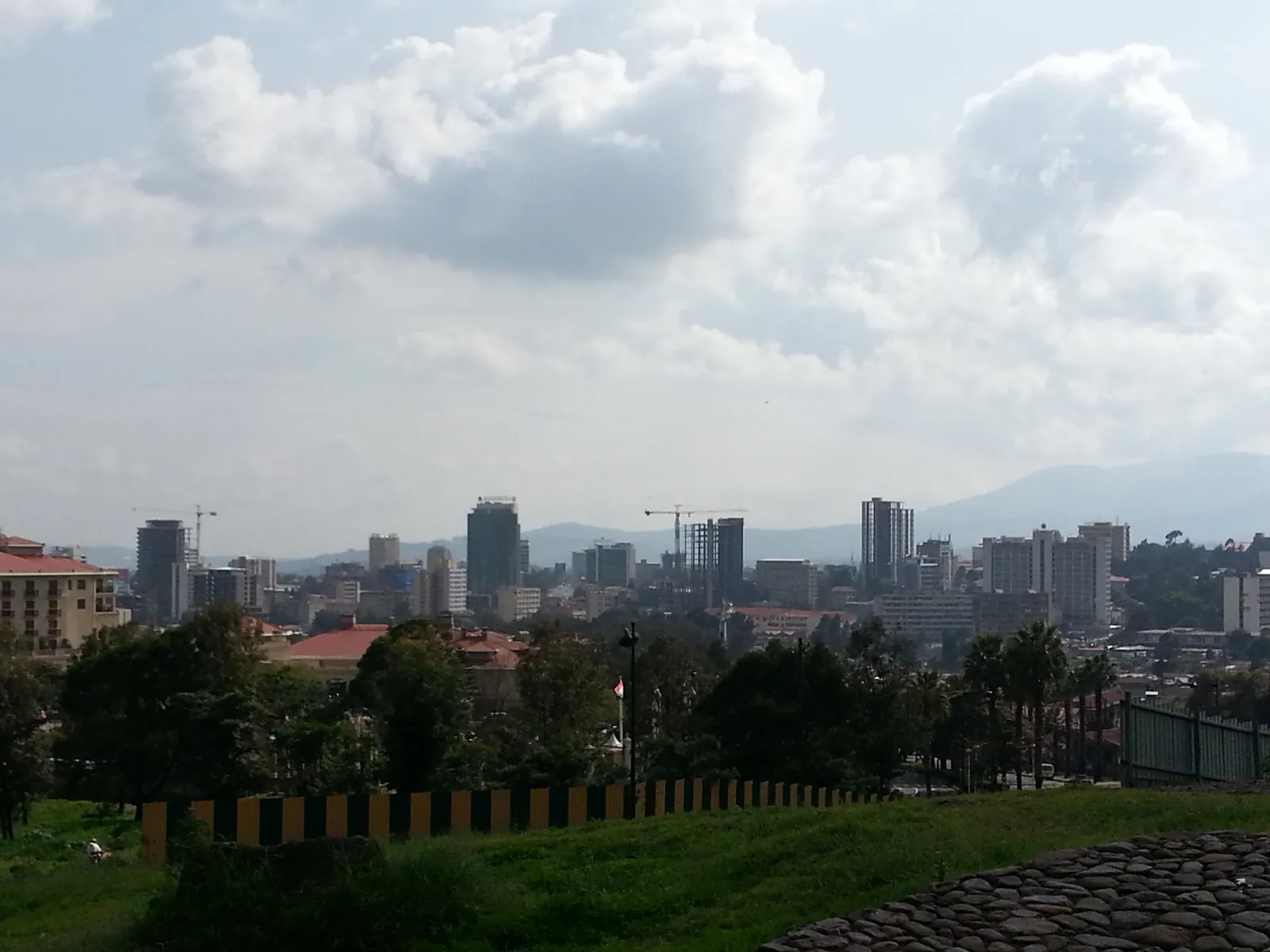
Ethiopia guide
Addis Ababa: culture, history and city time
Plan meaningful time in Addis Ababa around history, neighbourhood life, food and the city's highland setting, with a realistic pace between visits.
ExploreEthiopia guide
Bale Mountains: plateau, forest and wildlife
Discover the Bale Mountains through the Sanetti Plateau, Harenna Forest and grasslands, and plan time around their distinct habitats and walking interests.
Explore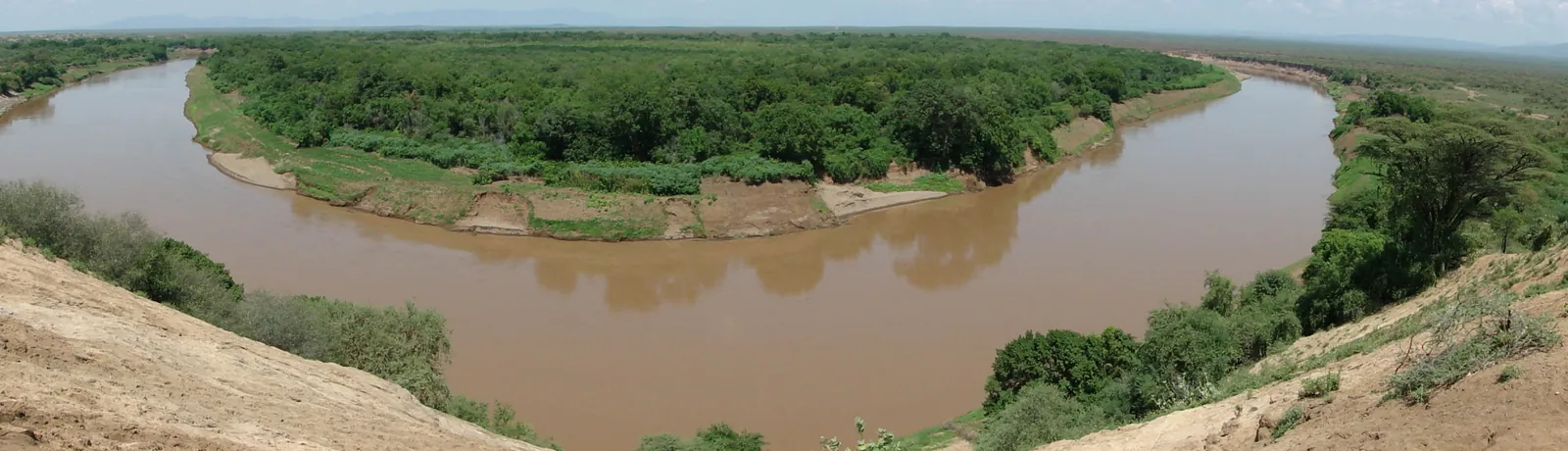
Ethiopia guide
Omo Valley: people, landscapes and respectful visits
Understand the Lower Omo Valley as a living cultural landscape, with guidance on locally agreed visits, photography, different bases and thoughtful pacing.
Explore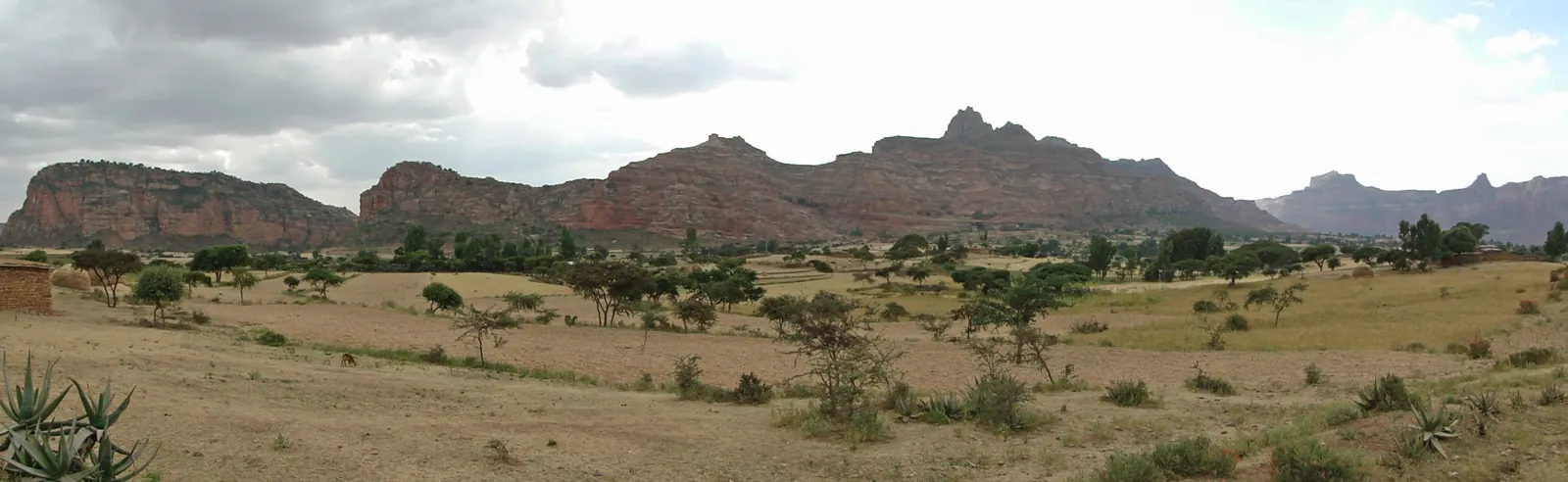
Ethiopia guide
Community Trekking in Ethiopia
Explore community trekking through walking routes, locally hosted stays and thoughtful participation, with questions about ownership, guiding and the benefit to hosts.
ExploreEthiopia guide
Timkat: Ethiopia’s Epiphany Celebration
Understand Timkat’s religious meaning and processions, with practical ideas for planning a considerate visit around the specific town, date and local programme.
ExploreEthiopia guide
Enkutatash: Ethiopian New Year
Learn about Enkutatash, Ethiopia’s New Year celebration, and plan a September visit with attention to the Ethiopian calendar, local customs and considerate participation.
ExploreEthiopia guide
Meskel: The Finding of the True Cross
Learn about Meskel and its religious meaning, understand the Demera bonfire tradition, and plan a respectful visit around the local programme for your year.
ExploreEthiopia guide
Festivals in Ethiopia
Explore Ethiopia’s festivals, including Genna, Timkat, Enkutatash and Meskel, and plan a visit around meaning, local programmes and respectful participation.
Explore
Ethiopia guide
Ethiopian Cuisine: Food, Injera and Coffee
Explore Ethiopian food through injera, stews, shared meals and coffee, with practical questions about ingredients, dietary preferences and local dining etiquette.
ExploreShape your journey
Bring your preferred dates, interests and pace together in a planning draft.