
Communities of the Omo Valley
The Omo Valley is home to distinct communities with their own languages, histories and social lives. A considerate visit begins by recognising that variety rather than expecting one encounter to represent the region.
Ask questions beyond appearance
Cattle, cultivation, river use, markets, oral history and changing livelihoods can be subjects for conversation when hosts wish to discuss them. Let people describe themselves rather than requesting a display of a custom seen online. A locally guided visit should explain the agreed fee, how it is shared and which photographs or areas are welcome.
Learn names without reducing people to labels
Mursi, Hamar, Kara, Daasanach, Banna, Bodi, Suri and Nyangatom are among the names encountered in descriptions of the wider region. These names should open a conversation, not serve as a checklist of appearances or customs. A host can explain the context of the particular place and the people who choose to meet visitors.
Agree the visit with those involved
Ask who arranges the encounter, how people have consented and what will happen during the visit. Photography, payments and access to private spaces need explicit discussion. Ceremonies and market activity are not guaranteed tour performances. Leave time to listen, accept limits and avoid pressuring people into an image or activity because an itinerary promised a cultural experience.
Ask how the visit benefits its hosts
A responsible proposal should explain who is being paid and what has been agreed, without using vague claims of helping a whole community. Ask whether hosts have a role in shaping the encounter and whether local guiding is included. Buying a portrait or a craft does not create permission to enter another part of someone’s life. Let consent remain specific to the activity being discussed.
Related journeys

11 days · Itinerary
Omo Valley overland Community Journey
Eleven days follow an overland approach through Arba Minch and Konso to Jinka and Turmi, then return through Dorze and Hawassa.
Explore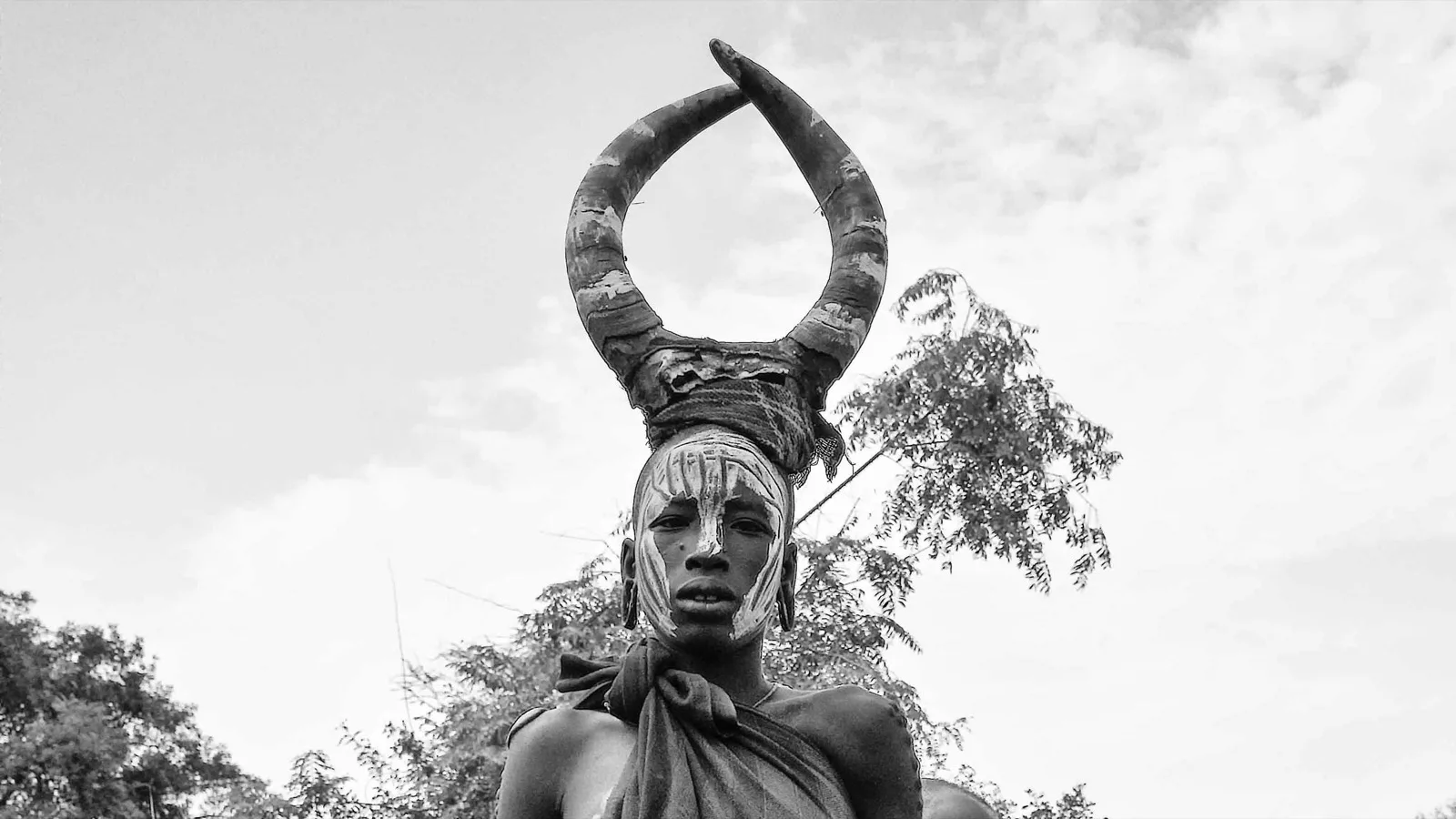
13 days · Itinerary
Southern Cultures, Rift Lakes and Bale
Thirteen days connect Jinka and Turmi with Arba Minch, Hawassa, Bale and Langano.
Explore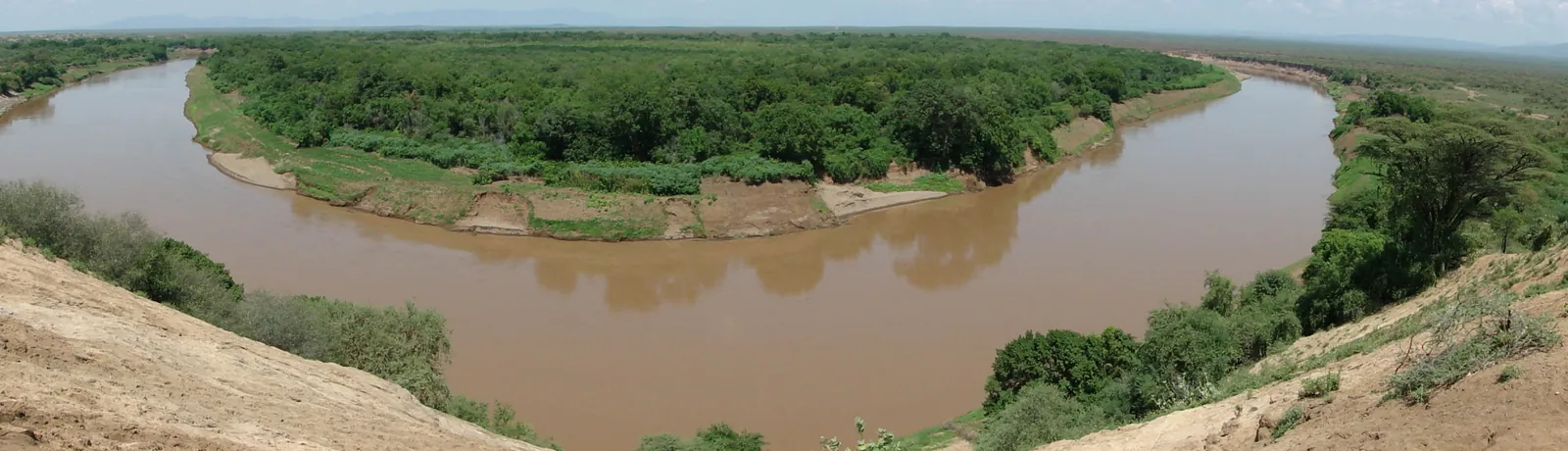
8 days · Itinerary
Omo River and Community Camping Journey
An eight-day river-oriented itinerary starts and ends in Addis Ababa, with separate stages around Murulle, Mago, Nyangatom communities and the Omo delta.
Explore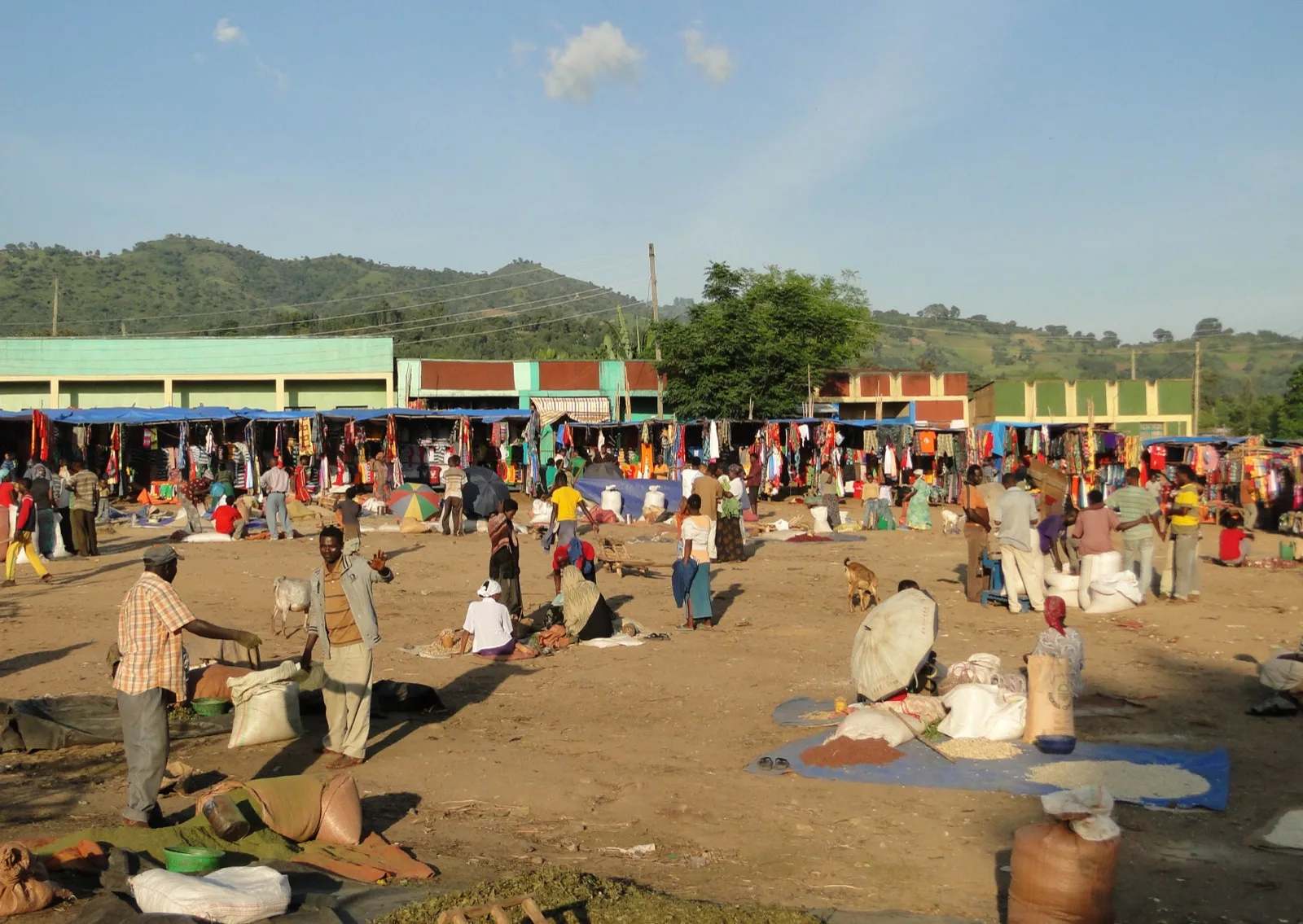
13 days · Itinerary
Southern Ethiopia: Omo Communities and Bale Highlands
Thirteen days connect Jinka and Turmi with Arba Minch, Yirgalem, Hawassa and Bale.
Explore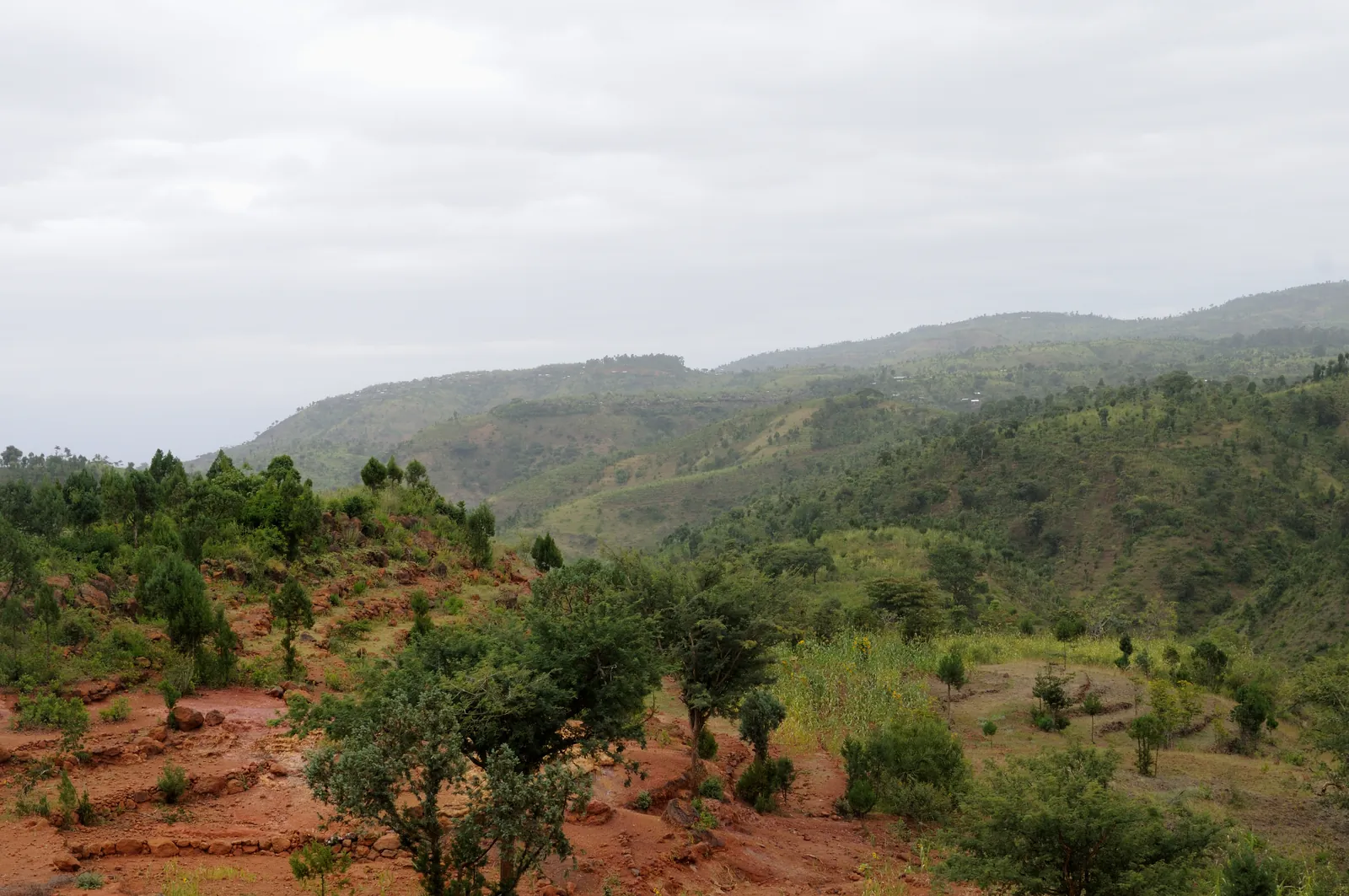
20 days · Itinerary
Twenty-Day Northern and Southern Ethiopia Survey
Twenty days join northern heritage cities and the Simien Mountains with Omo communities, Bale and the Rift lakes in one country-wide journey.
Explore
11 days · Itinerary
Southern Ethiopia by River and Highland
Eleven days link Gambella, the Omo River and Bale in a charter-based concept.
ExploreRelated places and journeys
Shape your journey
Bring your preferred dates, interests and pace together in a planning draft.