
Eating in Lalibela: choices and context
Meals can give a Lalibela visit time to breathe between church groups and highland outings. Choosing where to eat involves the food, the setting and the practical shape of your day, not just a restaurant name.
Understanding a meal rather than only ordering it
Injera provides the base for many shared Ethiopian meals, with dishes placed on the bread rather than delivered as separate individual plates. Shiro is one familiar subject, while fasting foods introduce another dimension of the relationship between cuisine and religious practice. Ask about the specific ingredients and how the meal is served; one label cannot represent every cook's preparation.
Tej is a honey-based alcoholic drink associated with its own hospitality settings. Participation is optional, and a cultural meal does not require drinking alcohol. Children, dietary preferences and anyone wanting a quiet meal may need a different setting from a busy evening venue.
Restaurant names for different kinds of evening
Ben Abeba is known for its architecture and views, with an Ethiopian and Scottish connection in its food story. Unique Restaurant, Seven Olives, Alem Cooking Class Bar & Restaurant, and Torpedo House (Askalech Tej Bet) are other dining options. A current meal choice should follow the actual menu, opening and setting you want.
Choose whether the meal is the event, a pause between church visits or a relaxed end to a highland day. A sunset table, an early breakfast and a lesson in food preparation call for different arrangements.
Recognise a few dishes before ordering
Injera provides both a base and an accompaniment for many Ethiopian meals. Shiro is a pulse-based preparation; a beyaynetu brings several dishes together. Ask what is in the version being served, as recipes and fasting practices affect the ingredients.
If you are curious about preparation, a hosted cooking session can explain fermentation, spices and the order of a shared meal. Agree that activity specifically and allow enough time for it, instead of assuming every restaurant can provide a demonstration.
Use a meal to understand local food
Discuss dishes, shared platters and ingredients with the people preparing them. If unfamiliar with injera or fasting dishes, asking how a meal is served can make ordering more rewarding than relying on a translated label alone.
Match the setting to the day
A hillside restaurant may be a destination in itself, while a town meal can fit between nearby visits. Confirm opening, reservations and the time needed to reach the chosen place; older restaurant lists may no longer describe the available options.
Explain dietary needs clearly
Specify ingredients and preparation concerns rather than assuming a dish name answers every question. Any allergy or medical dietary requirement should be discussed directly with the establishment before a meal is treated as suitable.
Journeys to explore alongside this guide
Use these related route ideas to compare the places, interests and time involved. Open each outline for its route context and any details still requiring review.
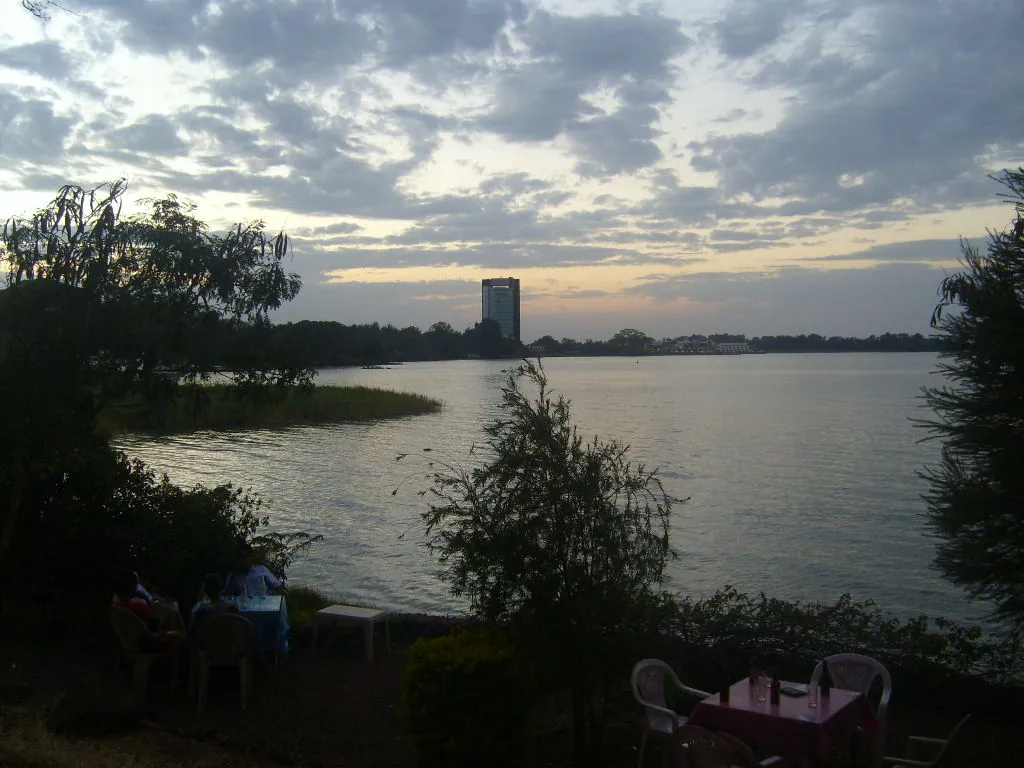
12 days · Itinerary
Northern Heritage and Simien Camping Circuit
Twelve days connect Bahir Dar, Lalibela and Gondar with four Simien walking stages, then continue through Axum and Gheralta before returning to Addis Ababa.
Explore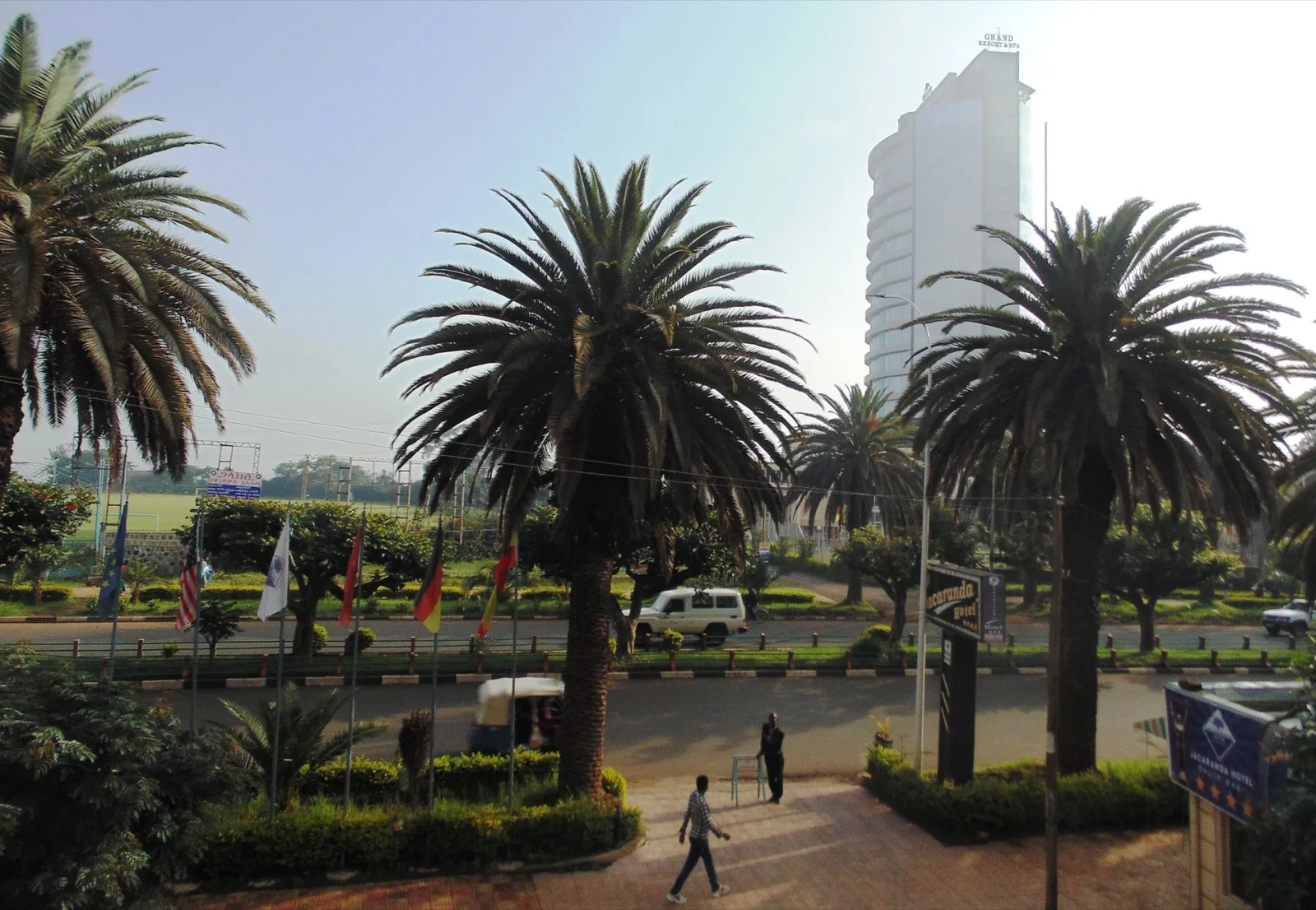
6 days · Itinerary
Six-Day Northern Heritage Sampler
Six days connect Lake Tana and Gondar with Axum and two Lalibela church days, returning to Addis Ababa. The focus stays on heritage sites rather than trekking.
Explore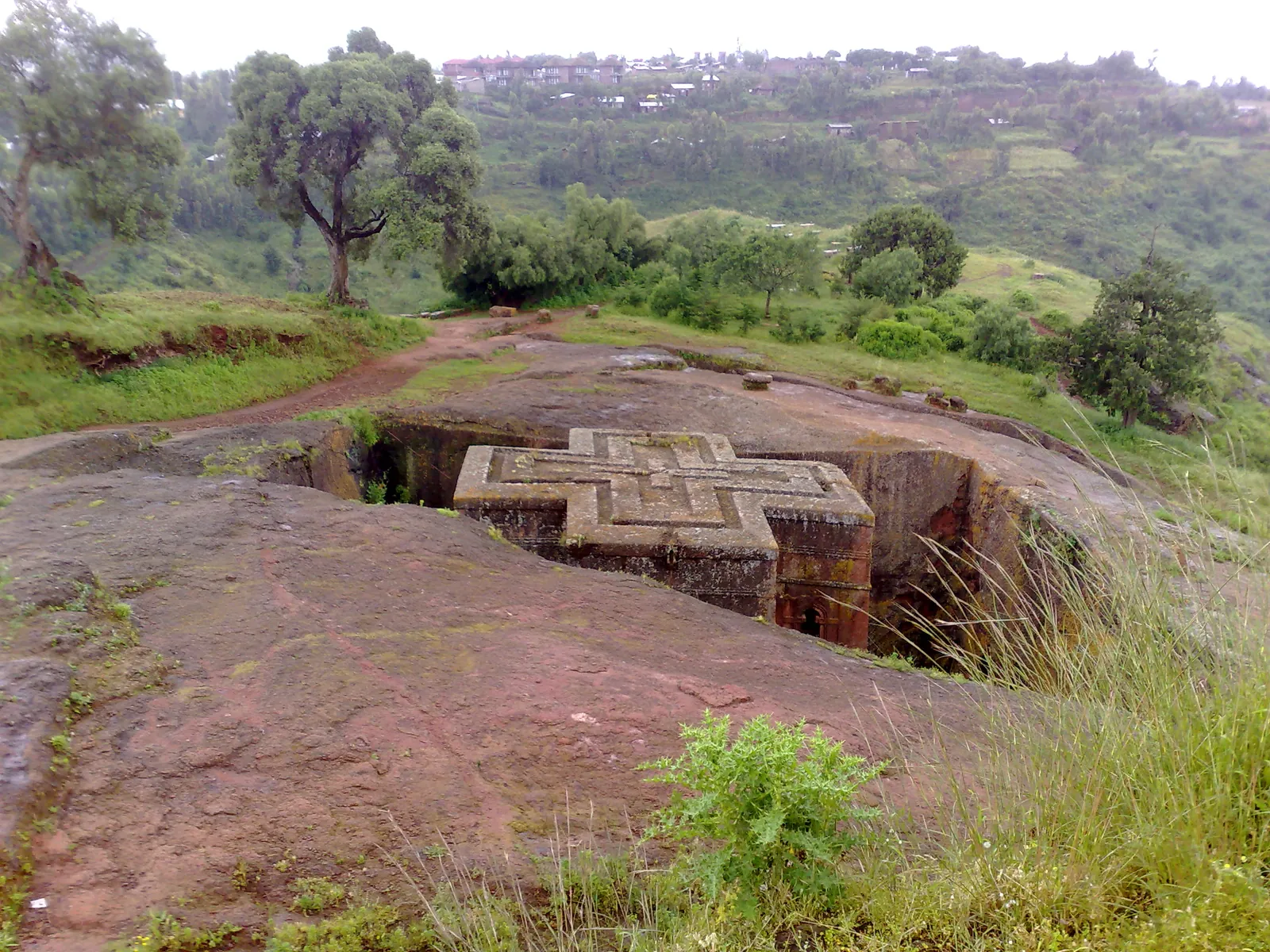
5 days · Itinerary
Lalibela Churches and Highland Walking
Five days combine Lalibela's church groups with a Hudad approach, an optional Abuna Yosef outing and Yimrehane Kristos before returning to Addis Ababa.
Explore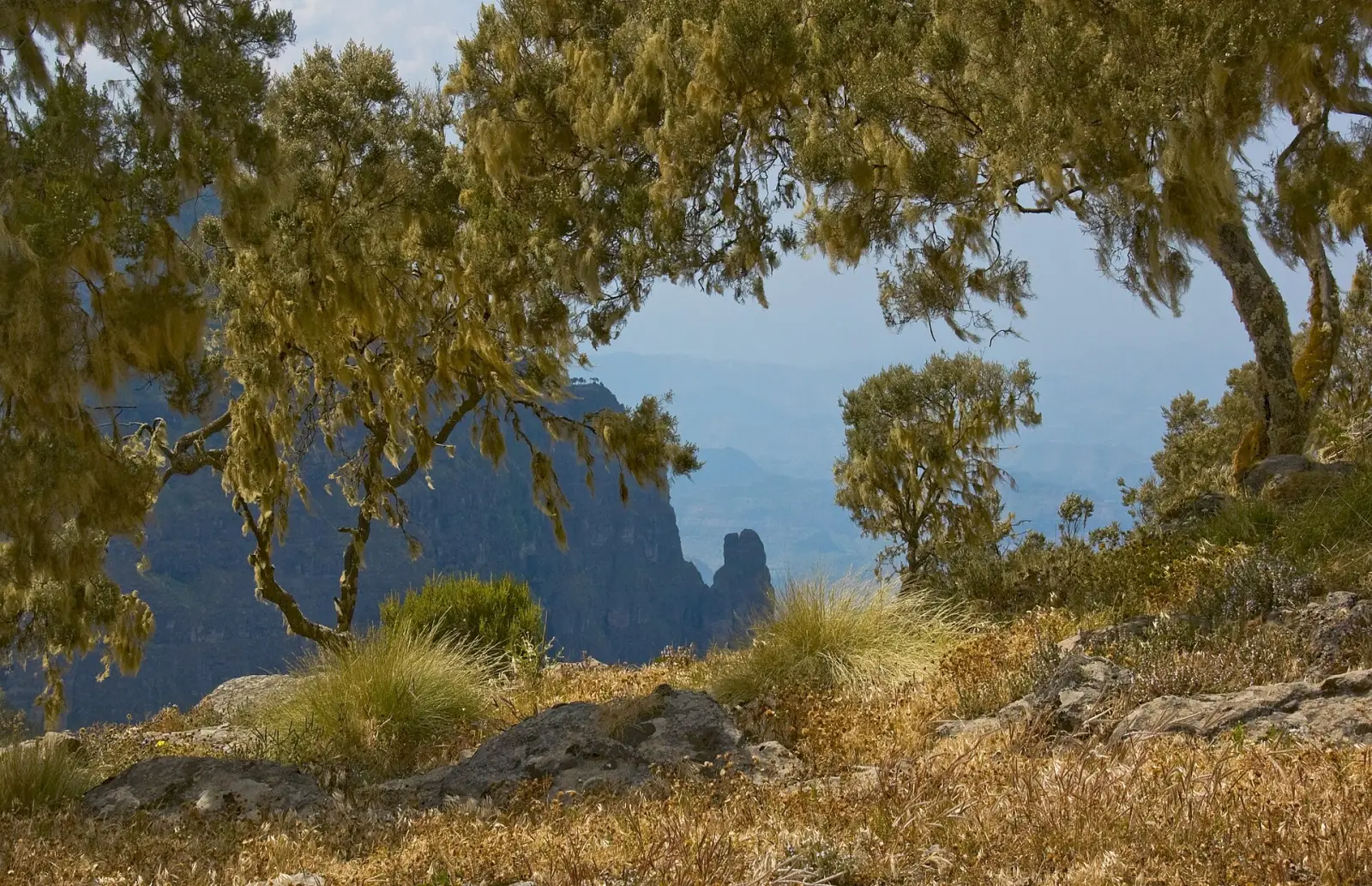
Route study
Simien Mountains and Northern History
Combine the interests of Lalibela, Gondar and the Simien Mountains in a northern Ethiopia route study, with the final connection still to confirm.
Explore
21 days · Itinerary
Twenty-One-Day Northern Ethiopia Odyssey
This extended northern route combines Lake Tana, the Simien trail, Axum, Tigray community walking and Lalibela's highlands, giving each section more space than a short circuit.
ExploreRelated places and journeys
Ethiopia guide
All Trips
Compare Ethiopia journeys by their route, time on foot and regional focus.
ExploreEthiopia guide
Places to Visit in Ethiopia
Choose Ethiopia destinations by the kind of time you want to spend in them.
ExploreEthiopia guide
Lalibela: churches, highlands and pilgrimage
Explore Lalibela's eleven rock-hewn churches, living worship and surrounding highlands, and build a visit with time for both architecture and context.
ExploreShape your journey
Bring your preferred dates, interests and pace together in a planning draft.