
Lalibela: churches, highlands and pilgrimage
Lalibela is known for its eleven medieval rock-hewn churches and enduring place in Ethiopian Christian life. The surrounding mountain landscape adds another dimension, making the town more than a single architectural stop.
The town, highland walks and a considered stay
Markets, the local museum subject and meals in town help connect the churches with present-day Lalibela. Ben Abeba and other named restaurants add a dining dimension, while hillside accommodation and Hudad introduce the landscape beyond the centre. Current openings, menus and facilities need confirmation.
Community trekking can extend the visit into the highlands through locally hosted overnights. That requires its own route, guesthouse and baggage arrangements. The number of days should follow the church visits and walking interests chosen; season, elevation and current access matter more than a fixed answer that every traveller needs the same stay.
Three monasteries beyond the central churches
Yemrehana Krestos is associated with a built church within a cave, using layered timber and stone. Asheton Maryam is a highland monastery reached on a distinct approach above Lalibela. Na’akuto La’ab is another cave-church subject outside the central groups.
These are separate journeys with different architecture and walking demands. Select one for what it adds to your understanding, rather than assume all three are short extras after a full day at the central churches.
Ethiopia guide
Yemrehana Krestos Church Near Lalibela
Explore Yemrehana Krestos through its cavern setting and layered stone-and-timber construction, with practical questions for a respectful visit from Lalibela.
Explore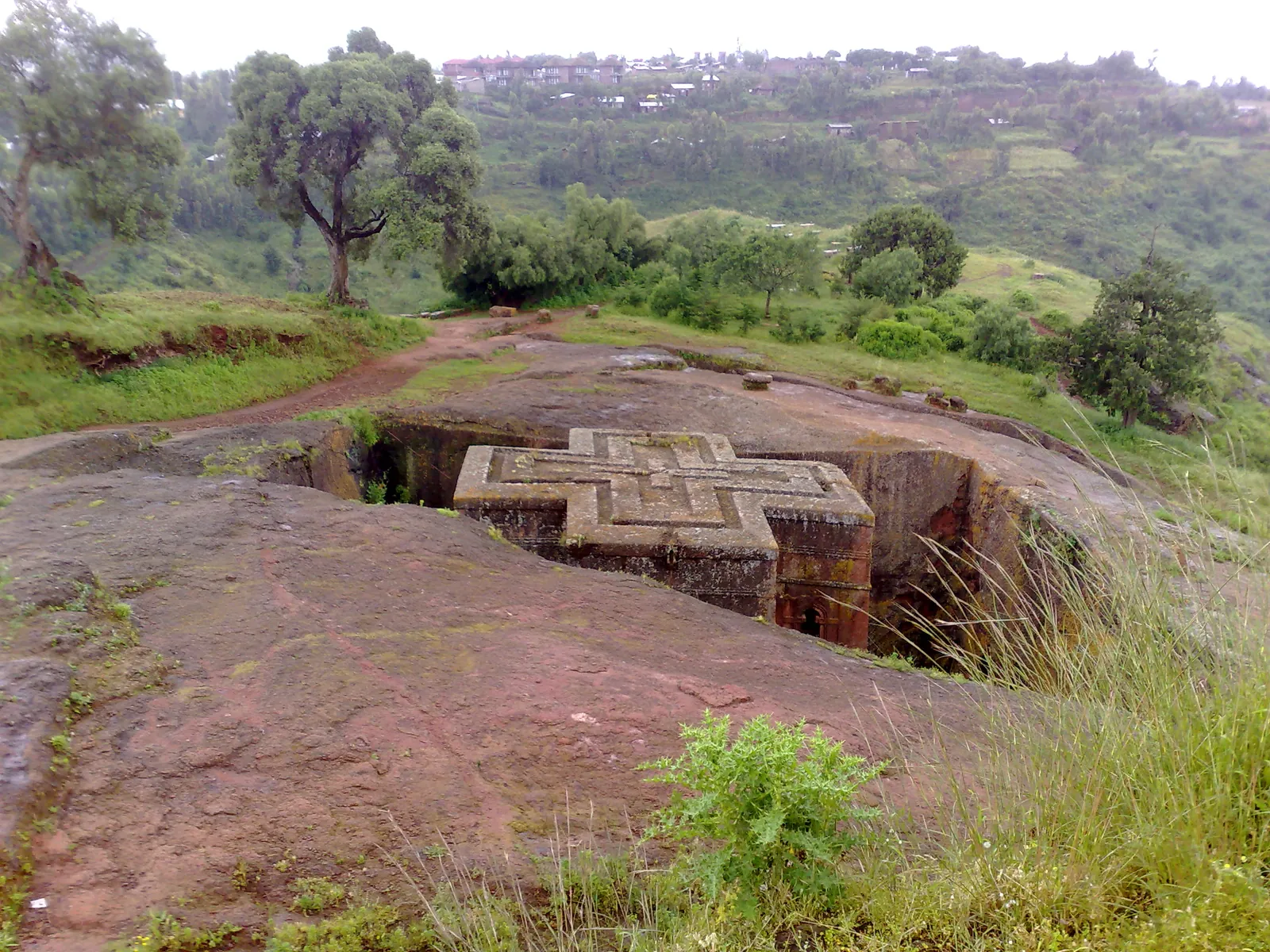
Ethiopia guide
Asheton Maryam above Lalibela
Explore Asheton Maryam's mountain setting above Lalibela and consider the approach, elevation and sacred-site etiquette of a highland monastery visit.
ExploreEthiopia guide
Na’akuto La’ab Monastery Near Lalibela
Explore Na’akuto La’ab Monastery’s cavern setting near Lalibela, with a considerate approach to religious objects, local interpretation and visiting arrangements.
ExploreTown life and a highland extension
A market visit, a meal and time looking across the Lasta highlands help connect the sacred monuments with the town around them. Ben Abeba is one restaurant and architecture subject; the dining guide offers a broader way to think about meals.
For more walking, distinguish a Hudad lodge approach from a Meket community-guesthouse route or an Abuna Yoseph mountain programme. They are different extensions, with different overnight patterns and levels of effort.
Ethiopia guide
Eating in Lalibela: choices and context
Plan meals in Lalibela around Ethiopian food, church visits and hillside settings, with questions about current opening, dietary needs and menu choices.
ExploreEthiopia guide
Ben Abeba: a Lalibela dining landmark
Explore Ben Abeba as an architectural and hillside dining subject in Lalibela, with practical questions about the visit, current opening and menu choices.
ExploreEthiopia guide
Hudad Lodge and Lalibela's highlands
Understand the plateau setting historically described for Hudad Lodge and the walking, baggage and overnight questions behind a Lalibela highland stay.
ExploreEthiopia guide
Community trekking around Lalibela
Explore the purpose of community trekking near Lalibela, including locally run guesthouses, the shape of walking days and questions about hosting and payment.
ExploreMarkets, museum time and the length of a visit
The Lalibela Cultural Museum is a place to explore objects and interpretation alongside the monuments. A market visit adds a working-town perspective. Confirm the current museum access and local market rhythm before building the day around either.
Allow separate time for the central church groups, a chosen highland extension and the town. Festival participation may need additional nights. The right duration follows those choices; a general claim that Lalibela takes only a day or two hides too many different interests.
Ethiopia guide
When to Visit Lalibela
Plan Lalibela around church visits, highland weather and religious occasions, with time for the town’s daily rhythm and confirmed local arrangements.
ExploreEthiopia guide
Where to stay in Lalibela
Compare Lalibela's town and hillside accommodation by church access, highland views, room layout and how a stay fits the pace of your visit.
ExploreUnderstand the church groups
The churches are linked by trenches and passages, with Biete Giyorgis set apart from the principal groups. Their carved spaces reward slow observation and explanation rather than a rapid circuit devoted only to photographs.
Respect the worship taking place
Pilgrimage and services shape the experience of these sacred places. Follow instructions on shoes, entry and photography, and discuss any mobility concerns before a visit involving uneven surfaces and passages.
Add the highlands with purpose
Asheton Maryam and community trekking introduce different landscapes and experiences from the churches in town. Treat walking days and any highland overnight as separate, clearly described parts of the plan.
Journeys to explore alongside this guide
Use these related route ideas to compare the places, interests and time involved. Open each outline for its route context and any details still requiring review.
12 days · Itinerary
Northern Heritage with Lodge-Based Stays
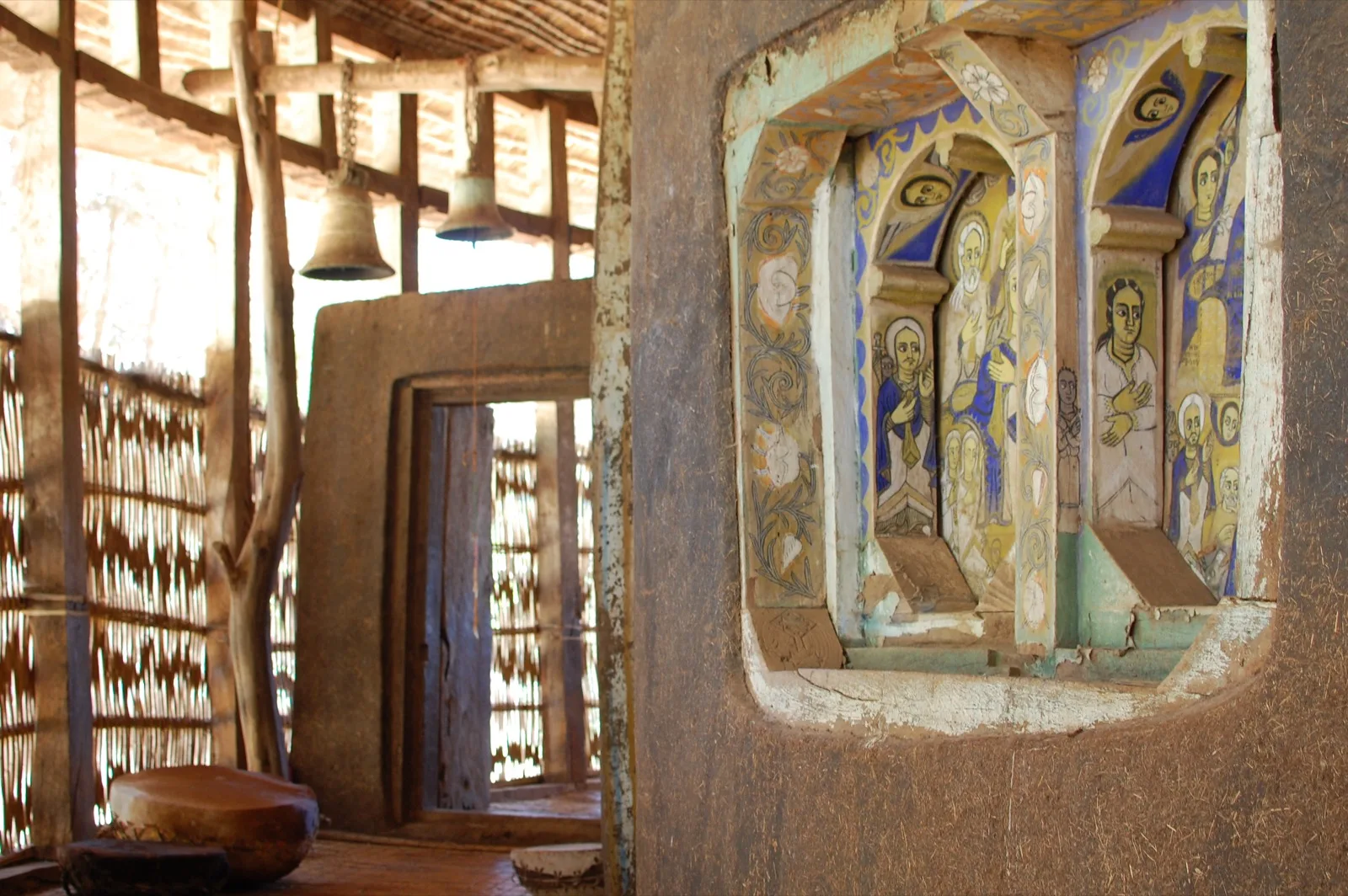
Twelve days follow Bahir Dar, Lalibela, Gondar, the Simien Mountains, Axum and Hawzien.
Explore
12 days · Itinerary
Northern Heritage and Simien Camping Circuit
Twelve days connect Bahir Dar, Lalibela and Gondar with four Simien walking stages, then continue through Axum and Gheralta before returning to Addis Ababa.
Explore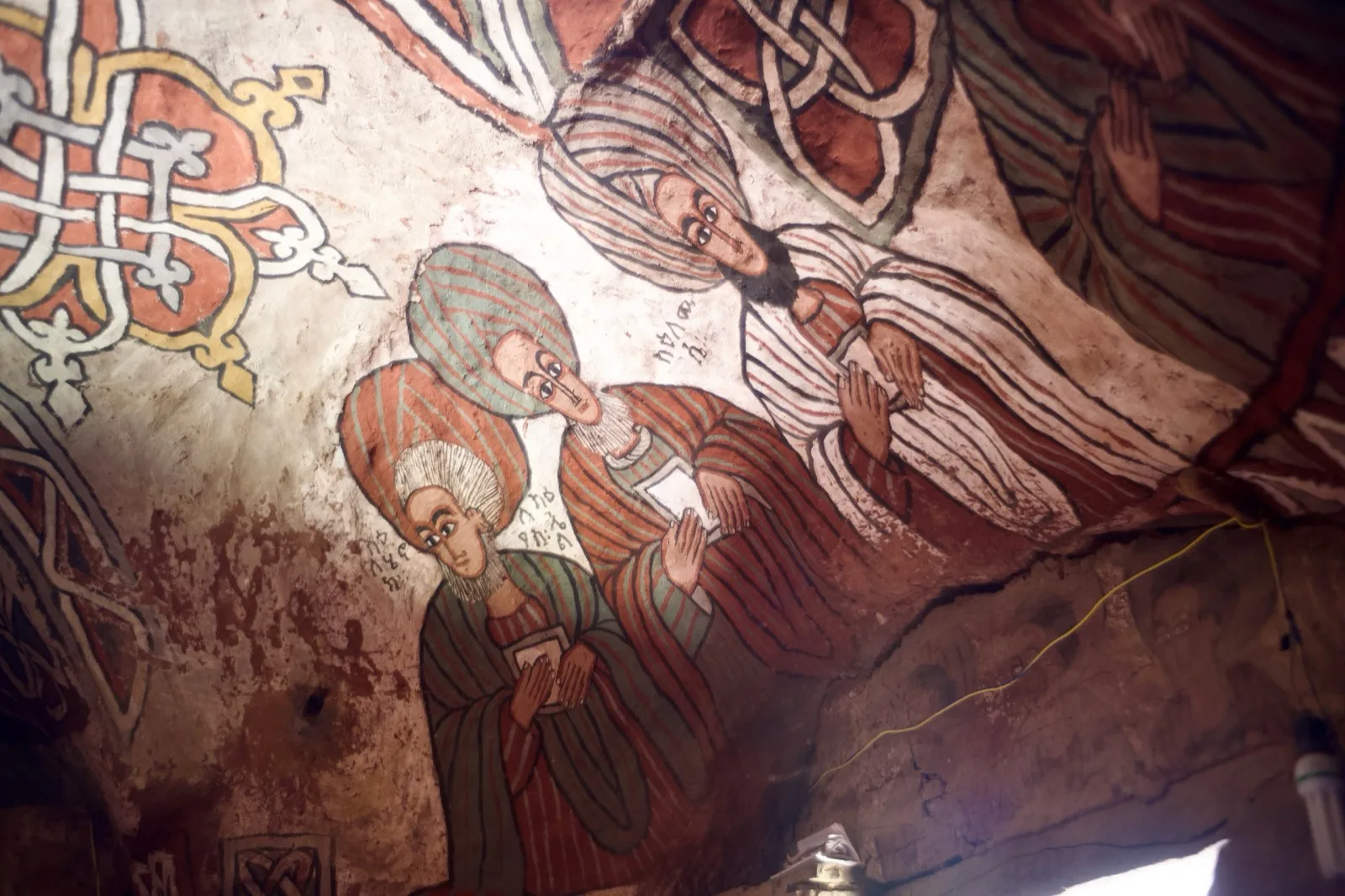
Route study
Historic North Circuit and Community Trekking
Explore a northern Ethiopia route concept combining Bahir Dar, Gondar, the Simien Mountains, Axum, Tigray community walking and Lalibela. The walking connection requires confirmation.
Explore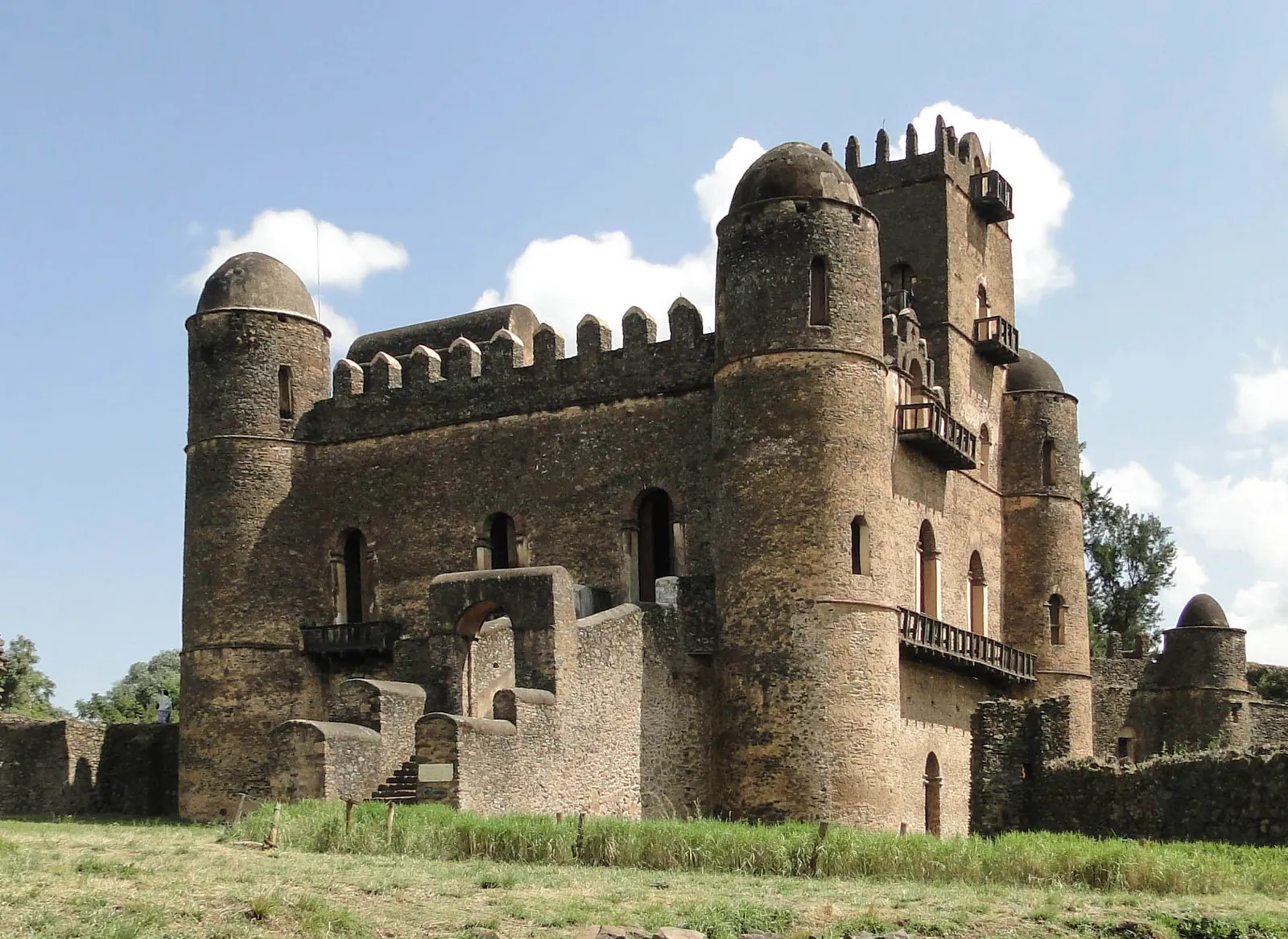
9 days · Itinerary
Nine Days through Ethiopia's Historic Towns
A nine-day heritage journey links Bahir Dar, Gondar, Lalibela and Axum with the old walled city of Harar in the east.
Explore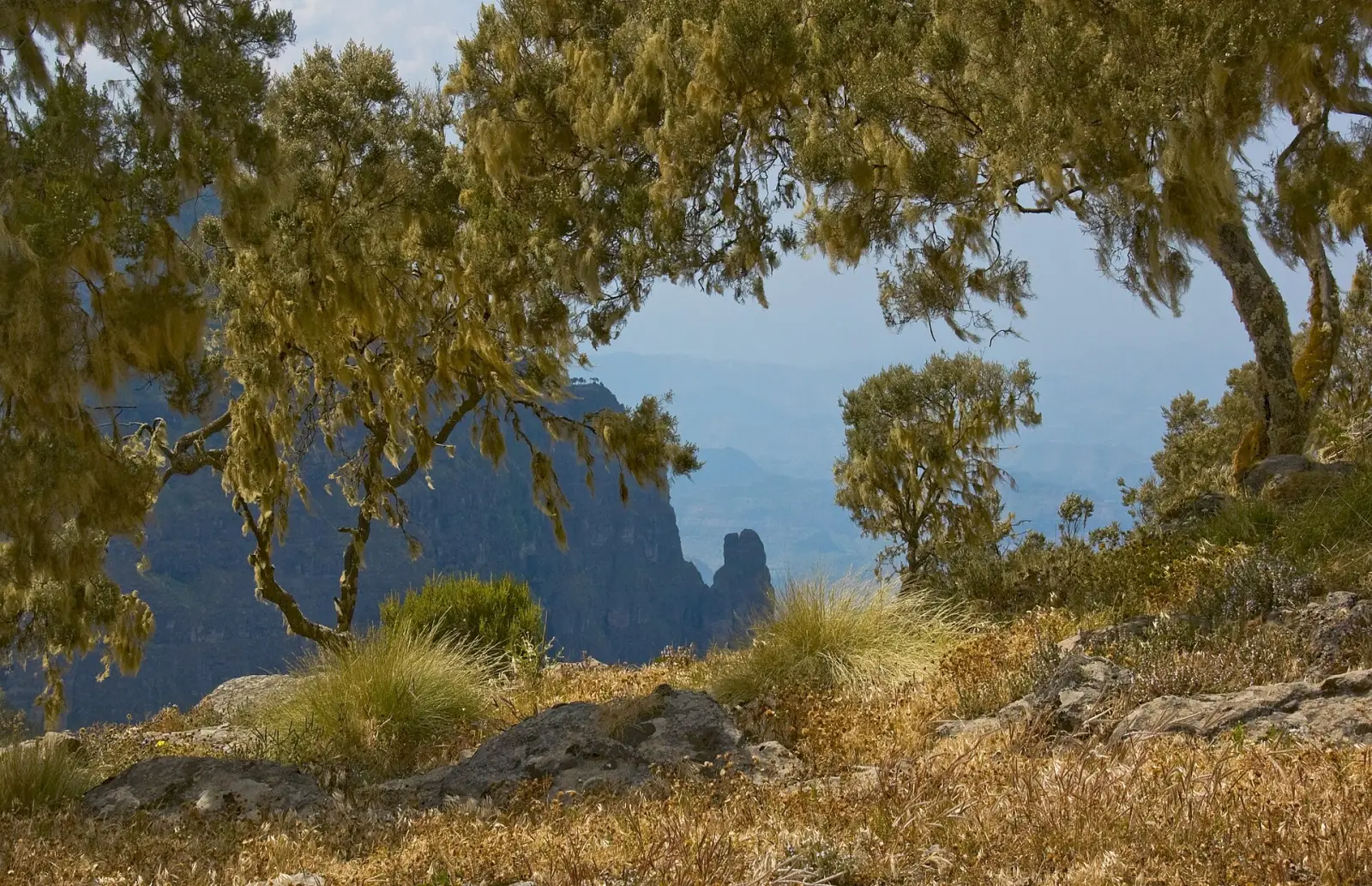
Route study
Simien Mountains and Northern History
Combine the interests of Lalibela, Gondar and the Simien Mountains in a northern Ethiopia route study, with the final connection still to confirm.
Explore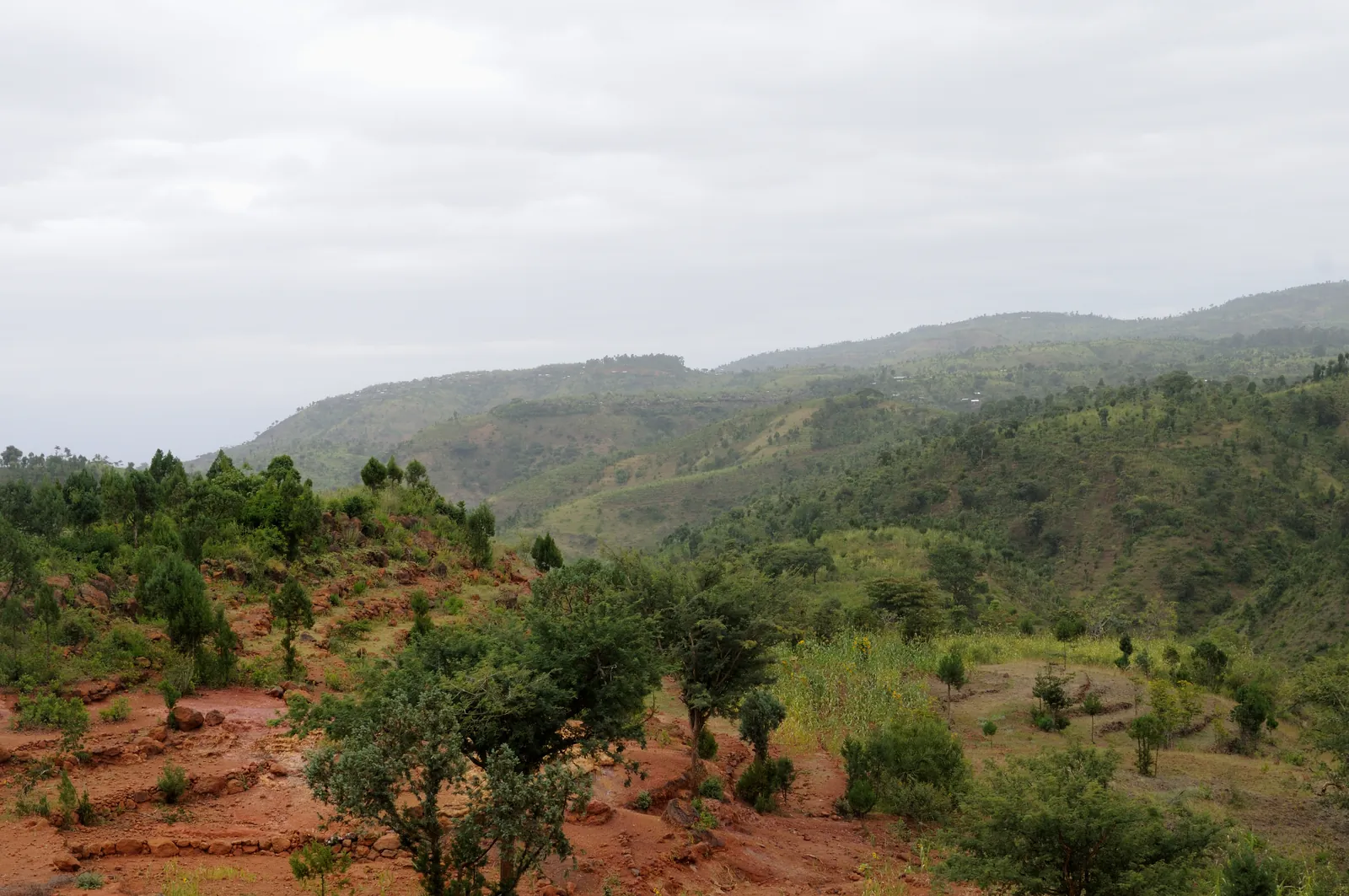
20 days · Itinerary
Twenty-Day Northern and Southern Ethiopia Survey
Twenty days join northern heritage cities and the Simien Mountains with Omo communities, Bale and the Rift lakes in one country-wide journey.
Explore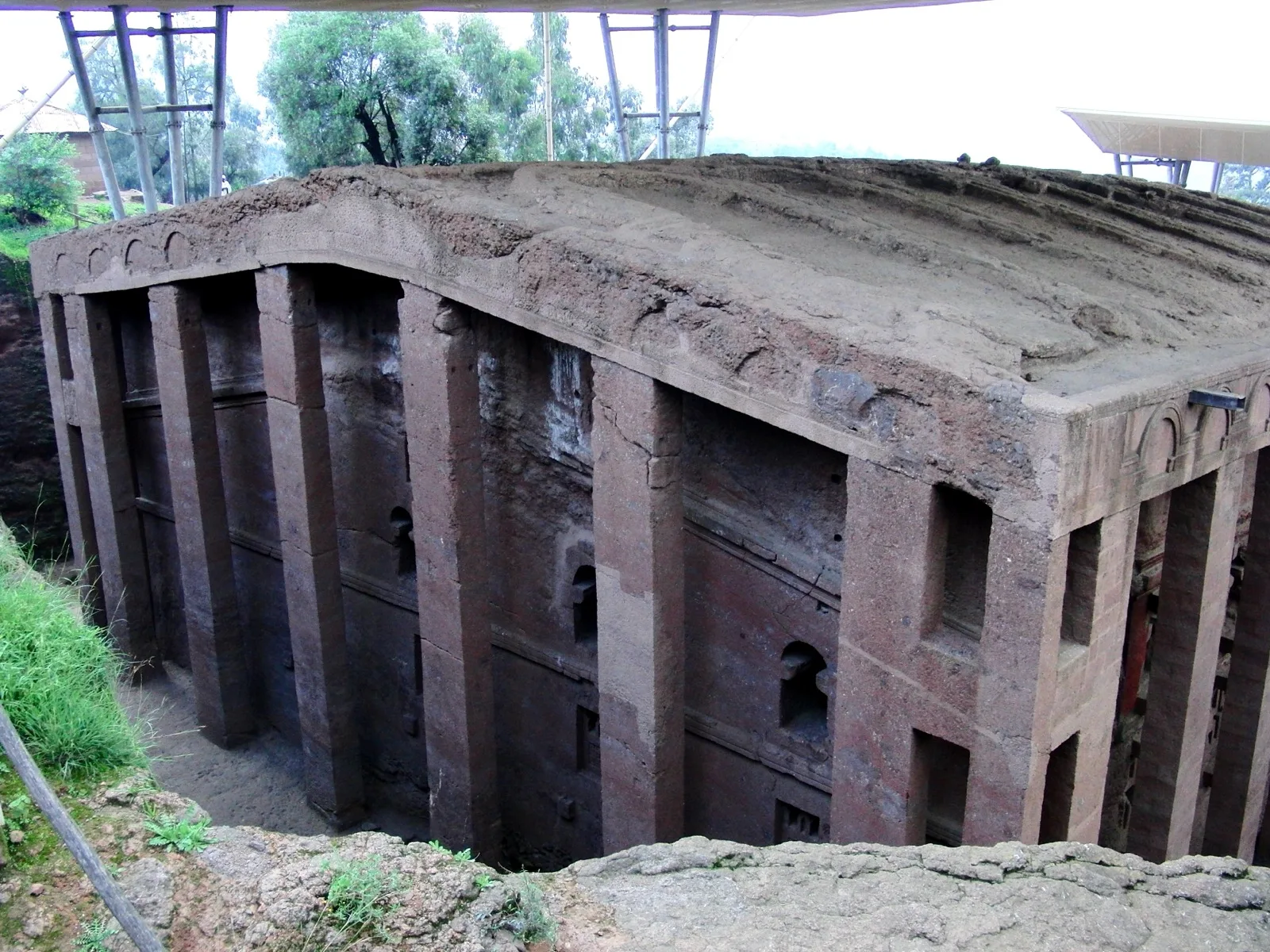
9 days · Historical Christmas programme
Lalibela Christmas and Northern Heritage: Historical Journey
A nine-day historical journey links Addis Ababa, Bahir Dar, Gondar and Axum with Lalibela and Tigray.
Explore5 days · Itinerary
Lalibela Churches and Highland Walking
Five days combine Lalibela's church groups with a Hudad approach, an optional Abuna Yosef outing and Yimrehane Kristos before returning to Addis Ababa.
Explore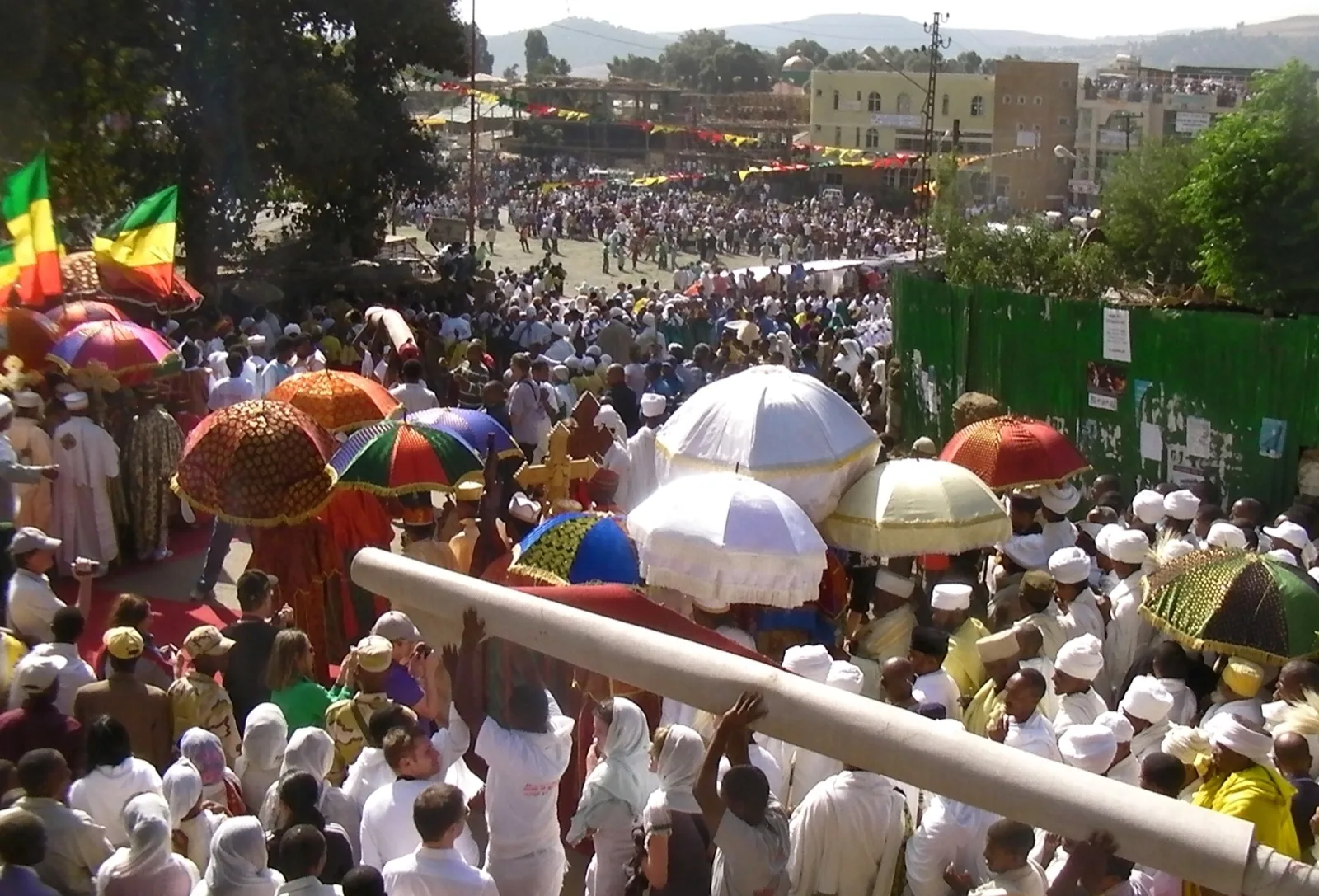
16 days · Archived Timket programme
Archived Timket on the Wollo and Tigray Plateaus
Sixteen historical days join Wollo community trails and a Timket occasion with Lalibela, Gondar, the Simiens, Axum and Tigray.
Explore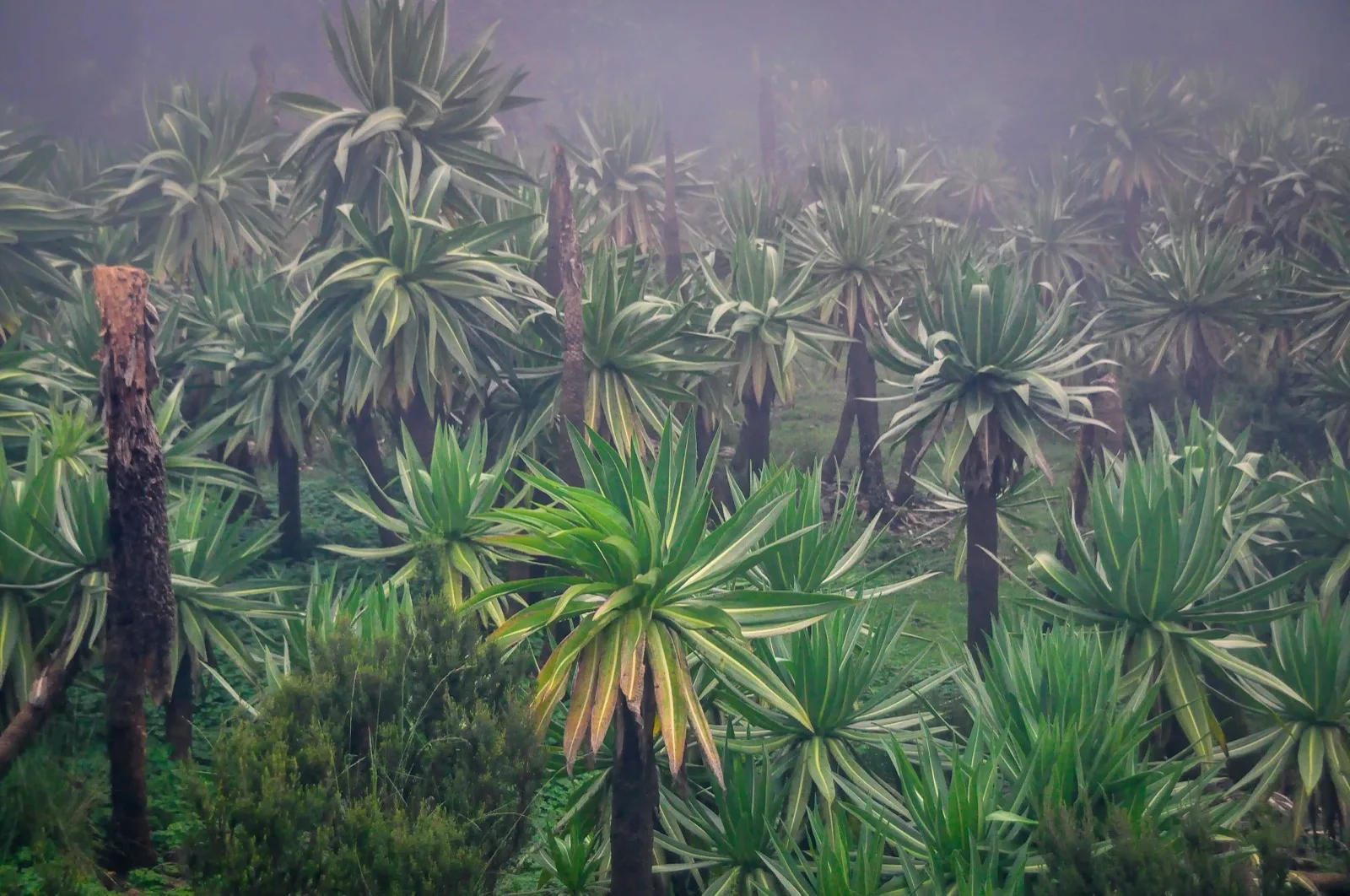
Route study
Peaks and Plateaus of Ethiopia
Compare Wollo and Tigray community walks, Lalibela, Gondar, the Simien Mountains and Axum in an Ethiopia route outline of twelve to thirteen days.
Explore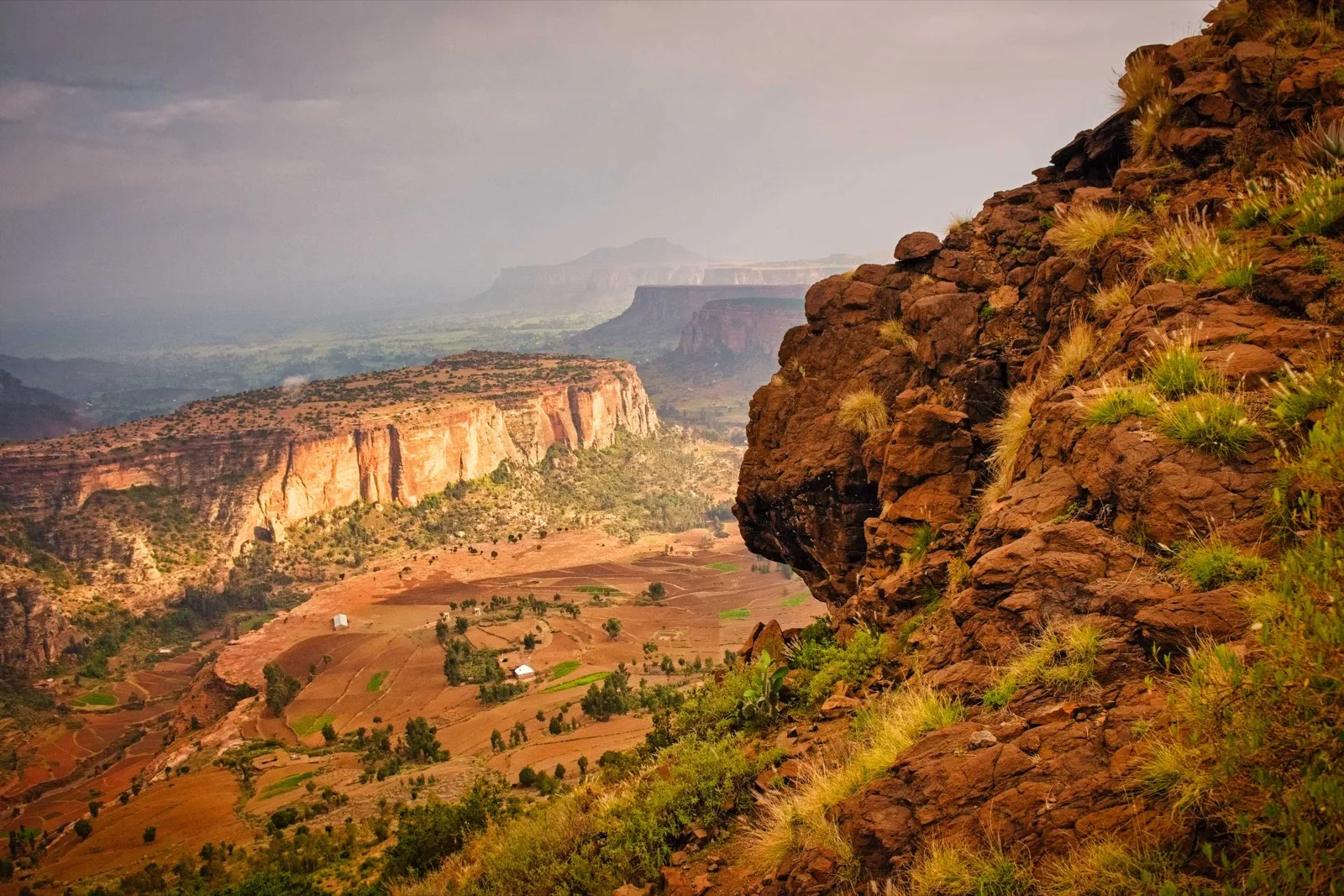
Route study
Community Trekking in Ethiopia: Route Study
Compare community walking around Wollo and Tigray with Lalibela, Gondar, the Simiens and Axum, and review the unresolved stages of this route concept.
Explore
6 days · Itinerary
Six-Day Northern Heritage Sampler
Six days connect Lake Tana and Gondar with Axum and two Lalibela church days, returning to Addis Ababa. The focus stays on heritage sites rather than trekking.
ExploreOfficial sources
Check these primary sources directly; their current information takes precedence.
Not yet reviewed: no named reviewer or review date has been recorded for this page. The official sources above take precedence.
Related places and journeys
Ethiopia guide
All Trips
Compare Ethiopia journeys by their route, time on foot and regional focus.
ExploreEthiopia guide
Places to Visit in Ethiopia
Choose Ethiopia destinations by the kind of time you want to spend in them.
ExploreEthiopia guide
The rock-hewn churches of Lalibela
Understand Lalibela's eleven rock-hewn churches, their main groups and carved passages, with context for architecture, pilgrimage and respectful visits.
ExploreEthiopia guide
Biete Giyorgis: Lalibela's Church of Saint George
Understand the cross-shaped Church of Saint George in Lalibela, its rock-cut setting and relationship with the other churches, with respectful visit guidance.
Explore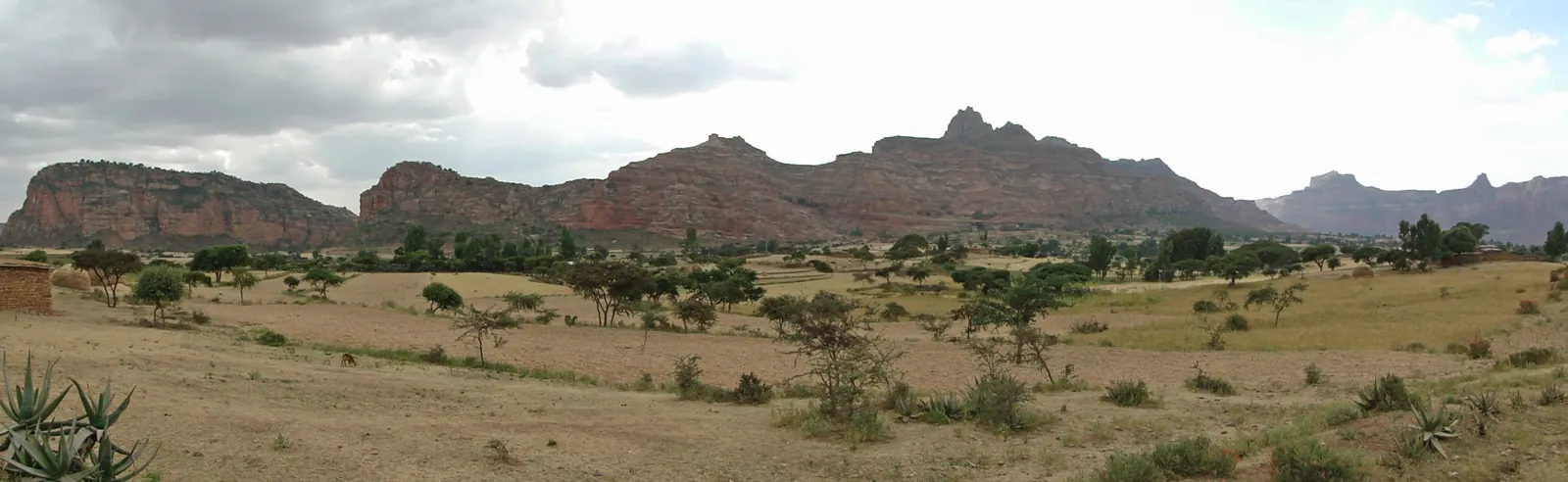
Ethiopia guide
Community Trekking in Ethiopia
Explore community trekking through walking routes, locally hosted stays and thoughtful participation, with questions about ownership, guiding and the benefit to hosts.
ExploreEthiopia guide
Festivals in Ethiopia
Explore Ethiopia’s festivals, including Genna, Timkat, Enkutatash and Meskel, and plan a visit around meaning, local programmes and respectful participation.
ExploreEthiopia guide
Ethiopian Christmas: understanding Genna
Learn about Ethiopian Christmas as a religious celebration, with context for Lalibela, worship and the respectful planning of a visit during the season.
Explore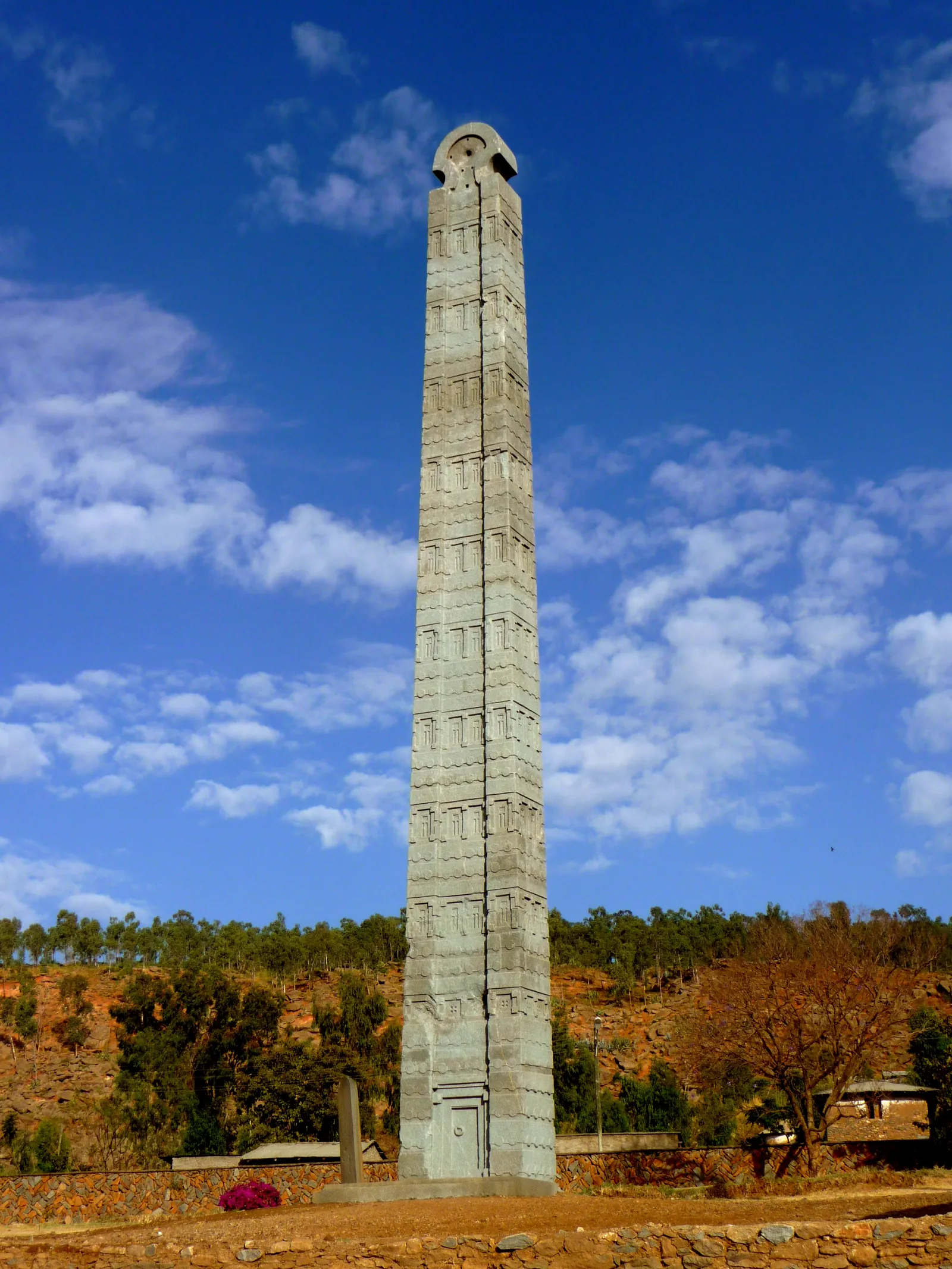
Ethiopia guide
Axum: archaeology and living heritage
Explore Axum's stelae, royal archaeology and religious traditions, and plan a visit that distinguishes historical evidence from stories of sacred heritage.
Explore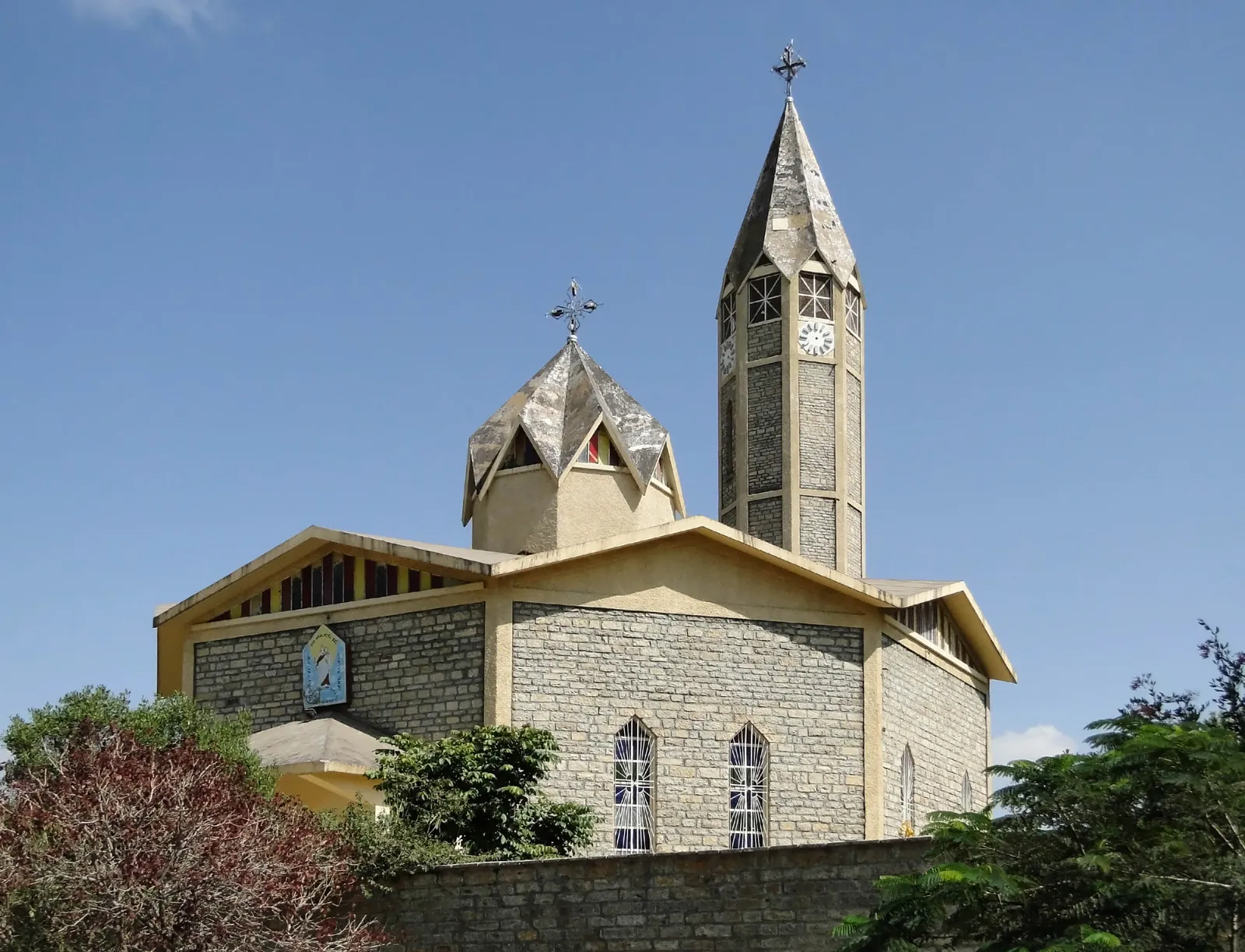
Ethiopia guide
Mekele: understanding the Tigray capital
Explore Mekele's role in Tigray's history and culture, with context for its urban heritage and questions to resolve before including it in a journey.
ExploreEthiopia guide
Bahir Dar and Lake Tana
Explore Bahir Dar's Lake Tana setting, monastery heritage and links with the Blue Nile Falls, and decide how these different visits fit your interests.
ExploreEthiopia guide
Gondar: castles, churches and highland connections
Explore Gondar's Royal Enclosure, painted church interiors and relationship with the Simien Mountains, with a plan that gives the city its own attention.
Explore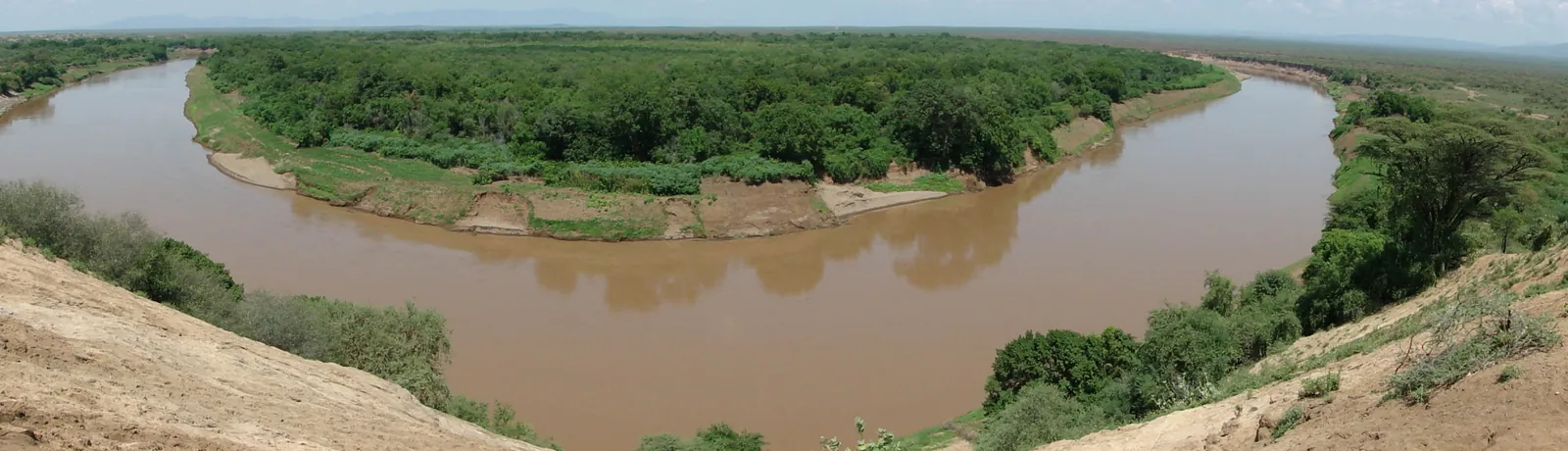
Ethiopia guide
Omo Valley: people, landscapes and respectful visits
Understand the Lower Omo Valley as a living cultural landscape, with guidance on locally agreed visits, photography, different bases and thoughtful pacing.
Explore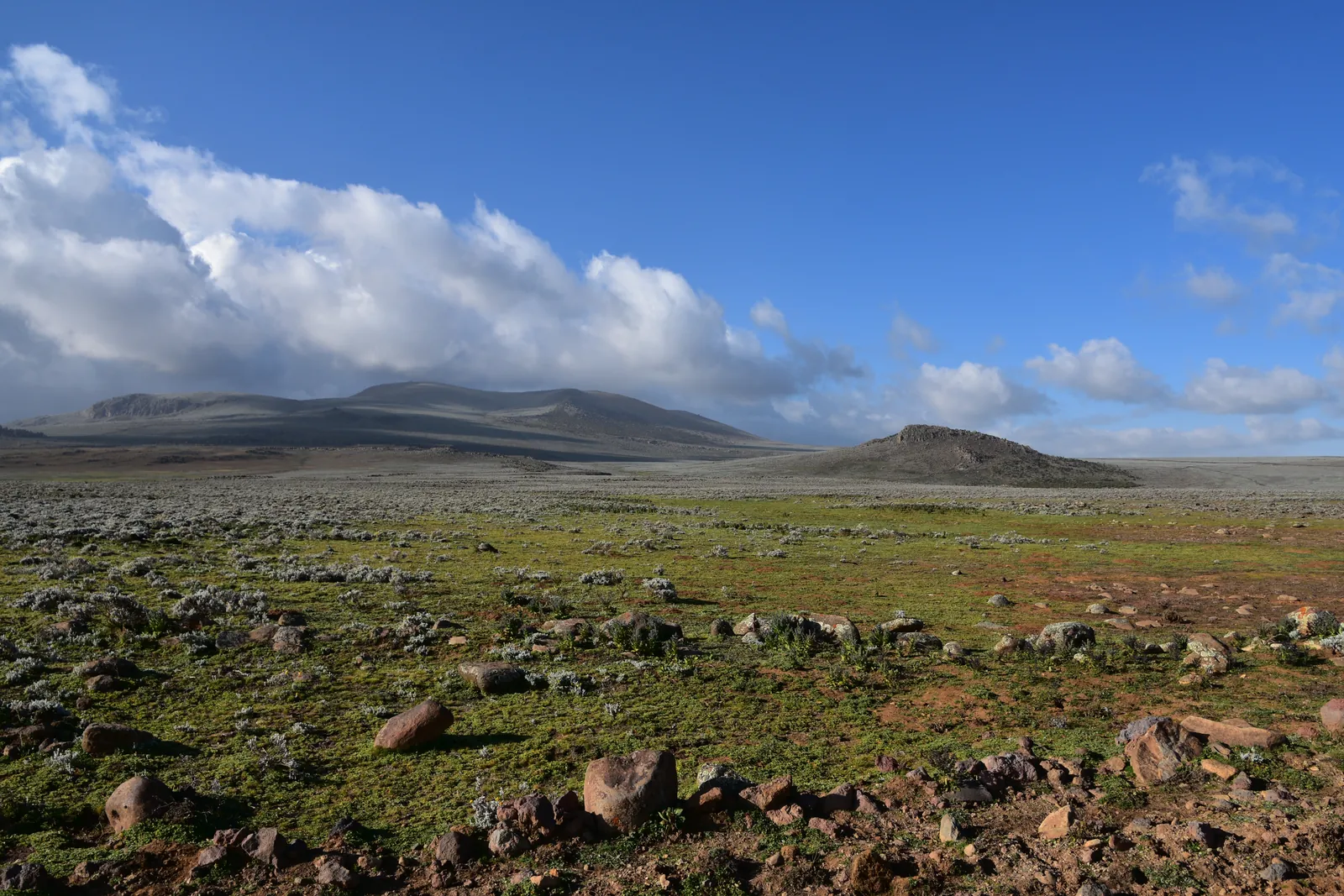
Ethiopia guide
Bale Mountains: plateau, forest and wildlife
Discover the Bale Mountains through the Sanetti Plateau, Harenna Forest and grasslands, and plan time around their distinct habitats and walking interests.
Explore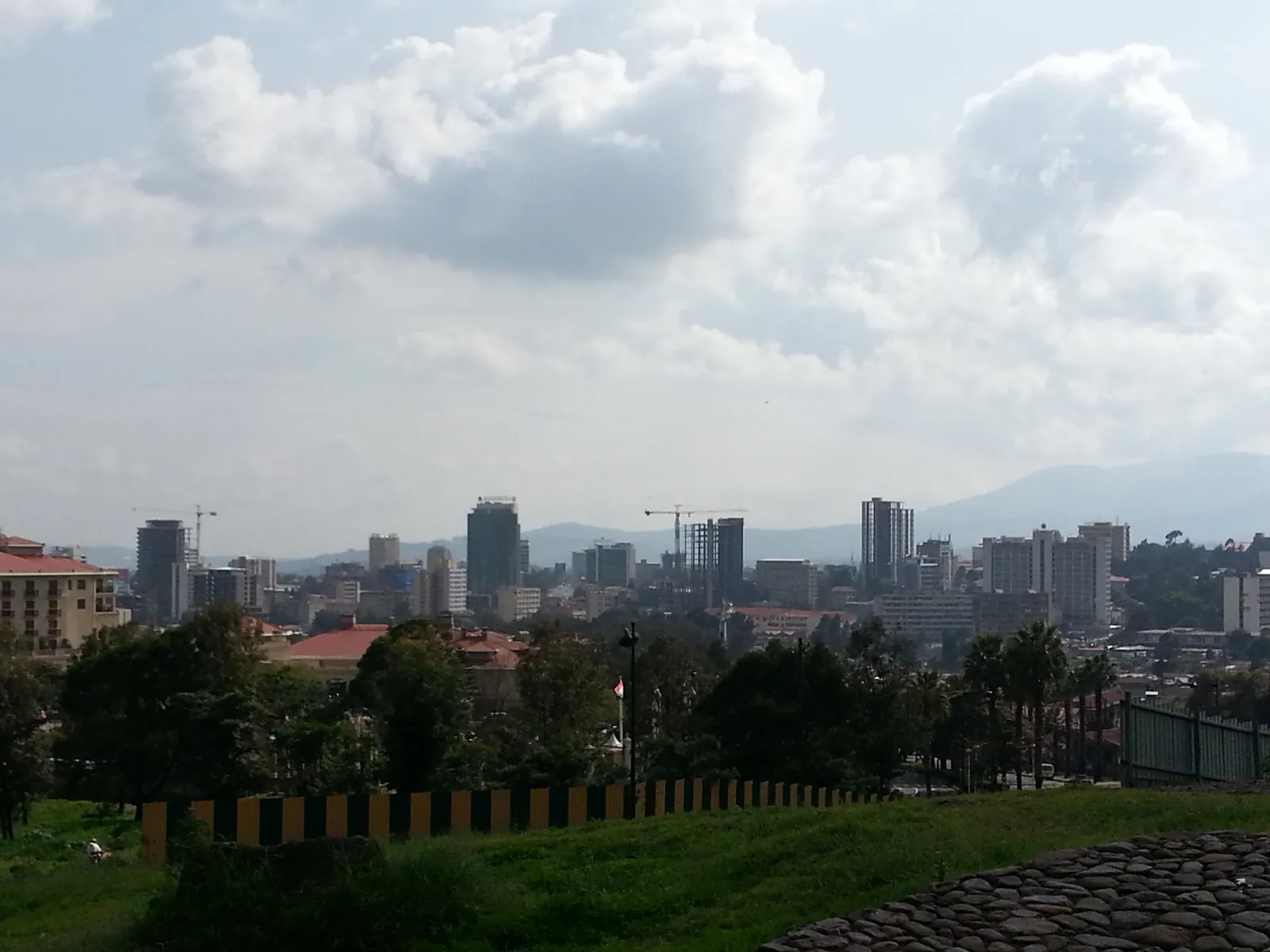
Ethiopia guide
Addis Ababa: culture, history and city time
Plan meaningful time in Addis Ababa around history, neighbourhood life, food and the city's highland setting, with a realistic pace between visits.
ExploreEthiopia guide
Mezena Lodge: Lalibela accommodation context
Explore Mezena Lodge's historically described bungalow setting outside central Lalibela, with questions about location, room access and church visits.
ExploreShape your journey
Bring your preferred dates, interests and pace together in a planning draft.