
The rock-hewn churches of Lalibela
Lalibela's churches were carved into the rock rather than assembled as ordinary buildings. The eleven churches form a connected sacred landscape whose spaces, trenches and passages are as important as the recognisable individual monuments.
The southern group and questions of interpretation
Biete Amanuel, Gabriel-Raphael, Abba Libanos and Mercoreos are among the churches of the southern group. Their varied forms invite questions about use as well as construction. UNESCO notes that some spaces may have had functions other than churches before their religious use, a reminder to distinguish plausible interpretation from certainty.
The site is conventionally associated with the reign of King Lalibela and a sacred representation of Jerusalem. A useful guide explains those traditions while pointing out the visible evidence of rock cutting, drainage and circulation. Current rules on restricted areas and worship take precedence over a predetermined route through every chamber.
Names within the two groups
UNESCO’s account identifies Biete Medhani Alem, Biete Mariam, Biete Maskal, Biete Denagel and Biete Golgotha Mikael north of the Jordan stream. South of it are Biete Amanuel, Biete Qeddus Mercoreus, Biete Abba Libanos, Biete Gabriel Raphael and Biete Lehem. Biete Giyorgis stands separately, connected through the wider trench system.
Spellings and the way chapels are grouped can differ between guides. Use a site plan to orient yourself and ask how your guide is counting the spaces, rather than treating every variant name as an extra church.
A way to look closely at the carving
Compare a free-standing form with a space still attached to the surrounding rock. Look at the windows, columns, thresholds and passages: the architecture was created by removing material. Drainage channels and trenches belong to that achievement too.
Ask what is known, what is inferred and what is part of religious tradition. Some proposed earlier uses of particular buildings remain interpretations. The visit becomes richer when the evidence and the living meaning of the site are both given room.
Ethiopia guide
Biete Giyorgis: Lalibela's Church of Saint George
Understand the cross-shaped Church of Saint George in Lalibela, its rock-cut setting and relationship with the other churches, with respectful visit guidance.
Explore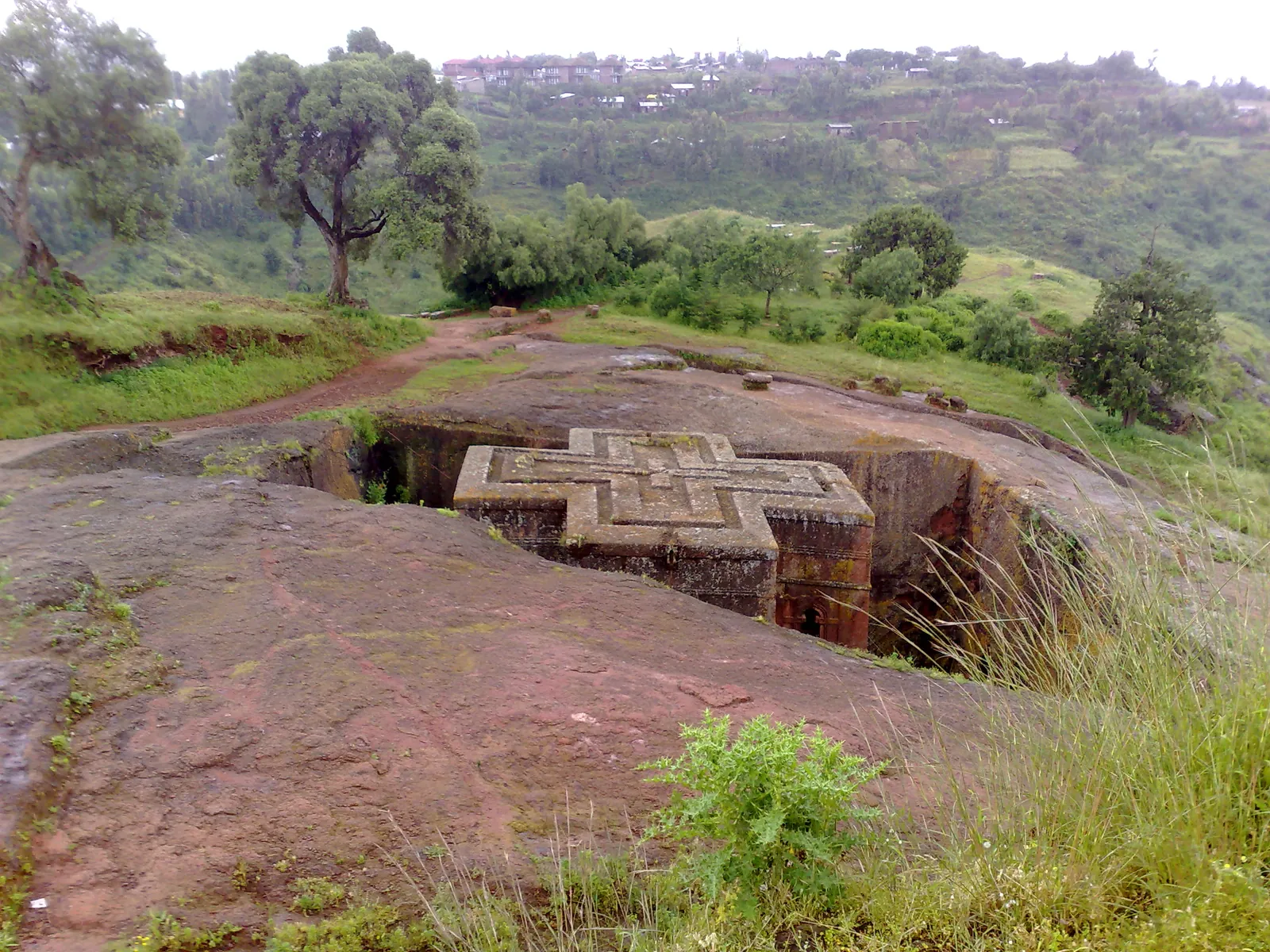
Ethiopia guide
Lalibela: churches, highlands and pilgrimage
Explore Lalibela's eleven rock-hewn churches, living worship and surrounding highlands, and build a visit with time for both architecture and context.
ExploreRead the site as a whole
The main groups lie on either side of the locally named Jordan, while Biete Giyorgis stands apart. A coherent visit explains those relationships and the ideas of a sacred city rather than only naming each church.
Look closely at the construction
Observe how doors, windows, columns and floors emerge from the same rock. Different forms and interiors reward attention; a local guide can help distinguish architectural evidence from the traditions attached to a particular space.
Plan for an active sacred site
Discuss uneven ground and passages before arrival, and follow the rules of each church. Worship may affect how a visit unfolds, so allow flexibility rather than expecting unrestricted access to every area.
Journeys to explore alongside this guide
Use these related route ideas to compare the places, interests and time involved. Open each outline for its route context and any details still requiring review.
12 days · Itinerary
Northern Heritage with Lodge-Based Stays
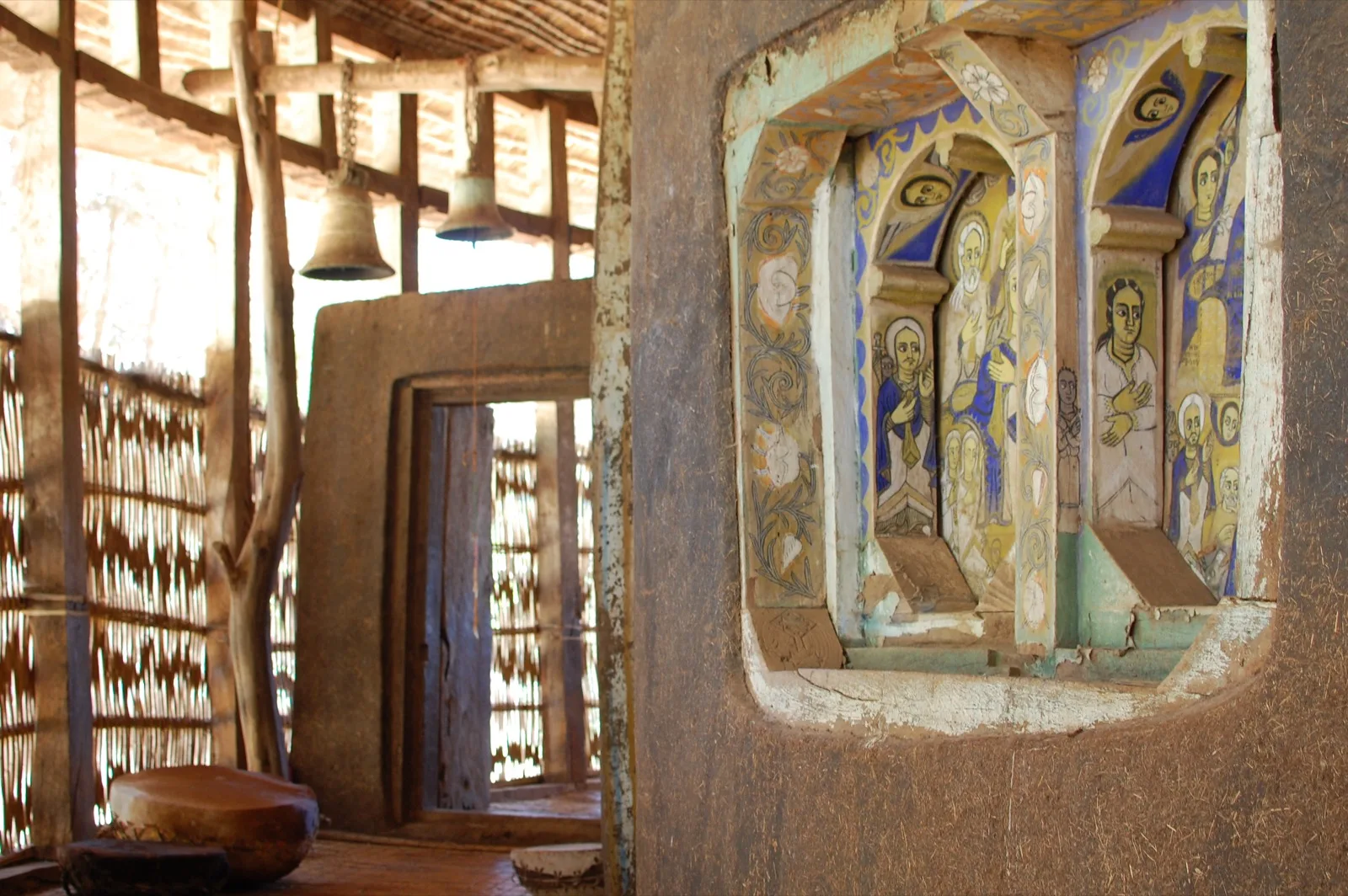
Twelve days follow Bahir Dar, Lalibela, Gondar, the Simien Mountains, Axum and Hawzien.
Explore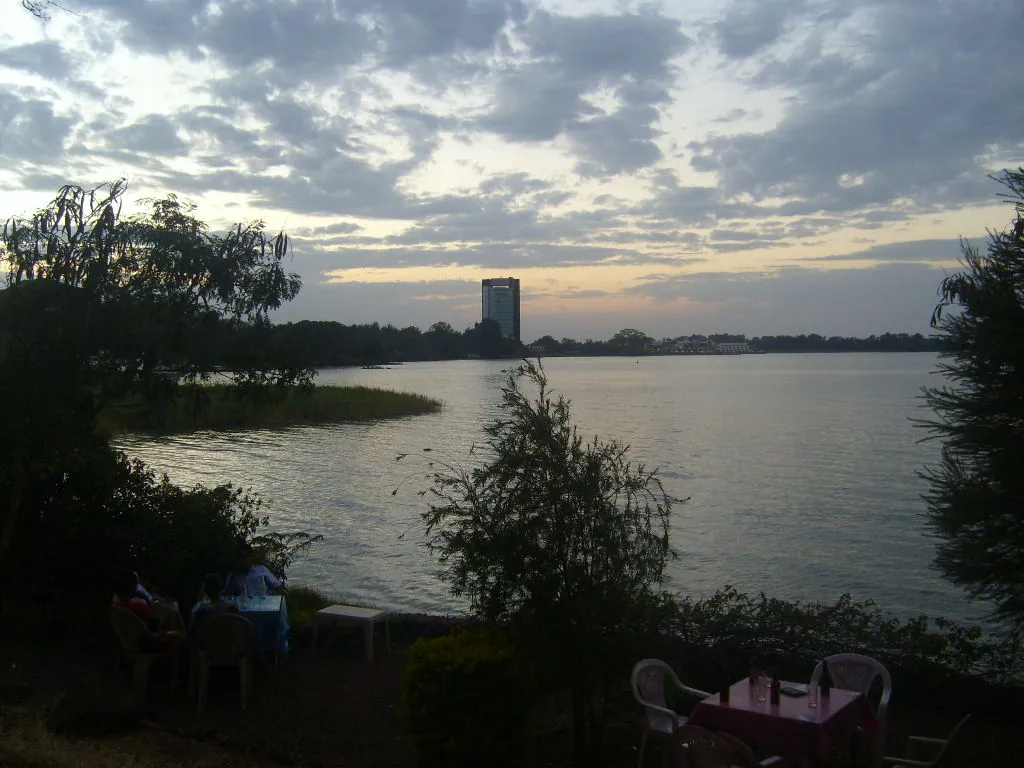
12 days · Itinerary
Northern Heritage and Simien Camping Circuit
Twelve days connect Bahir Dar, Lalibela and Gondar with four Simien walking stages, then continue through Axum and Gheralta before returning to Addis Ababa.
Explore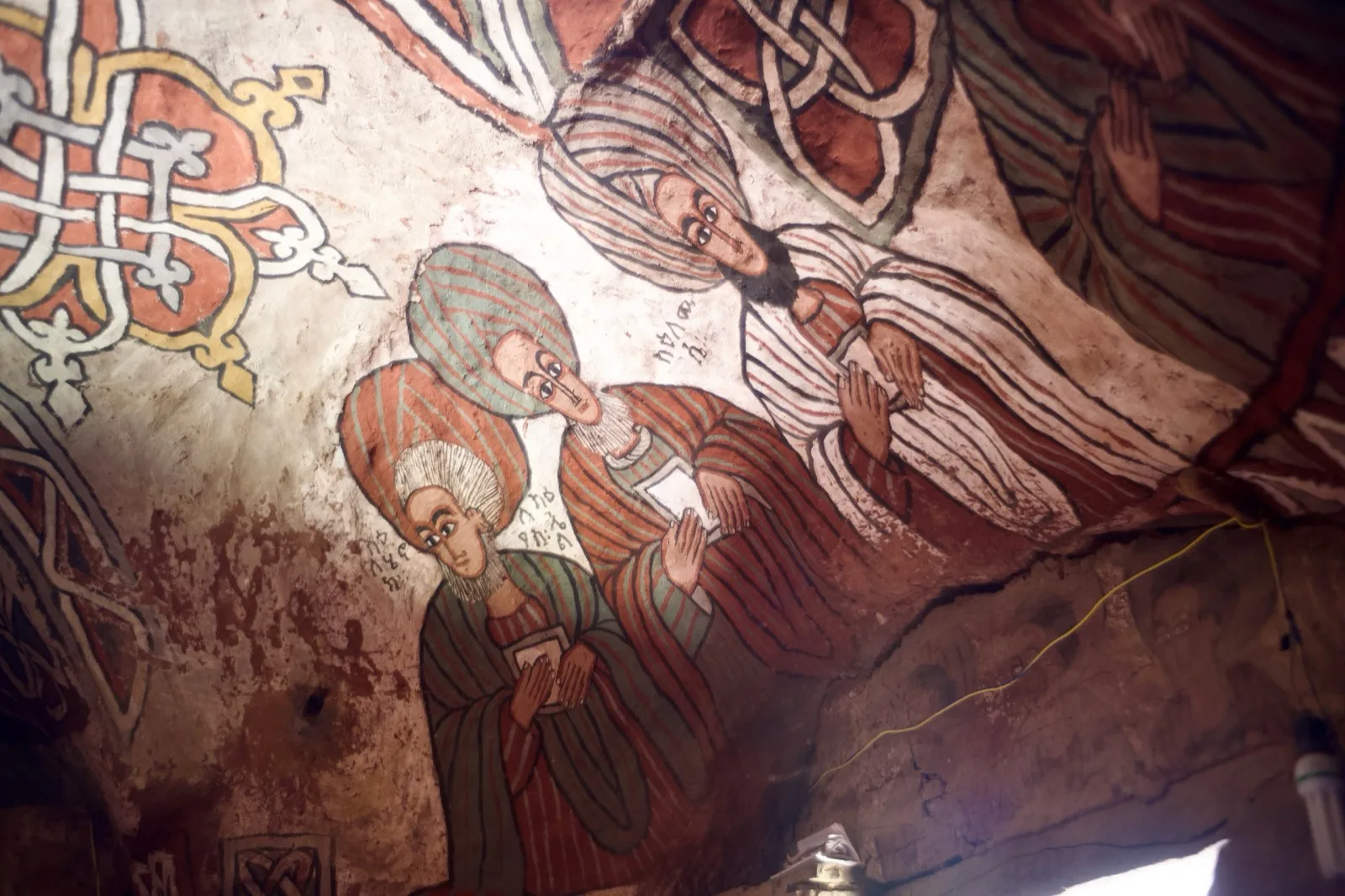
Route study
Historic North Circuit and Community Trekking
Explore a northern Ethiopia route concept combining Bahir Dar, Gondar, the Simien Mountains, Axum, Tigray community walking and Lalibela. The walking connection requires confirmation.
Explore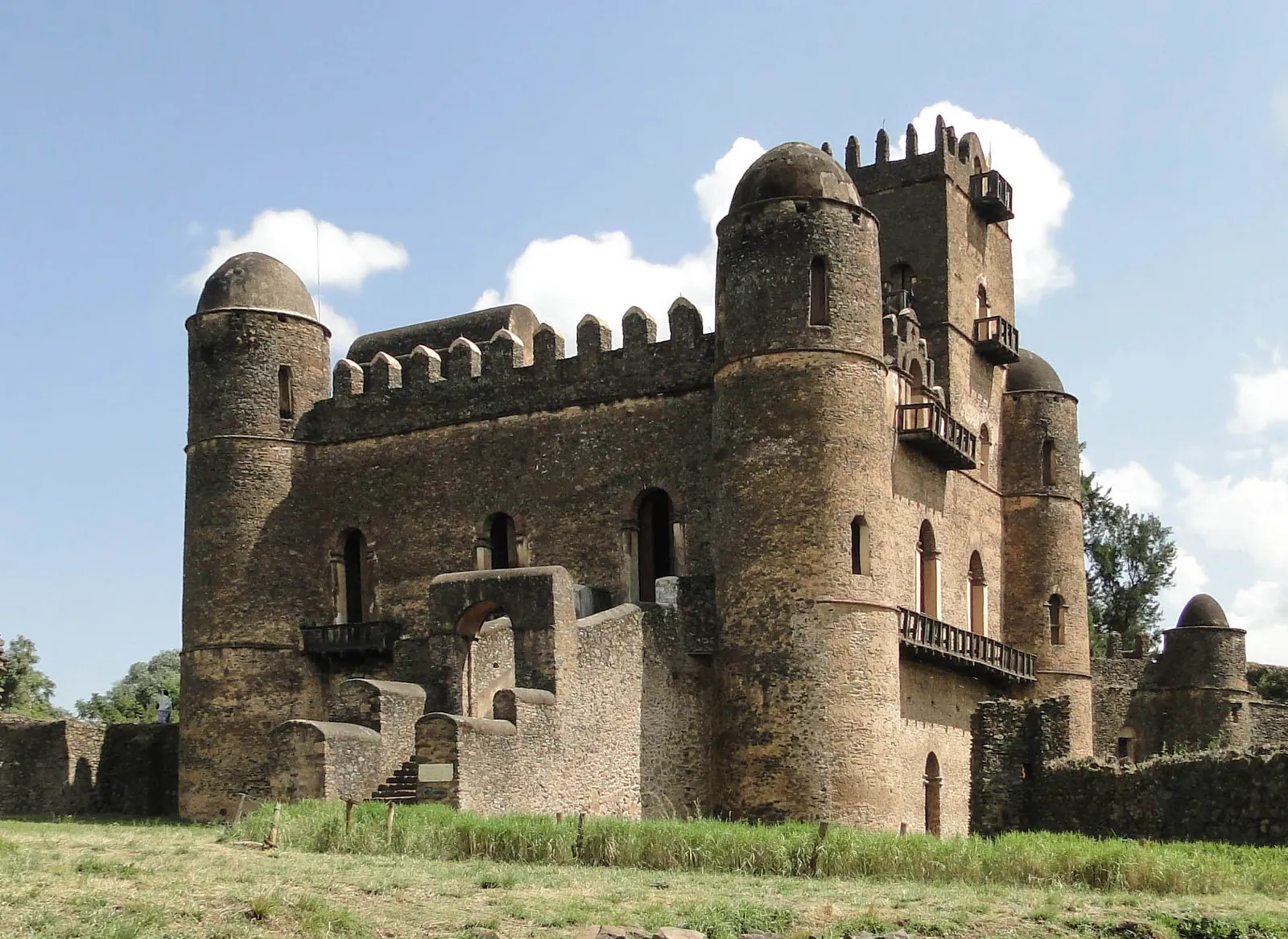
9 days · Itinerary
Nine Days through Ethiopia's Historic Towns
A nine-day heritage journey links Bahir Dar, Gondar, Lalibela and Axum with the old walled city of Harar in the east.
Explore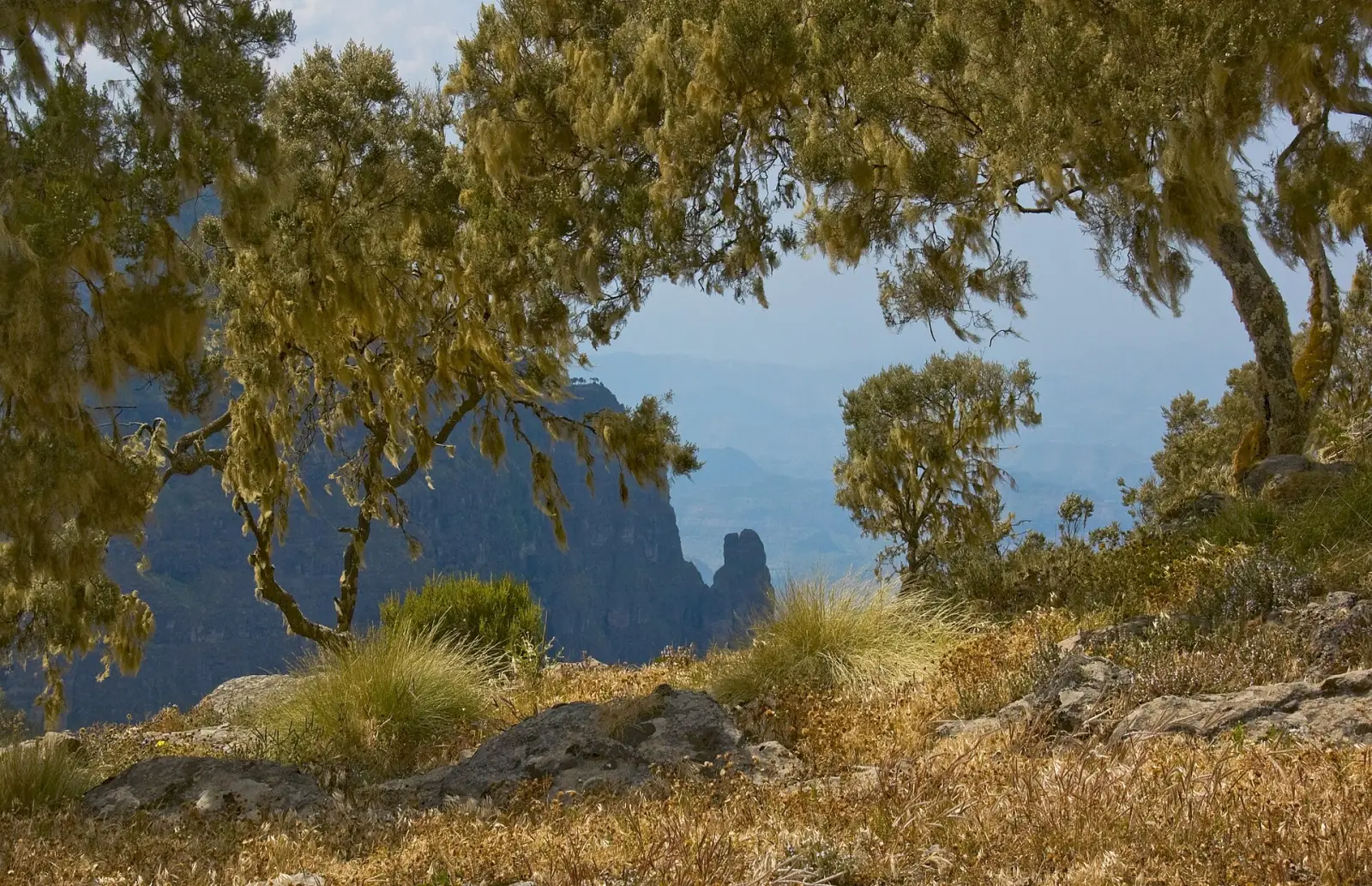
Route study
Simien Mountains and Northern History
Combine the interests of Lalibela, Gondar and the Simien Mountains in a northern Ethiopia route study, with the final connection still to confirm.
Explore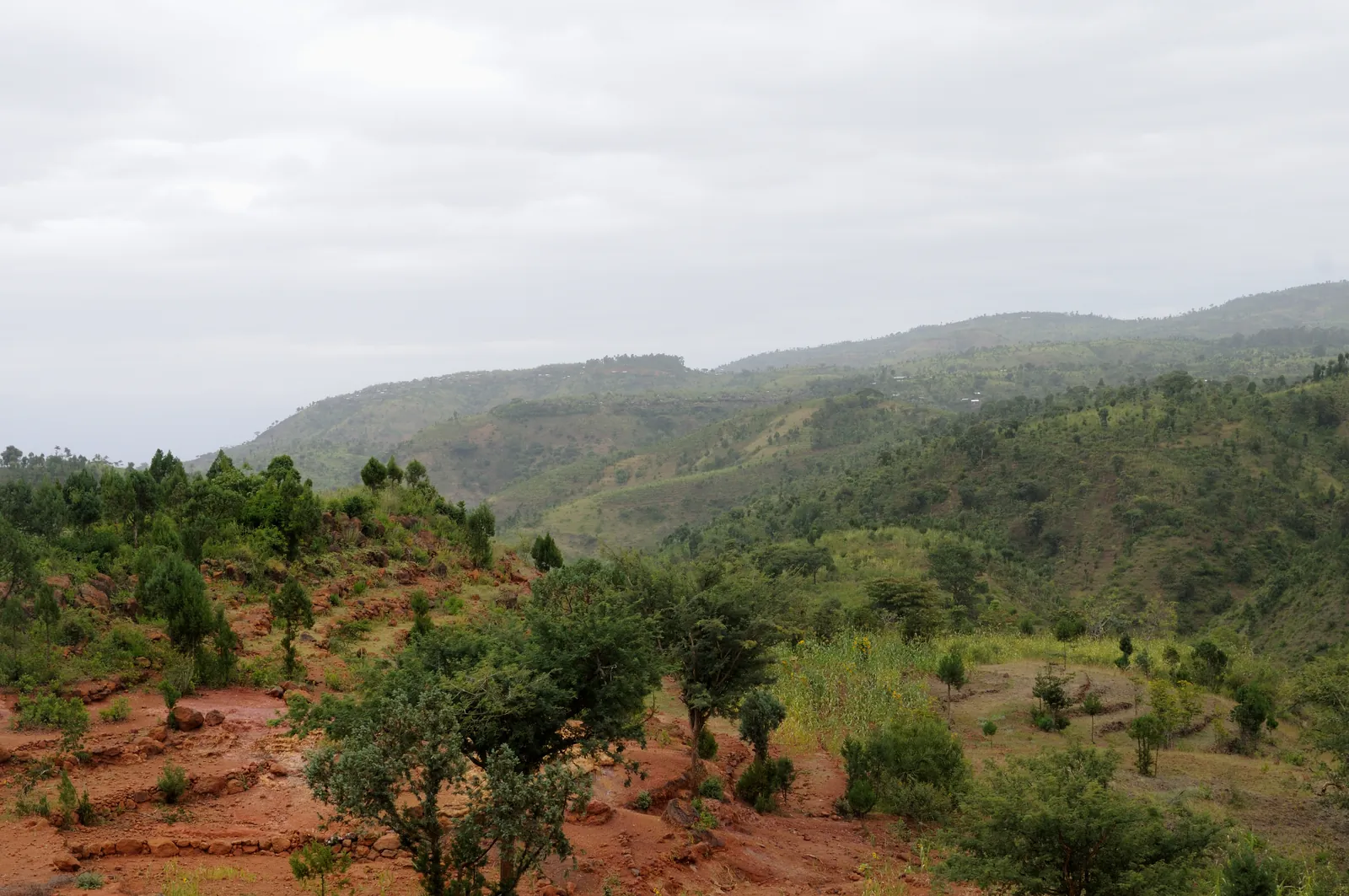
20 days · Itinerary
Twenty-Day Northern and Southern Ethiopia Survey
Twenty days join northern heritage cities and the Simien Mountains with Omo communities, Bale and the Rift lakes in one country-wide journey.
Explore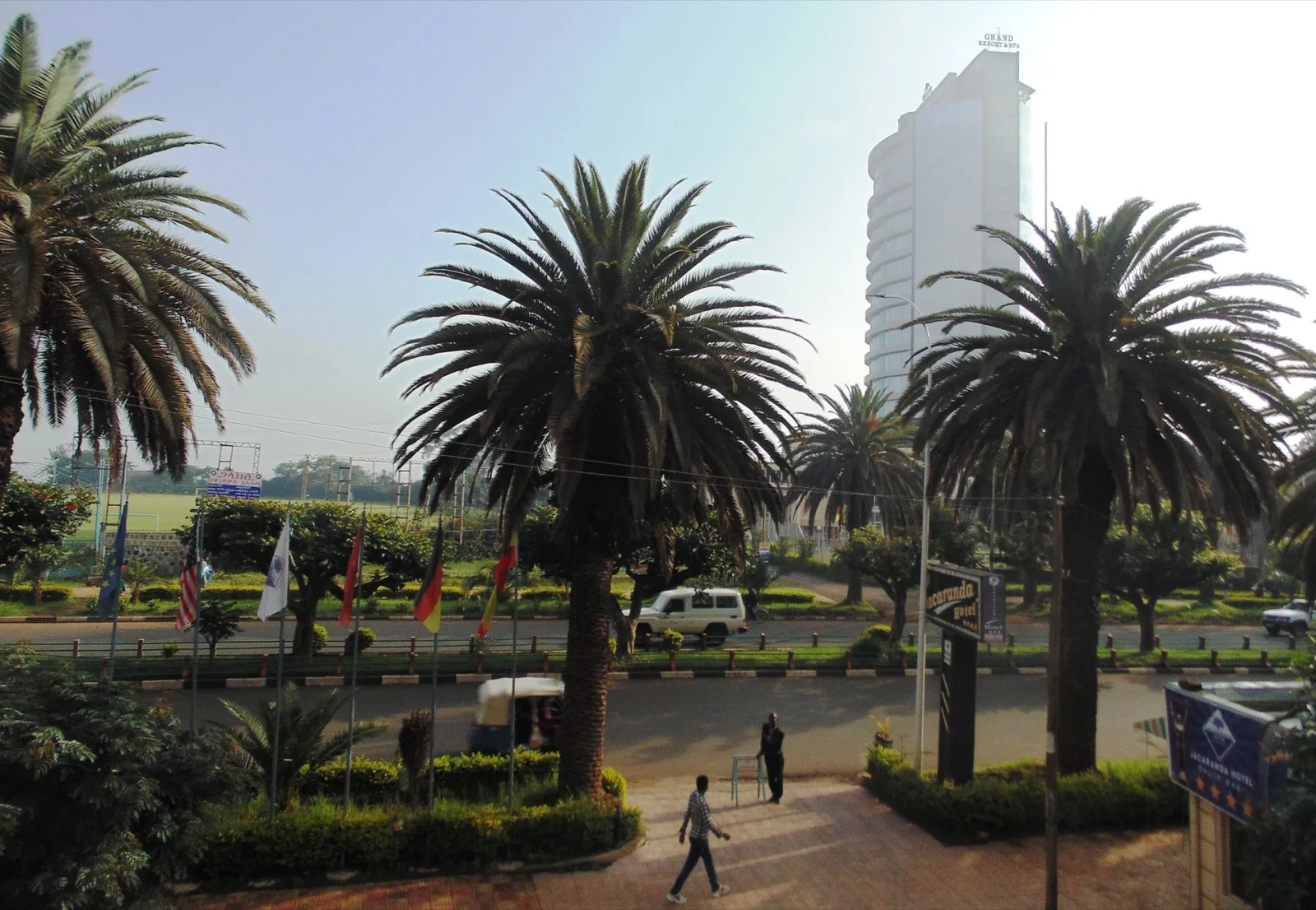
6 days · Itinerary
Six-Day Northern Heritage Sampler
Six days connect Lake Tana and Gondar with Axum and two Lalibela church days, returning to Addis Ababa. The focus stays on heritage sites rather than trekking.
Explore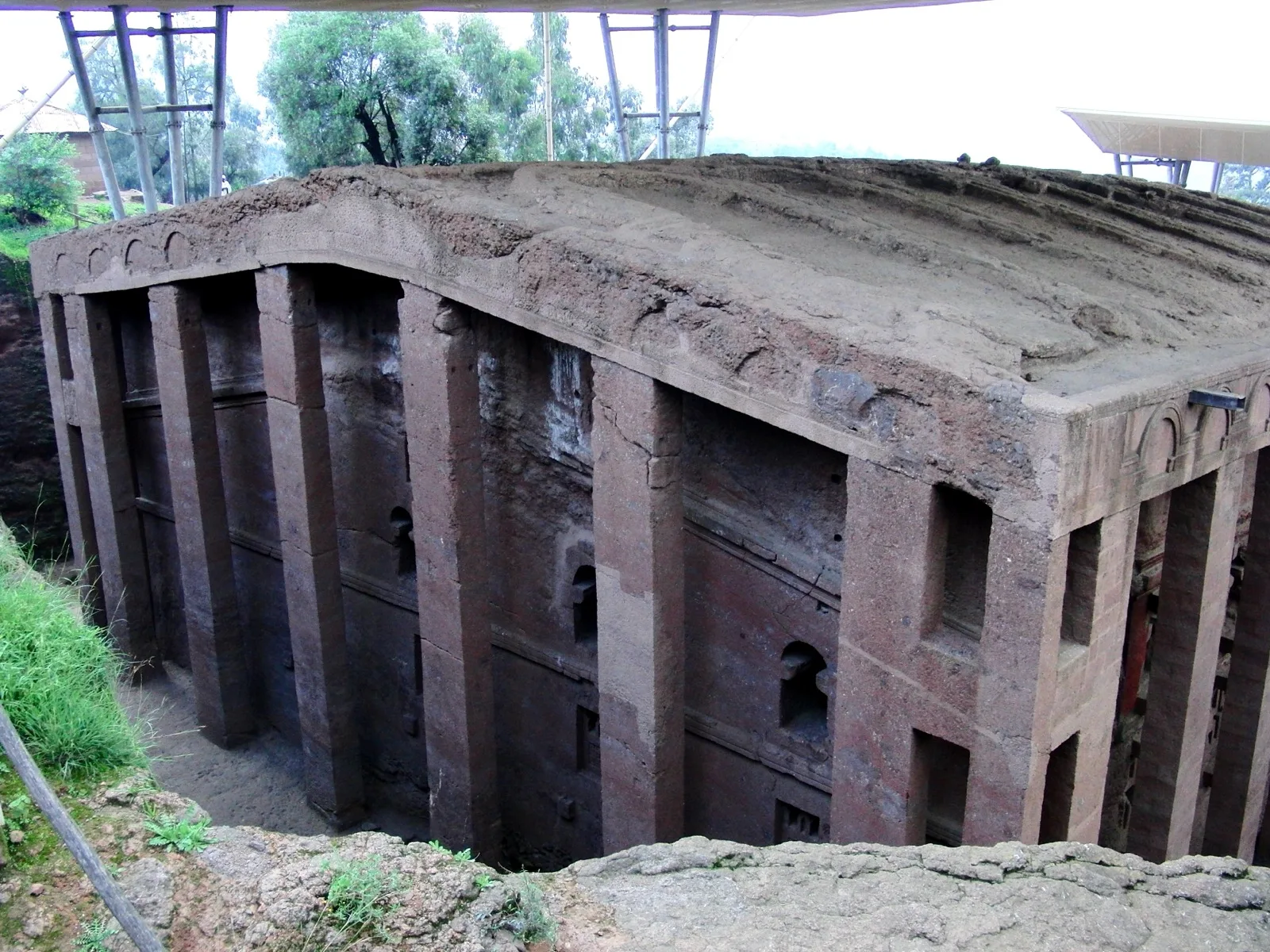
9 days · Historical Christmas programme
Lalibela Christmas and Northern Heritage: Historical Journey
A nine-day historical journey links Addis Ababa, Bahir Dar, Gondar and Axum with Lalibela and Tigray.
Explore5 days · Itinerary
Lalibela Churches and Highland Walking
Five days combine Lalibela's church groups with a Hudad approach, an optional Abuna Yosef outing and Yimrehane Kristos before returning to Addis Ababa.
ExploreOfficial sources
Check these primary sources directly; their current information takes precedence.
Not yet reviewed: no named reviewer or review date has been recorded for this page. The official sources above take precedence.
Related places and journeys
Ethiopia guide
All Trips
Compare Ethiopia journeys by their route, time on foot and regional focus.
ExploreEthiopia guide
Places to Visit in Ethiopia
Choose Ethiopia destinations by the kind of time you want to spend in them.
ExploreEthiopia guide
Where to stay in Lalibela
Compare Lalibela's town and hillside accommodation by church access, highland views, room layout and how a stay fits the pace of your visit.
ExploreEthiopia guide
Community trekking around Lalibela
Explore the purpose of community trekking near Lalibela, including locally run guesthouses, the shape of walking days and questions about hosting and payment.
ExploreEthiopia guide
Hudad Lodge and Lalibela's highlands
Understand the plateau setting historically described for Hudad Lodge and the walking, baggage and overnight questions behind a Lalibela highland stay.
ExploreEthiopia guide
Asheton Maryam above Lalibela
Explore Asheton Maryam's mountain setting above Lalibela and consider the approach, elevation and sacred-site etiquette of a highland monastery visit.
ExploreEthiopia guide
Yemrehana Krestos Church Near Lalibela
Explore Yemrehana Krestos through its cavern setting and layered stone-and-timber construction, with practical questions for a respectful visit from Lalibela.
ExploreEthiopia guide
Na’akuto La’ab Monastery Near Lalibela
Explore Na’akuto La’ab Monastery’s cavern setting near Lalibela, with a considerate approach to religious objects, local interpretation and visiting arrangements.
ExploreShape your journey
Bring your preferred dates, interests and pace together in a planning draft.