
Biete Giyorgis: Lalibela's Church of Saint George
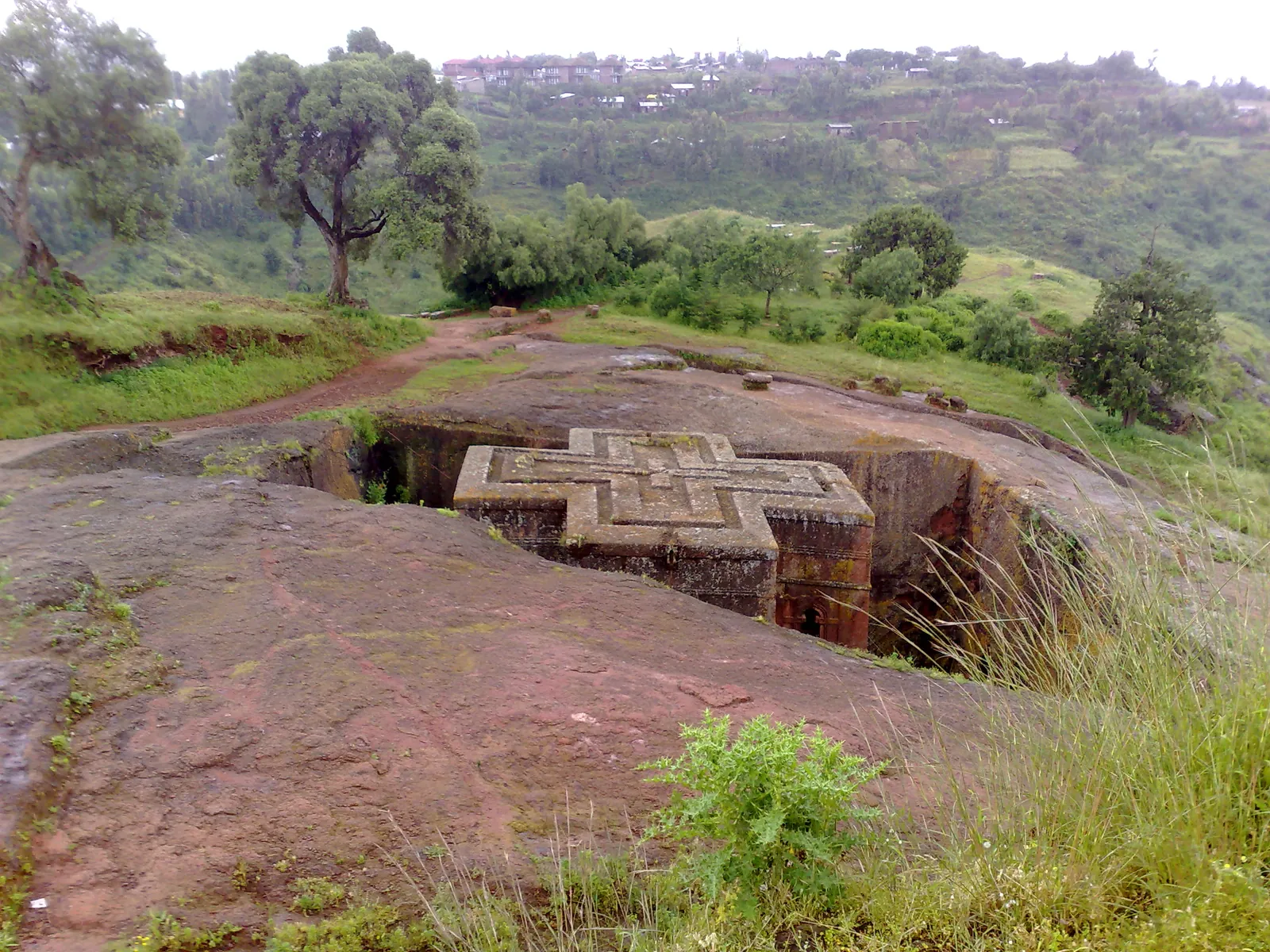
Biete Giyorgis, the Church of Saint George, is recognised for its cross-shaped plan and deep rock-cut setting. It stands apart from Lalibela's principal church groups while belonging to the same connected sacred landscape.
Its place among the eleven churches
UNESCO identifies Biete Giyorgis as separate from the principal church groups but linked by the carved circulation system. That placement makes it distinctive without detaching it from Lalibela's larger religious landscape. Compare its clear external plan with the different forms and interiors of the other churches.
A full visit should leave time for that comparison and for the worship continuing at the site. Access through rock-cut spaces and uneven surfaces may affect individuals differently. Discuss the approach in advance, and follow current instructions rather than assuming that a familiar image guarantees access to every photographic position.
The cross seen from above and the church at ground level
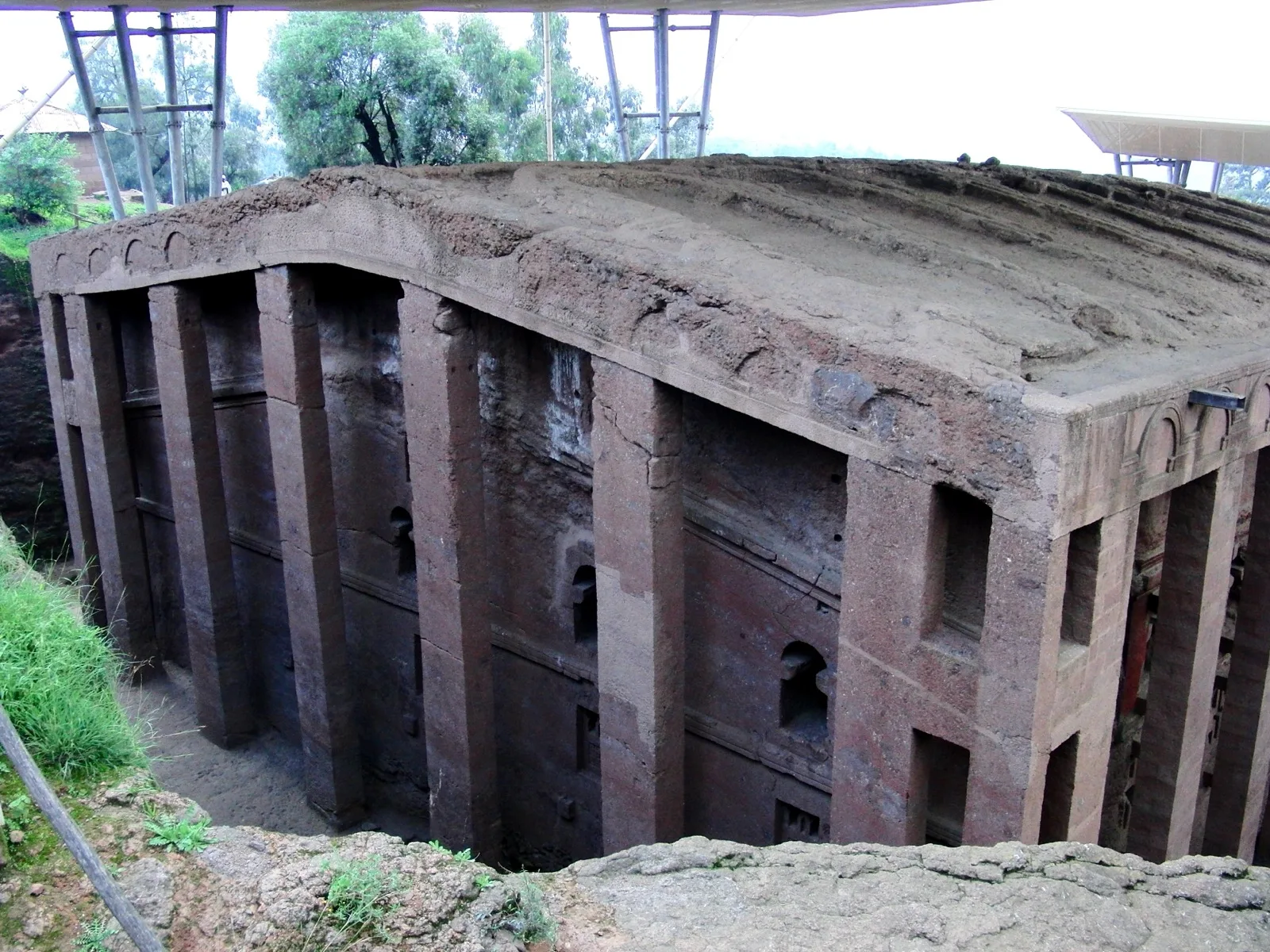
The roof makes the cruciform plan immediately visible. Descending into the surrounding trench changes the scale: the visitor sees doors, windows and the separation between the church and the rock around it. Both perspectives help explain the work of carving.
Allow time for the setting, not just the familiar overhead photograph. The way into the church and the available viewing positions are governed by the site and its custodians.
Stories associated with Saint George
Local traditions describe divine assistance in the church’s creation and connect marks in the surrounding rock with Saint George’s horse. These are stories attached to a sacred place, not independently established evidence for how the building was excavated.
Hearing the traditions alongside an explanation of the rock-cut architecture allows both meanings to remain clear. Continue to another church group to compare the different plans, interiors and relationships with the surrounding rock.
Ethiopia guide
The rock-hewn churches of Lalibela
Understand Lalibela's eleven rock-hewn churches, their main groups and carved passages, with context for architecture, pilgrimage and respectful visits.
ExploreEthiopia guide
Lalibela: churches, highlands and pilgrimage
Explore Lalibela's eleven rock-hewn churches, living worship and surrounding highlands, and build a visit with time for both architecture and context.
ExploreObserve the space around the church
The view from above explains the cruciform form, while the carved surroundings reveal how the building relates to the rock. Give attention to that spatial arrangement rather than judging the visit by one familiar photograph.
Connect it with the wider site
A visit gains meaning from the other churches and Lalibela's role in pilgrimage. Follow current instructions on access and photography, allowing worship and local custodians to shape how the space is experienced.
Journeys to explore alongside this guide
Use these related route ideas to compare the places, interests and time involved. Open each outline for its route context and any details still requiring review.
9 days · Historical Christmas programme
Lalibela Christmas and Northern Heritage: Historical Journey
A nine-day historical journey links Addis Ababa, Bahir Dar, Gondar and Axum with Lalibela and Tigray.
Explore5 days · Itinerary
Lalibela Churches and Highland Walking
Five days combine Lalibela's church groups with a Hudad approach, an optional Abuna Yosef outing and Yimrehane Kristos before returning to Addis Ababa.
Explore
12 days · Itinerary
Northern Heritage with Lodge-Based Stays
Twelve days follow Bahir Dar, Lalibela, Gondar, the Simien Mountains, Axum and Hawzien.
Explore
12 days · Itinerary
Northern Heritage and Simien Camping Circuit
Twelve days connect Bahir Dar, Lalibela and Gondar with four Simien walking stages, then continue through Axum and Gheralta before returning to Addis Ababa.
Explore
Route study
Historic North Circuit and Community Trekking
Explore a northern Ethiopia route concept combining Bahir Dar, Gondar, the Simien Mountains, Axum, Tigray community walking and Lalibela. The walking connection requires confirmation.
Explore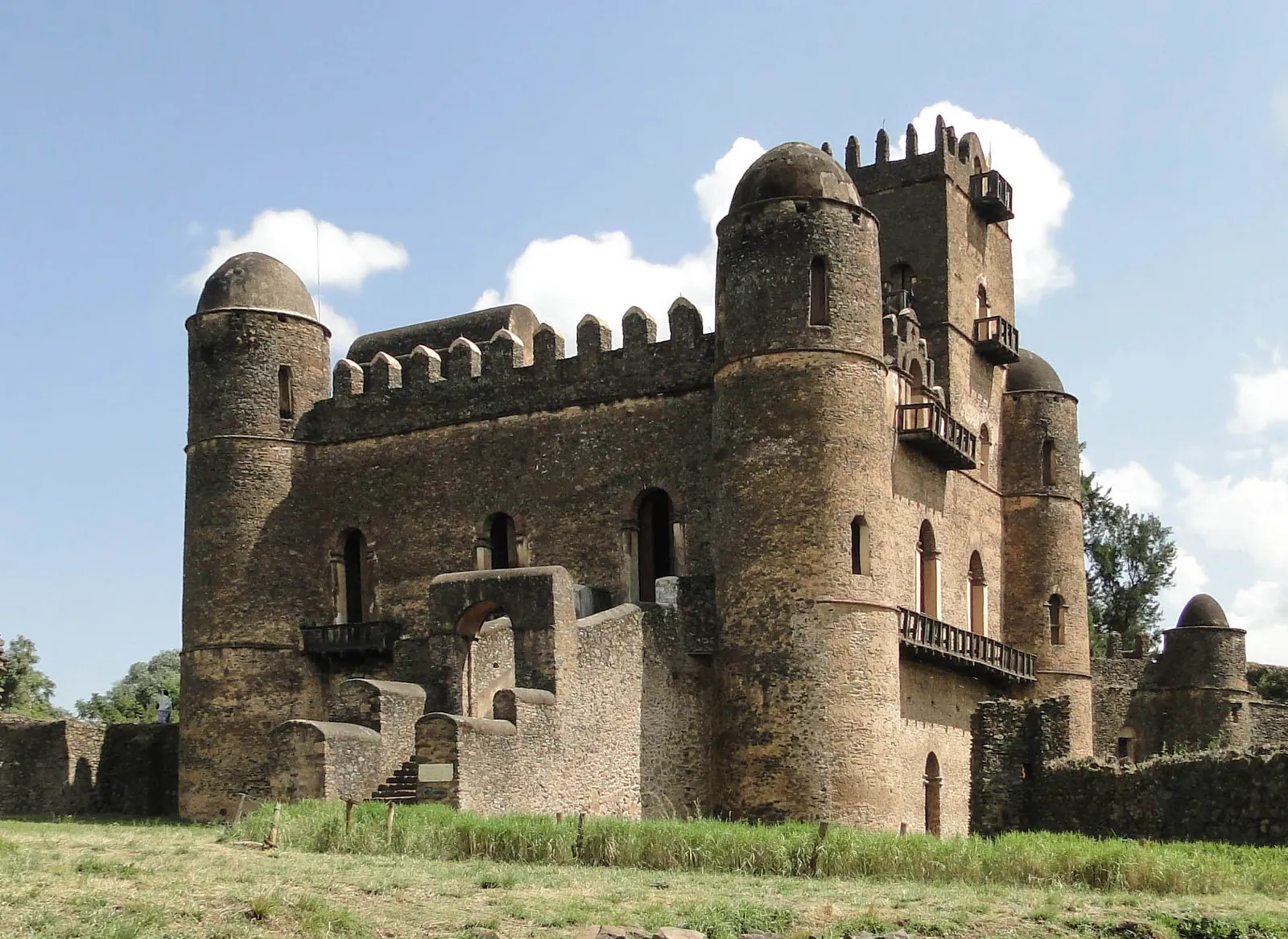
9 days · Itinerary
Nine Days through Ethiopia's Historic Towns
A nine-day heritage journey links Bahir Dar, Gondar, Lalibela and Axum with the old walled city of Harar in the east.
Explore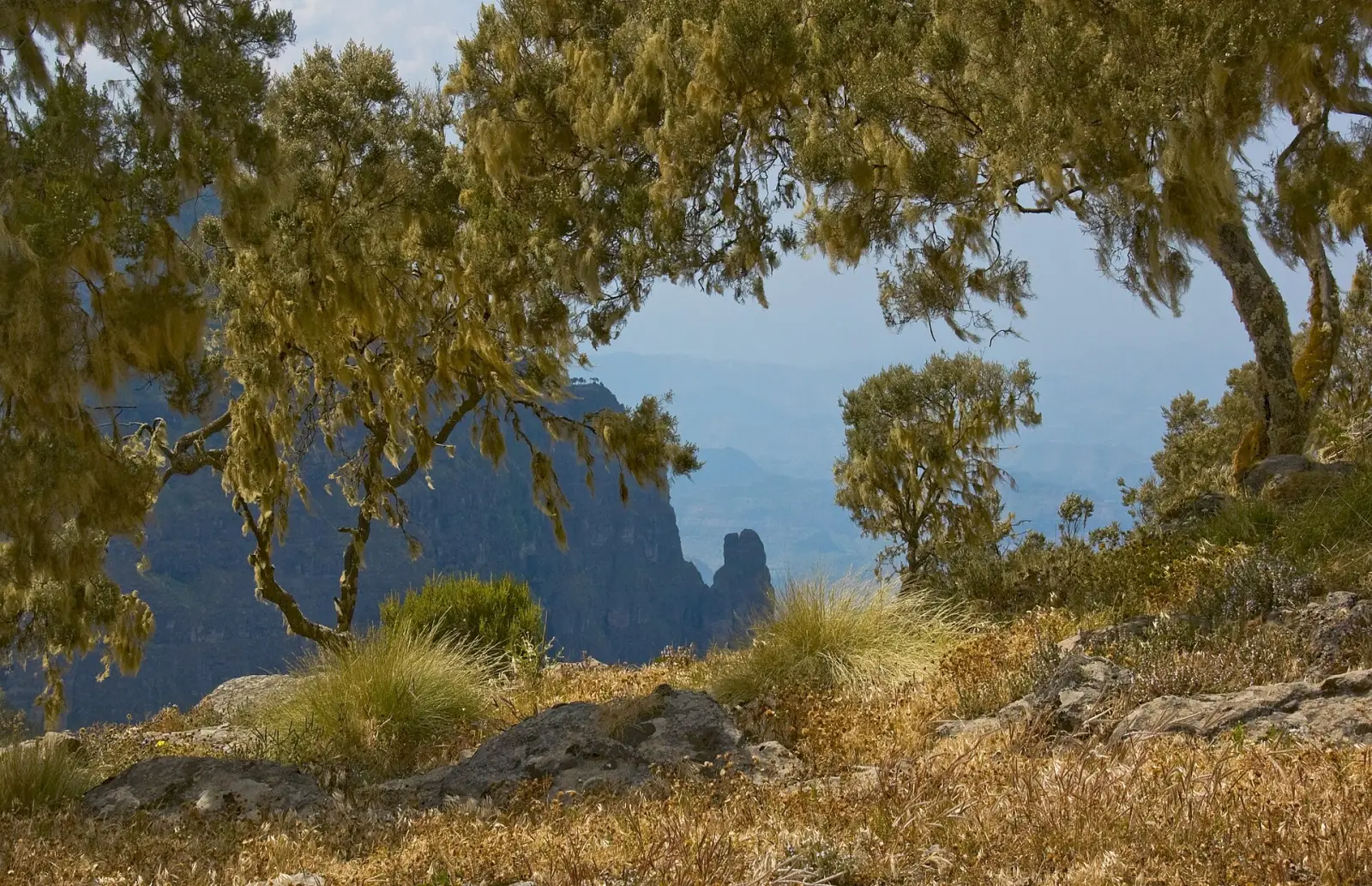
Route study
Simien Mountains and Northern History
Combine the interests of Lalibela, Gondar and the Simien Mountains in a northern Ethiopia route study, with the final connection still to confirm.
Explore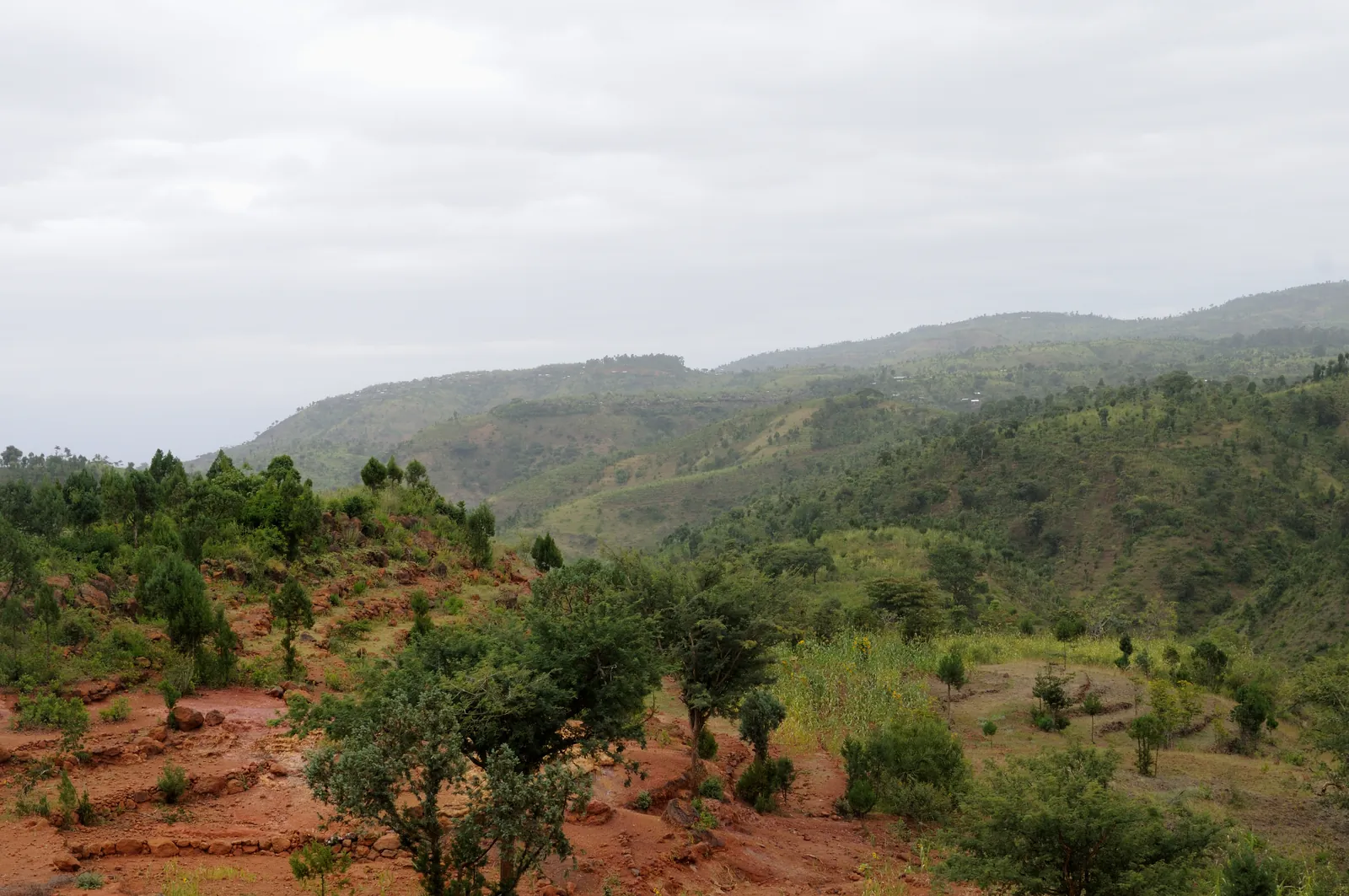
20 days · Itinerary
Twenty-Day Northern and Southern Ethiopia Survey
Twenty days join northern heritage cities and the Simien Mountains with Omo communities, Bale and the Rift lakes in one country-wide journey.
Explore
6 days · Itinerary
Six-Day Northern Heritage Sampler
Six days connect Lake Tana and Gondar with Axum and two Lalibela church days, returning to Addis Ababa. The focus stays on heritage sites rather than trekking.
Explore
Archived Christmas programme
Historic North and Christmas in Lalibela
Explore an archived Christmas-themed northern Ethiopia route concept with Lalibela at its centre. Its January dates are historical, not a current departure.
Explore
Route study
Community Trekking in Ethiopia: Route Study
Compare community walking around Wollo and Tigray with Lalibela, Gondar, the Simiens and Axum, and review the unresolved stages of this route concept.
Explore
21 days · Itinerary
Twenty-One-Day Northern Ethiopia Odyssey
This extended northern route combines Lake Tana, the Simien trail, Axum, Tigray community walking and Lalibela's highlands, giving each section more space than a short circuit.
Explore
16 days · Archived Timket programme
Archived Timket on the Wollo and Tigray Plateaus
Sixteen historical days join Wollo community trails and a Timket occasion with Lalibela, Gondar, the Simiens, Axum and Tigray.
Explore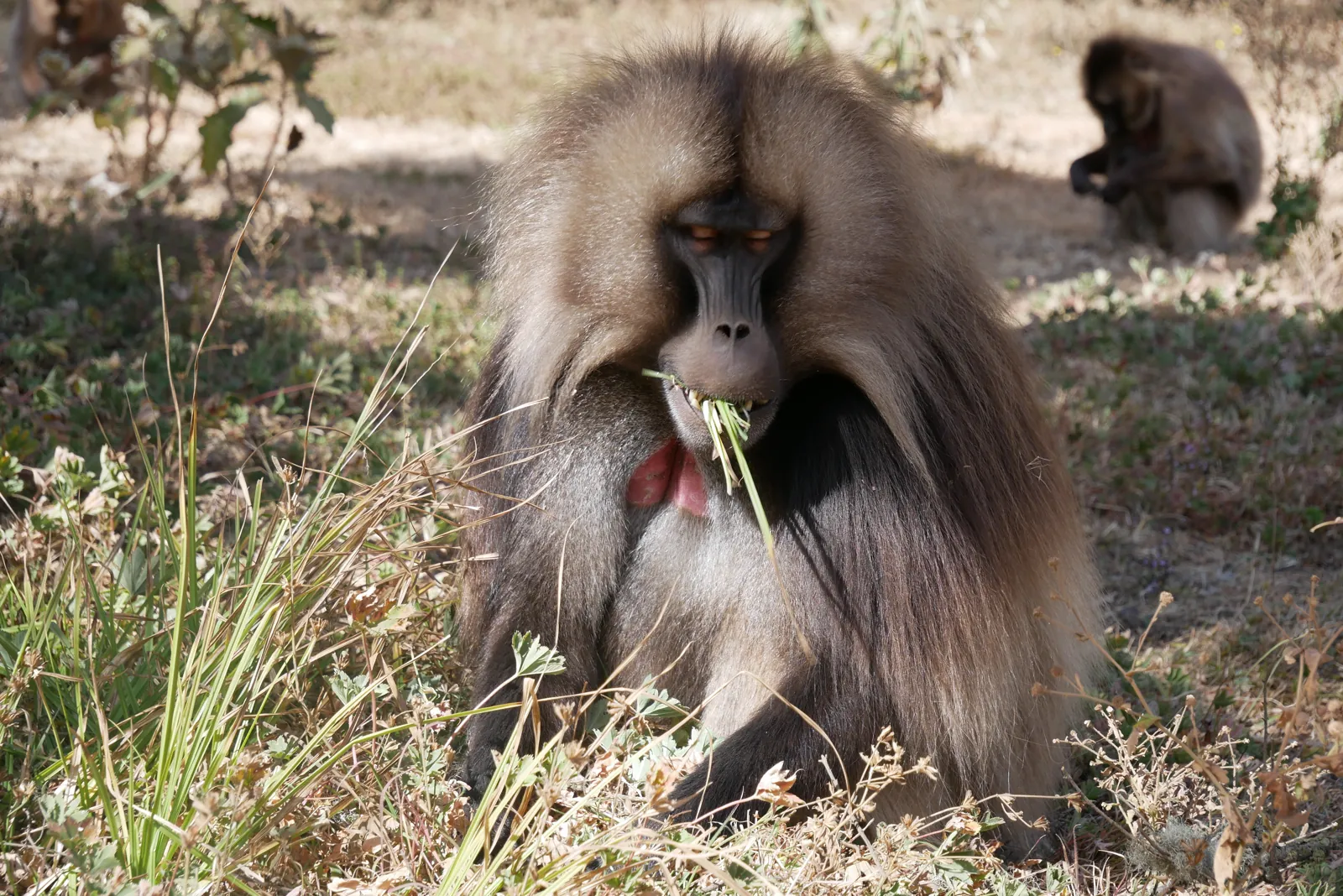
5 days · Itinerary
Gondar and the Western Simien Ridges
Five days place Gondar before a Simien walking sequence through Imet Gogo and Bwahit, with a final return to Addis Ababa via Gondar.
Explore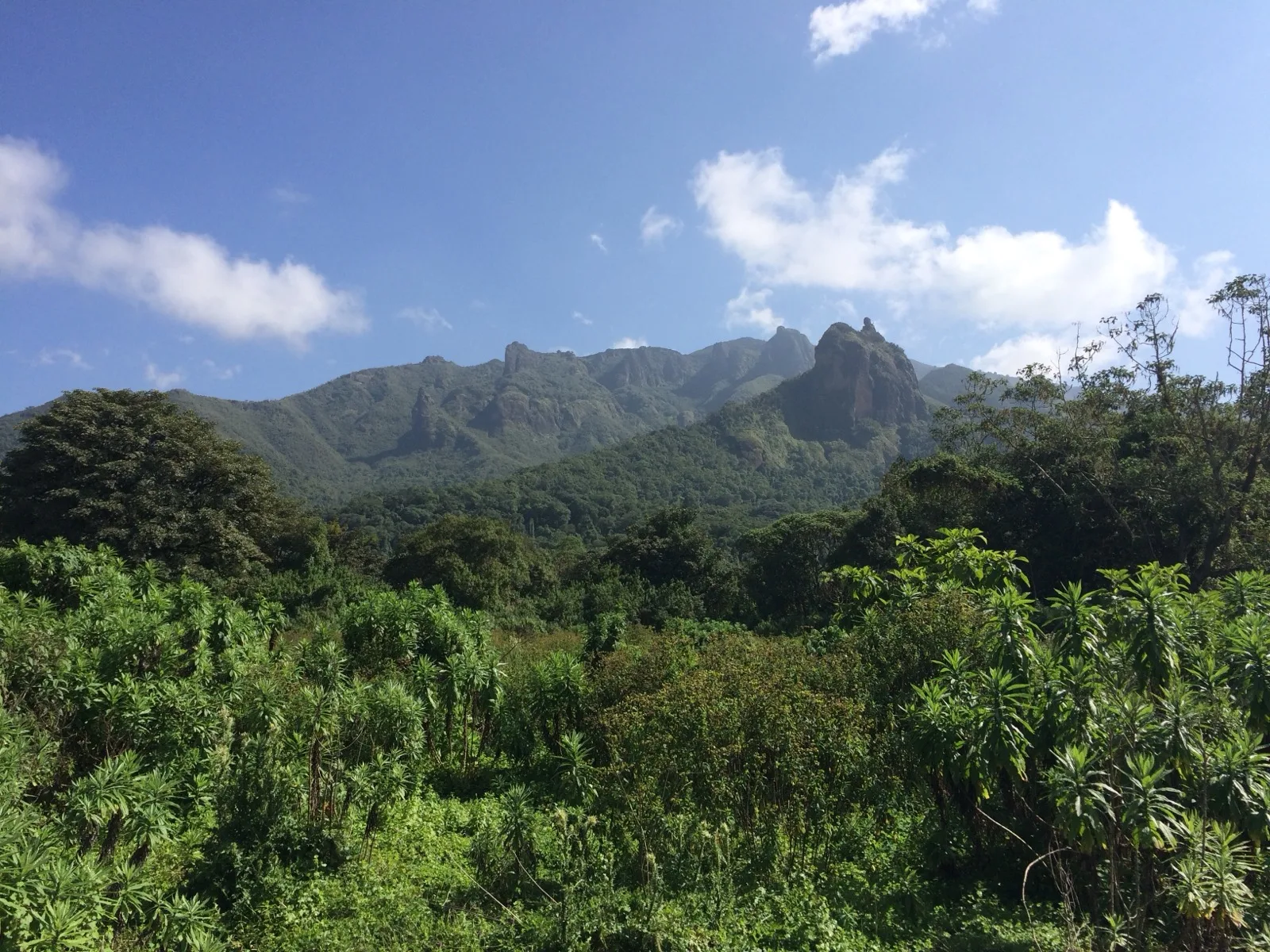
Route study
Trekking and Camping in the Bale Mountains
Explore a Bale Mountains camping and trekking concept across plateau and forest environments, with its overall length still to confirm.
ExploreOfficial sources
Check these primary sources directly; their current information takes precedence.
Not yet reviewed: no named reviewer or review date has been recorded for this page. The official sources above take precedence.
Related places and journeys
Ethiopia guide
All Trips
Compare Ethiopia journeys by their route, time on foot and regional focus.
ExploreEthiopia guide
Places to Visit in Ethiopia
Choose Ethiopia destinations by the kind of time you want to spend in them.
ExploreEthiopia guide
Community trekking around Lalibela
Explore the purpose of community trekking near Lalibela, including locally run guesthouses, the shape of walking days and questions about hosting and payment.
ExploreEthiopia guide
Where to stay in Lalibela
Compare Lalibela's town and hillside accommodation by church access, highland views, room layout and how a stay fits the pace of your visit.
ExploreEthiopia guide
When to Visit Lalibela
Plan Lalibela around church visits, highland weather and religious occasions, with time for the town’s daily rhythm and confirmed local arrangements.
ExploreEthiopia guide
Asheton Maryam above Lalibela
Explore Asheton Maryam's mountain setting above Lalibela and consider the approach, elevation and sacred-site etiquette of a highland monastery visit.
ExploreEthiopia guide
Yemrehana Krestos Church Near Lalibela
Explore Yemrehana Krestos through its cavern setting and layered stone-and-timber construction, with practical questions for a respectful visit from Lalibela.
ExploreEthiopia guide
Na’akuto La’ab Monastery Near Lalibela
Explore Na’akuto La’ab Monastery’s cavern setting near Lalibela, with a considerate approach to religious objects, local interpretation and visiting arrangements.
ExploreEthiopia guide
About Us
Learn about Ethio Simien Eco Tours' approach to Ethiopia travel planning, nature, heritage and respectful local experiences.
ExploreEthiopia guide
Responsible travel: questions that matter
Assess a journey through consent, local payment, wildlife conduct, environmental practice and honest expectations, using concrete questions before you book.
ExploreShape your journey
Bring your preferred dates, interests and pace together in a planning draft.