
Responsible travel: questions that matter
Responsible travel is expressed in decisions made before and during a journey. A useful approach asks who benefits, who chooses to take part and what effects a visit has, rather than relying on an appealing label.
Staff, tipping and environmental trade-offs
Tipping is different from the wages and working conditions of the people providing a service. Clarify which staff are involved, what is covered by the quoted price and whether a gratuity is optional. A transparent explanation should avoid making visitors responsible for guessing what essential payment has been left out.
Flying and long road journeys have environmental effects, while lodges and camps use water, energy and materials. Fewer unnecessary transfers, longer stays and specific questions about waste are practical choices, not proof that a journey has no footprint. Conservation and sustainability claims should name the practice or project and the evidence behind it.
Make the money trail understandable
Ask who supplies the guiding, transport, food and accommodation, and which parts of the price reach locally run businesses or community hosts. A community label is more useful when it comes with a clear explanation of management and payment.
Tipping should be discussed separately from wages and contracted services. Ask how gratuities are shared and whether support staff are included, without assuming a tip is the mechanism that makes pay fair. A current proposal should make compulsory charges clear before the journey.
Flying, resources and the length of a stay
A longer stay in fewer places can reduce repeated transfers and give more value to each visit. Compare that choice with a route that adds flights or long drives simply to increase the number of named destinations.
At a lodge or camp, ask about water, waste and energy practices that can be described concretely. Buy goods you want from willing sellers, seek permission for photographs and respect decisions to decline a visit. These everyday choices are more useful than a broad promise that travel is automatically beneficial.
Ask where the money and decisions go
Identify the people providing guiding, transport and hospitality, and ask how services are paid. Local participation should involve a real choice about hosting and conditions, not simply being present in a destination visited by tourists.
Make respect practical
Agree photographs before taking them, observe religious restrictions and keep distance from wildlife. Reduce disposable waste and ask what happens to the waste and water generated by your stay, especially in remote environments.
Recognise the trade-offs
Travel has environmental and social costs alongside potential benefits. Choose a considered route, spend enough time in each place and ask for evidence behind claims of conservation or community support rather than treating a trip as automatically beneficial.
Journeys to explore alongside this guide
Use these related route ideas to compare the places, interests and time involved. Open each outline for its route context and any details still requiring review.
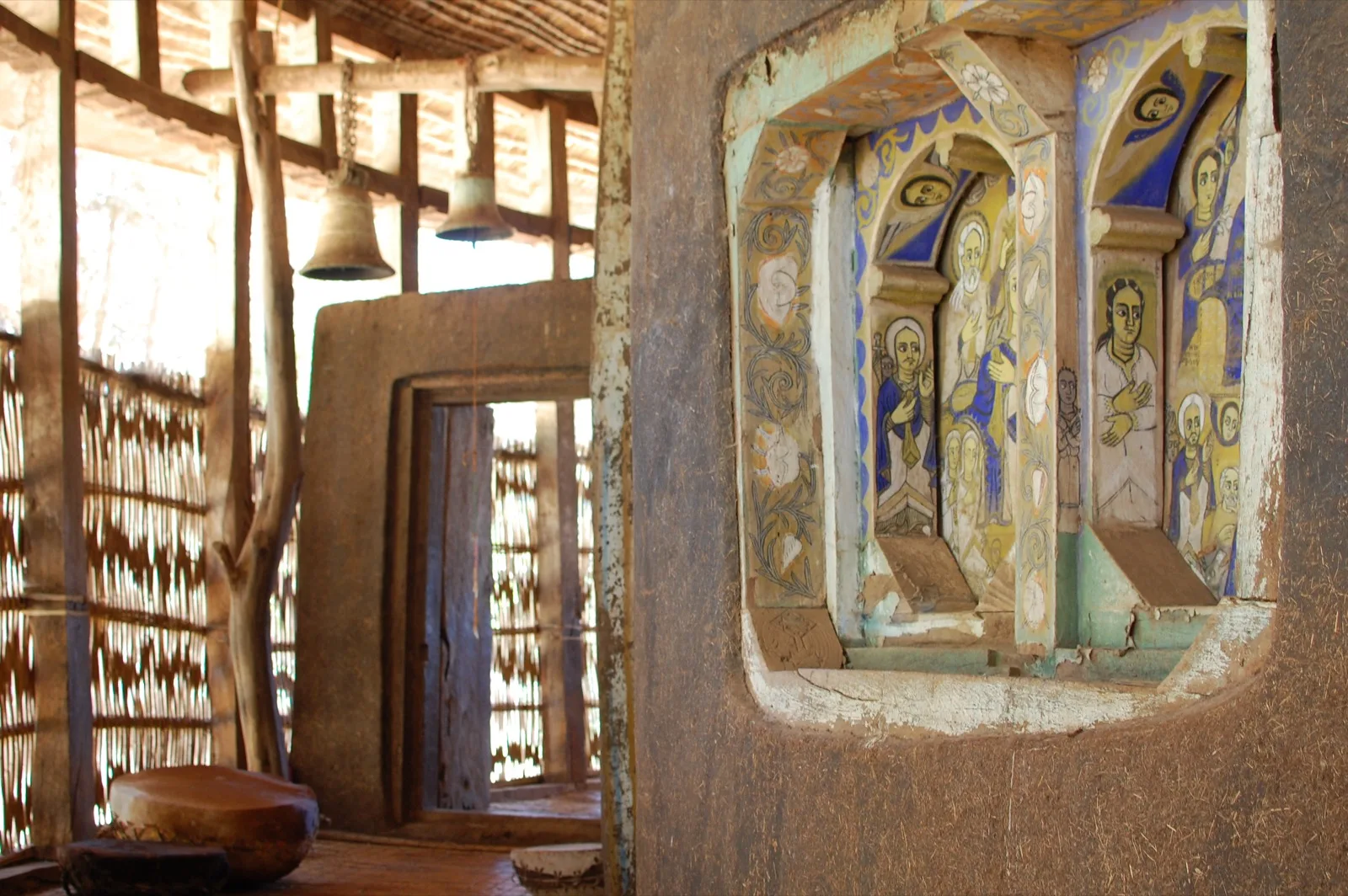
12 days · Itinerary
Northern Heritage with Lodge-Based Stays
Twelve days follow Bahir Dar, Lalibela, Gondar, the Simien Mountains, Axum and Hawzien.
Explore
12 days · Itinerary
Northern Heritage and Simien Camping Circuit
Twelve days connect Bahir Dar, Lalibela and Gondar with four Simien walking stages, then continue through Axum and Gheralta before returning to Addis Ababa.
Explore
6 days · Itinerary
Six-Day Northern Heritage Sampler
Six days connect Lake Tana and Gondar with Axum and two Lalibela church days, returning to Addis Ababa. The focus stays on heritage sites rather than trekking.
Explore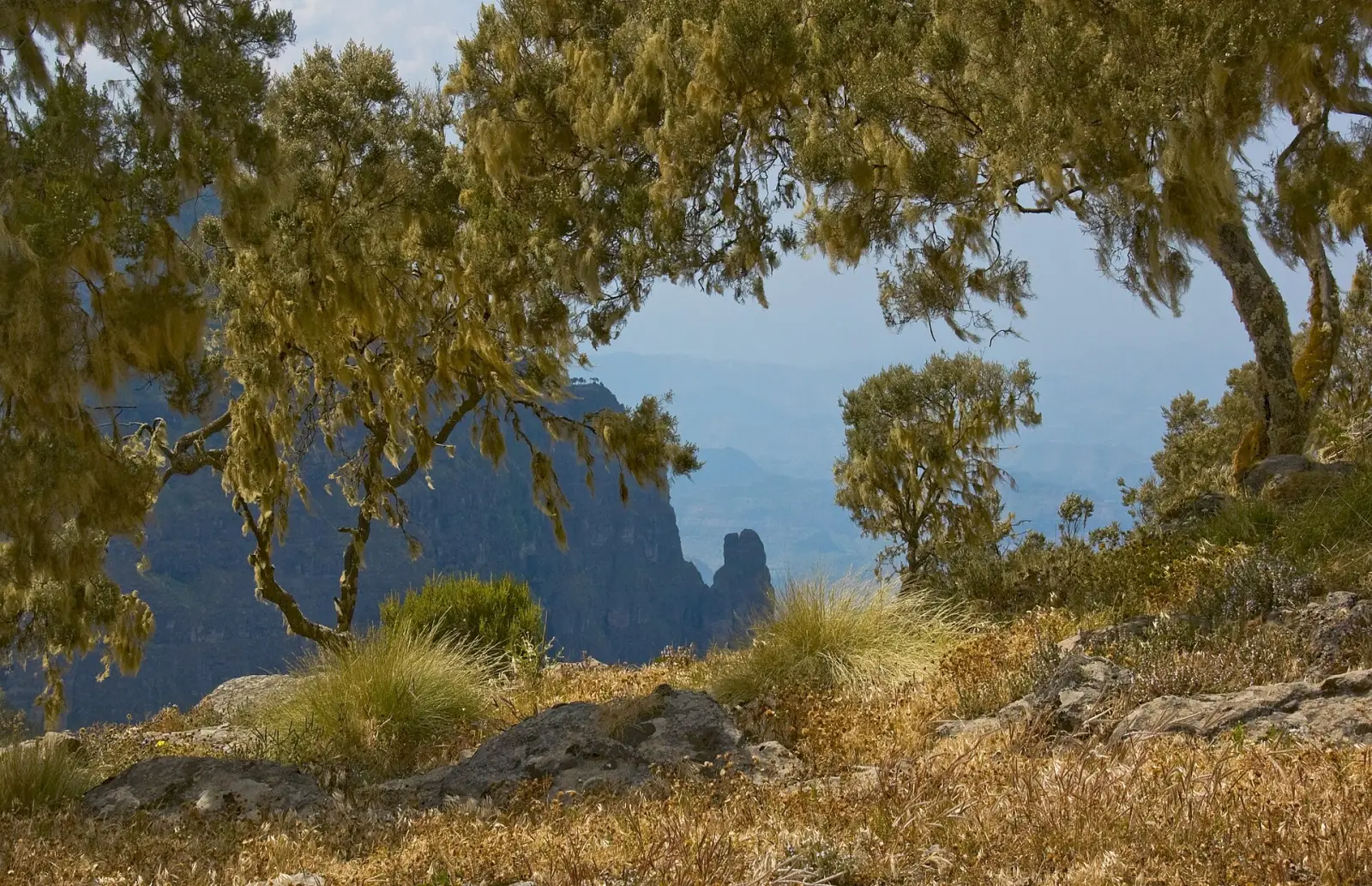
Route study
Simien Mountains and Northern History
Combine the interests of Lalibela, Gondar and the Simien Mountains in a northern Ethiopia route study, with the final connection still to confirm.
Explore
13 days · Itinerary
Southern Cultures, Rift Lakes and Bale
Thirteen days connect Jinka and Turmi with Arba Minch, Hawassa, Bale and Langano.
Explore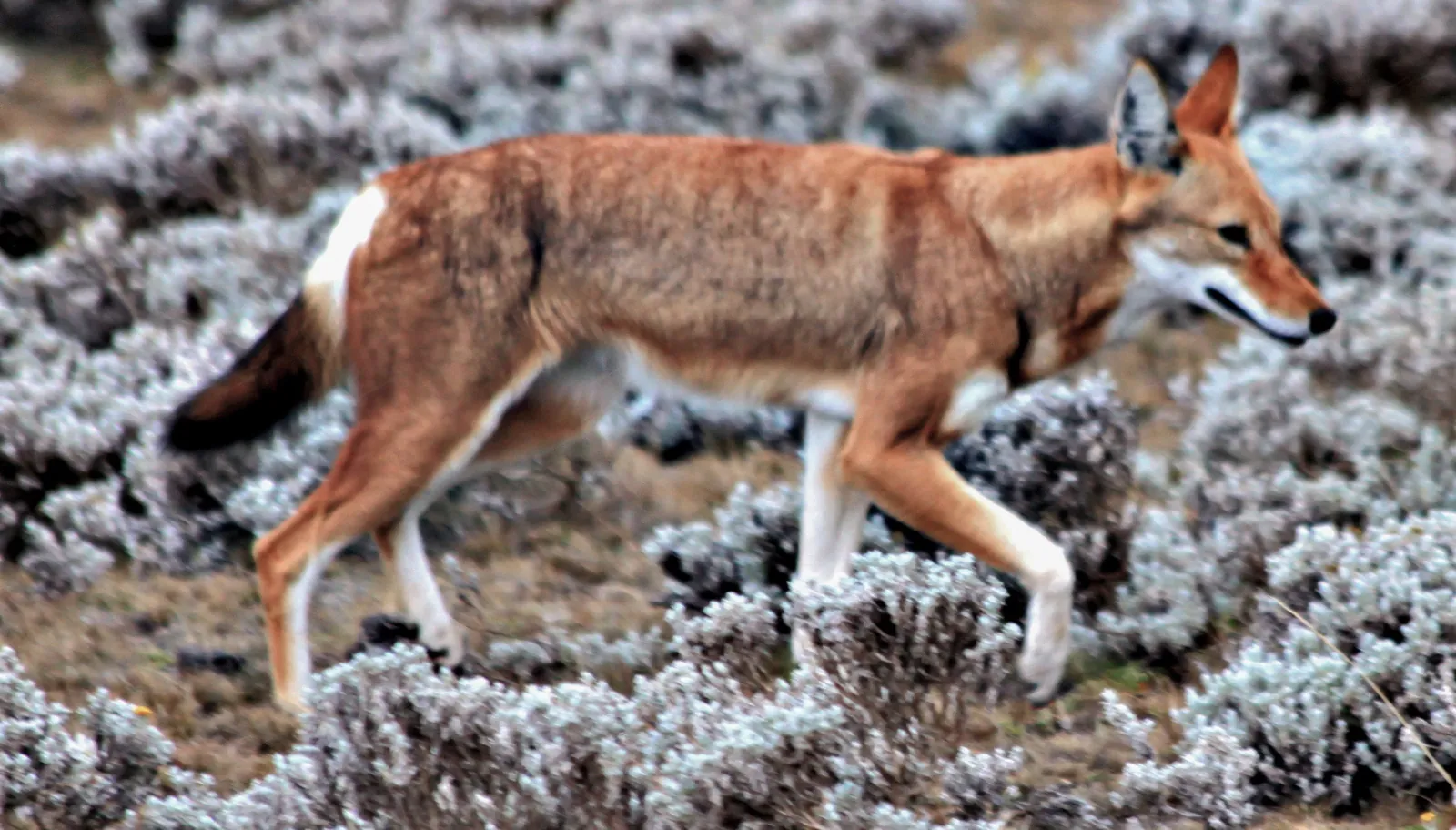
11 days · Itinerary
Southern Ethiopia by River and Highland
Eleven days link Gambella, the Omo River and Bale in a charter-based concept.
Explore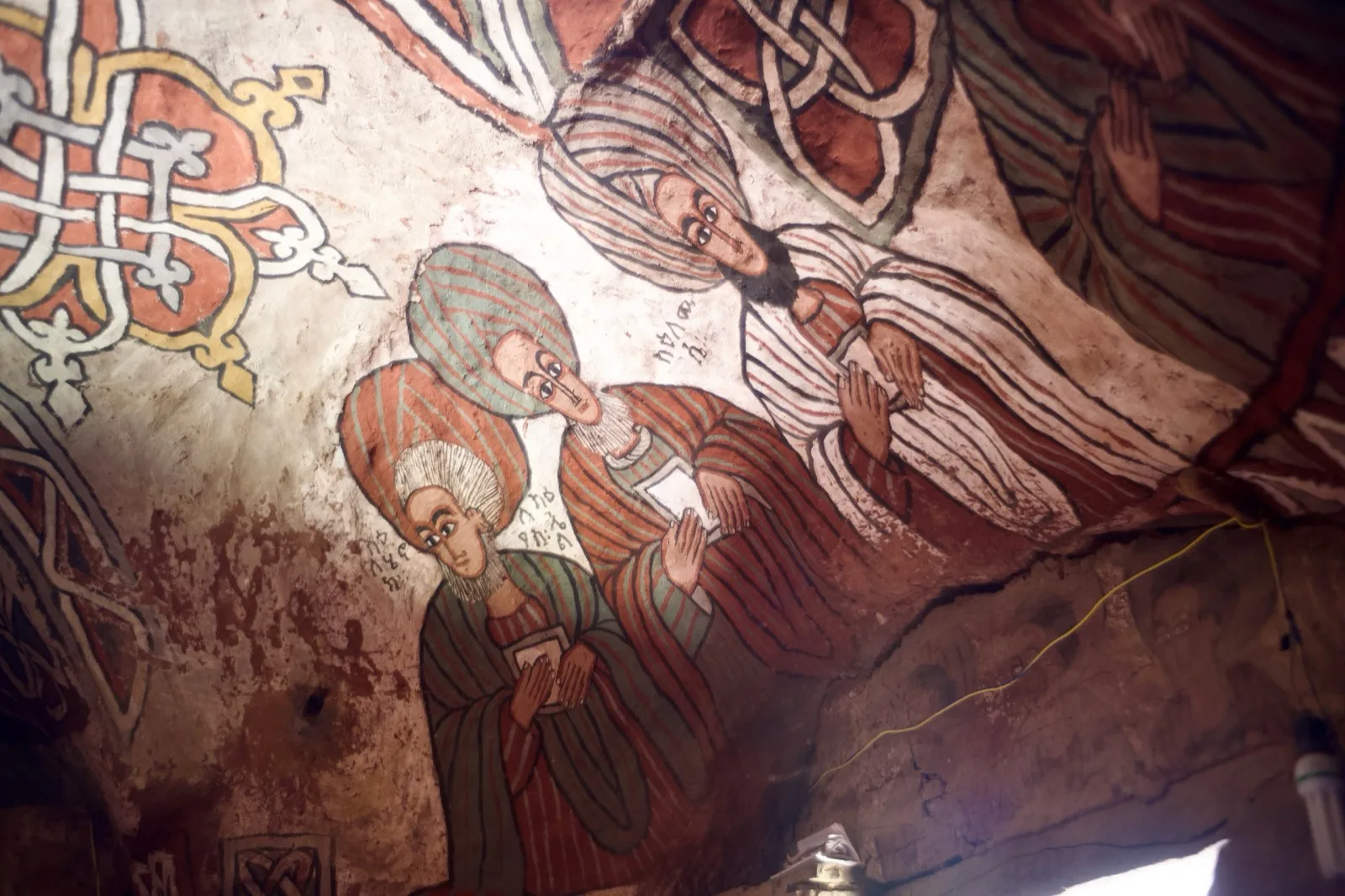
Route study
Historic North Circuit and Community Trekking
Explore a northern Ethiopia route concept combining Bahir Dar, Gondar, the Simien Mountains, Axum, Tigray community walking and Lalibela. The walking connection requires confirmation.
Explore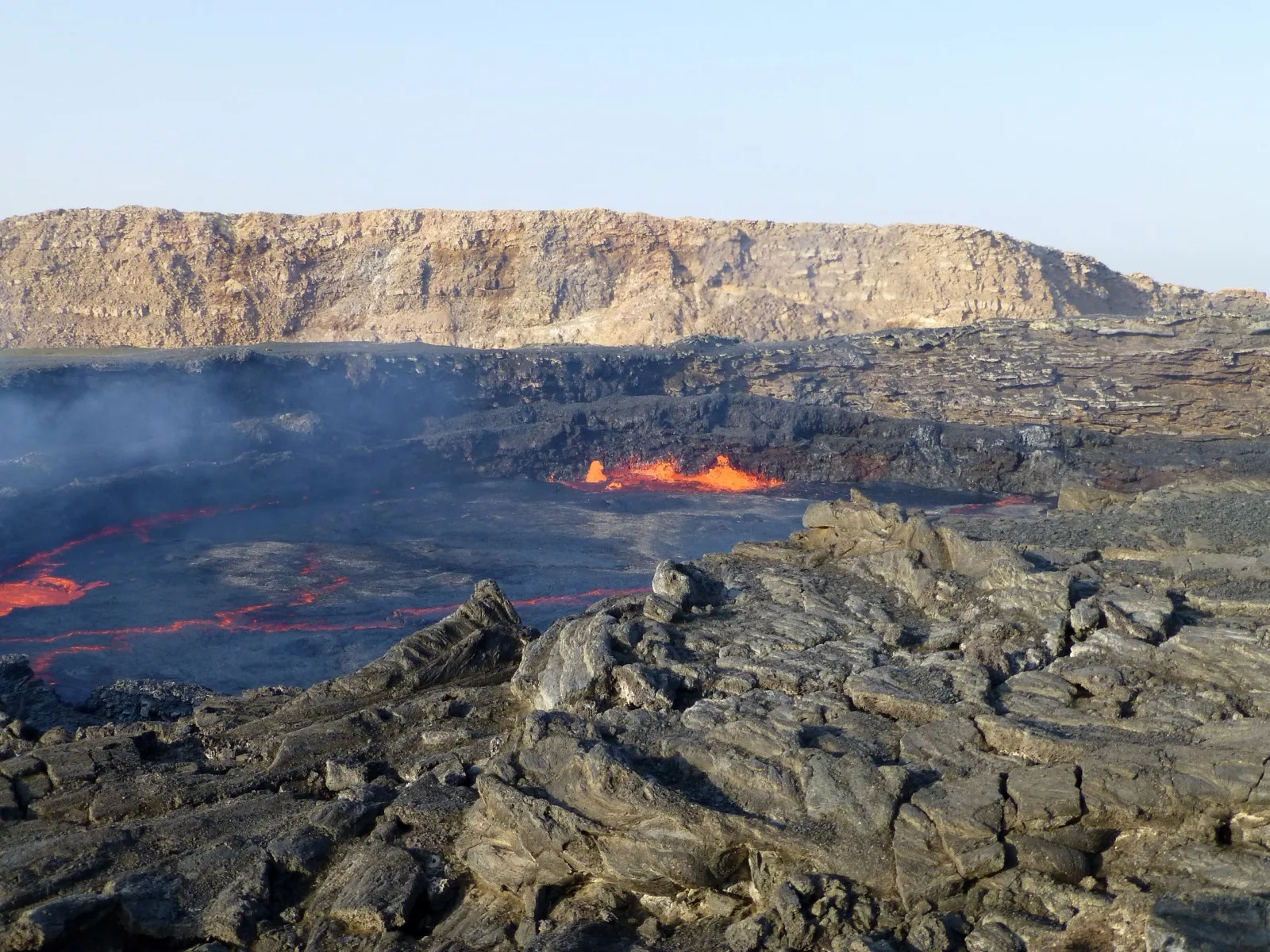
3 days · Itinerary
Three-Day Danakil Volcanic Traverse
Three days link Mekele with Erta Ale via Aksoma, then Hamed Ela, Dallol and Lake Afrera before the return to Mekele.
Explore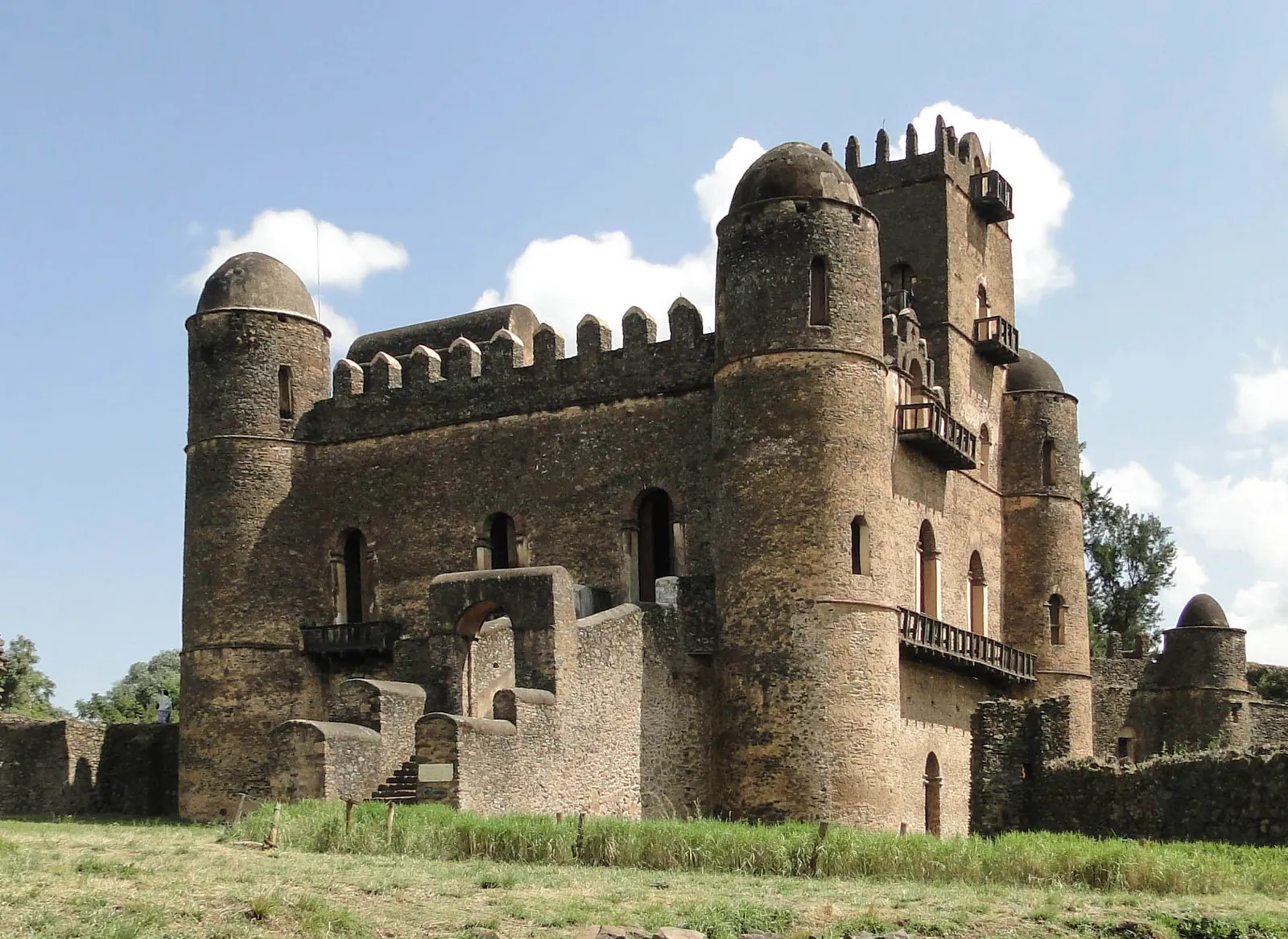
9 days · Itinerary
Nine Days through Ethiopia's Historic Towns
A nine-day heritage journey links Bahir Dar, Gondar, Lalibela and Axum with the old walled city of Harar in the east.
Explore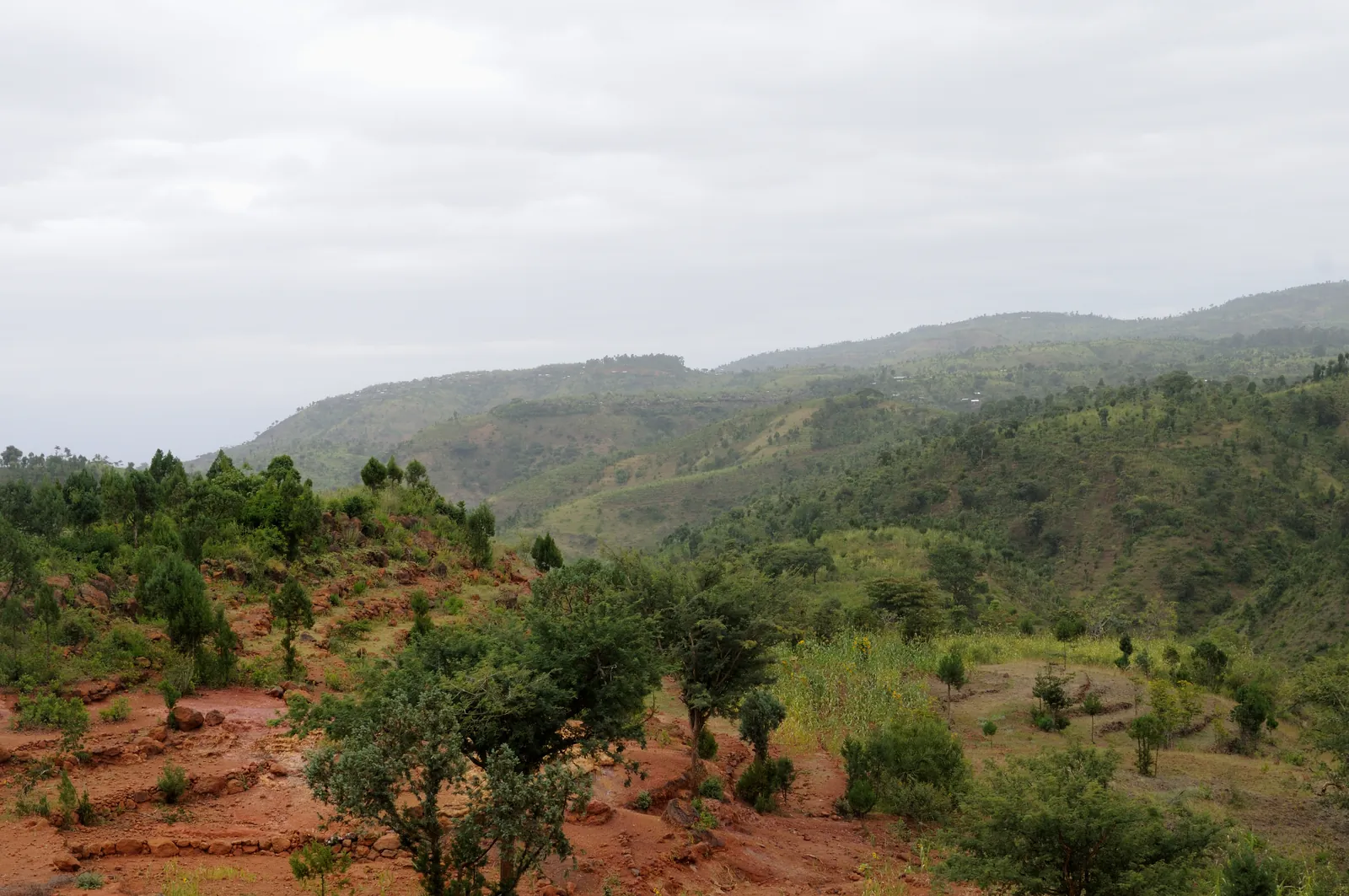
20 days · Itinerary
Twenty-Day Northern and Southern Ethiopia Survey
Twenty days join northern heritage cities and the Simien Mountains with Omo communities, Bale and the Rift lakes in one country-wide journey.
Explore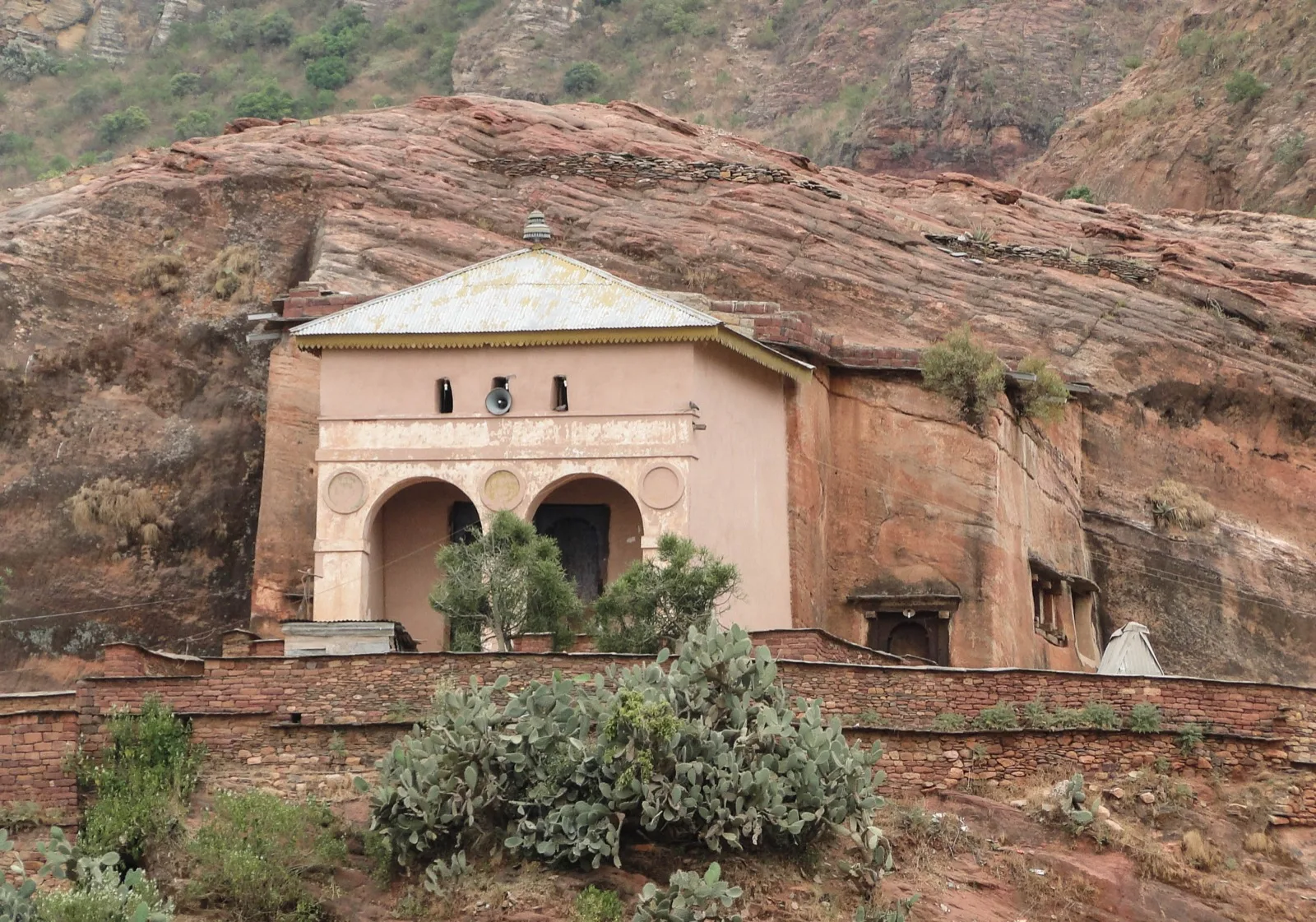
11 days · Itinerary
Tigray Community Trails and the Danakil
Eleven days connect Axum with a chain of Tigray community-trail locations before the route enters the Danakil for Erta Ale, Dallol and the salt lakes.
Explore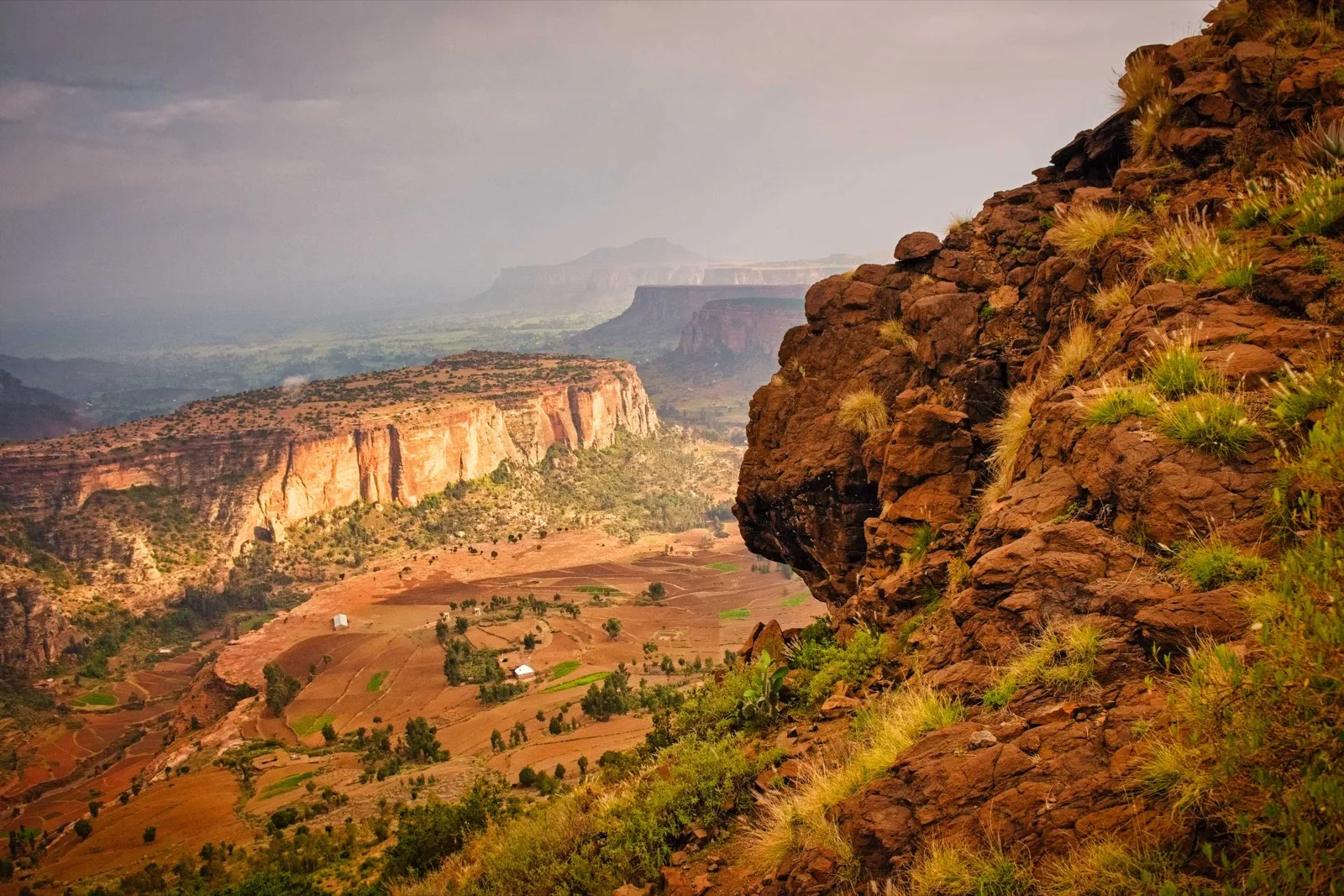
Route study
Community Trekking in Ethiopia: Route Study
Compare community walking around Wollo and Tigray with Lalibela, Gondar, the Simiens and Axum, and review the unresolved stages of this route concept.
Explore
Route study
Peaks and Plateaus of Ethiopia
Compare Wollo and Tigray community walks, Lalibela, Gondar, the Simien Mountains and Axum in an Ethiopia route outline of twelve to thirteen days.
Explore
16 days · Archived Timket programme
Archived Timket on the Wollo and Tigray Plateaus
Sixteen historical days join Wollo community trails and a Timket occasion with Lalibela, Gondar, the Simiens, Axum and Tigray.
Explore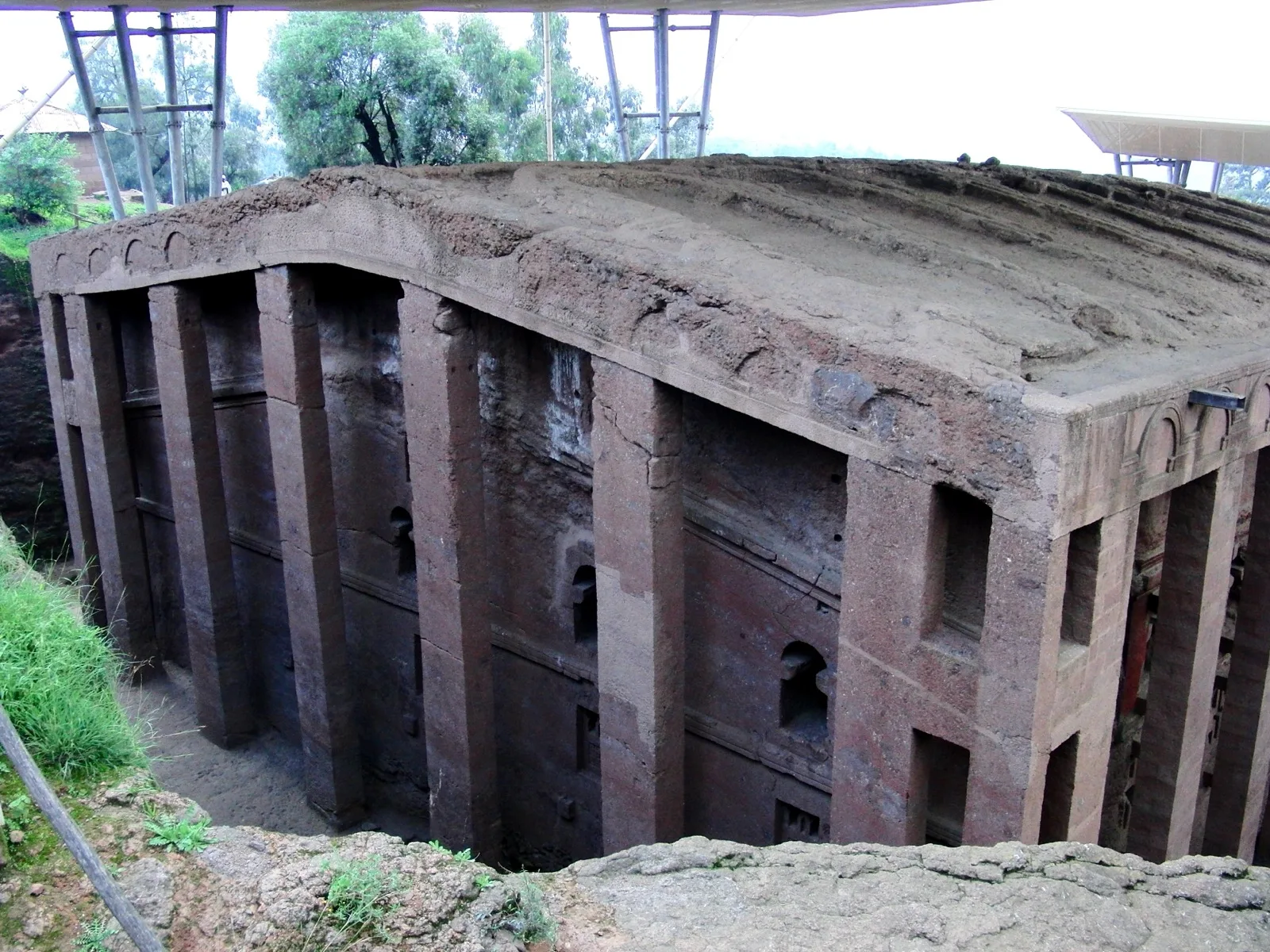
9 days · Historical Christmas programme
Lalibela Christmas and Northern Heritage: Historical Journey
A nine-day historical journey links Addis Ababa, Bahir Dar, Gondar and Axum with Lalibela and Tigray.
Explore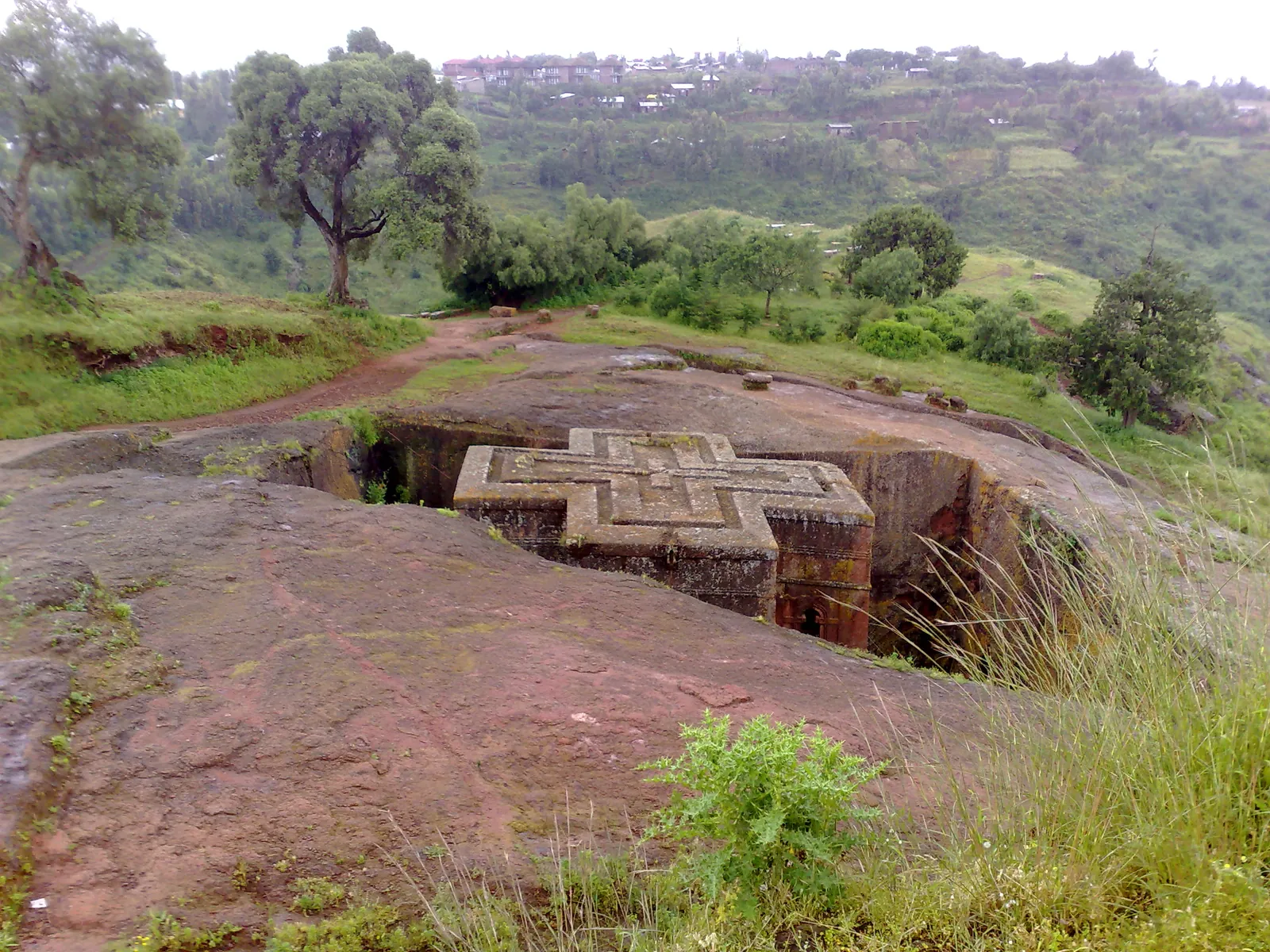
5 days · Itinerary
Lalibela Churches and Highland Walking
Five days combine Lalibela's church groups with a Hudad approach, an optional Abuna Yosef outing and Yimrehane Kristos before returning to Addis Ababa.
ExploreRelated places and journeys
Shape your journey
Bring your preferred dates, interests and pace together in a planning draft.