
Axum: archaeology and living heritage
Axum, also written Aksum, was a centre of an influential ancient kingdom. Its monumental stelae and archaeological remains sit within a city whose religious significance continues far beyond the period represented by the ruins.
Sacred Axum and the modern town
The religious surroundings associated with Saint Mary of Zion introduce another layer of the city. Axum's importance continued after the ancient kingdom's political power declined, and sacred traditions remain part of how the place is understood. The Ark tradition belongs in that context, alongside the visible monuments, rather than being advertised as an object visitors will see.
Town accommodation and the order of site visits should leave room for both archaeological explanation and religious etiquette. An archaeological circuit, a church visit and a walk through the modern town are related experiences, but they require different expectations about access and photography.
Follow the archaeology beyond the stelae
The archaeological museum, King Ezana’s inscription, the tombs associated with Kaleb and Gebre Meskel, and the ruined palace at Dungur offer different kinds of evidence. The inscription is especially useful for understanding the kingdom’s connections through its use of Sabaean, Ge’ez and Greek.
May Shum, often called the Queen of Sheba’s Bath, belongs to the city’s wider historical landscape. Familiar traditional names should be distinguished from what archaeology establishes about a structure. Ask an interpreter to explain the evidence, the dating and the later story separately.
Ethiopia guide
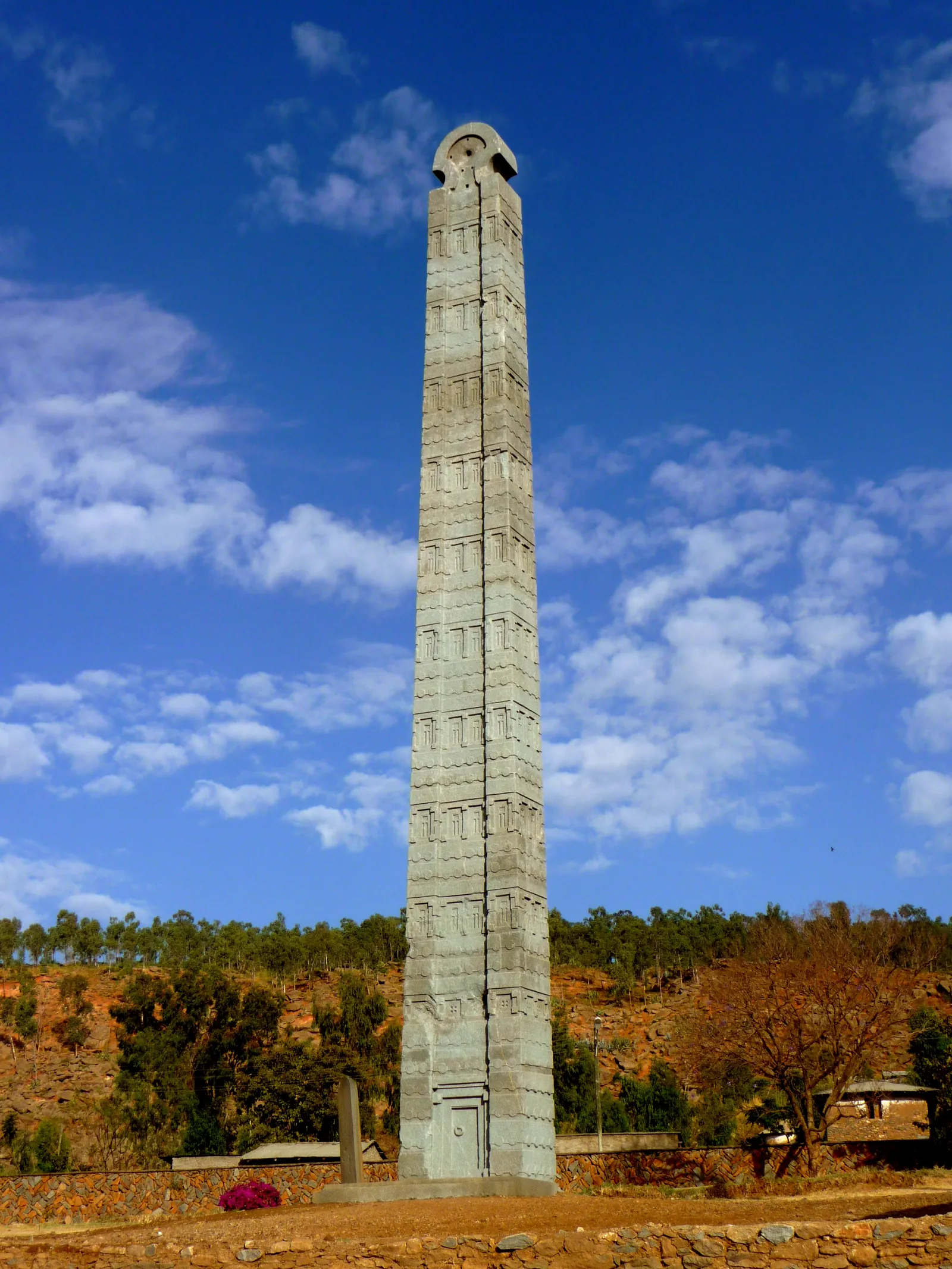
The Stelae and Obelisk of Axum
Explore Axum’s monumental stelae, their place in Aksumite heritage and the history of the returned obelisk, with time for interpretation beyond a landmark photo.
ExploreEthiopia guide
The Ark of the Covenant tradition in Axum
Understand the Ark of the Covenant's place in Axum's religious tradition, separating belief and heritage from claims of publicly verifiable archaeological proof.
ExploreEthiopia guide
Choosing accommodation in Axum
Compare an Axum stay around archaeological interests, room arrangements and town location, with a clear checklist for the actual accommodation proposed.
ExploreA day with an argument, not just a sequence of stops
Choose an organising question: how royal power was displayed, how trade connected the kingdom, or how Christianity became central to the city. That question gives the stelae, inscriptions, objects and living churches a relationship to one another.
Leave time to look at carving and masonry at close range where permitted. A long circuit through several northern towns is only useful if each place contributes something distinct; Axum’s ancient kingdom is a different chapter from Gondar’s later court or Lalibela’s rock-hewn churches.
Read the monuments together
The stelae, tombs and traces of royal buildings are parts of a larger urban story. A guide can connect their scale and craftsmanship with the kingdom's trade and power rather than presenting each monument as an isolated curiosity.
Separate evidence and tradition
Axum is also associated with the tradition of the Ark of the Covenant. Understand that belief as religious heritage, with respect for restrictions around sacred places; it is different from an archaeological claim that a visitor can independently verify.
Give the city sufficient time
Choose the sites you most want to understand and leave room for explanation. Current opening, local access and onward movements need confirmation before a northern itinerary is treated as an operating travel plan.
Journeys to explore alongside this guide
Use these related route ideas to compare the places, interests and time involved. Open each outline for its route context and any details still requiring review.
12 days · Itinerary
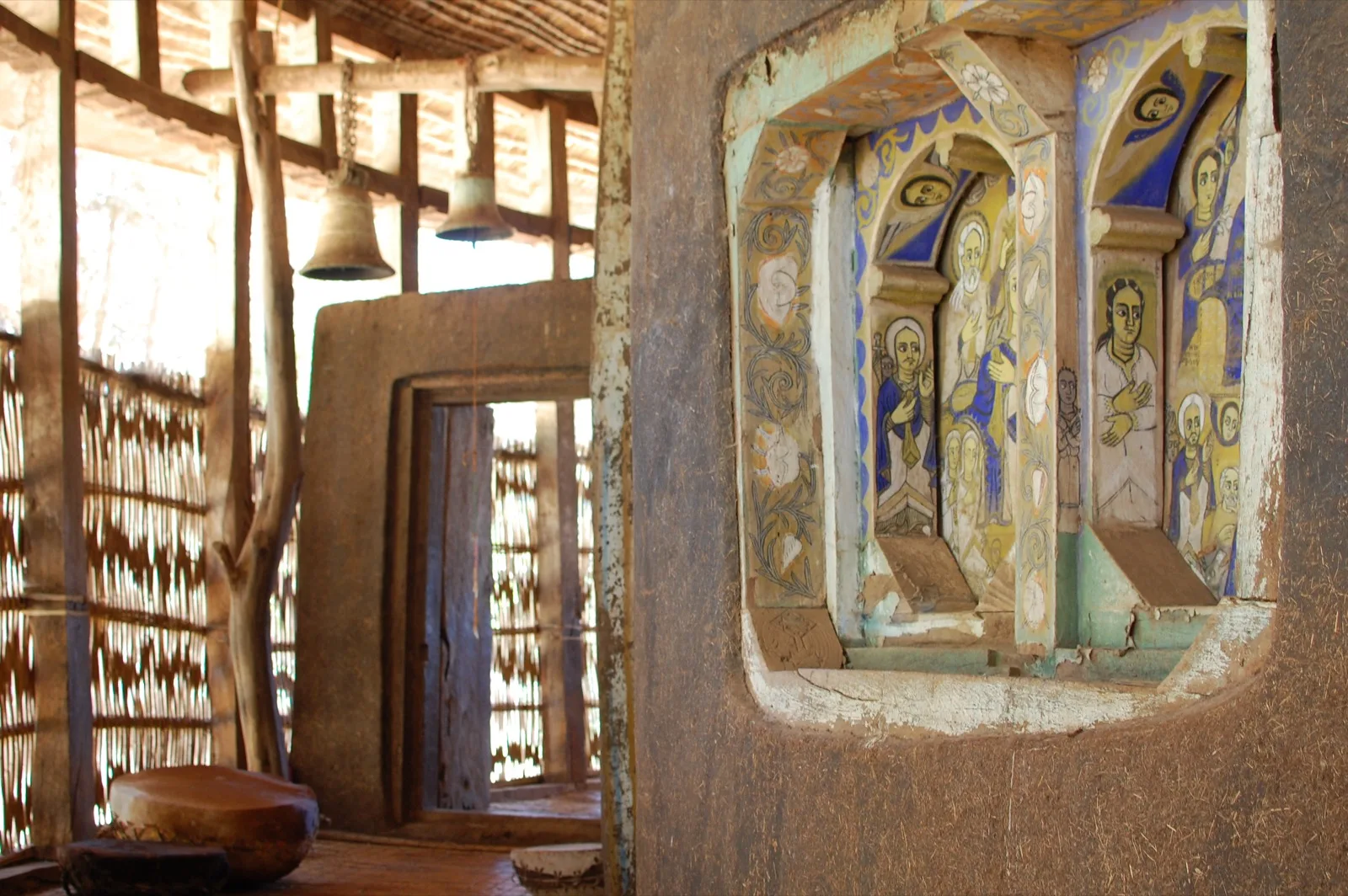
Northern Heritage with Lodge-Based Stays
Twelve days follow Bahir Dar, Lalibela, Gondar, the Simien Mountains, Axum and Hawzien.
Explore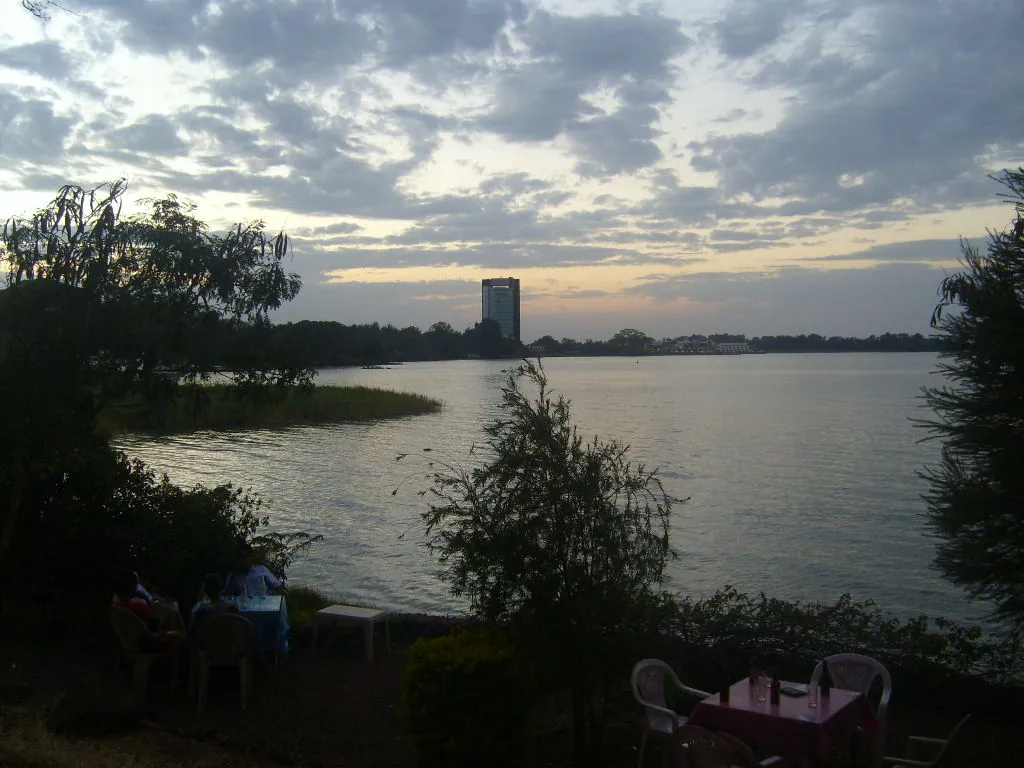
12 days · Itinerary
Northern Heritage and Simien Camping Circuit
Twelve days connect Bahir Dar, Lalibela and Gondar with four Simien walking stages, then continue through Axum and Gheralta before returning to Addis Ababa.
Explore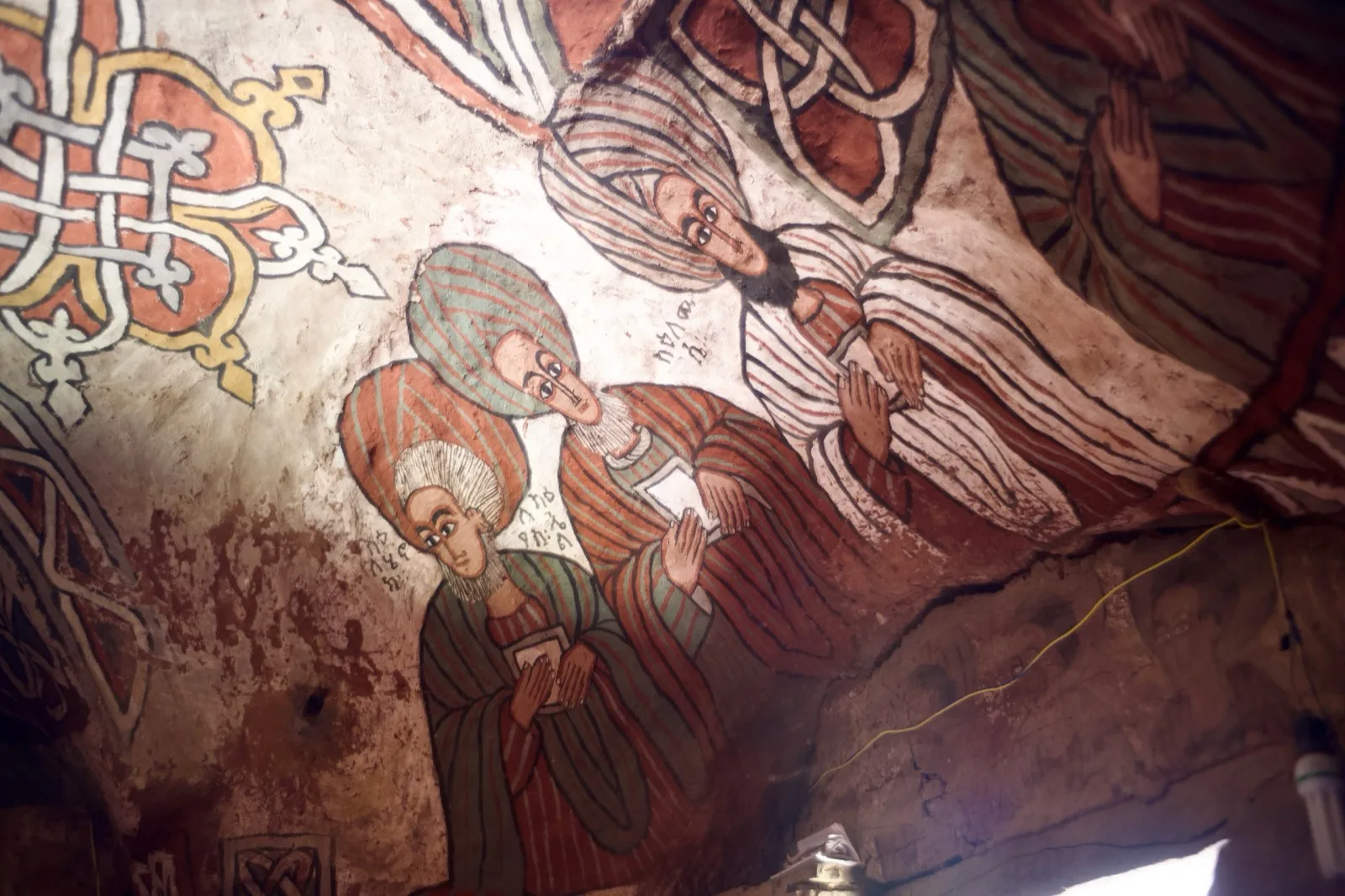
Route study
Historic North Circuit and Community Trekking
Explore a northern Ethiopia route concept combining Bahir Dar, Gondar, the Simien Mountains, Axum, Tigray community walking and Lalibela. The walking connection requires confirmation.
Explore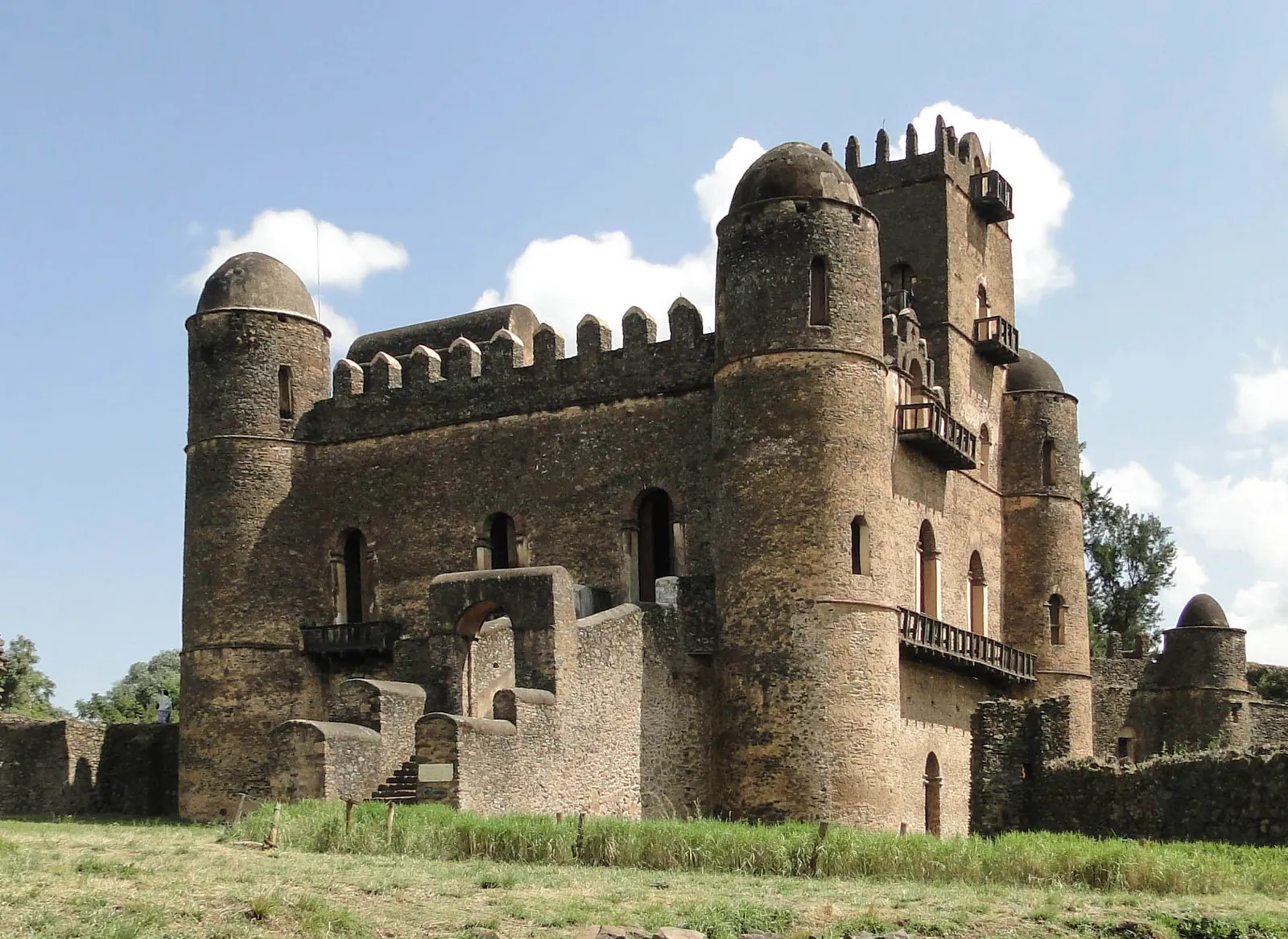
9 days · Itinerary
Nine Days through Ethiopia's Historic Towns
A nine-day heritage journey links Bahir Dar, Gondar, Lalibela and Axum with the old walled city of Harar in the east.
Explore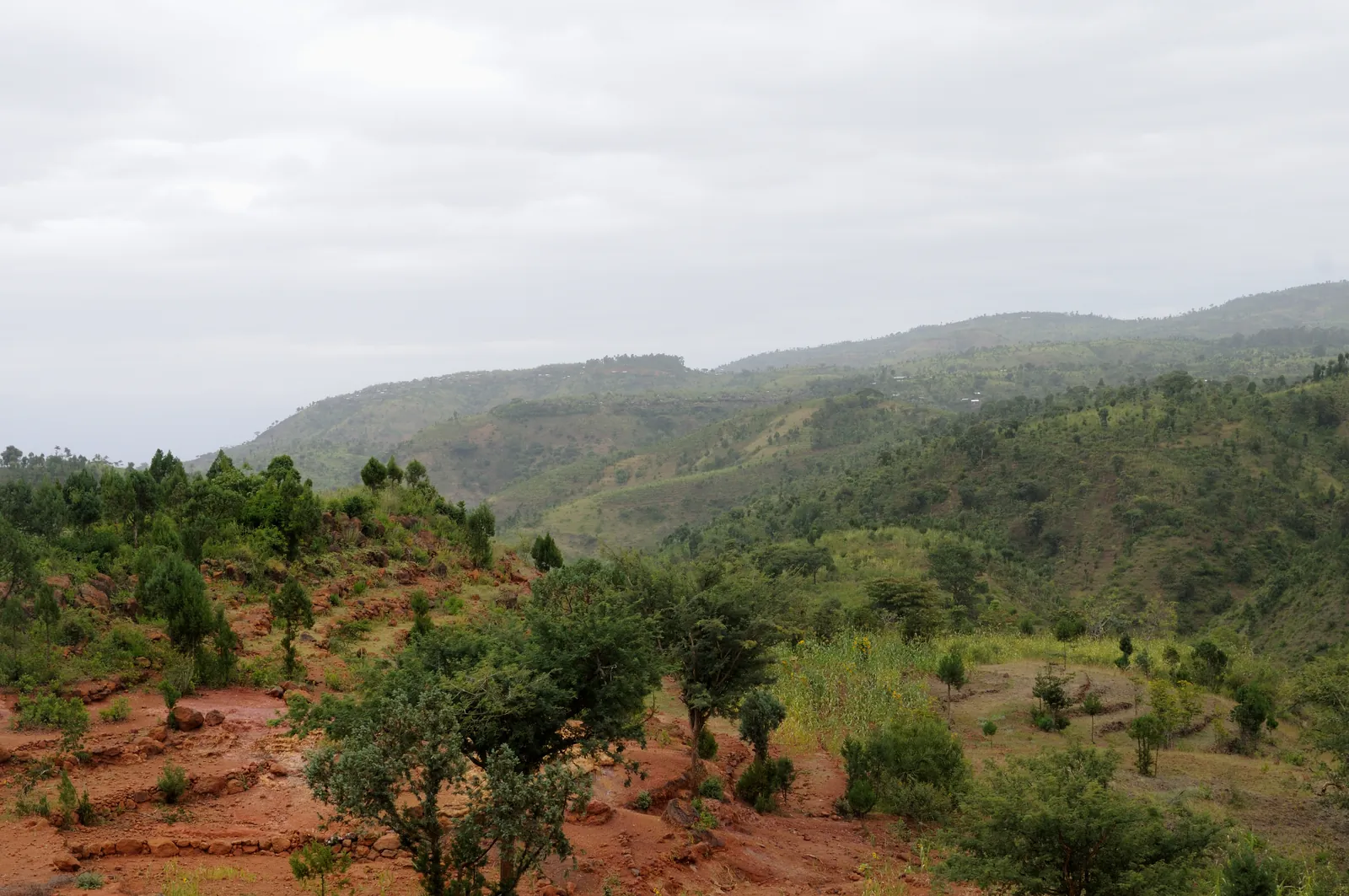
20 days · Itinerary
Twenty-Day Northern and Southern Ethiopia Survey
Twenty days join northern heritage cities and the Simien Mountains with Omo communities, Bale and the Rift lakes in one country-wide journey.
Explore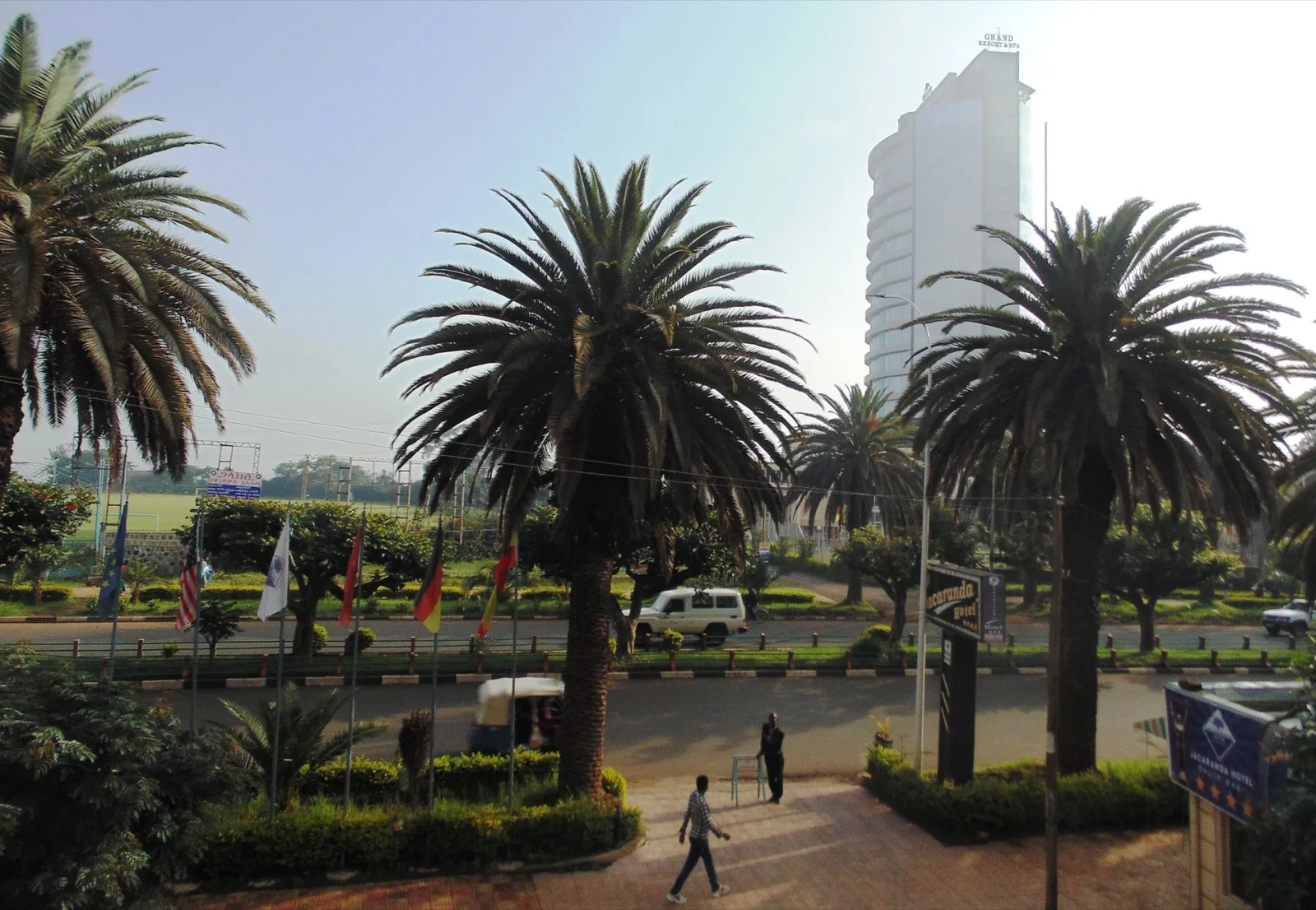
6 days · Itinerary
Six-Day Northern Heritage Sampler
Six days connect Lake Tana and Gondar with Axum and two Lalibela church days, returning to Addis Ababa. The focus stays on heritage sites rather than trekking.
Explore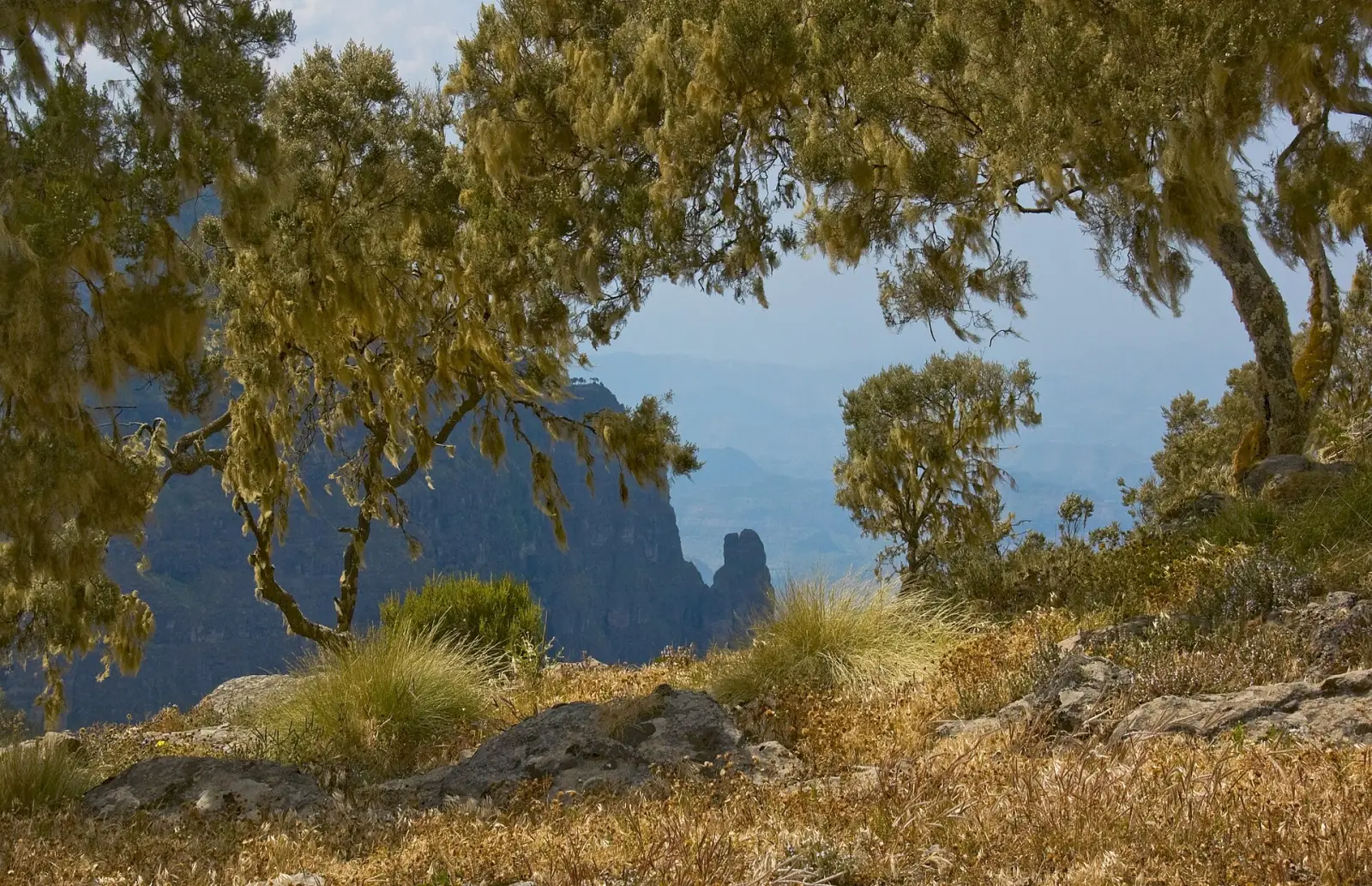
Route study
Simien Mountains and Northern History
Combine the interests of Lalibela, Gondar and the Simien Mountains in a northern Ethiopia route study, with the final connection still to confirm.
ExploreOfficial sources
Check these primary sources directly; their current information takes precedence.
Not yet reviewed: no named reviewer or review date has been recorded for this page. The official sources above take precedence.
Related places and journeys
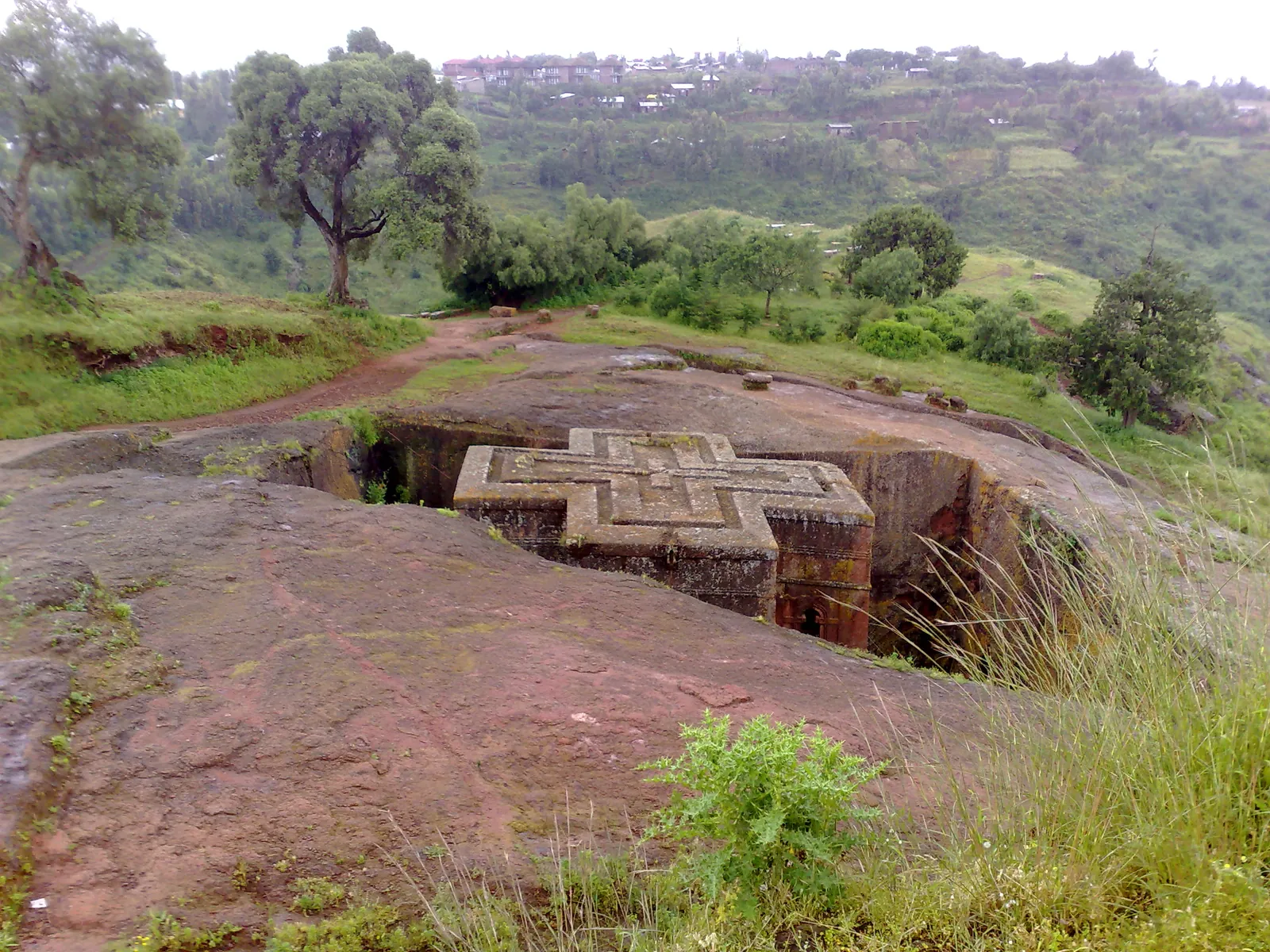
Ethiopia guide
All Trips
Compare Ethiopia journeys by their route, time on foot and regional focus.
ExploreEthiopia guide
Places to Visit in Ethiopia
Choose Ethiopia destinations by the kind of time you want to spend in them.
Explore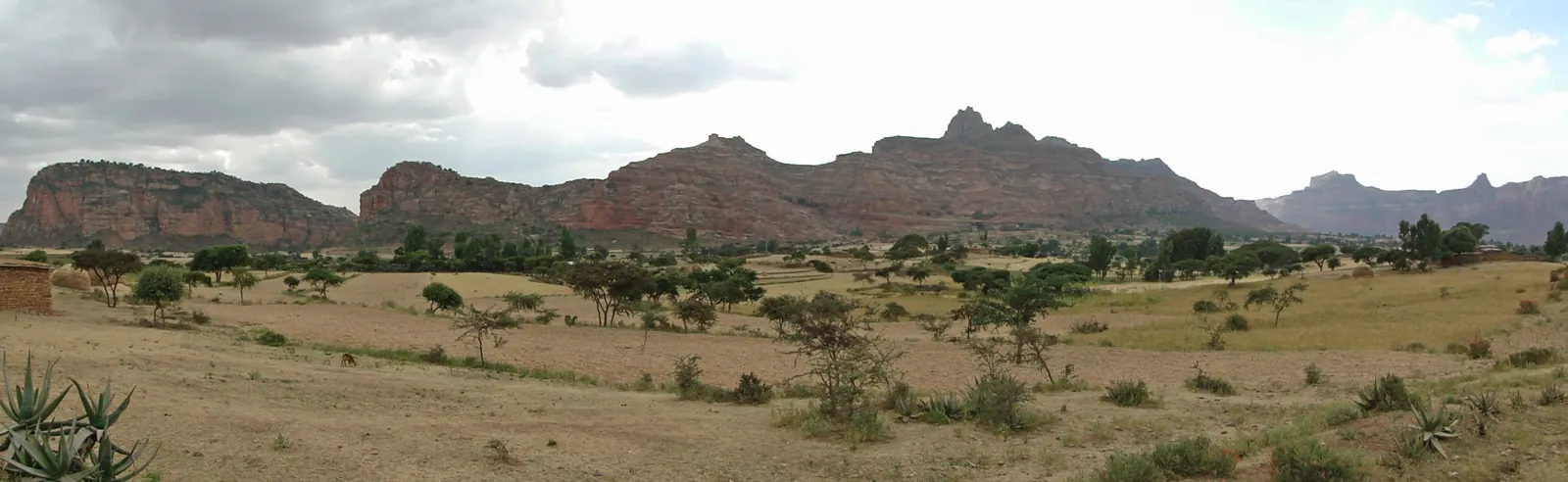
Ethiopia guide
Tigray: rock churches and highland history
Explore Tigray's sandstone landscapes, rock churches and links with Axum, while distinguishing historical travel context from present access and operations.
ExploreEthiopia guide
Gheralta Mountains and Rock Churches
Explore Gheralta’s sandstone landscape and rock churches, with planning questions about individual approaches, walking demands and respectful visits in Tigray.
Explore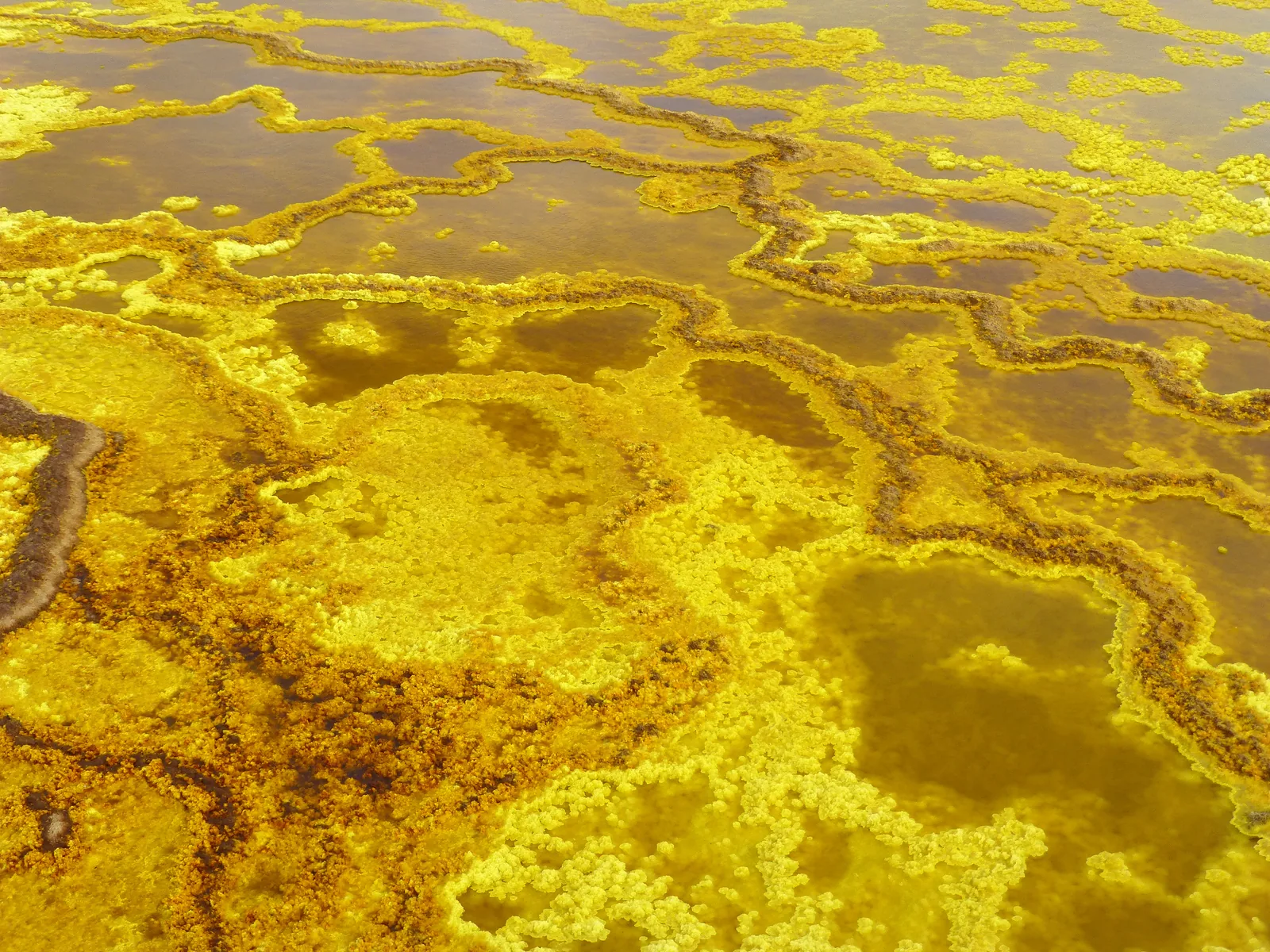
Ethiopia guide
Danakil Depression: geology and itinerary choices
Explore the Danakil's salt landscapes, Dallol and volcanic setting, and distinguish itinerary choices without assuming every tour includes the same stops.
ExploreShape your journey
Bring your preferred dates, interests and pace together in a planning draft.