
The Ark of the Covenant tradition in Axum
The tradition that the Ark of the Covenant is kept in Axum is an important part of Ethiopian religious heritage. A thoughtful visit recognises the significance of that belief without presenting it as an object a traveller can inspect.
Visible heritage and the meaning of the tabot
The importance of sacred representations can also be understood through the Ethiopian Christian tabot tradition. UNESCO's account of Timkat describes processions involving church tabots, showing how the Ark's symbolism belongs to living worship rather than only to a distant historical narrative. Such ceremonies have their own custodians, rules and calendars.
Axum's stelae, tombs and other archaeological remains provide a distinct field of visible evidence. Explore them on their own terms, then listen respectfully to the religious accounts associated with the city. Keeping those perspectives clear produces a more informative visit than conflating every monument with a single legendary object.
Understand the claim in its religious setting
Ethiopian Orthodox tradition connects the Ark with Axum’s Saint Mary of Zion. That is a statement about a living tradition, not an archaeological demonstration that the biblical object is present. The guarded sacred object is not an exhibit that can be promised to visitors.
The visible church precinct and the city’s history offer their own subjects for understanding. Ask how the tradition is told locally, while keeping questions of faith distinct from what a visitor can inspect.
The tabot and public religious life
A tabot represents the tablets of the Covenant within Ethiopian Orthodox church life. At Timkat, covered tabots are carried in processions with reverence; seeing a covered procession does not mean the original Ark has been displayed.
This distinction helps connect the Axum story with worship elsewhere in Ethiopia. An attentive visit can explore meanings, music and communal participation without treating a sacred object as a mystery attraction to be uncovered.
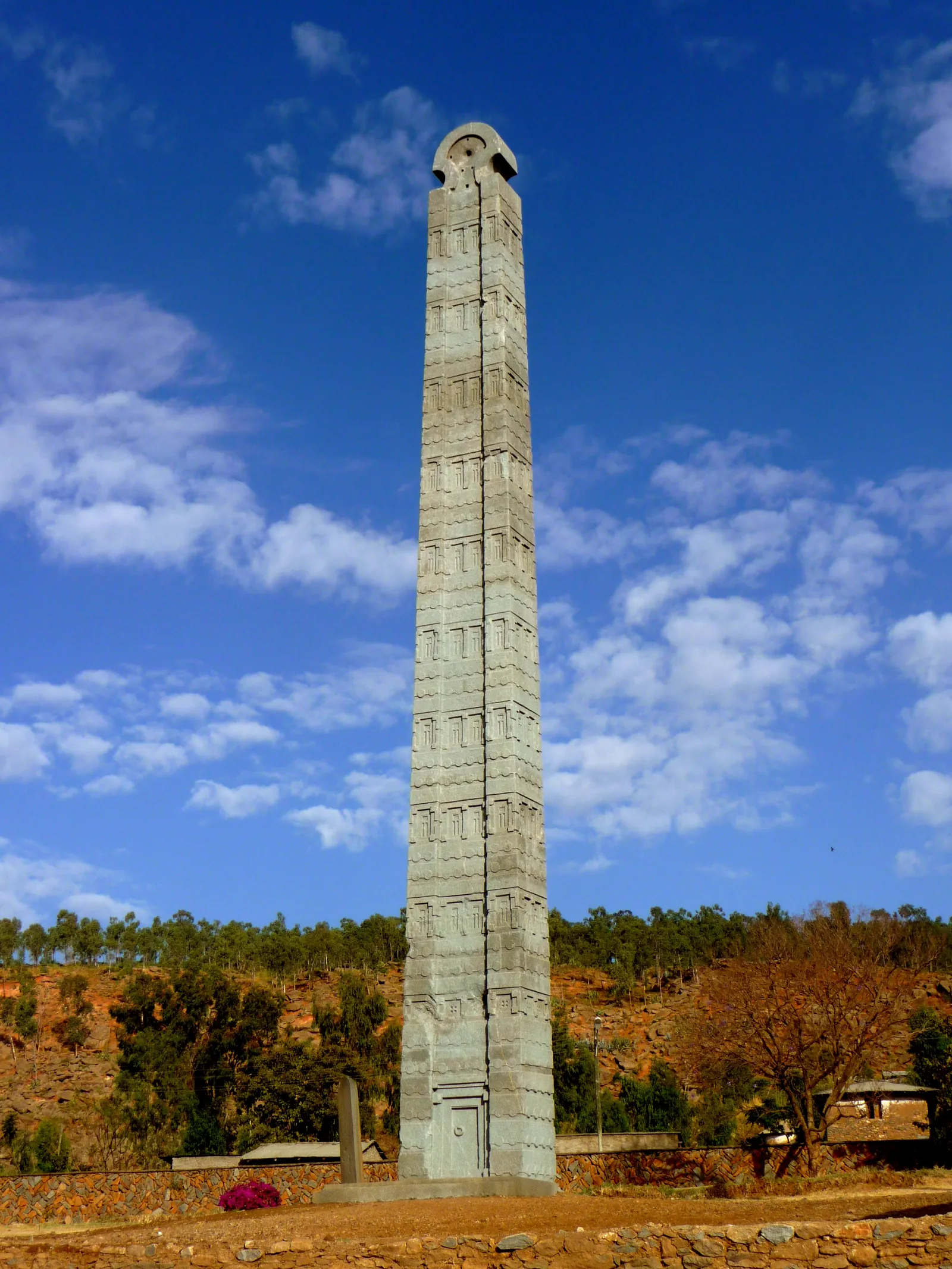
Ethiopia guide
Axum: archaeology and living heritage
Explore Axum's stelae, royal archaeology and religious traditions, and plan a visit that distinguishes historical evidence from stories of sacred heritage.
ExploreEthiopia guide
Ethiopia in January: festivals and highland days
Understand January's association with Genna and Timkat, and plan an Ethiopia visit that respects worship, allows time and accounts for cold mountain nights.
ExploreEthiopia guide
Ethiopian Christmas: understanding Genna
Learn about Ethiopian Christmas as a religious celebration, with context for Lalibela, worship and the respectful planning of a visit during the season.
ExploreUnderstand the tradition respectfully
The story connects sacred history with the identity of Axum and the Ethiopian Church. Listen to how local religious tradition explains it, while distinguishing that account from the different questions asked by archaeology and historical research.
What a visitor can actually explore
Axum's visible heritage includes monuments and religious surroundings, subject to local access rules. No visit described here promises access to the Ark, its guardian or restricted sacred spaces.
Journeys to explore alongside this guide
Use these related route ideas to compare the places, interests and time involved. Open each outline for its route context and any details still requiring review.
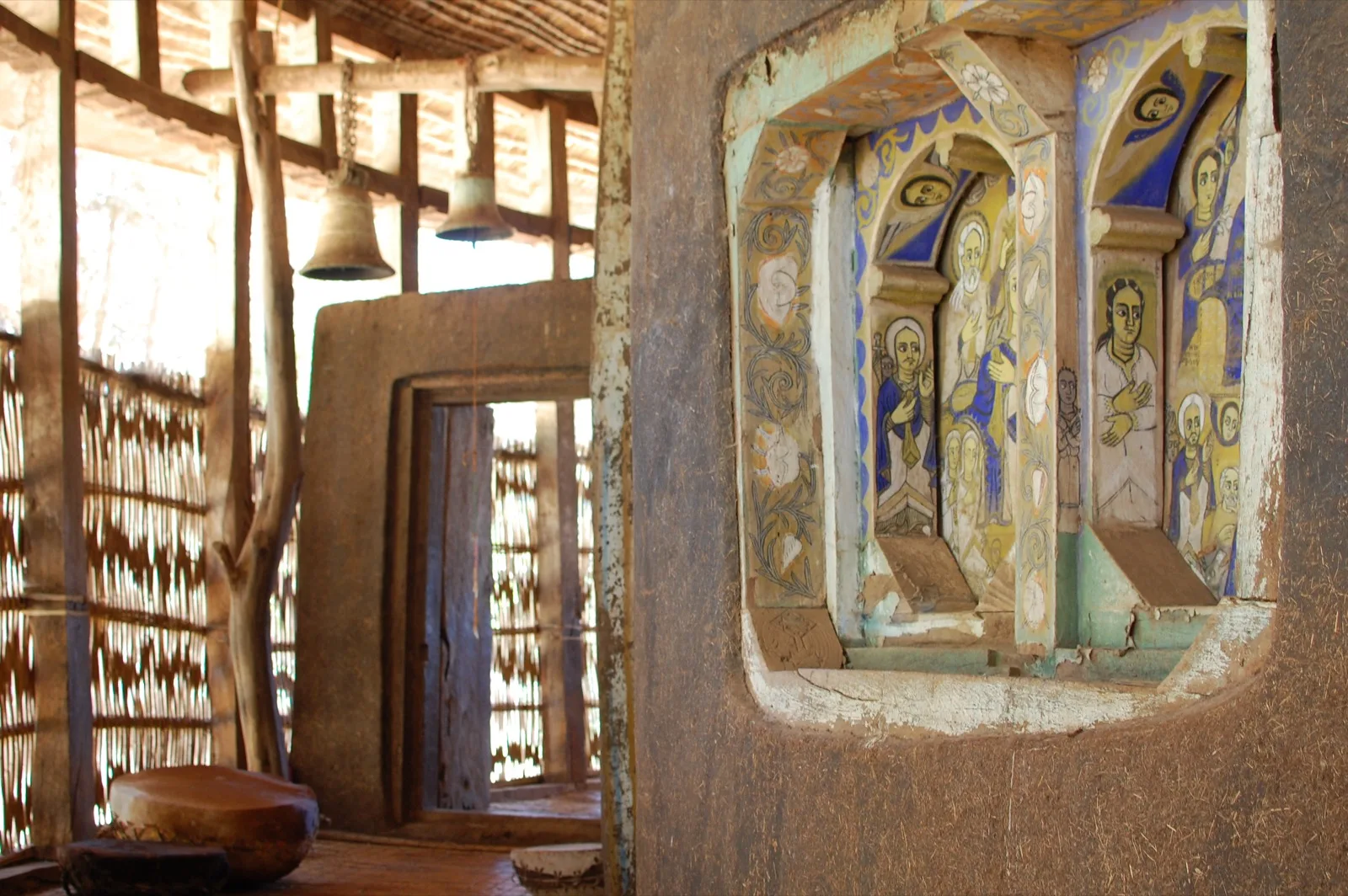
12 days · Itinerary
Northern Heritage with Lodge-Based Stays
Twelve days follow Bahir Dar, Lalibela, Gondar, the Simien Mountains, Axum and Hawzien.
Explore
12 days · Itinerary
Northern Heritage and Simien Camping Circuit
Twelve days connect Bahir Dar, Lalibela and Gondar with four Simien walking stages, then continue through Axum and Gheralta before returning to Addis Ababa.
Explore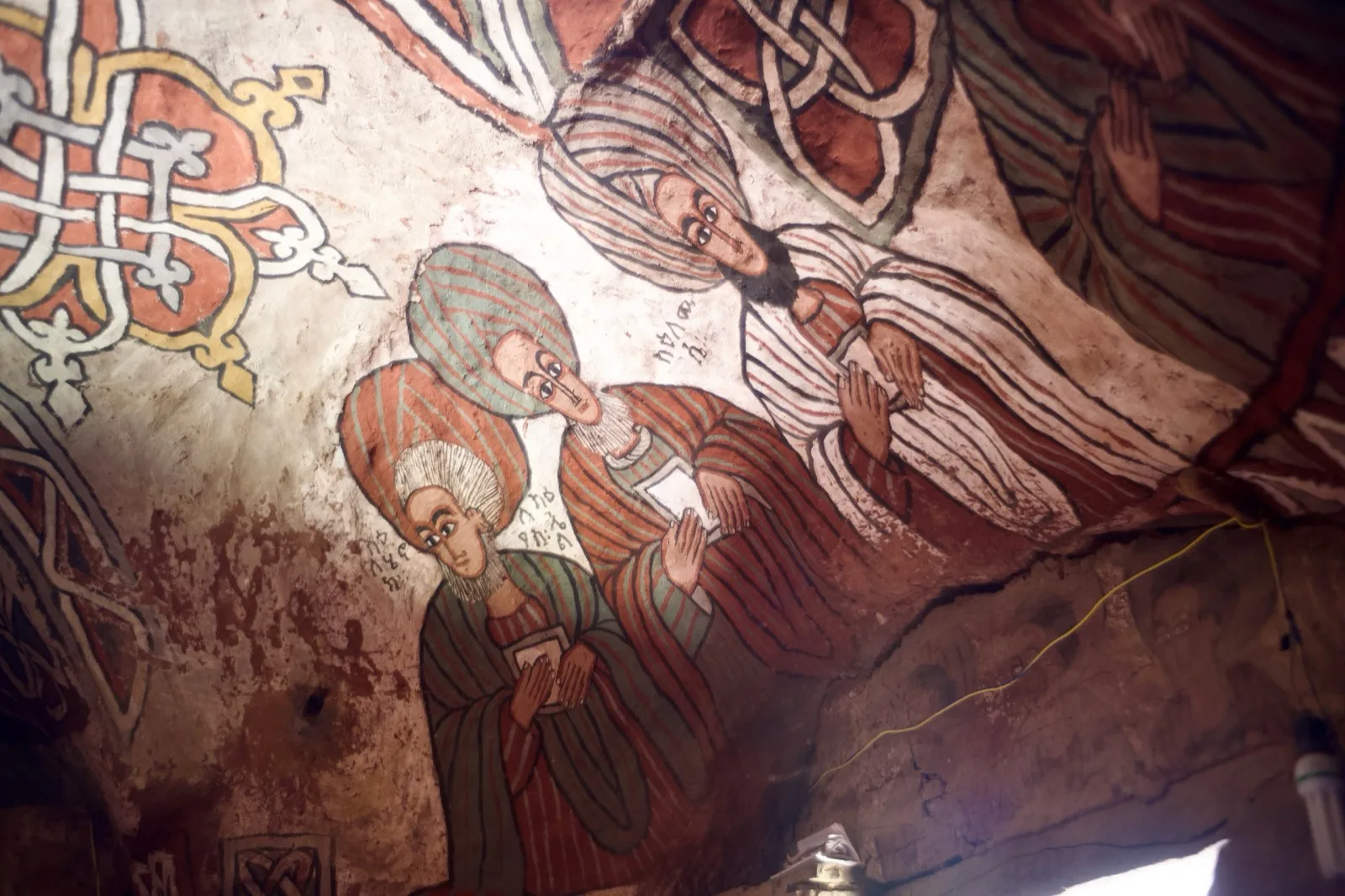
Route study
Historic North Circuit and Community Trekking
Explore a northern Ethiopia route concept combining Bahir Dar, Gondar, the Simien Mountains, Axum, Tigray community walking and Lalibela. The walking connection requires confirmation.
Explore
9 days · Itinerary
Nine Days through Ethiopia's Historic Towns
A nine-day heritage journey links Bahir Dar, Gondar, Lalibela and Axum with the old walled city of Harar in the east.
Explore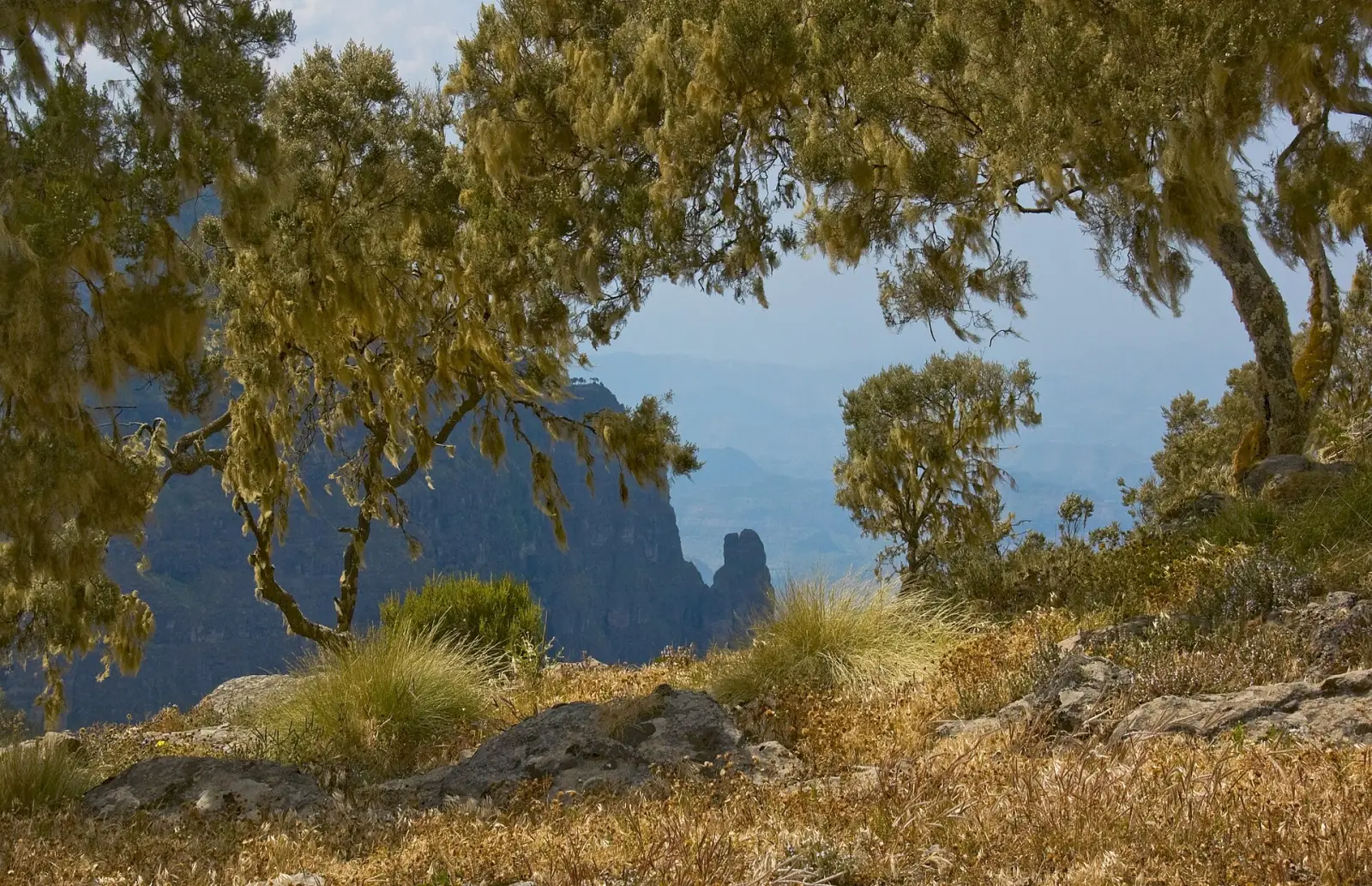
Route study
Simien Mountains and Northern History
Combine the interests of Lalibela, Gondar and the Simien Mountains in a northern Ethiopia route study, with the final connection still to confirm.
Explore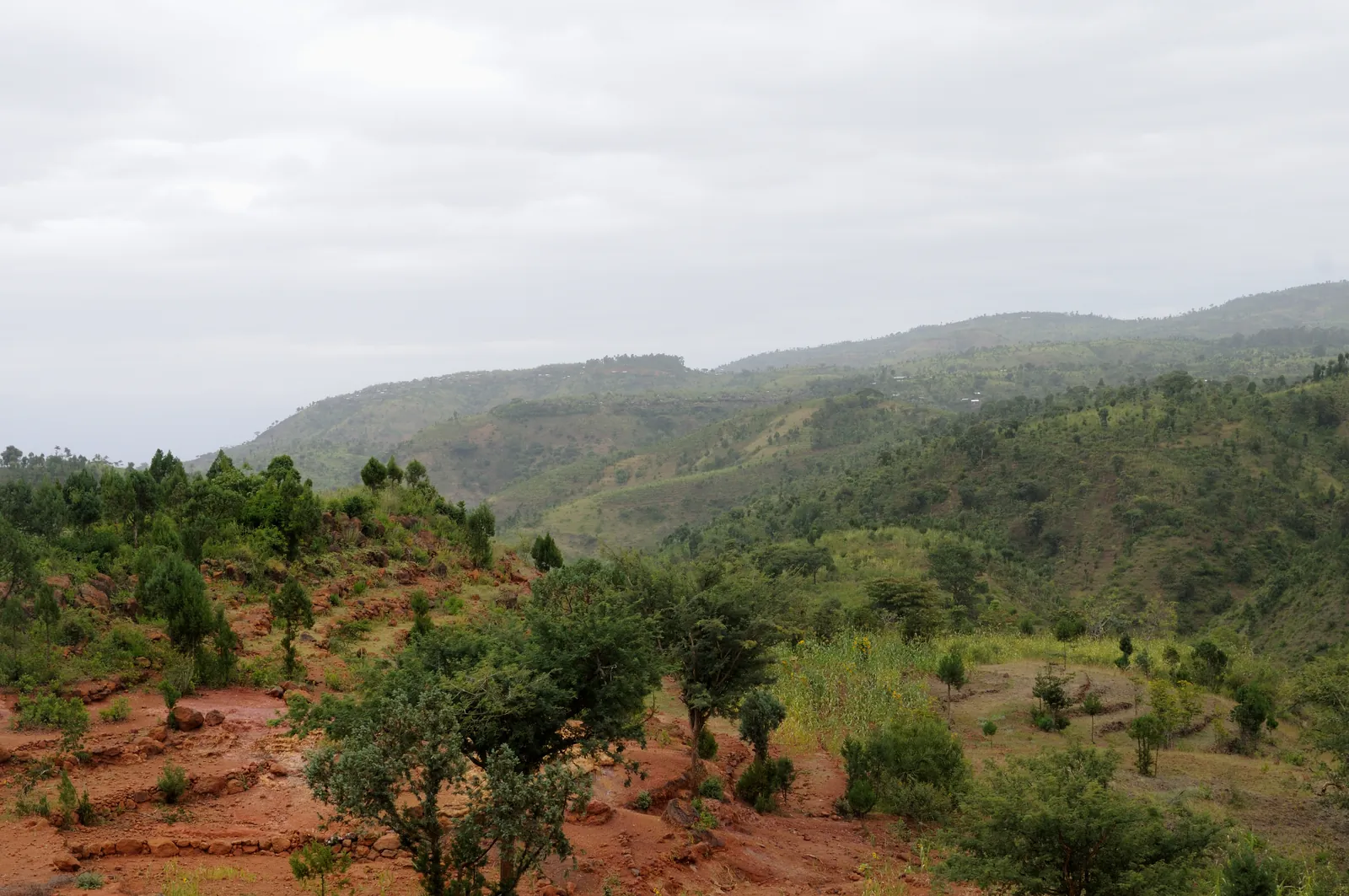
20 days · Itinerary
Twenty-Day Northern and Southern Ethiopia Survey
Twenty days join northern heritage cities and the Simien Mountains with Omo communities, Bale and the Rift lakes in one country-wide journey.
Explore
6 days · Itinerary
Six-Day Northern Heritage Sampler
Six days connect Lake Tana and Gondar with Axum and two Lalibela church days, returning to Addis Ababa. The focus stays on heritage sites rather than trekking.
ExploreOfficial sources
Check these primary sources directly; their current information takes precedence.
Not yet reviewed: no named reviewer or review date has been recorded for this page. The official sources above take precedence.
Related places and journeys
Shape your journey
Bring your preferred dates, interests and pace together in a planning draft.