
When to Visit Ethiopia
There is no single season that describes every Ethiopia journey. Highland walking, Rift Valley travel, Bale’s changing habitats and Afar’s lowland environment call for separate timing decisions.
Use the month pages to choose a priority
January brings a strong festival interest; the later dry months can suit routes built around walking. September combines green highland scenery with Enkutatash and Meskel, while October follows the main highland rains. For any month, decide whether the trip is mainly for heritage, wildlife, a festival or a particular landscape before trying to combine regions.
Review the calendar as a sequence of nights
Place the most date-sensitive event first, then add travel and rest around it. Compare a route entirely in the highlands with one that moves into hotter lowlands. Ask whether extra clothing, an additional transfer or another overnight makes the contrast worthwhile. Availability and rates should be checked for the actual places and dates rather than inferred from a general label such as peak season.
Choose the region before the month
The highlands have a different pattern from the lowlands, and an itinerary crossing several regions may involve compromises. Drier highland months can suit a walking focus, while green scenery after the rains may interest someone travelling more slowly. A seasonal guide should help compare those choices without promising clear skies, open roads or a particular wildlife encounter.
Add cultural dates and practical needs
If Genna, Timkat, Enkutatash or Meskel matters to you, confirm the date for the year and the local programme. Accommodation, transport and access should then be assessed for the route. Ask about recent conditions as travel approaches and leave room for adjustment. A well-chosen journey follows your interests and current information rather than treating a national peak season as a guarantee.
Compare a mixed-region journey carefully
An itinerary combining highland churches, a mountain trek and a lowland extension may not have one ideal date for every stage. Decide which experience has the least flexibility, then discuss the rest around it. If the compromise is too great, reduce the number of regions. Choosing a month becomes more useful when it follows a clear priority.
Check again before departure
Long-term climate descriptions are background, not forecasts. Ask for recent information on the actual trails, roads and overnight places, and confirm any festival programme that shapes the route. Keep a workable alternative for weather-sensitive days. A change in one activity need not remove the value of the journey when the wider plan has enough flexibility.
Related journeys
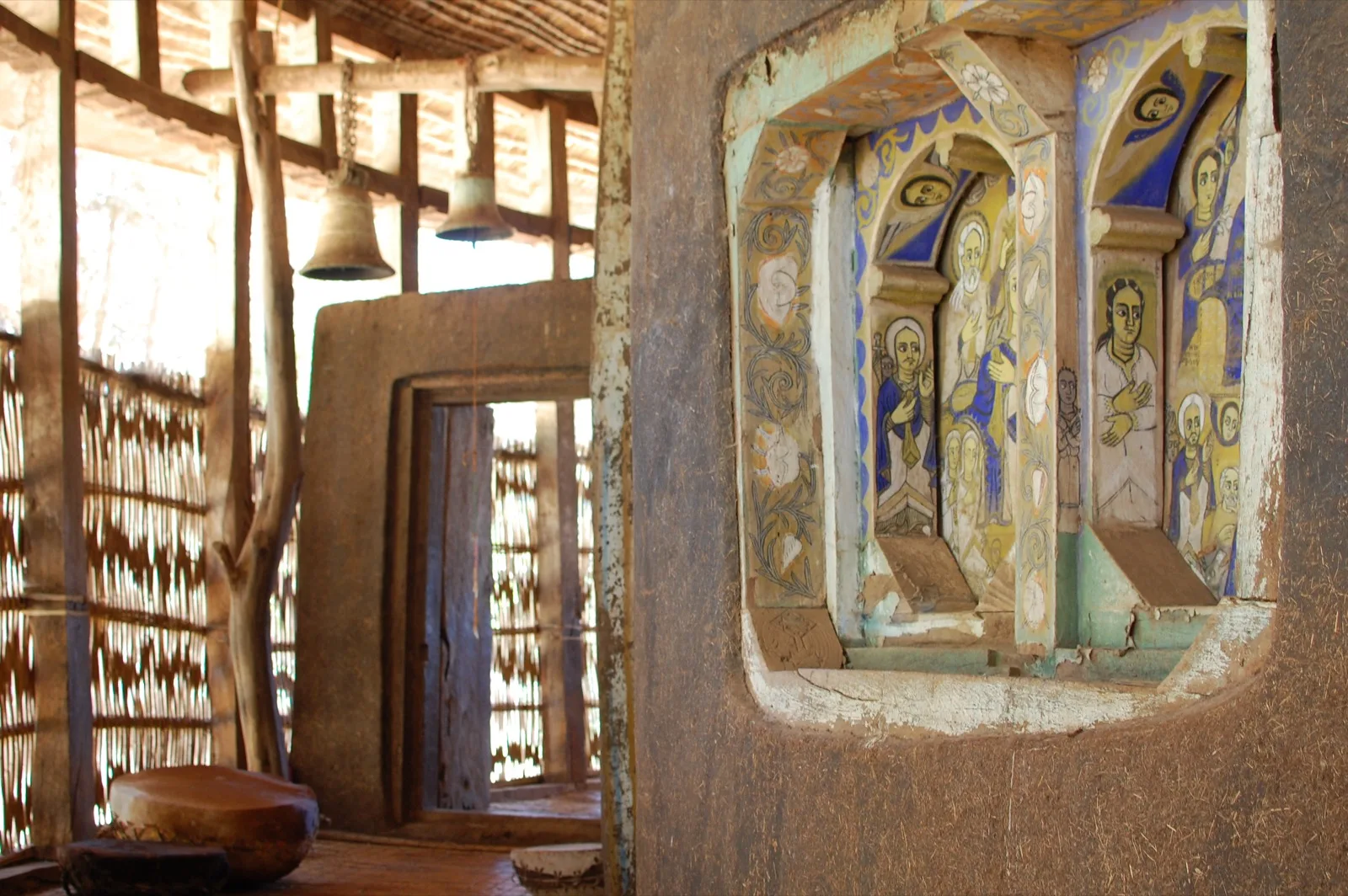
12 days · Itinerary
Northern Heritage with Lodge-Based Stays
Twelve days follow Bahir Dar, Lalibela, Gondar, the Simien Mountains, Axum and Hawzien.
Explore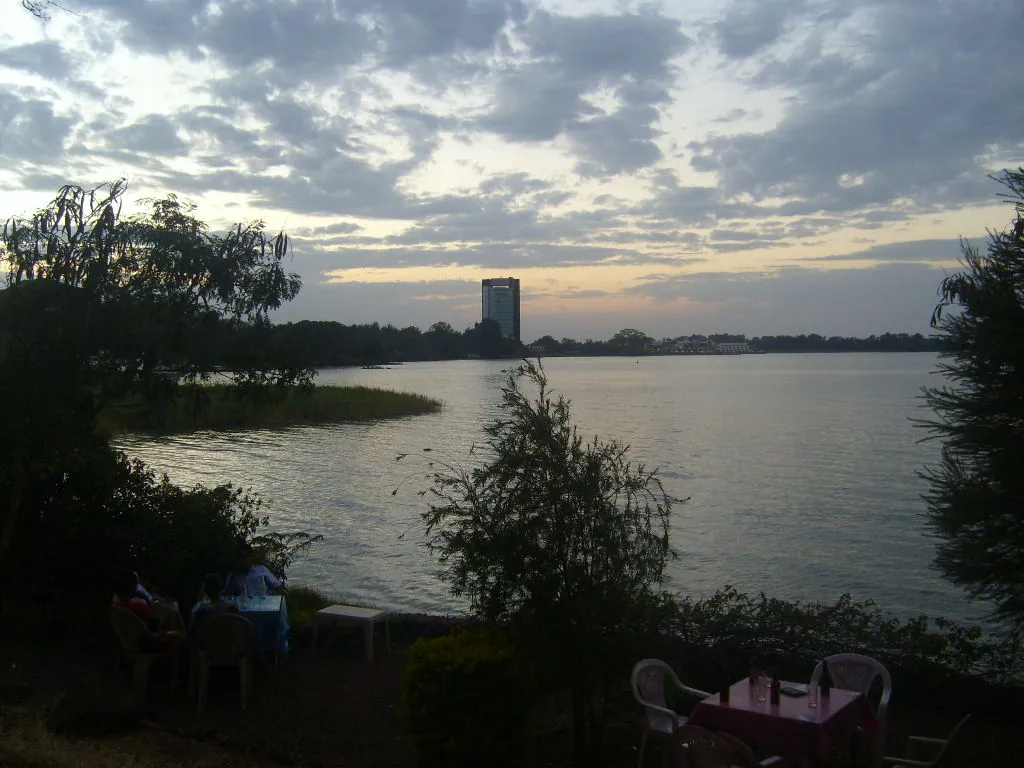
12 days · Itinerary
Northern Heritage and Simien Camping Circuit
Twelve days connect Bahir Dar, Lalibela and Gondar with four Simien walking stages, then continue through Axum and Gheralta before returning to Addis Ababa.
Explore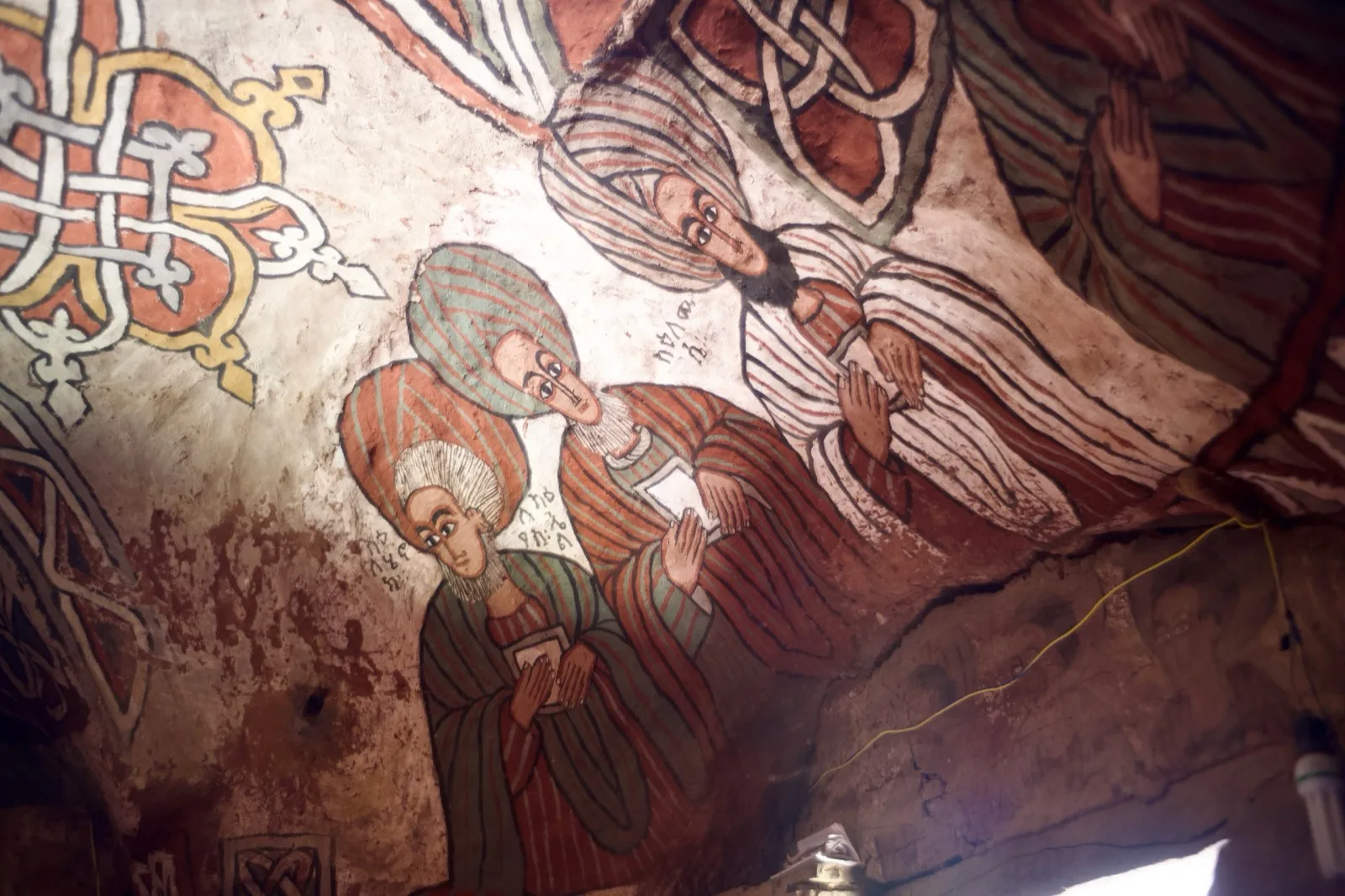
Route study
Historic North Circuit and Community Trekking
Explore a northern Ethiopia route concept combining Bahir Dar, Gondar, the Simien Mountains, Axum, Tigray community walking and Lalibela. The walking connection requires confirmation.
Explore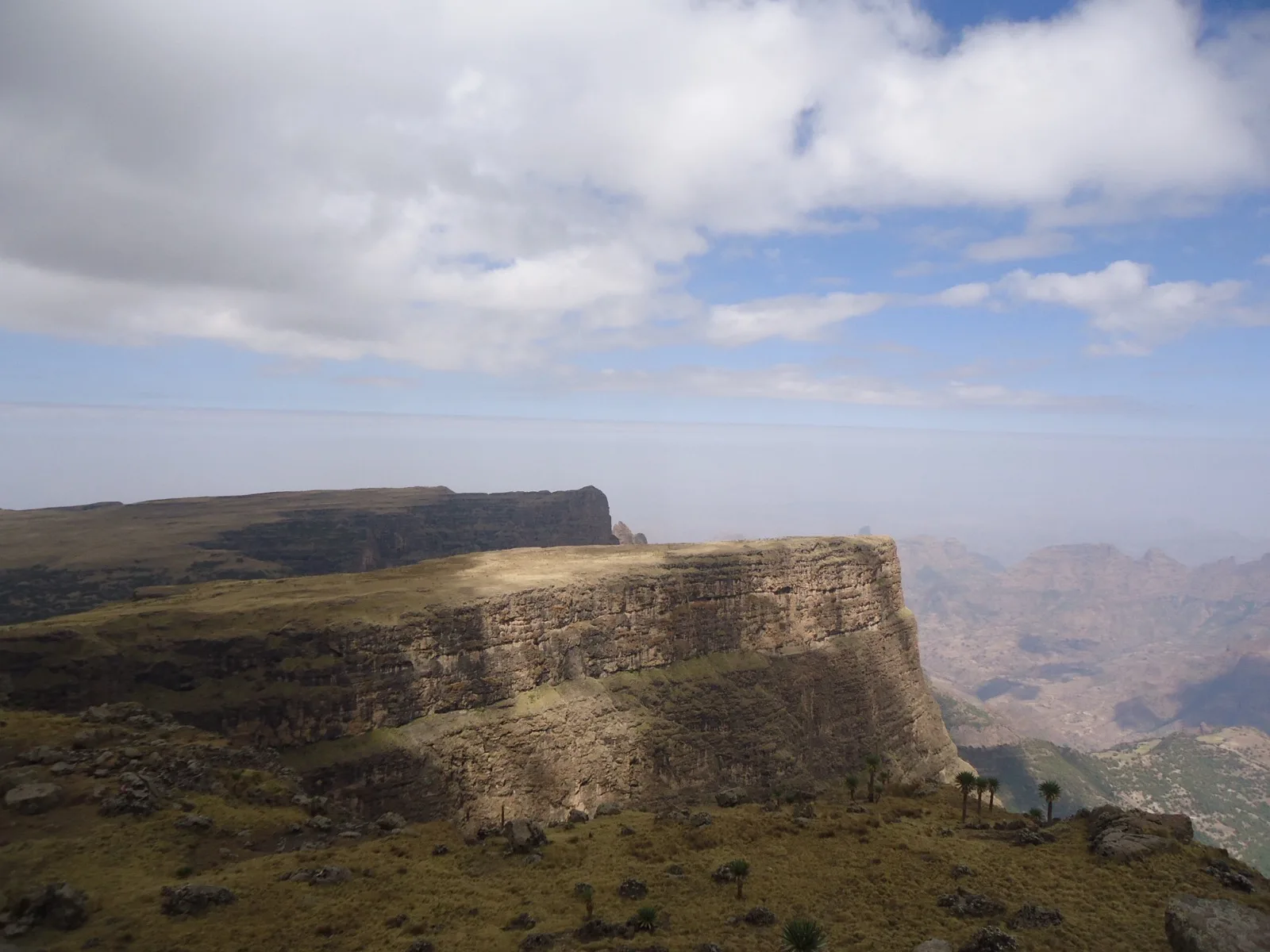
4 days · Itinerary
Four Days Camping in the Simien Mountains
Four days lead through Debark and the Simien camps of Sankaber, Gich and Chenek, finishing with a Mount Bwahit excursion.
Explore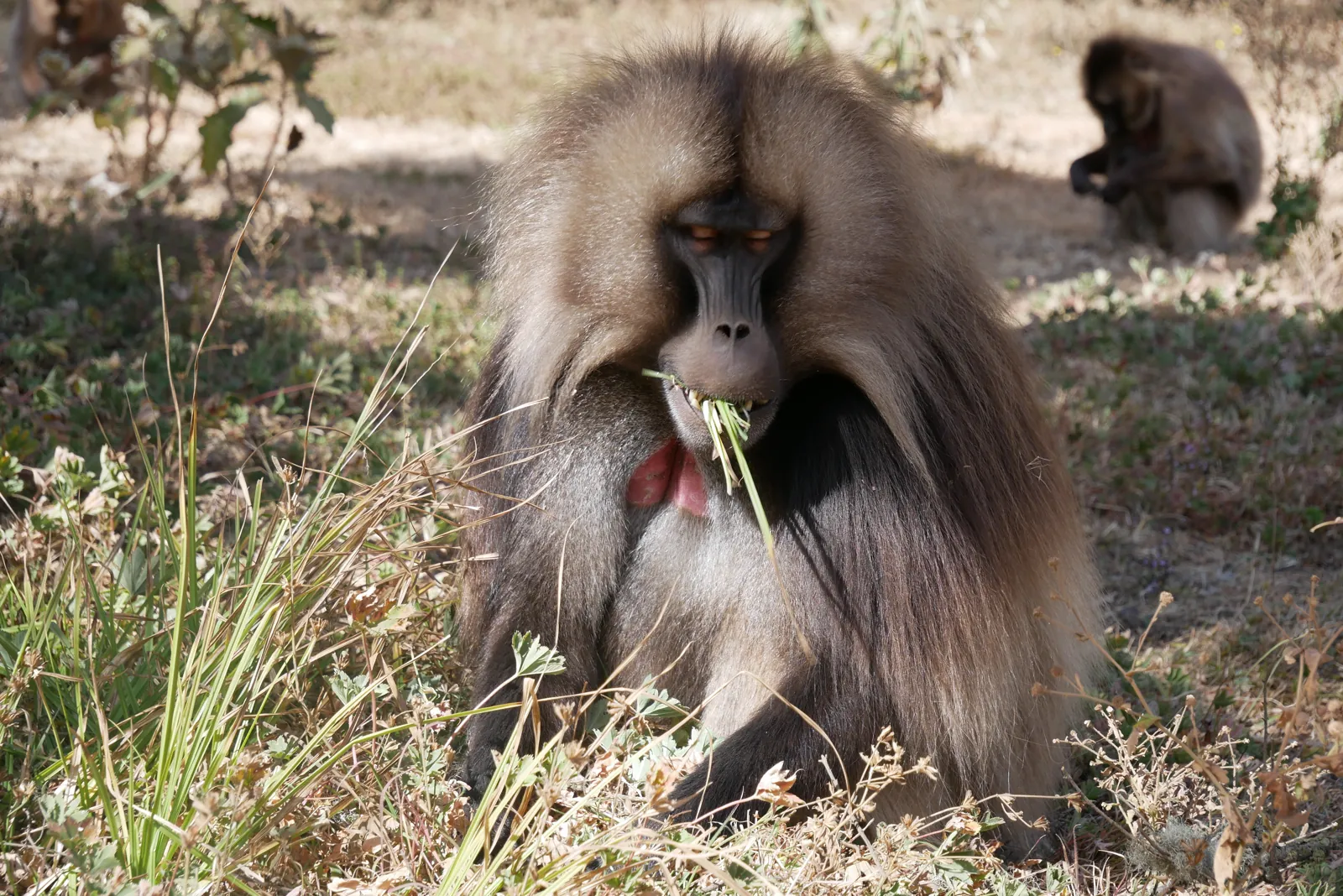
5 days · Itinerary
Gondar and the Western Simien Ridges
Five days place Gondar before a Simien walking sequence through Imet Gogo and Bwahit, with a final return to Addis Ababa via Gondar.
Explore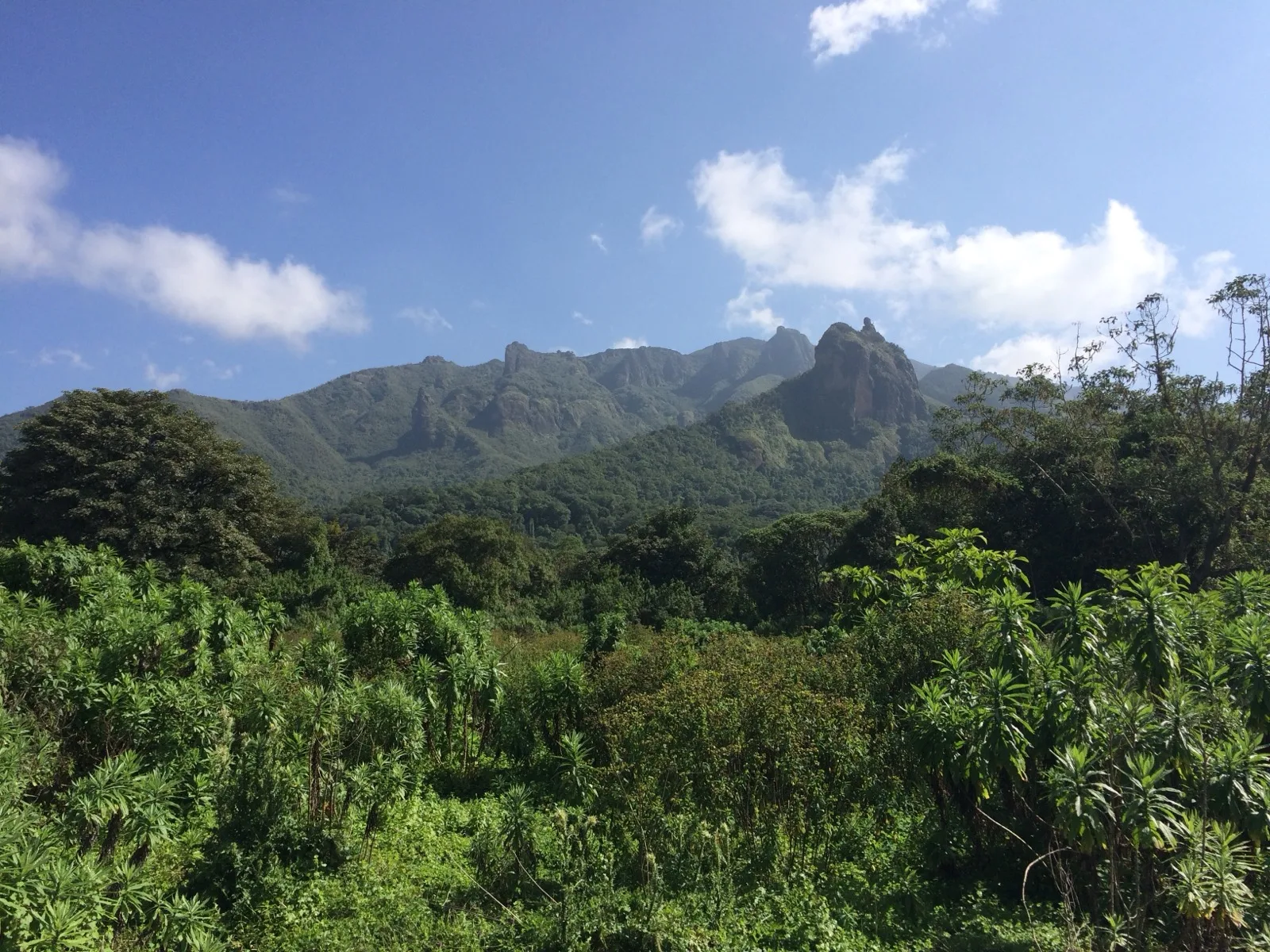
Route study
Trekking and Camping in the Bale Mountains
Explore a Bale Mountains camping and trekking concept across plateau and forest environments, with its overall length still to confirm.
Explore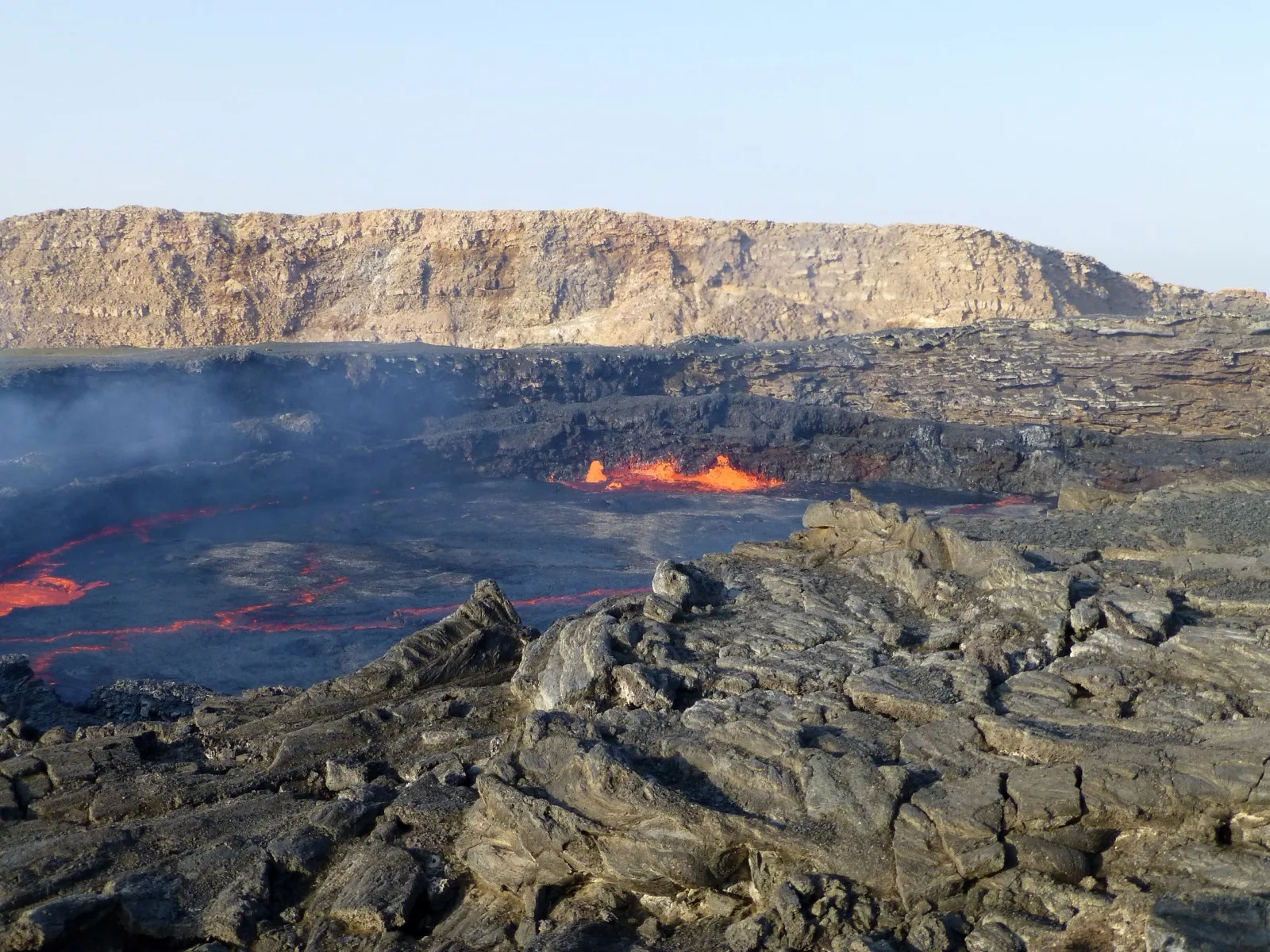
3 days · Itinerary
Three-Day Danakil Volcanic Traverse
Three days link Mekele with Erta Ale via Aksoma, then Hamed Ela, Dallol and Lake Afrera before the return to Mekele.
Explore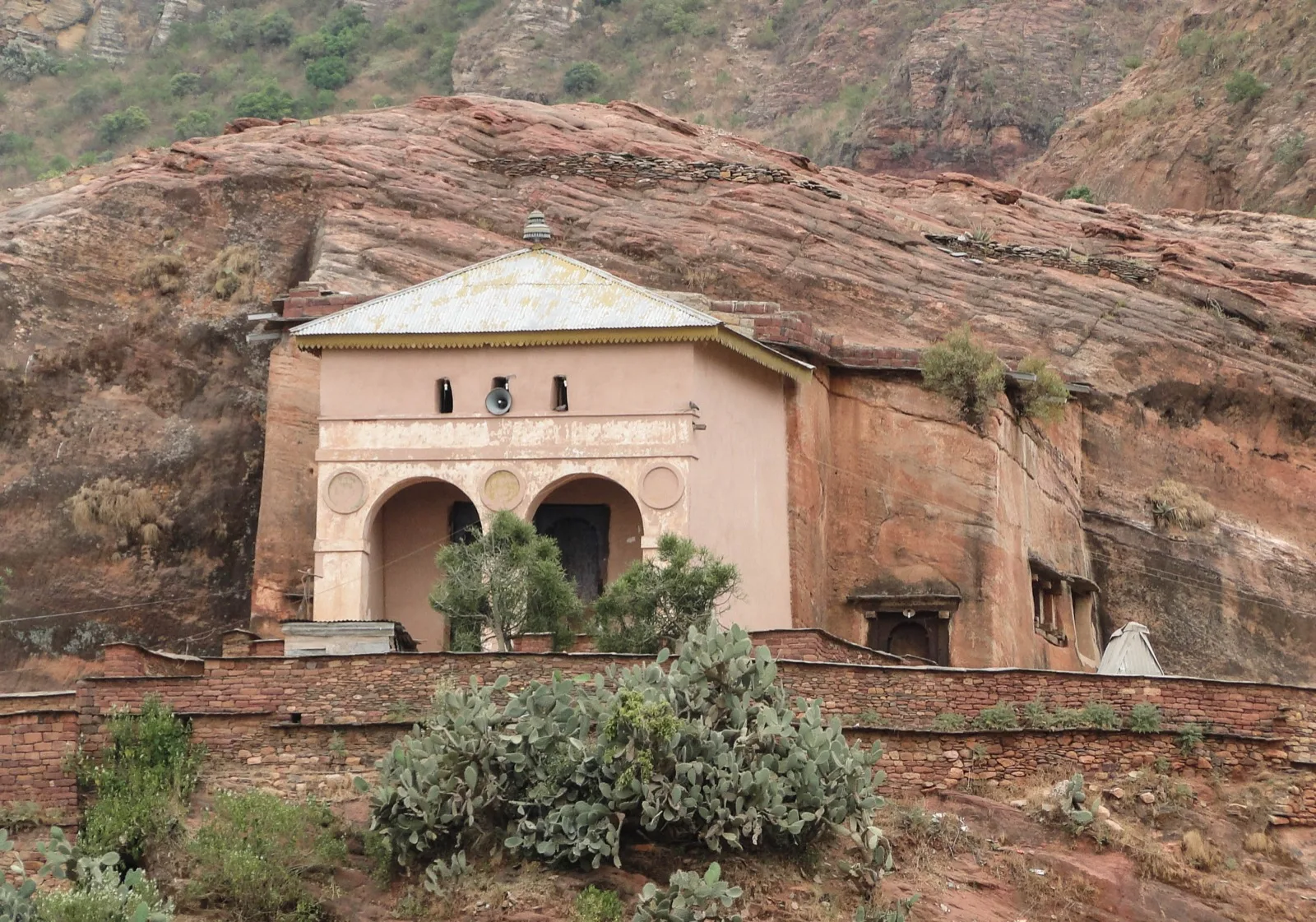
11 days · Itinerary
Tigray Community Trails and the Danakil
Eleven days connect Axum with a chain of Tigray community-trail locations before the route enters the Danakil for Erta Ale, Dallol and the salt lakes.
Explore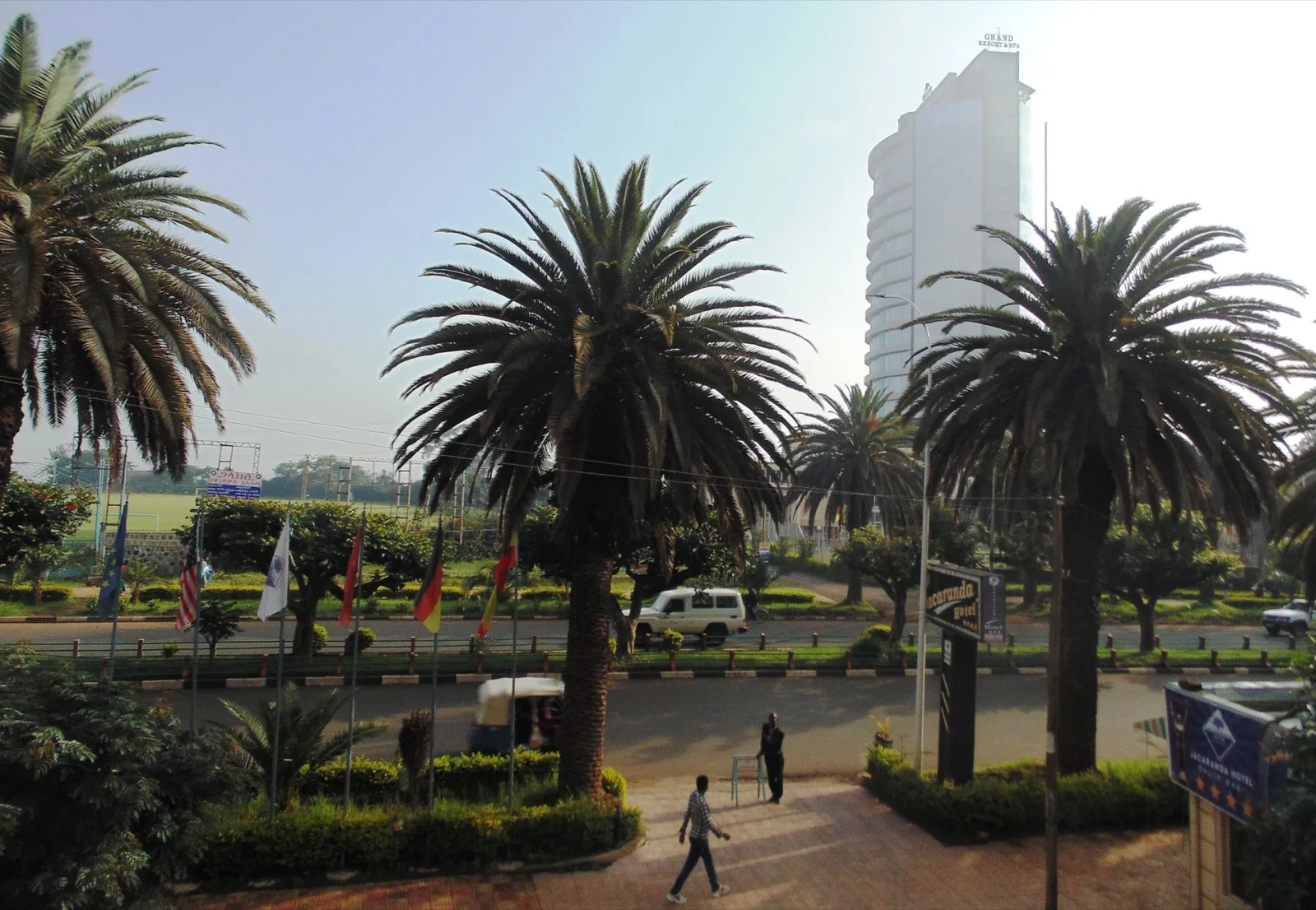
6 days · Itinerary
Six-Day Northern Heritage Sampler
Six days connect Lake Tana and Gondar with Axum and two Lalibela church days, returning to Addis Ababa. The focus stays on heritage sites rather than trekking.
Explore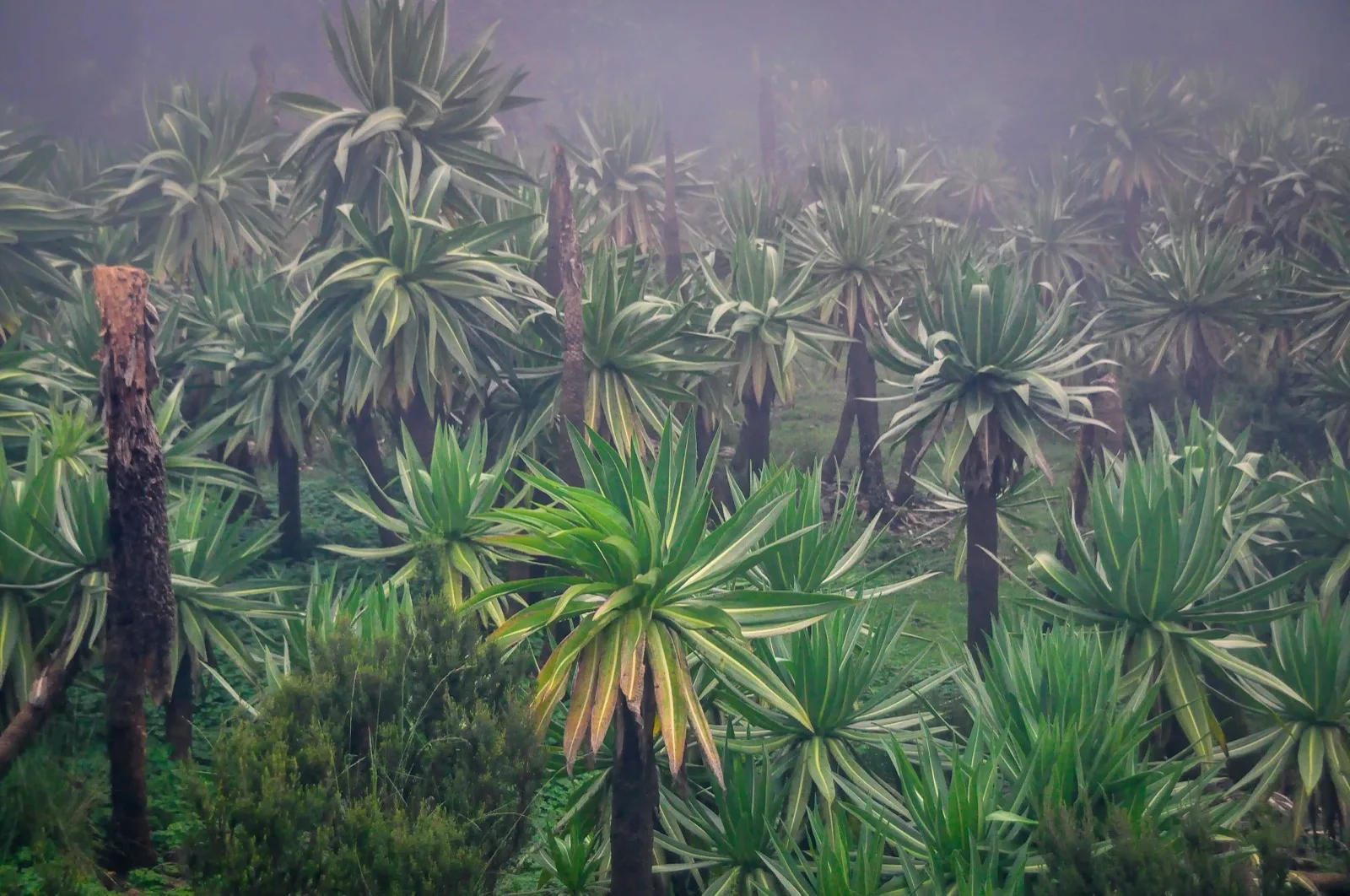
Route study
Peaks and Plateaus of Ethiopia
Compare Wollo and Tigray community walks, Lalibela, Gondar, the Simien Mountains and Axum in an Ethiopia route outline of twelve to thirteen days.
ExploreExplore Ethiopia
Ethiopia guide
Ethiopia Travel Guide
Plan Ethiopia by connecting geography, interests and practical questions.
ExploreEthiopia guide
Things to do in Ethiopia
Build an Ethiopia journey around a few experiences you want time to enjoy.
ExploreEthiopia guide
Places to Visit in Ethiopia
Choose Ethiopia destinations by the kind of time you want to spend in them.
ExploreEthiopia guide
Hotels and lodges in Ethiopia
Choose between town hotels, landscape lodges and camping in Ethiopia, with a practical framework for matching accommodation to your route and priorities.
Explore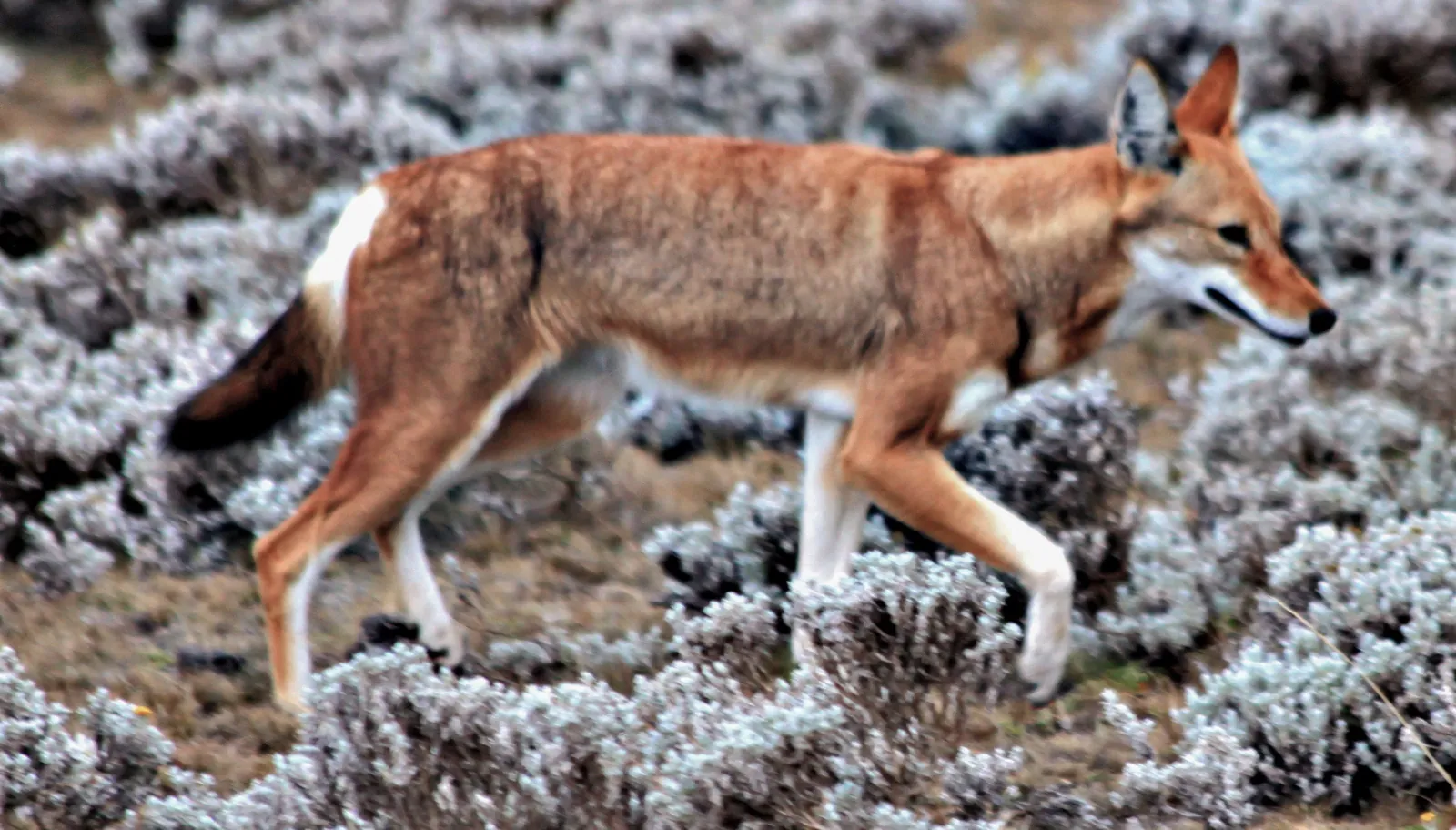
Ethiopia guide
Wildlife and Habitats of Ethiopia
Explore Ethiopia’s wildlife by habitat, from Simien escarpments and Bale grasslands to forests and Rift Valley lakes, with thoughtful ideas for observation.
Explore
Ethiopia guide
Ethiopian Cuisine: Food, Injera and Coffee
Explore Ethiopian food through injera, stews, shared meals and coffee, with practical questions about ingredients, dietary preferences and local dining etiquette.
ExploreRelated places and journeys
Ethiopia guide
Ethiopia Guide
Start exploring Ethiopia with places, experiences and a few practical questions.
Explore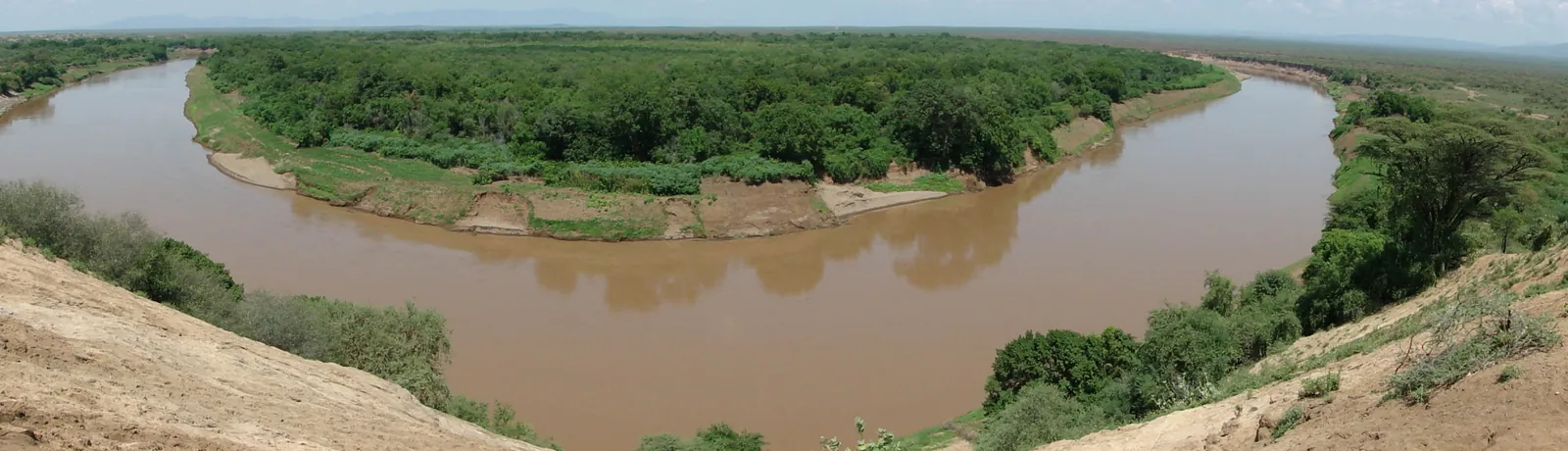
Ethiopia guide
Omo Valley: people, landscapes and respectful visits
Understand the Lower Omo Valley as a living cultural landscape, with guidance on locally agreed visits, photography, different bases and thoughtful pacing.
Explore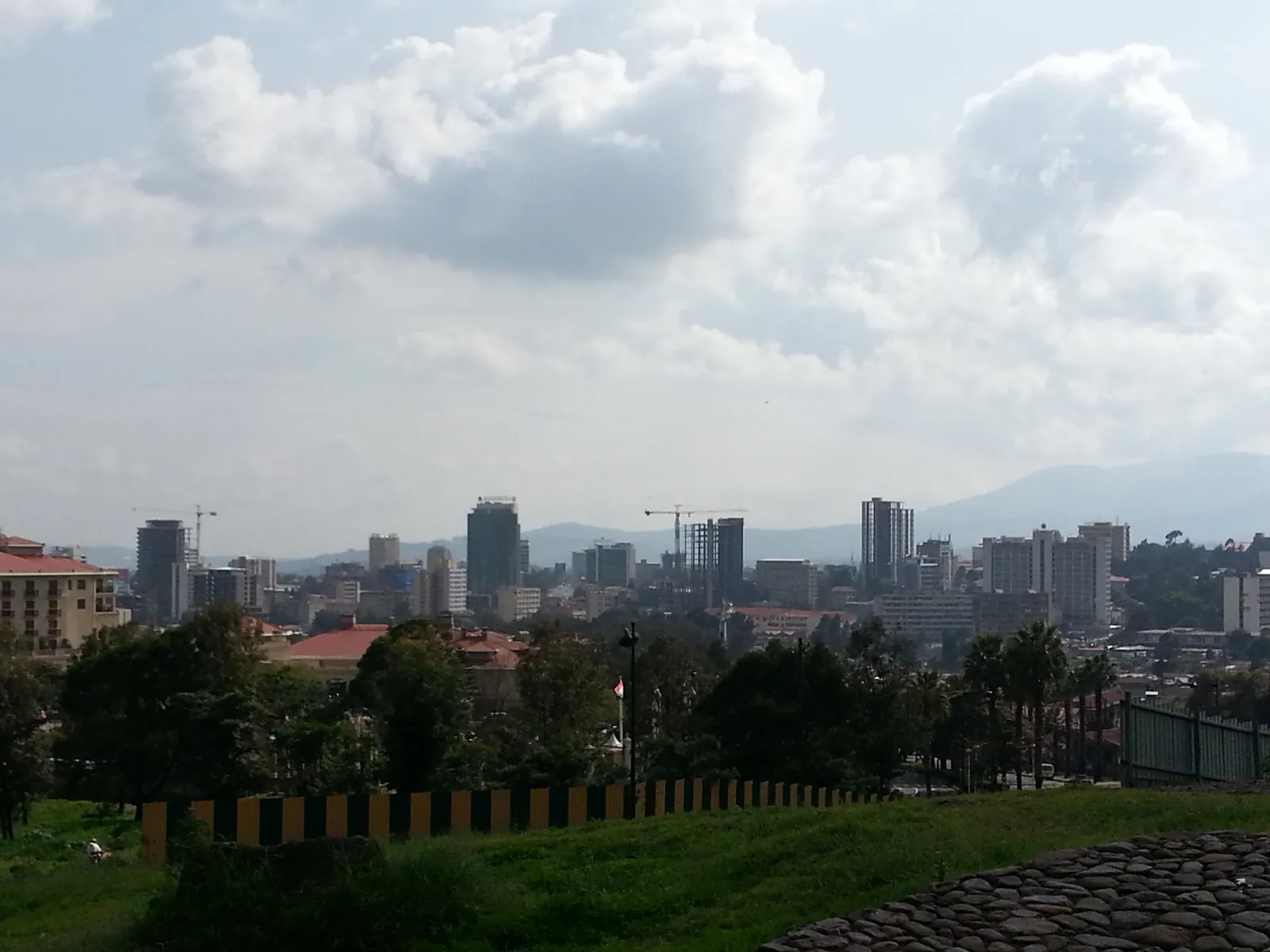
Ethiopia guide
Addis Ababa: culture, history and city time
Plan meaningful time in Addis Ababa around history, neighbourhood life, food and the city's highland setting, with a realistic pace between visits.
ExploreEthiopia guide
Bahir Dar and Lake Tana
Explore Bahir Dar's Lake Tana setting, monastery heritage and links with the Blue Nile Falls, and decide how these different visits fit your interests.
Explore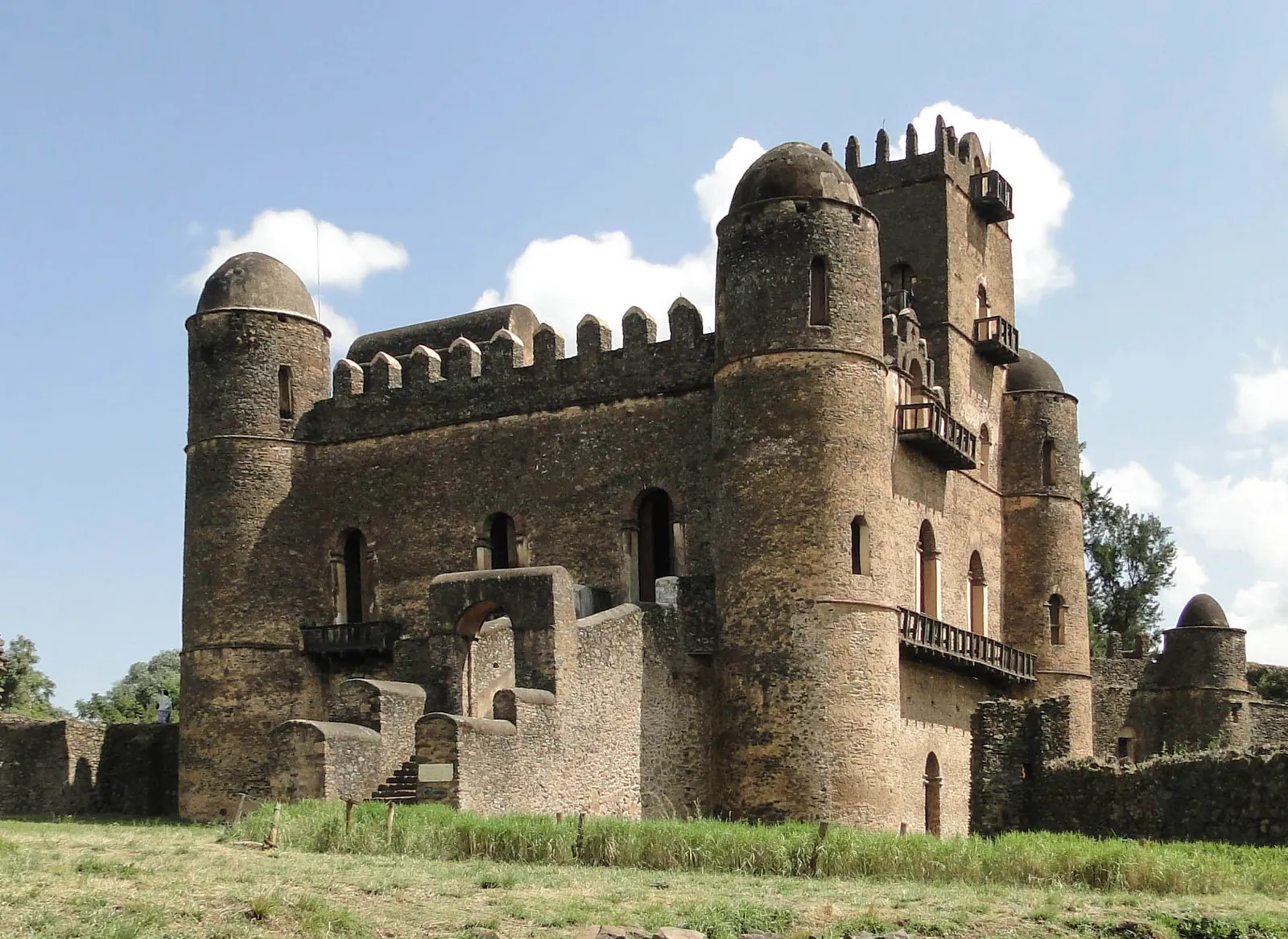
Ethiopia guide
Gondar: castles, churches and highland connections
Explore Gondar's Royal Enclosure, painted church interiors and relationship with the Simien Mountains, with a plan that gives the city its own attention.
Explore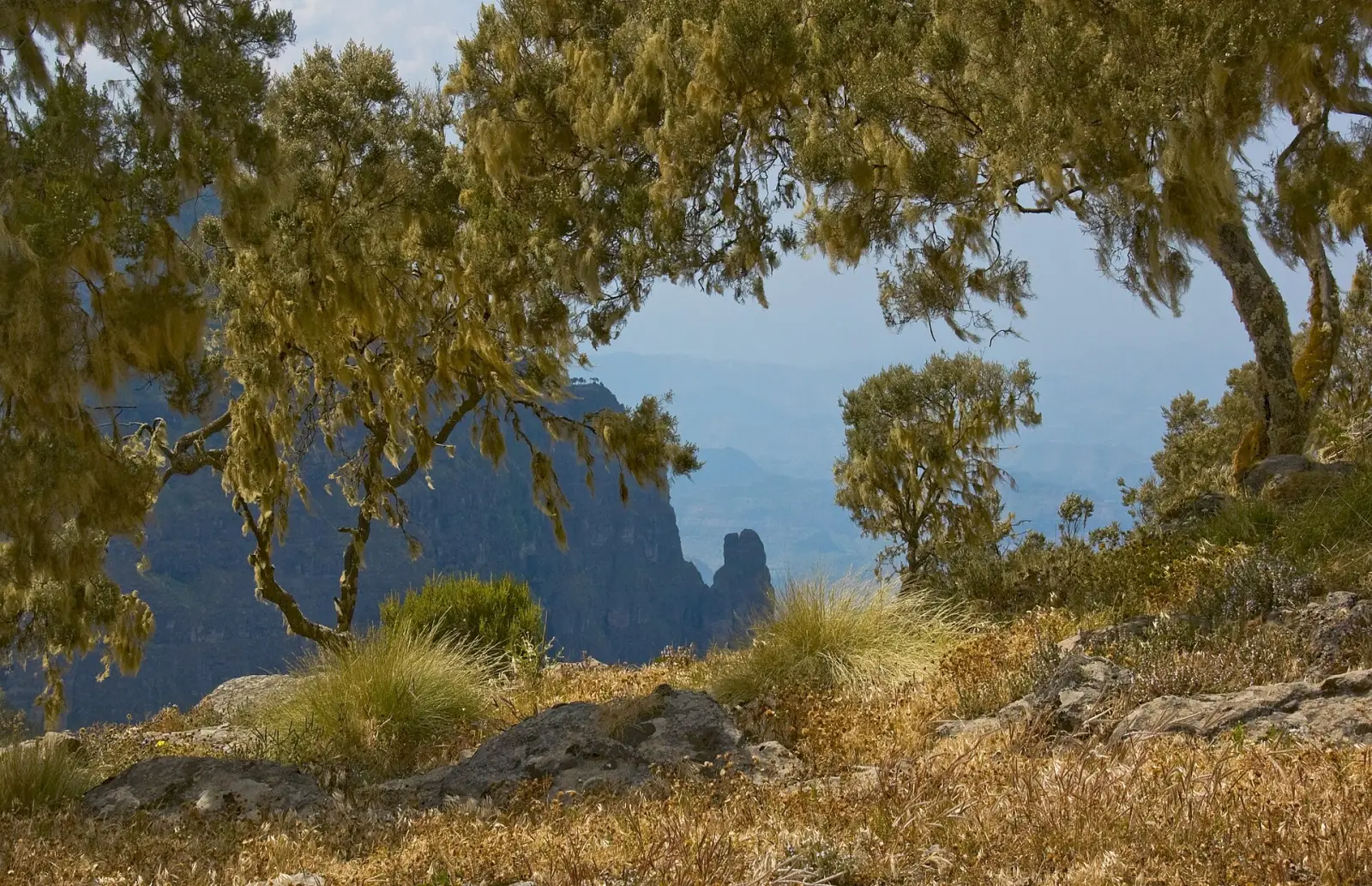
Ethiopia guide
Simien Mountains: escarpments and walking choices
Explore the Simien Mountains through escarpment scenery, endemic wildlife and distinct walking routes, with guidance on choosing the right mountain plan.
ExploreEthiopia guide
Lalibela: churches, highlands and pilgrimage
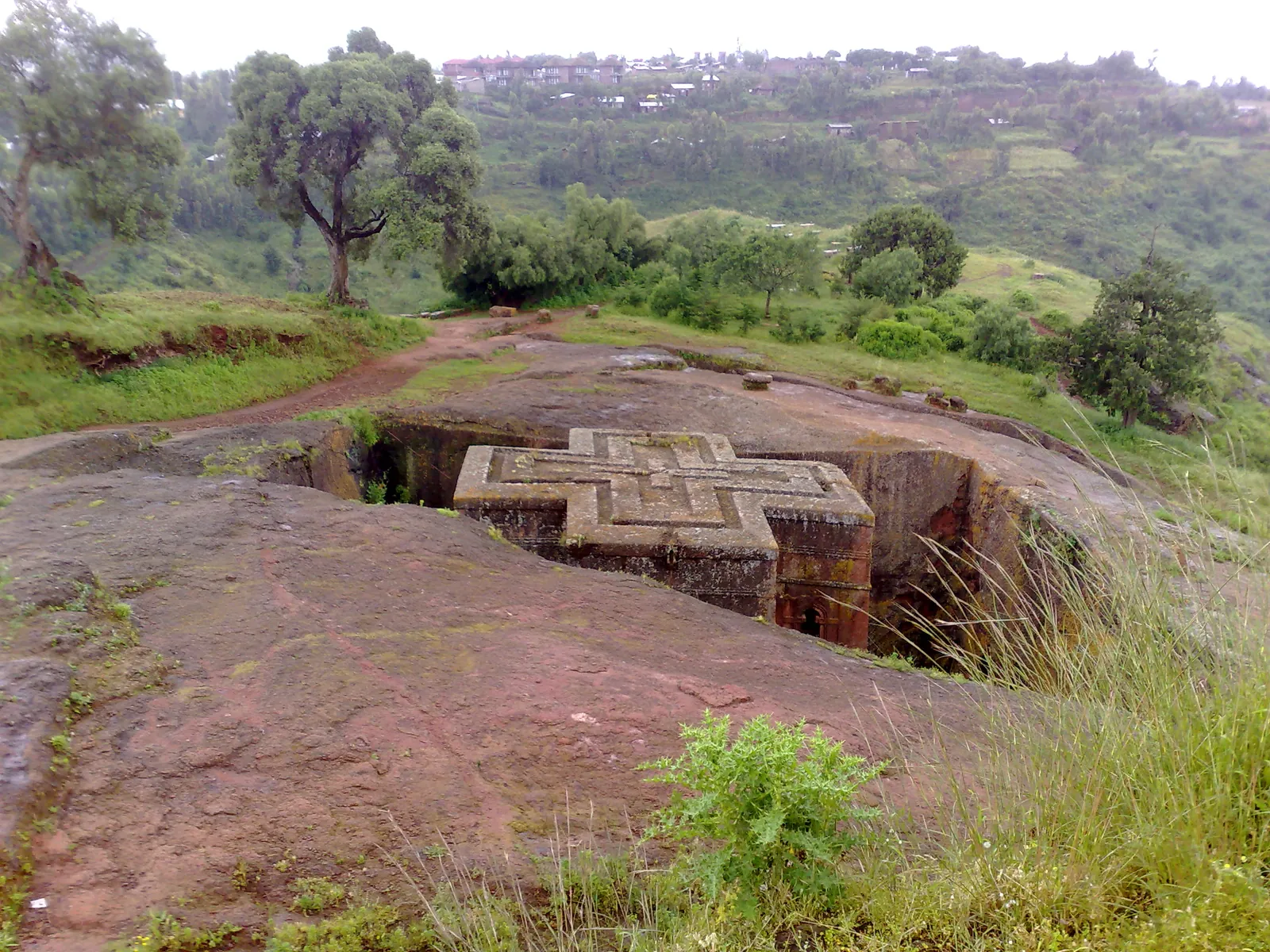
Explore Lalibela's eleven rock-hewn churches, living worship and surrounding highlands, and build a visit with time for both architecture and context.
Explore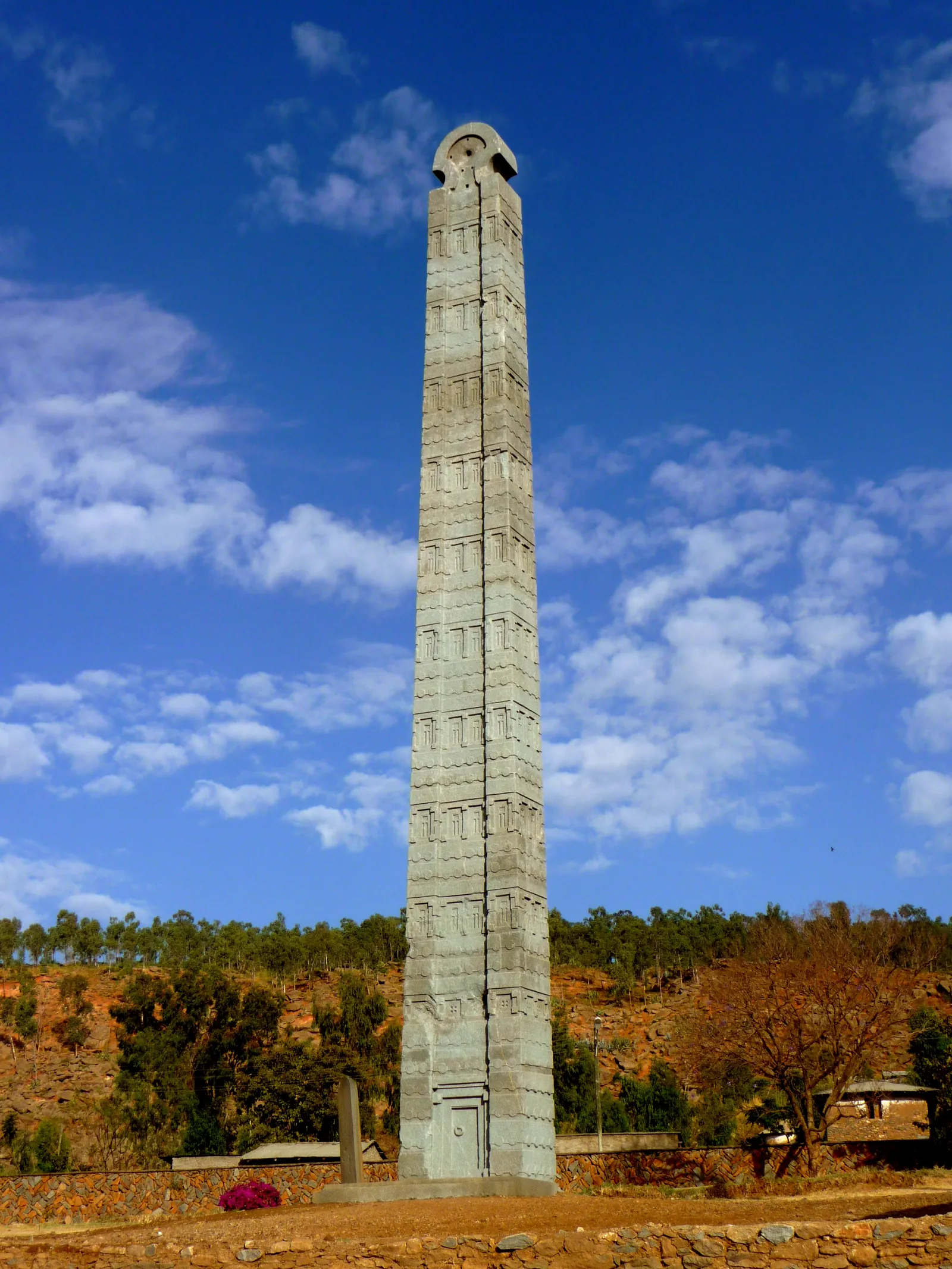
Ethiopia guide
Axum: archaeology and living heritage
Explore Axum's stelae, royal archaeology and religious traditions, and plan a visit that distinguishes historical evidence from stories of sacred heritage.
ExploreShape your journey
Bring your preferred dates, interests and pace together in a planning draft.