
What to Expect on an Ethiopia Journey
Clear expectations make it easier to enjoy a journey on its own terms. The most useful preparation concerns the actual route and services you have agreed, rather than broad assumptions about how a whole country works.
Make flexibility specific
Before departure, identify which experiences are essential and which can move between days. Agree how proposed changes are communicated, who can approve additional costs and how unused services are handled. This creates useful flexibility while preserving accountability. Keep a copy of the final itinerary and the written confirmations accessible during the trip.
Ask about the details that affect your day
A hotel category does not explain a particular room, and a vehicle name does not describe every transfer. Clarify the overnight arrangement, meals, luggage, guiding and the rhythm of a typical day. Tell the operator which facilities or access needs are essential. A written proposal helps distinguish confirmed services from possibilities still being discussed.
Travel with attention and flexibility
Allow time to listen, ask before making portraits and follow local guidance in religious or private spaces. Build some room between major connections so that a change need not undermine the entire programme. When a plan is revised, ask what it means for the remaining route and costs. Thoughtful preparation supports curiosity without turning every difference into a problem.
Agree the relationship with your guide
Tell the operator whether you prefer detailed historical explanation, more time to photograph, a slower walk or space to look independently where appropriate. Discuss how the day will be paced and when plans will be reviewed. Guiding works best as a conversation about the visit, with room for local knowledge and for your own interests, rather than as a script that every traveller must follow.
Related journeys
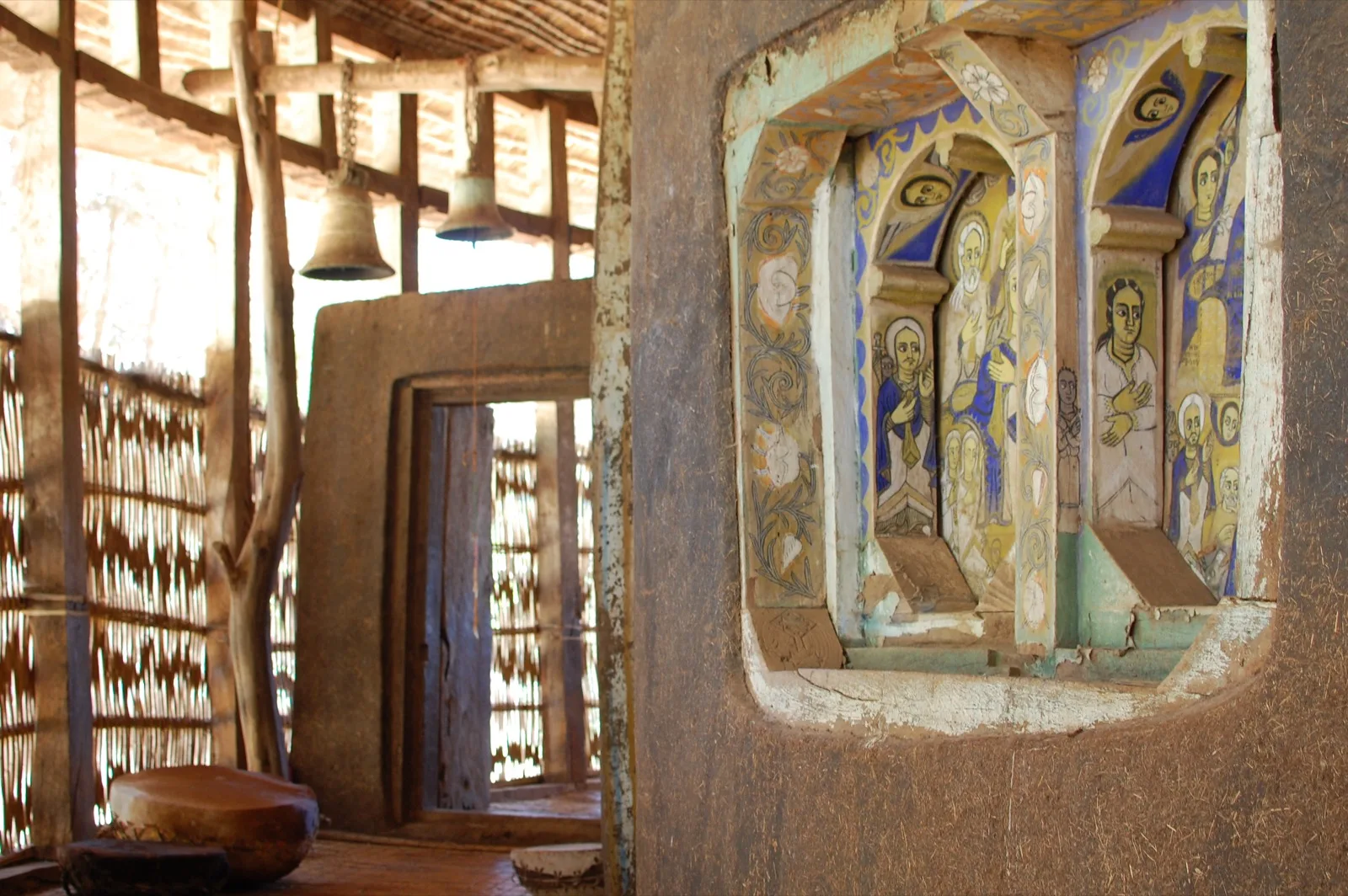
12 days · Itinerary
Northern Heritage with Lodge-Based Stays
Twelve days follow Bahir Dar, Lalibela, Gondar, the Simien Mountains, Axum and Hawzien.
Explore
12 days · Itinerary
Northern Heritage and Simien Camping Circuit
Twelve days connect Bahir Dar, Lalibela and Gondar with four Simien walking stages, then continue through Axum and Gheralta before returning to Addis Ababa.
Explore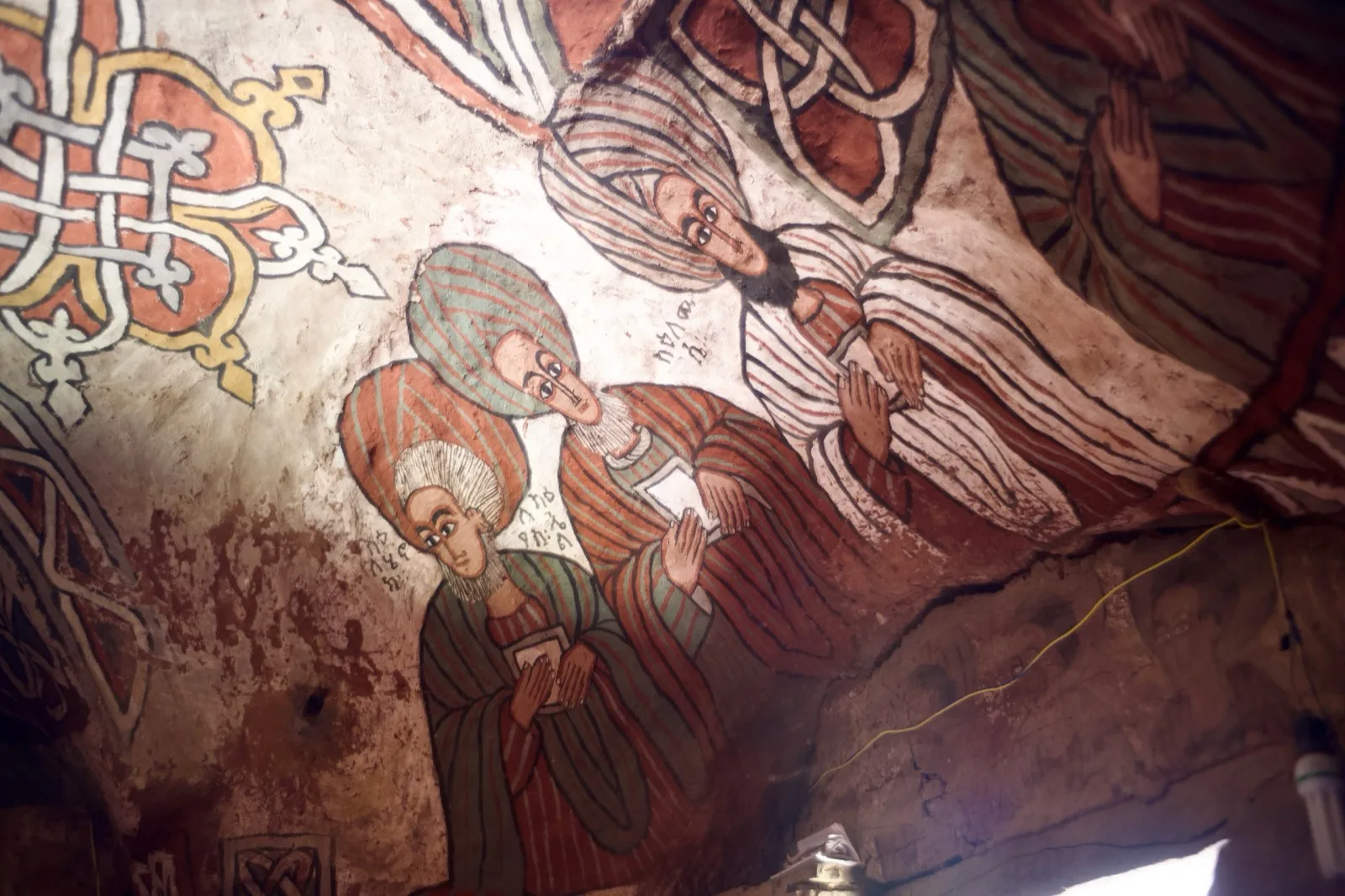
Route study
Historic North Circuit and Community Trekking
Explore a northern Ethiopia route concept combining Bahir Dar, Gondar, the Simien Mountains, Axum, Tigray community walking and Lalibela. The walking connection requires confirmation.
Explore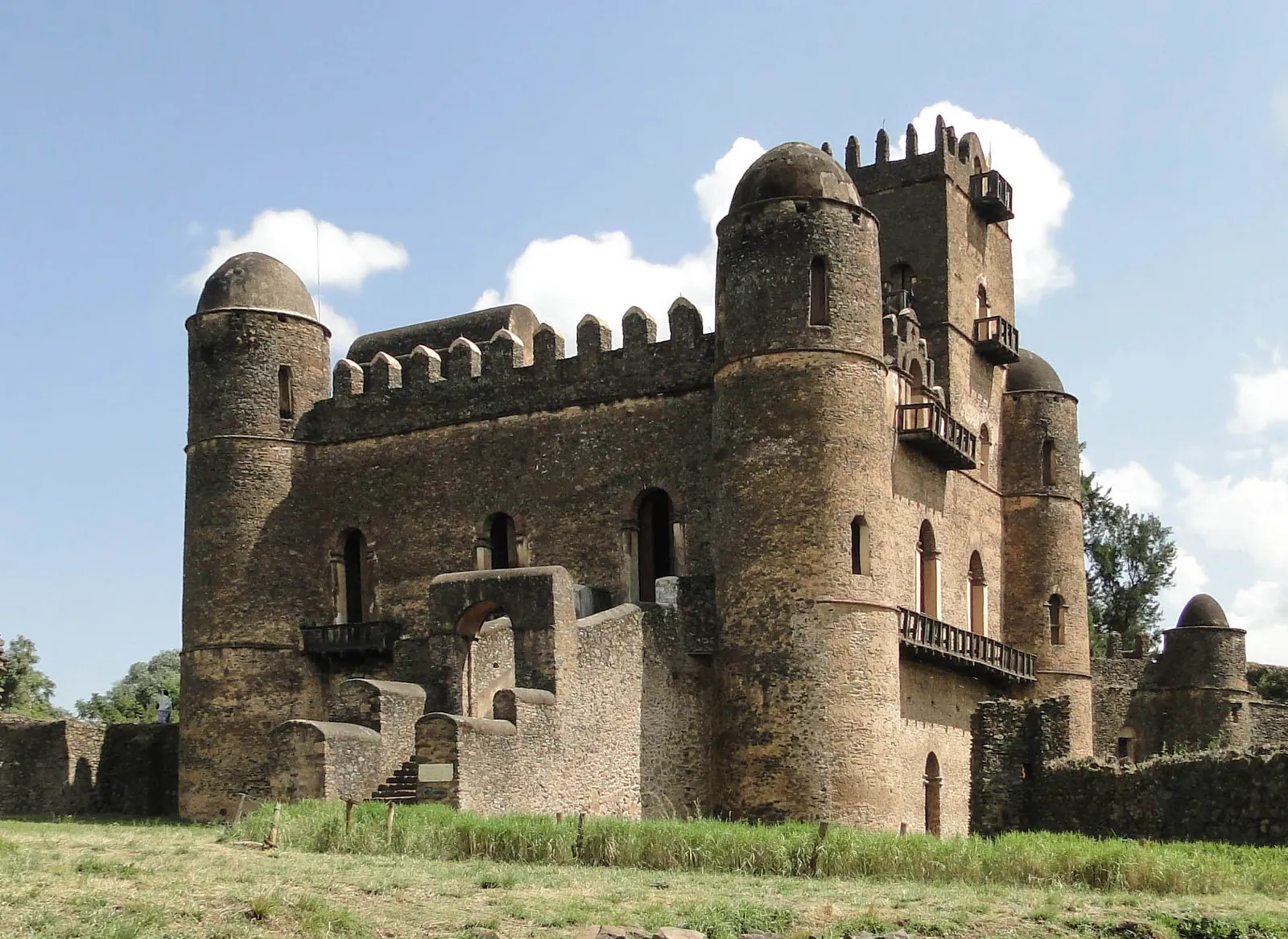
9 days · Itinerary
Nine Days through Ethiopia's Historic Towns
A nine-day heritage journey links Bahir Dar, Gondar, Lalibela and Axum with the old walled city of Harar in the east.
Explore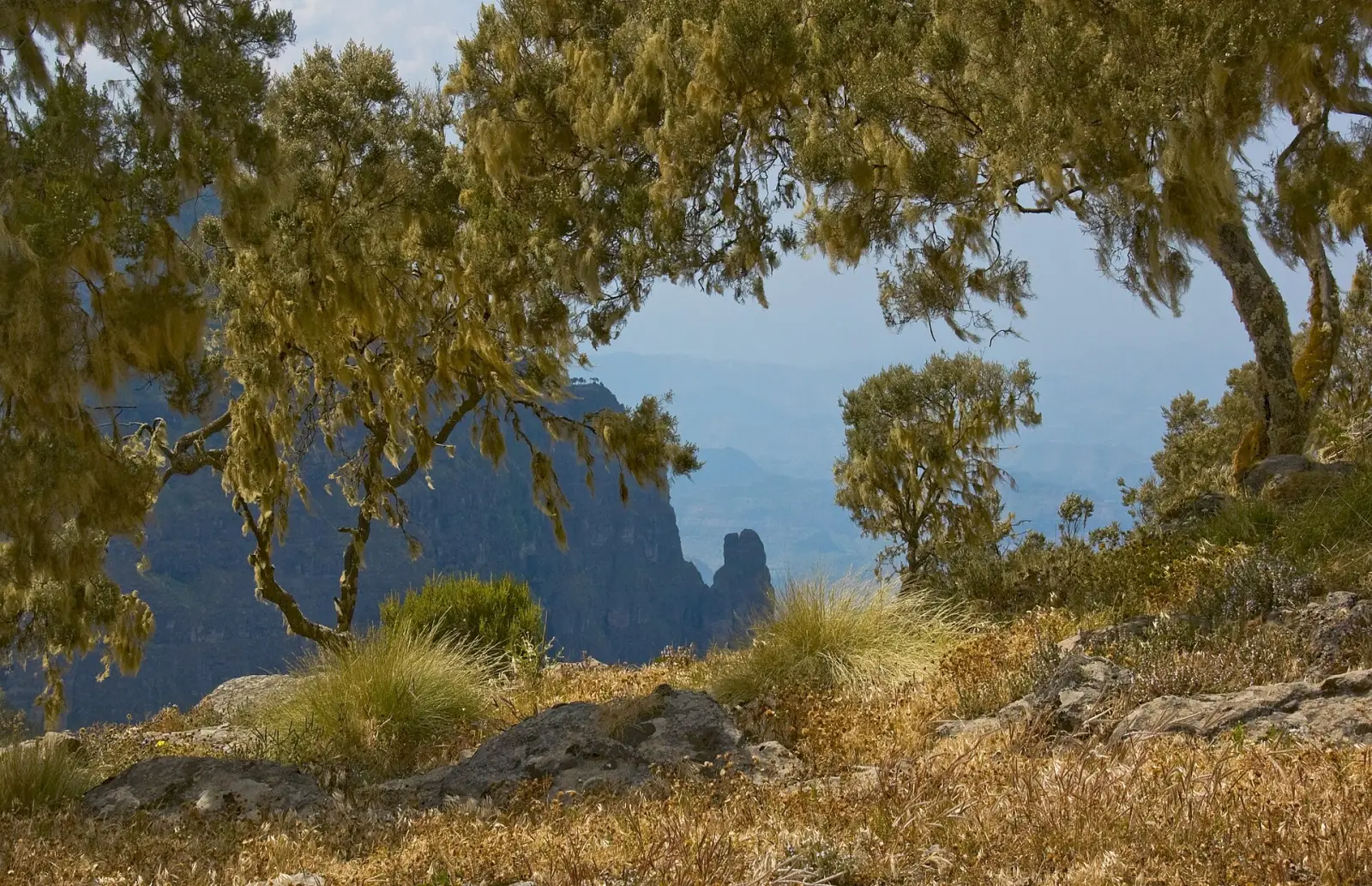
Route study
Simien Mountains and Northern History
Combine the interests of Lalibela, Gondar and the Simien Mountains in a northern Ethiopia route study, with the final connection still to confirm.
Explore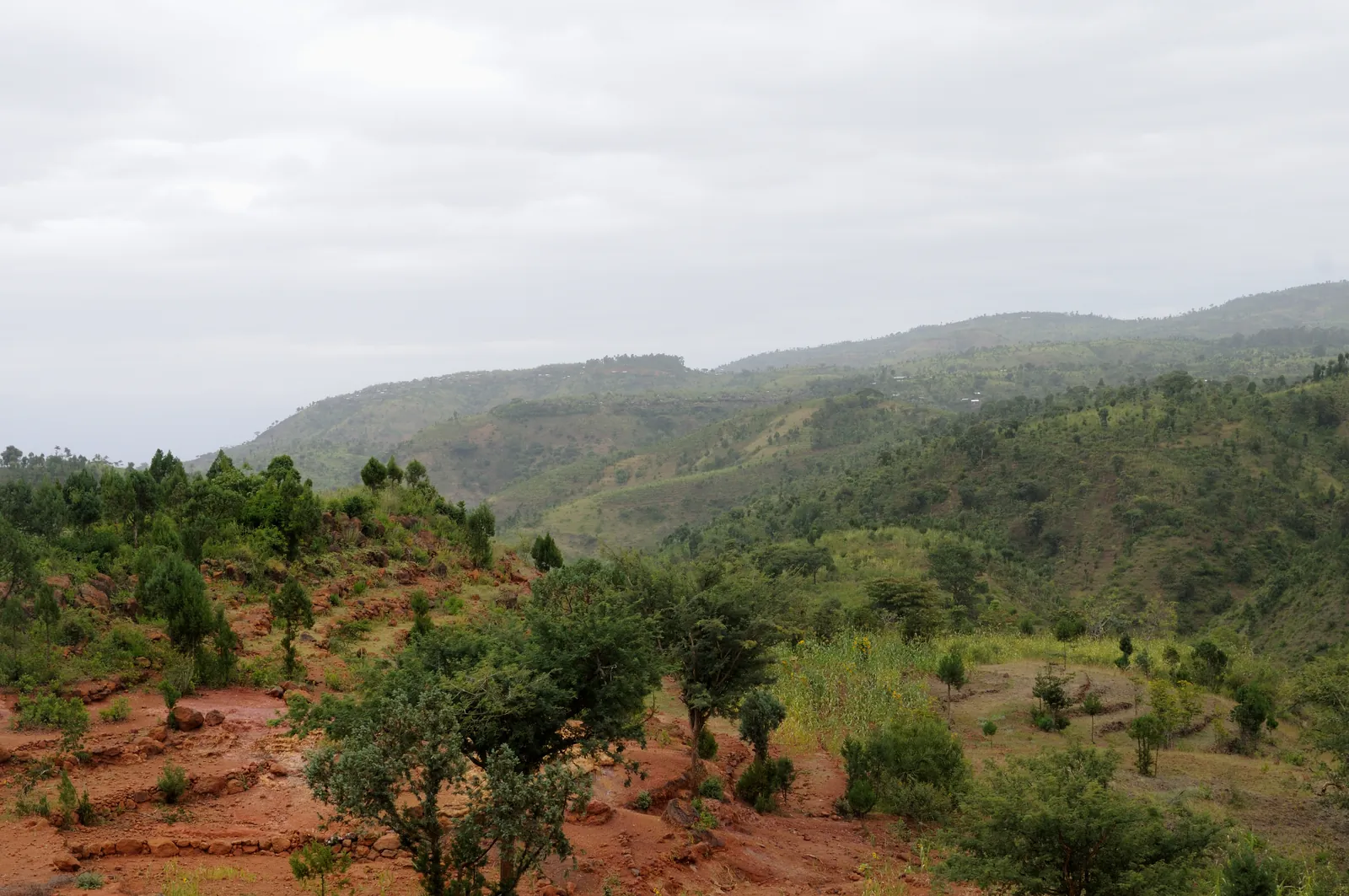
20 days · Itinerary
Twenty-Day Northern and Southern Ethiopia Survey
Twenty days join northern heritage cities and the Simien Mountains with Omo communities, Bale and the Rift lakes in one country-wide journey.
Explore
6 days · Itinerary
Six-Day Northern Heritage Sampler
Six days connect Lake Tana and Gondar with Axum and two Lalibela church days, returning to Addis Ababa. The focus stays on heritage sites rather than trekking.
Explore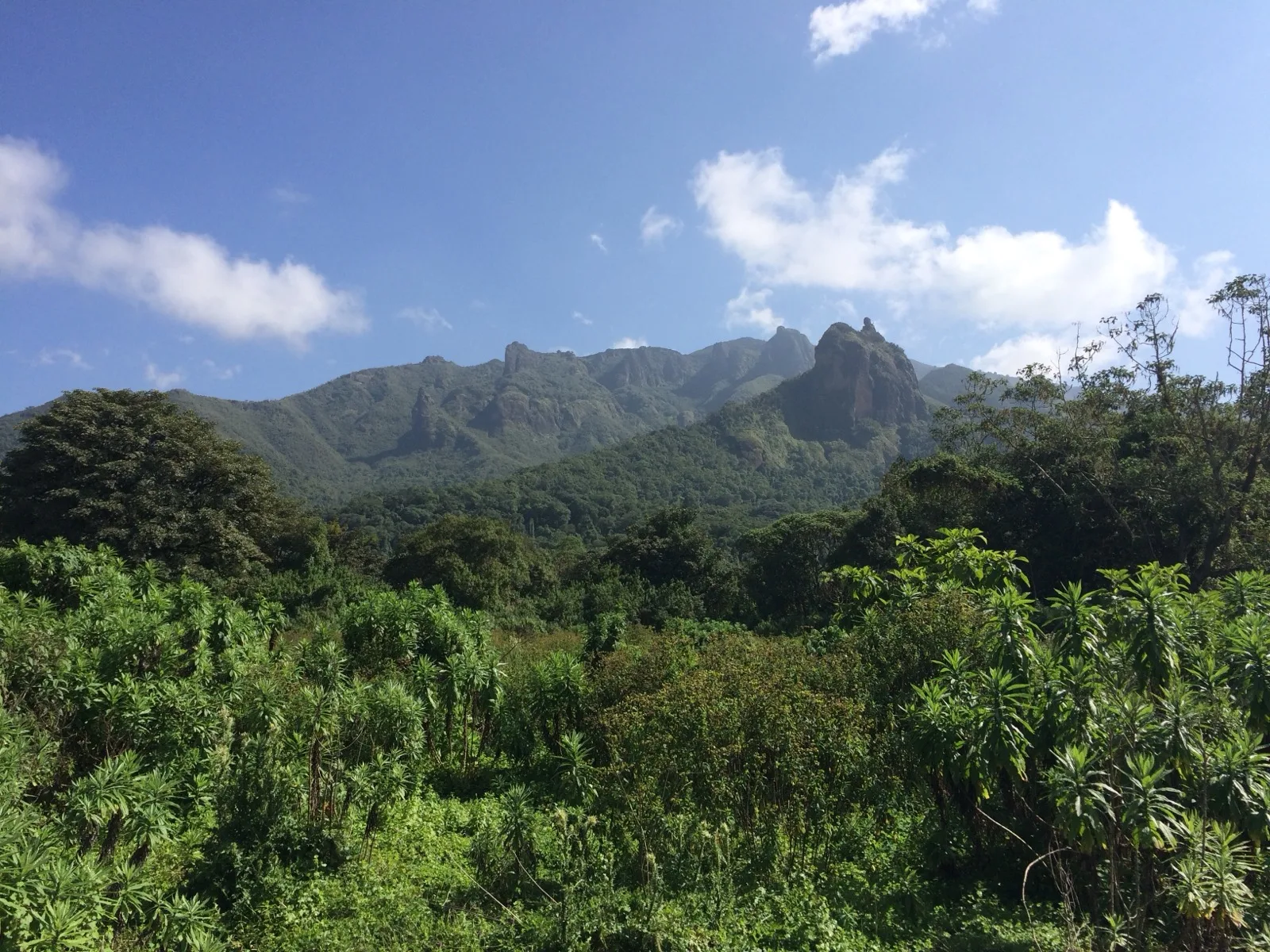
Route study
Trekking and Camping in the Bale Mountains
Explore a Bale Mountains camping and trekking concept across plateau and forest environments, with its overall length still to confirm.
Explore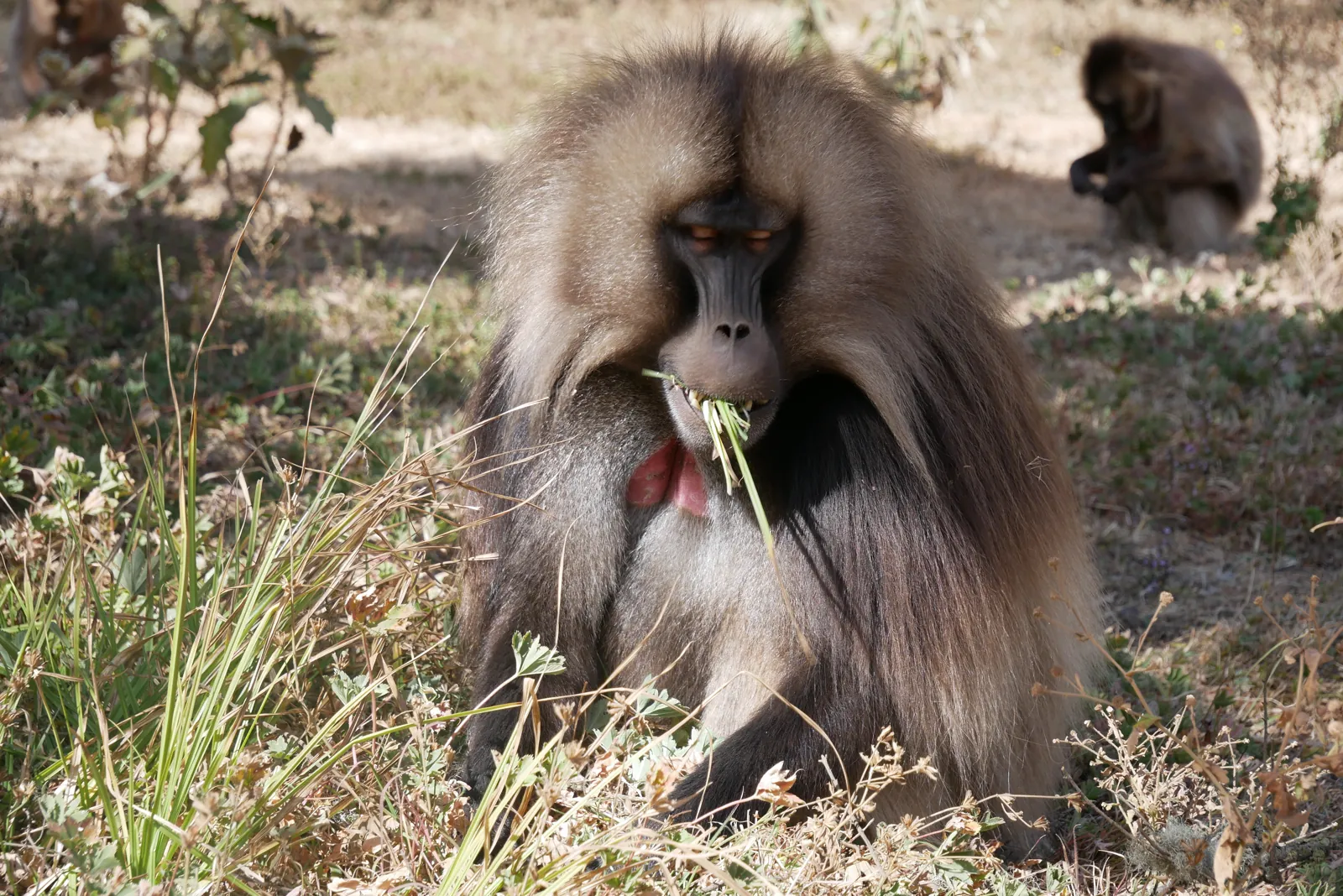
5 days · Itinerary
Gondar and the Western Simien Ridges
Five days place Gondar before a Simien walking sequence through Imet Gogo and Bwahit, with a final return to Addis Ababa via Gondar.
Explore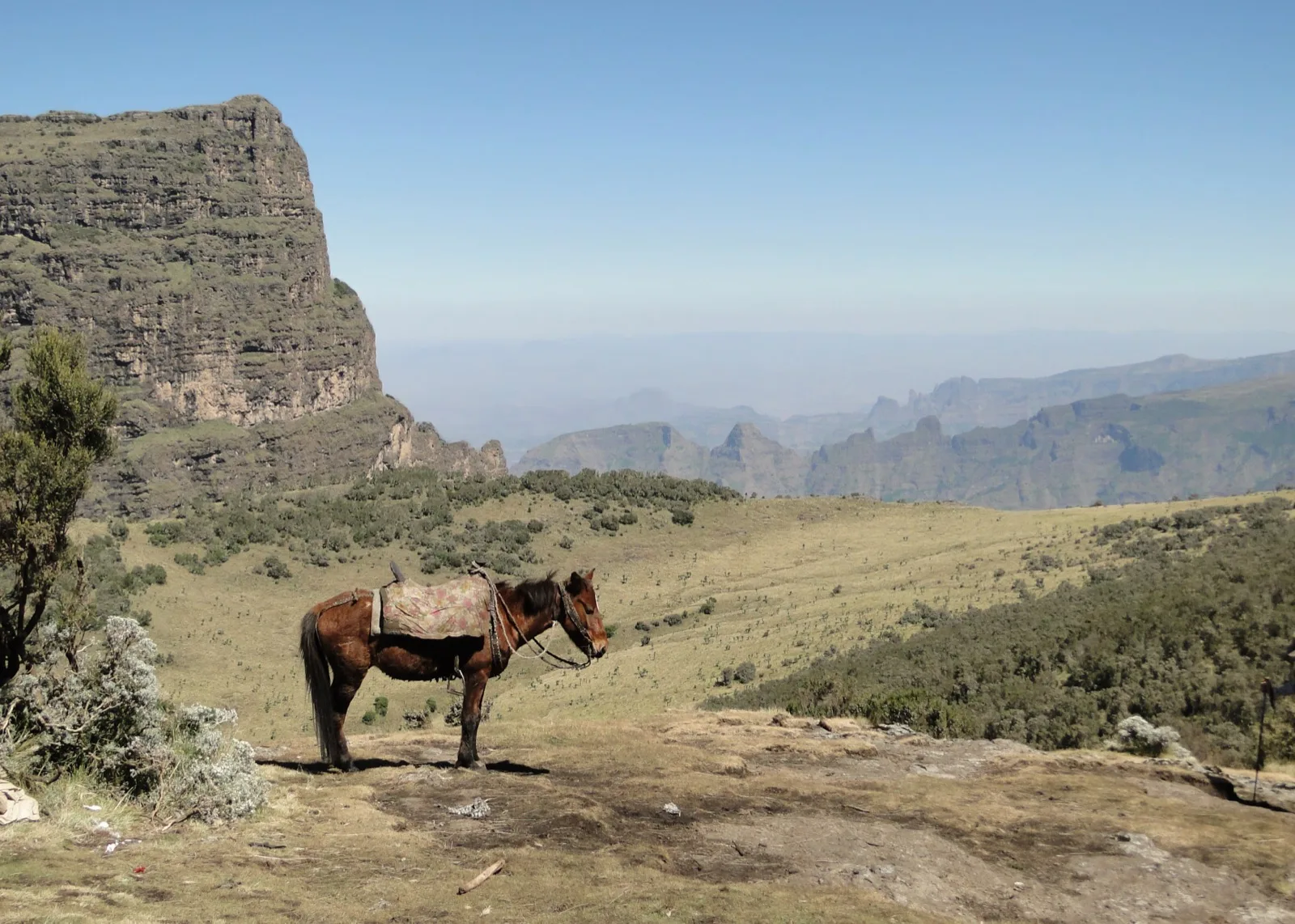
2 days · Itinerary
Two-Day Simien Escarpment Trek
A compact two-day walking route links Sankaber and Gich with Imet Gogo before returning to Gondar.
Explore
3 days · Itinerary
Three Days on the Simien Ridges
Three days walk from Sankaber and Gich across Imet Gogo to Chenek, with an optional Ras Bwahit summit, starting and finishing in Gondar.
Explore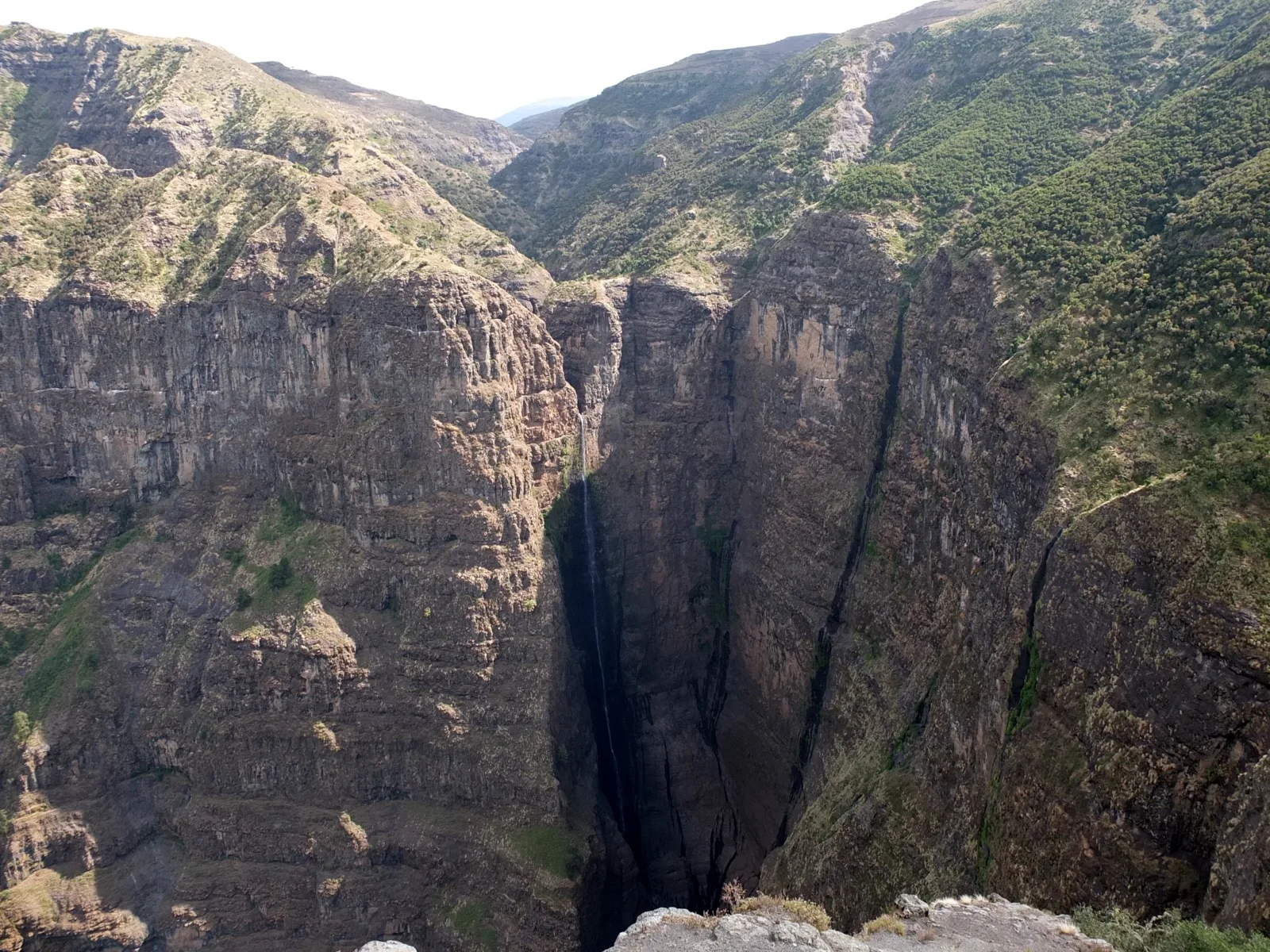
4 days · Itinerary
Four-Day Simien Walking Circuit
An introductory approach through Michibiny leads into three further days around Gich, Imet Gogo and Chenek, with a Bwahit option before the return to Gondar.
Explore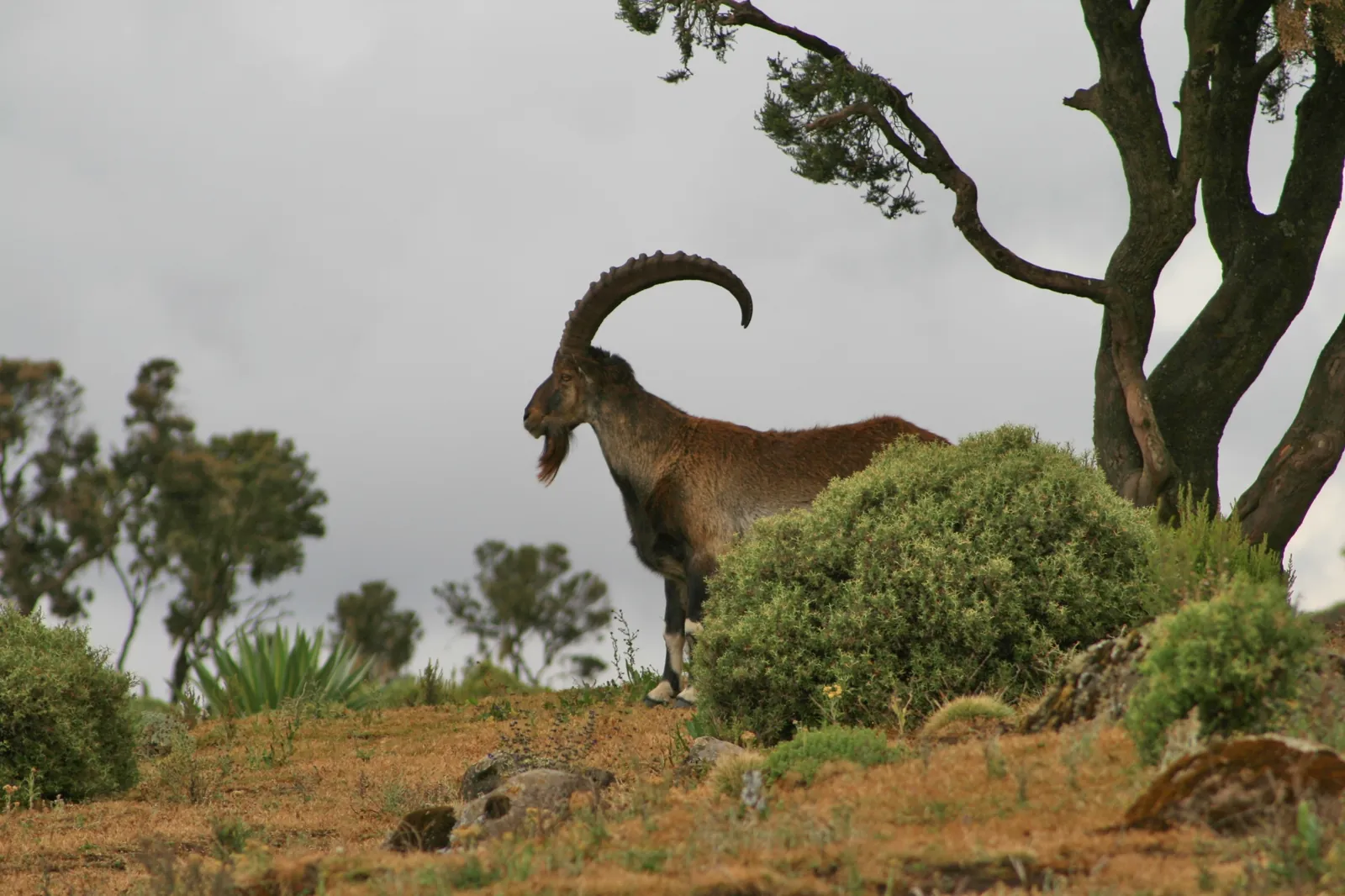
6 days · Itinerary
Six-Day Simien Trek towards Ras Dashen
Six days connect the western Simien camps with Ambiko and a Ras Dashen attempt.
Explore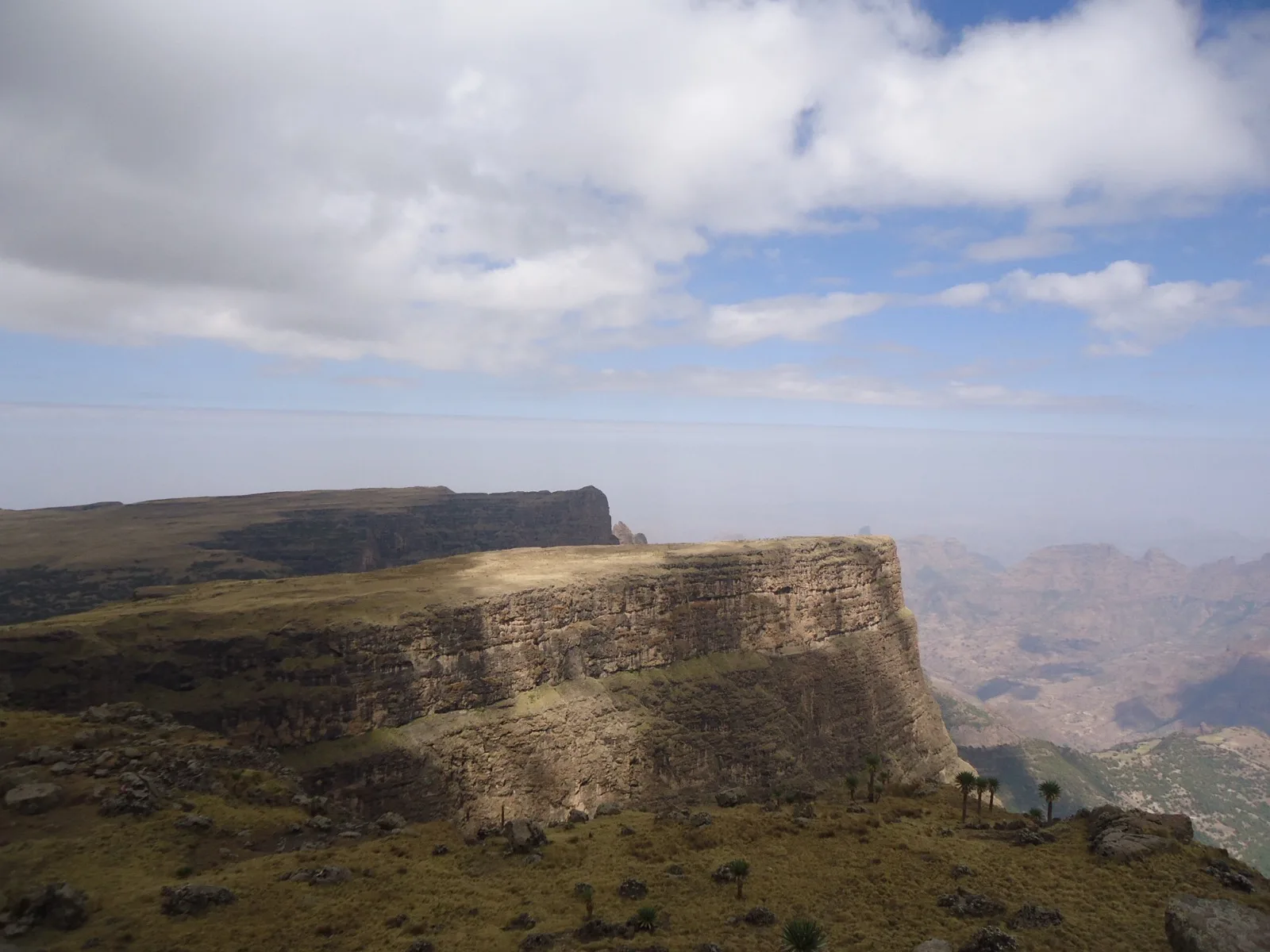
4 days · Itinerary
Four Days Camping in the Simien Mountains
Four days lead through Debark and the Simien camps of Sankaber, Gich and Chenek, finishing with a Mount Bwahit excursion.
Explore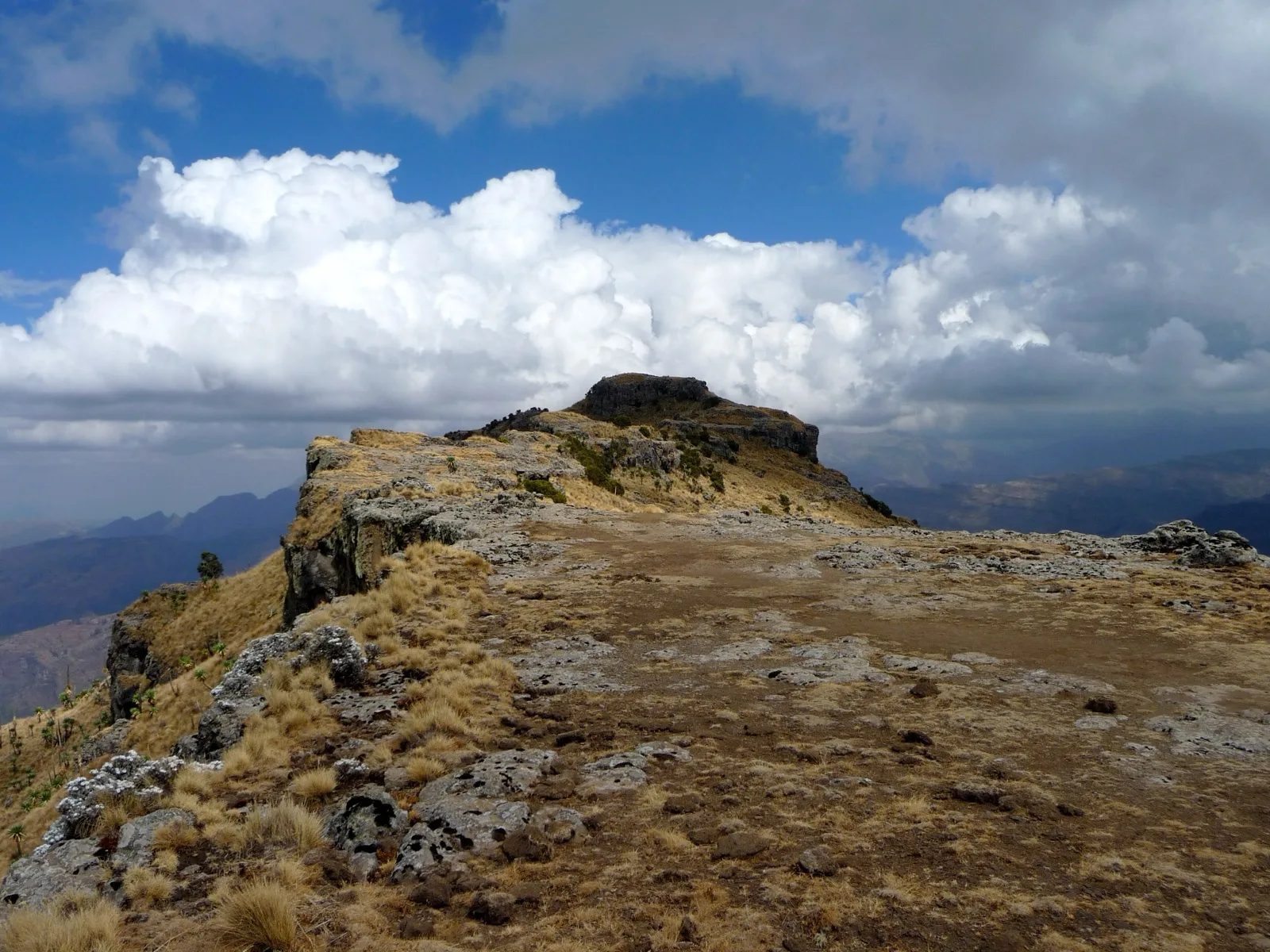
Route study
Trekking in the Simien Mountains: Route Study
Follow the named Simien trekking stages through Sankaber, Gich, Chenek, Ambiko and Ras Dashen, with the return from Menteber still to confirm.
Explore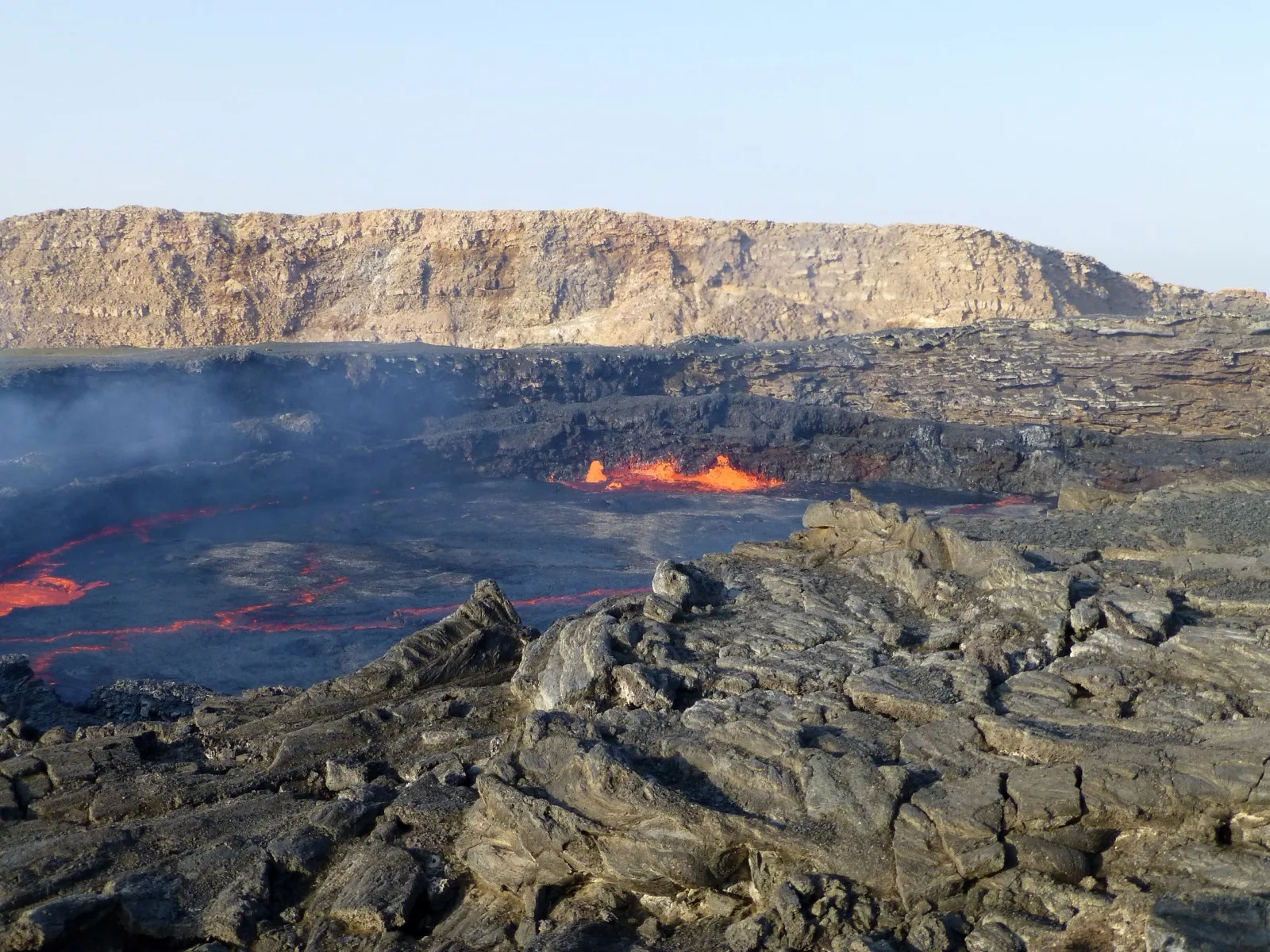
3 days · Itinerary
Three-Day Danakil Volcanic Traverse
Three days link Mekele with Erta Ale via Aksoma, then Hamed Ela, Dallol and Lake Afrera before the return to Mekele.
Explore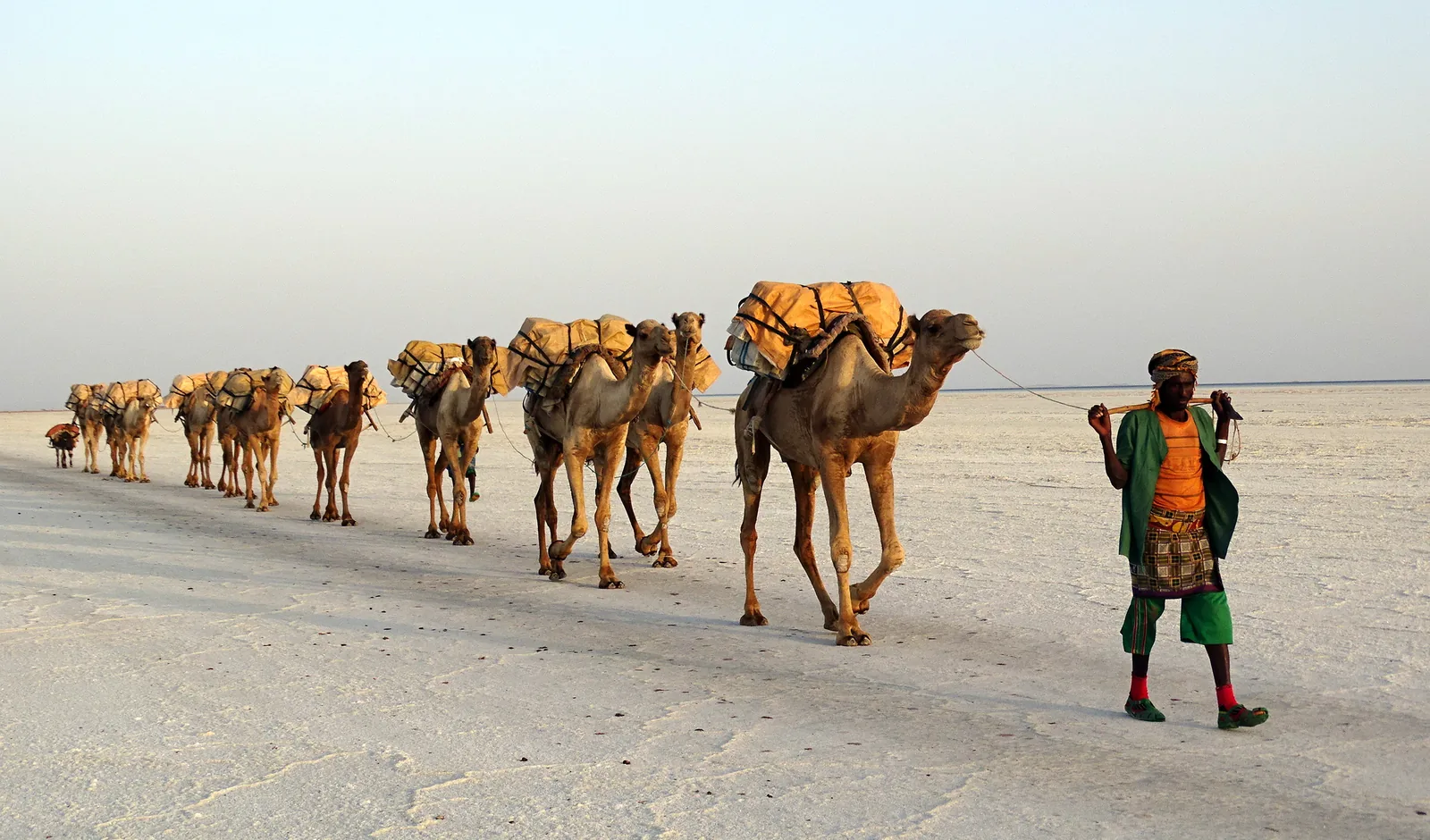
1 day · Itinerary
Danakil Salt-Landscape Day Trip
A single-day journey follows Berhale, Ahmed Ela, Lake Asale and Dallol before returning towards the Tigray highlands.
Explore
2 days · Itinerary
Two Days in the Danakil Depression
Explore a proposed two-day Danakil route from Mekele through Berhale and Hamed Ela to Dallol, Lake Asale and the salt workings of Ragad.
Explore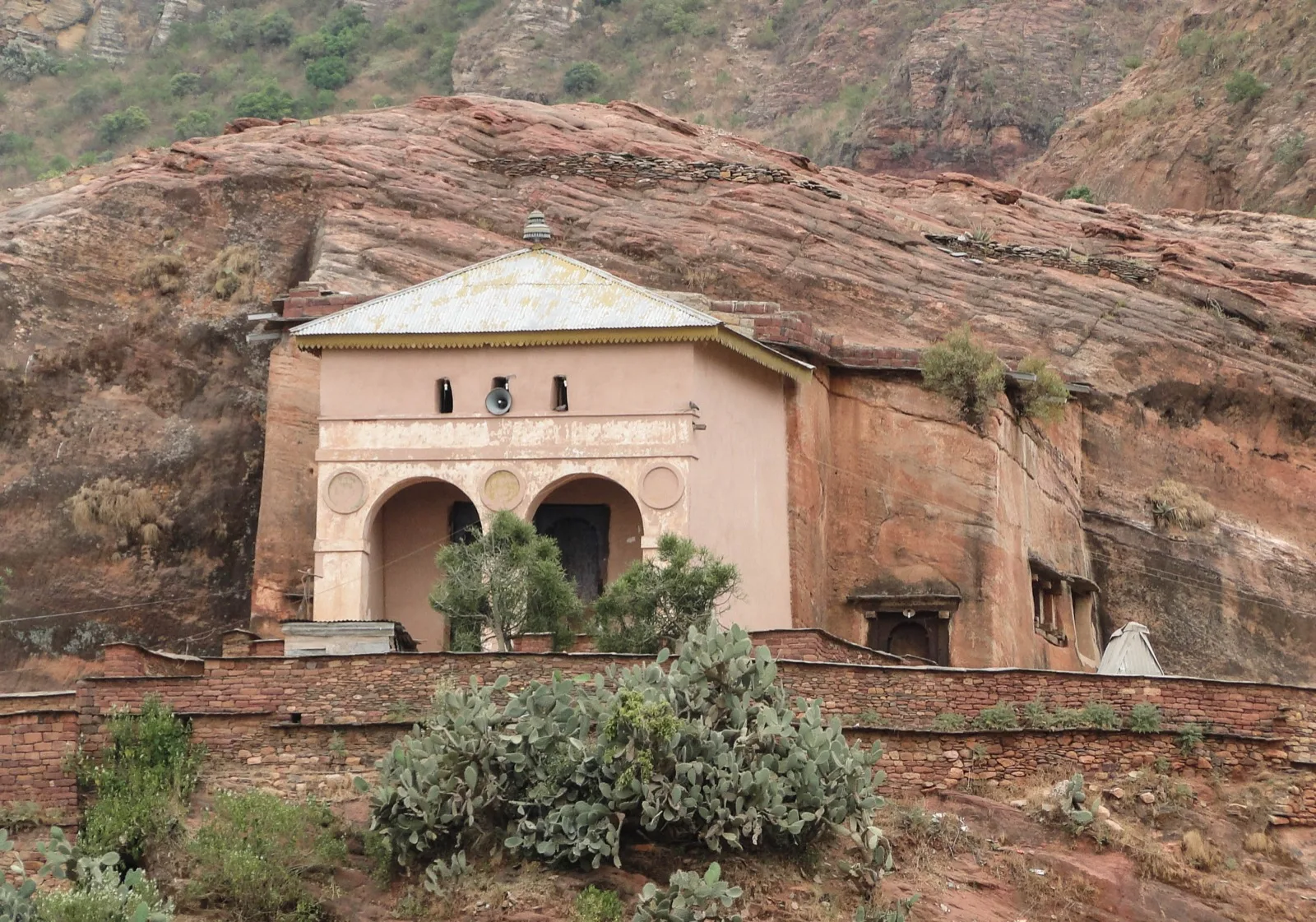
11 days · Itinerary
Tigray Community Trails and the Danakil
Eleven days connect Axum with a chain of Tigray community-trail locations before the route enters the Danakil for Erta Ale, Dallol and the salt lakes.
Explore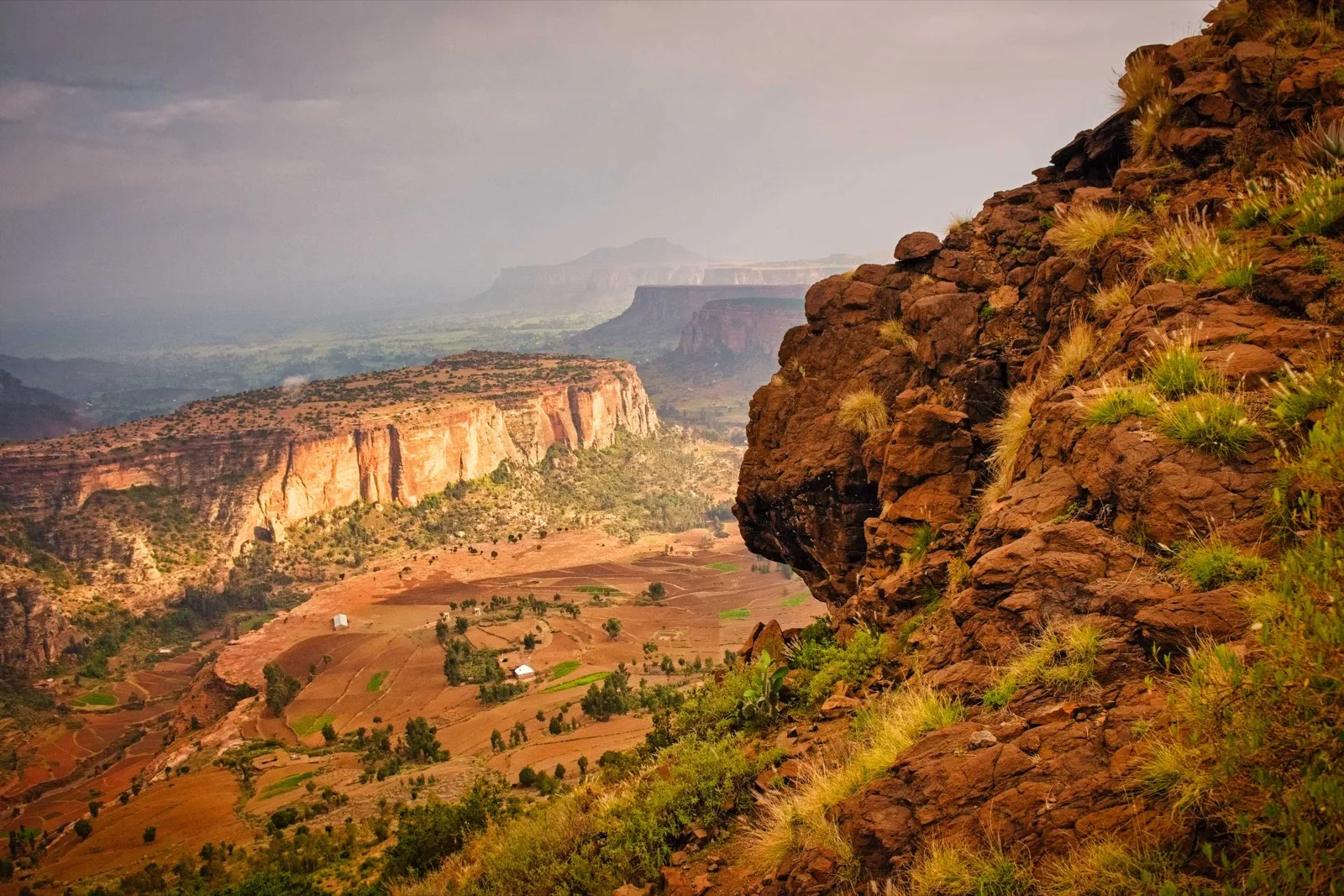
Route study
Community Trekking in Ethiopia: Route Study
Compare community walking around Wollo and Tigray with Lalibela, Gondar, the Simiens and Axum, and review the unresolved stages of this route concept.
Explore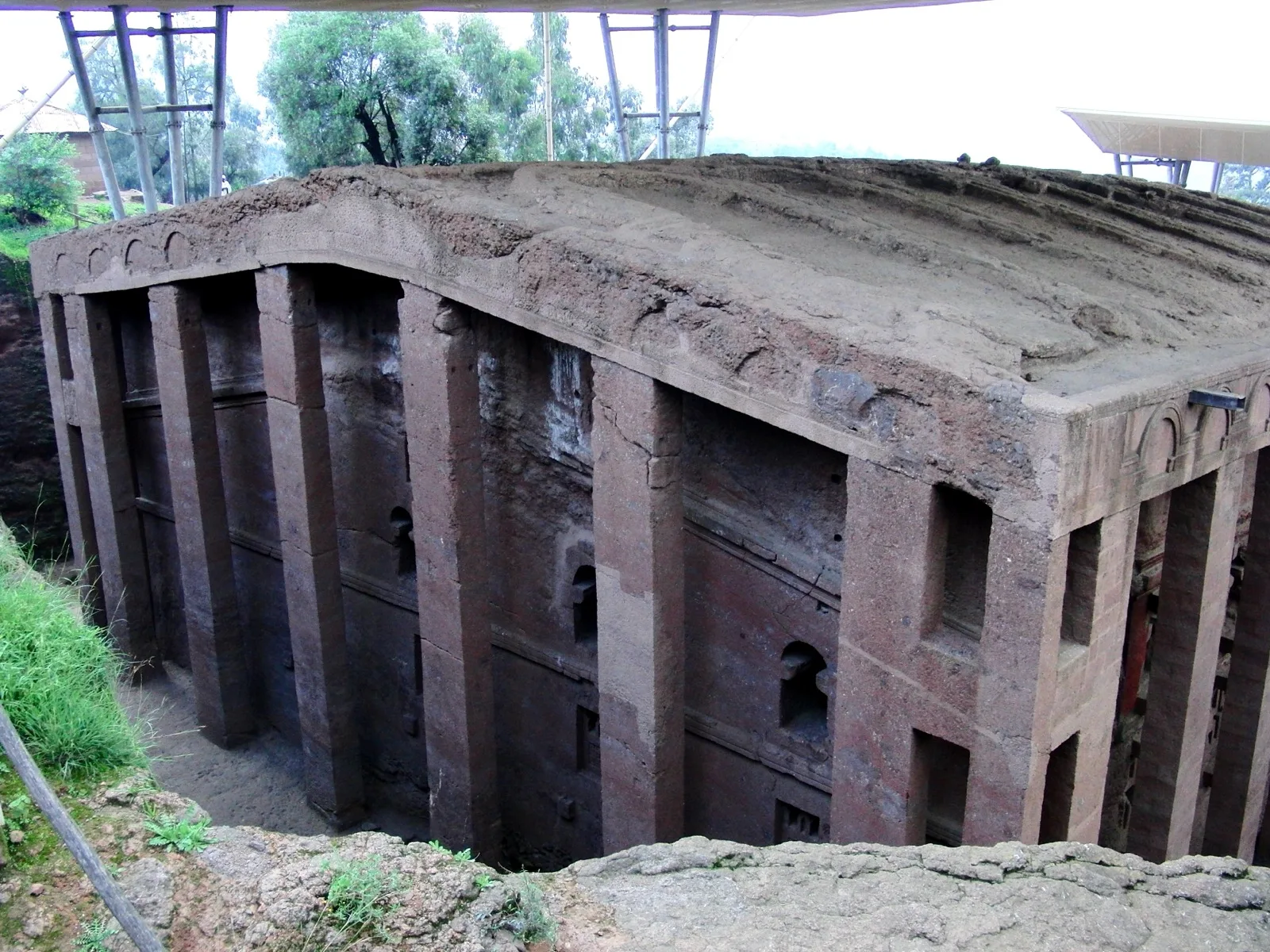
9 days · Historical Christmas programme
Lalibela Christmas and Northern Heritage: Historical Journey
A nine-day historical journey links Addis Ababa, Bahir Dar, Gondar and Axum with Lalibela and Tigray.
Explore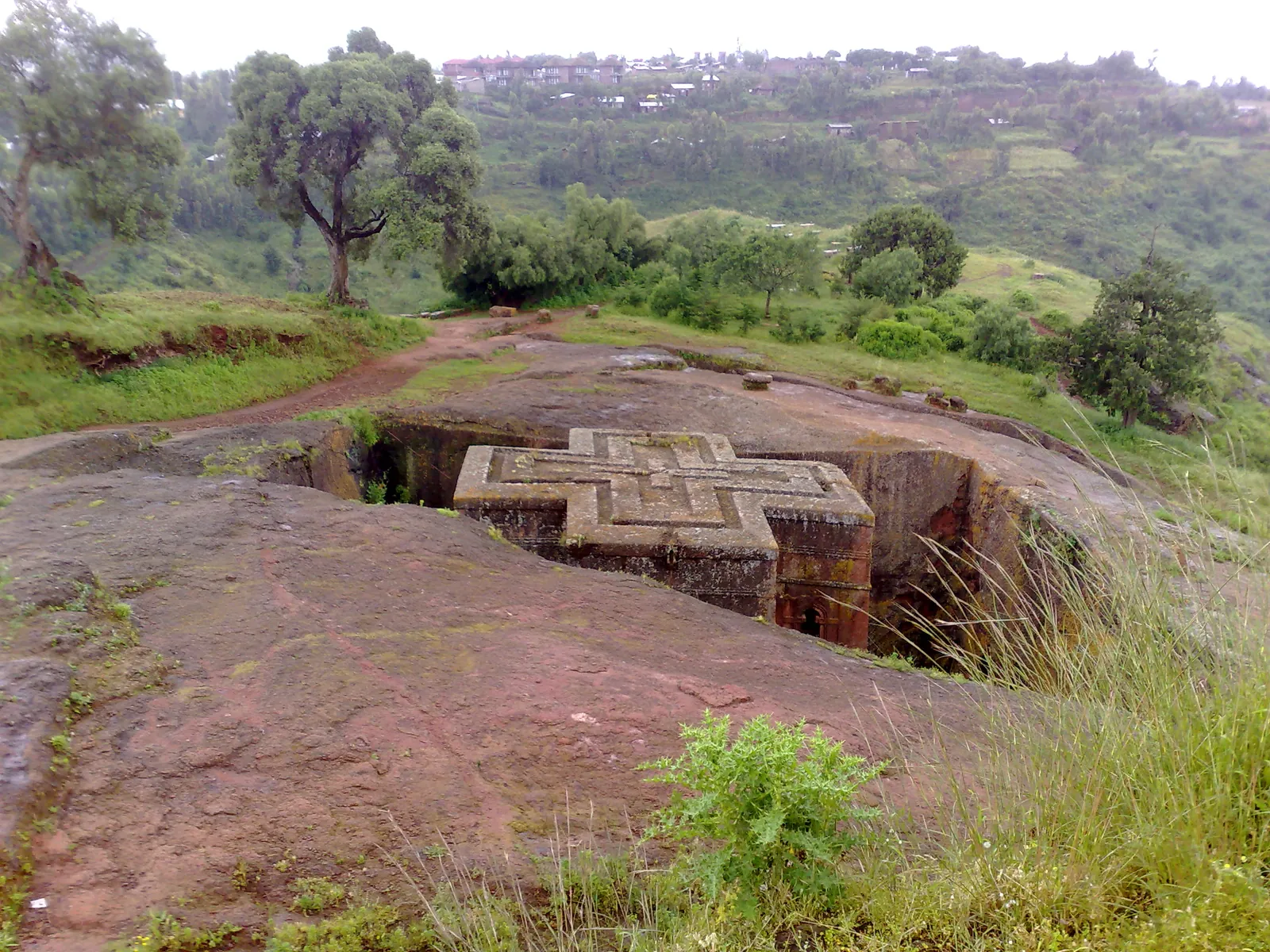
5 days · Itinerary
Lalibela Churches and Highland Walking
Five days combine Lalibela's church groups with a Hudad approach, an optional Abuna Yosef outing and Yimrehane Kristos before returning to Addis Ababa.
ExploreRelated places and journeys
Ethiopia guide
Ethiopia Guide
Start exploring Ethiopia with places, experiences and a few practical questions.
ExploreEthiopia guide
Ethiopia Travel Guide
Plan Ethiopia by connecting geography, interests and practical questions.
ExploreEthiopia guide
Private Tours
Use a private journey to shape the pace around your own party.
ExploreEthiopia guide
Tailor-made Tours to Ethiopia
Shape an Ethiopia journey around a few clear priorities.
ExploreShape your journey
Bring your preferred dates, interests and pace together in a planning draft.