
Wildlife Journeys in Ethiopia
Wildlife travel in Ethiopia draws much of its character from the highlands. The appeal lies in distinctive habitats and species associated with them, including geladas, Walia ibex and Ethiopian wolves.
Add wildlife stops to a broader journey
Lake Chamo offers a lake-based interest in crocodiles and hippos, while Rift Valley wetlands appeal to birdwatchers. Harar’s hyena-feeding tradition is a human–wildlife encounter with a different context from observing undisturbed animals. State which kind of experience you want before choosing a route, and distinguish an incidental sighting from dedicated observation time.
Choose a habitat, then a route
The Simien Mountains connect escarpment scenery with grassland and cliff habitats. Bale offers a different combination: the open Sanetti Plateau, grasslands and Harenna Forest. These environments reward different ways of looking. A wildlife-focused journey benefits from time to stop and observe, rather than trying to cover every landscape in a single day.
Leave room for the unexpected
A species list is an interest, not a promise of encounters. Tell the operator which animals or birds matter most and ask how much of the proposed route is devoted to their habitat. Keep a respectful distance and let a local guide set the approach. Avoid feeding, calling or crowding animals to create a photograph.
Walking, watching and travel days
Decide how much of the journey you want to spend on foot and how much observation you prefer from an agreed stopping point. A trek with wildlife interests is different from a dedicated wildlife programme: the former still needs to reach the next overnight place. Tell the operator about birding, photography or a wish for longer observation periods before the route is fixed.
Questions for a wildlife proposal
Ask how guiding supports the species and habitats that interest you. Clear answers should explain the route rather than attach an unqualified list of possible animals.
- Which habitats receive dedicated observation time?
- Who will interpret birds and other wildlife?
- How are sightings balanced with walking and transfer stages?
Related journeys
Route study
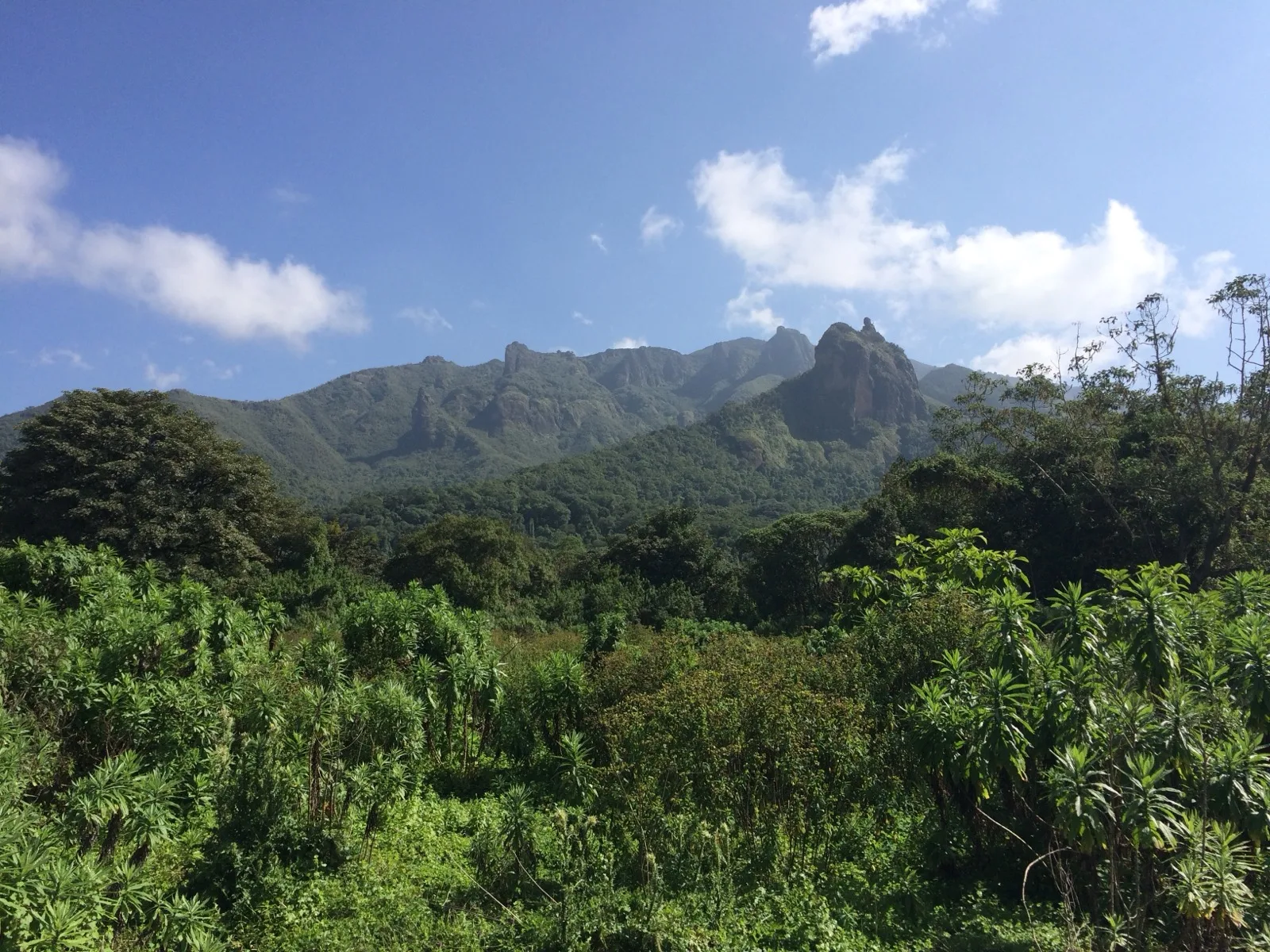
Trekking and Camping in the Bale Mountains
Explore a Bale Mountains camping and trekking concept across plateau and forest environments, with its overall length still to confirm.
Explore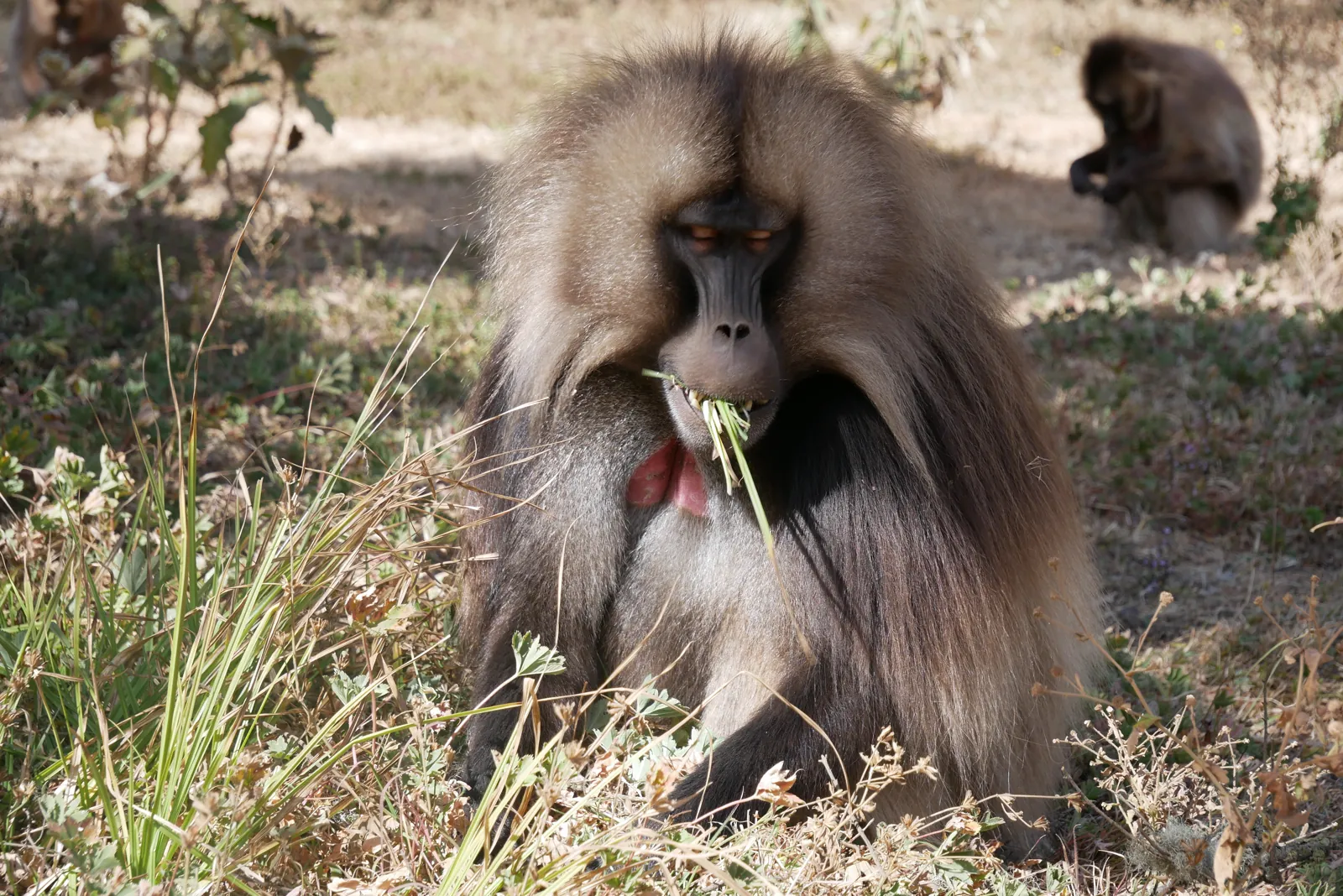
5 days · Itinerary
Gondar and the Western Simien Ridges
Five days place Gondar before a Simien walking sequence through Imet Gogo and Bwahit, with a final return to Addis Ababa via Gondar.
Explore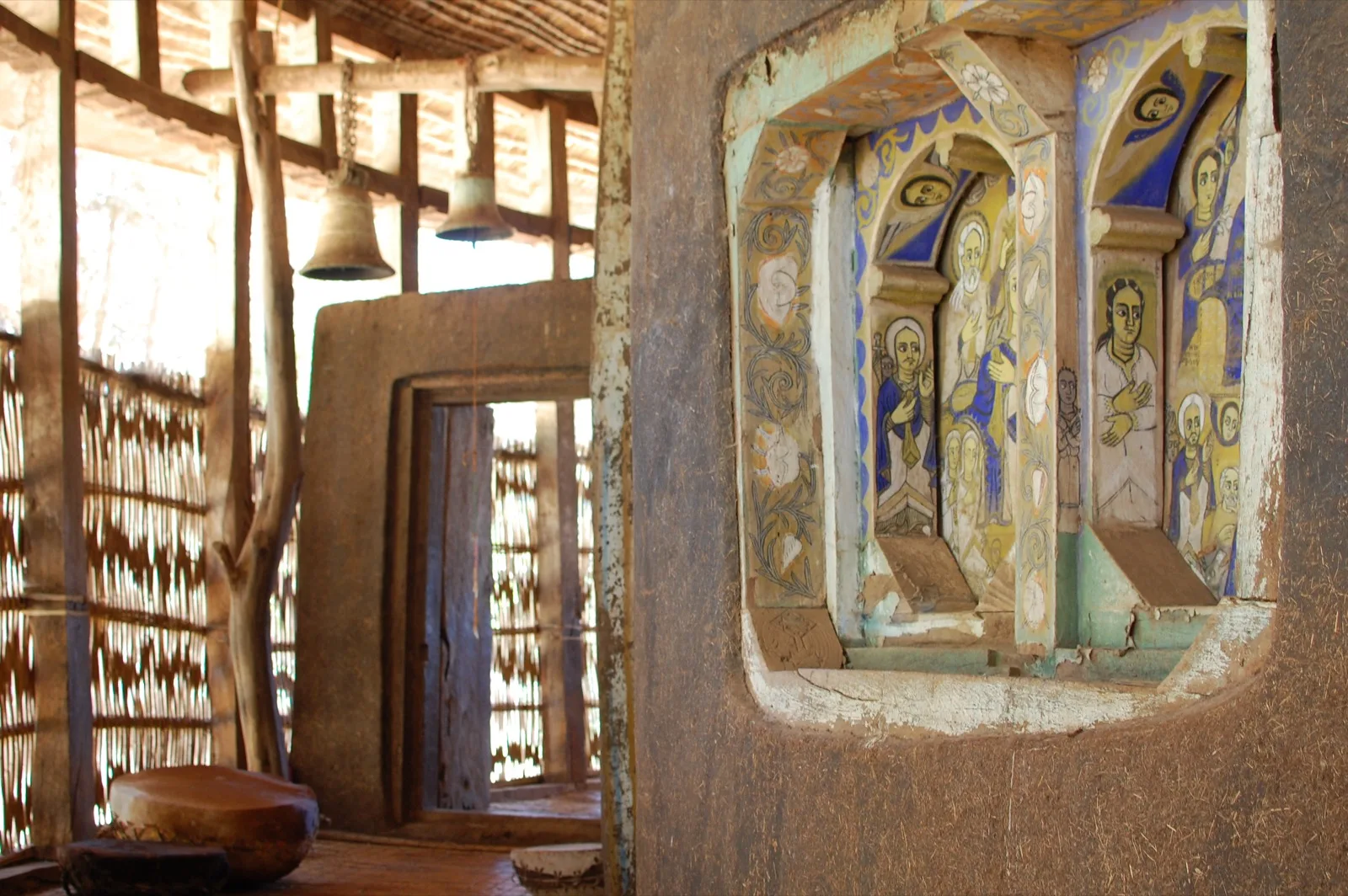
12 days · Itinerary
Northern Heritage with Lodge-Based Stays
Twelve days follow Bahir Dar, Lalibela, Gondar, the Simien Mountains, Axum and Hawzien.
Explore
12 days · Itinerary
Northern Heritage and Simien Camping Circuit
Twelve days connect Bahir Dar, Lalibela and Gondar with four Simien walking stages, then continue through Axum and Gheralta before returning to Addis Ababa.
Explore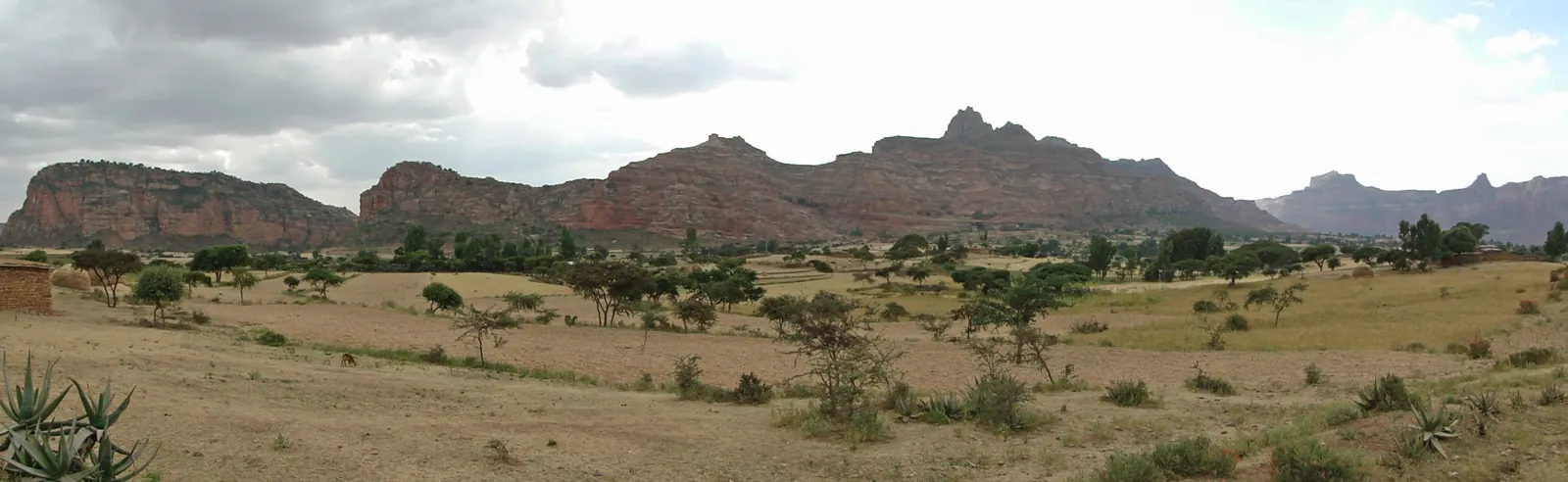
9 days · Itinerary
Northern Ethiopia by Air: Nine-Day Journey
A nine-day aerial concept links Gheralta and the Danakil with Axum, the Simiens, Gondar, Bahir Dar and Lalibela.
Explore
14 days · Itinerary
Fourteen-Day Aerial Journey through Ethiopia
A fourteen-day helicopter concept extends the northern heritage and mountain route into the Omo Valley and Bale.
Explore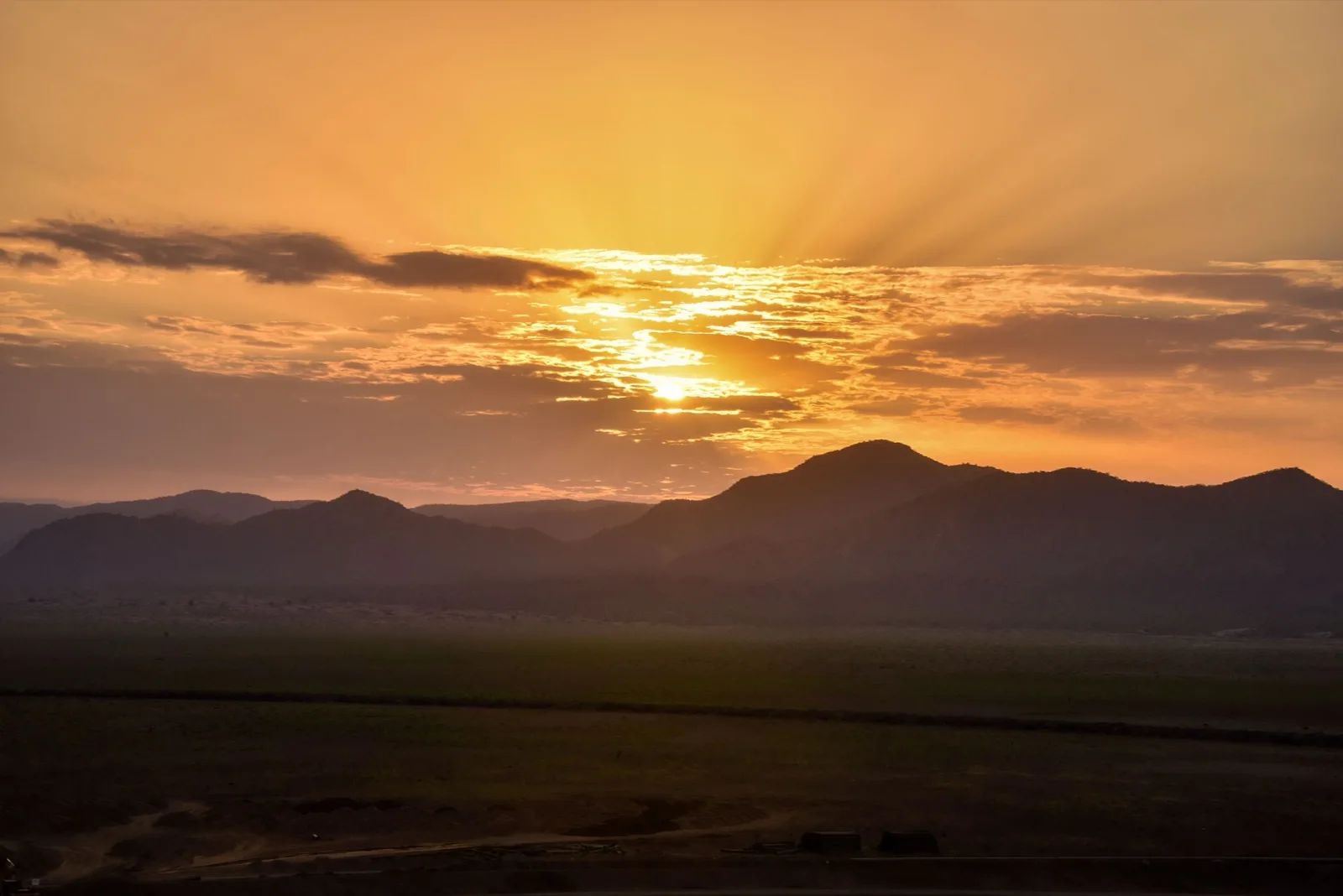
Route study
Ethiopia Frontier Safari
Study an extended Ethiopia journey linking the Omo Valley, Gambella, Bale, the Simien Mountains and Lalibela, with its daily schedule still to confirm.
Explore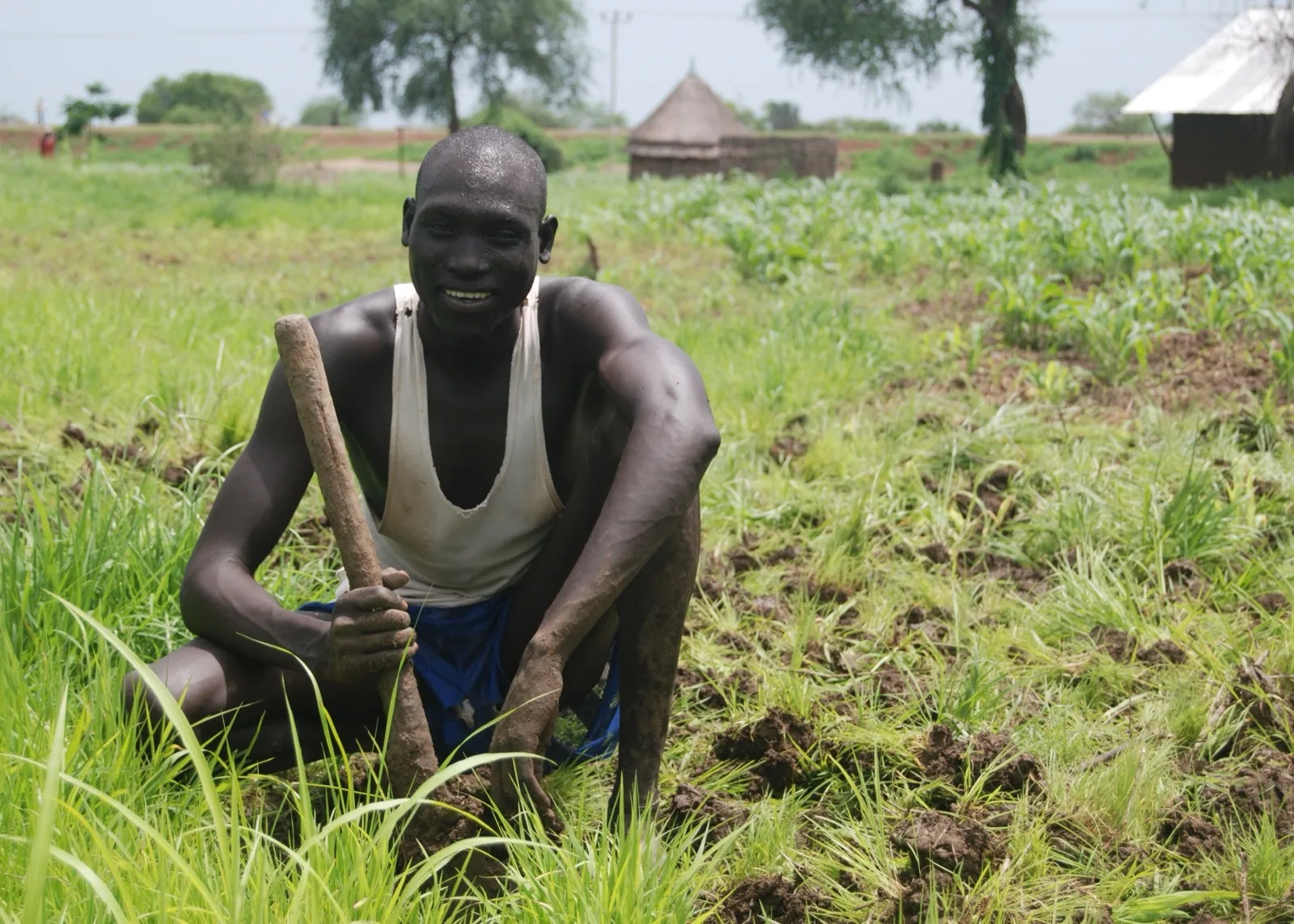
6 days · Itinerary
Six Days in the Gambella Wilderness
Six days connect Addis Ababa with a Gambella-focused programme of wetlands, plains and river-country observation.
Explore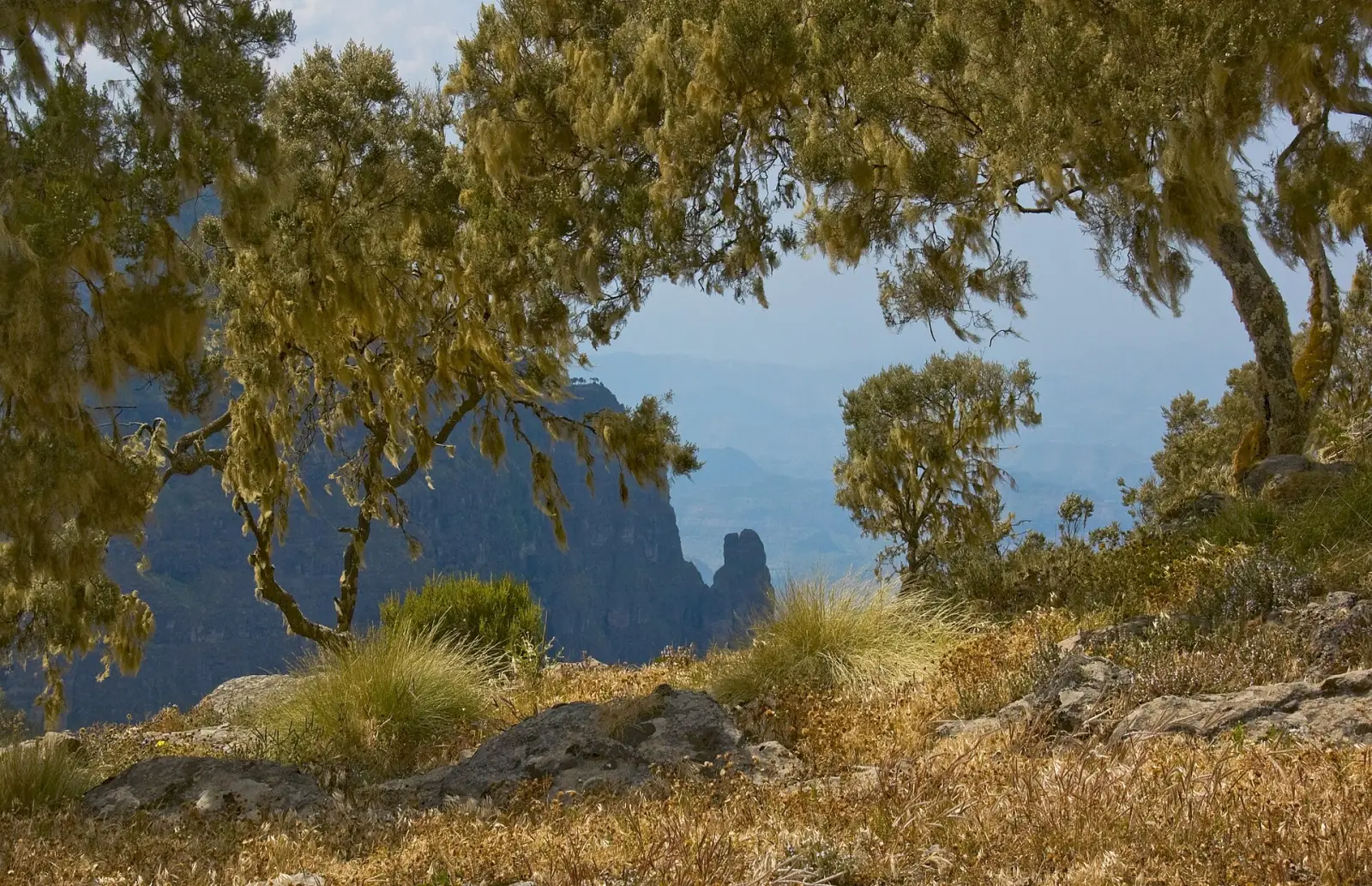
Route study
Simien Mountains and Northern History
Combine the interests of Lalibela, Gondar and the Simien Mountains in a northern Ethiopia route study, with the final connection still to confirm.
Explore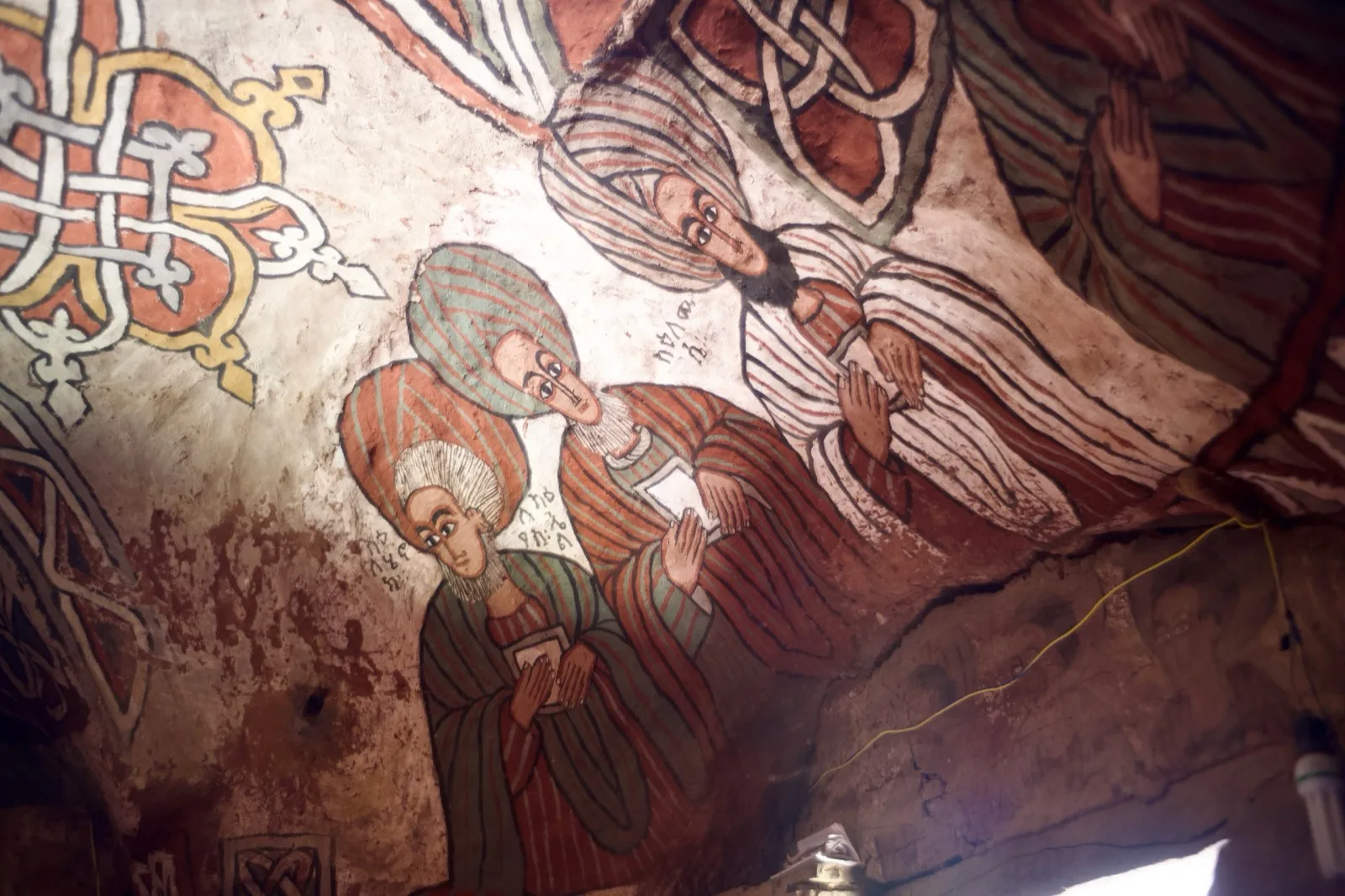
Route study
Historic North Circuit and Community Trekking
Explore a northern Ethiopia route concept combining Bahir Dar, Gondar, the Simien Mountains, Axum, Tigray community walking and Lalibela. The walking connection requires confirmation.
Explore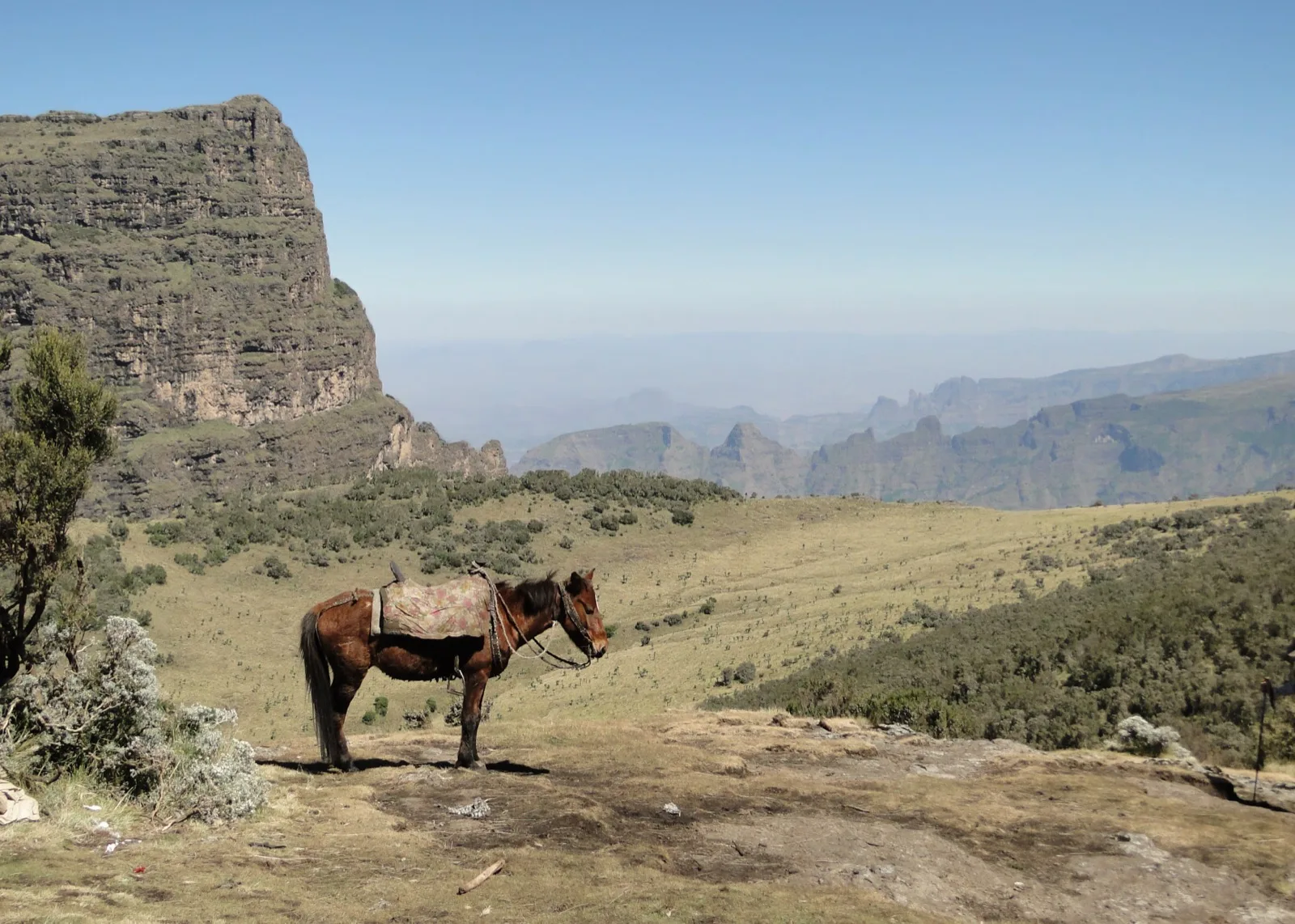
2 days · Itinerary
Two-Day Simien Escarpment Trek
A compact two-day walking route links Sankaber and Gich with Imet Gogo before returning to Gondar.
Explore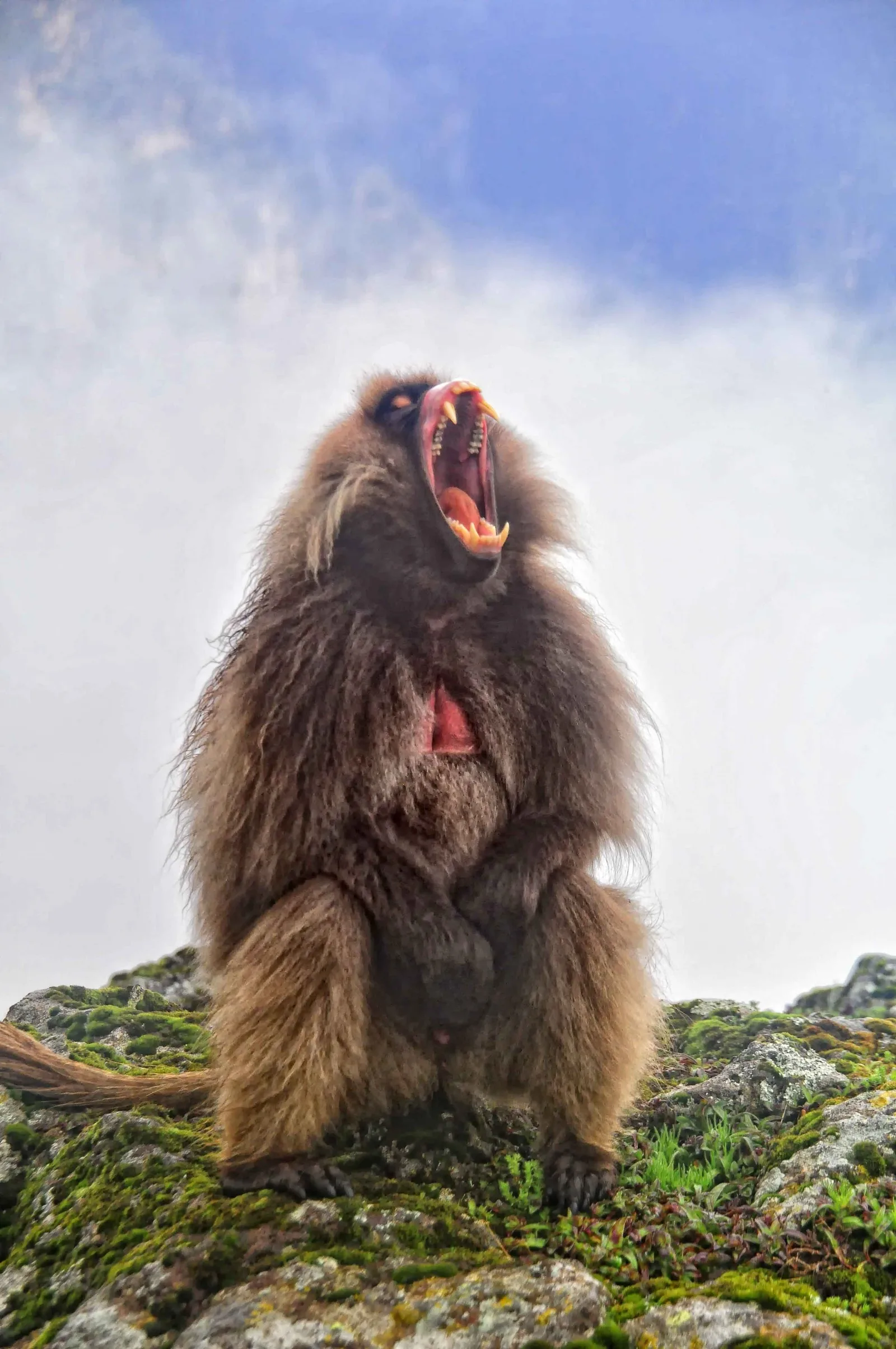
3 days · Itinerary
Three Days on the Simien Ridges
Three days walk from Sankaber and Gich across Imet Gogo to Chenek, with an optional Ras Bwahit summit, starting and finishing in Gondar.
Explore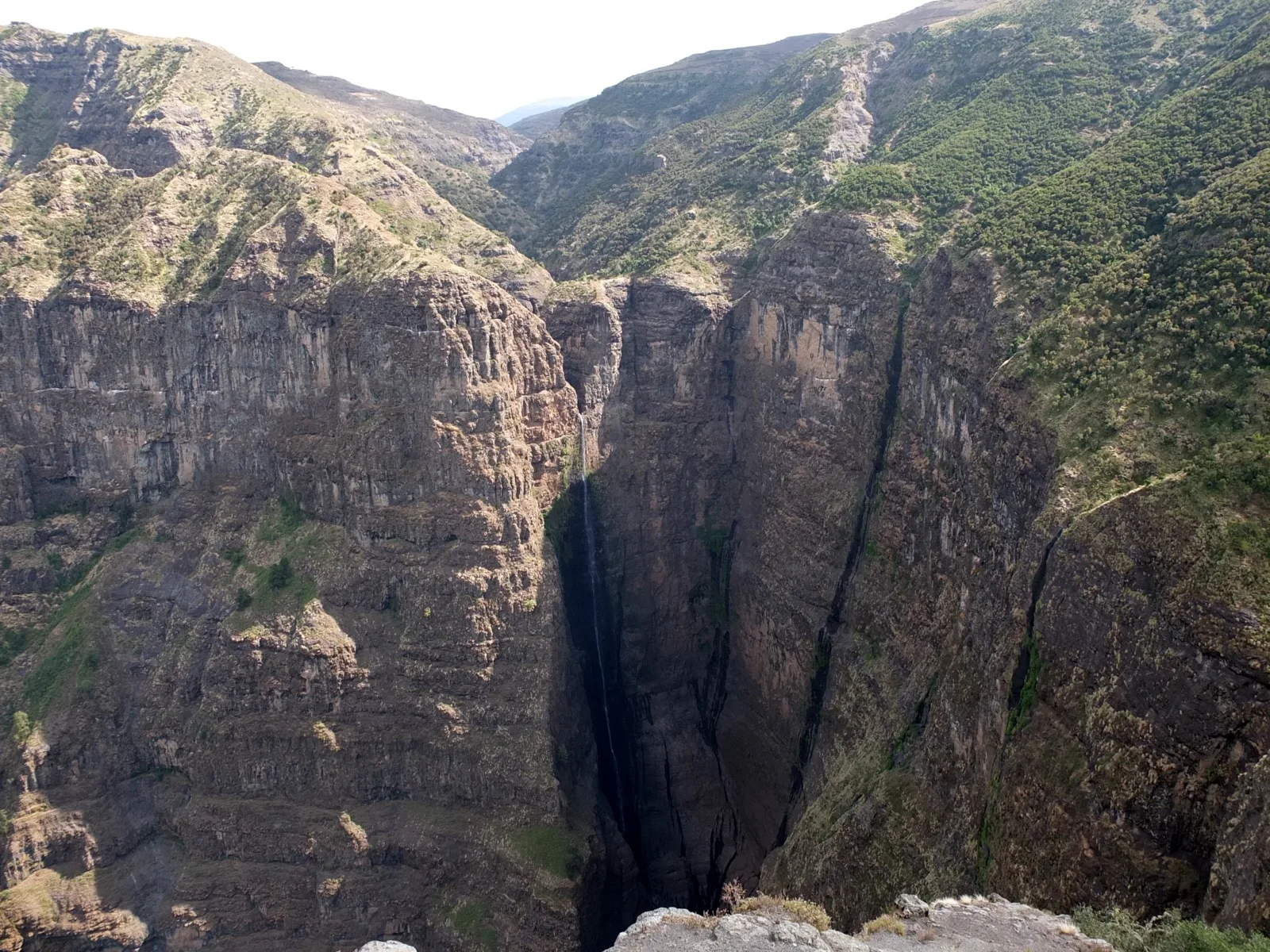
4 days · Itinerary
Four-Day Simien Walking Circuit
An introductory approach through Michibiny leads into three further days around Gich, Imet Gogo and Chenek, with a Bwahit option before the return to Gondar.
Explore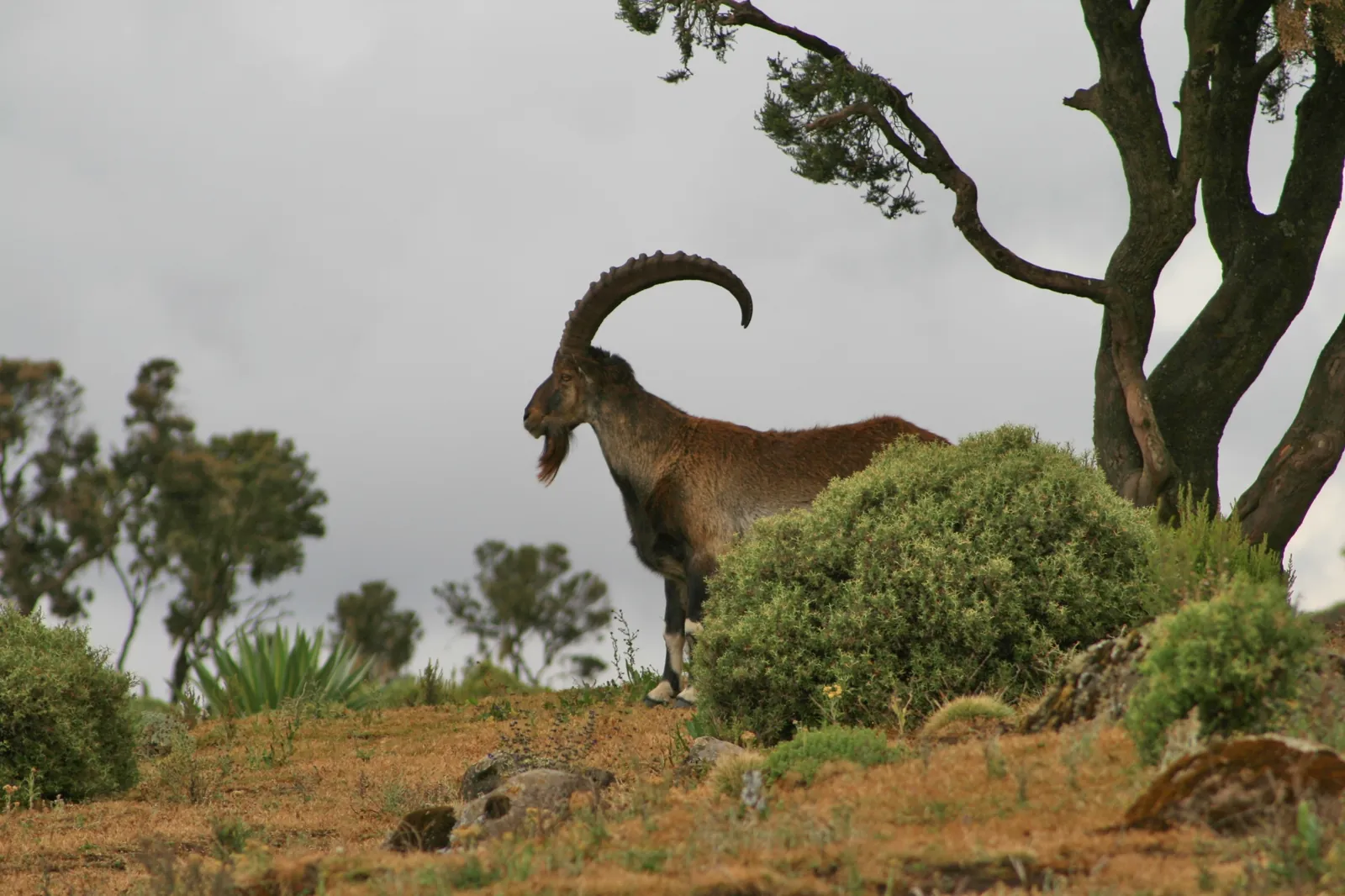
6 days · Itinerary
Six-Day Simien Trek towards Ras Dashen
Six days connect the western Simien camps with Ambiko and a Ras Dashen attempt.
Explore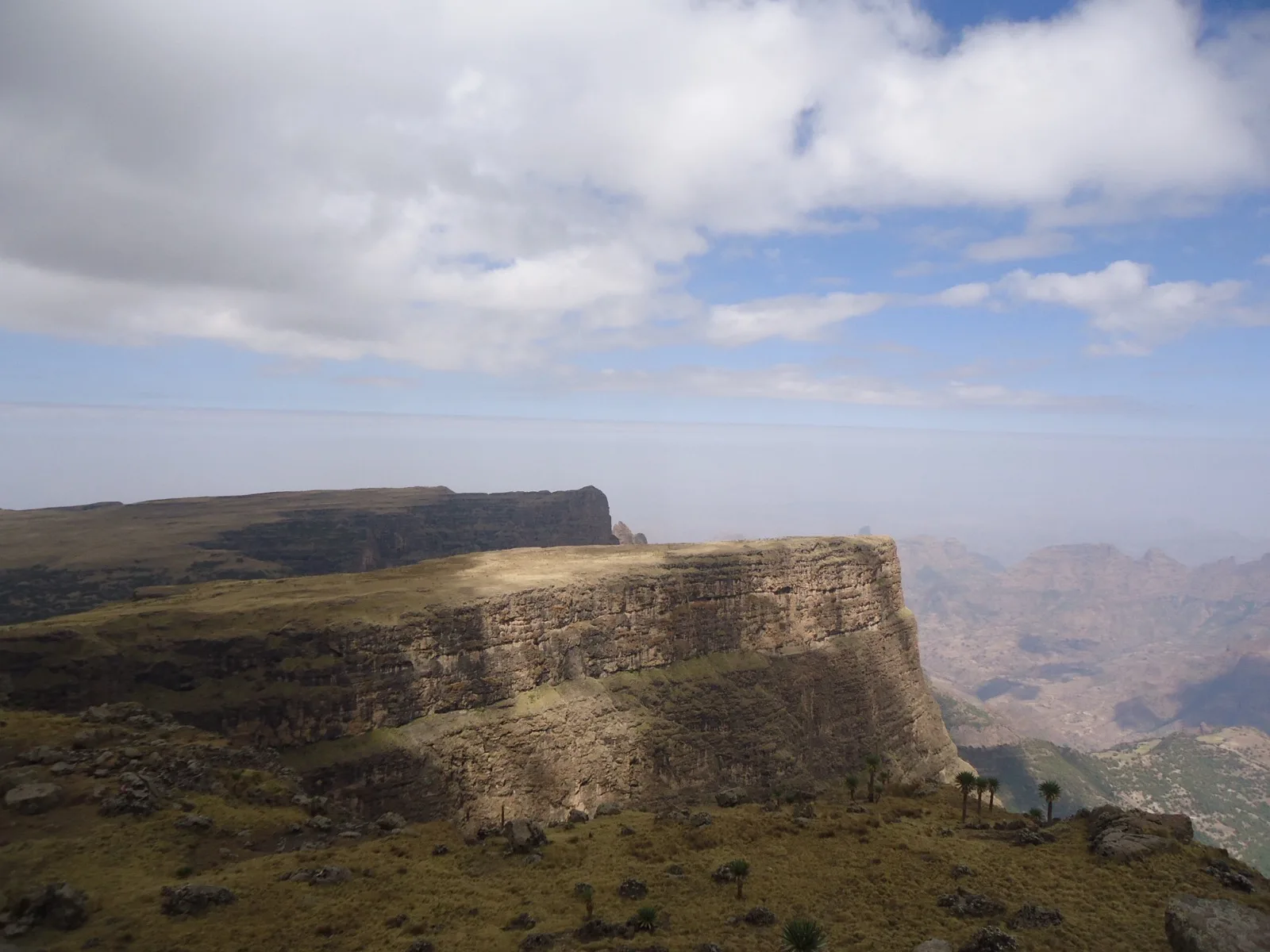
4 days · Itinerary
Four Days Camping in the Simien Mountains
Four days lead through Debark and the Simien camps of Sankaber, Gich and Chenek, finishing with a Mount Bwahit excursion.
Explore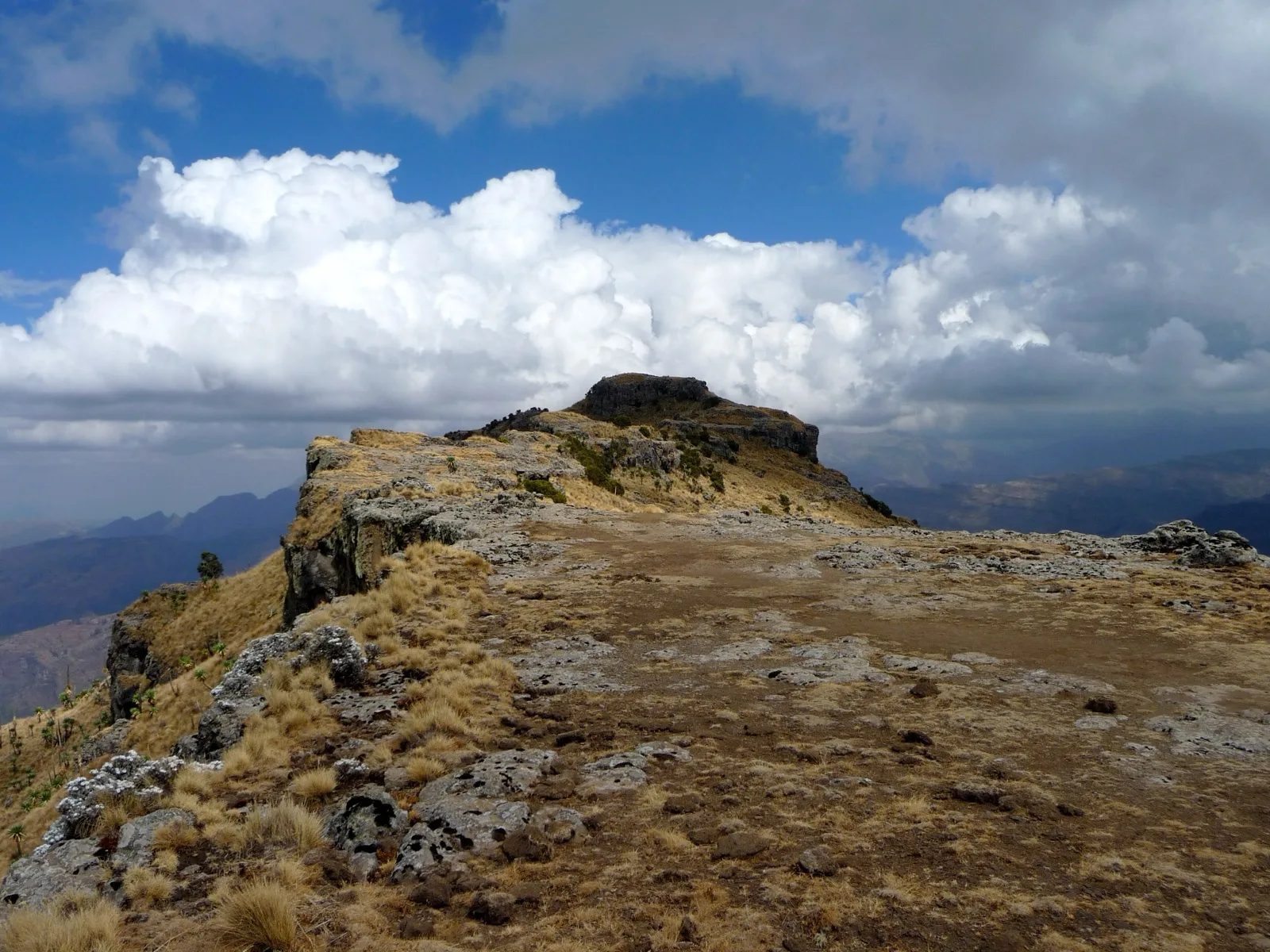
Route study
Trekking in the Simien Mountains: Route Study
Follow the named Simien trekking stages through Sankaber, Gich, Chenek, Ambiko and Ras Dashen, with the return from Menteber still to confirm.
Explore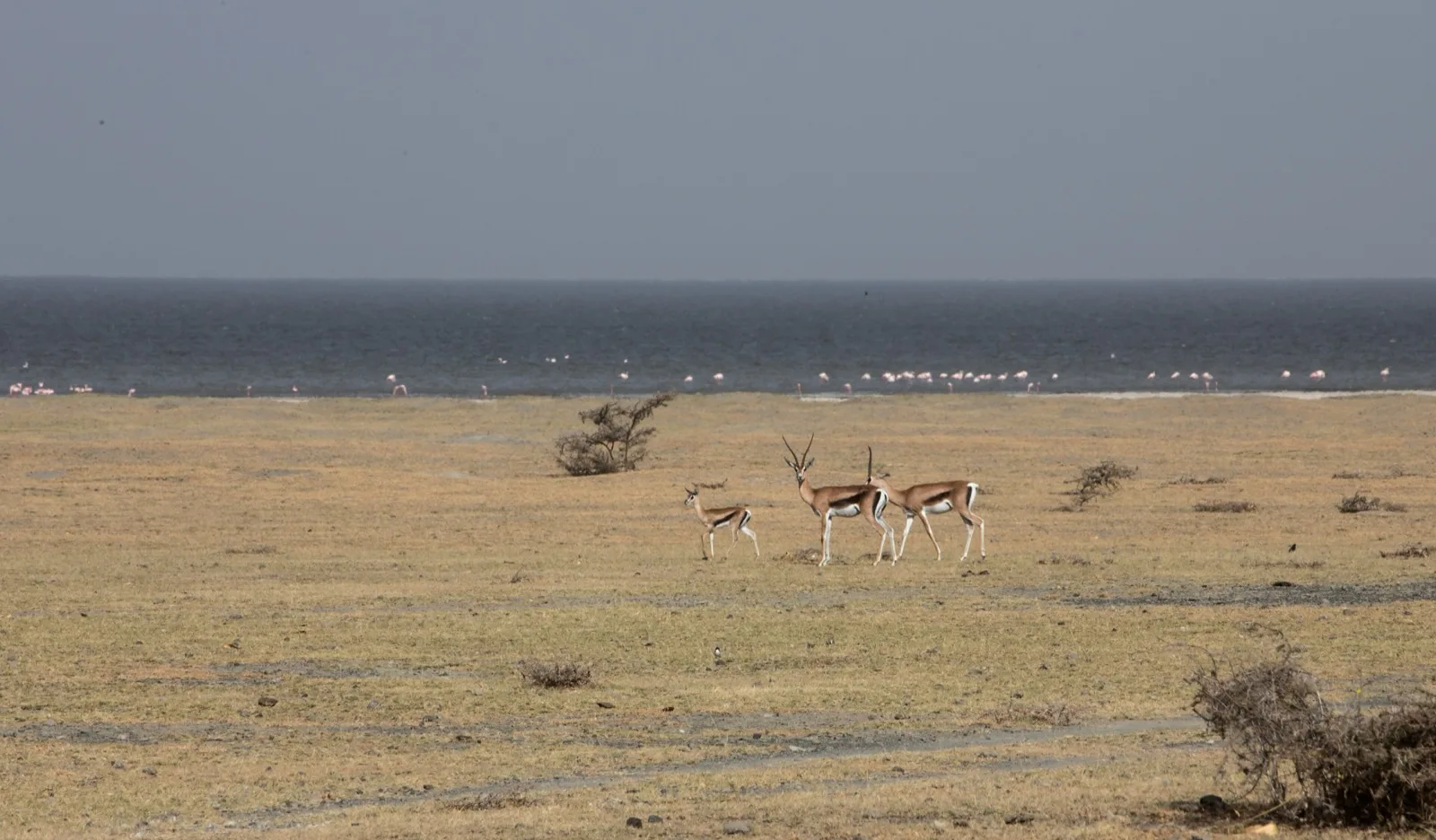
Route study
Birds of the Rift Valley and Southern Highlands
Explore an Ethiopia birding route through Ankober, Awash, the Rift Valley lakes, Bale and the southern highlands, with the southern lake stage still to confirm.
ExploreOfficial sources
Check these primary sources directly; their current information takes precedence.
Not yet reviewed: no named reviewer or review date has been recorded for this page. The official sources above take precedence.
Related places and journeys
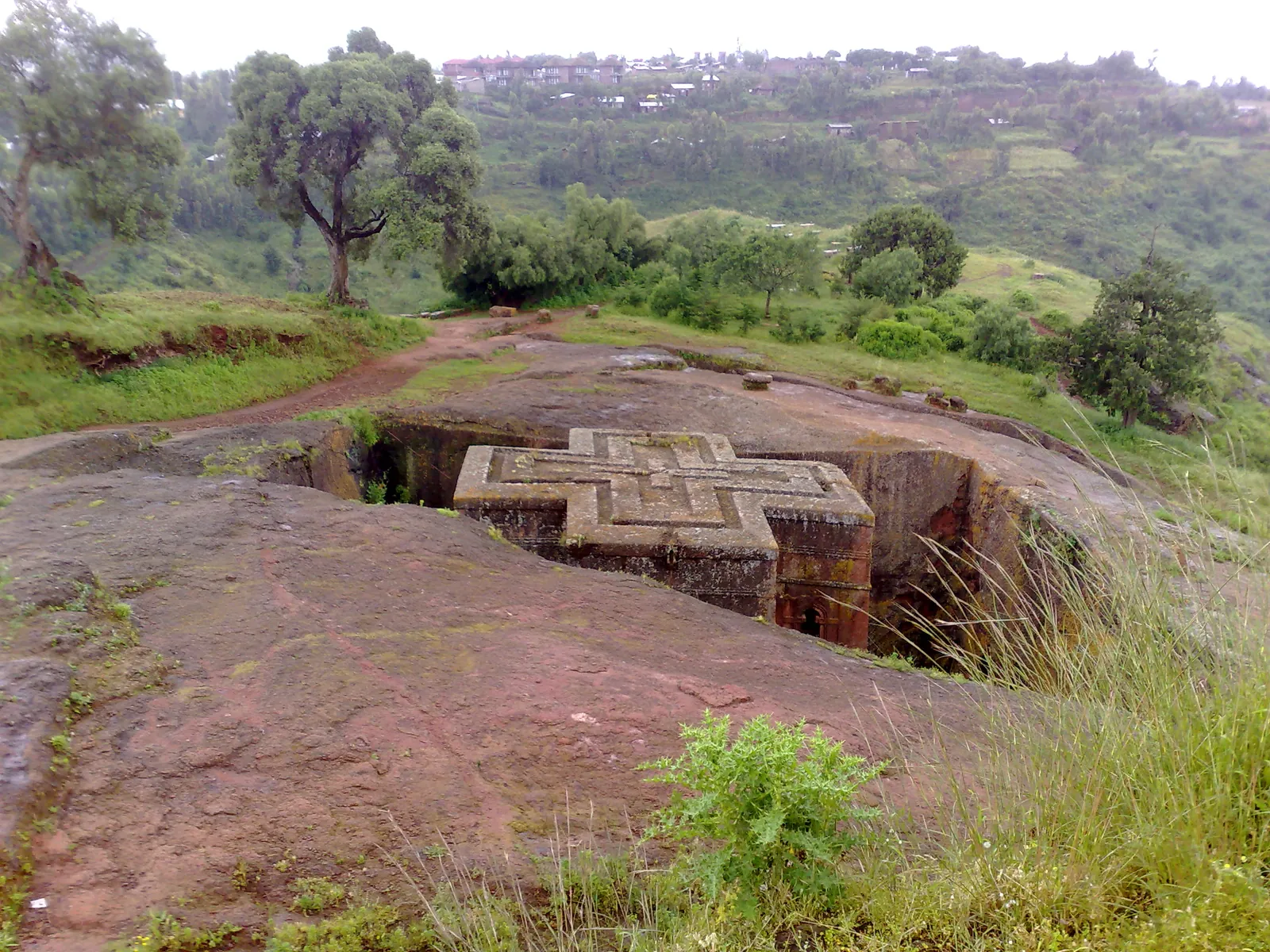
Ethiopia guide
Ethiopia Guide
Start exploring Ethiopia with places, experiences and a few practical questions.
ExploreEthiopia guide
Geladas of the Ethiopian Highlands
Learn about geladas, their grassland feeding and social groups, and plan a Simien wildlife encounter that leaves animals room to behave naturally.
ExploreEthiopia guide
Simien Mountains: escarpments and walking choices
Explore the Simien Mountains through escarpment scenery, endemic wildlife and distinct walking routes, with guidance on choosing the right mountain plan.
Explore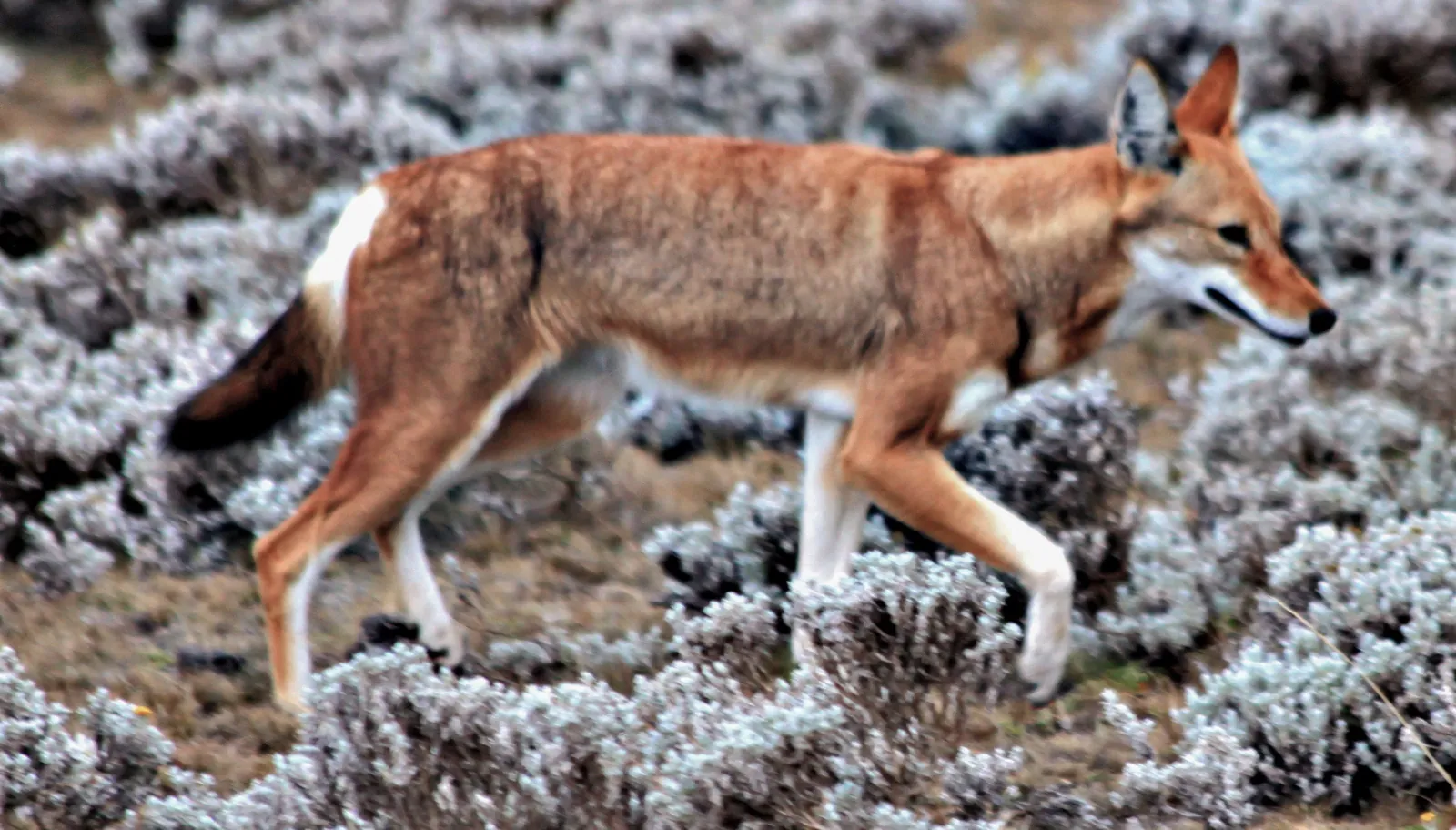
Ethiopia guide
The Ethiopian Wolf
Explore the Ethiopian wolf’s highland habitat, its red-and-white appearance and the place of Bale in wildlife planning, with a respectful approach to observation.
Explore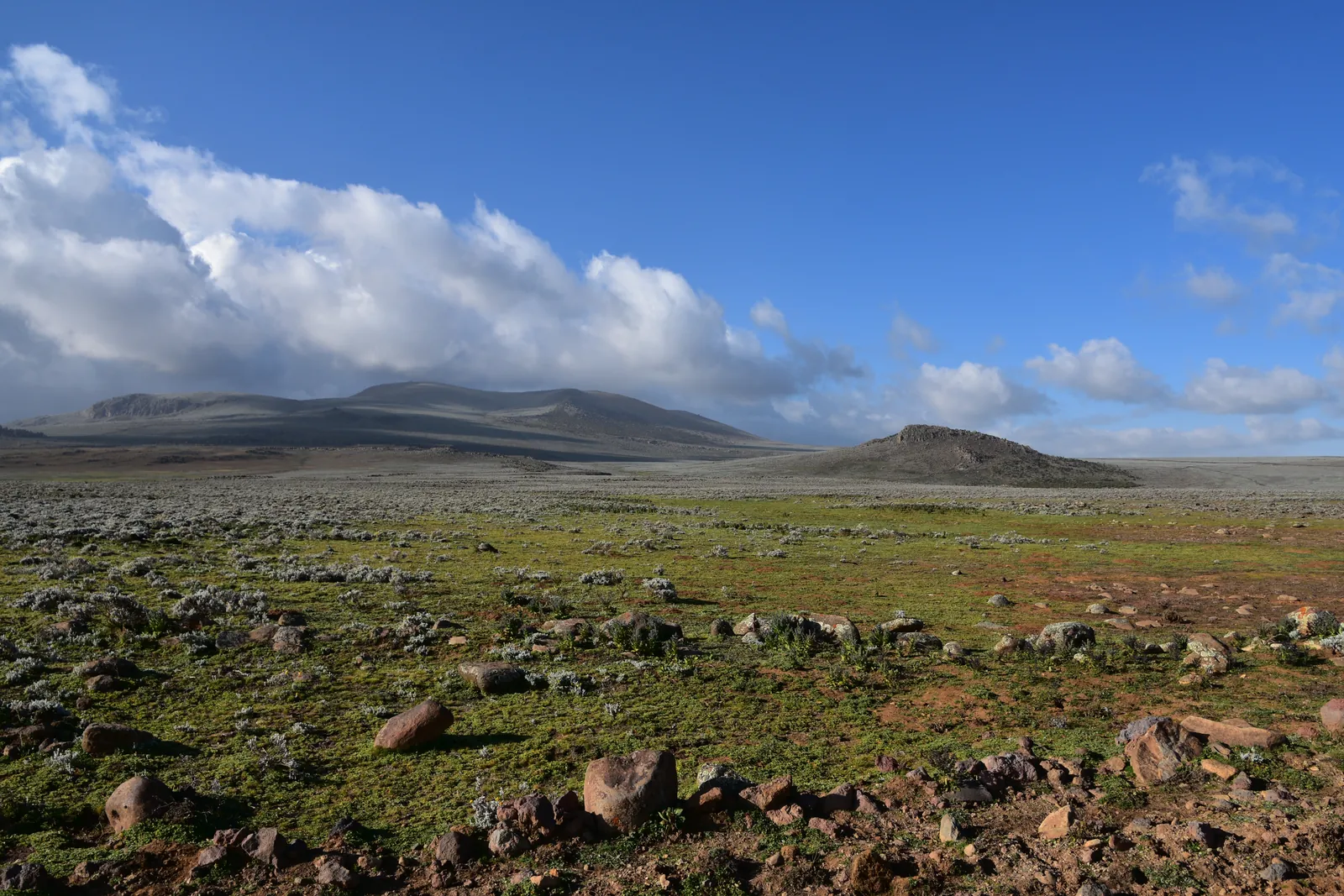
Ethiopia guide
Sanetti Plateau in the Bale Mountains
Explore the Sanetti Plateau’s open highland habitat, Ethiopian wolf interest and role in a Bale route, with time to observe more than the main viewpoint.
ExploreEthiopia guide
Bale Mountains: plateau, forest and wildlife
Discover the Bale Mountains through the Sanetti Plateau, Harenna Forest and grasslands, and plan time around their distinct habitats and walking interests.
ExploreEthiopia guide
Lake Tana and Its Monasteries
Explore Lake Tana through its monastery traditions, island and peninsula visits, and relationship with Bahir Dar, with practical questions for planning time on the lake.
Explore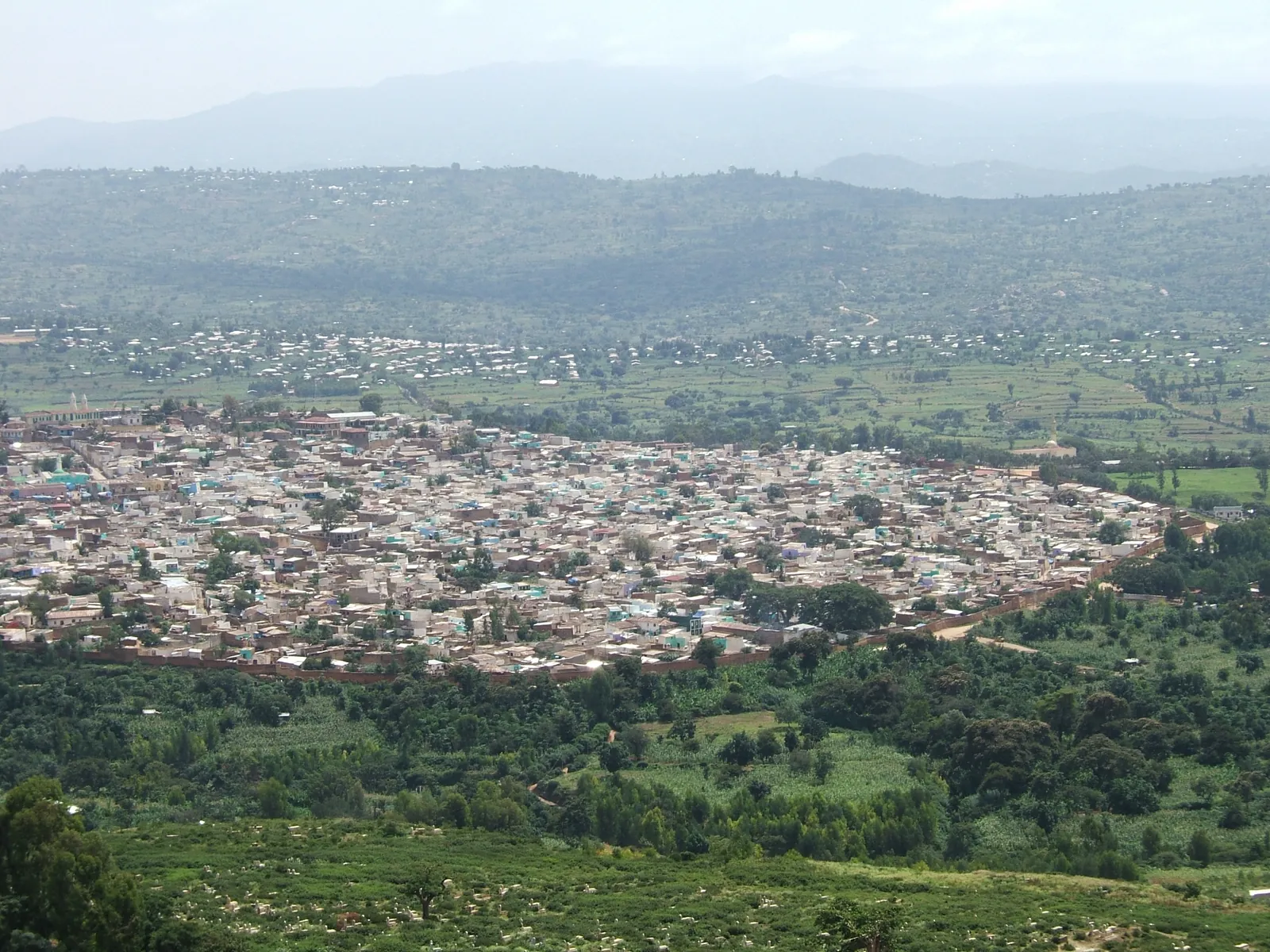
Ethiopia guide
Harar: the walled city and its living heritage
Discover Harar Jugol through its lanes, gates, townhouses and Islamic heritage, with thoughtful planning for private spaces and everyday city life.
ExploreShape your journey
Bring your preferred dates, interests and pace together in a planning draft.