
Harar: the walled city and its living heritage
Harar's historic walled town, Jugol, is a distinctive urban landscape shaped by Islamic and African traditions. Its importance lies in the houses and street pattern as well as the mosques, shrines and gates.
Museums, markets and the stories told about Harar
The Sherif Harar City Museum and the building associated with the Arthur Rimbaud museum are two museum subjects in the town. They offer different themes: the town's cultural collections and its wider literary associations. Verify current opening and interpretation before naming a museum as a fixed stop.
Markets and coffee add a living dimension beyond museum rooms. Accounts of evening hyena-feeding practices also form part of Harar's public image, but a historical description is not a current activity booking or an invitation to interact with wildlife. A locally informed programme should explain which experiences are appropriate and actually available.
Gates, house interiors and craft traditions
Shoa, Buda, Sanga, Erer and Fallana are historic gate names in the city’s older visitor record. UNESCO explains the relationship between the gates, roads and urban layout, as well as the influence of African and Islamic traditions on Harari houses.
A visit to an invited house interior can illuminate basket display, room organisation and domestic life. Basket making, weaving and bookbinding are also part of Harar’s cultural heritage. Enter as a guest and ask before photographing people or private rooms.
Museums and markets with distinct stories
The Sherif Harar City Museum and the house associated with Arthur Rimbaud are different museum subjects. One introduces collections from the region; the other prompts questions about the poet, trade and European connections. Confirm the collection and access you will actually encounter.
Shoa Gate and Erer Gate provide useful market reference points. Coffee can be part of an ordinary pause in the day. If considering an evening hyena observation, discuss an arrangement that keeps distance and avoids visitor handling; it should not overshadow the city’s architecture, learning and daily life.
Explore the spaces between monuments
The lanes and the arrangement of buildings help explain how the town works. A locally informed walk can connect the public street with the traditions of Harari domestic architecture without turning private homes into assumed attractions.
Visit as a guest
Any invitation into a house or religious space should have clear permission. Ask about photography, clothing and conduct, and leave space for residents' daily routines rather than expecting every place to be open to visitors.
Give the east its own pace
Harar and Dire Dawa present different histories and urban settings. If combining them, choose the experiences you want in each and confirm current journey arrangements instead of treating one city as a substitute for the other.
Journeys to explore alongside this guide
Use these related route ideas to compare the places, interests and time involved. Open each outline for its route context and any details still requiring review.
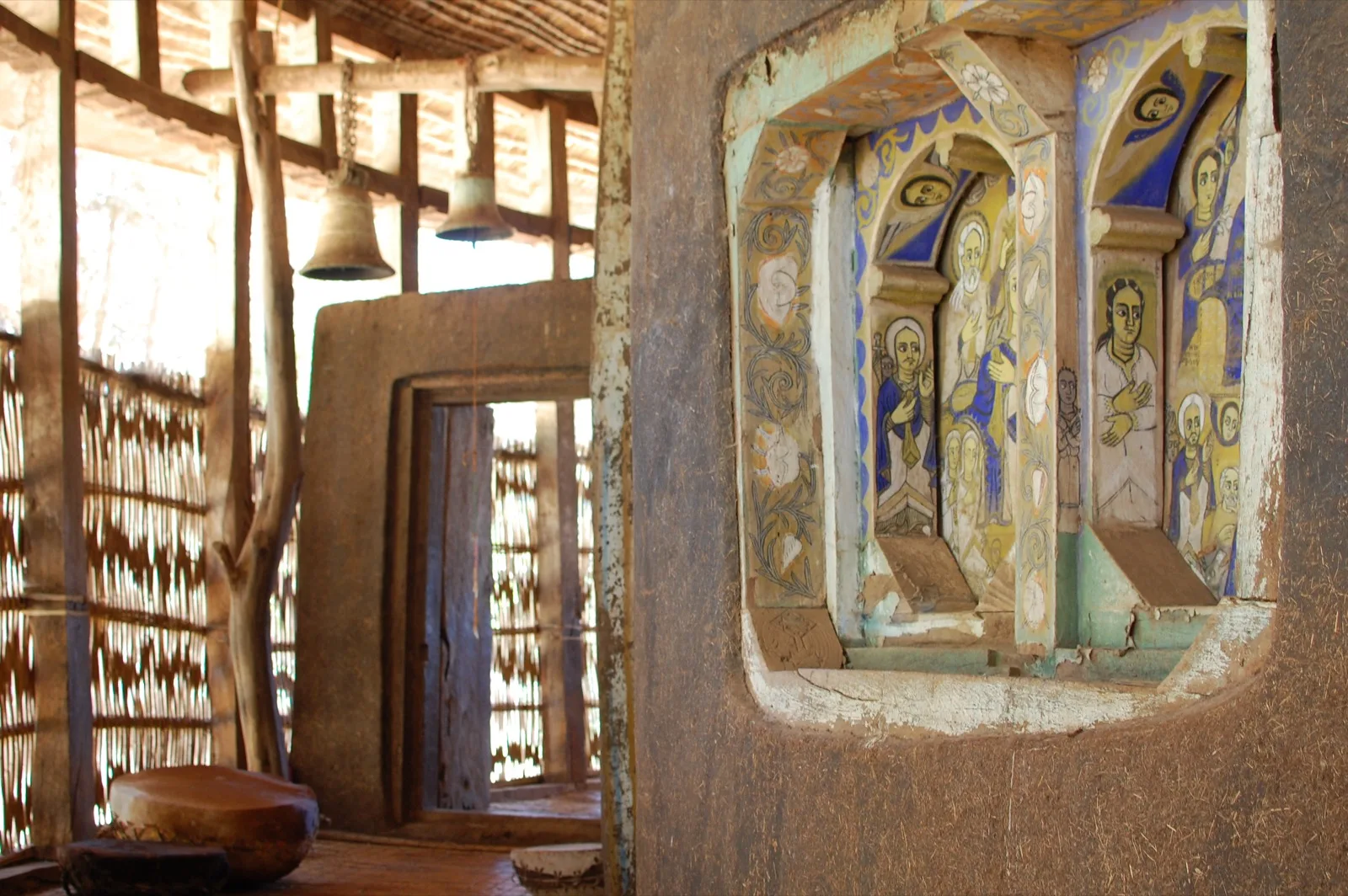
12 days · Itinerary
Northern Heritage with Lodge-Based Stays
Twelve days follow Bahir Dar, Lalibela, Gondar, the Simien Mountains, Axum and Hawzien.
Explore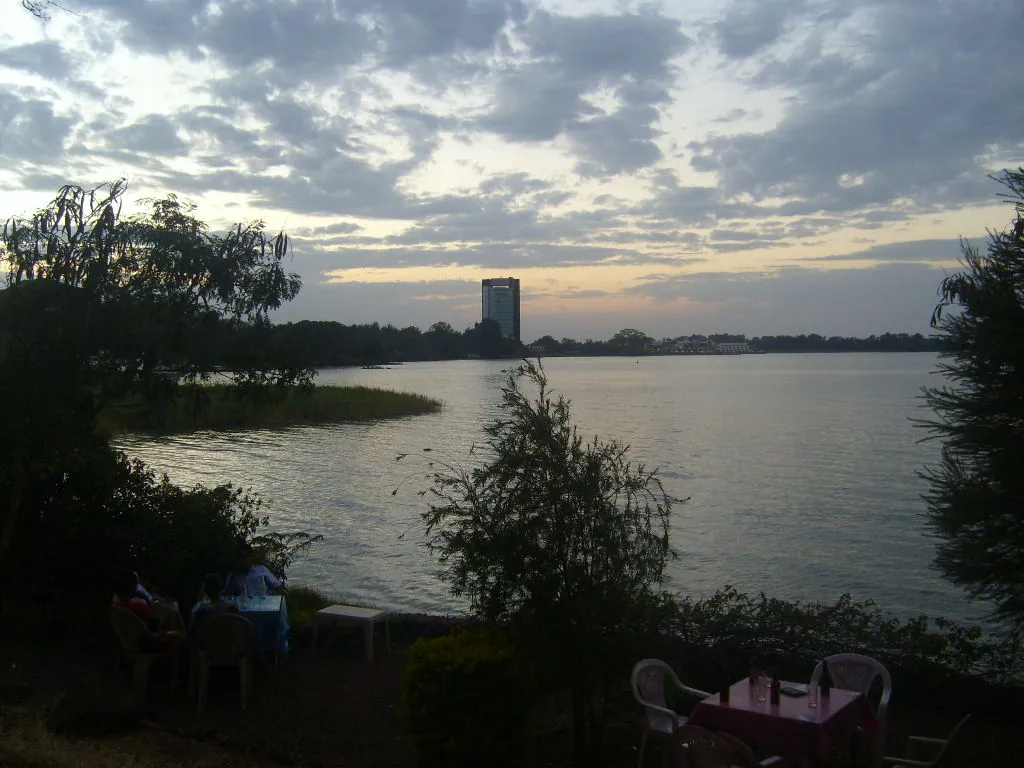
12 days · Itinerary
Northern Heritage and Simien Camping Circuit
Twelve days connect Bahir Dar, Lalibela and Gondar with four Simien walking stages, then continue through Axum and Gheralta before returning to Addis Ababa.
Explore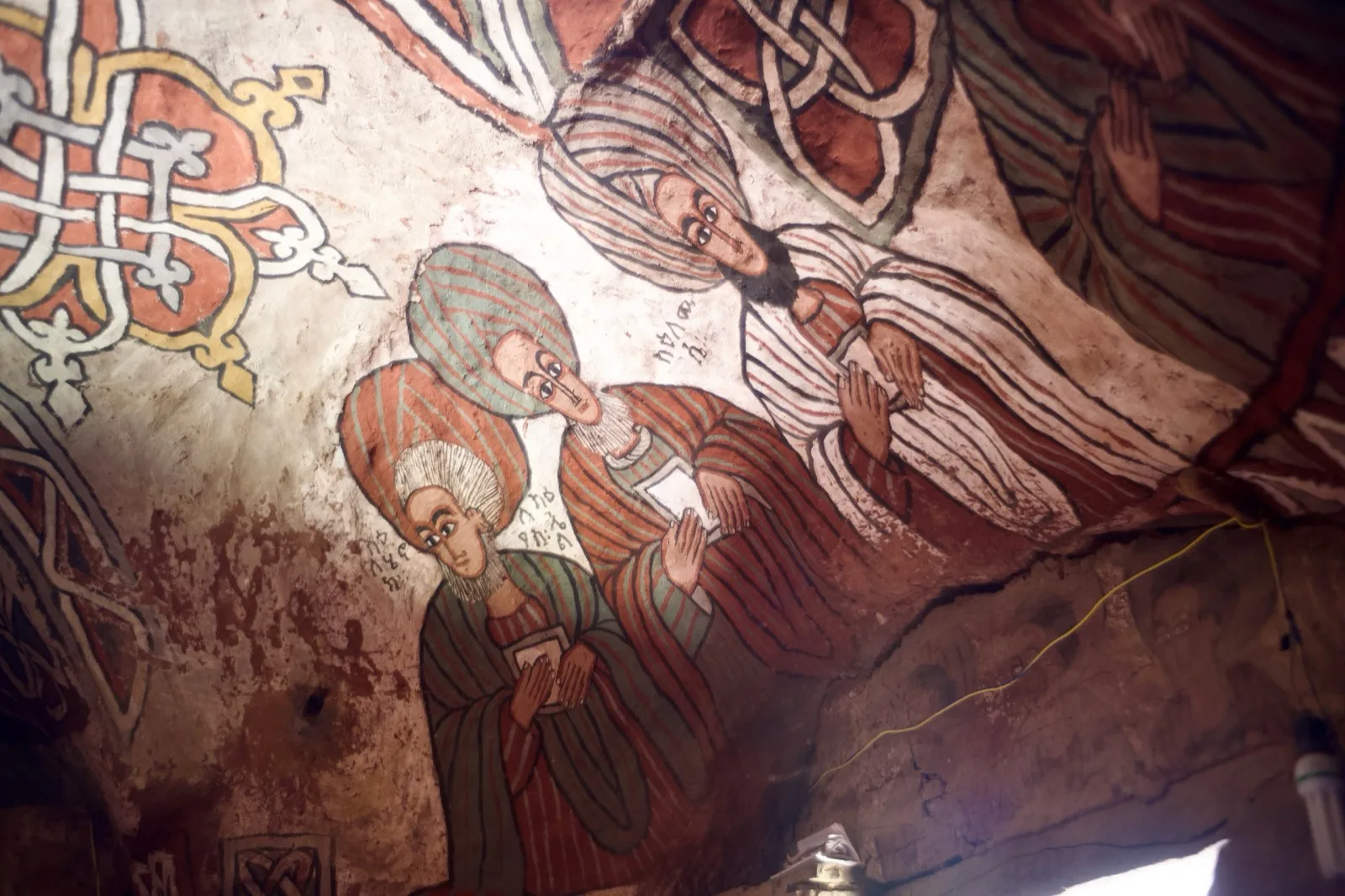
Route study
Historic North Circuit and Community Trekking
Explore a northern Ethiopia route concept combining Bahir Dar, Gondar, the Simien Mountains, Axum, Tigray community walking and Lalibela. The walking connection requires confirmation.
Explore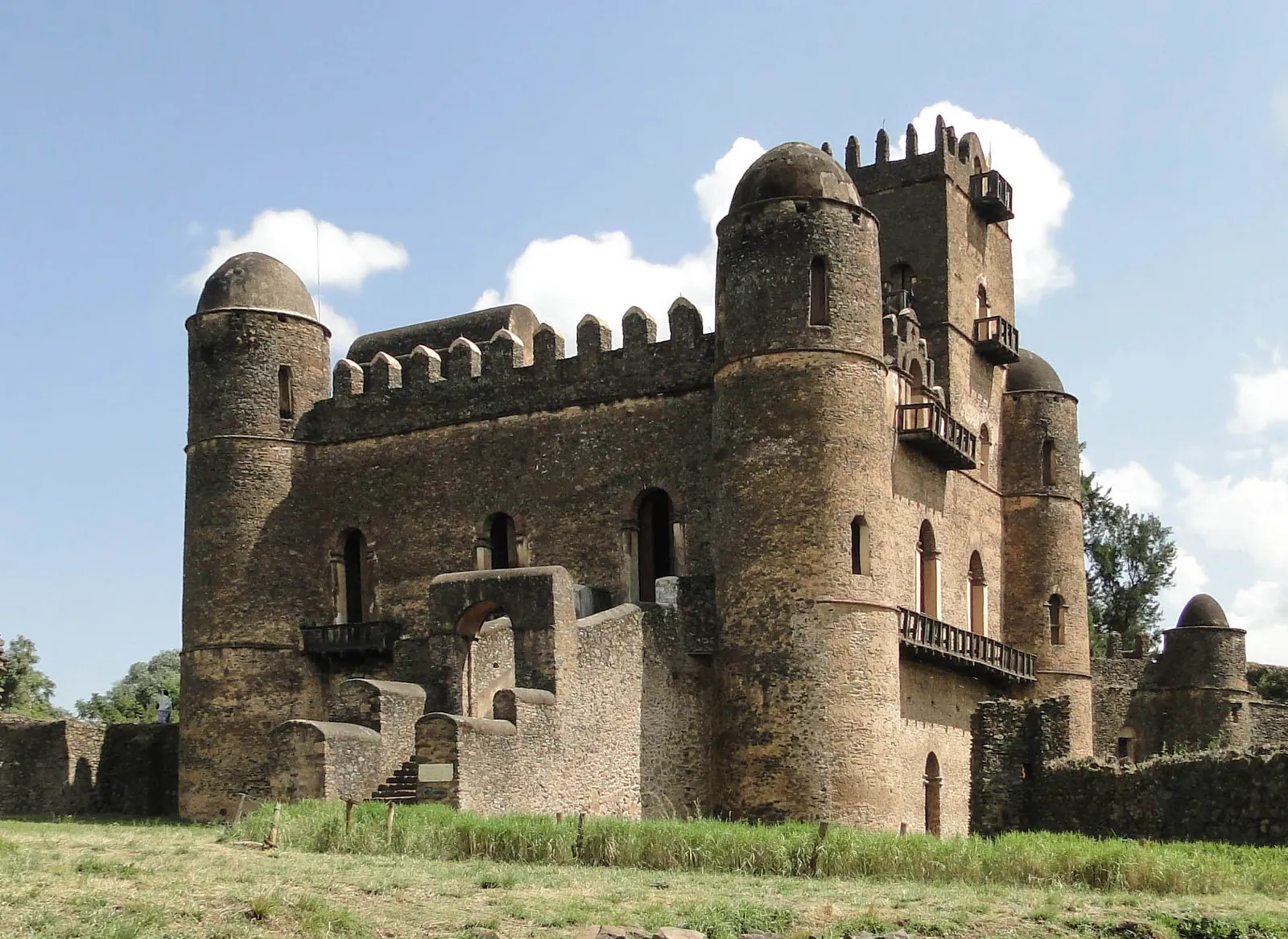
9 days · Itinerary
Nine Days through Ethiopia's Historic Towns
A nine-day heritage journey links Bahir Dar, Gondar, Lalibela and Axum with the old walled city of Harar in the east.
Explore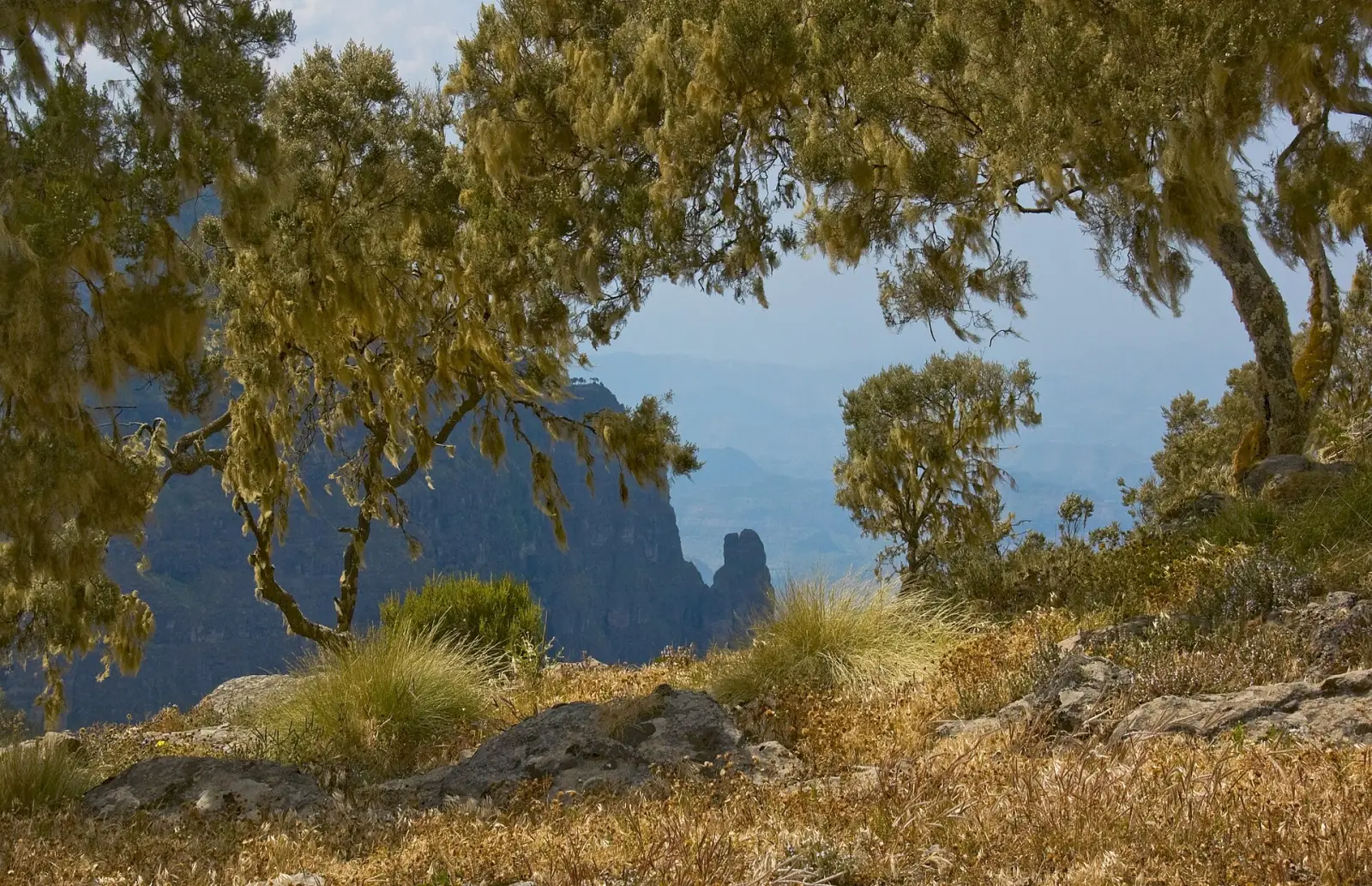
Route study
Simien Mountains and Northern History
Combine the interests of Lalibela, Gondar and the Simien Mountains in a northern Ethiopia route study, with the final connection still to confirm.
Explore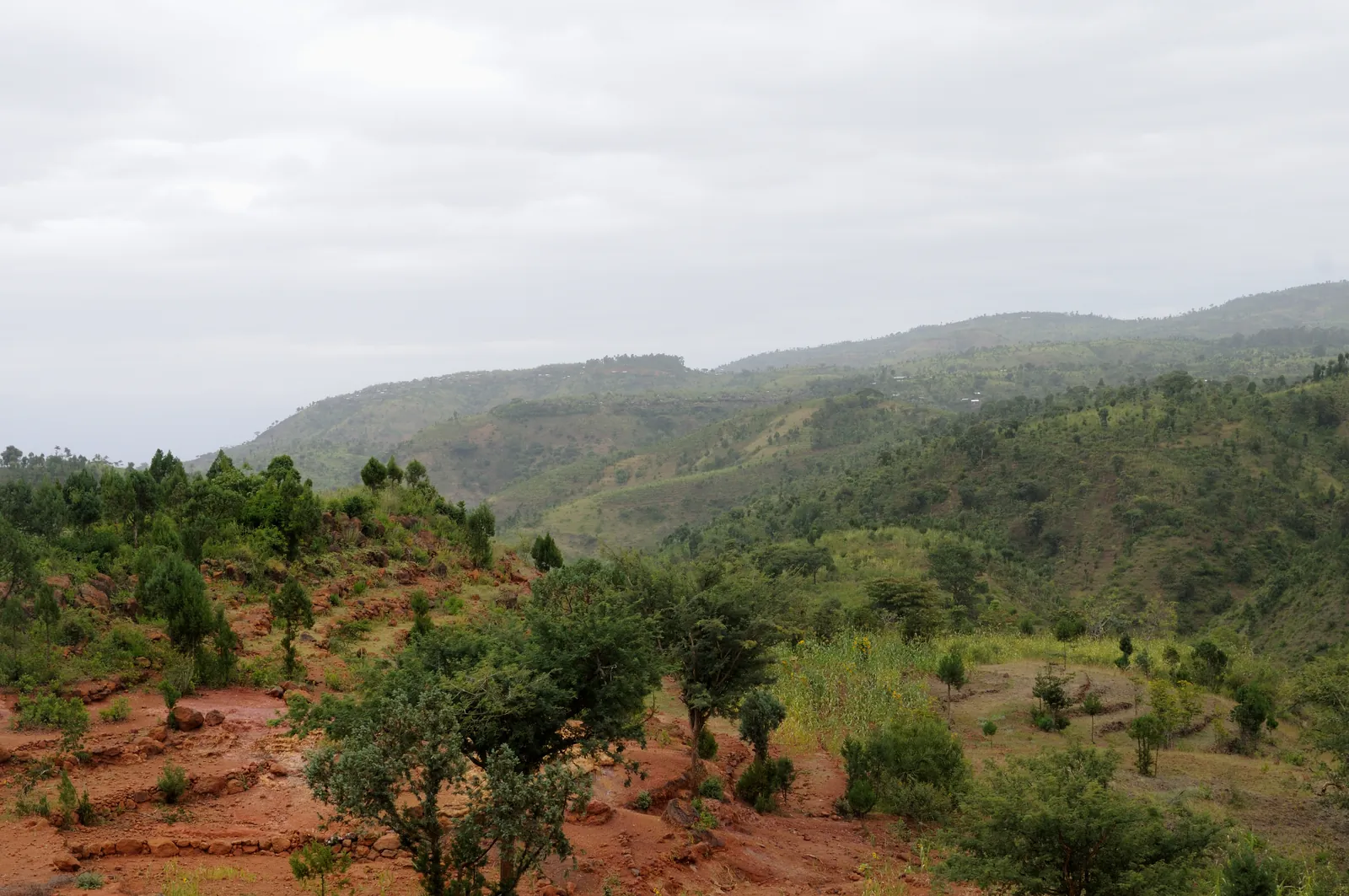
20 days · Itinerary
Twenty-Day Northern and Southern Ethiopia Survey
Twenty days join northern heritage cities and the Simien Mountains with Omo communities, Bale and the Rift lakes in one country-wide journey.
Explore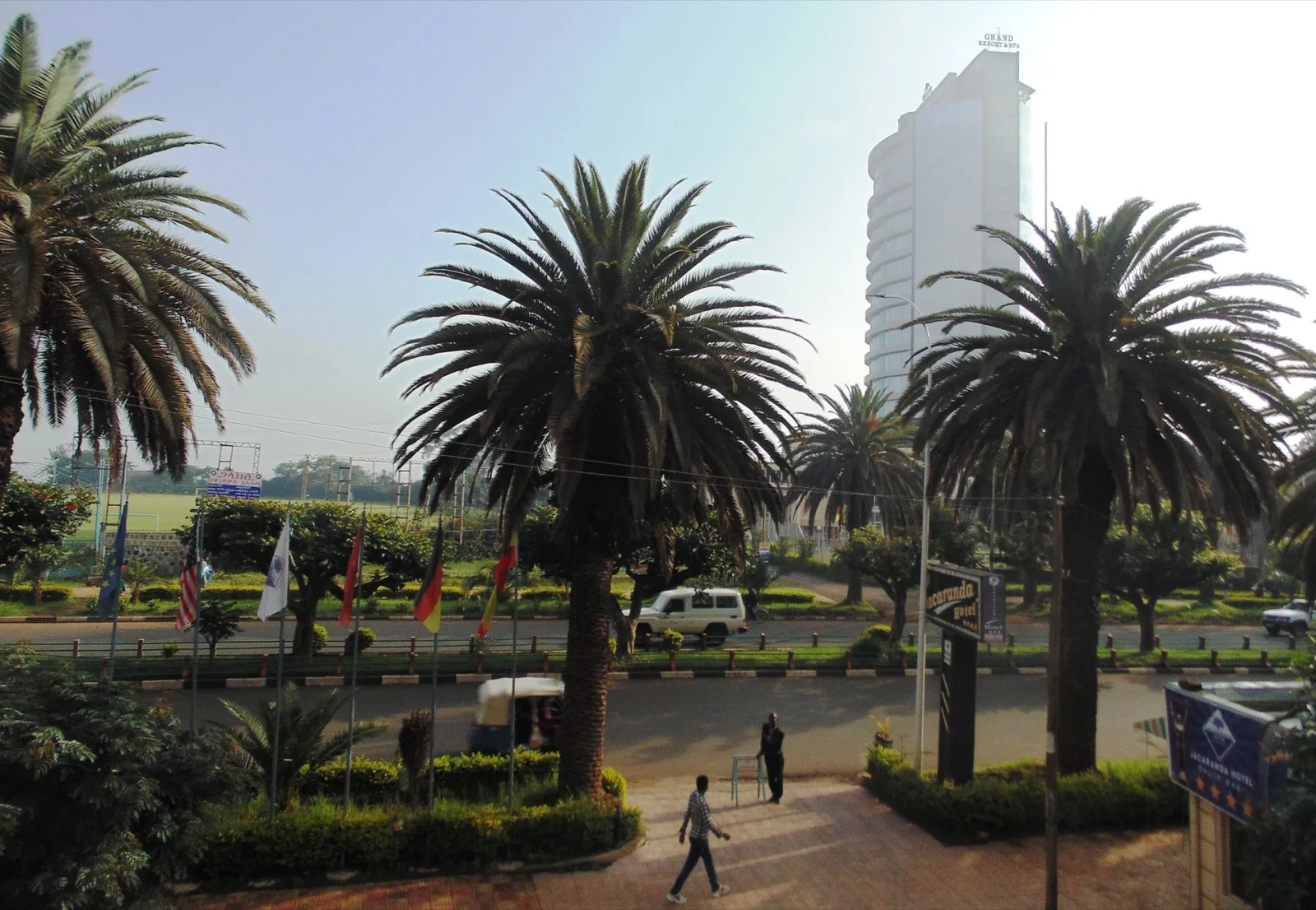
6 days · Itinerary
Six-Day Northern Heritage Sampler
Six days connect Lake Tana and Gondar with Axum and two Lalibela church days, returning to Addis Ababa. The focus stays on heritage sites rather than trekking.
Explore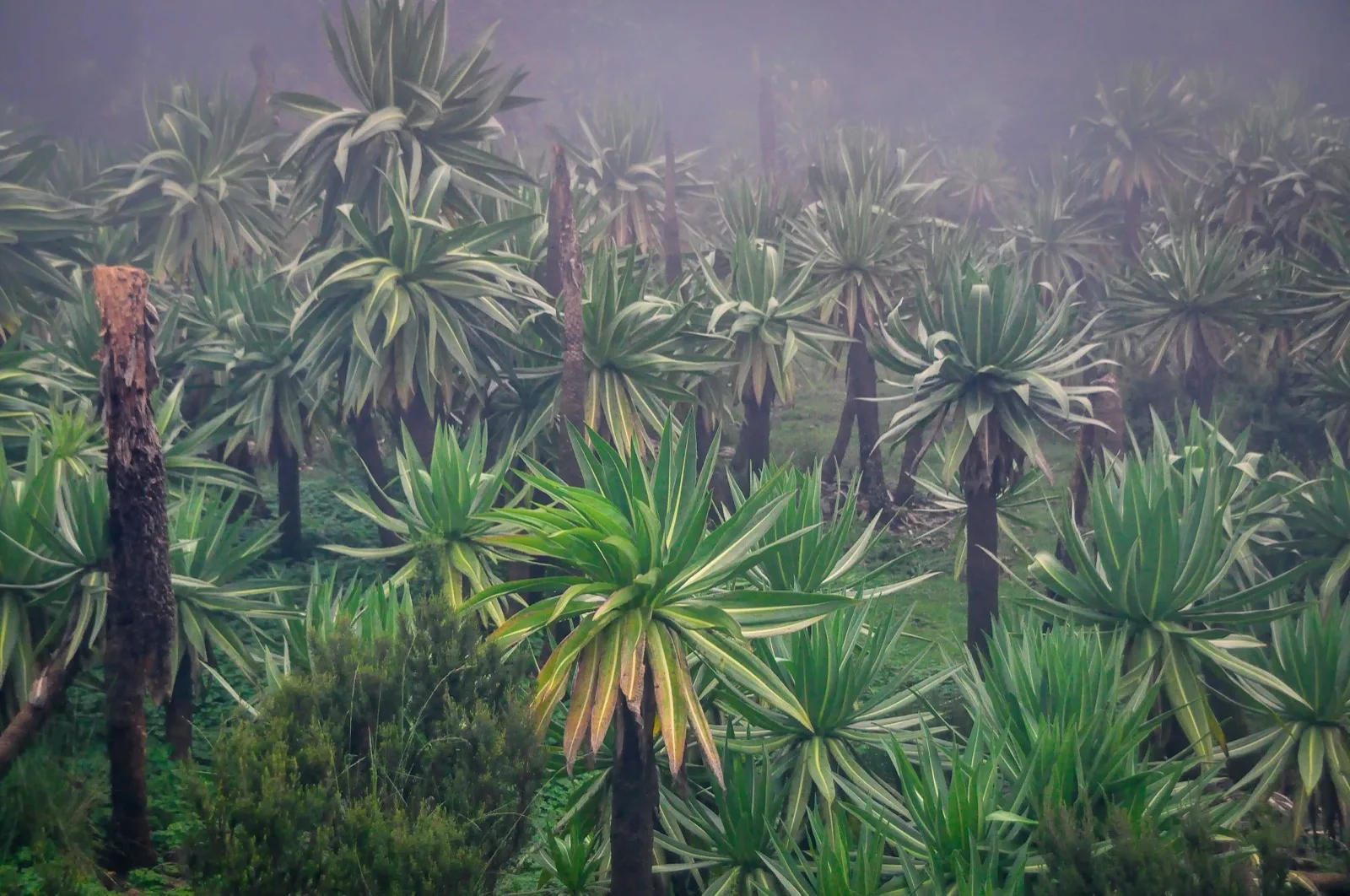
Route study
Peaks and Plateaus of Ethiopia
Compare Wollo and Tigray community walks, Lalibela, Gondar, the Simien Mountains and Axum in an Ethiopia route outline of twelve to thirteen days.
ExploreOfficial sources
Check these primary sources directly; their current information takes precedence.
Not yet reviewed: no named reviewer or review date has been recorded for this page. The official sources above take precedence.
Related places and journeys
Ethiopia guide
All Trips
Compare Ethiopia journeys by their route, time on foot and regional focus.
ExploreEthiopia guide
Places to Visit in Ethiopia
Choose Ethiopia destinations by the kind of time you want to spend in them.
Explore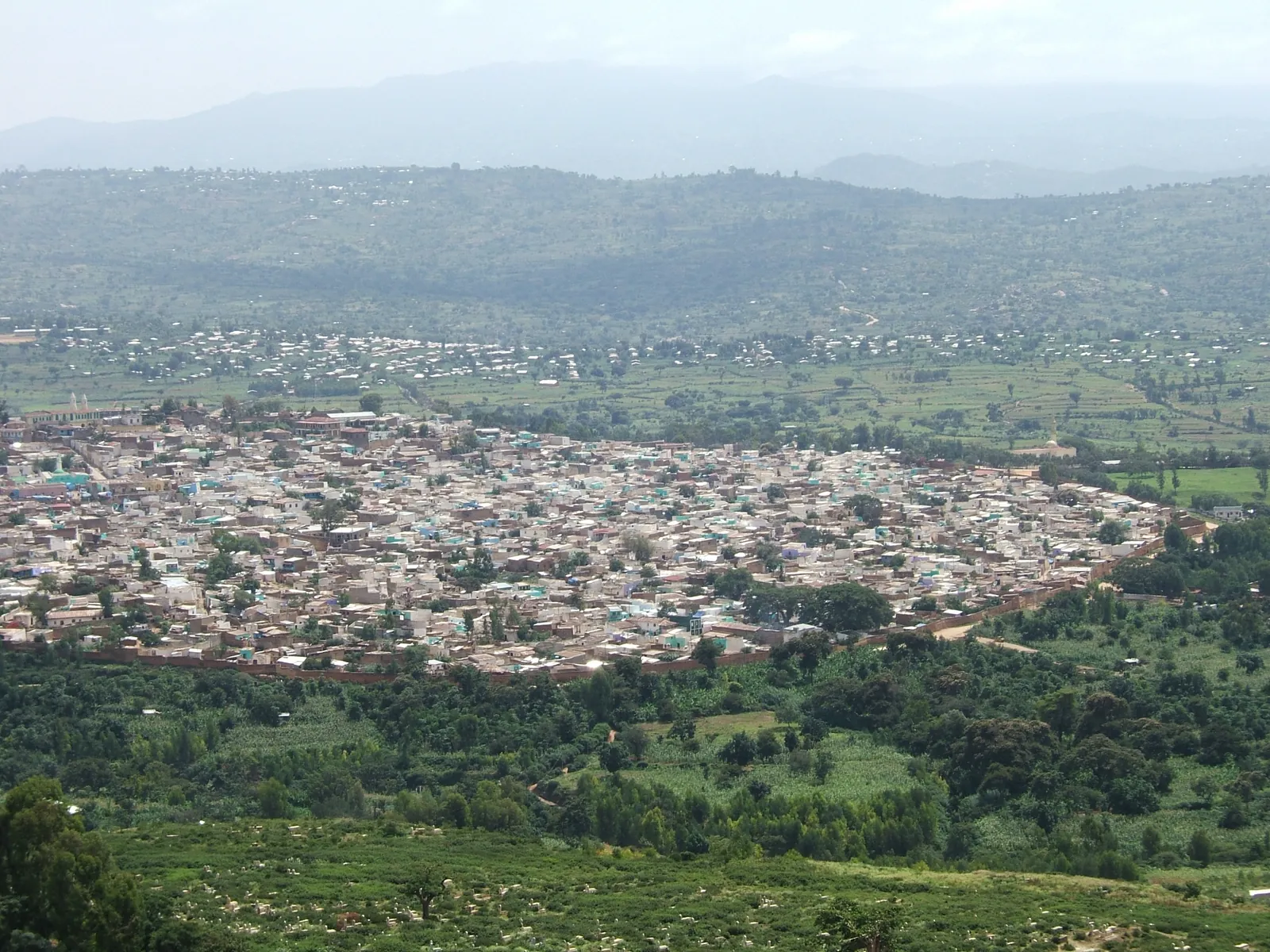
Ethiopia guide
Harar’s Hyena-Feeding Tradition
Understand Harar’s hyena-feeding tradition in its local context, with questions about wildlife welfare, visitor participation and alternatives within the city.
ExploreShape your journey
Bring your preferred dates, interests and pace together in a planning draft.