
Understanding Ethiopia’s Travel Geography
Ethiopia’s travel geography brings together highlands, escarpments, lakes and lowland regions. Understanding those broad relationships helps make sense of an itinerary before comparing individual journeys.
Trace the southern and eastern branches
The Rift Valley lake sequence includes Ziway, Langano, Hawassa, Abaya and Chamo. Bale lies east of much of this lake corridor; the Omo route continues towards Konso, Jinka, Turmi and Omorate. Harar belongs to an eastern journey, while Gambella is far to the west. Danakil is its own Afar lowland chapter, with Semera or Mekele considered according to the proposed route.
Think in regional chapters
The northern heritage route includes places such as Bahir Dar, Gondar, Lalibela and Axum. The Simien Mountains add a highland walking chapter, while Afar introduces a different lowland landscape. In the south and southeast, Rift Valley lakes, the Omo region and Bale belong to distinct travel areas. They should not be treated as a single cluster simply because they all sit below Addis Ababa on a small map.
A map does not establish a connection
Straight-line distance cannot show road conditions, transfers, elevation changes or current access. Ask for the named route and overnight sequence behind each connection. A geographic overview is a way to ask better questions; it is not a navigation plan. Compare the actual amount of time at each destination with the time needed to move between regions.
Choose a sensible centre of gravity
A route usually becomes clearer when most of its time belongs to one region or a small number of connected areas. Mark the places that matter most, then identify which additions require a separate travel chapter. This does not mean a longer cross-country journey is wrong; it means its transfers and overnight stages should be intentional rather than hidden between destination names.
Use names consistently
Some places appear under different English spellings, including Gondar and Gonder, or Hawassa and Awassa. Confirm names with the operator and keep the same label across the day programme, transfer details and accommodation information. A consistent place list helps resolve ambiguities before they become a problem at an arrival point.
Related journeys
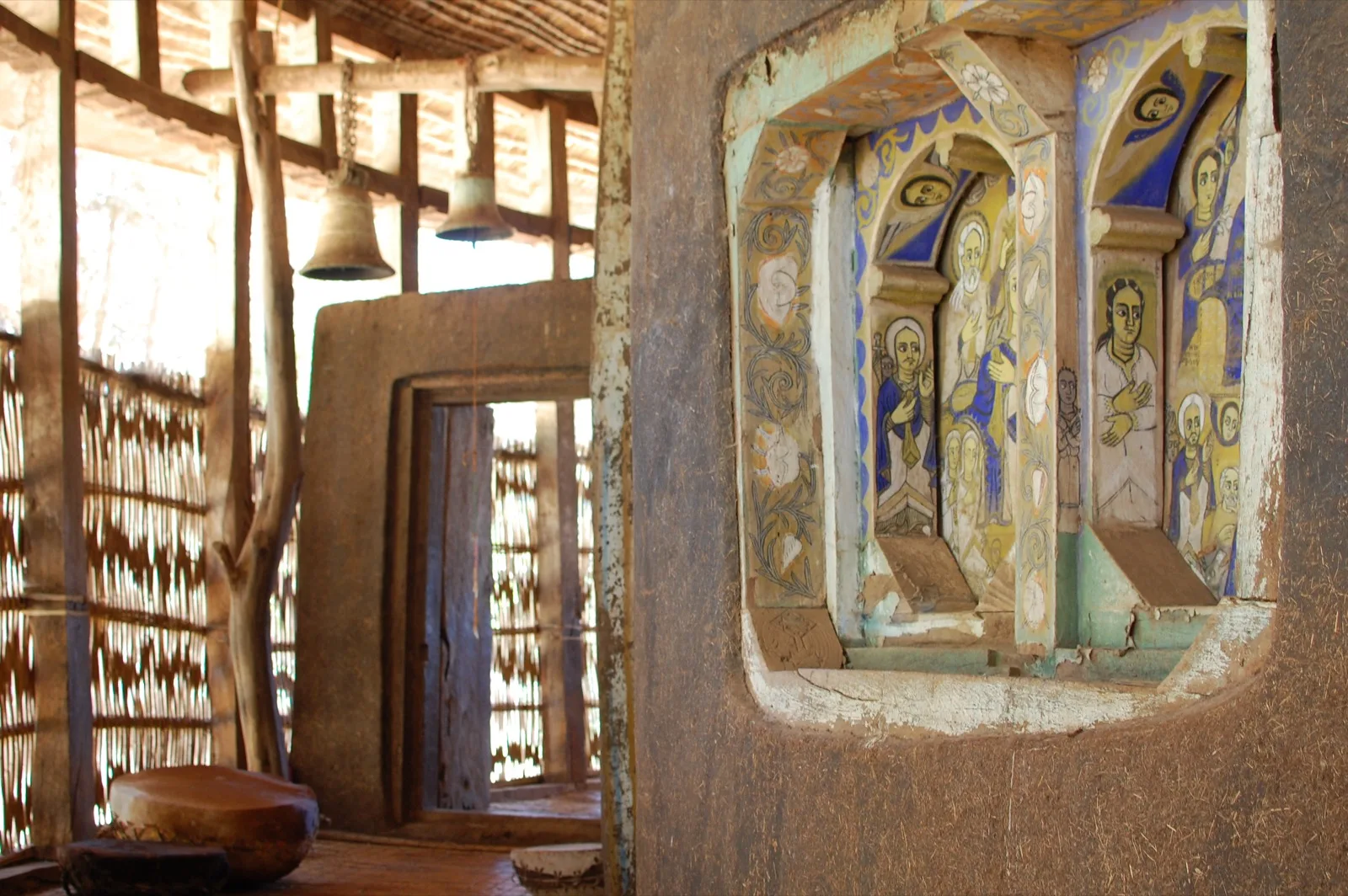
12 days · Itinerary
Northern Heritage with Lodge-Based Stays
Twelve days follow Bahir Dar, Lalibela, Gondar, the Simien Mountains, Axum and Hawzien.
Explore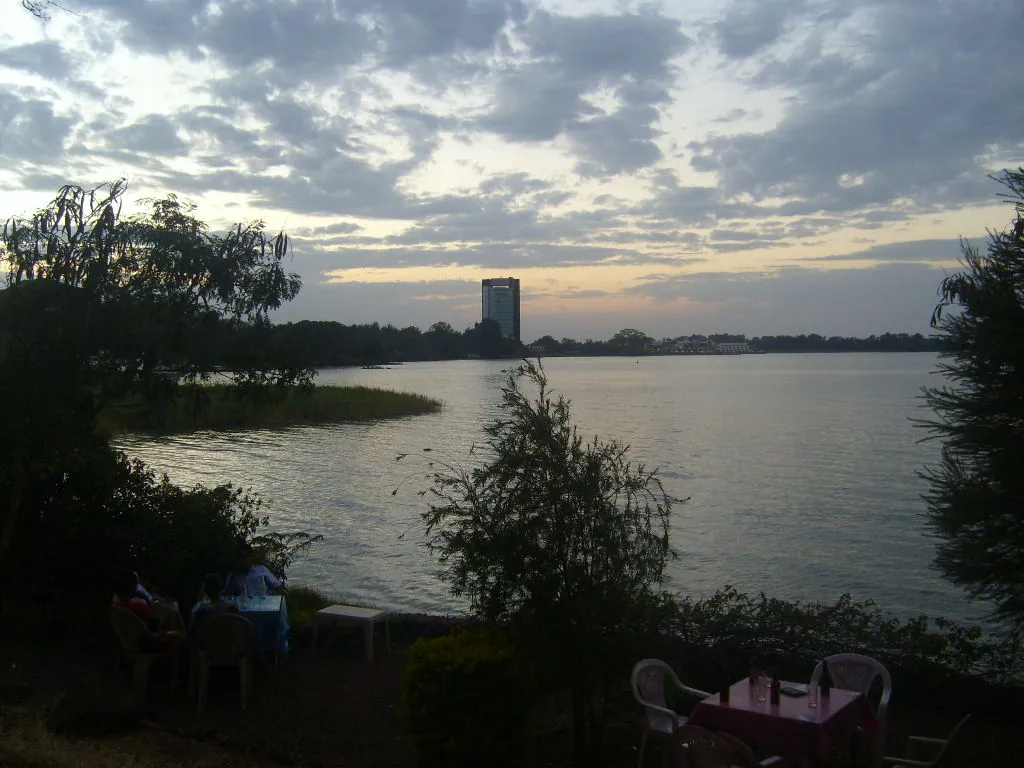
12 days · Itinerary
Northern Heritage and Simien Camping Circuit
Twelve days connect Bahir Dar, Lalibela and Gondar with four Simien walking stages, then continue through Axum and Gheralta before returning to Addis Ababa.
Explore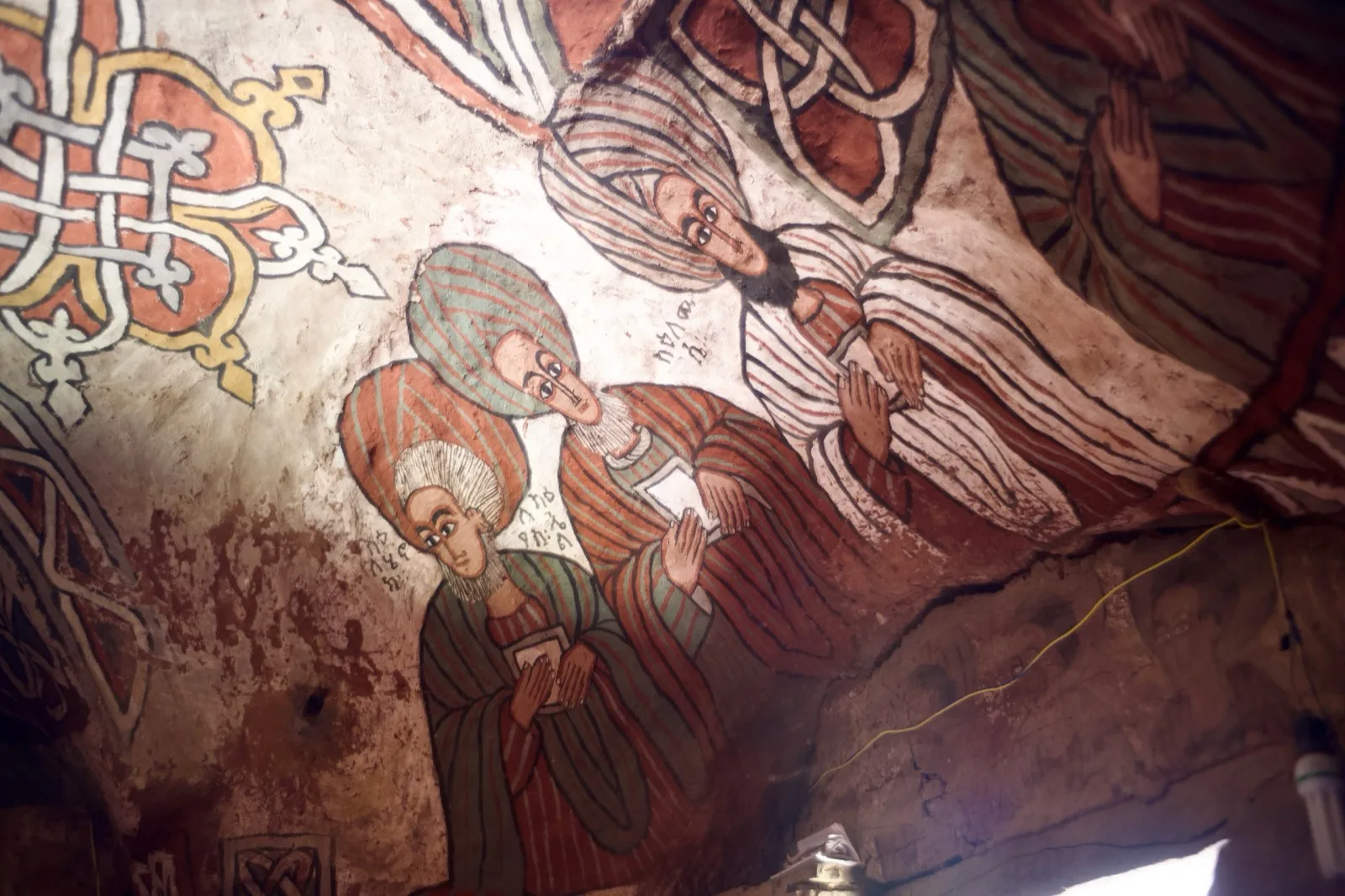
Route study
Historic North Circuit and Community Trekking
Explore a northern Ethiopia route concept combining Bahir Dar, Gondar, the Simien Mountains, Axum, Tigray community walking and Lalibela. The walking connection requires confirmation.
Explore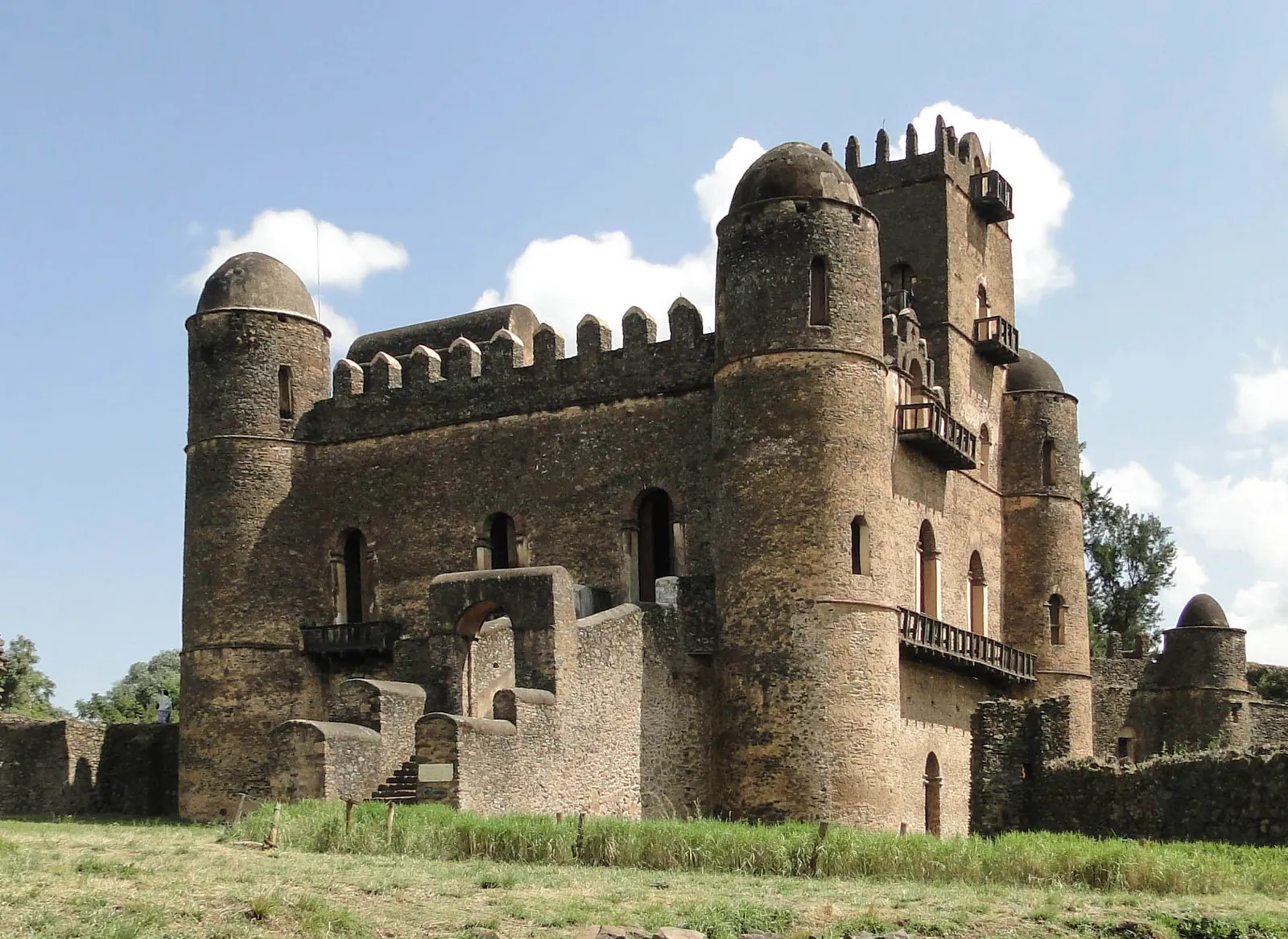
9 days · Itinerary
Nine Days through Ethiopia's Historic Towns
A nine-day heritage journey links Bahir Dar, Gondar, Lalibela and Axum with the old walled city of Harar in the east.
Explore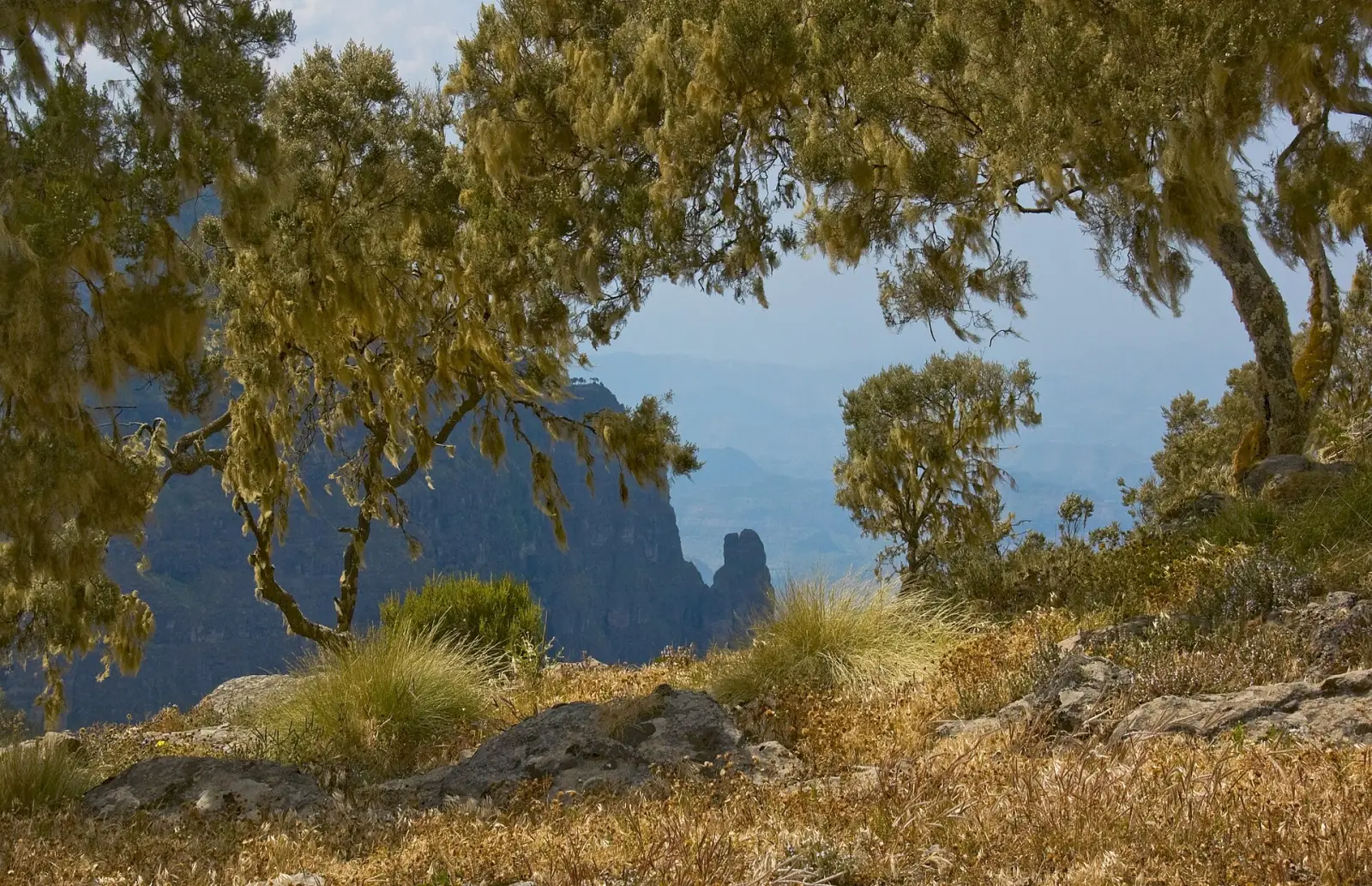
Route study
Simien Mountains and Northern History
Combine the interests of Lalibela, Gondar and the Simien Mountains in a northern Ethiopia route study, with the final connection still to confirm.
Explore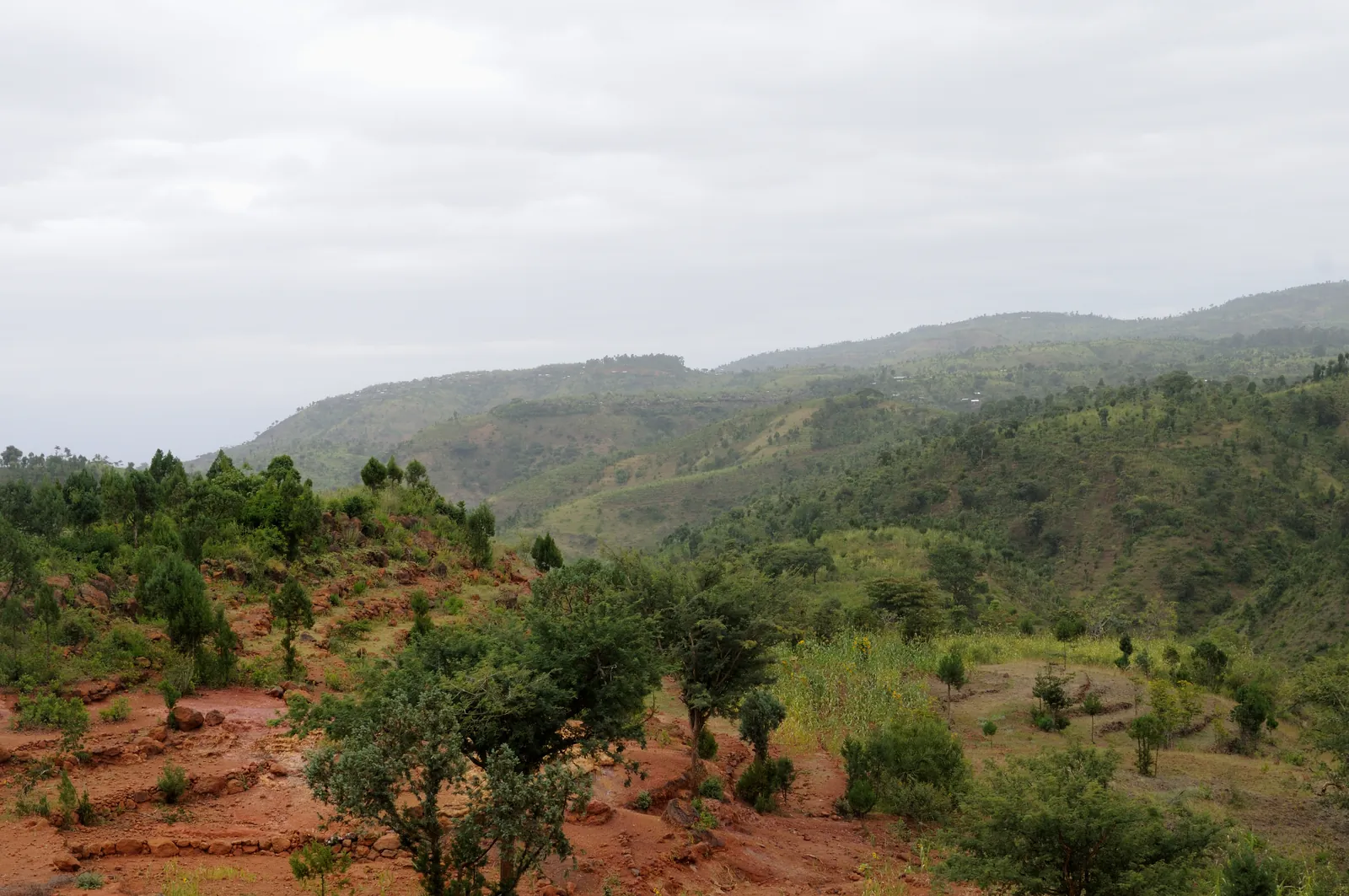
20 days · Itinerary
Twenty-Day Northern and Southern Ethiopia Survey
Twenty days join northern heritage cities and the Simien Mountains with Omo communities, Bale and the Rift lakes in one country-wide journey.
Explore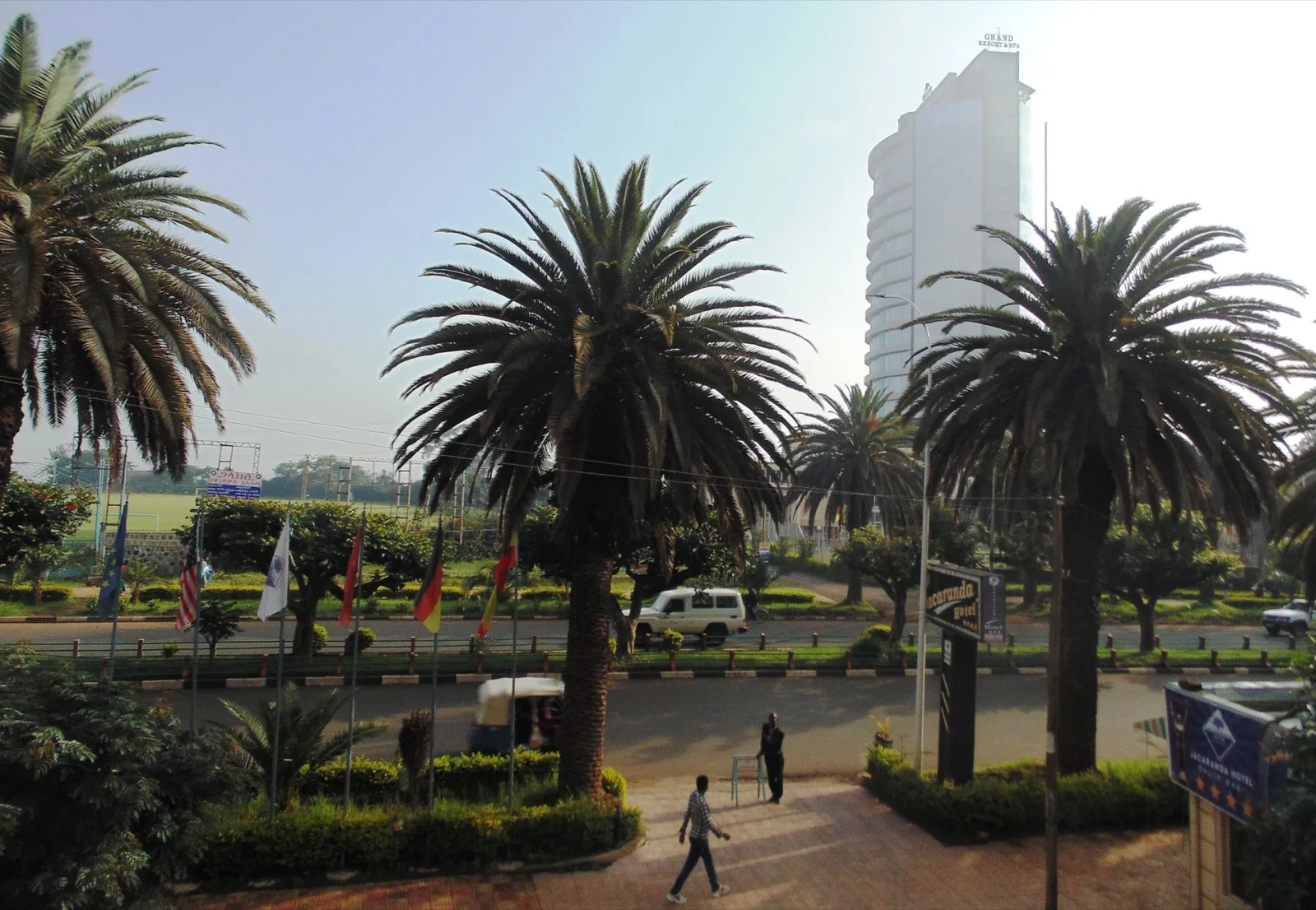
6 days · Itinerary
Six-Day Northern Heritage Sampler
Six days connect Lake Tana and Gondar with Axum and two Lalibela church days, returning to Addis Ababa. The focus stays on heritage sites rather than trekking.
Explore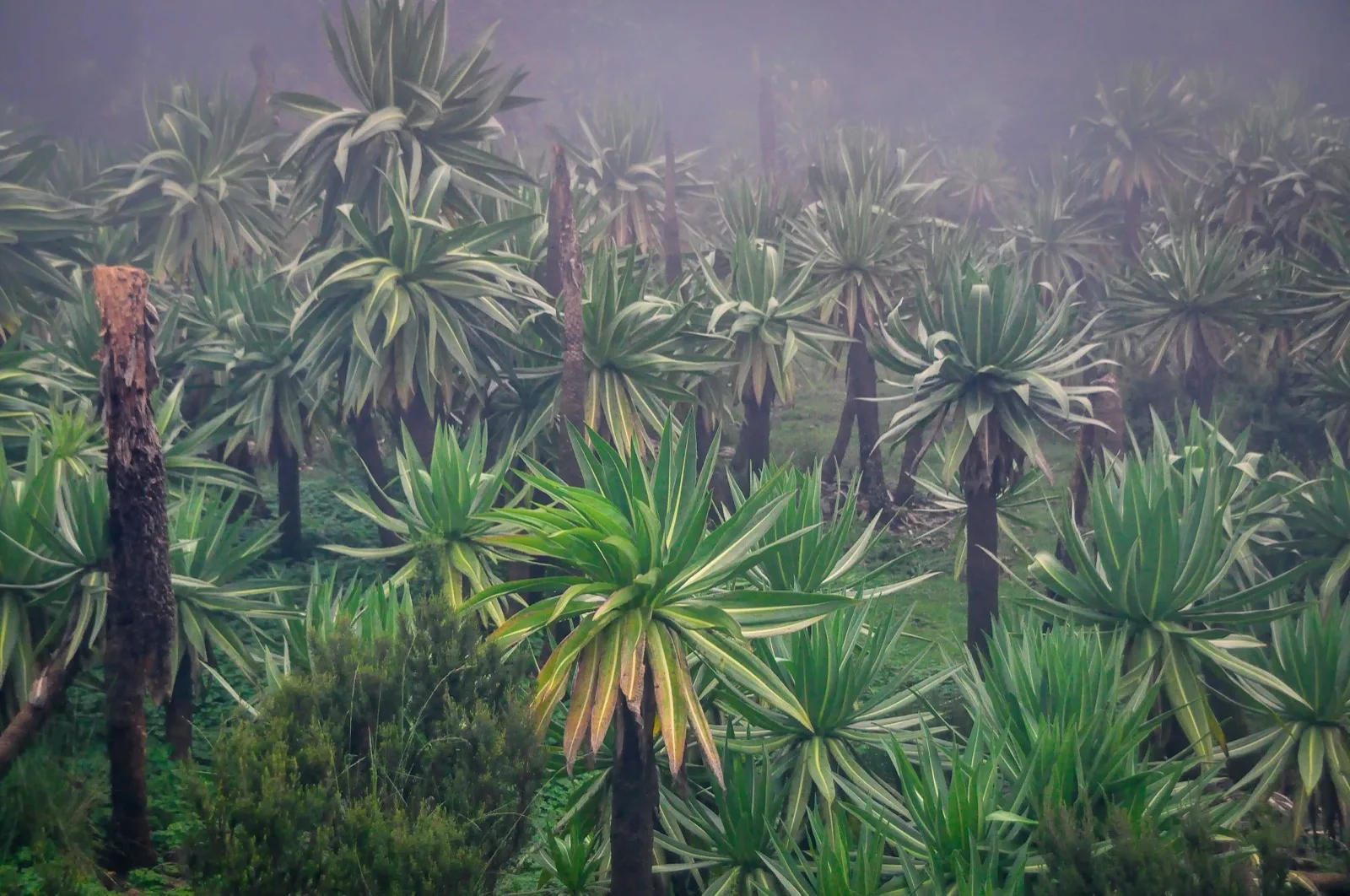
Route study
Peaks and Plateaus of Ethiopia
Compare Wollo and Tigray community walks, Lalibela, Gondar, the Simien Mountains and Axum in an Ethiopia route outline of twelve to thirteen days.
Explore
3 days · Itinerary
Three Days on the Simien Ridges
Three days walk from Sankaber and Gich across Imet Gogo to Chenek, with an optional Ras Bwahit summit, starting and finishing in Gondar.
Explore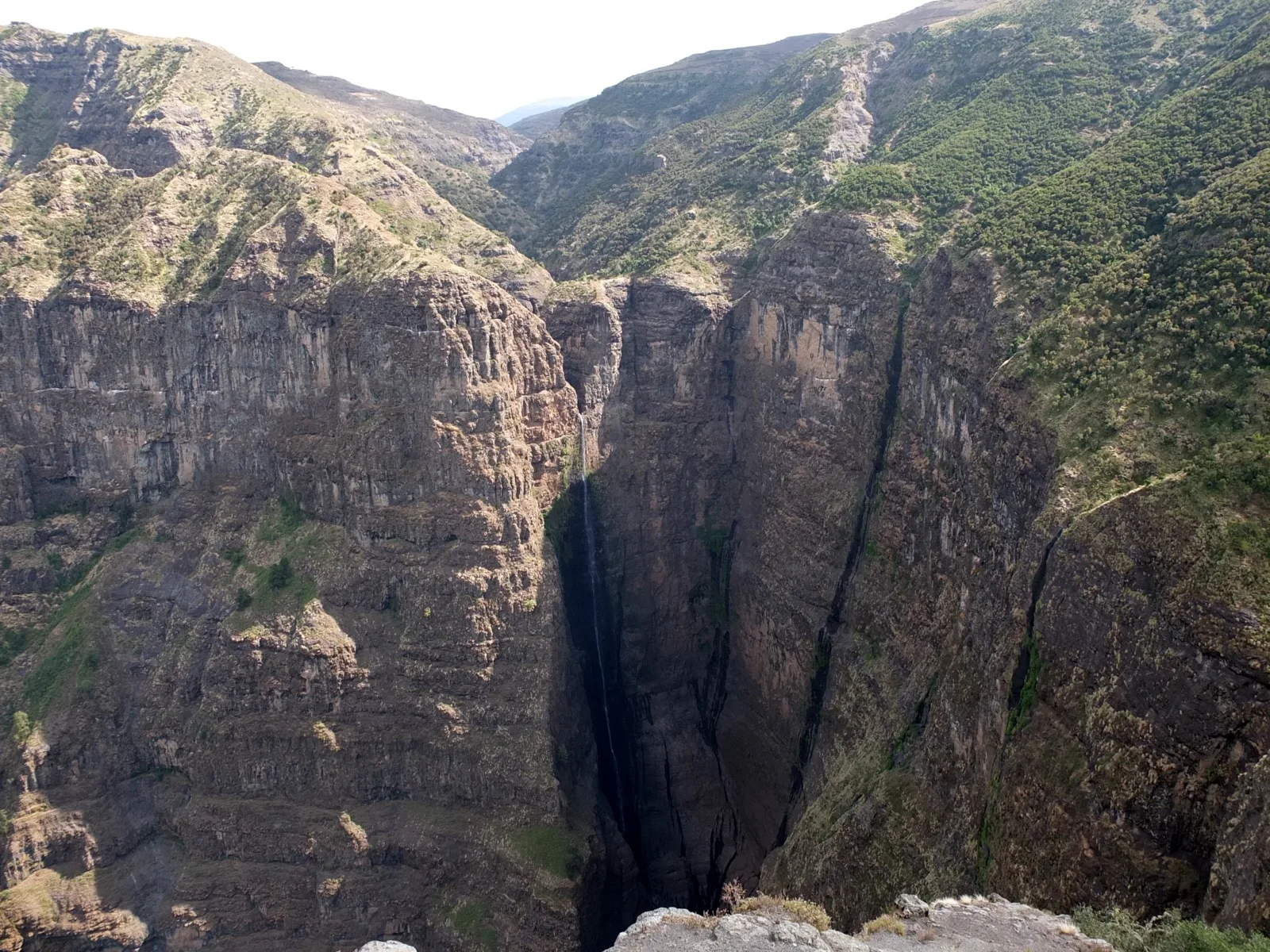
4 days · Itinerary
Four-Day Simien Walking Circuit
An introductory approach through Michibiny leads into three further days around Gich, Imet Gogo and Chenek, with a Bwahit option before the return to Gondar.
Explore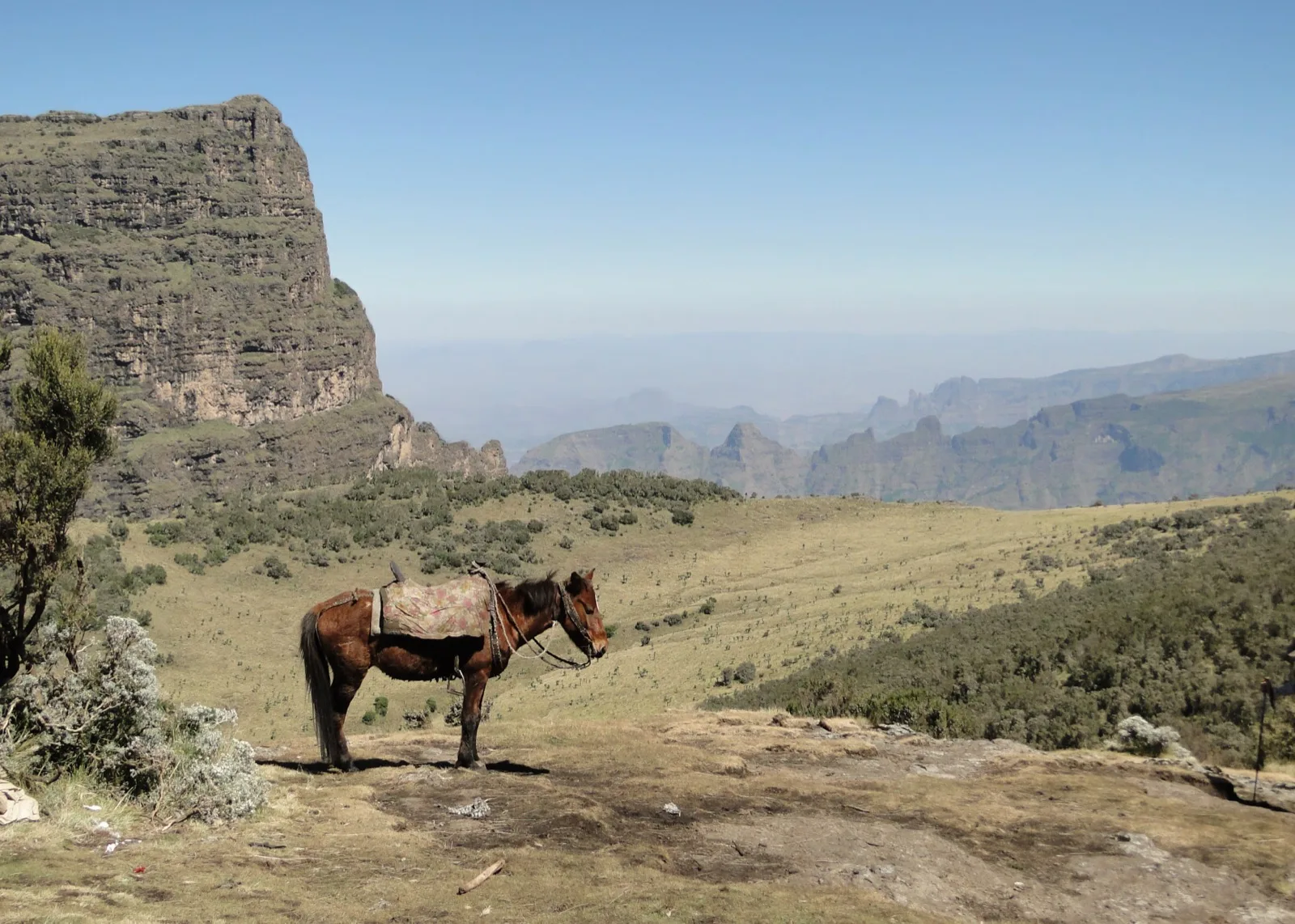
2 days · Itinerary
Two-Day Simien Escarpment Trek
A compact two-day walking route links Sankaber and Gich with Imet Gogo before returning to Gondar.
Explore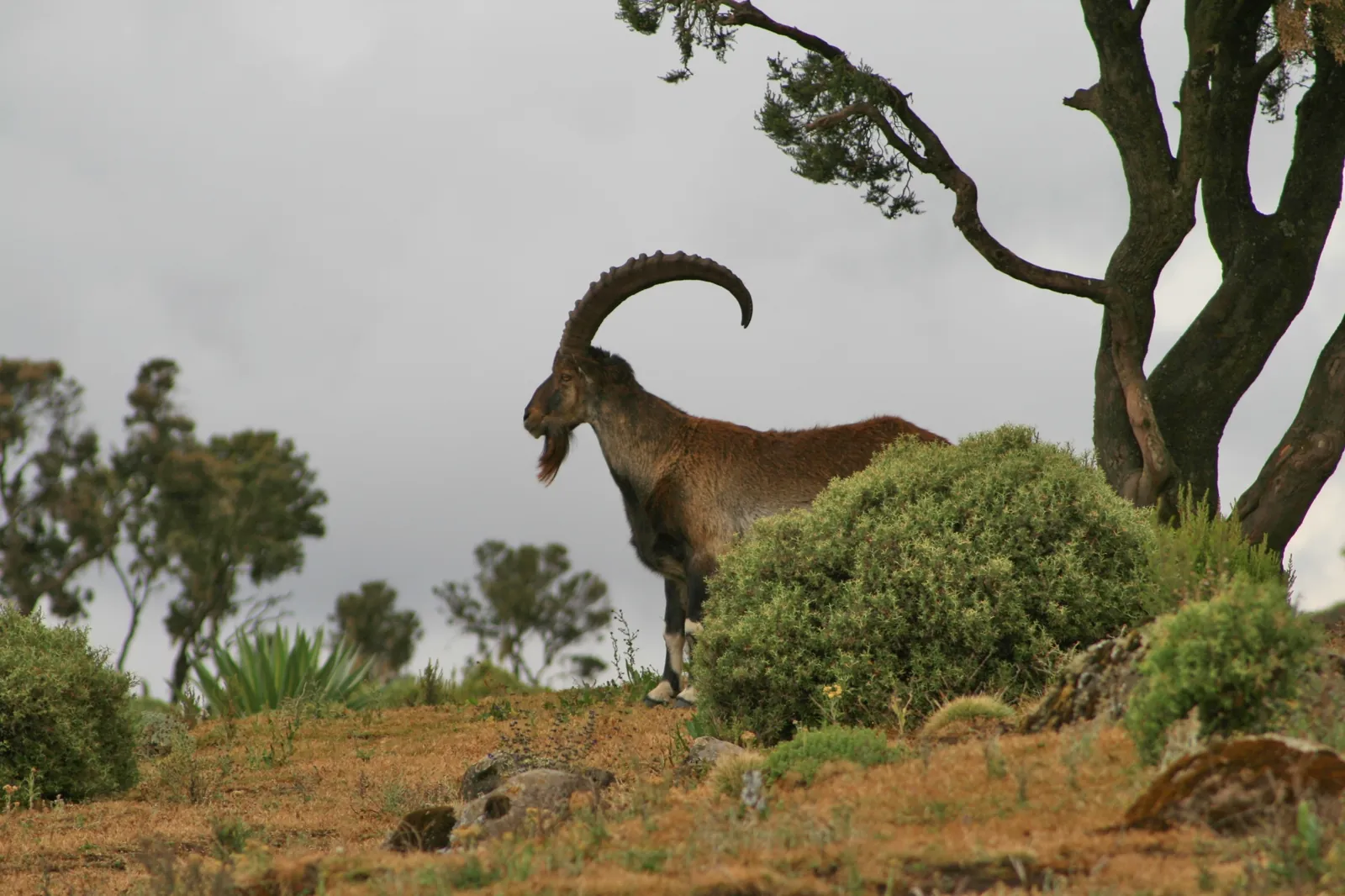
6 days · Itinerary
Six-Day Simien Trek towards Ras Dashen
Six days connect the western Simien camps with Ambiko and a Ras Dashen attempt.
Explore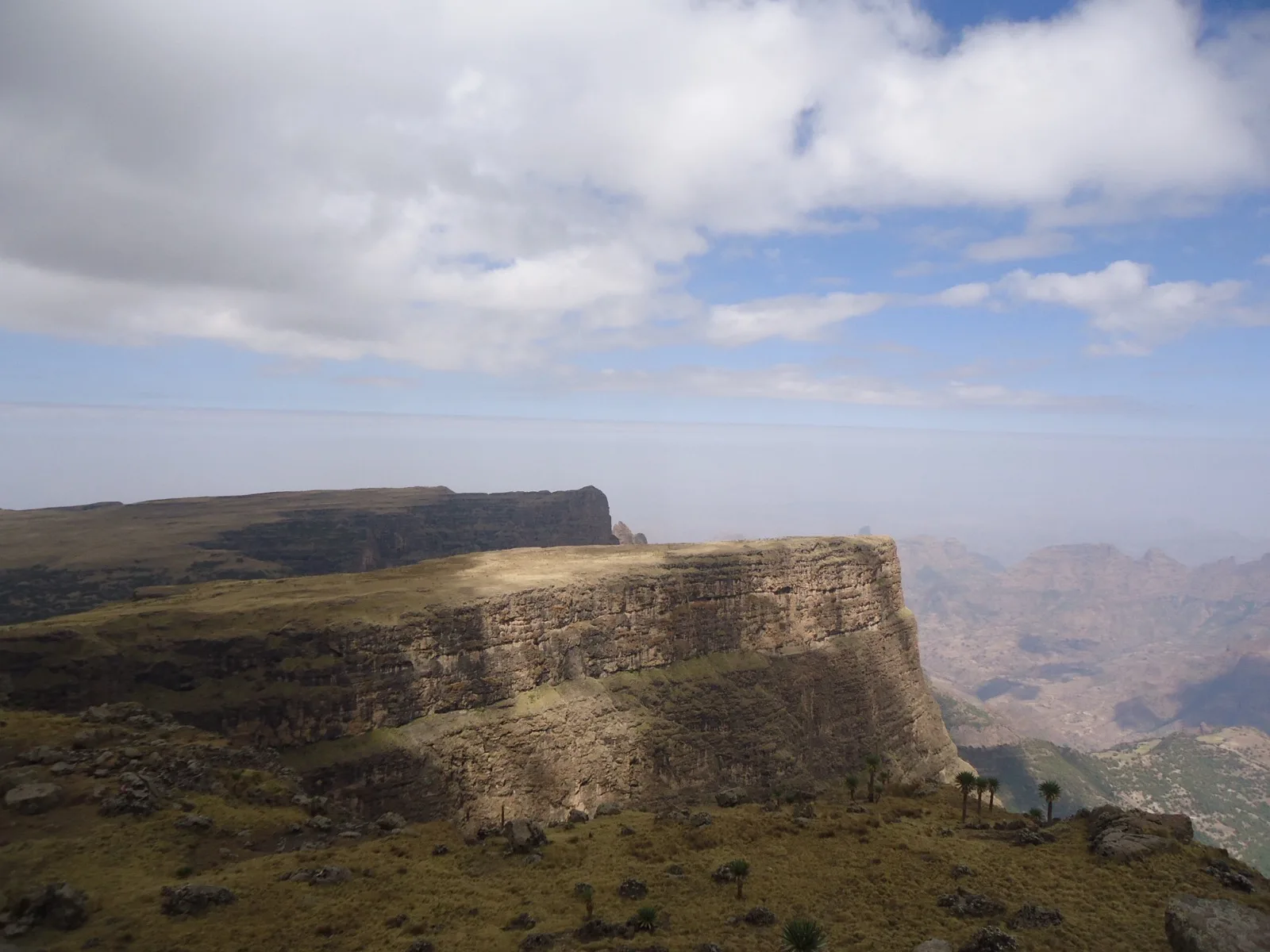
4 days · Itinerary
Four Days Camping in the Simien Mountains
Four days lead through Debark and the Simien camps of Sankaber, Gich and Chenek, finishing with a Mount Bwahit excursion.
Explore
5 days · Itinerary
Gondar and the Western Simien Ridges
Five days place Gondar before a Simien walking sequence through Imet Gogo and Bwahit, with a final return to Addis Ababa via Gondar.
Explore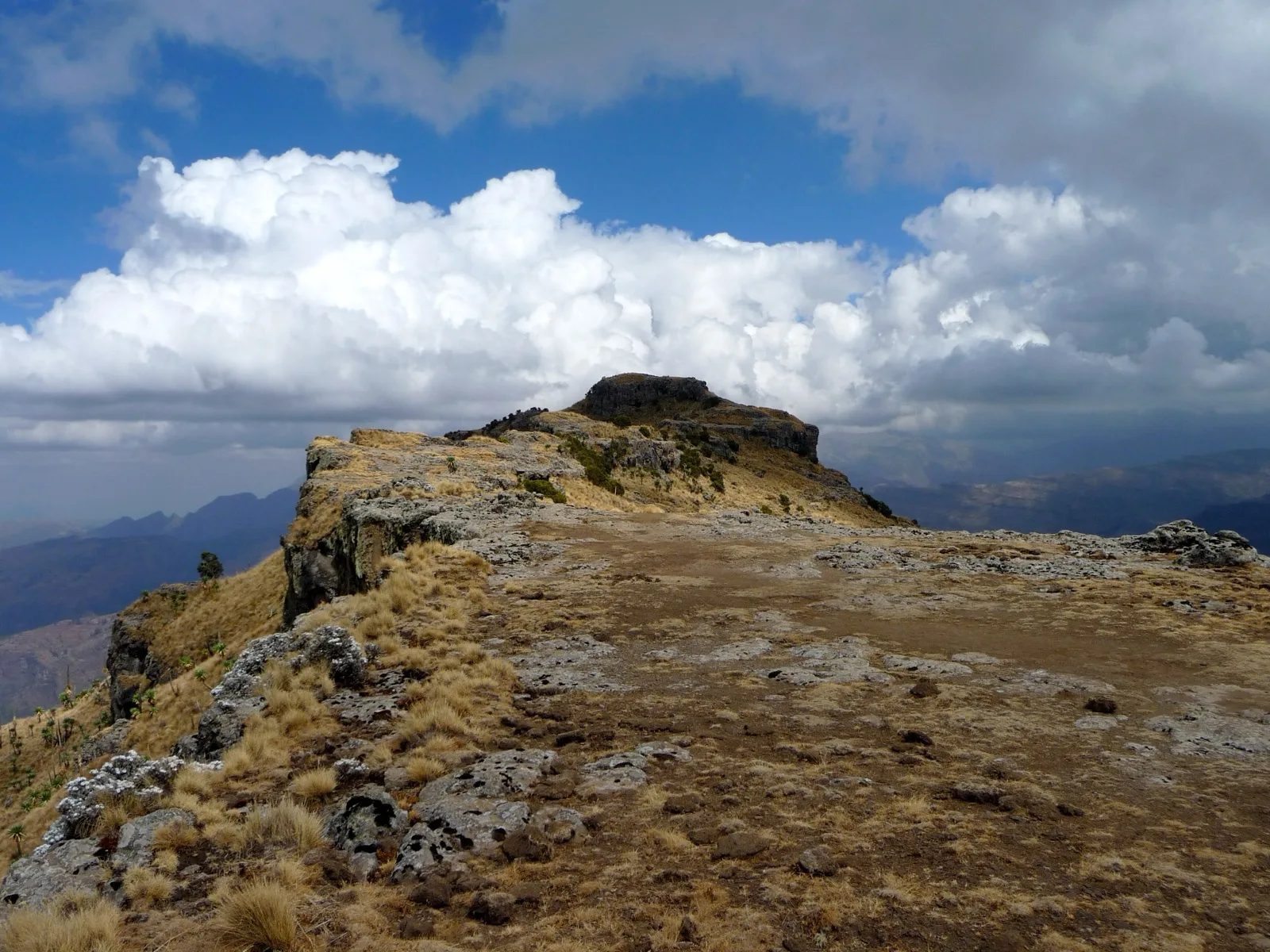
Route study
Trekking in the Simien Mountains: Route Study
Follow the named Simien trekking stages through Sankaber, Gich, Chenek, Ambiko and Ras Dashen, with the return from Menteber still to confirm.
Explore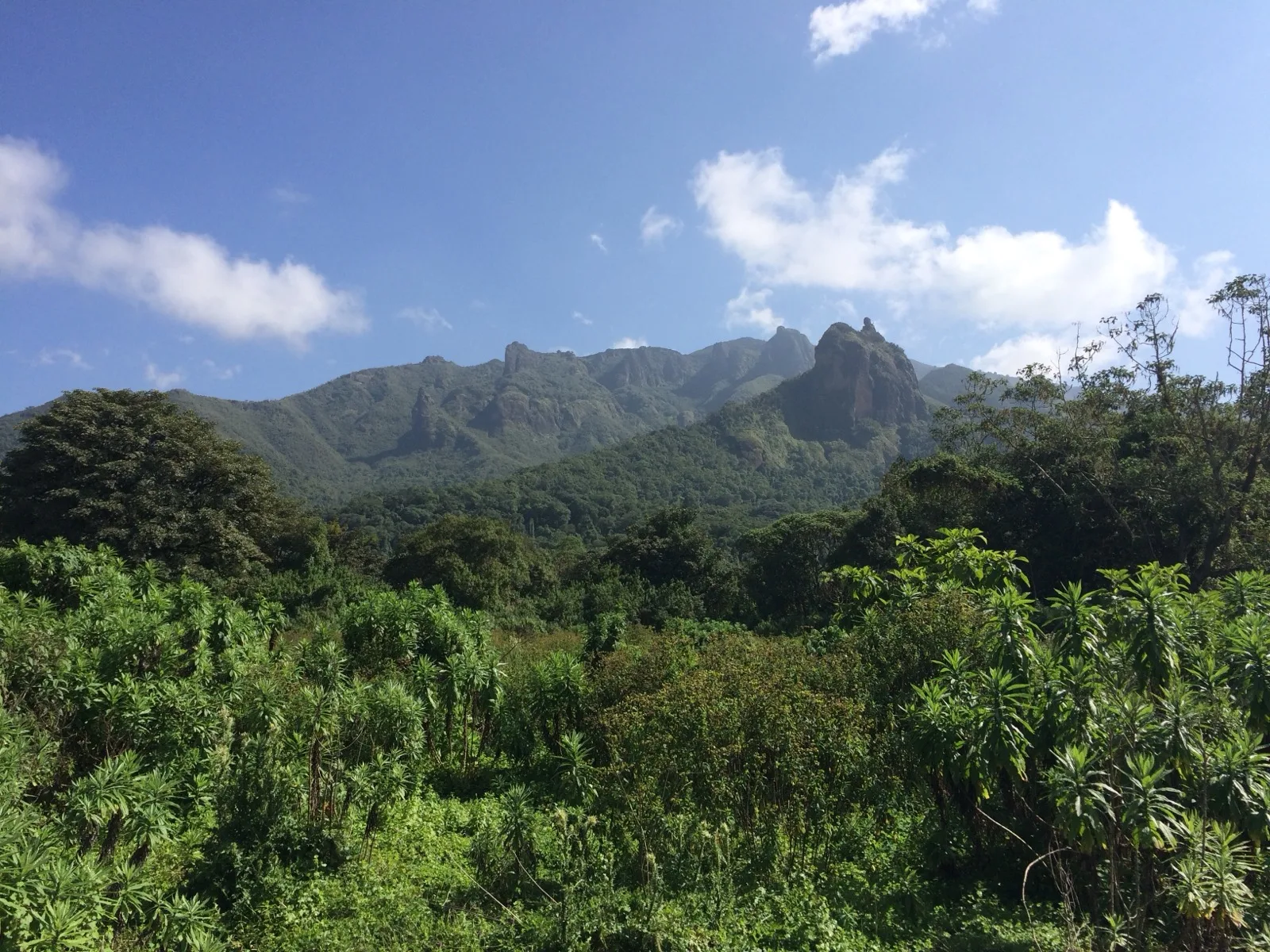
Route study
Trekking and Camping in the Bale Mountains
Explore a Bale Mountains camping and trekking concept across plateau and forest environments, with its overall length still to confirm.
Explore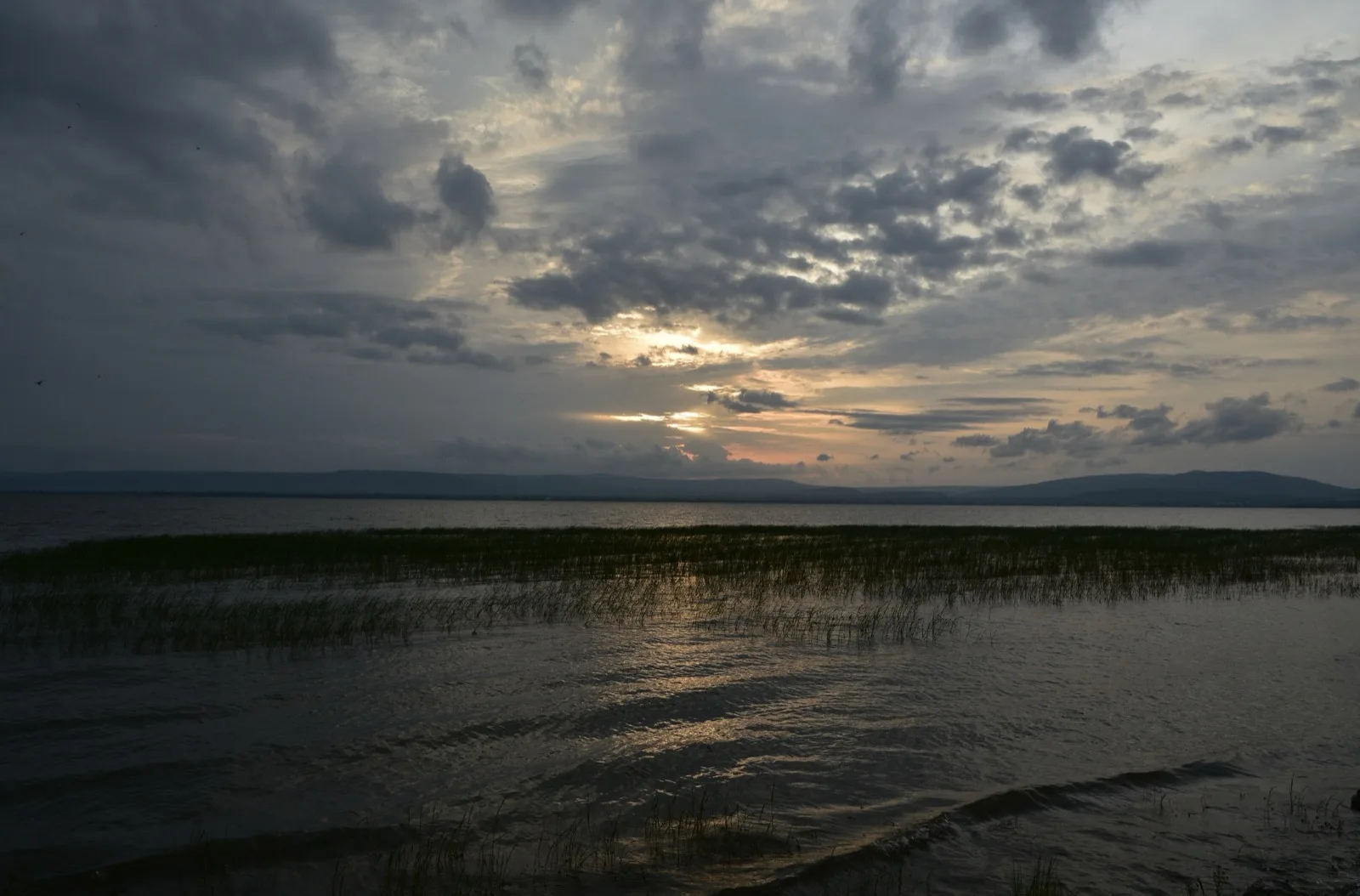
10 days · Itinerary
Ten-Day Rift Valley and Bale Nature Journey
Ten days link Awash, Langano, Hawassa and Bale, giving the park and lake sections their own days before returning through Robe to Addis Ababa.
Explore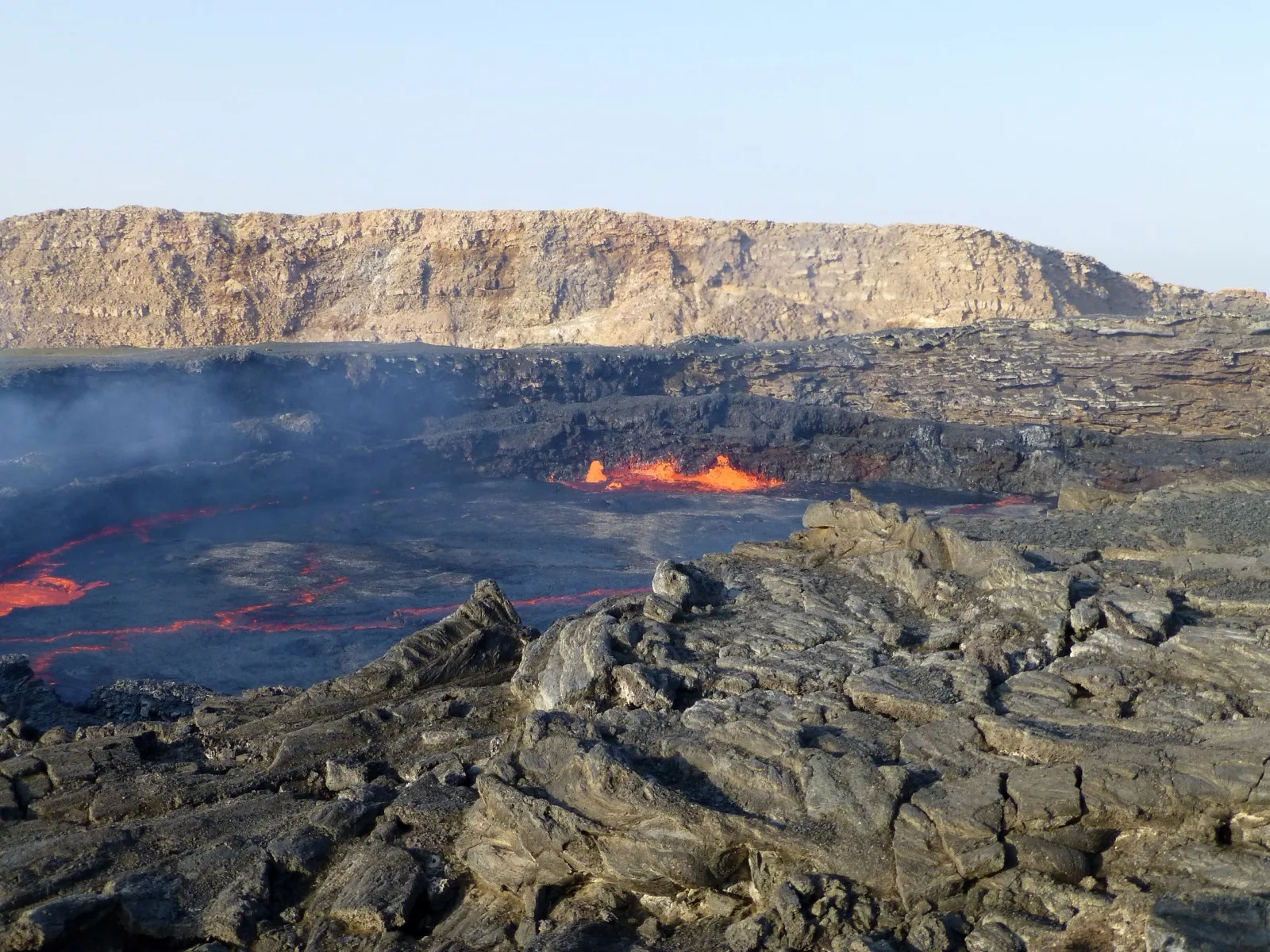
3 days · Itinerary
Three-Day Danakil Volcanic Traverse
Three days link Mekele with Erta Ale via Aksoma, then Hamed Ela, Dallol and Lake Afrera before the return to Mekele.
Explore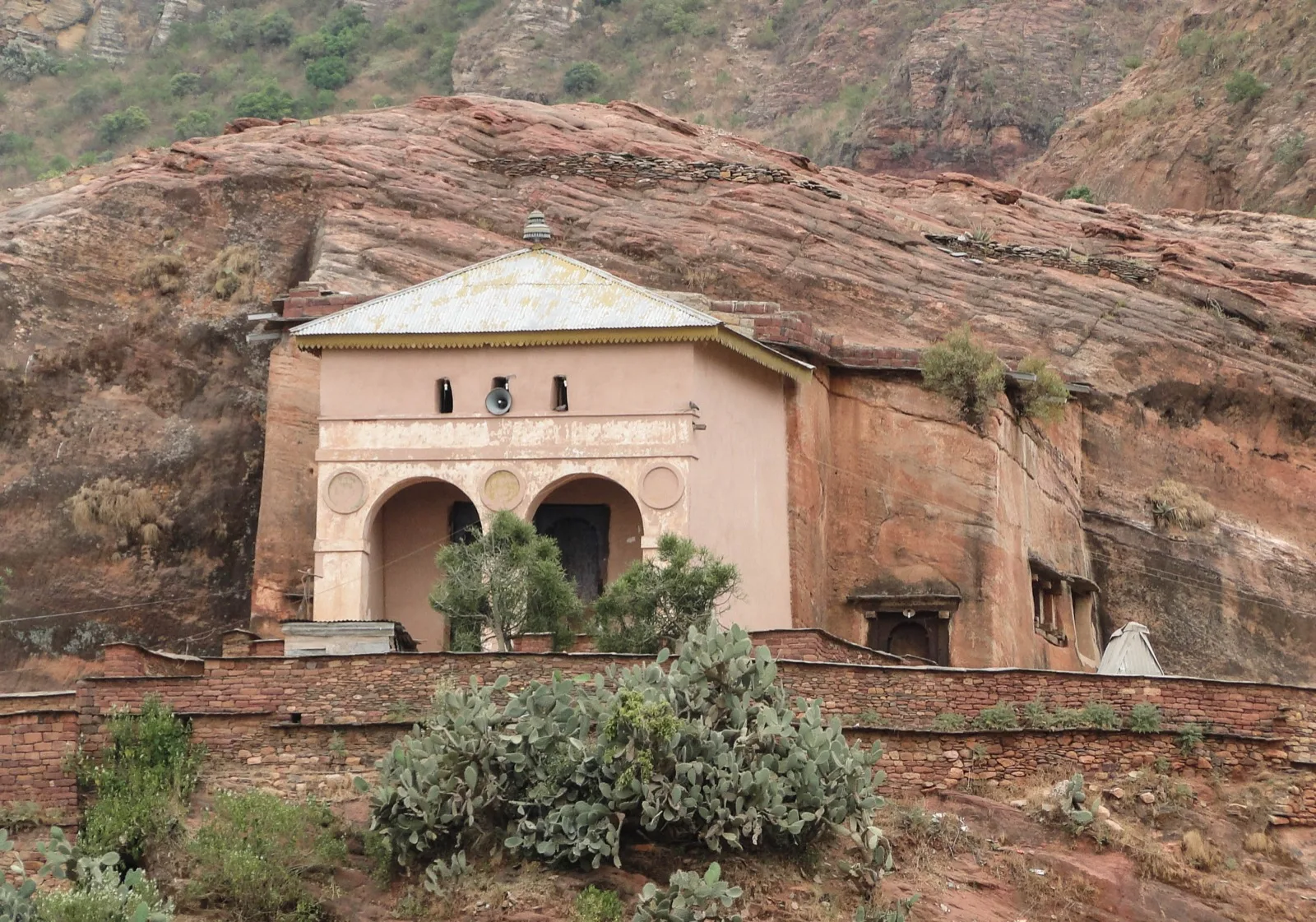
11 days · Itinerary
Tigray Community Trails and the Danakil
Eleven days connect Axum with a chain of Tigray community-trail locations before the route enters the Danakil for Erta Ale, Dallol and the salt lakes.
Explore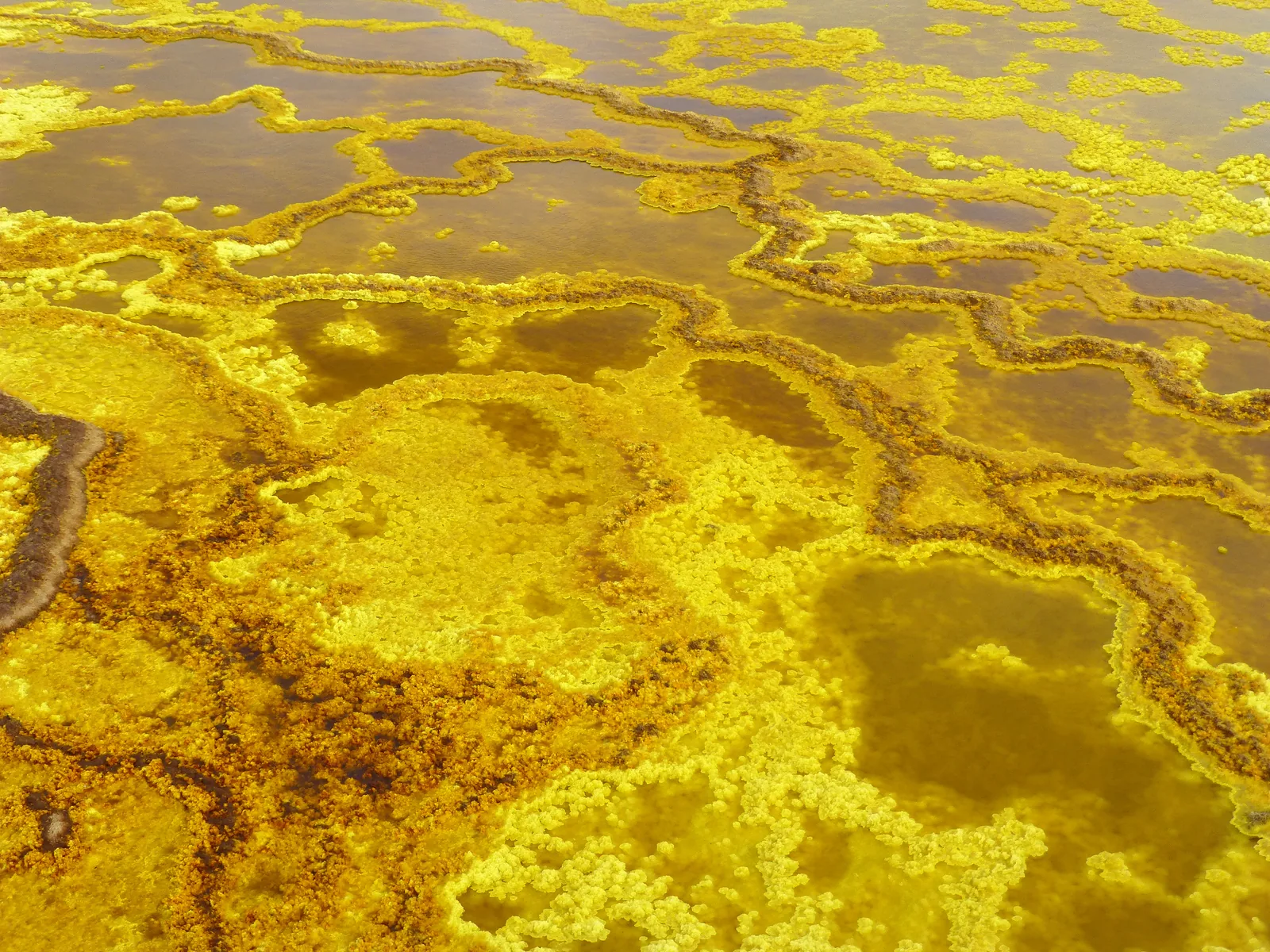
2 days · Itinerary
Two Days in the Danakil Depression
Explore a proposed two-day Danakil route from Mekele through Berhale and Hamed Ela to Dallol, Lake Asale and the salt workings of Ragad.
Explore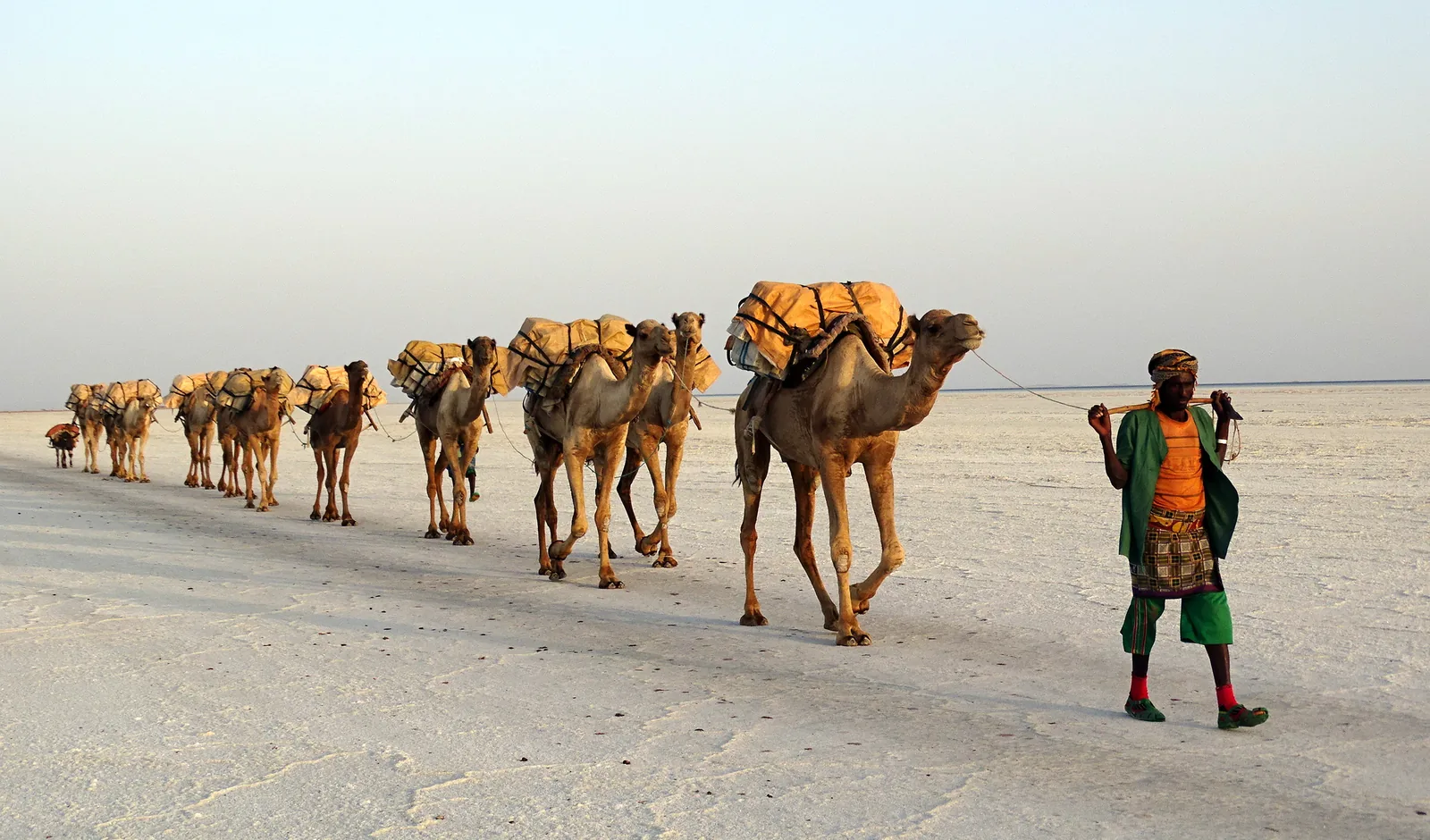
1 day · Itinerary
Danakil Salt-Landscape Day Trip
A single-day journey follows Berhale, Ahmed Ela, Lake Asale and Dallol before returning towards the Tigray highlands.
Explore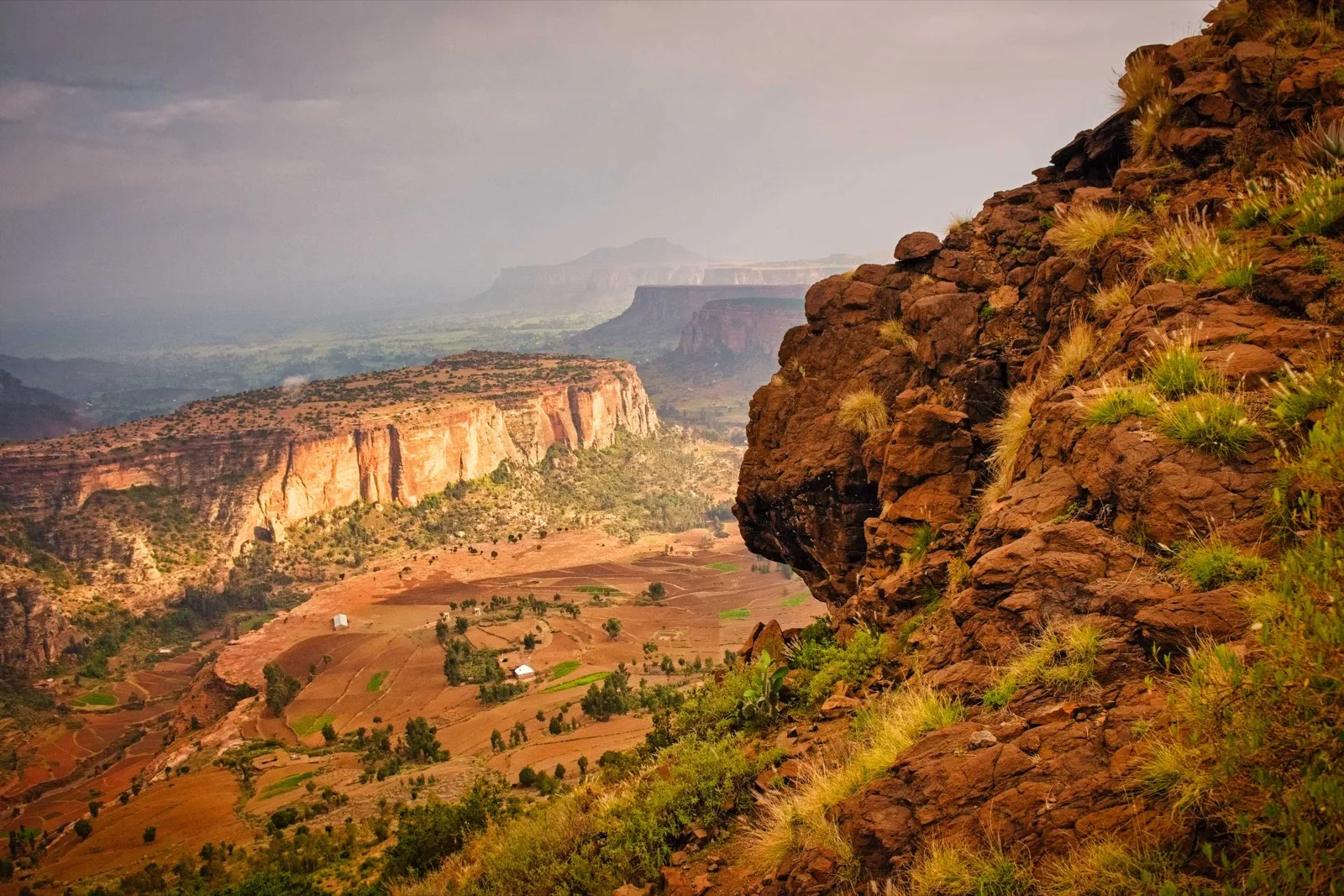
Route study
Community Trekking in Ethiopia: Route Study
Compare community walking around Wollo and Tigray with Lalibela, Gondar, the Simiens and Axum, and review the unresolved stages of this route concept.
ExploreRelated places and journeys
Ethiopia guide
Ethiopia Guide
Start exploring Ethiopia with places, experiences and a few practical questions.
ExploreEthiopia guide
Danakil Depression: geology and itinerary choices
Explore the Danakil's salt landscapes, Dallol and volcanic setting, and distinguish itinerary choices without assuming every tour includes the same stops.
Explore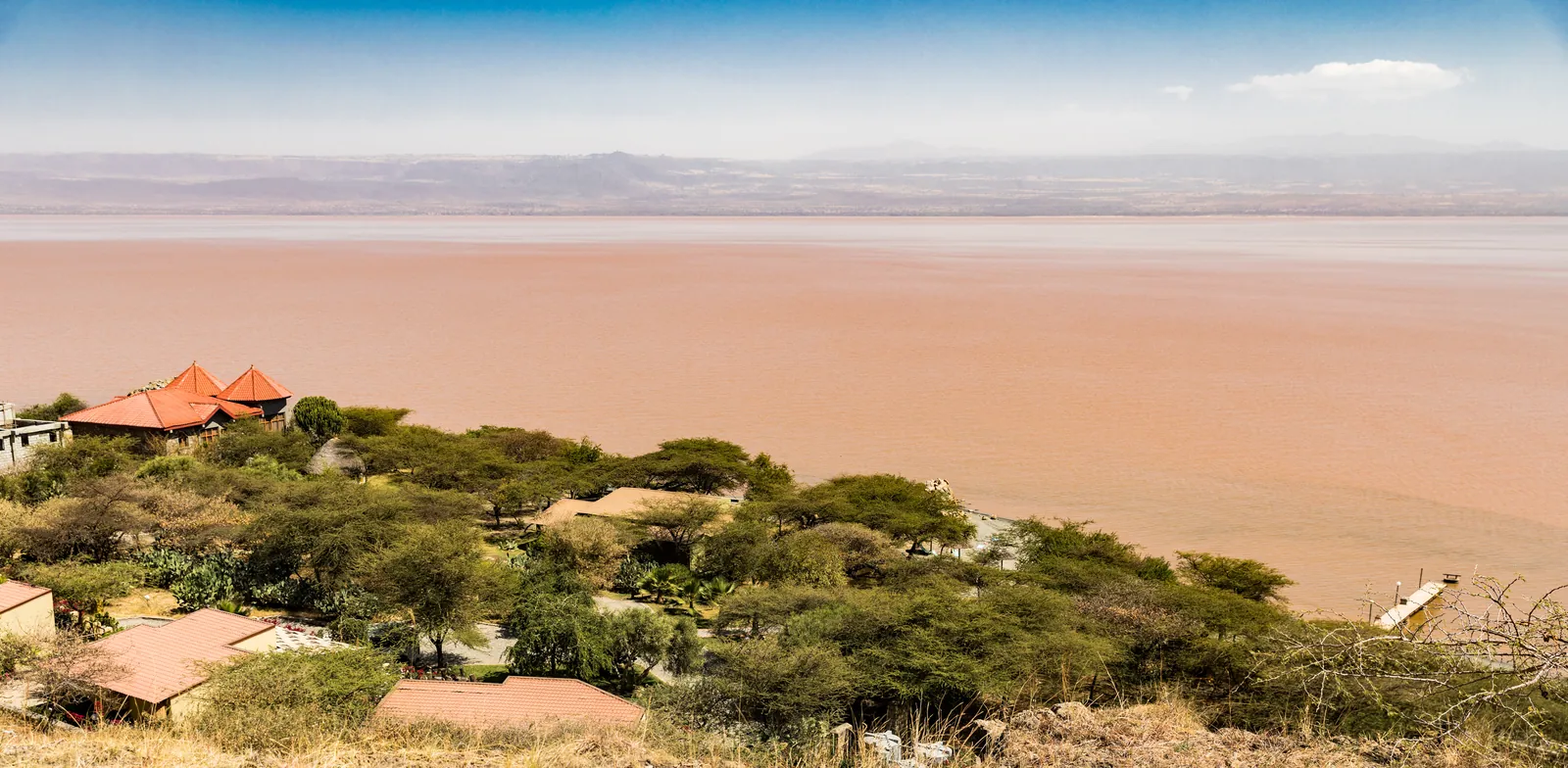
Ethiopia guide
Ethiopia's lakes: choosing a route
Compare Lake Tana, the Rift Valley lakes and other Ethiopian water landscapes by setting, wildlife interests and the journey you want to build around them.
Explore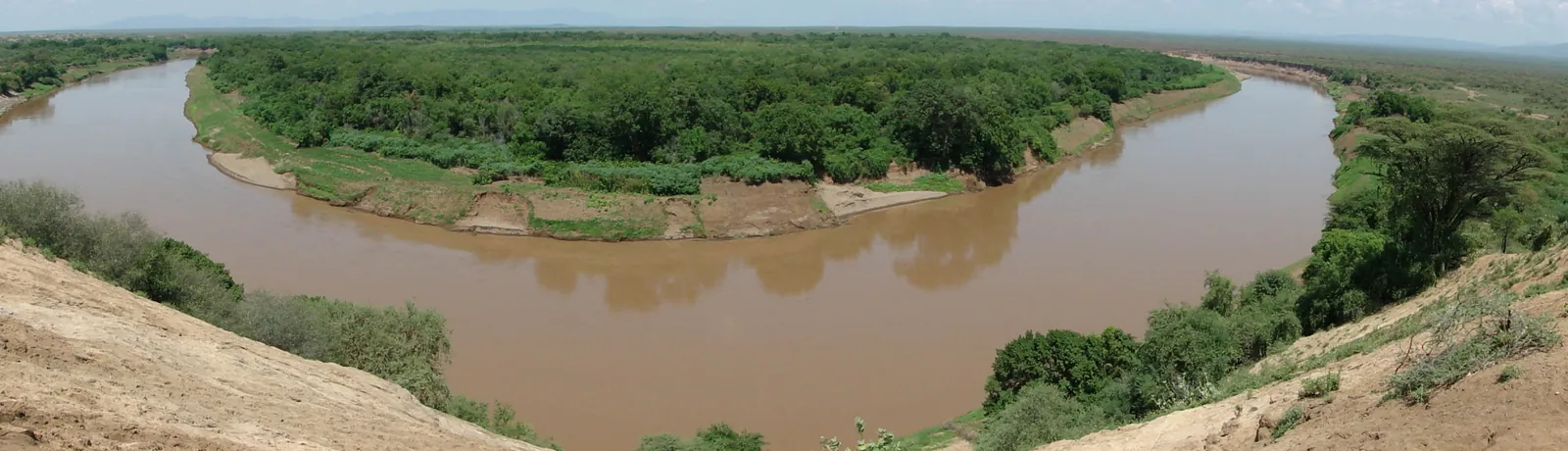
Ethiopia guide
Omo Valley: people, landscapes and respectful visits
Understand the Lower Omo Valley as a living cultural landscape, with guidance on locally agreed visits, photography, different bases and thoughtful pacing.
ExploreEthiopia guide
Bahir Dar and Lake Tana
Explore Bahir Dar's Lake Tana setting, monastery heritage and links with the Blue Nile Falls, and decide how these different visits fit your interests.
ExploreEthiopia guide
Gondar: castles, churches and highland connections
Explore Gondar's Royal Enclosure, painted church interiors and relationship with the Simien Mountains, with a plan that gives the city its own attention.
Explore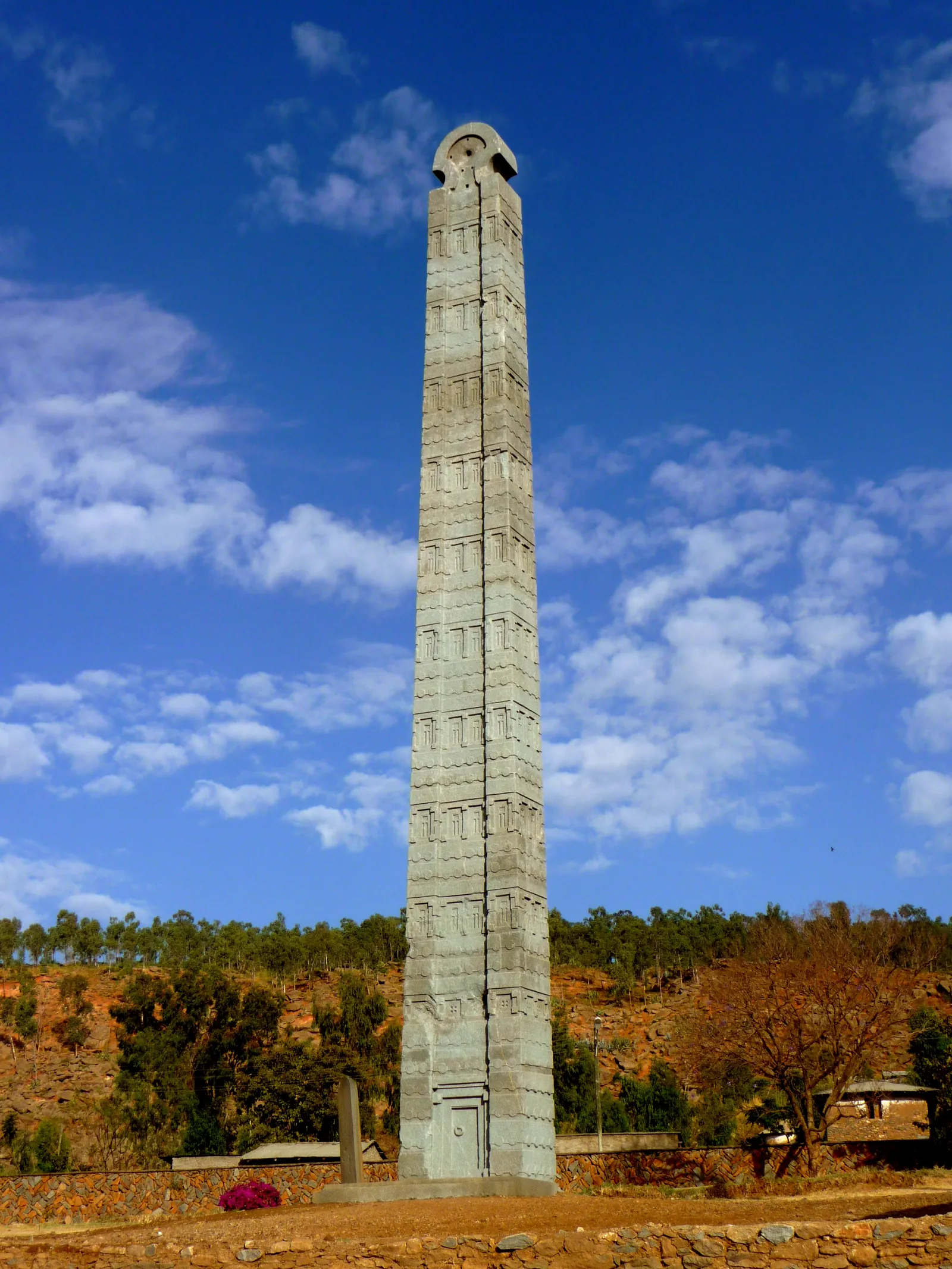
Ethiopia guide
Axum: archaeology and living heritage
Explore Axum's stelae, royal archaeology and religious traditions, and plan a visit that distinguishes historical evidence from stories of sacred heritage.
ExploreEthiopia guide
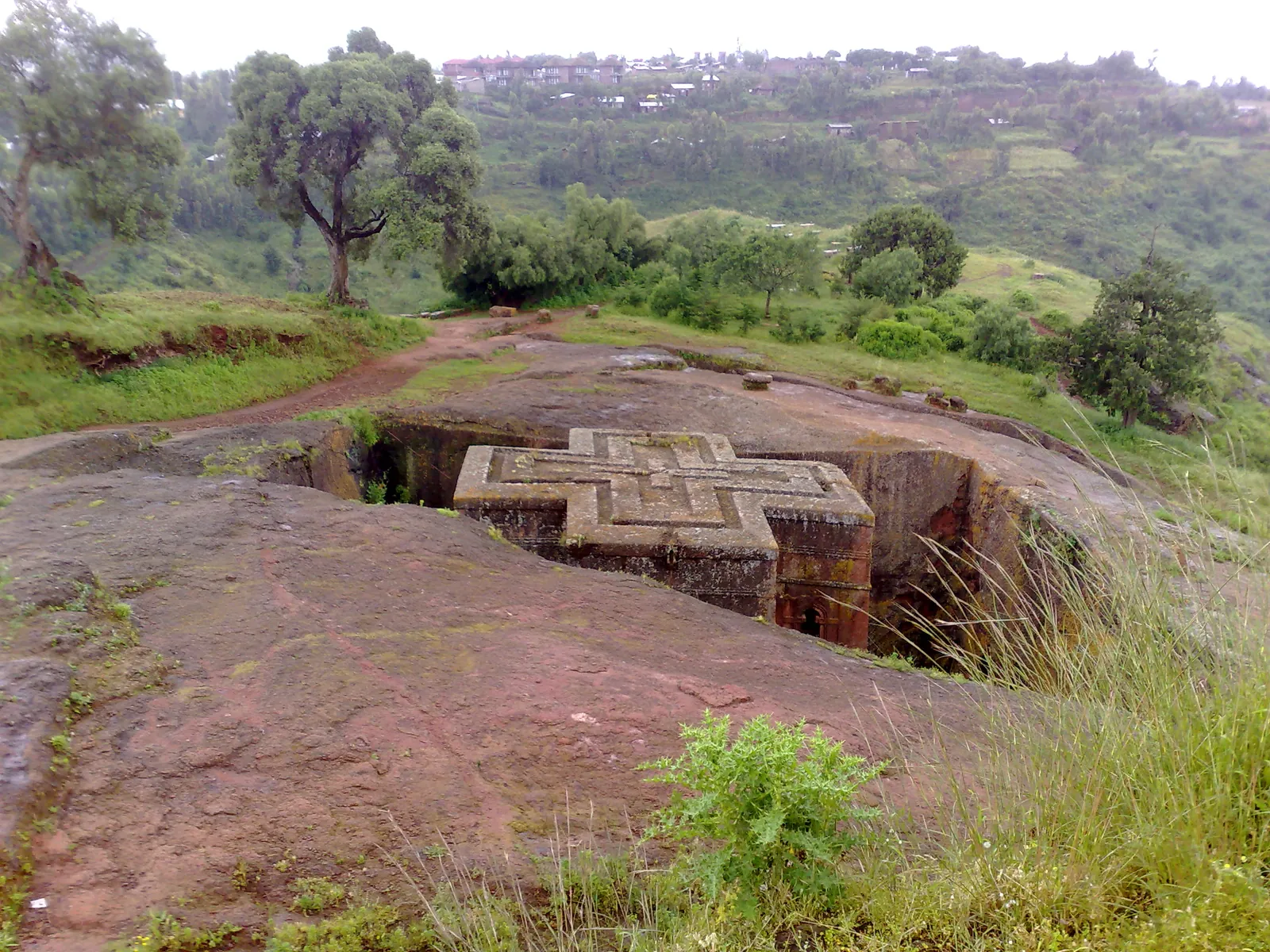
Lalibela: churches, highlands and pilgrimage
Explore Lalibela's eleven rock-hewn churches, living worship and surrounding highlands, and build a visit with time for both architecture and context.
ExploreShape your journey
Bring your preferred dates, interests and pace together in a planning draft.