
Five questions for planning an Ethiopia journey
A useful travel brief explains the experience you want before it lists places. Five decisions help turn Ethiopia's many possibilities into a journey with a clear purpose and a realistic pace.
North, south and the route beyond famous names
The northern historical towns and the southern Rift Valley or Lower Omo form different geographical groupings. Mixing them can be worthwhile, but it adds journey stages that need time. Ask what each new region contributes and which existing experience would lose time when it is added.
Less familiar places should be chosen for a reason, not just because they are described as off the beaten track. A community walk, a particular archaeological interest or a quieter landscape may be a better fit than an extra flagship attraction. Work backwards from usable travel days and decide what to leave out as carefully as what to include.
Five answers that turn interests into a route
Use these prompts together. A preference for two famous places, a gentle pace and a short trip is a different brief from a wish to cross several regions on foot. Writing the answers down makes the first route comparison more useful.
- Which subjects matter most? Rank the Simien Mountains, Lalibela, Danakil and Lower Omo, then add any quieter interest such as Bale’s habitats or Lake Tana’s art.
- What kind of activity do you enjoy? Describe a comfortable walking day, including ascent, exposure and breaks, rather than using fit or unfit as the only measure.
- Which region deserves your time? Compare a northern heritage journey with a southern lakes, forest and cultural route.
- What kind of remoteness appeals? Distinguish a country lodge, a community guesthouse and an expedition camp.
- How many usable days do you have? Count arrival, onward movements and rest alongside the principal visits.
What draws you, and how active should it be?
Choose your leading interests: historical architecture, living cultures, wildlife, mountain walking or geological landscapes. Then distinguish gentle outings from sustained trekking; both can involve impressive scenery without requiring the same itinerary.
How much time and comfort do you need?
Count usable days after arrival and departure, and decide which nights can be simple and which need more comfort. Fewer regions with enough time often make a stronger plan than an ambitious circuit with constant movement.
What must the proposal explain?
State your preferred pace, room arrangements and any access or dietary needs. Ask for the ordered route, named overnights and clearly priced services, so that decisions are based on a concrete plan rather than an attractive destination list.
Related places and journeys
Ethiopia guide
All Trips
Compare Ethiopia journeys by their route, time on foot and regional focus.
Explore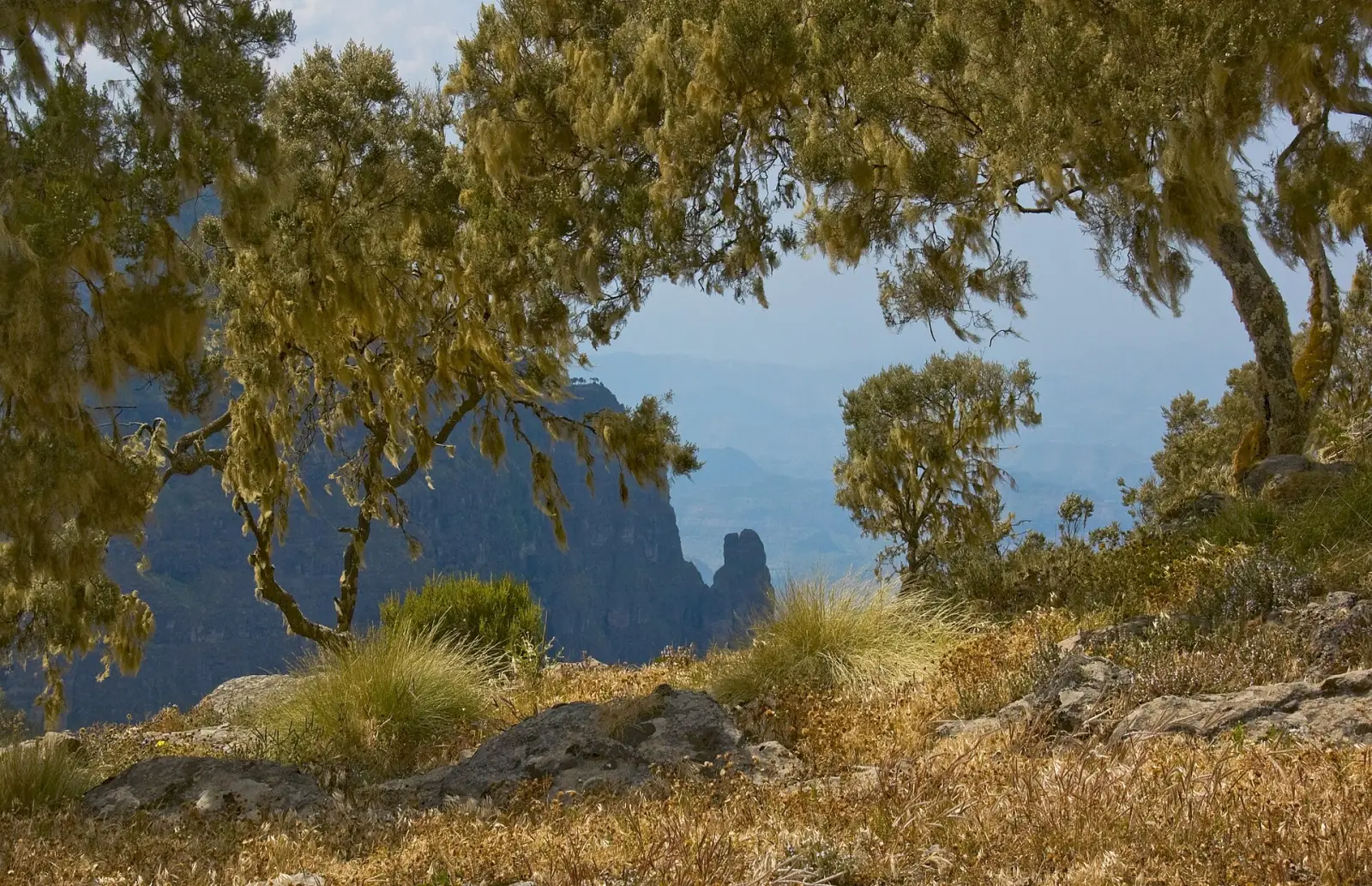
Ethiopia guide
Simien Mountains: escarpments and walking choices
Explore the Simien Mountains through escarpment scenery, endemic wildlife and distinct walking routes, with guidance on choosing the right mountain plan.
ExploreEthiopia guide
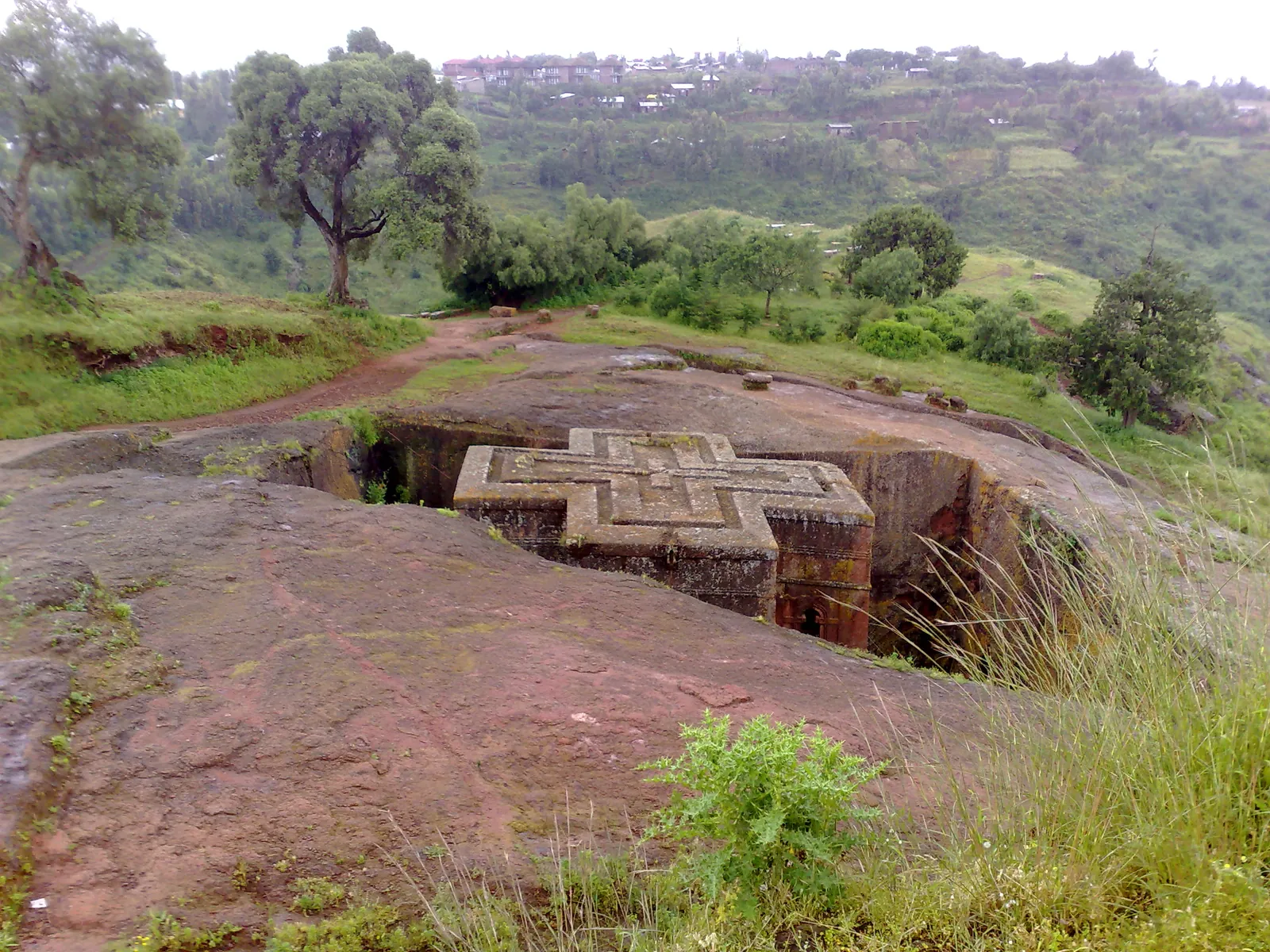
The rock-hewn churches of Lalibela
Understand Lalibela's eleven rock-hewn churches, their main groups and carved passages, with context for architecture, pilgrimage and respectful visits.
Explore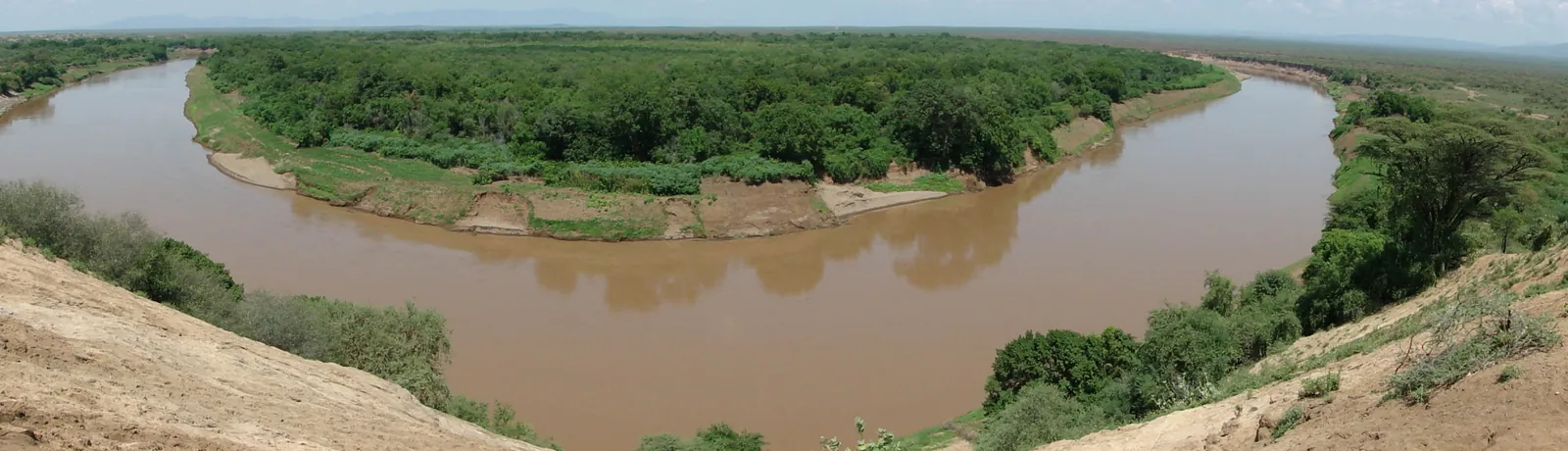
Ethiopia guide
Omo Valley: people, landscapes and respectful visits
Understand the Lower Omo Valley as a living cultural landscape, with guidance on locally agreed visits, photography, different bases and thoughtful pacing.
Explore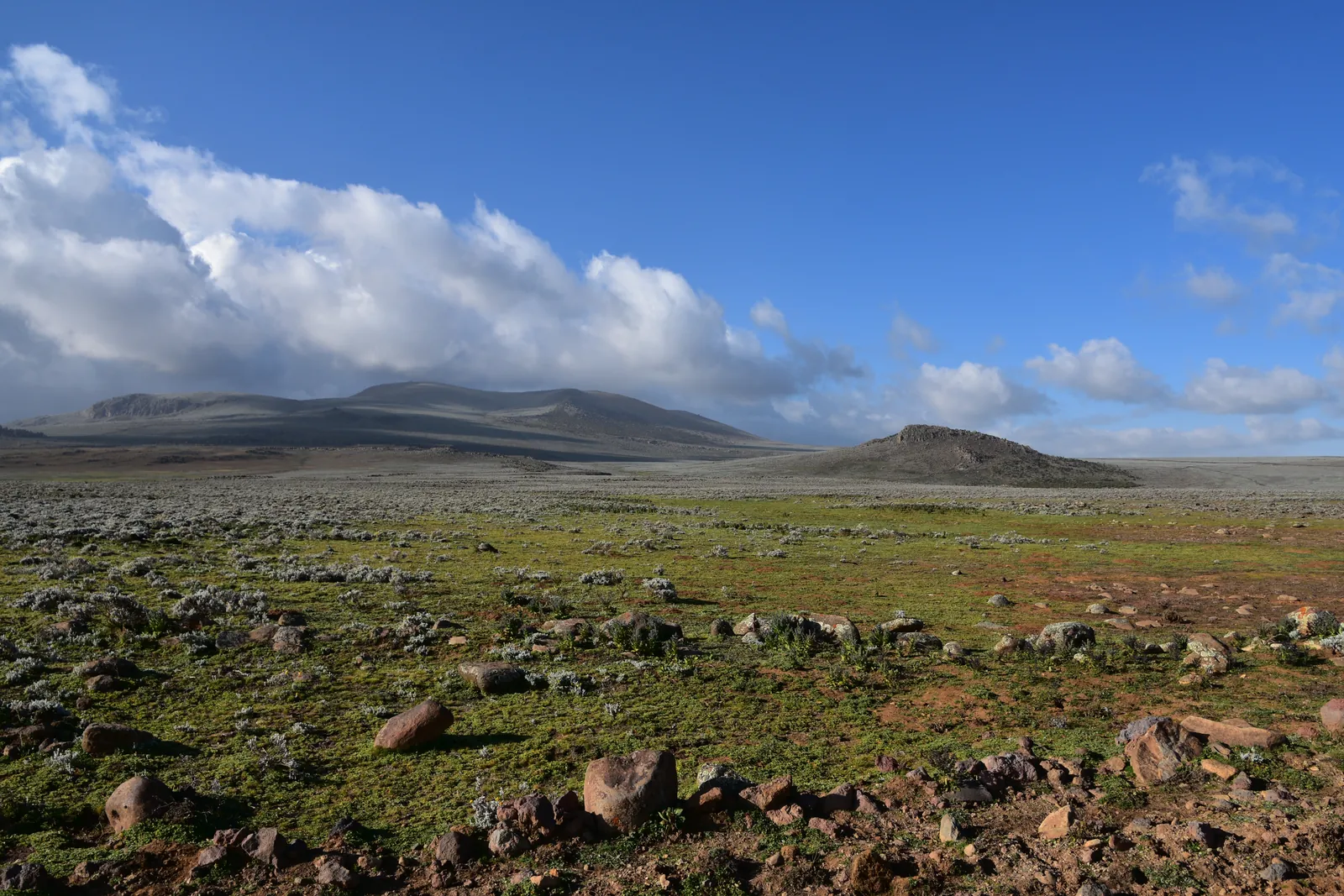
Ethiopia guide
Bale Mountains: plateau, forest and wildlife
Discover the Bale Mountains through the Sanetti Plateau, Harenna Forest and grasslands, and plan time around their distinct habitats and walking interests.
ExploreShape your journey
Bring your preferred dates, interests and pace together in a planning draft.