
Debre Birhan Selassie Church in Gondar
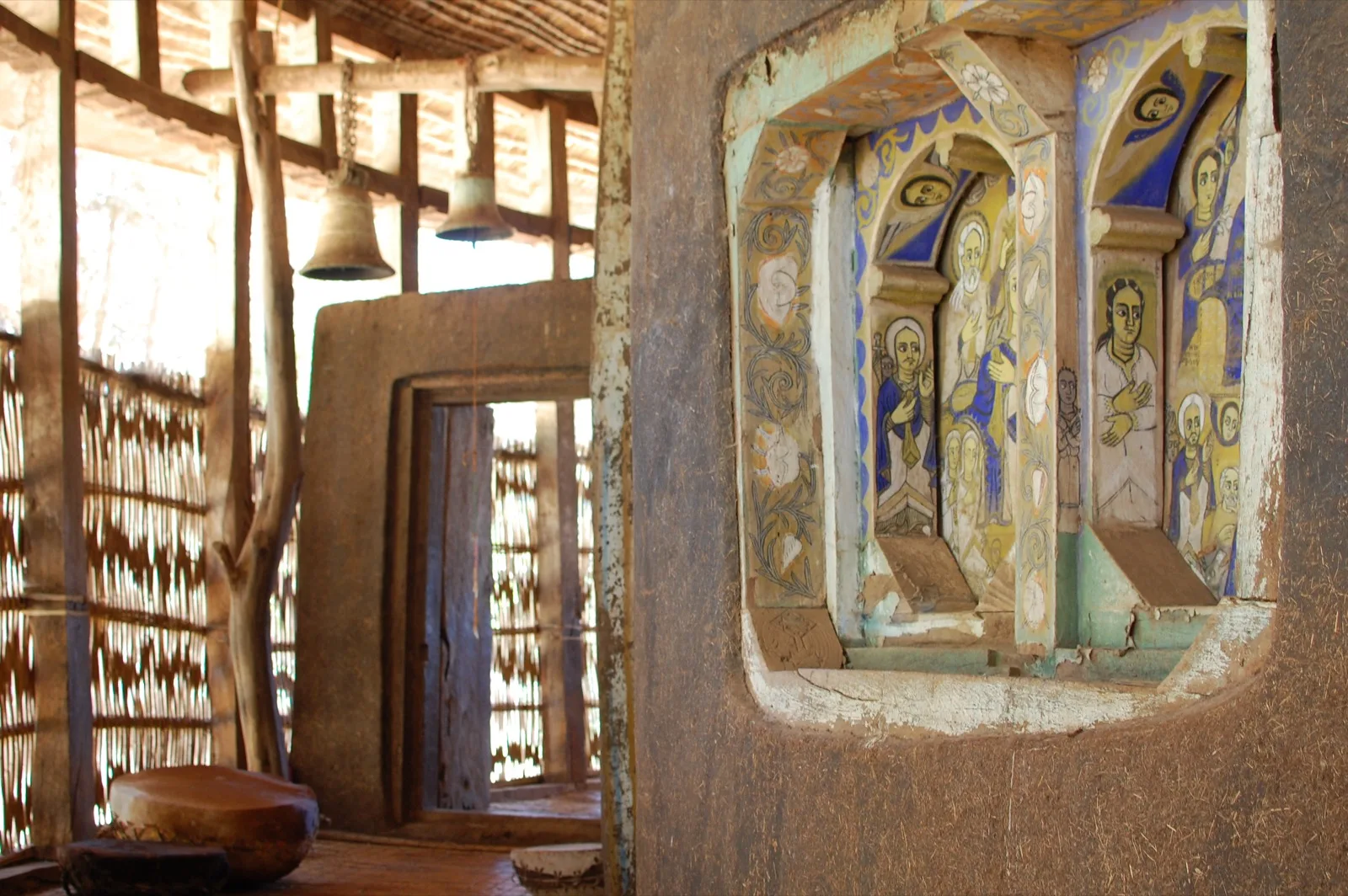
Debre Birhan Selassie is a significant church in Gondar, particularly associated with its interior paintings and ceiling of angel faces. It offers a religious and artistic perspective distinct from the city's Royal Enclosure.
The enclosure and the historical account
The surrounding enclosure and towers introduce the visit before the painted interior. Stories and symbolic interpretations associated with these features form part of the church's account, but precise construction attributions, counts of painted faces and claims about past damage require stronger specialist evidence than an old travel page alone provides.
For the visitor, the enduring value is the relationship between art, belief and the building's continuing use. Give time to look carefully, with the custodians' guidance on photography and movement. A visit should complement Gondar's other monuments without suggesting that a religious place is open on the same terms as a museum.
How to read a painted church
Begin with the overall arrangement, then choose a few scenes to understand. The angel faces across the ceiling, biblical narratives on the walls and imagery of judgement form a religious programme. Ask how a scene is recognised and what its position contributes to the meaning.
Looking closely does not require touching the painted surface or using intrusive light. Follow the custodians’ photography guidance, and allow eyes and attention time to adjust to the interior.
From the enclosure to the sacred interior
The surrounding wall and towers set up a different experience from entering Gondar’s royal buildings. Their symbolic interpretations belong to the church’s traditions, while precise construction dates and attributions require care.
Pair the visit with Fasil Ghebbi or Fasilides’ Bath to compare royal, architectural and religious uses of space. Arrange the day around actual services and visitor access, without importing historic opening hours or ticket prices.
Ethiopia guide
Fasil Ghebbi: Gondar’s Royal Enclosure
Explore Fasil Ghebbi in Gondar through its royal buildings, courtyards and architectural history, with ideas for connecting the enclosure to the wider city.
ExploreEthiopia guide
Fasilides’ Bath in Gondar
Discover Fasilides’ Bath, its pavilion and surrounding pool, and understand its connection with Gondar’s Timkat celebrations before planning a considerate visit.
Explore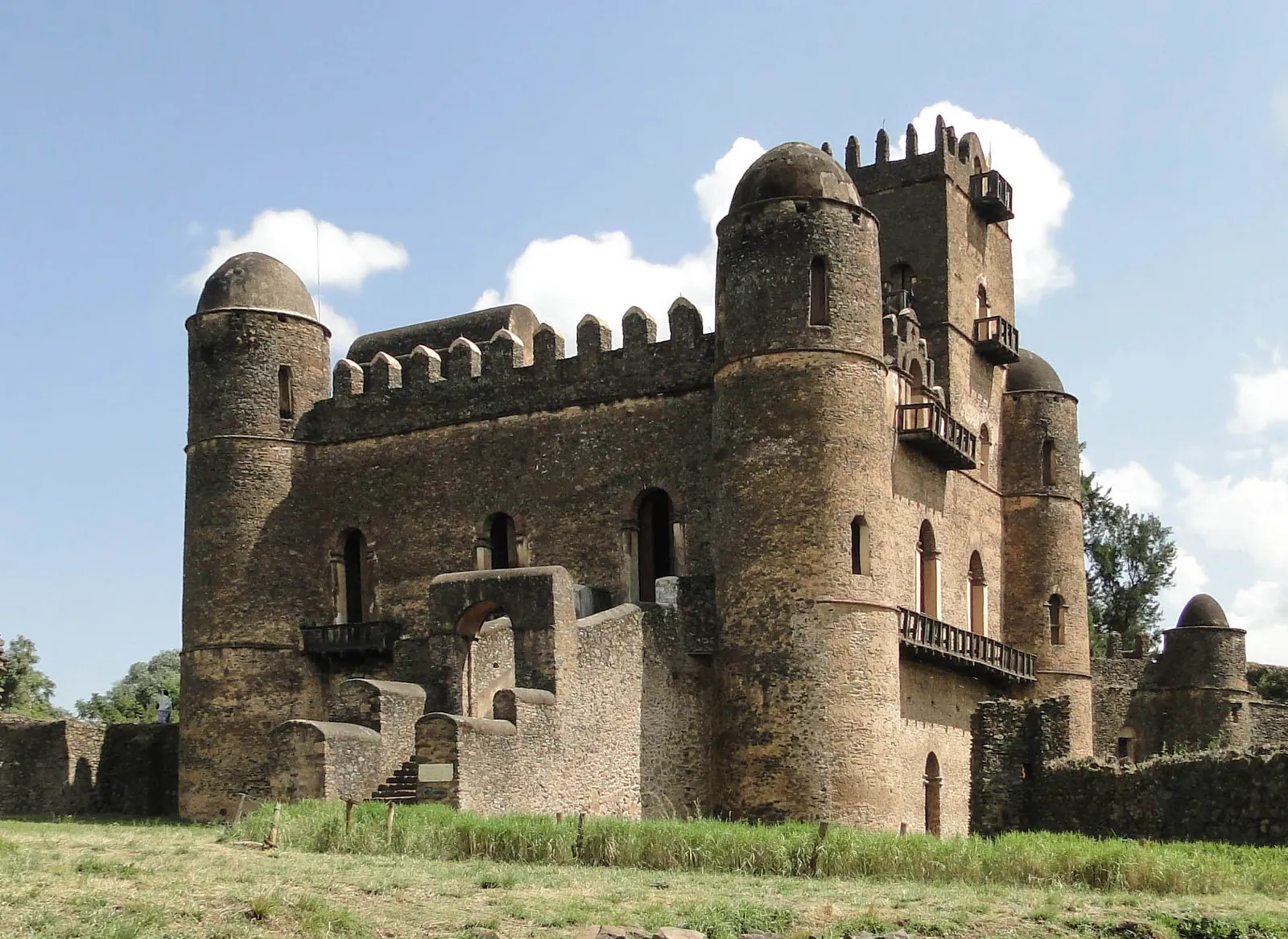
Ethiopia guide
Gondar: castles, churches and highland connections
Explore Gondar's Royal Enclosure, painted church interiors and relationship with the Simien Mountains, with a plan that gives the city its own attention.
ExploreRead the paintings with context
Take time to understand the subjects and the arrangement of the interior rather than focusing only on the best-known ceiling. An informed explanation can connect the imagery with the religious use of the space.
Treat the church as a sacred place
Confirm present visiting arrangements and follow guidance on shoes, photography and movement inside. Place the visit thoughtfully alongside the castles, leaving time to appreciate the difference between royal architecture and church art.
Journeys to explore alongside this guide
Use these related route ideas to compare the places, interests and time involved. Open each outline for its route context and any details still requiring review.
12 days · Itinerary
Northern Heritage with Lodge-Based Stays
Twelve days follow Bahir Dar, Lalibela, Gondar, the Simien Mountains, Axum and Hawzien.
Explore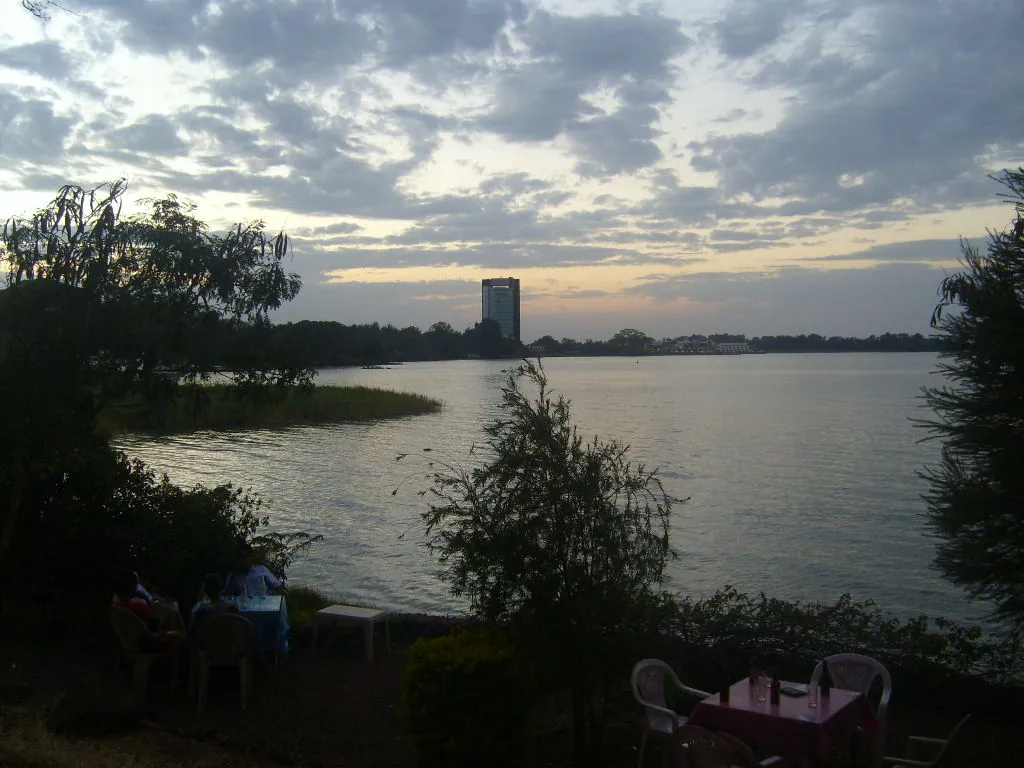
12 days · Itinerary
Northern Heritage and Simien Camping Circuit
Twelve days connect Bahir Dar, Lalibela and Gondar with four Simien walking stages, then continue through Axum and Gheralta before returning to Addis Ababa.
Explore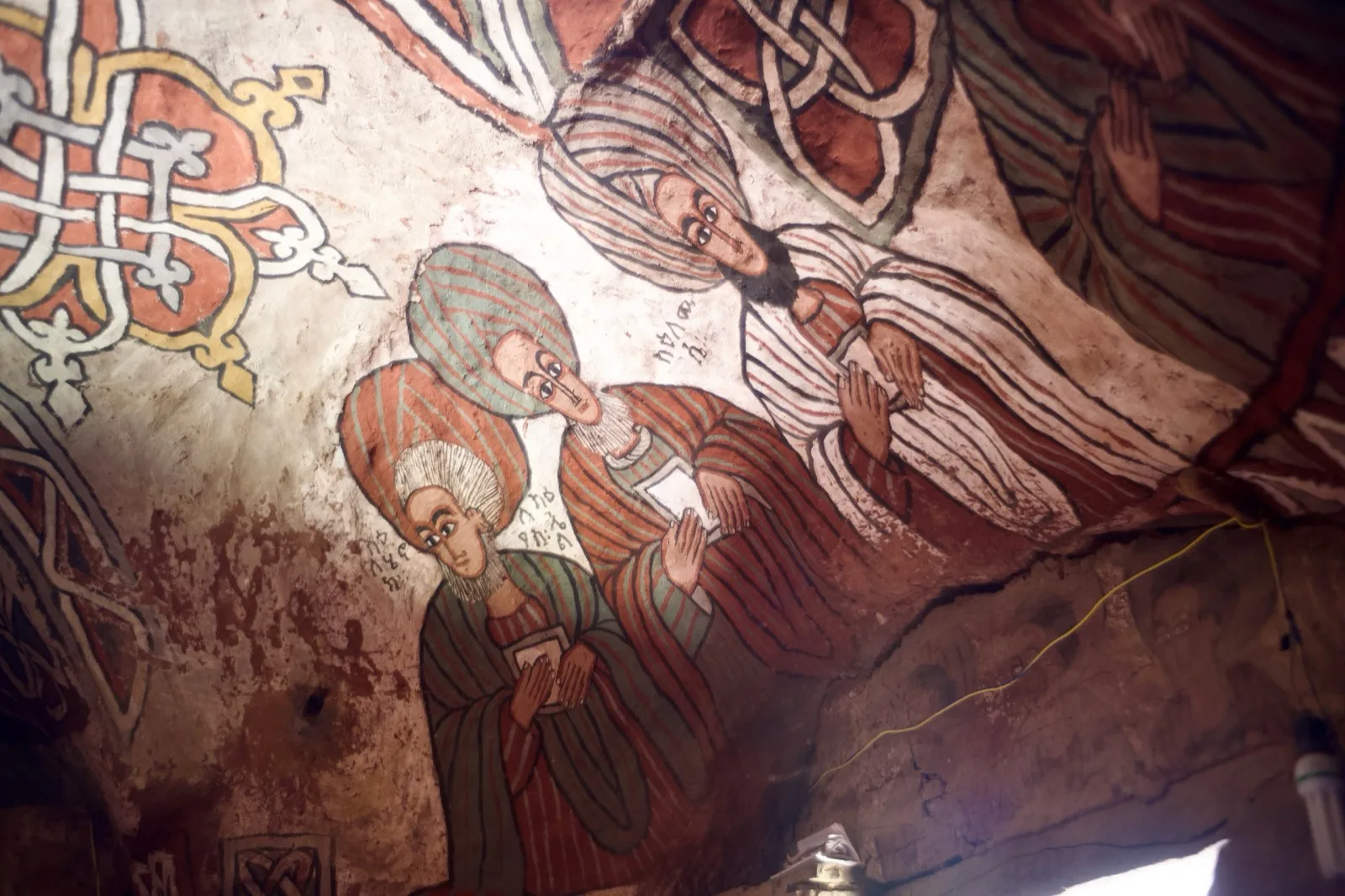
Route study
Historic North Circuit and Community Trekking
Explore a northern Ethiopia route concept combining Bahir Dar, Gondar, the Simien Mountains, Axum, Tigray community walking and Lalibela. The walking connection requires confirmation.
Explore9 days · Itinerary
Nine Days through Ethiopia's Historic Towns
A nine-day heritage journey links Bahir Dar, Gondar, Lalibela and Axum with the old walled city of Harar in the east.
Explore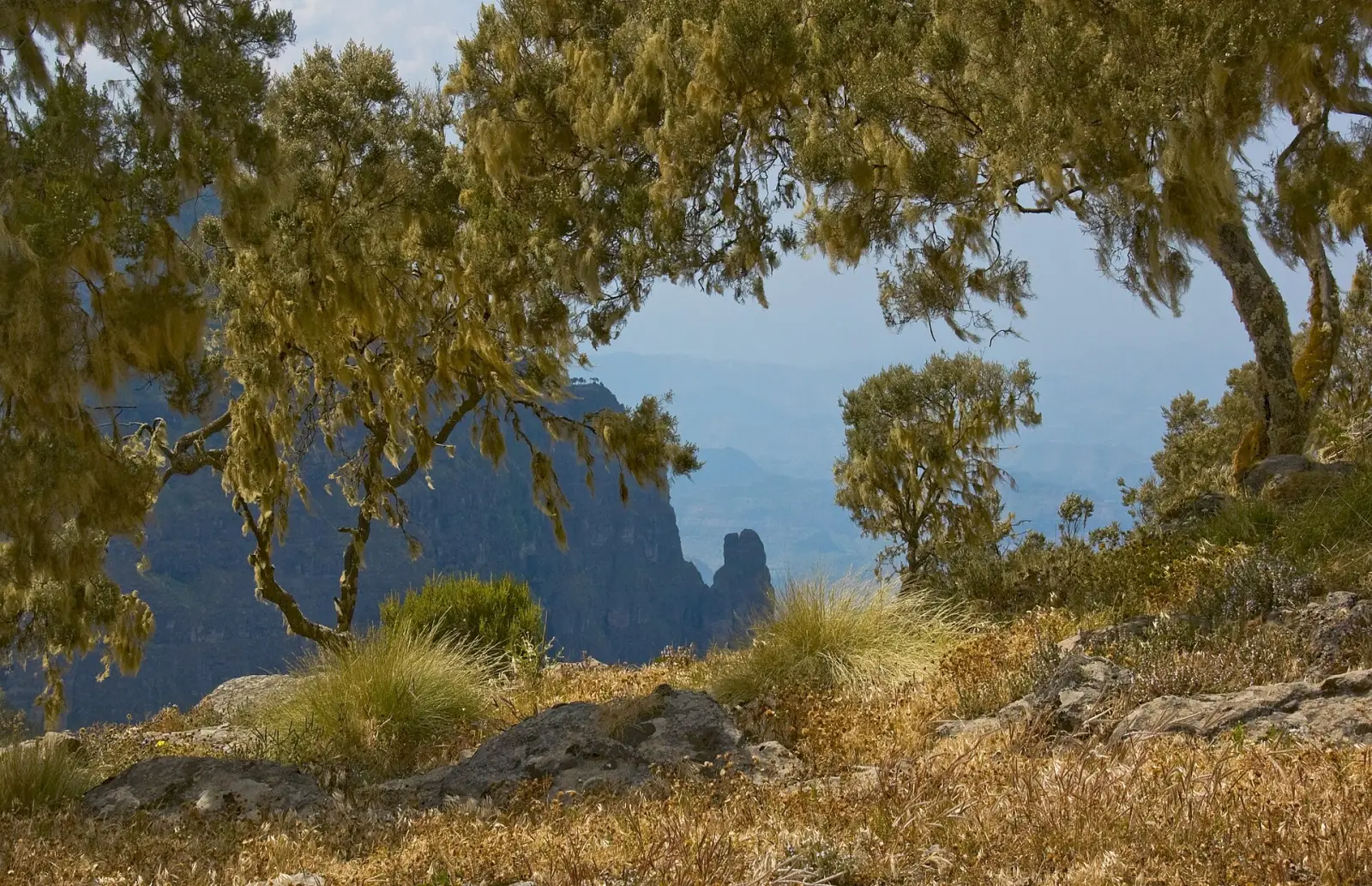
Route study
Simien Mountains and Northern History
Combine the interests of Lalibela, Gondar and the Simien Mountains in a northern Ethiopia route study, with the final connection still to confirm.
Explore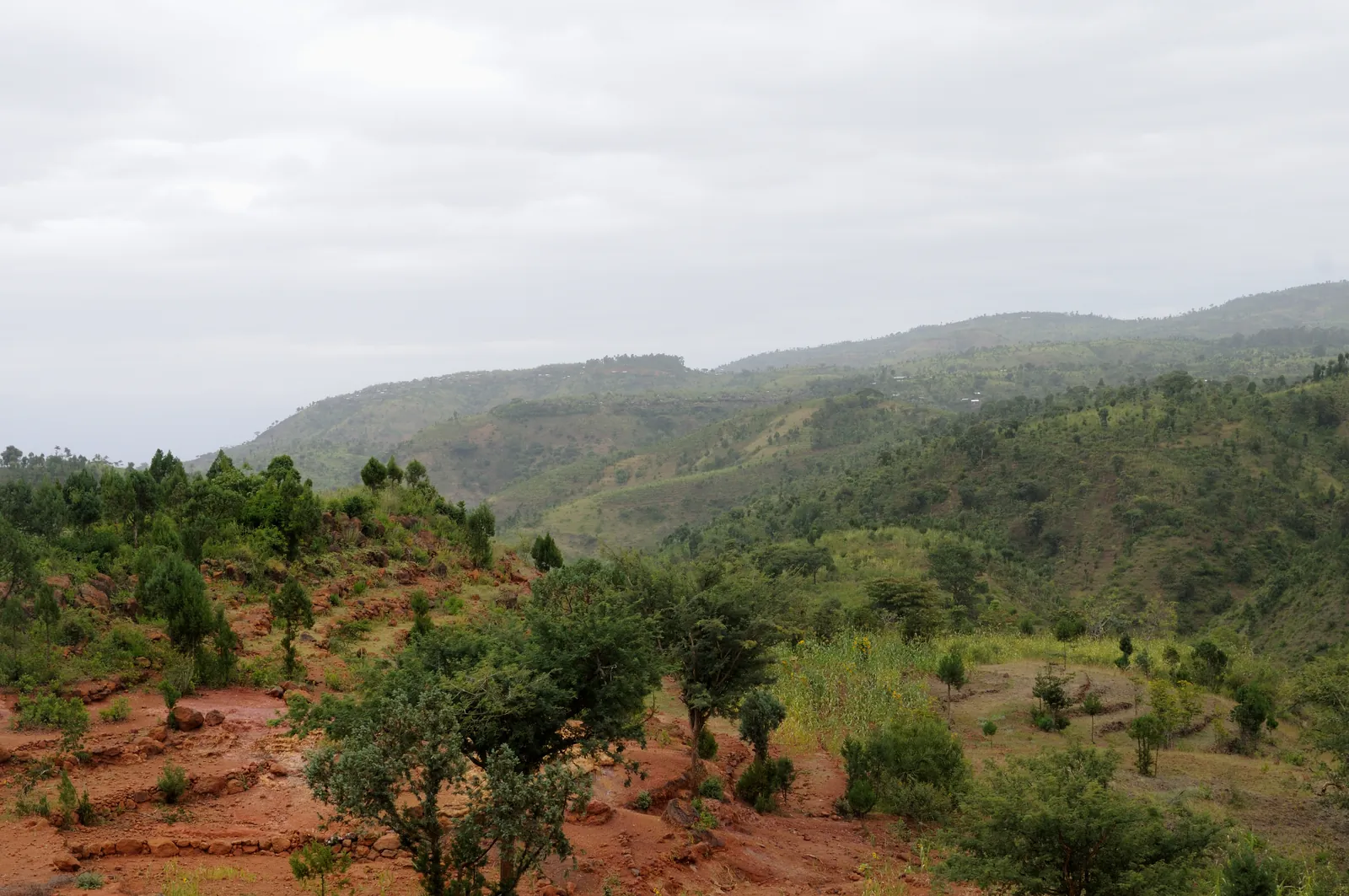
20 days · Itinerary
Twenty-Day Northern and Southern Ethiopia Survey
Twenty days join northern heritage cities and the Simien Mountains with Omo communities, Bale and the Rift lakes in one country-wide journey.
Explore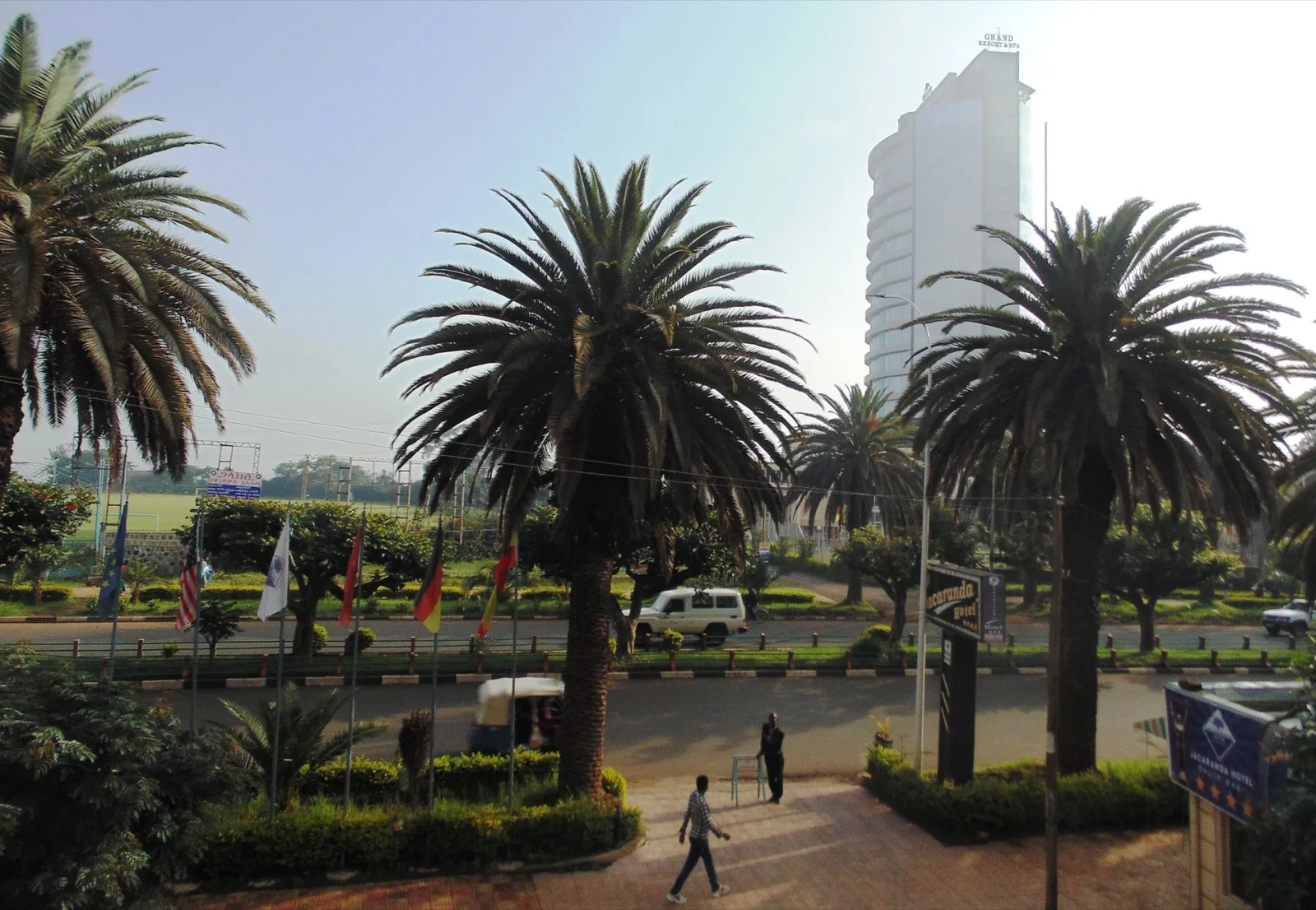
6 days · Itinerary
Six-Day Northern Heritage Sampler
Six days connect Lake Tana and Gondar with Axum and two Lalibela church days, returning to Addis Ababa. The focus stays on heritage sites rather than trekking.
ExploreRelated places and journeys
Ethiopia guide
All Trips
Compare Ethiopia journeys by their route, time on foot and regional focus.
ExploreEthiopia guide
Places to Visit in Ethiopia
Choose Ethiopia destinations by the kind of time you want to spend in them.
ExploreEthiopia guide
Simien Mountains: escarpments and walking choices
Explore the Simien Mountains through escarpment scenery, endemic wildlife and distinct walking routes, with guidance on choosing the right mountain plan.
ExploreEthiopia guide
Lalibela: churches, highlands and pilgrimage
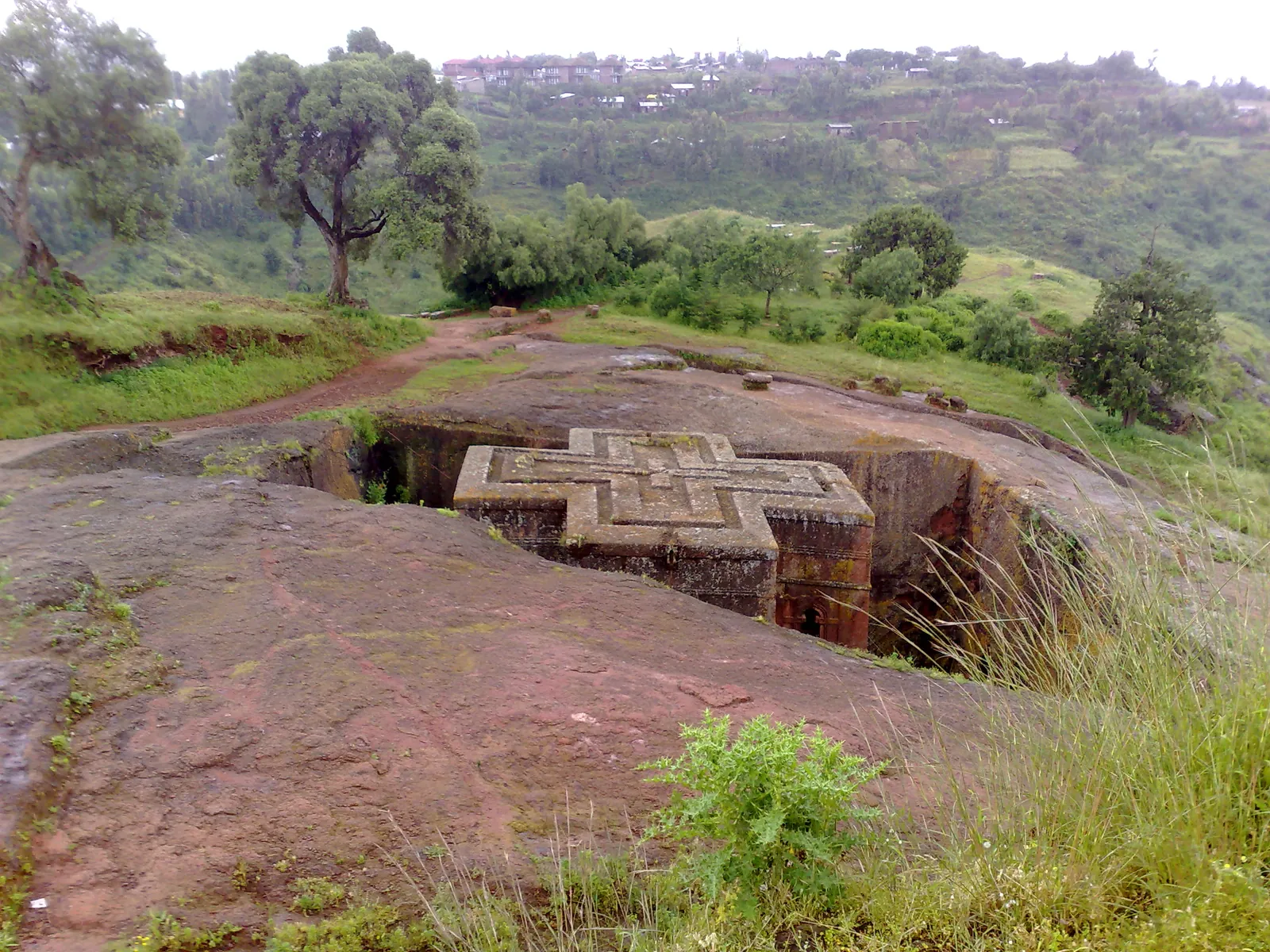
Explore Lalibela's eleven rock-hewn churches, living worship and surrounding highlands, and build a visit with time for both architecture and context.
ExploreShape your journey
Bring your preferred dates, interests and pace together in a planning draft.