
Dire Dawa: an eastern Ethiopian city
Dire Dawa adds an urban perspective to an eastern Ethiopian journey. Its railway associations and varied streetscapes offer a different subject from Harar's walled old town, even when both cities appear in one plan.
Markets, everyday trade and the eastern connection
Kafira Market is a useful subject for understanding the city's commercial life. Food, household goods and the movement of traders give a different perspective from formal monuments. The regional khat trade also appears in accounts of local life; it is better understood as part of the area's social and agricultural economy than presented as a required visitor experience.
Harar is often combined with Dire Dawa, but the two cities tell different stories. Give the railway and market city its own attention, then approach Harar through its walled streets and domestic architecture. Current transport details should support that distinction rather than reduce Dire Dawa to a transit label.
Kezira and Megala on either side of the watercourse
The Dechatu watercourse helps explain the city’s layout. Kezira is associated with avenues and the railway station; Megala with denser streets and markets. Walking a selected part of each gives the railway story an urban context rather than reducing the visit to one building.
Kafira is a market name long associated with the city. The city’s trade in food, clothing and everyday goods is a present working activity, so pause where invited and let vendors continue serving customers.
The railway and the onward link to Harar
The Ethio-Djibouti railway is central to Dire Dawa’s emergence in the early twentieth century. A station or workshop visit can explore connections between transport, trade and the city’s architecture. Confirm which heritage spaces can actually be visited, without treating a former rail yard as an unrestricted museum.
Harar adds a contrasting history of a walled trading city. Give Dire Dawa its own portion of the programme before the transfer, and distinguish a rail-heritage interest from a promise of a particular train service.
Look at the city through its connections
Railway history helps explain Dire Dawa's development and its relationship with wider trade routes. Pay attention to the buildings, public spaces and neighbourhood character rather than reducing the city to a connection point for somewhere else.
Pair with Harar thoughtfully
Dire Dawa and Harar are distinct destinations. If combining them, decide how much attention each deserves and confirm the present journey arrangements, with time for meals, rest and the interests that brought you east.
Journeys to explore alongside this guide
Use these related route ideas to compare the places, interests and time involved. Open each outline for its route context and any details still requiring review.
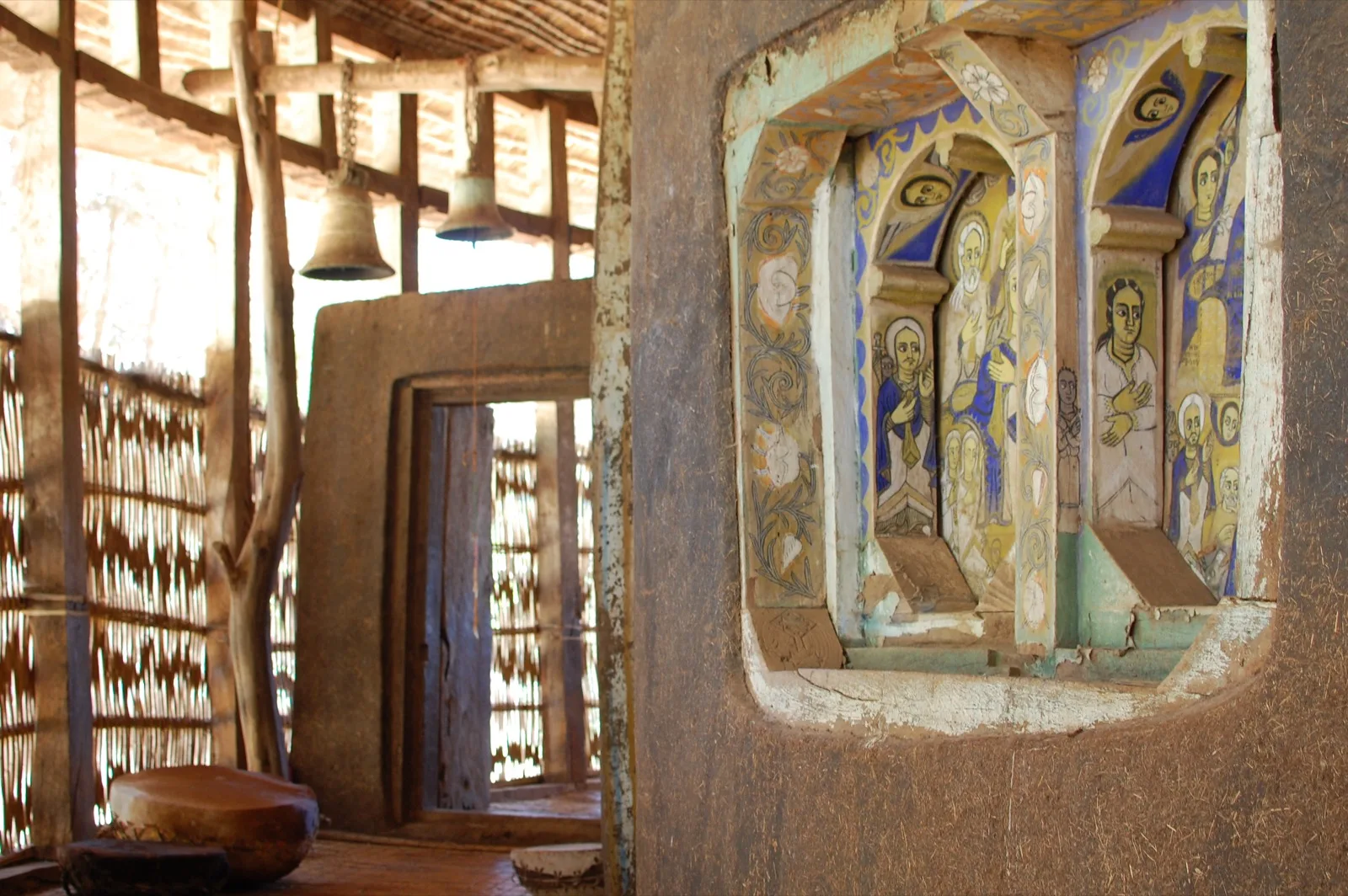
12 days · Itinerary
Northern Heritage with Lodge-Based Stays
Twelve days follow Bahir Dar, Lalibela, Gondar, the Simien Mountains, Axum and Hawzien.
Explore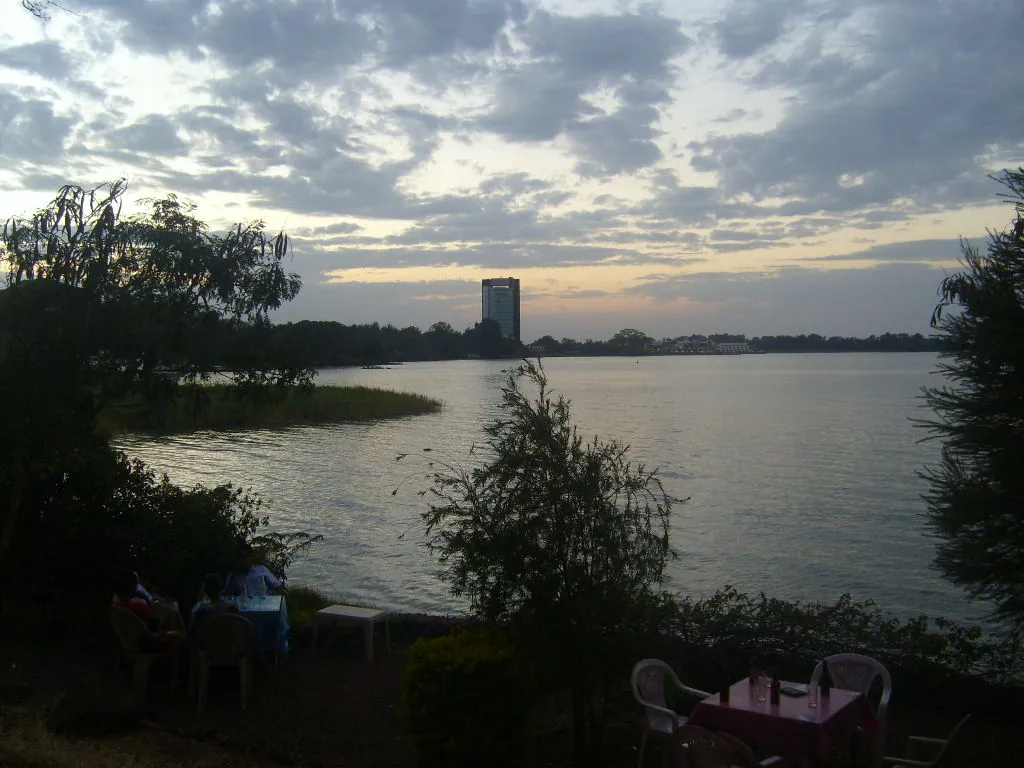
12 days · Itinerary
Northern Heritage and Simien Camping Circuit
Twelve days connect Bahir Dar, Lalibela and Gondar with four Simien walking stages, then continue through Axum and Gheralta before returning to Addis Ababa.
Explore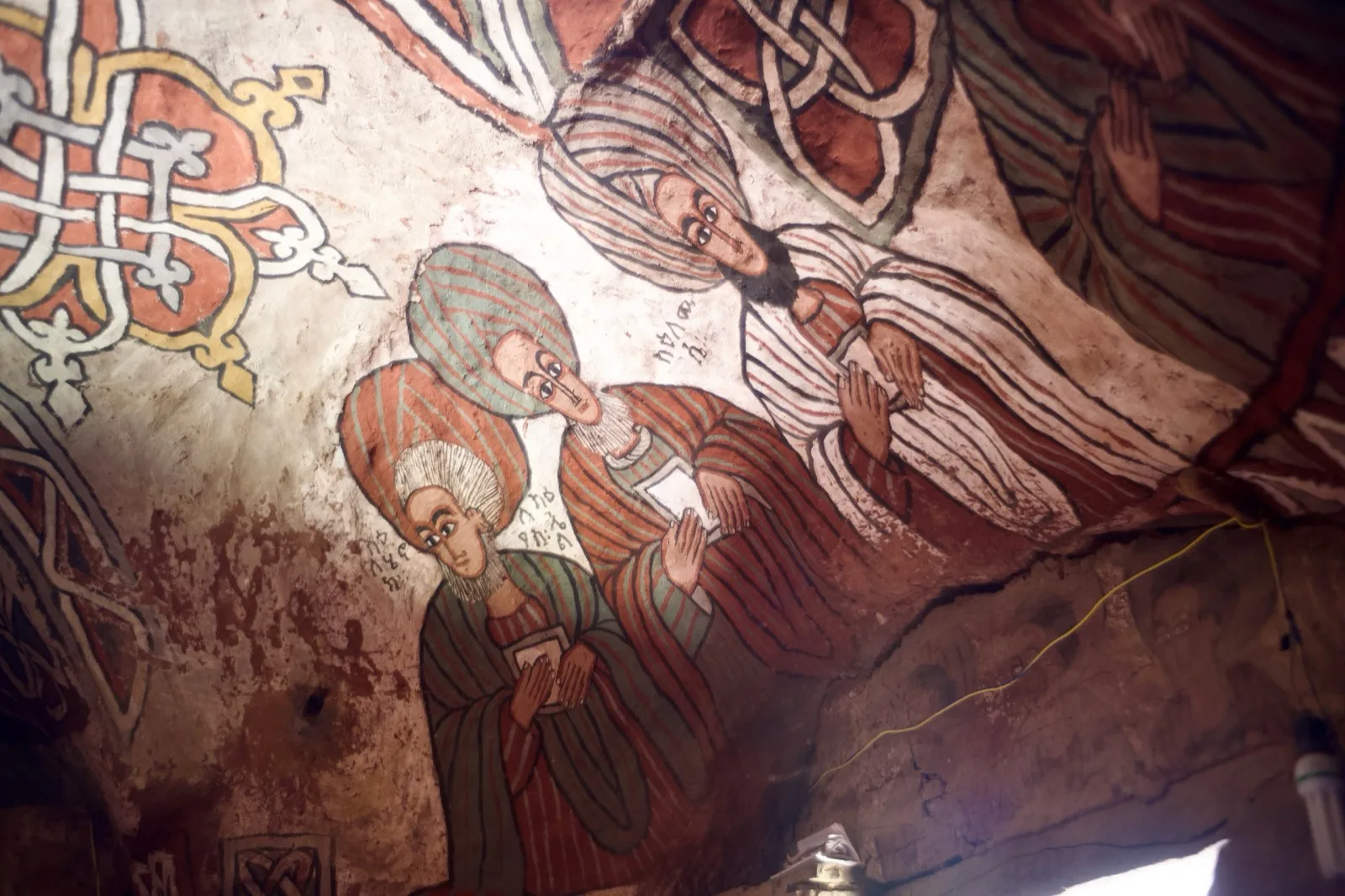
Route study
Historic North Circuit and Community Trekking
Explore a northern Ethiopia route concept combining Bahir Dar, Gondar, the Simien Mountains, Axum, Tigray community walking and Lalibela. The walking connection requires confirmation.
Explore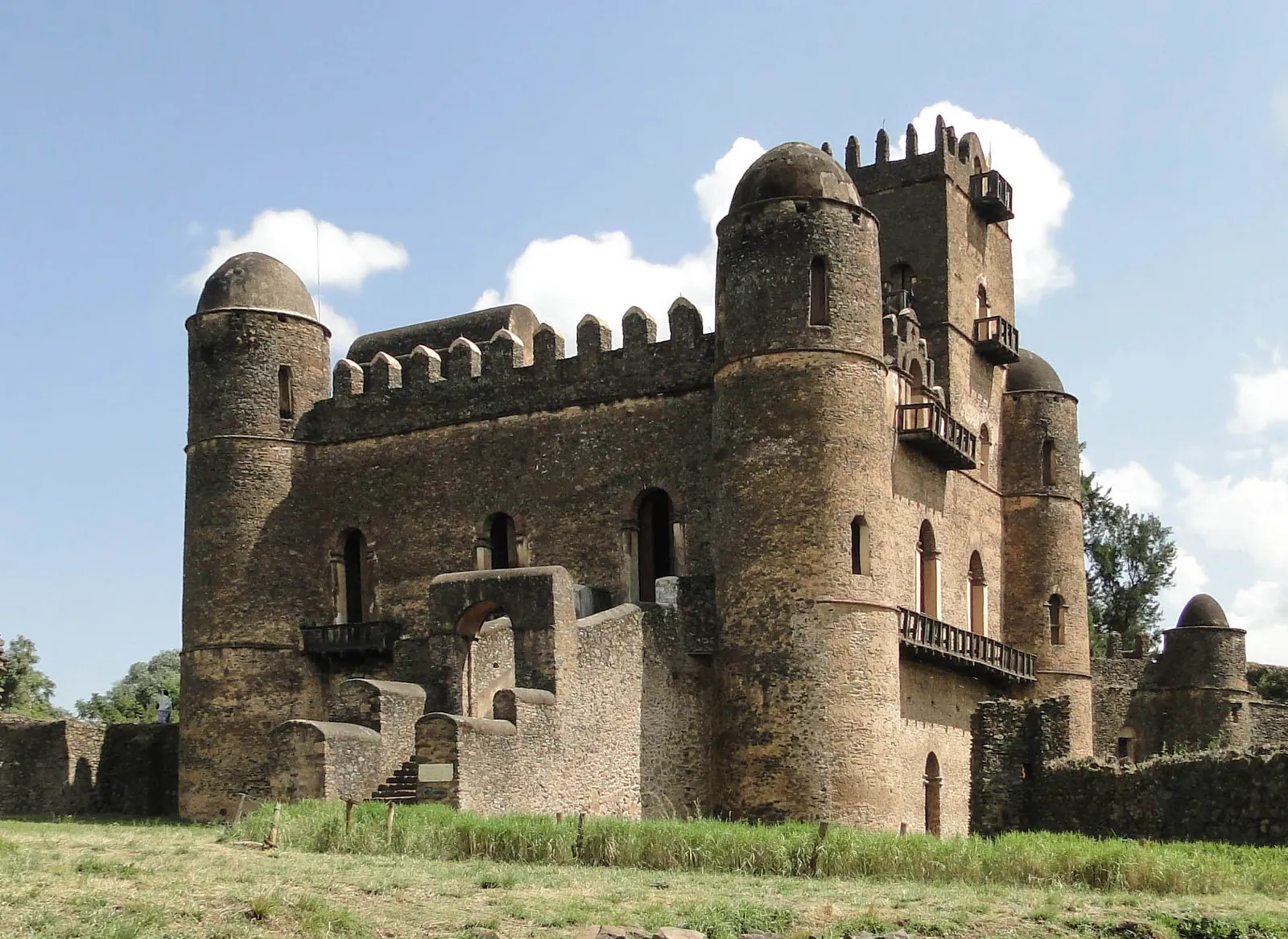
9 days · Itinerary
Nine Days through Ethiopia's Historic Towns
A nine-day heritage journey links Bahir Dar, Gondar, Lalibela and Axum with the old walled city of Harar in the east.
Explore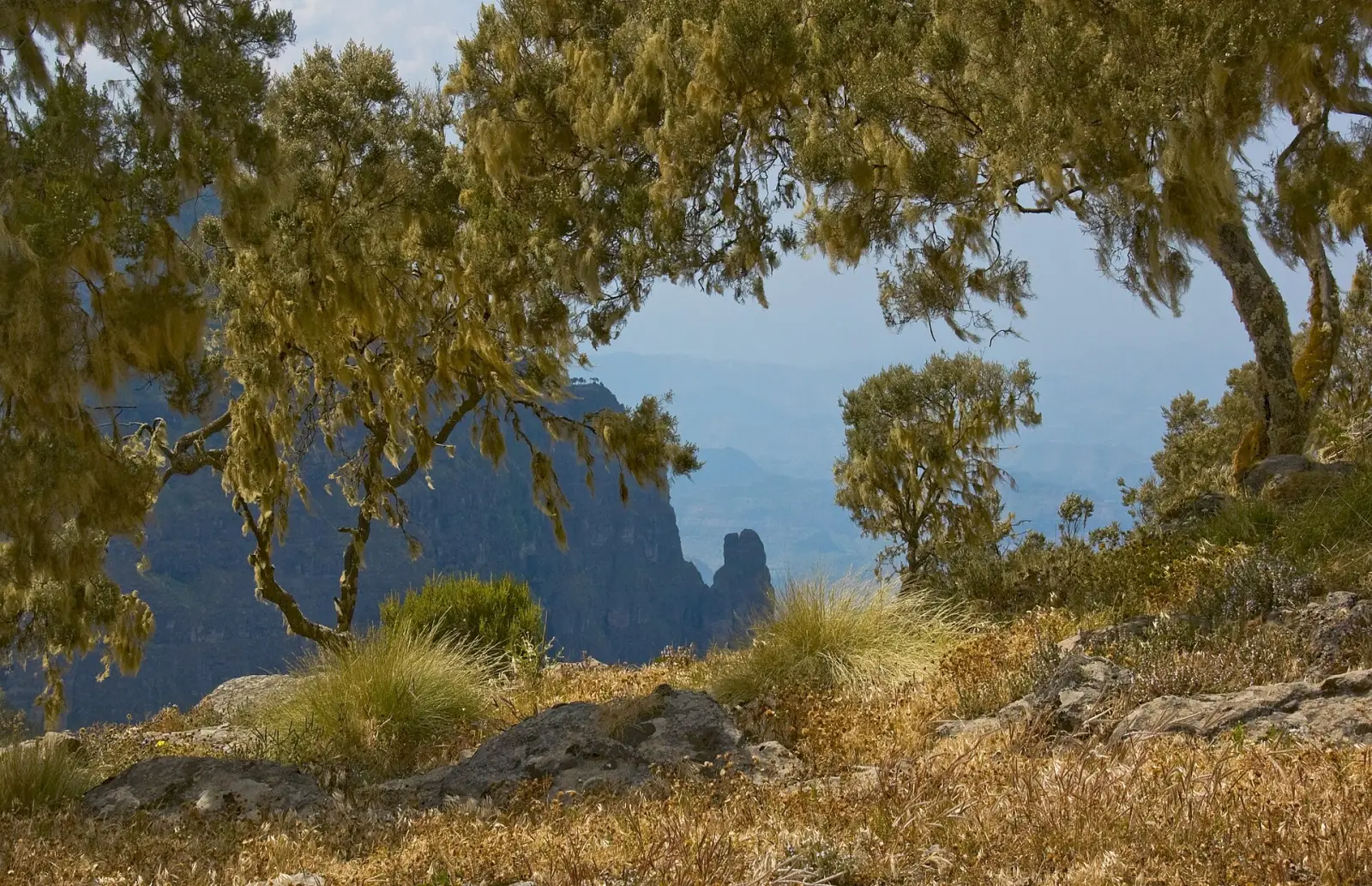
Route study
Simien Mountains and Northern History
Combine the interests of Lalibela, Gondar and the Simien Mountains in a northern Ethiopia route study, with the final connection still to confirm.
Explore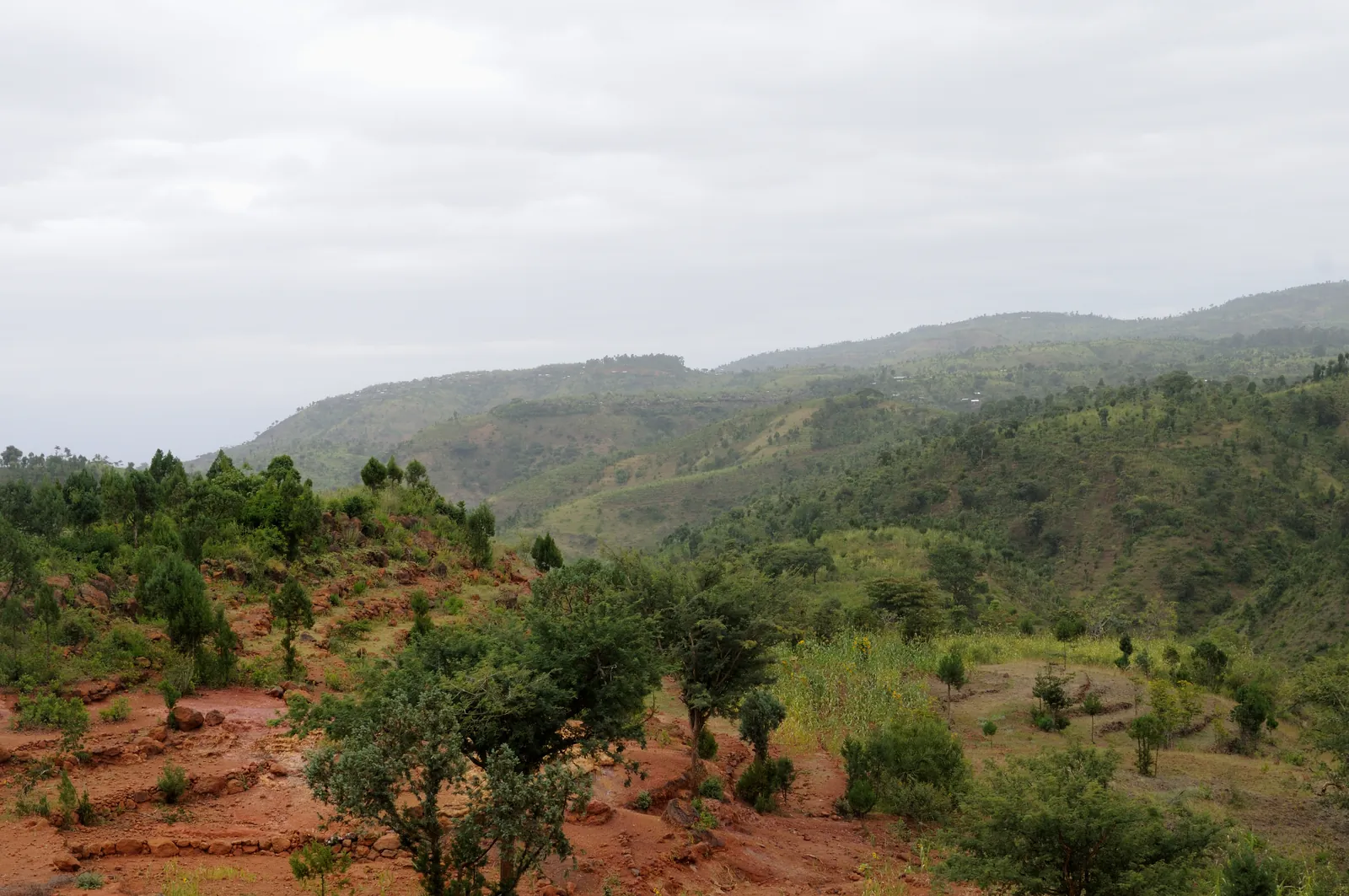
20 days · Itinerary
Twenty-Day Northern and Southern Ethiopia Survey
Twenty days join northern heritage cities and the Simien Mountains with Omo communities, Bale and the Rift lakes in one country-wide journey.
Explore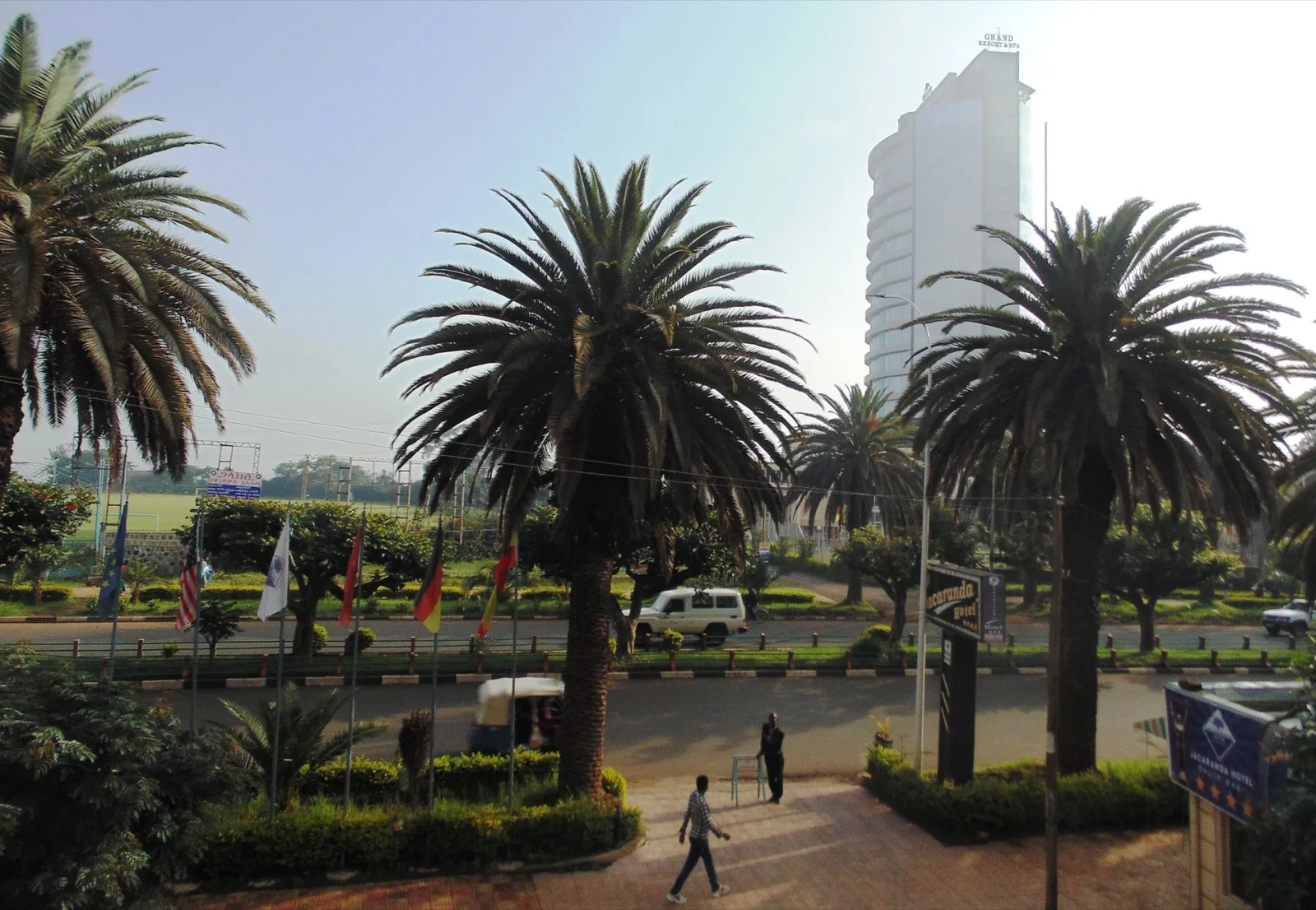
6 days · Itinerary
Six-Day Northern Heritage Sampler
Six days connect Lake Tana and Gondar with Axum and two Lalibela church days, returning to Addis Ababa. The focus stays on heritage sites rather than trekking.
ExploreOfficial sources
Check these primary sources directly; their current information takes precedence.
Not yet reviewed: no named reviewer or review date has been recorded for this page. The official sources above take precedence.
Related places and journeys
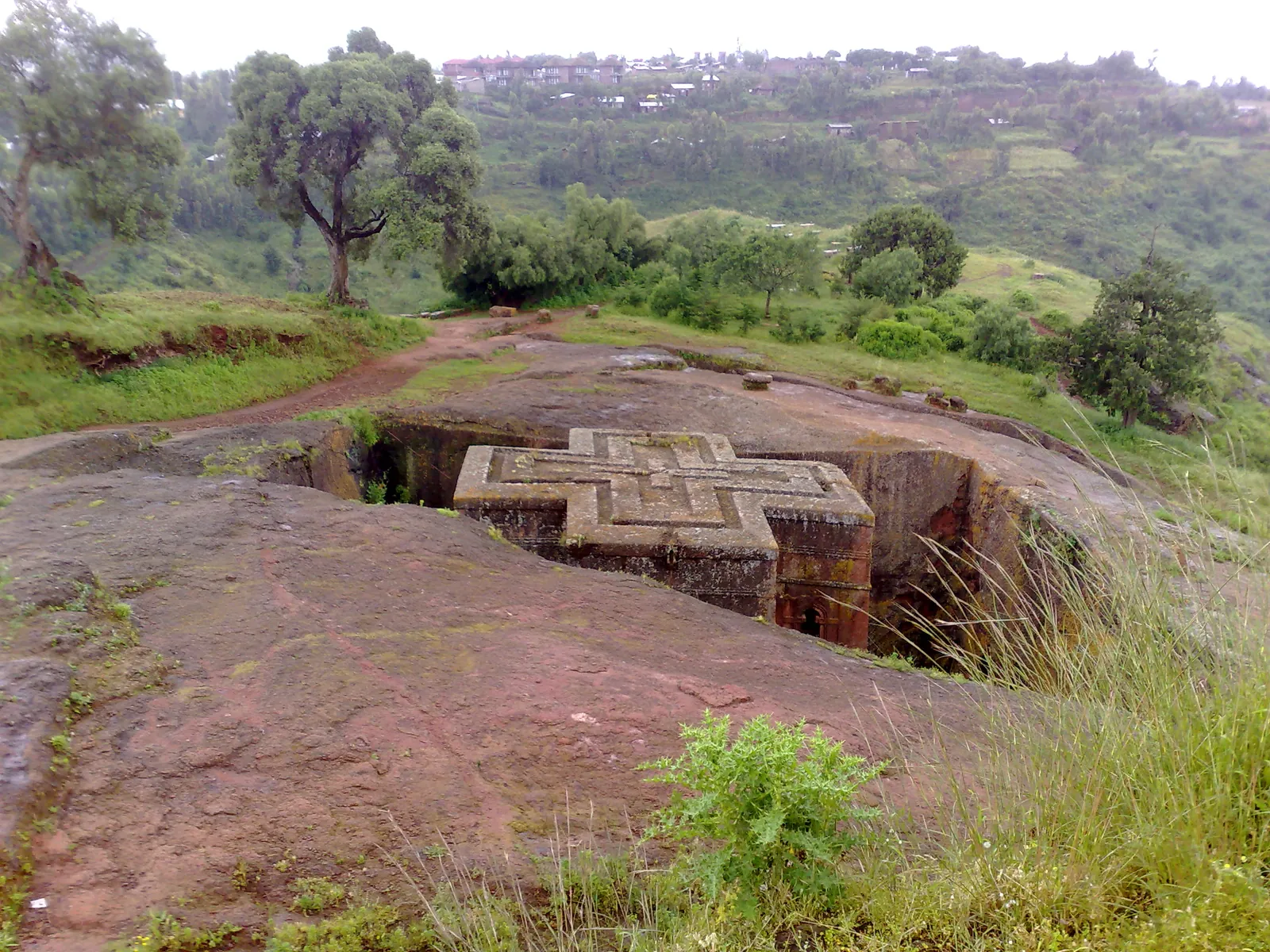
Ethiopia guide
All Trips
Compare Ethiopia journeys by their route, time on foot and regional focus.
ExploreEthiopia guide
Places to Visit in Ethiopia
Choose Ethiopia destinations by the kind of time you want to spend in them.
Explore
Ethiopia guide
Harar’s Hyena-Feeding Tradition
Understand Harar’s hyena-feeding tradition in its local context, with questions about wildlife welfare, visitor participation and alternatives within the city.
ExploreShape your journey
Bring your preferred dates, interests and pace together in a planning draft.