
Abijatta-Shalla: a Rift Valley lake landscape
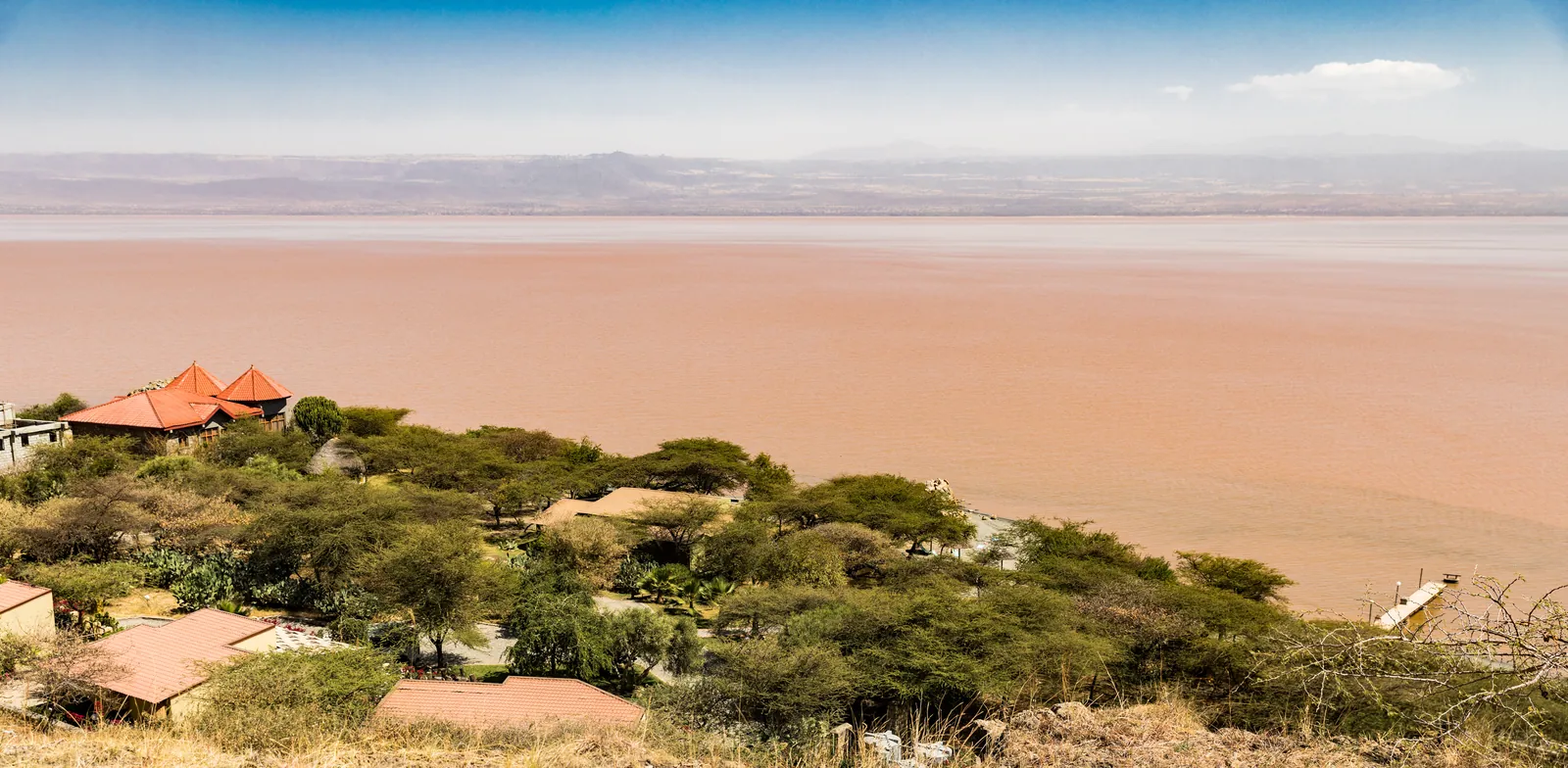
Abijatta-Shalla National Park is centred on two contrasting lakes in Ethiopia's Rift Valley. The setting is best approached through its water, shorelines and birdlife rather than as a conventional large-mammal safari.
Birdlife and a place in a lake journey
Flamingos are associated with the Abijatta-Shalla lake system, but their distribution changes with feeding conditions and water levels. Primary field research has examined how birds use different lakes in the area. A historical photograph of a large flock is therefore context for the habitat rather than a guarantee of what will be present during a short visit.
The park can be considered alongside Langano, Ziway and Hawassa as part of a wider Rift Valley plan. Choose the overnight separately: a nearby lakeside hotel does not imply accommodation within the protected area or automatic permission for a particular park activity.
Shoreline features and bird observation
Lake Shalla’s hot-spring shoreline and Lake Abijatta’s shallower water are separate features to understand. Water levels and shore conditions change; a formerly photographed viewpoint may not give the same view on a later visit.
Flamingos, pelicans, storks, herons and egrets are among the bird subjects associated with the lake system. Bring the observation back to habitat and behaviour: feeding in shallow water, resting at the shore and moving between wetlands are more informative than trying to match a fixed bird count.
Connect the park with Langano thoughtfully
The Horakello stream and the Langano–Abijatta relationship help orient the northern approach. Lake Langano is also a separate accommodation and waterside-interest subject.
Choose whether the stop is primarily for the two-lake landscape, bird observation or a wider Rift Valley comparison. Allow the chosen interest enough time, and do not treat hot springs as a bathing recommendation or infer health benefits from local tradition.
Ethiopia guide
Lake Langano: A Rift Valley Stop
Consider Lake Langano within a Rift Valley journey, with ideas for a slower lakeside stay and clear questions about accommodation, activities and onward travel.
ExploreEthiopia guide
Ethiopia's lakes: choosing a route
Compare Lake Tana, the Rift Valley lakes and other Ethiopian water landscapes by setting, wildlife interests and the journey you want to build around them.
ExploreCompare the two lake environments
Abijatta and Shalla differ in form and character. A locally informed visit can explain how the lakes relate to the surrounding landscape and why the birds and shore conditions seen on one day may differ from older photographs.
Choose an appropriate visit
Discuss the intended viewpoints and walking with someone who knows present conditions. Keep away from hot springs and unstable shore areas unless a qualified local guide identifies an appropriate route; scenery alone is not an invitation to enter the water.
Journeys to explore alongside this guide
Use these related route ideas to compare the places, interests and time involved. Open each outline for its route context and any details still requiring review.
10 days · Itinerary
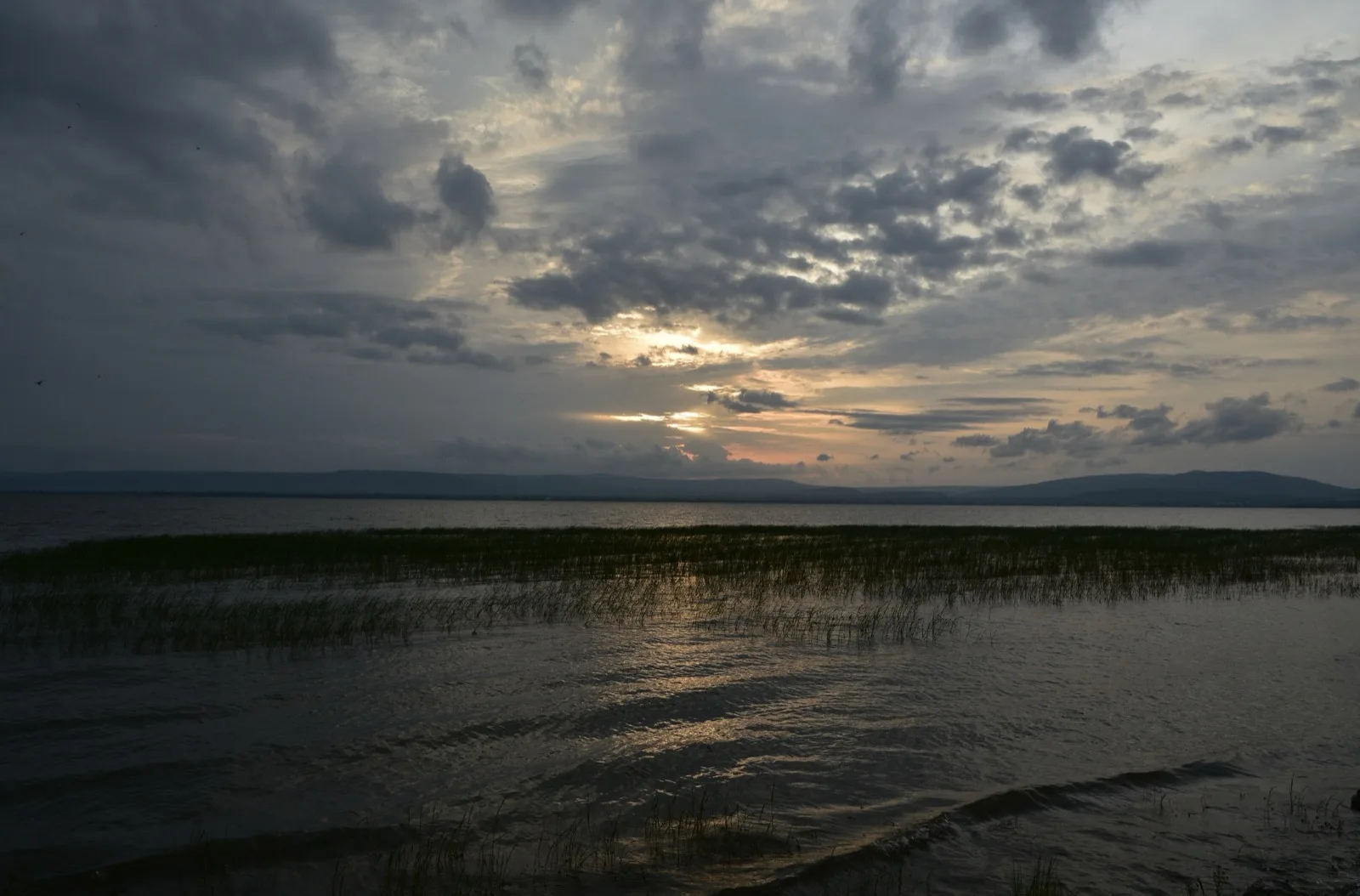
Ten-Day Rift Valley and Bale Nature Journey
Ten days link Awash, Langano, Hawassa and Bale, giving the park and lake sections their own days before returning through Robe to Addis Ababa.
Explore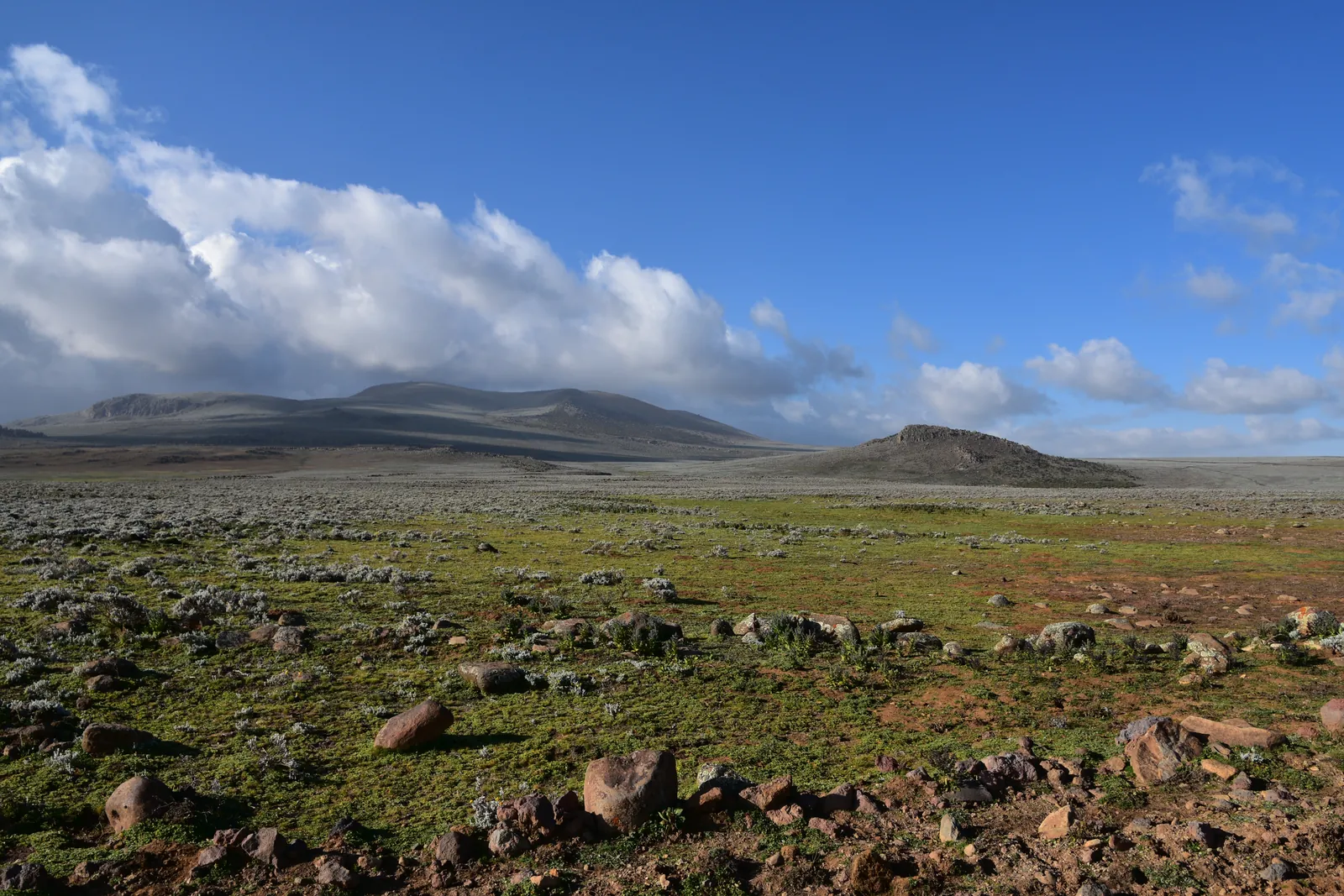
4 days · Itinerary
Four-Day Rift Valley and Bale Road Journey
A four-day sequence starts in Addis Ababa, reaches Langano through Ziway, continues into Bale and returns through Hawassa.
Explore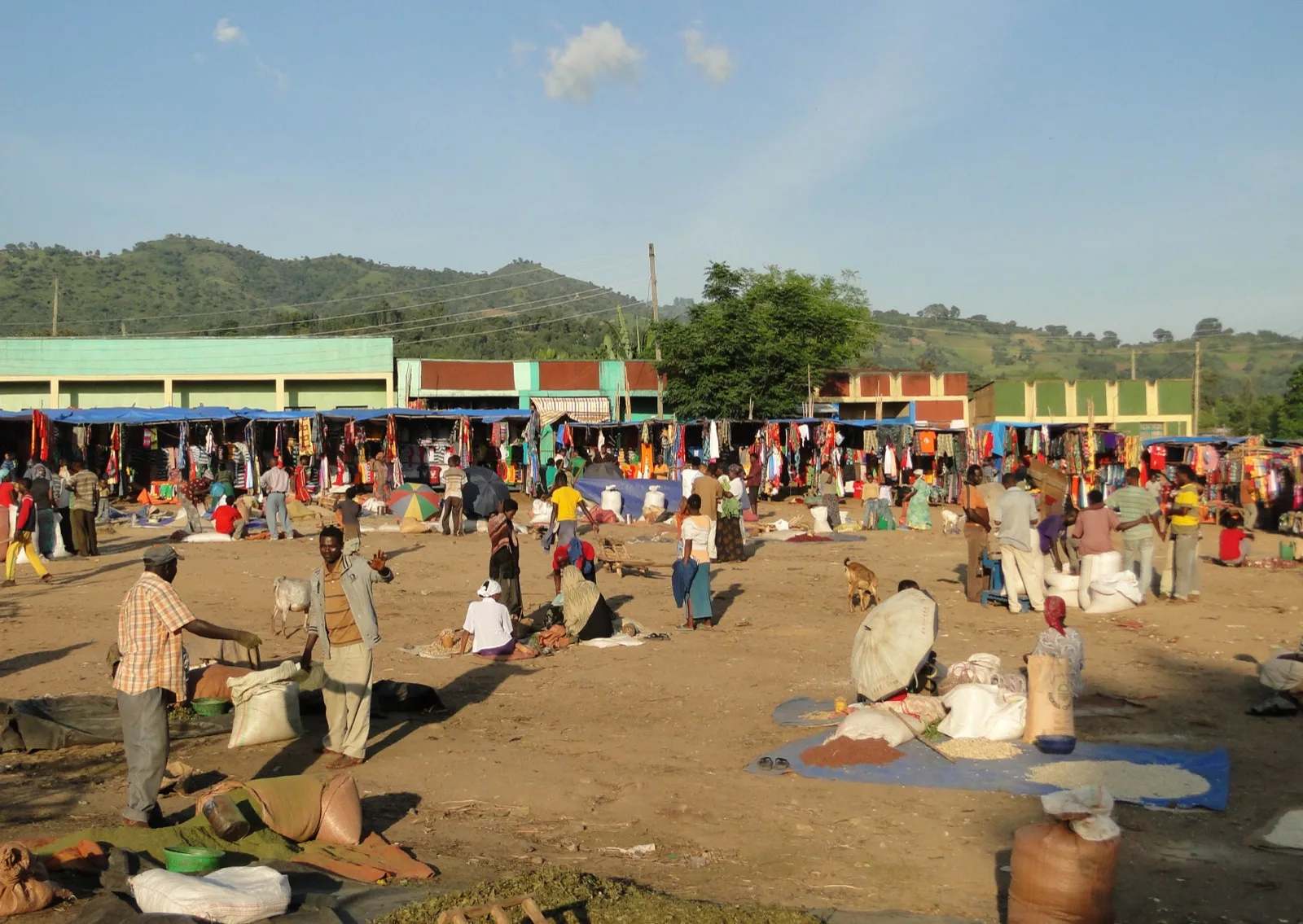
13 days · Itinerary
Southern Ethiopia: Omo Communities and Bale Highlands
Thirteen days connect Jinka and Turmi with Arba Minch, Yirgalem, Hawassa and Bale.
Explore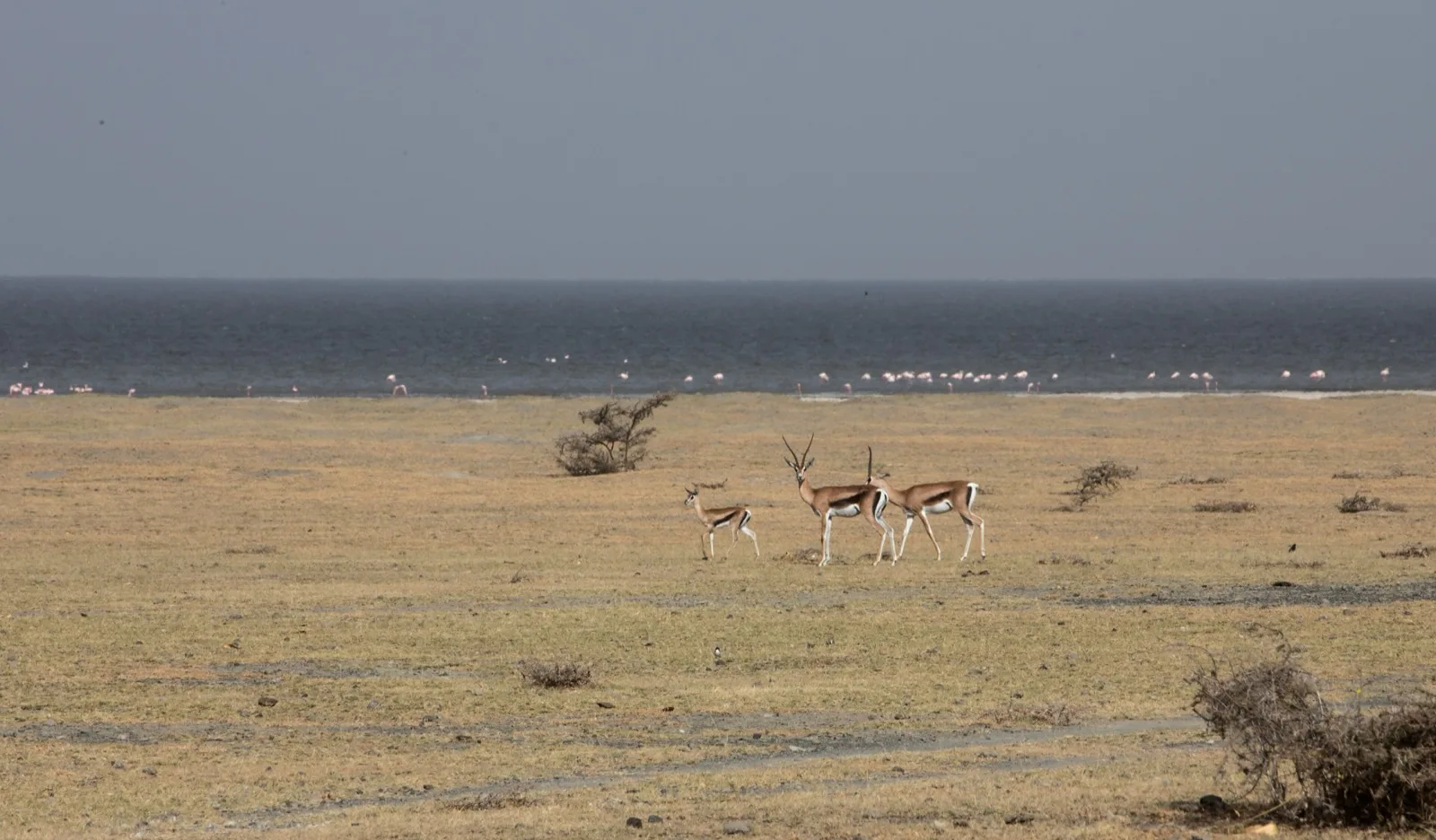
Route study
Birds of the Rift Valley and Southern Highlands
Explore an Ethiopia birding route through Ankober, Awash, the Rift Valley lakes, Bale and the southern highlands, with the southern lake stage still to confirm.
Explore
13 days · Itinerary
Southern Cultures, Rift Lakes and Bale
Thirteen days connect Jinka and Turmi with Arba Minch, Hawassa, Bale and Langano.
Explore
20 days · Itinerary
Twenty-Day Northern and Southern Ethiopia Survey
Twenty days join northern heritage cities and the Simien Mountains with Omo communities, Bale and the Rift lakes in one country-wide journey.
ExploreOfficial sources
Check these primary sources directly; their current information takes precedence.
Not yet reviewed: no named reviewer or review date has been recorded for this page. The official sources above take precedence.
Related places and journeys
Ethiopia guide
All Trips
Compare Ethiopia journeys by their route, time on foot and regional focus.
ExploreEthiopia guide
Places to Visit in Ethiopia
Choose Ethiopia destinations by the kind of time you want to spend in them.
Explore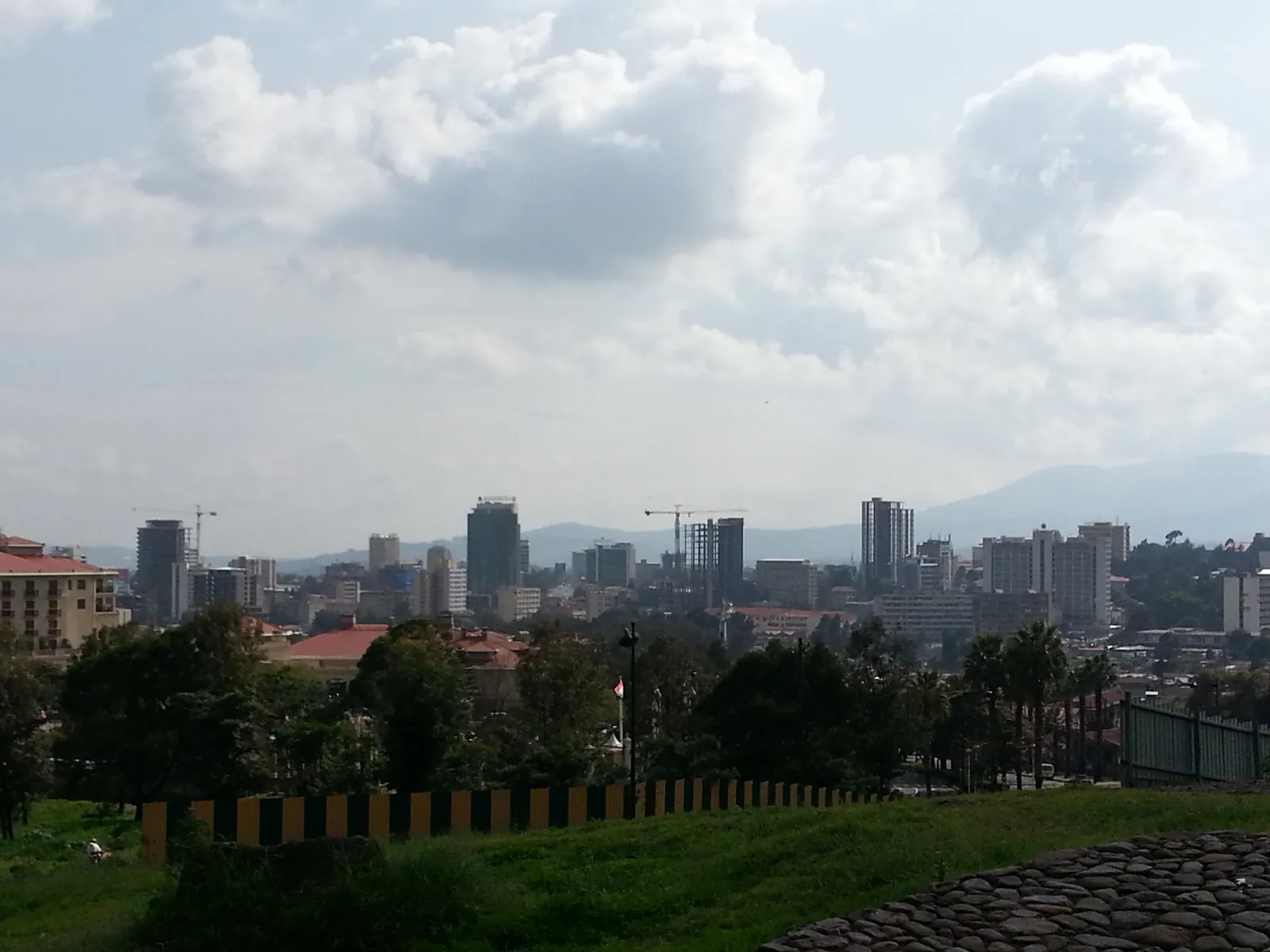
Ethiopia guide
Addis Ababa: culture, history and city time
Plan meaningful time in Addis Ababa around history, neighbourhood life, food and the city's highland setting, with a realistic pace between visits.
ExploreEthiopia guide
Bale Mountains: plateau, forest and wildlife
Discover the Bale Mountains through the Sanetti Plateau, Harenna Forest and grasslands, and plan time around their distinct habitats and walking interests.
Explore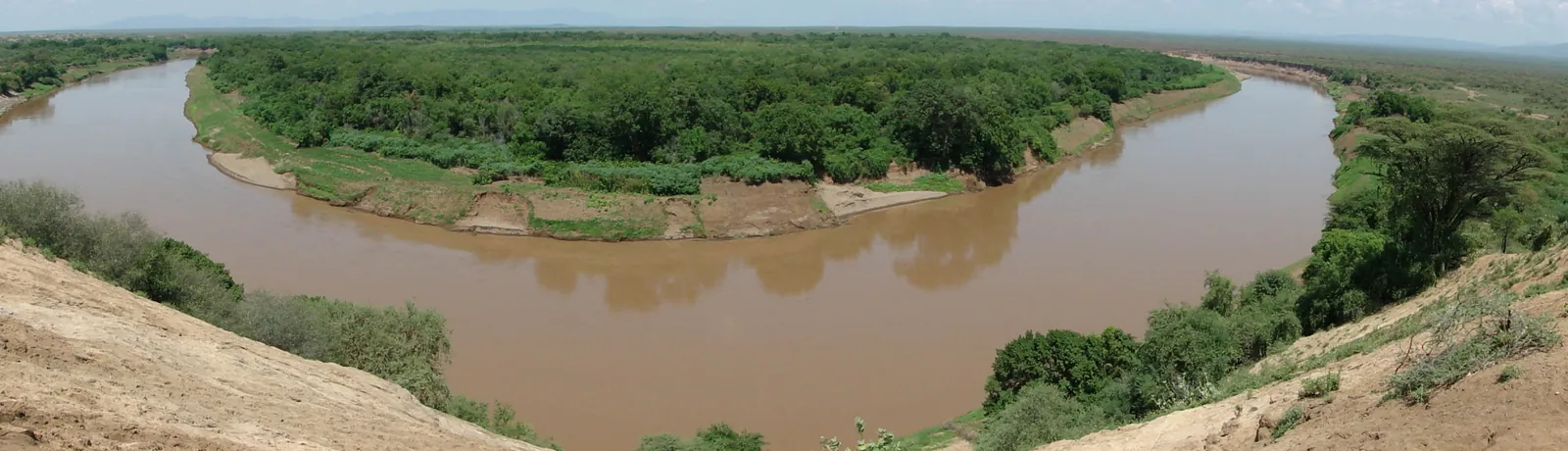
Ethiopia guide
Omo Valley: people, landscapes and respectful visits
Understand the Lower Omo Valley as a living cultural landscape, with guidance on locally agreed visits, photography, different bases and thoughtful pacing.
ExploreEthiopia guide
Lake Hawassa: Shoreline and Birdlife
Explore Lake Hawassa, also written Awassa, through shoreline life, birdwatching and the city beside it, with practical questions for a considerate visit.
Explore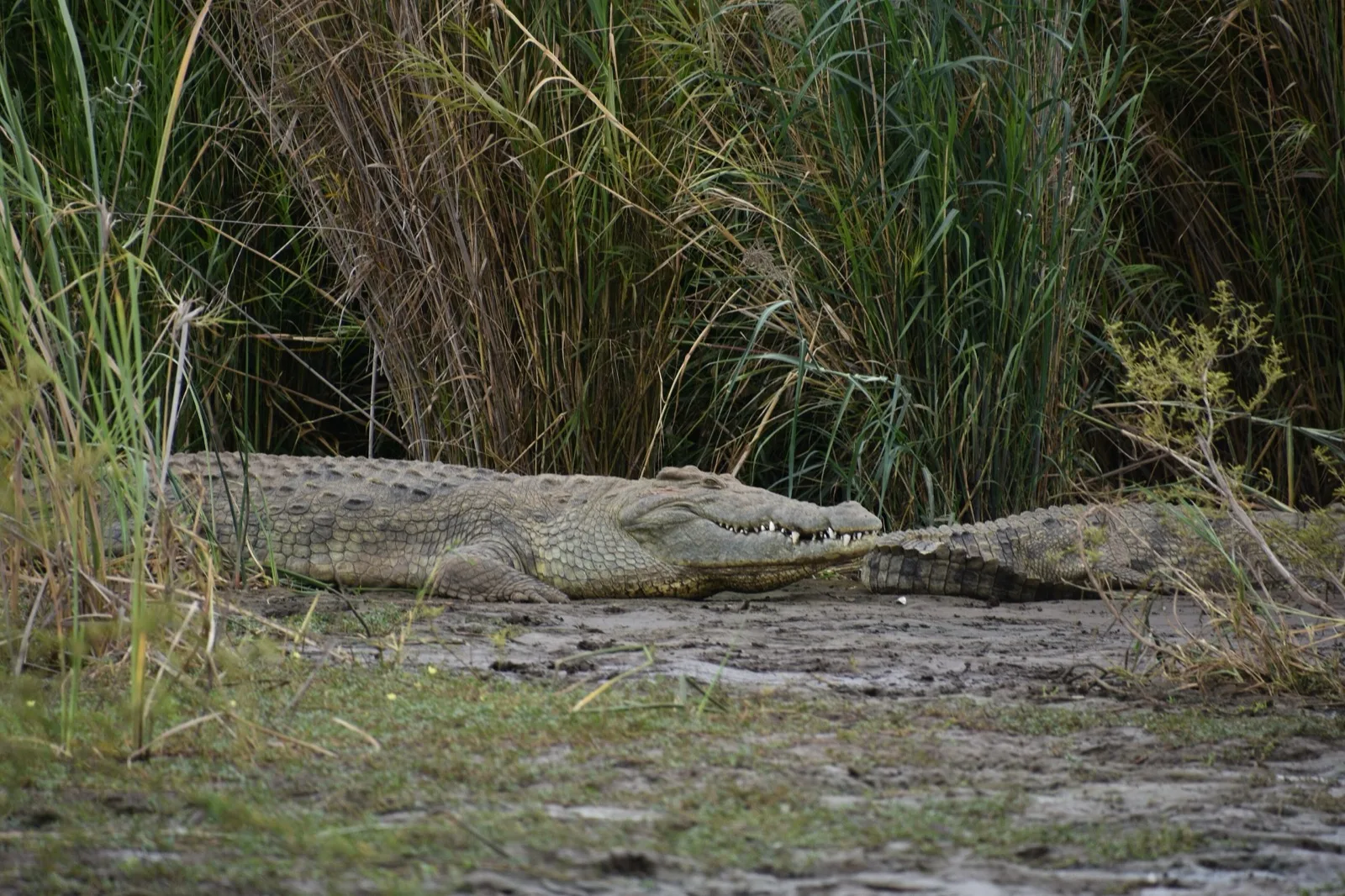
Ethiopia guide
Lake Chamo Near Arba Minch
Discover Lake Chamo’s place in a southern Ethiopia route, with a thoughtful approach to birdlife, wildlife viewing and the details of any proposed boat excursion.
ExploreEthiopia guide
Lake Ziway: Islands, Birds and Heritage
Explore Lake Ziway through island traditions, shoreline birdlife and a Rift Valley route, with a clear distinction between local stories and visiting arrangements.
ExploreShape your journey
Bring your preferred dates, interests and pace together in a planning draft.