
The Lalibela Cross
The Lalibela Cross brings together religious meaning, craftsmanship and the history of worship in Lalibela. Its importance goes beyond the appearance of an ornate object in a visitor photograph.
Ask what the image is showing
A priest carrying a cross, a museum display and an item offered for sale have different meanings. Ask for identification before writing a caption or assuming you have seen the historic object. Its religious use and custodianship determine access; an itinerary can request a visit to the church without promising a private viewing of the cross.
Look at form and meaning together
Ethiopian processional crosses can contain intricate openwork, repeated forms and symbolic details. A knowledgeable guide can explain what is known about the particular object and how it relates to church practice. Distinguish an original sacred object from later crosses made in a similar style, and avoid assuming that every example offered to visitors has the same provenance.
Viewing is subject to religious arrangements
Ask whether an object may be viewed, photographed or discussed during the planned church visit. Permission depends on the custodians and the context, not on its presence in a guidebook. Do not handle sacred objects without an explicit invitation. The cross can provide a starting point for understanding Lalibela’s living religious culture alongside the architecture of the church groups.
Related journeys
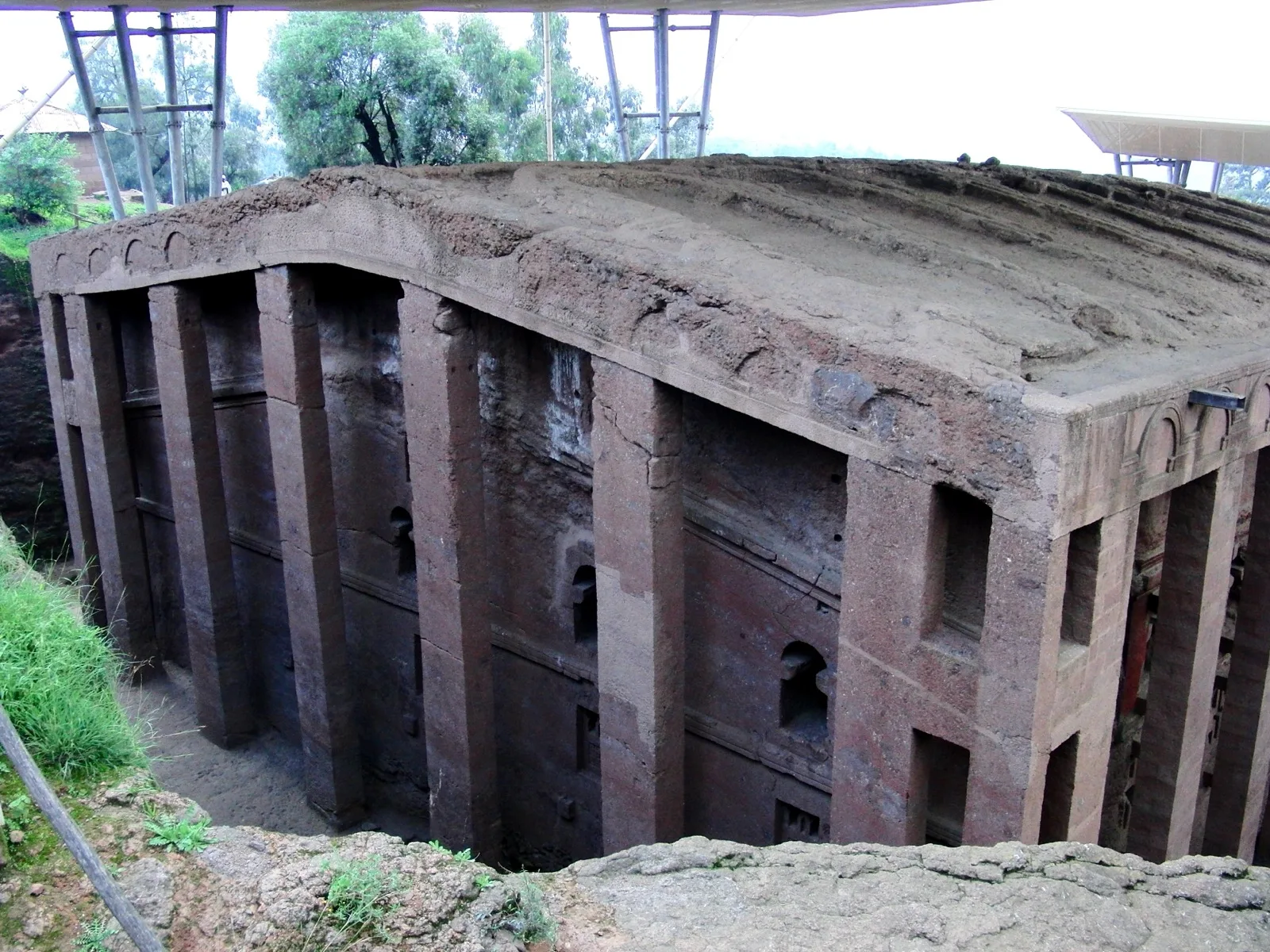
9 days · Historical Christmas programme
Lalibela Christmas and Northern Heritage: Historical Journey
A nine-day historical journey links Addis Ababa, Bahir Dar, Gondar and Axum with Lalibela and Tigray.
Explore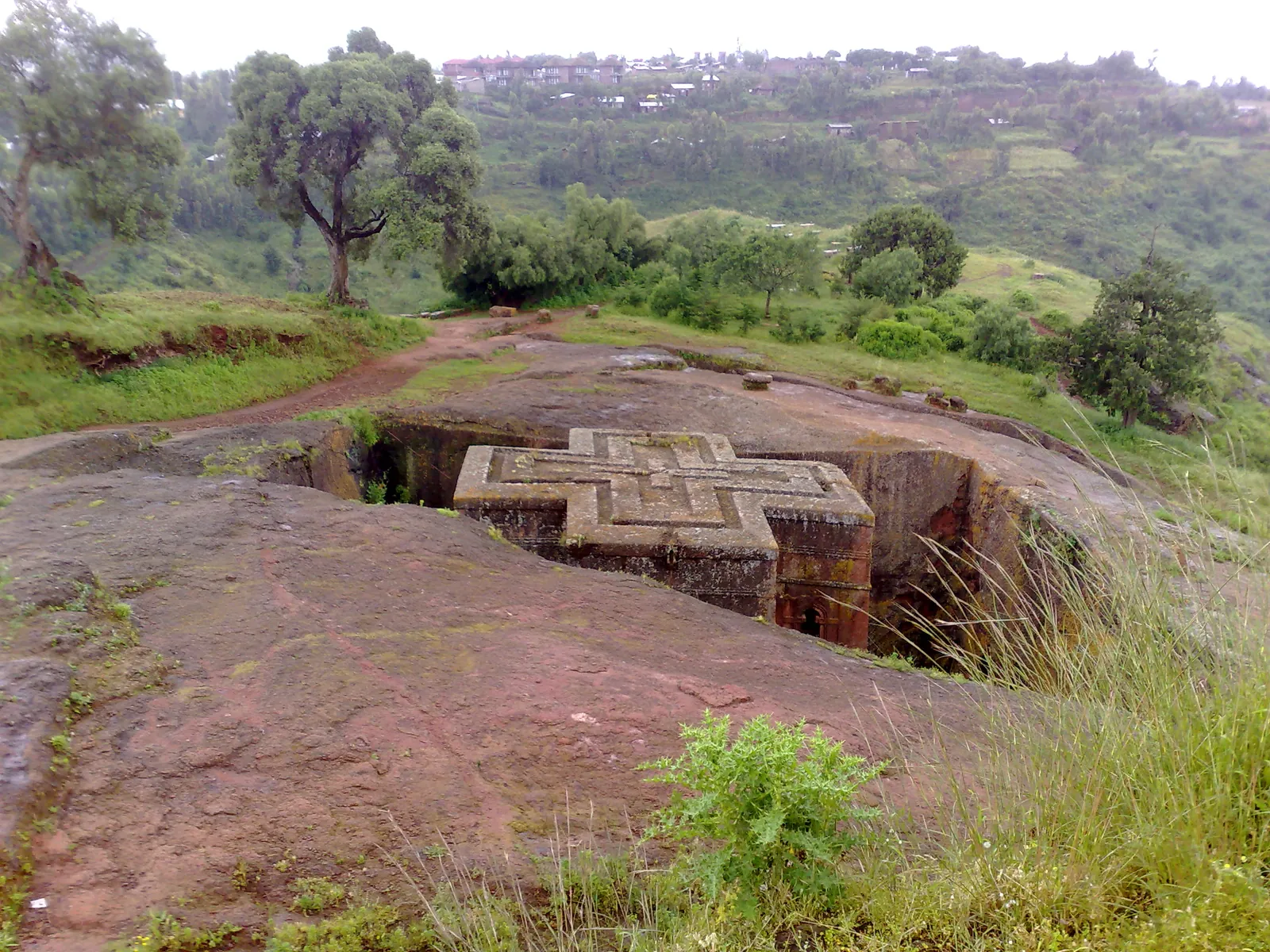
5 days · Itinerary
Lalibela Churches and Highland Walking
Five days combine Lalibela's church groups with a Hudad approach, an optional Abuna Yosef outing and Yimrehane Kristos before returning to Addis Ababa.
Explore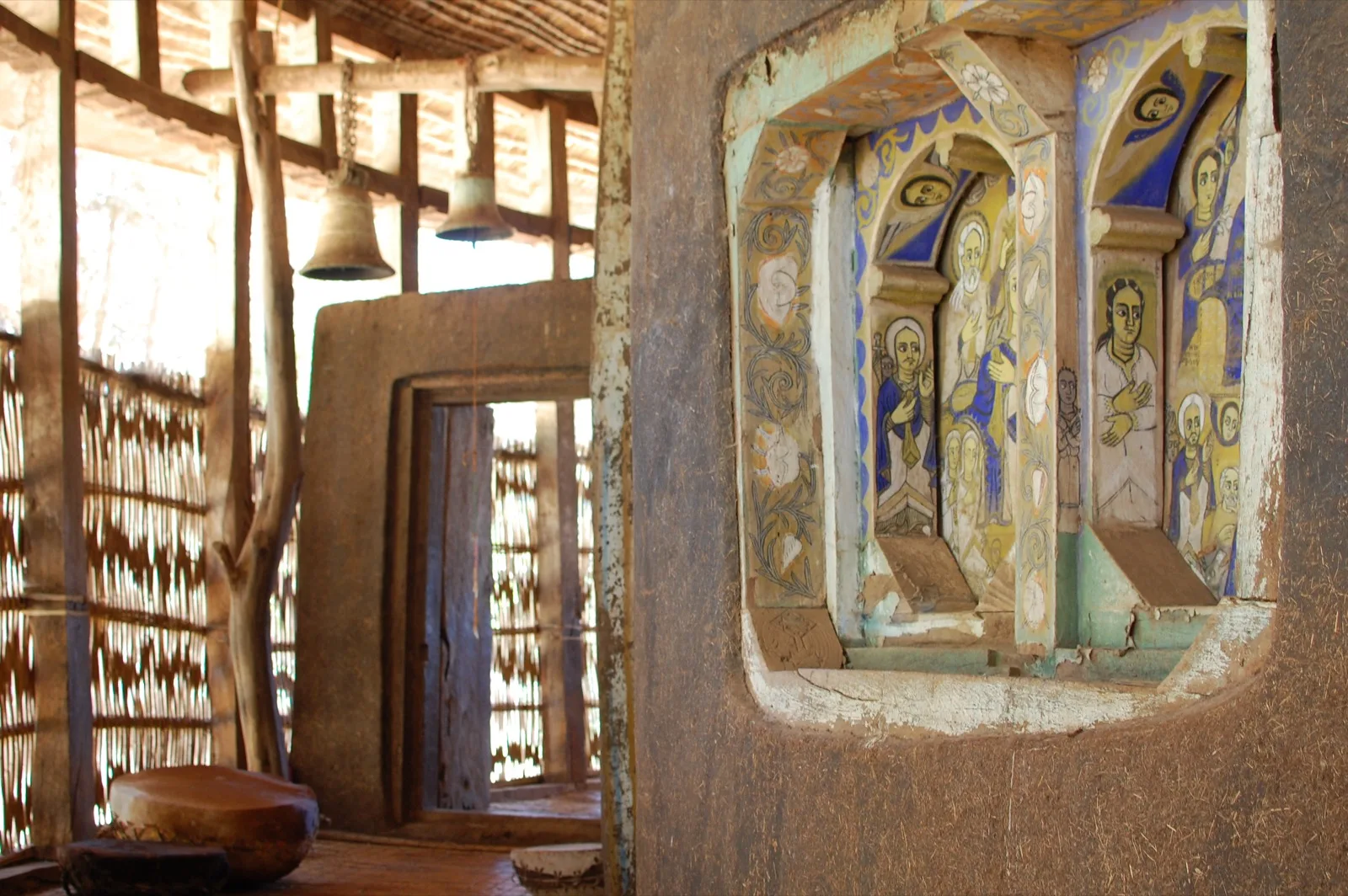
12 days · Itinerary
Northern Heritage with Lodge-Based Stays
Twelve days follow Bahir Dar, Lalibela, Gondar, the Simien Mountains, Axum and Hawzien.
Explore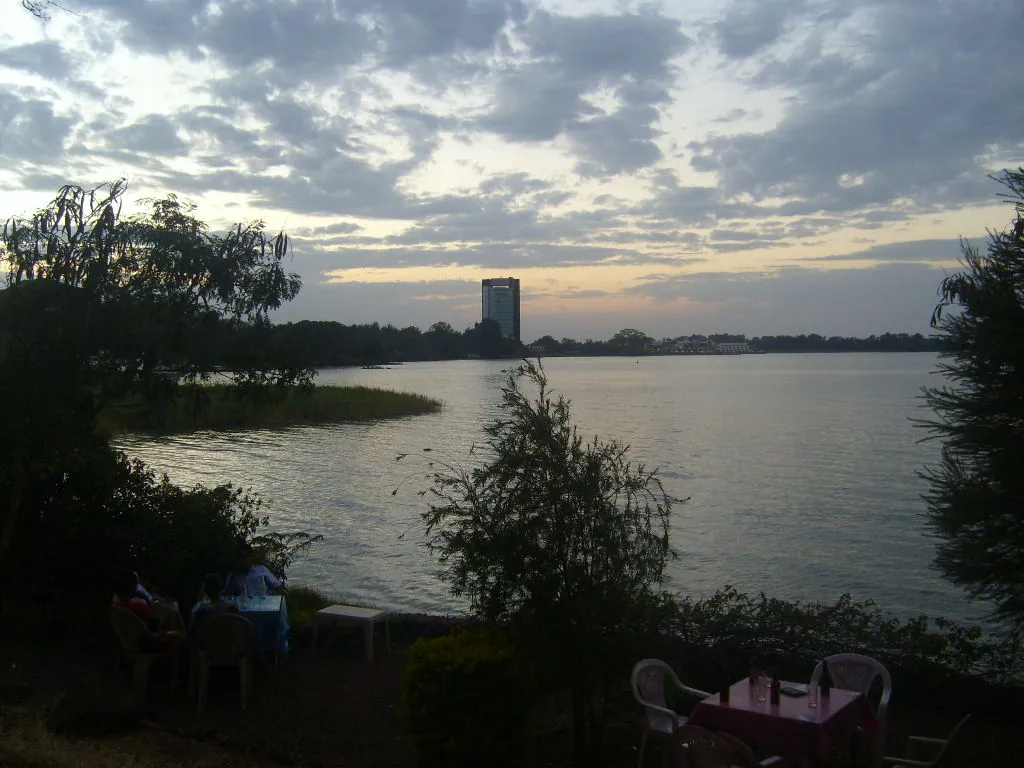
12 days · Itinerary
Northern Heritage and Simien Camping Circuit
Twelve days connect Bahir Dar, Lalibela and Gondar with four Simien walking stages, then continue through Axum and Gheralta before returning to Addis Ababa.
Explore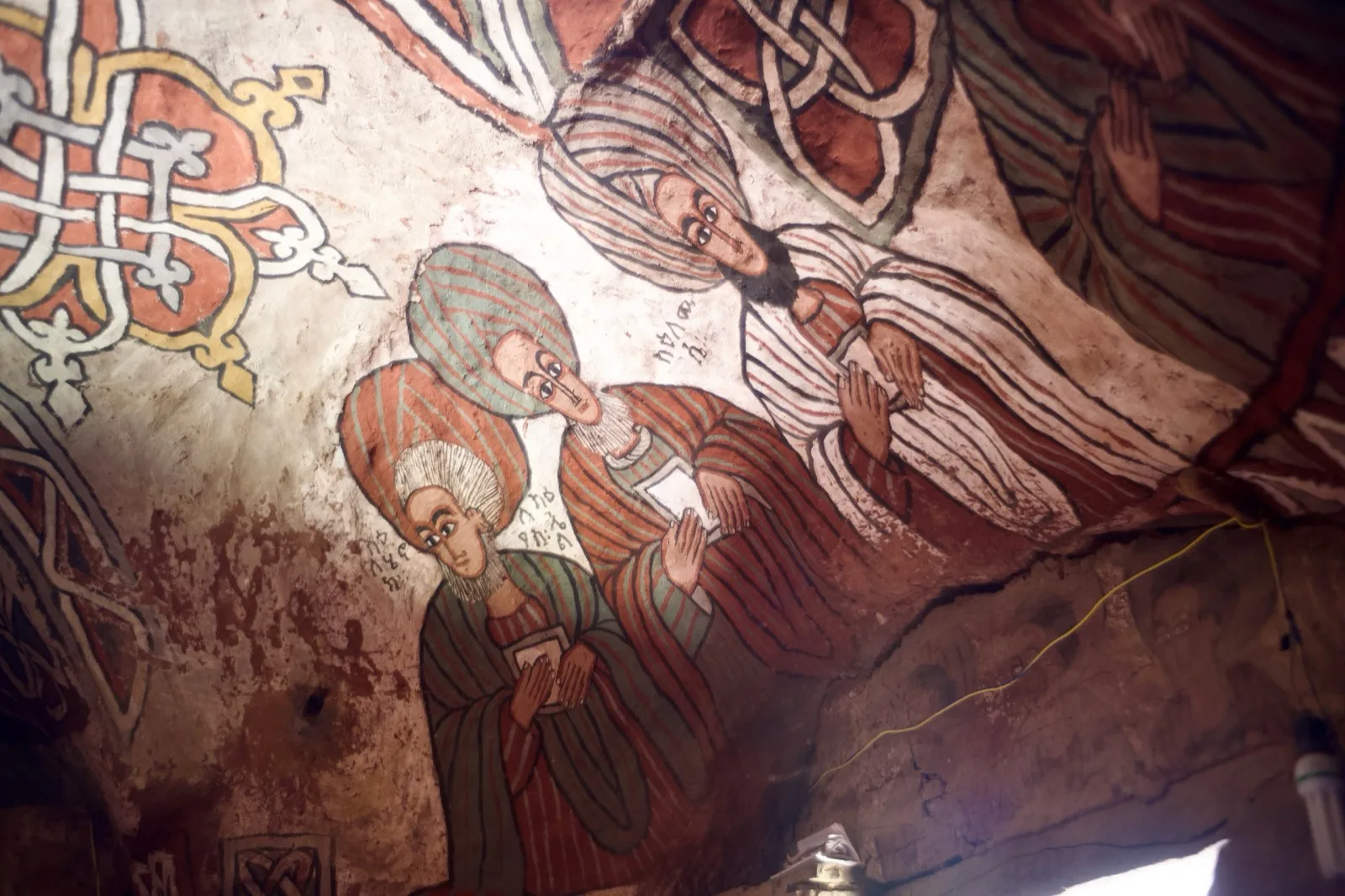
Route study
Historic North Circuit and Community Trekking
Explore a northern Ethiopia route concept combining Bahir Dar, Gondar, the Simien Mountains, Axum, Tigray community walking and Lalibela. The walking connection requires confirmation.
Explore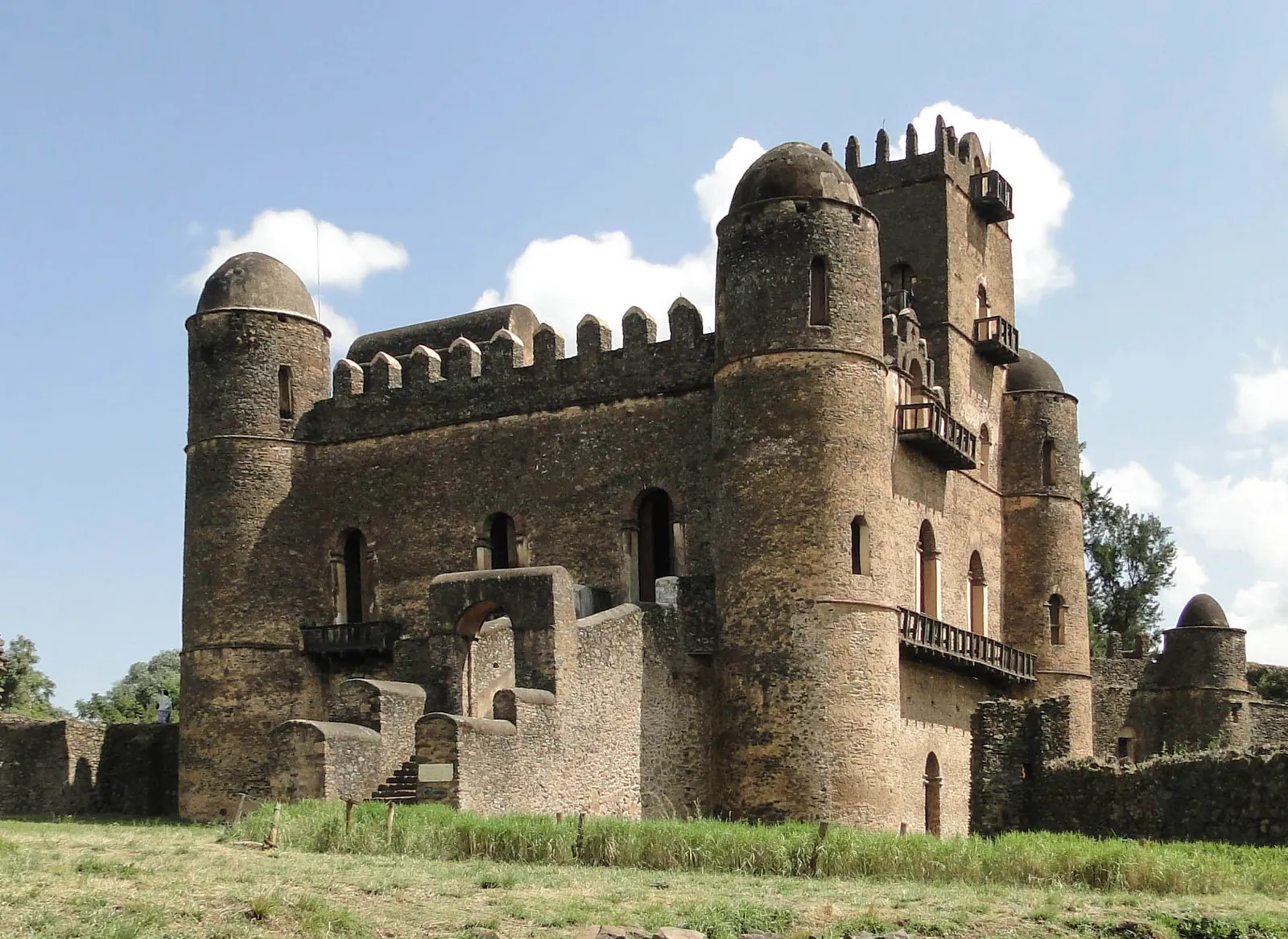
9 days · Itinerary
Nine Days through Ethiopia's Historic Towns
A nine-day heritage journey links Bahir Dar, Gondar, Lalibela and Axum with the old walled city of Harar in the east.
Explore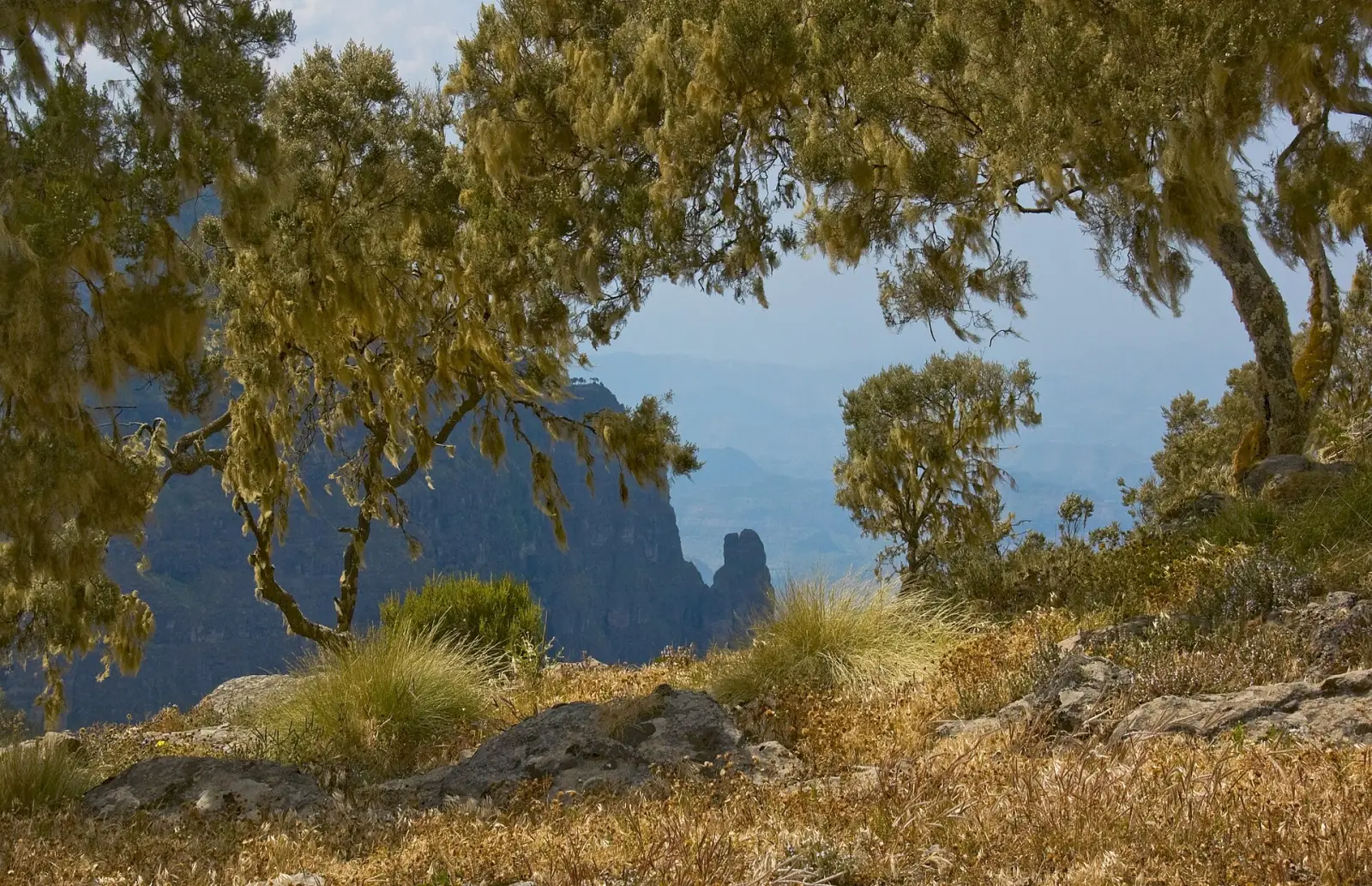
Route study
Simien Mountains and Northern History
Combine the interests of Lalibela, Gondar and the Simien Mountains in a northern Ethiopia route study, with the final connection still to confirm.
Explore
20 days · Itinerary
Twenty-Day Northern and Southern Ethiopia Survey
Twenty days join northern heritage cities and the Simien Mountains with Omo communities, Bale and the Rift lakes in one country-wide journey.
Explore
6 days · Itinerary
Six-Day Northern Heritage Sampler
Six days connect Lake Tana and Gondar with Axum and two Lalibela church days, returning to Addis Ababa. The focus stays on heritage sites rather than trekking.
ExploreOfficial sources
Check these primary sources directly; their current information takes precedence.
Not yet reviewed: no named reviewer or review date has been recorded for this page. The official sources above take precedence.
Related places and journeys
Ethiopia guide
Lalibela: churches, highlands and pilgrimage
Explore Lalibela's eleven rock-hewn churches, living worship and surrounding highlands, and build a visit with time for both architecture and context.
ExploreEthiopia guide
The rock-hewn churches of Lalibela
Understand Lalibela's eleven rock-hewn churches, their main groups and carved passages, with context for architecture, pilgrimage and respectful visits.
ExploreShape your journey
Bring your preferred dates, interests and pace together in a planning draft.