
Ethiopia in February
February offers several ways into Ethiopia: time among the northern historical towns, walks through highland landscapes, or a journey through the south. Choose the region and pace first, then shape the details around your dates. Weather varies sharply between elevated places and the lowlands, so a useful February plan follows the locations on your route rather than a single national average.
Weather in February: think regionally
The Ethiopian Meteorological Institute places February at the beginning of Belg, the February-to-May seasonal period. Northwestern Ethiopia is generally drier during much of that period, while southern and southwestern areas have a different rainfall pattern. A northern historical journey and a southern lake or forest visit therefore need separate weather planning.
Altitude also changes the experience. The Institute's February 2024 observations recorded cold highland nights, hot lowland days and significant rain in parts of the south and southwest. Those records illustrate the contrasts; they are not a forecast for your travel year. Check the forecast for each overnight location close to departure, rather than packing for one countrywide temperature.
Prepare for highland evenings and walking days
A sunny afternoon in a highland town does not tell you how an early start or mountain overnight will feel. Plan clothing in layers so that you can adjust during the day. For any walking stage, discuss the actual overnight setting, exposure and amount of time on foot before deciding what to bring.
- Bring a warm layer for evenings and early starts at elevation, with a wind-resistant outer layer for exposed viewpoints.
- Include a light rain layer: a broad seasonal expectation cannot rule out a shower at a particular stop.
- Choose footwear for the planned paths and distances, and leave time to get used to it before a multi-day walk.
- Keep sun protection and drinking water accessible on outings; confirm the water arrangements for remote stages.
- Ask for an equipment list matched to lodge stays or camping, the walking season and the specific highland route.
How busy is February?
Historical towns and well-known highland bases are sensible places to plan ahead, particularly if you have a particular lodge, guide or room arrangement in mind. Share your preferred dates and any flexibility before choosing the route, so that the programme can be built around suitable stays and connections.
There is no current evidence here for a fixed February crowd level or a saving compared with January. Compare a written proposal for your own dates, group size and accommodation choices. If you would rather spend longer at fewer places, explain that preference early; a quieter pace comes from the daily plan as well as the month.
Trip ideas to compare for February
These twelve themes range from compact historical journeys to extended walking and southern circuits. Treat them as ways to identify your interests. Coherent itinerary drafts are linked below; they still need current operational confirmation before they become a travel proposal.
Four themes are route studies: part of their route or their overall length still needs operator confirmation, so they are shown without a complete day-by-day itinerary. Their subjects remain useful for discussion. The Timket outline is an archived festival programme, not a February departure.
- Historic North and Luxury Lodges (12 days) — combine heritage visits with a preference for lodge-based stays; confirm the actual properties separately.
- Historic North Circuit (12 days) — compare a broad northern history route with a more concentrated stay in fewer towns.
- Historic North Circuit and Community Trekking — heritage and rural walking; the walking connection is still to confirm.
- Historic Towns of Ethiopia (9 days) — put interpretation of contrasting towns at the centre of the journey.
- Highlights of the North and South (20 days) — consider the time needed to combine two extensive regional journeys.
- Northern Highlights (6 days) — a shorter historical outline for travellers whose available days require a narrower focus.
- Simien Mountains and Northern History — mountain landscapes alongside historical visits; the final connection is still to confirm.
- Peaks and Plateaus of Ethiopia — a walking-led highland theme; the overall length is still to confirm.
- Community Trekking and the Danakil Depression (11 days) — compare plateau walking with an expedition in a very different lowland environment.
- Community Trekking in Ethiopia — a rural walking theme; the daily schedule is still to confirm.
- Timket on the Plateaus (16 days) — an archived festival and walking programme, requiring the appropriate calendar rather than an assumed February date.
- Cultural and Natural South (13 days) — focus on southern cultural landscapes, lakes and forests, with locally agreed visits.
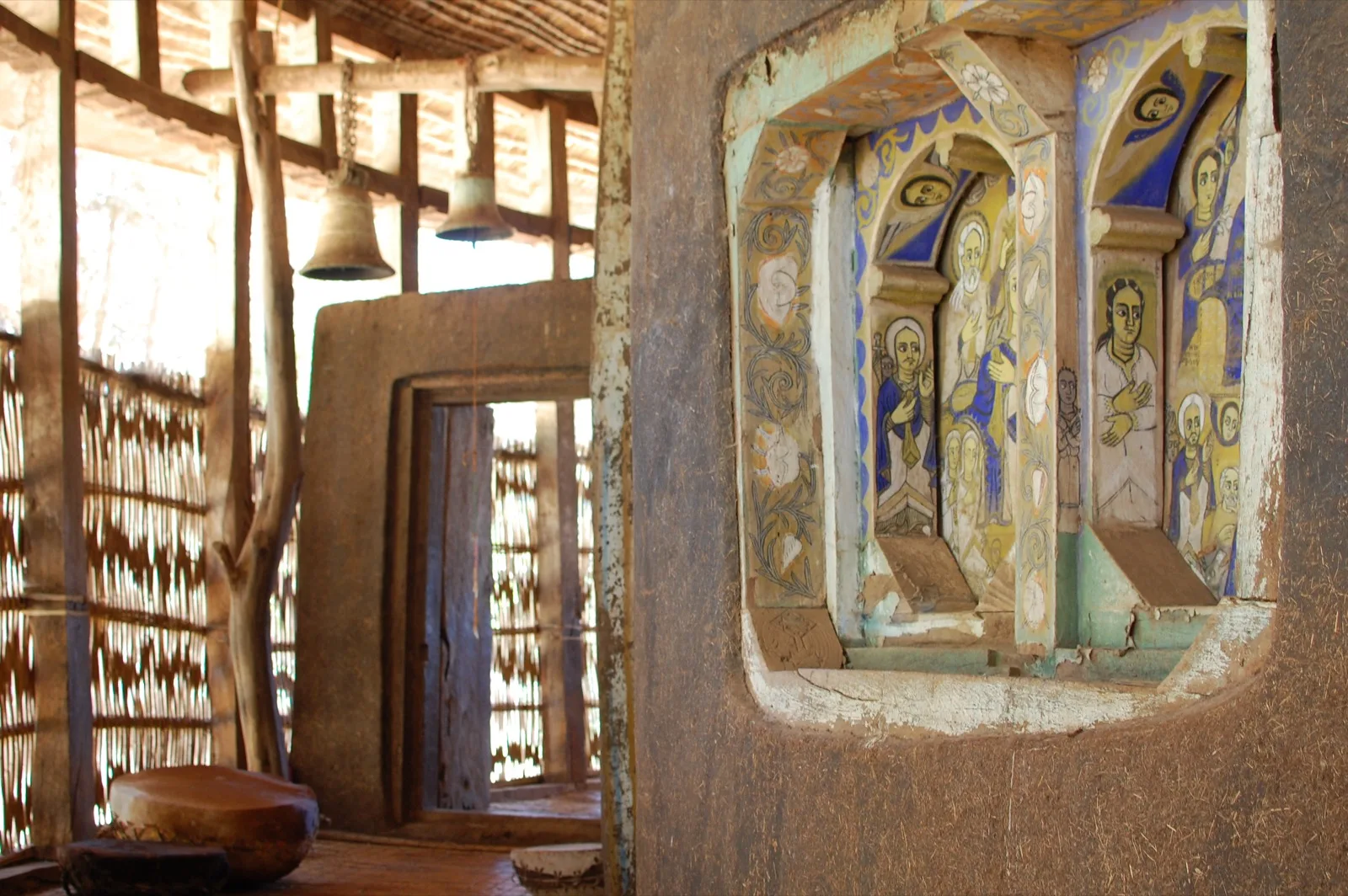
12 days · Itinerary
Northern Heritage with Lodge-Based Stays
Twelve days follow Bahir Dar, Lalibela, Gondar, the Simien Mountains, Axum and Hawzien.
Explore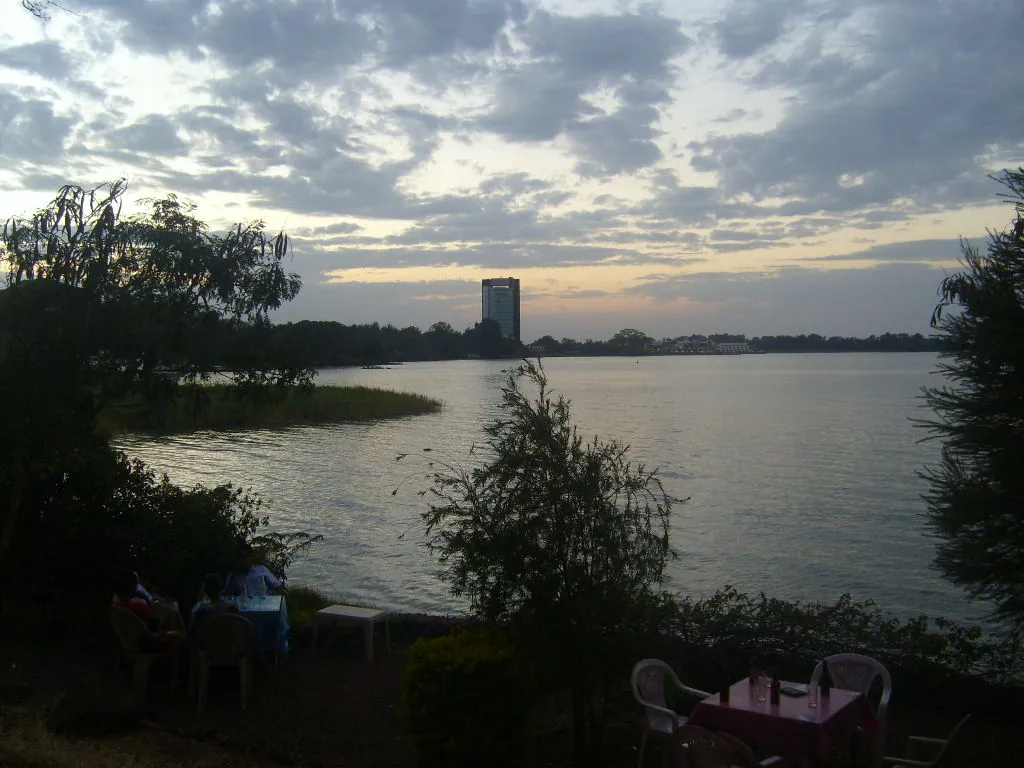
12 days · Itinerary
Northern Heritage and Simien Camping Circuit
Twelve days connect Bahir Dar, Lalibela and Gondar with four Simien walking stages, then continue through Axum and Gheralta before returning to Addis Ababa.
Explore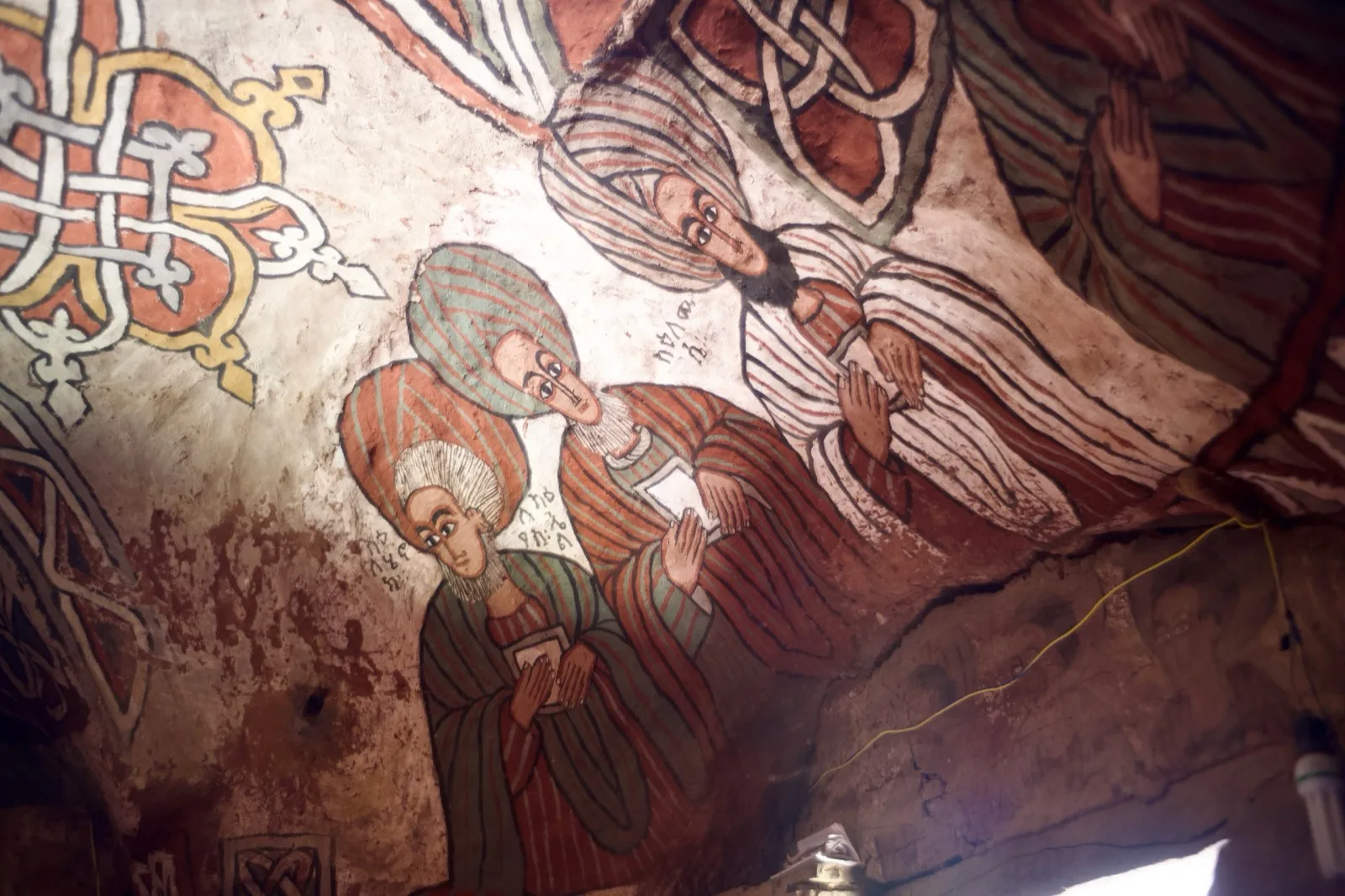
Route study
Historic North Circuit and Community Trekking
Explore a northern Ethiopia route concept combining Bahir Dar, Gondar, the Simien Mountains, Axum, Tigray community walking and Lalibela. The walking connection requires confirmation.
Explore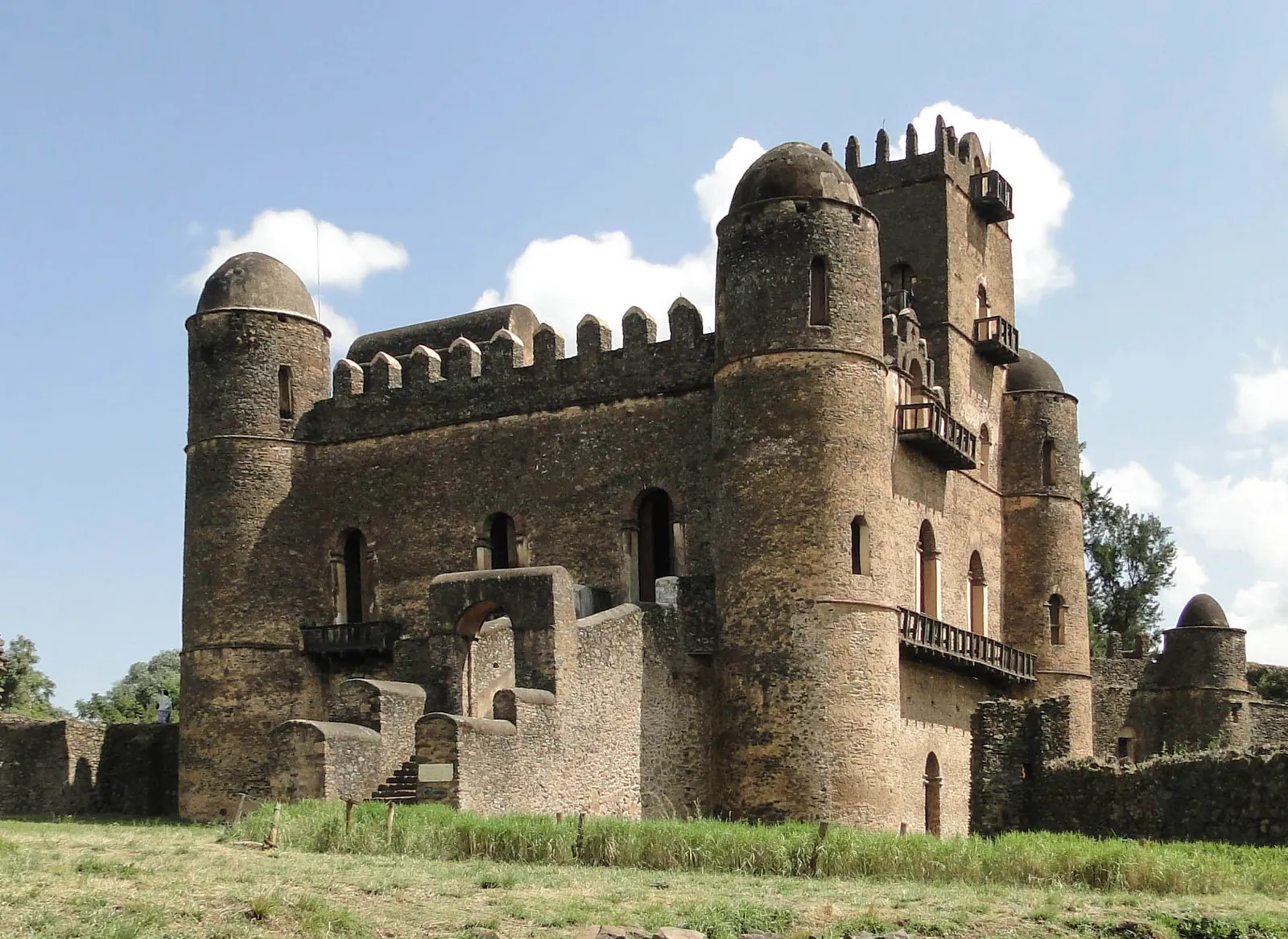
9 days · Itinerary
Nine Days through Ethiopia's Historic Towns
A nine-day heritage journey links Bahir Dar, Gondar, Lalibela and Axum with the old walled city of Harar in the east.
Explore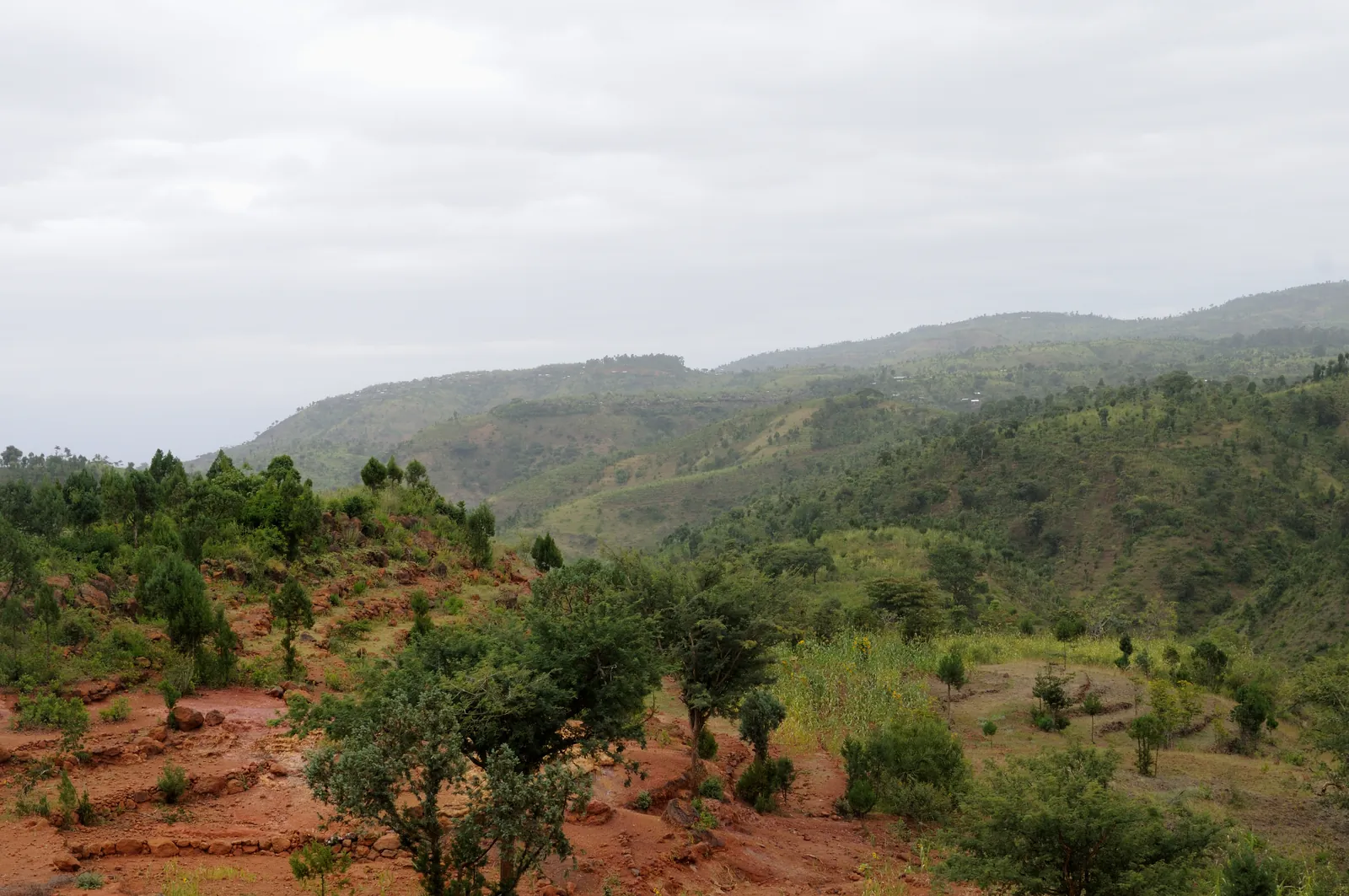
20 days · Itinerary
Twenty-Day Northern and Southern Ethiopia Survey
Twenty days join northern heritage cities and the Simien Mountains with Omo communities, Bale and the Rift lakes in one country-wide journey.
Explore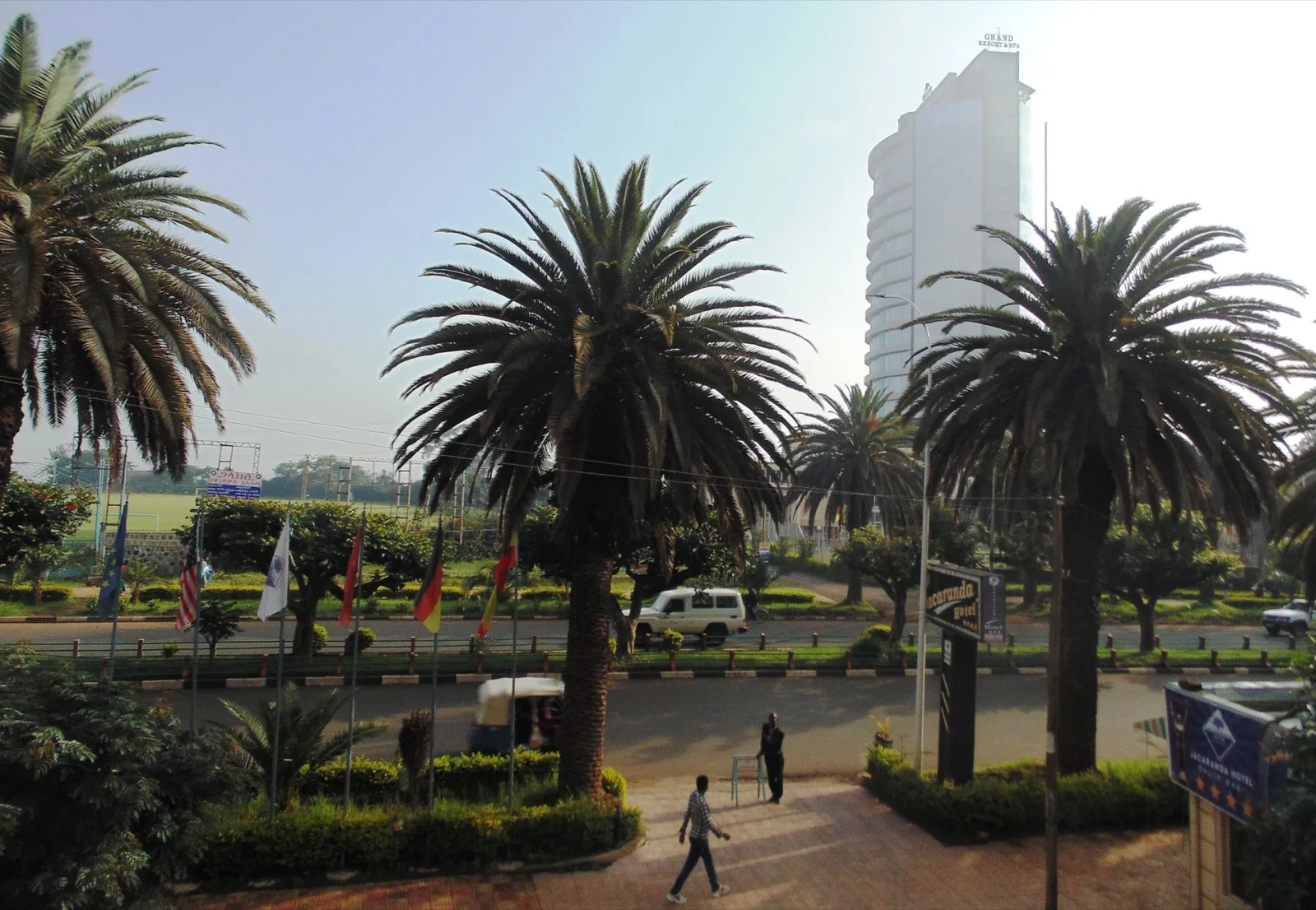
6 days · Itinerary
Six-Day Northern Heritage Sampler
Six days connect Lake Tana and Gondar with Axum and two Lalibela church days, returning to Addis Ababa. The focus stays on heritage sites rather than trekking.
Explore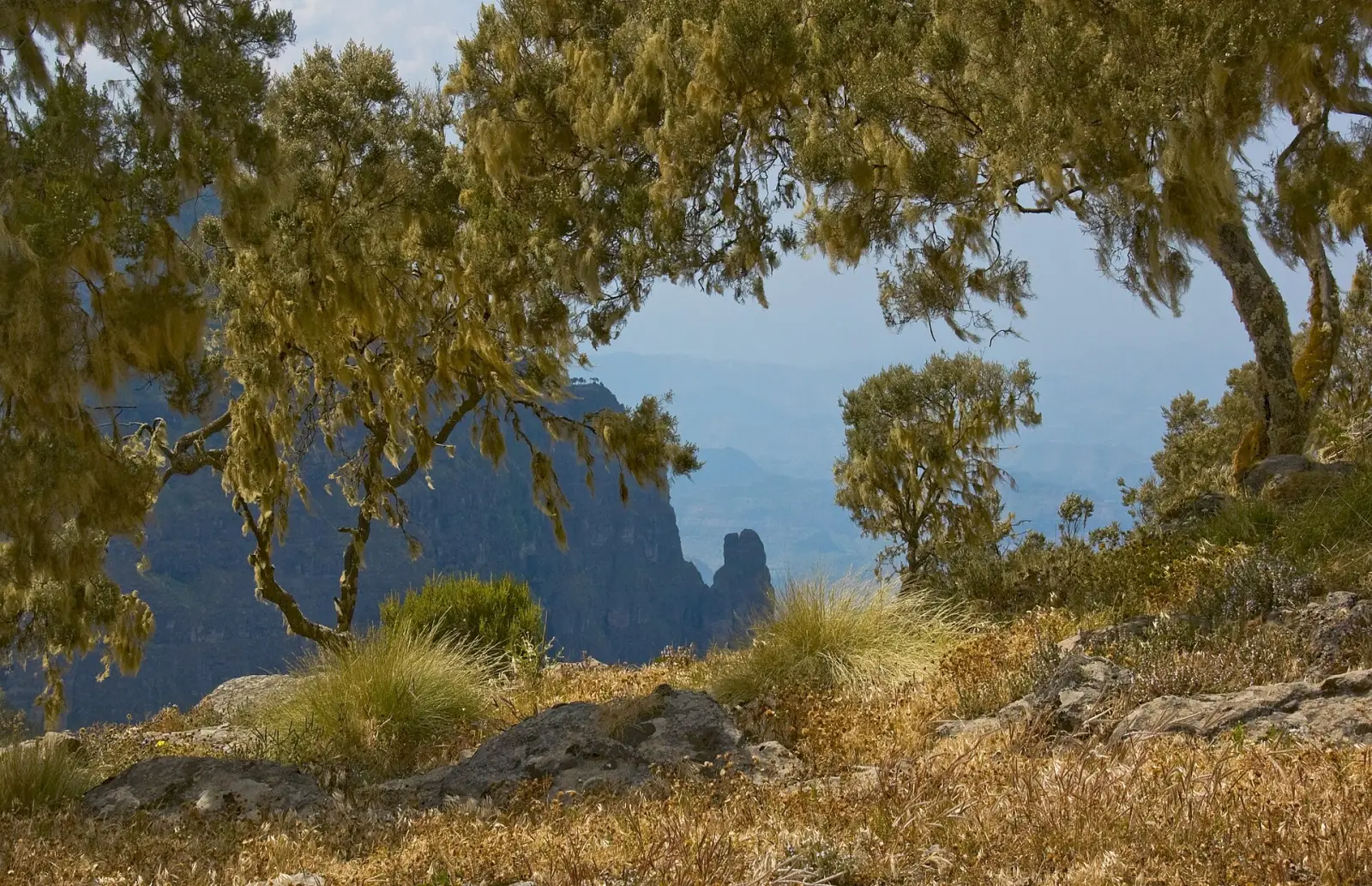
Route study
Simien Mountains and Northern History
Combine the interests of Lalibela, Gondar and the Simien Mountains in a northern Ethiopia route study, with the final connection still to confirm.
Explore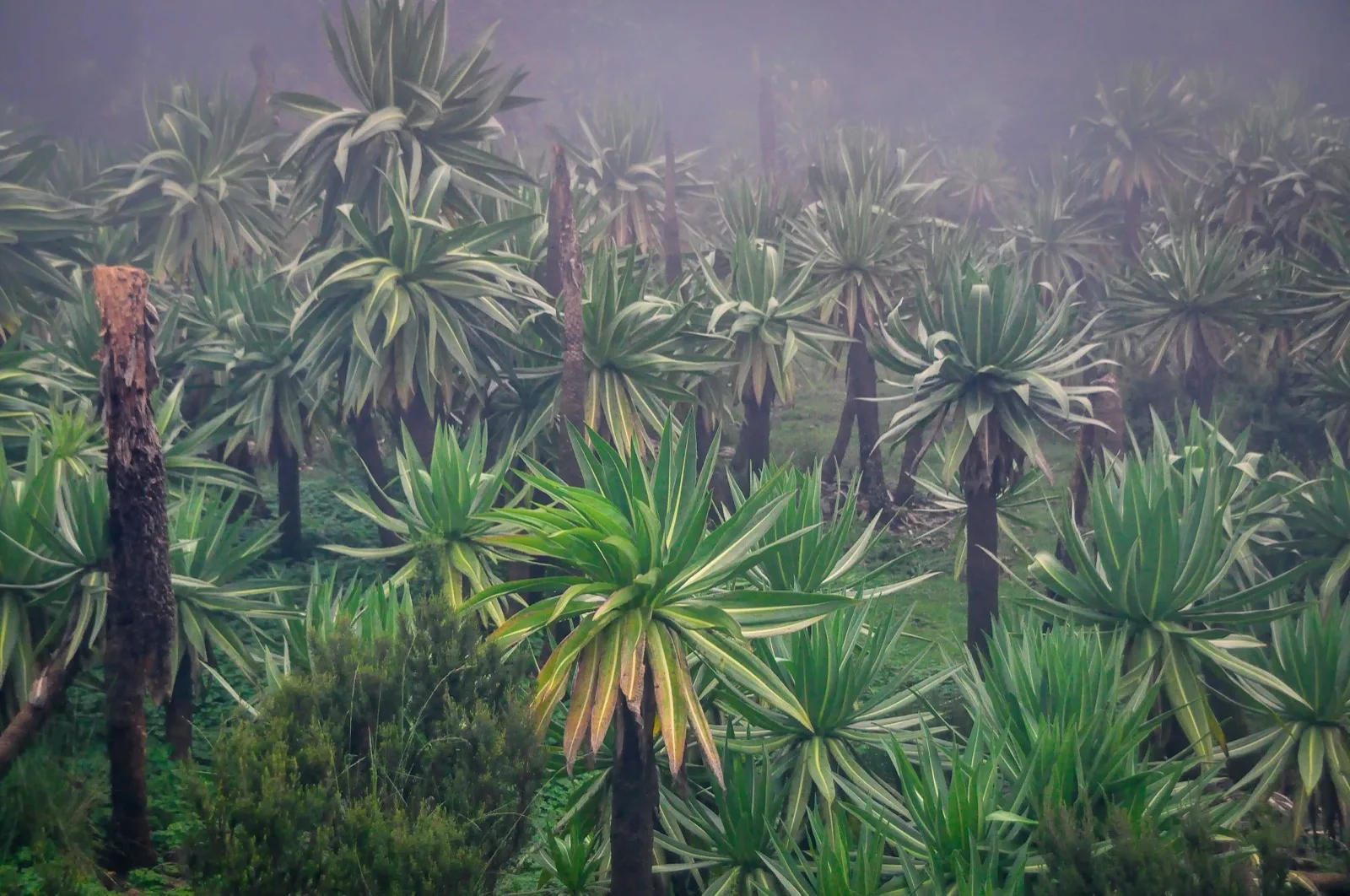
Route study
Peaks and Plateaus of Ethiopia
Compare Wollo and Tigray community walks, Lalibela, Gondar, the Simien Mountains and Axum in an Ethiopia route outline of twelve to thirteen days.
Explore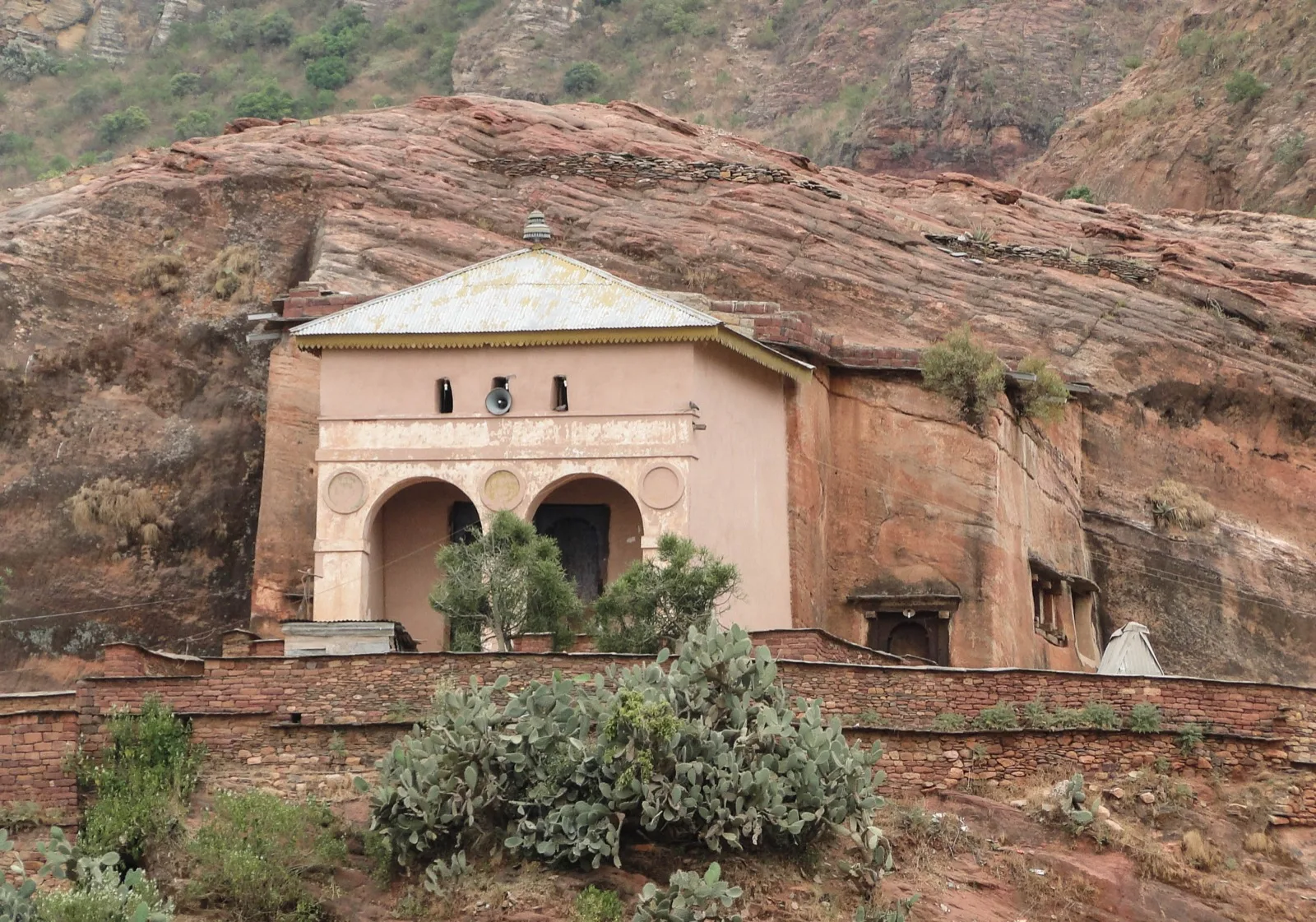
11 days · Itinerary
Tigray Community Trails and the Danakil
Eleven days connect Axum with a chain of Tigray community-trail locations before the route enters the Danakil for Erta Ale, Dallol and the salt lakes.
Explore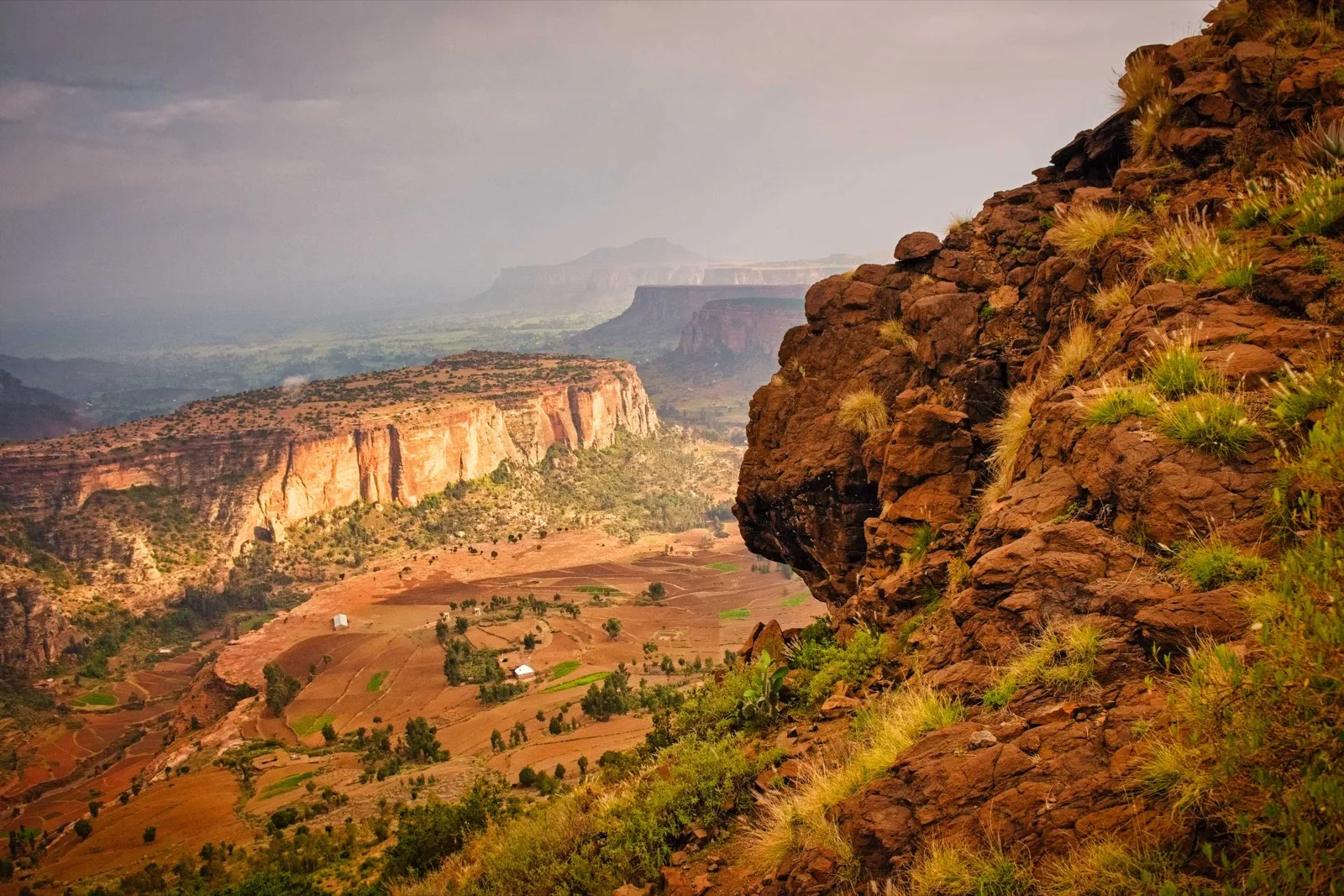
Route study
Community Trekking in Ethiopia: Route Study
Compare community walking around Wollo and Tigray with Lalibela, Gondar, the Simiens and Axum, and review the unresolved stages of this route concept.
Explore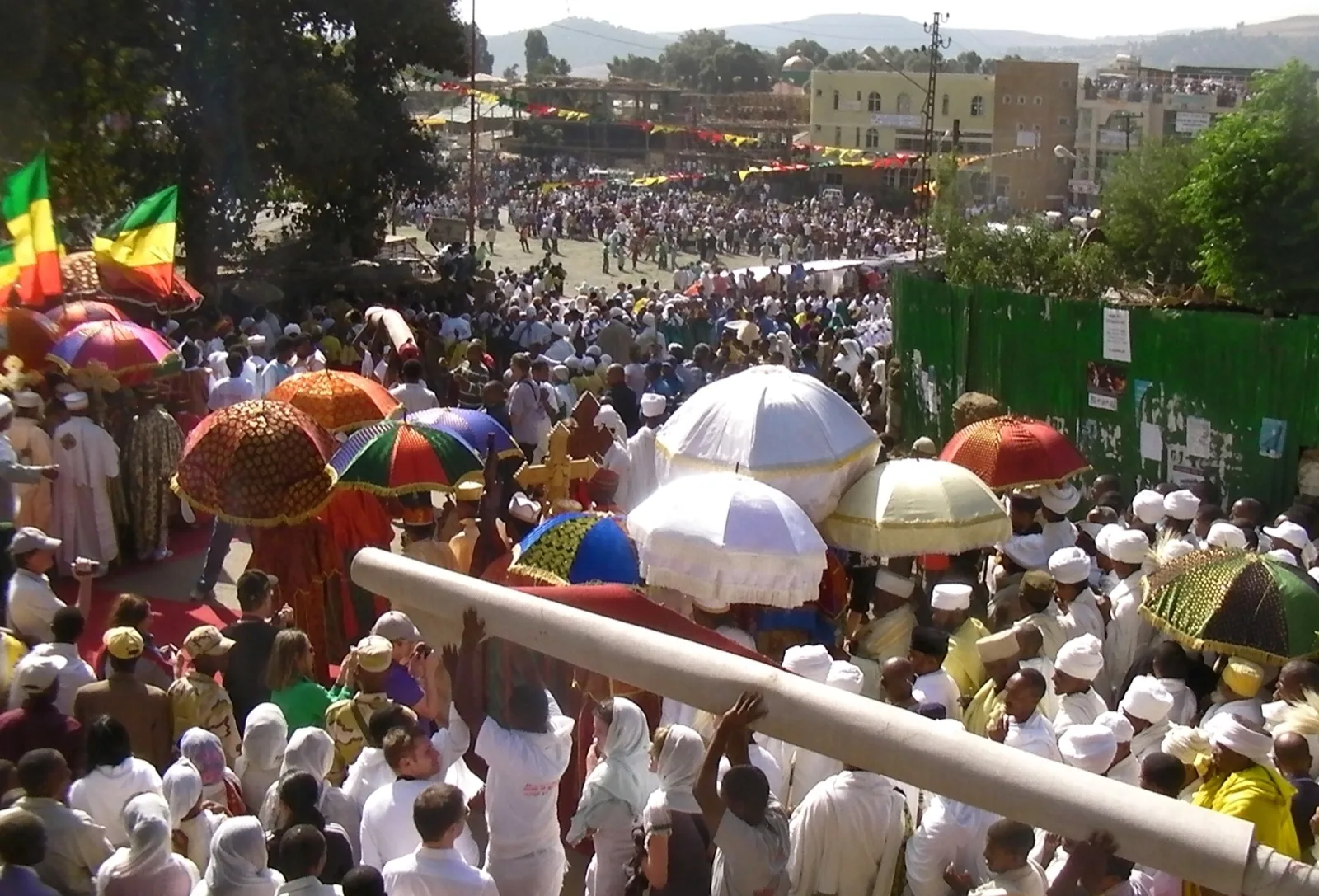
16 days · Archived Timket programme
Archived Timket on the Wollo and Tigray Plateaus
Sixteen historical days join Wollo community trails and a Timket occasion with Lalibela, Gondar, the Simiens, Axum and Tigray.
Explore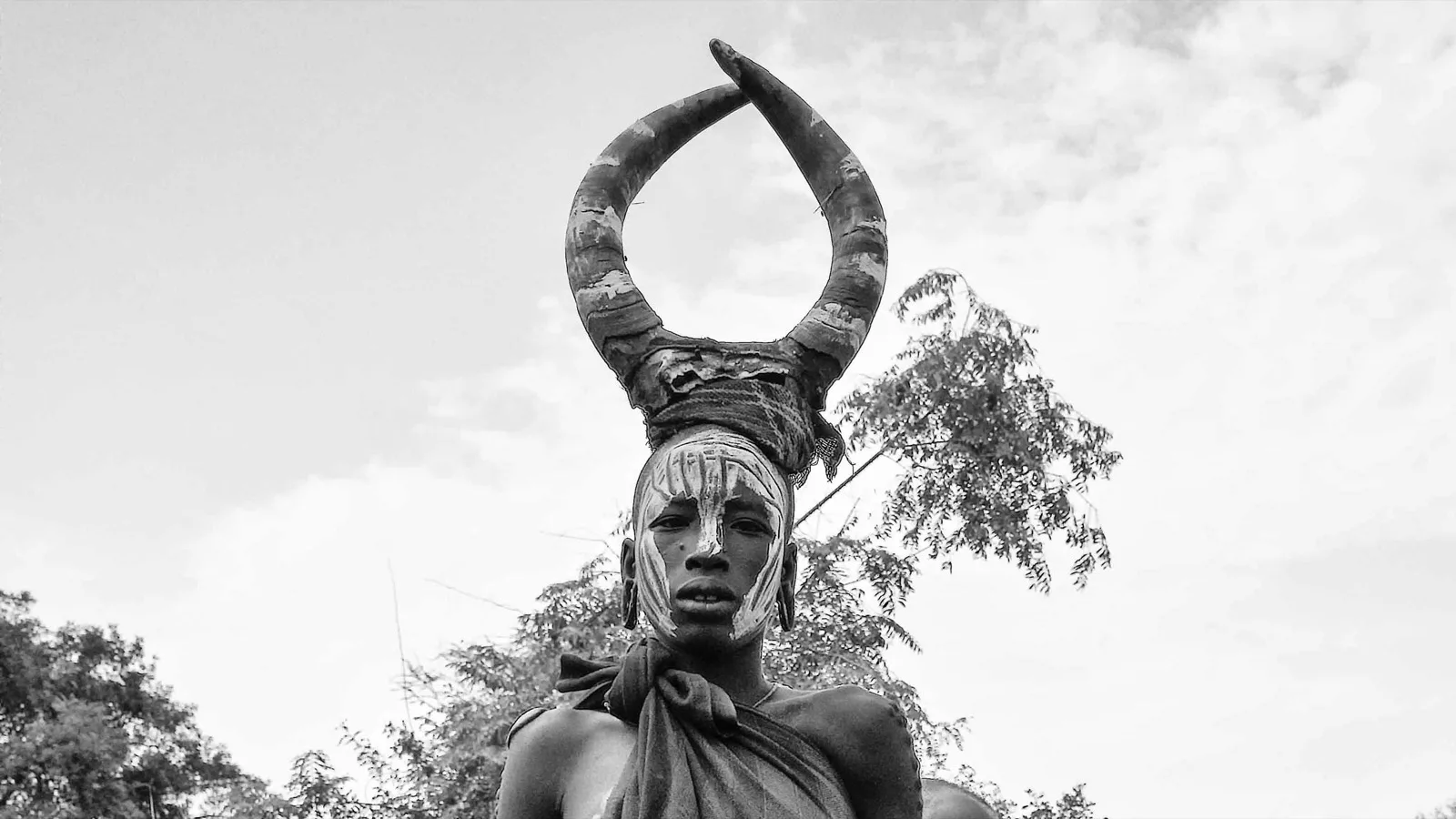
13 days · Itinerary
Southern Cultures, Rift Lakes and Bale
Thirteen days connect Jinka and Turmi with Arba Minch, Hawassa, Bale and Langano.
ExplorePlan your February journey
Bring your dates, available time and two or three priorities to the first conversation. Use the route ideas below to explain what attracts you, then work towards a detailed proposal that states the actual arrangements.
- 1. Set your priorities. Share your interests, group size, preferred pace, walking expectations, accommodation preferences and budget range.
- 2. Compare suitable routes. Review the regional sequence, overnight bases and time spent travelling alongside the experiences you want most.
- 3. Confirm the details in writing. Check current access, named services, total costs, inclusions and booking terms before deciding whether to proceed.
Official sources
Check these primary sources directly; their current information takes precedence.
- Ethiopian Meteorological Institute: February 2024 climate bulletin (historical observations)
- Ethiopian Meteorological Institute: annual climate bulletin and regional seasons
Not yet reviewed: no named reviewer or review date has been recorded for this page. The official sources above take precedence.
Related places and journeys
Ethiopia guide
All Trips
Compare Ethiopia journeys by their route, time on foot and regional focus.
ExploreEthiopia guide
Ethiopia Guide
Start exploring Ethiopia with places, experiences and a few practical questions.
ExploreEthiopia guide
When to Visit Ethiopia
Choose when to visit Ethiopia by region, interests and festival plans, with a practical distinction between long-term seasonal patterns and conditions for your trip.
ExploreShape your journey
Bring your preferred dates, interests and pace together in a planning draft.