
Boutique and eco lodges in Ethiopia
Small lodges can express their setting through local building forms, materials and views. The words boutique and eco, however, describe an intention or style rather than proving a particular standard of comfort or environmental performance.
Evidence behind an eco description
Environmental performance concerns ongoing practices as well as design. Water collection and disposal, power, waste handling and the source of food or materials all affect the footprint of a stay. Ask which practices exist at the named property and whether the explanation is specific enough to understand.
Community relationships also need substance. Employment or purchasing claims should describe actual roles and arrangements, rather than treating the presence of a nearby village as proof of benefit. A traveller can value character and setting while still asking for honest evidence about the environmental and social promises attached to them.
A regional directory of smaller stays
The historical northern selection includes Gheralta, Mezena, Hudad, Mayleko, Ankober Palace, Awash Falls and Simien Lodge. Each belongs to a different setting, from a rural plateau to a river gorge. In the Rift Valley and nearby highlands, the named comparison extends to Aregash, Hara Langano and Sabana Beach Resort.
The southern selection names Paradise, Kanta, Eco Omo, Buska, Dorze and Lale’s Camp. Use these as starting points for location research rather than a claim that every property shares the same environmental approach.
Ethiopia guide
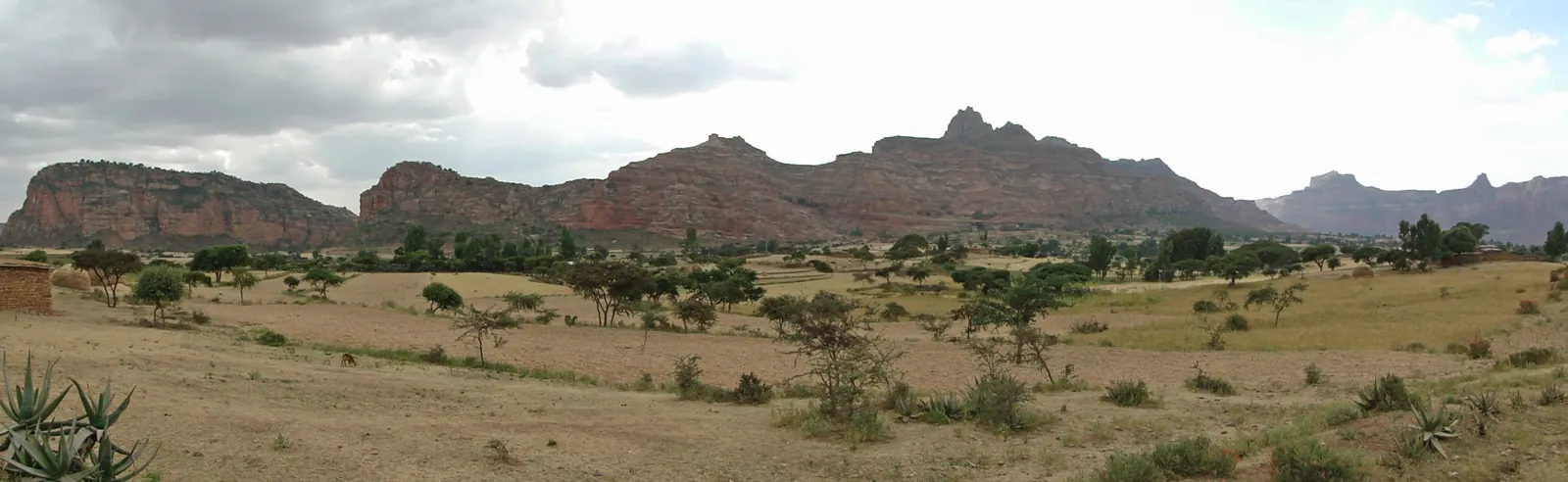
Gheralta Lodge and the Tigray landscape
Understand Gheralta Lodge's historical plateau setting and the questions about current operation, church visits and access needed before considering a stay.
Explore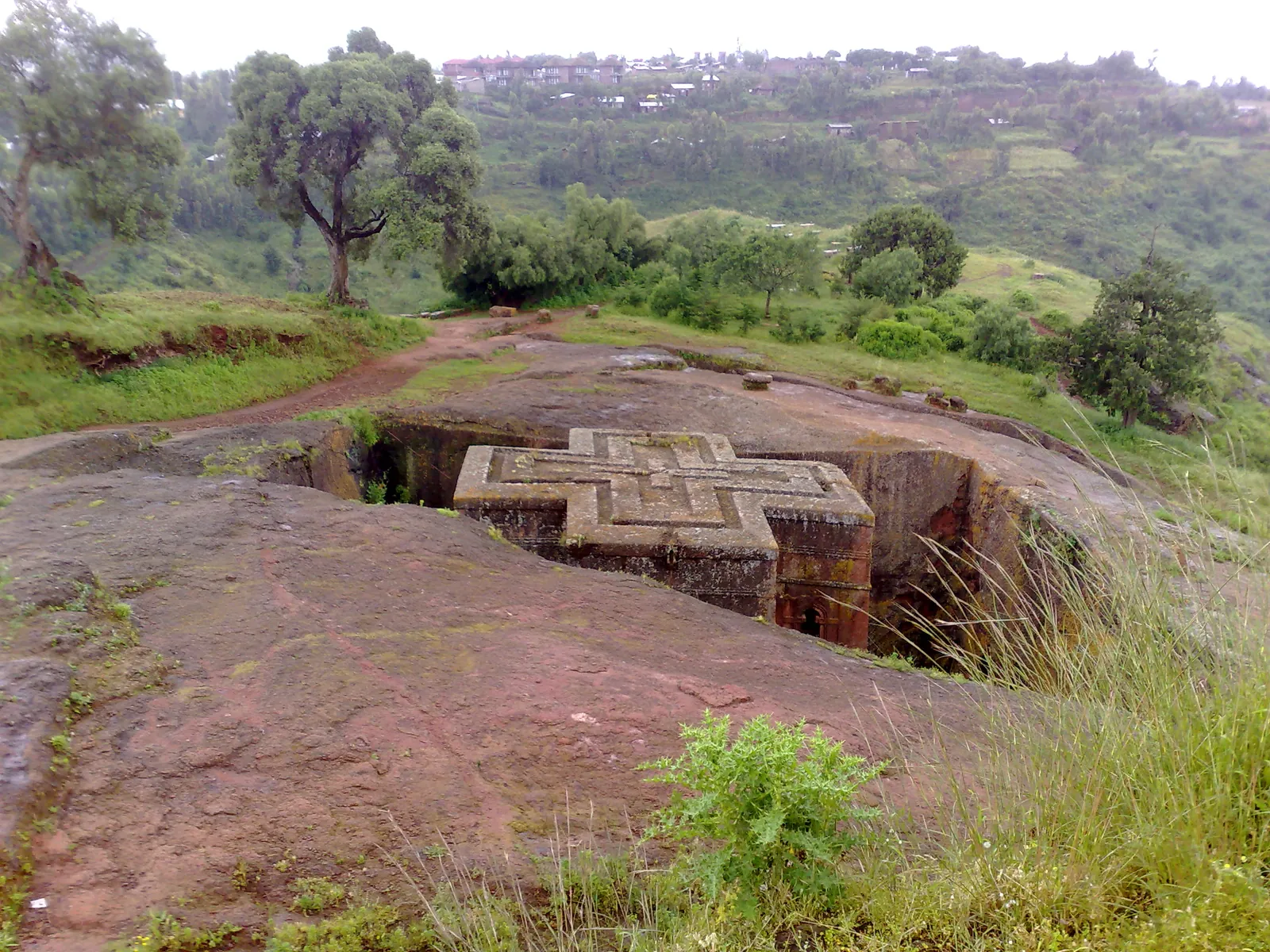
Ethiopia guide
Mezena Lodge: Lalibela accommodation context
Explore Mezena Lodge's historically described bungalow setting outside central Lalibela, with questions about location, room access and church visits.
ExploreEthiopia guide
Hudad Lodge and Lalibela's highlands
Understand the plateau setting historically described for Hudad Lodge and the walking, baggage and overnight questions behind a Lalibela highland stay.
Explore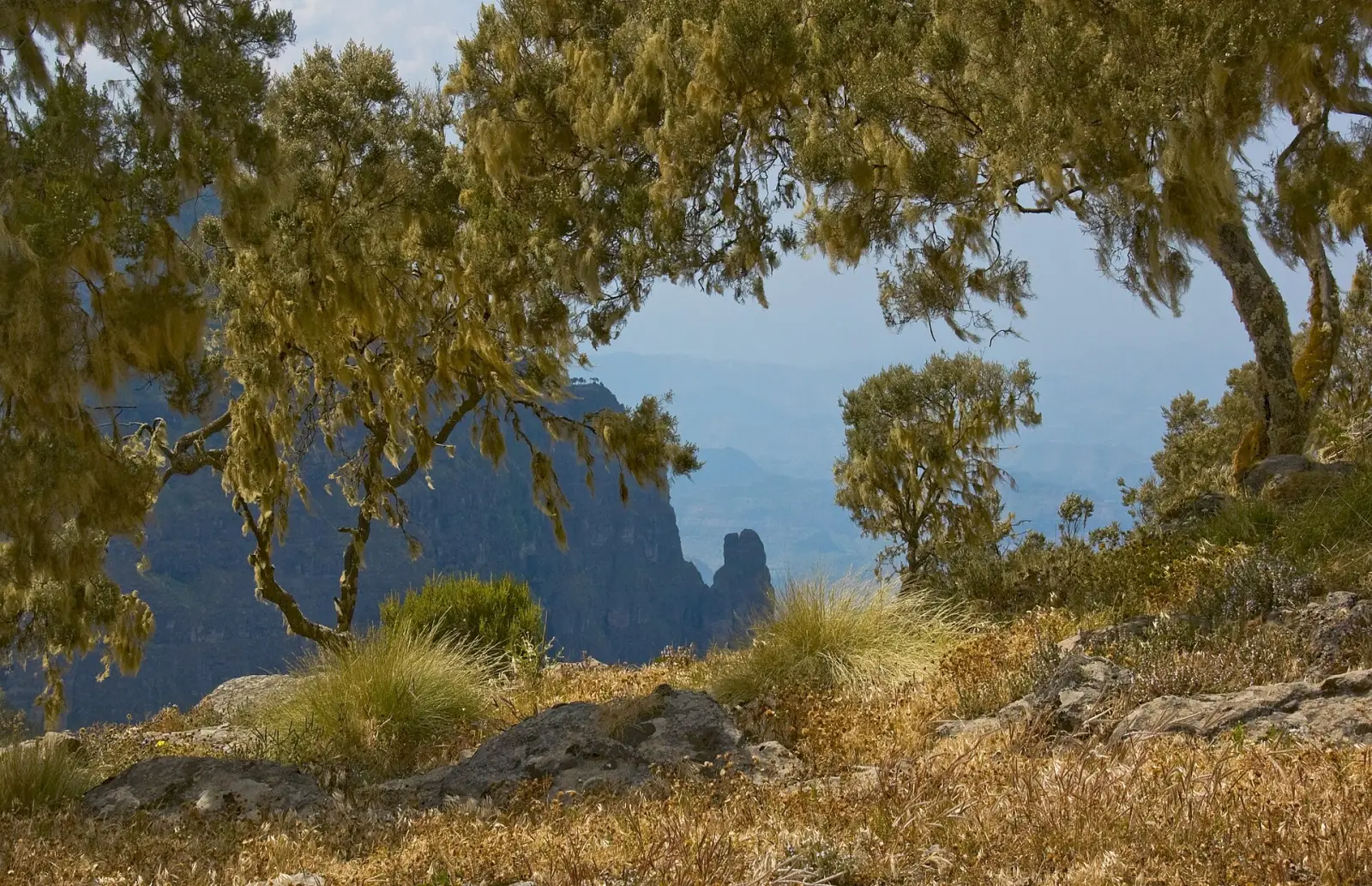
Ethiopia guide
Simien Lodge: staying in a highland landscape
Consider Simien Lodge's high-altitude setting and the questions about warmth, walking plans and room arrangements behind a lodge-based Simien visit.
Explore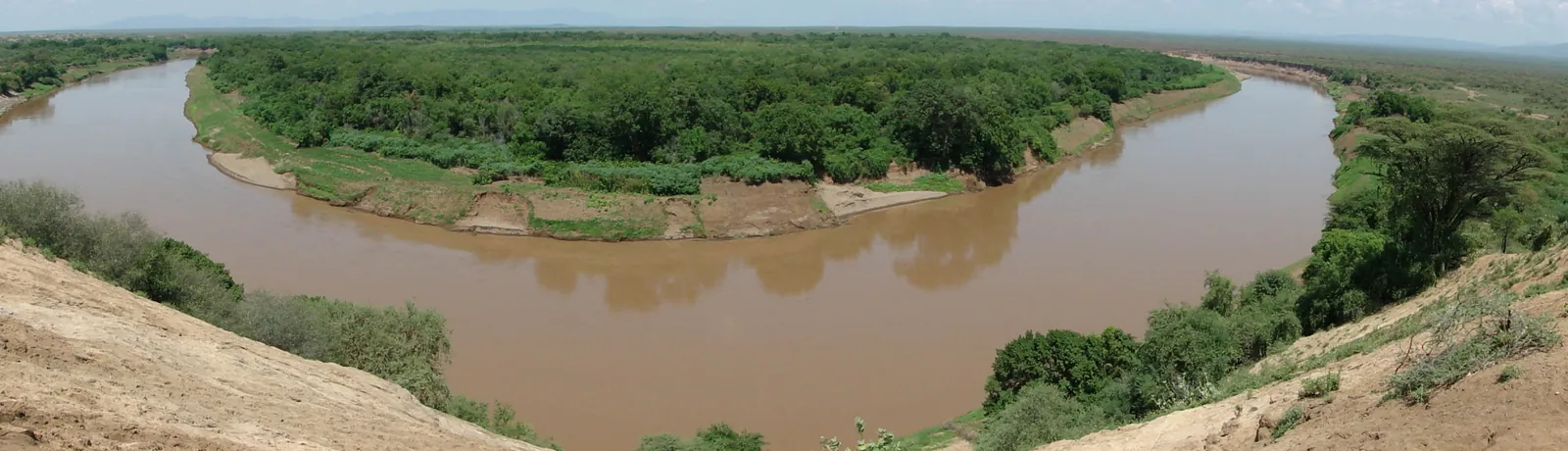
Ethiopia guide
Eco Omo Lodge: a Jinka accommodation subject
Place Eco Omo Lodge within a Jinka and Omo Valley journey, with guidance on bungalow settings, respectful visits and the details to verify before booking.
ExploreEthiopia guide
Buska Lodge and the southern Omo setting
Understand Buska Lodge's place in the Omo Valley accommodation landscape and the questions to ask about a stay around Turmi and nearby communities.
ExploreEthiopia guide
Lale's Camp and the Omo River landscape
Explore the remote river setting historically associated with Lale's Camp and the access, hosting and environmental questions needed for a careful plan.
ExploreRead the building and its surroundings
A tukul is a round-house form; its use in a lodge does not by itself explain the age, materials or comfort of the room. Look at how stone, timber, earth or bamboo are used, how rain and shade are handled, and how paths connect the buildings.
A useful environmental conversation is equally concrete: where water comes from, how waste is handled and which purchases or jobs stay local. Ask for examples relevant to the property you are considering, avoiding an automatic equation between rustic appearance and responsible operation.
Look for a connection to place
A highland stone building, a bamboo structure or a forest lodge may each respond to a different landscape. Consider how the siting, scale and design affect the experience, rather than expecting one recognisable hotel formula everywhere.
Ask for specific environmental practices
Useful questions concern water use, wastewater, energy, waste collection and local purchasing. Ask how these practices work at the named property and what guests are asked to do; an attractive natural setting does not itself demonstrate sustainability.
Keep comfort expectations explicit
A distinctive building may involve steps, detached bathrooms or limited power. These details are part of choosing an appropriate stay and should be confirmed before the property becomes a fixed part of your route.
Journeys to explore alongside this guide
Use these related route ideas to compare the places, interests and time involved. Open each outline for its route context and any details still requiring review.
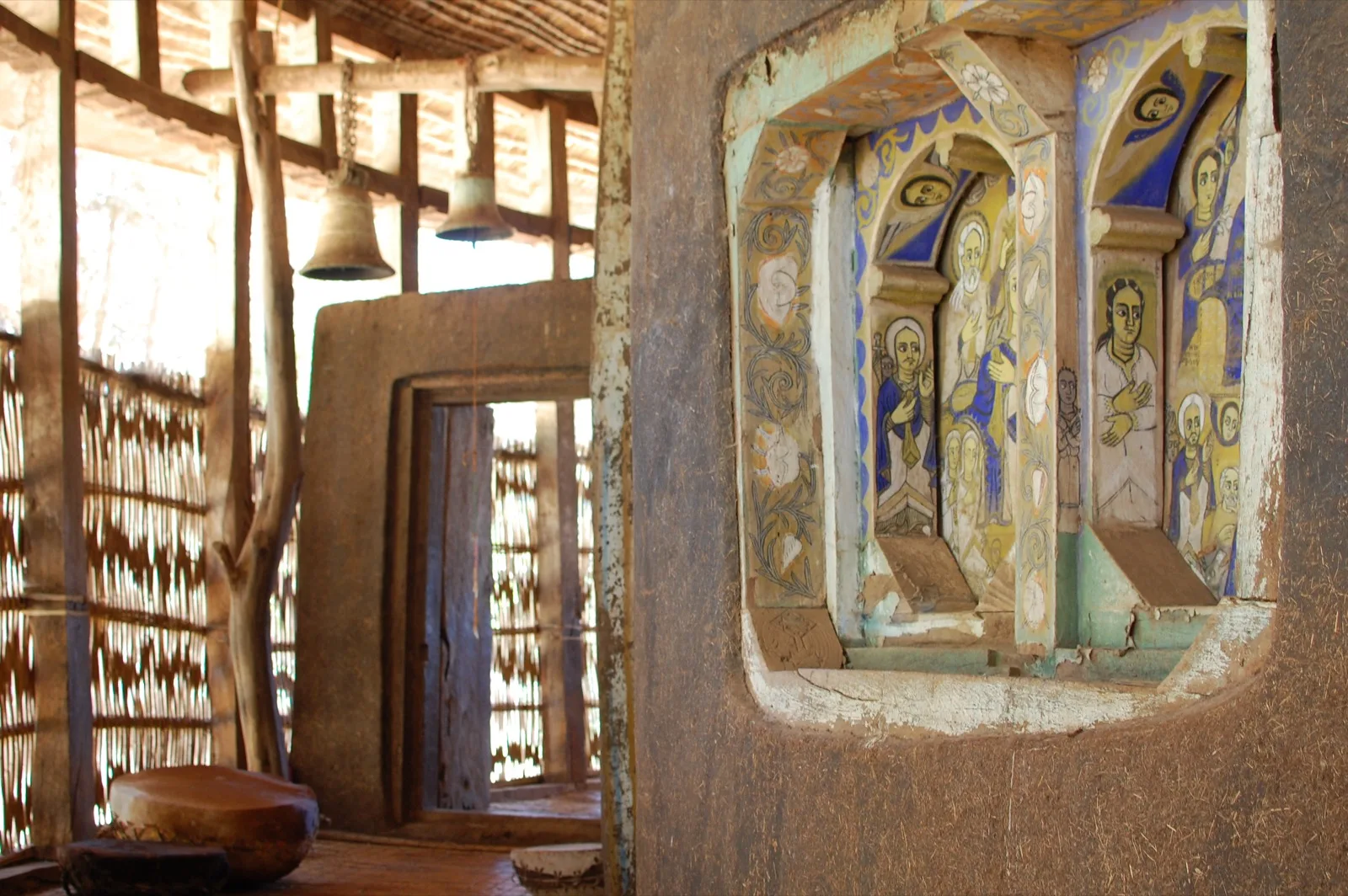
12 days · Itinerary
Northern Heritage with Lodge-Based Stays
Twelve days follow Bahir Dar, Lalibela, Gondar, the Simien Mountains, Axum and Hawzien.
Explore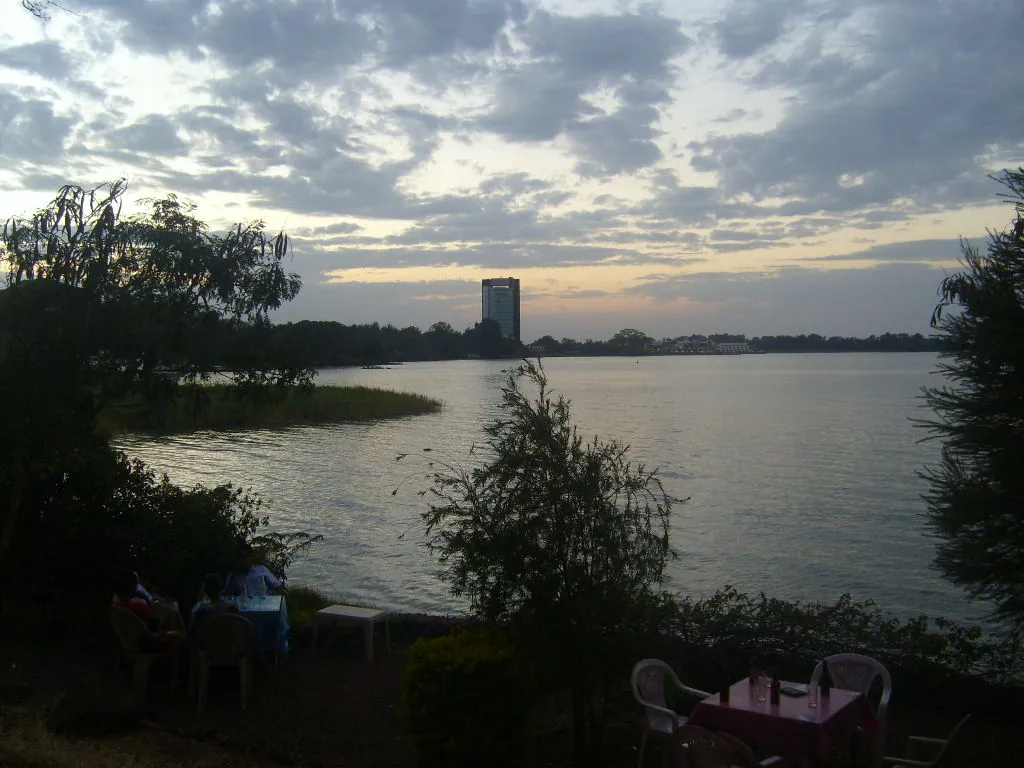
12 days · Itinerary
Northern Heritage and Simien Camping Circuit
Twelve days connect Bahir Dar, Lalibela and Gondar with four Simien walking stages, then continue through Axum and Gheralta before returning to Addis Ababa.
Explore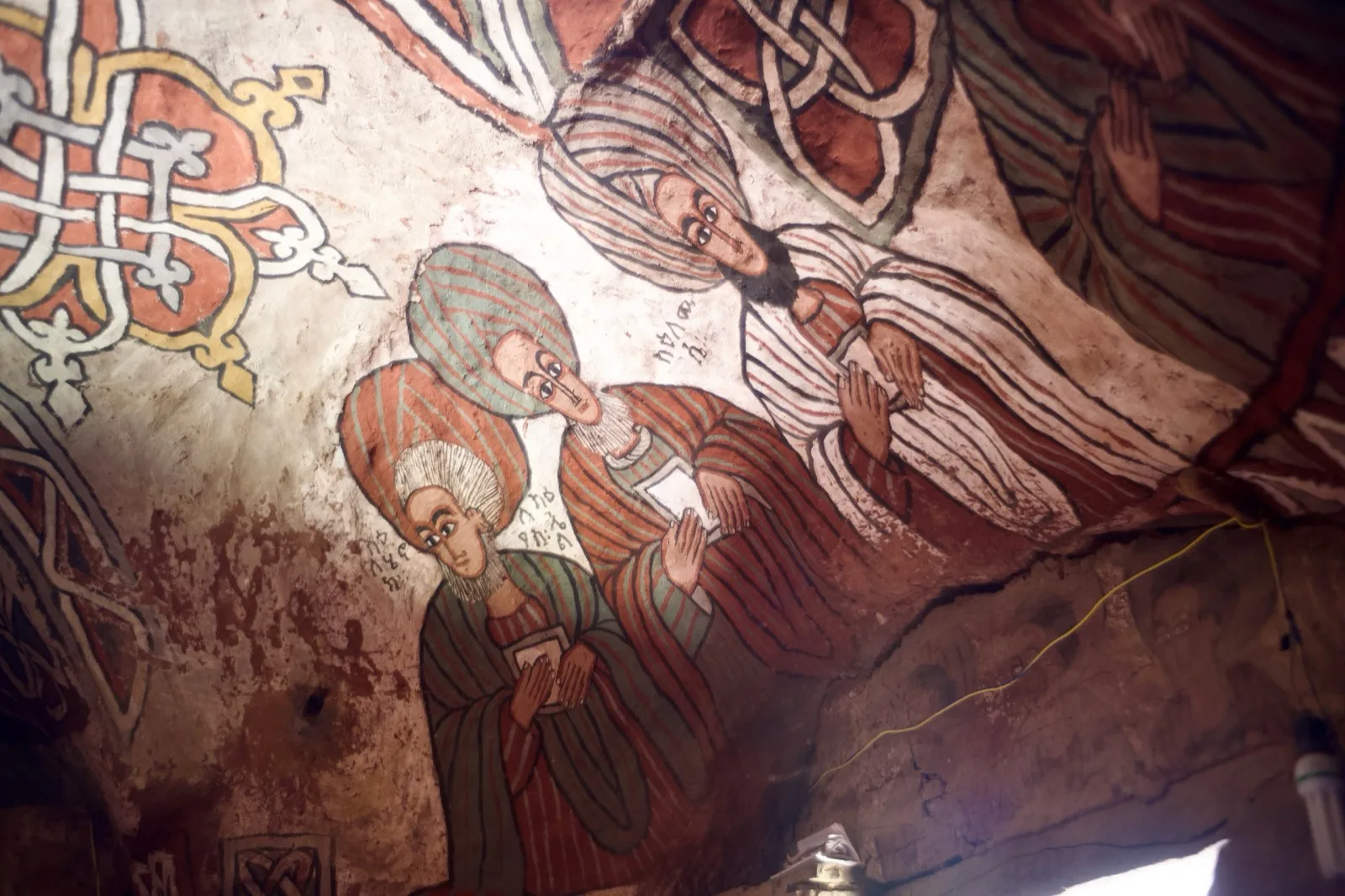
Route study
Historic North Circuit and Community Trekking
Explore a northern Ethiopia route concept combining Bahir Dar, Gondar, the Simien Mountains, Axum, Tigray community walking and Lalibela. The walking connection requires confirmation.
Explore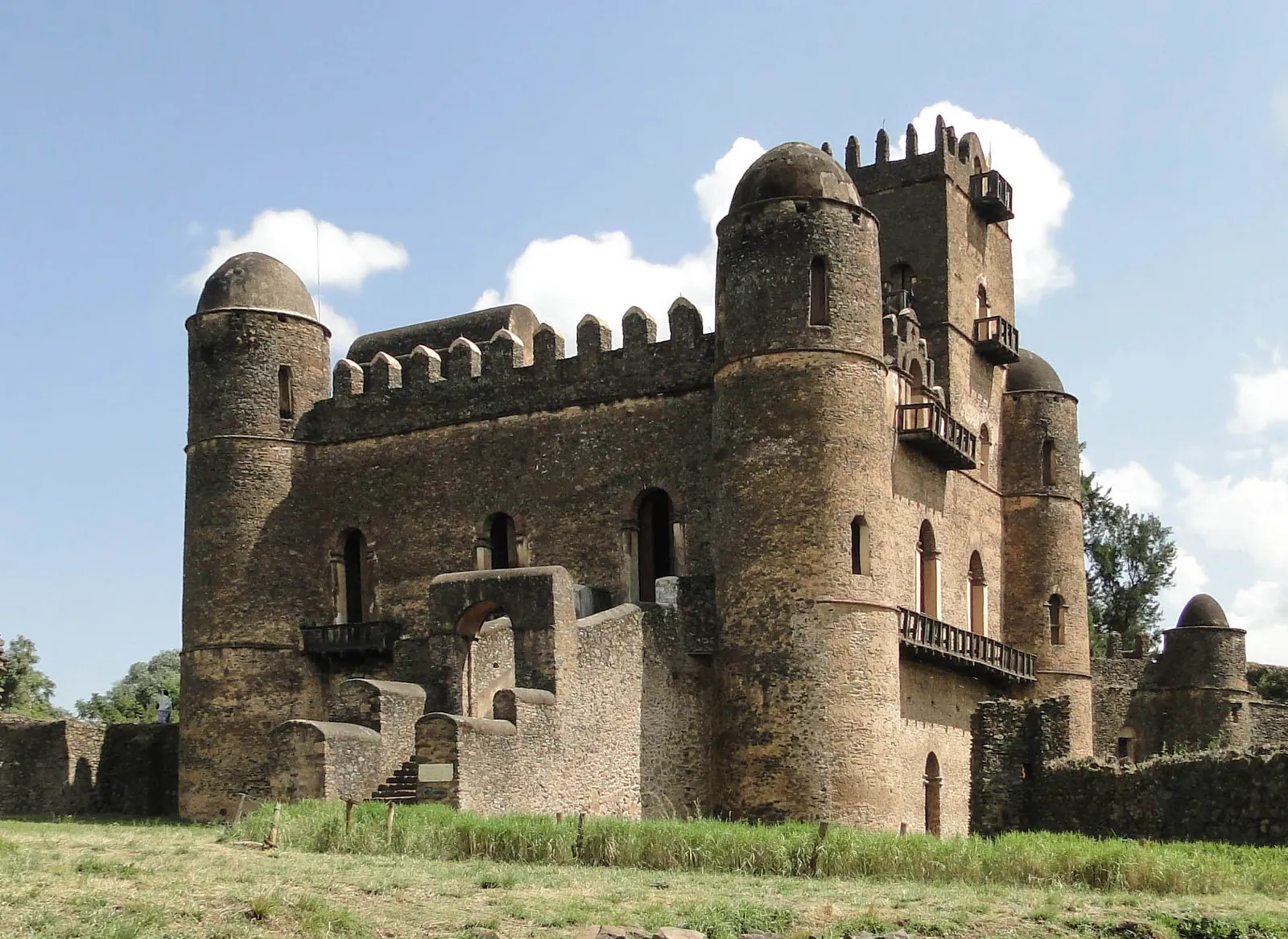
9 days · Itinerary
Nine Days through Ethiopia's Historic Towns
A nine-day heritage journey links Bahir Dar, Gondar, Lalibela and Axum with the old walled city of Harar in the east.
ExploreRoute study
Simien Mountains and Northern History
Combine the interests of Lalibela, Gondar and the Simien Mountains in a northern Ethiopia route study, with the final connection still to confirm.
Explore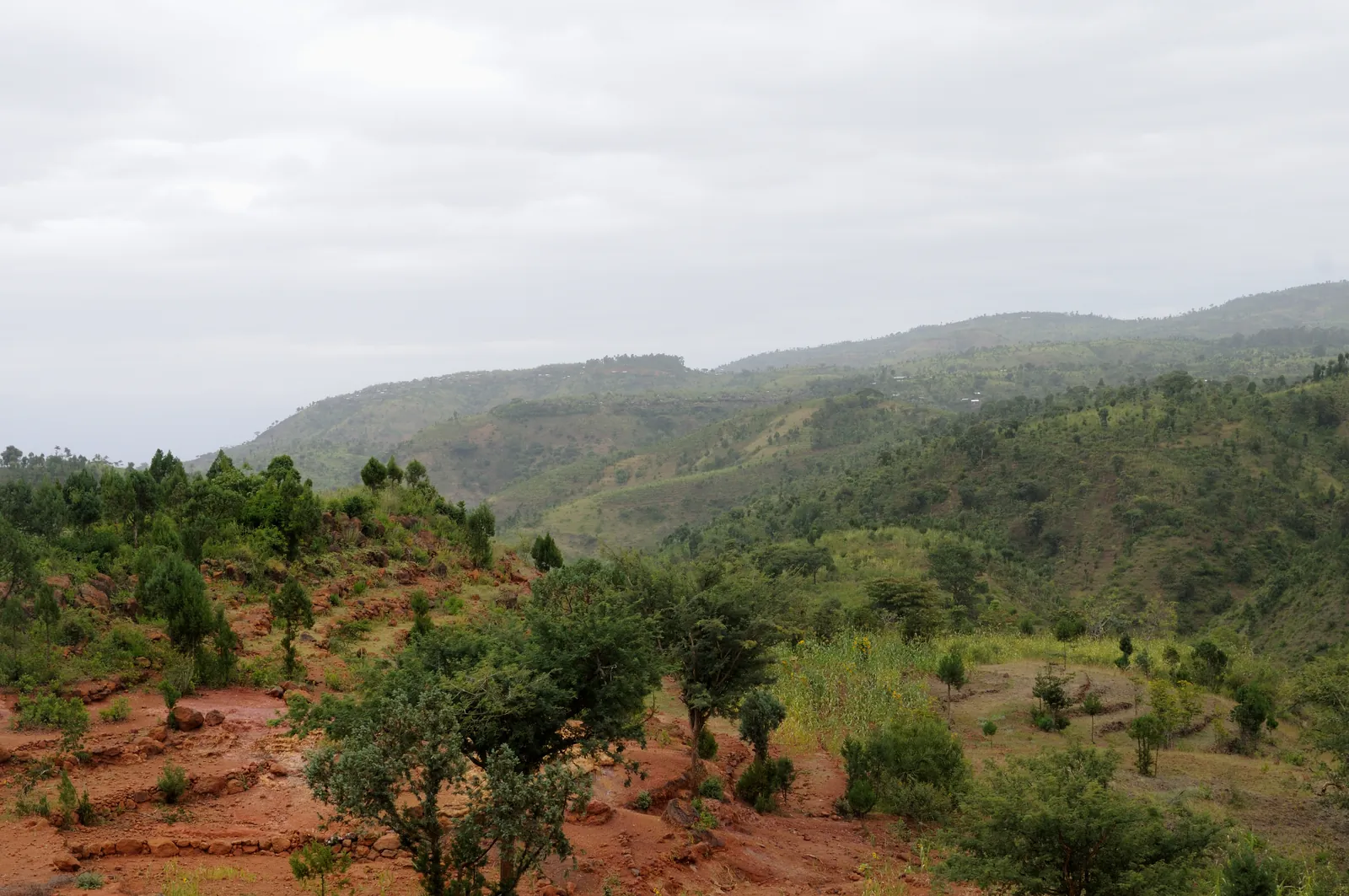
20 days · Itinerary
Twenty-Day Northern and Southern Ethiopia Survey
Twenty days join northern heritage cities and the Simien Mountains with Omo communities, Bale and the Rift lakes in one country-wide journey.
Explore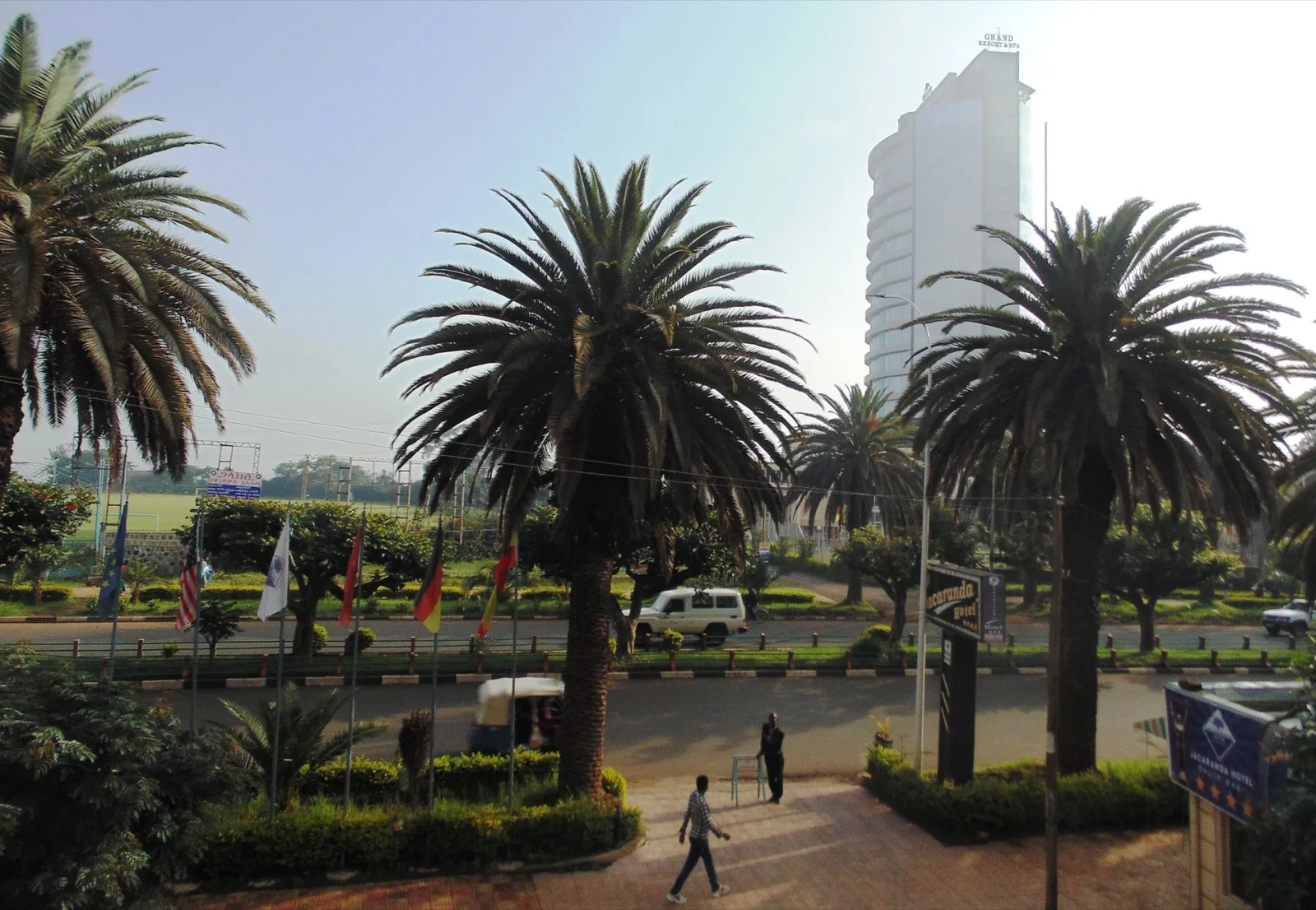
6 days · Itinerary
Six-Day Northern Heritage Sampler
Six days connect Lake Tana and Gondar with Axum and two Lalibela church days, returning to Addis Ababa. The focus stays on heritage sites rather than trekking.
Explore
13 days · Itinerary
Southern Cultures, Rift Lakes and Bale
Thirteen days connect Jinka and Turmi with Arba Minch, Hawassa, Bale and Langano.
Explore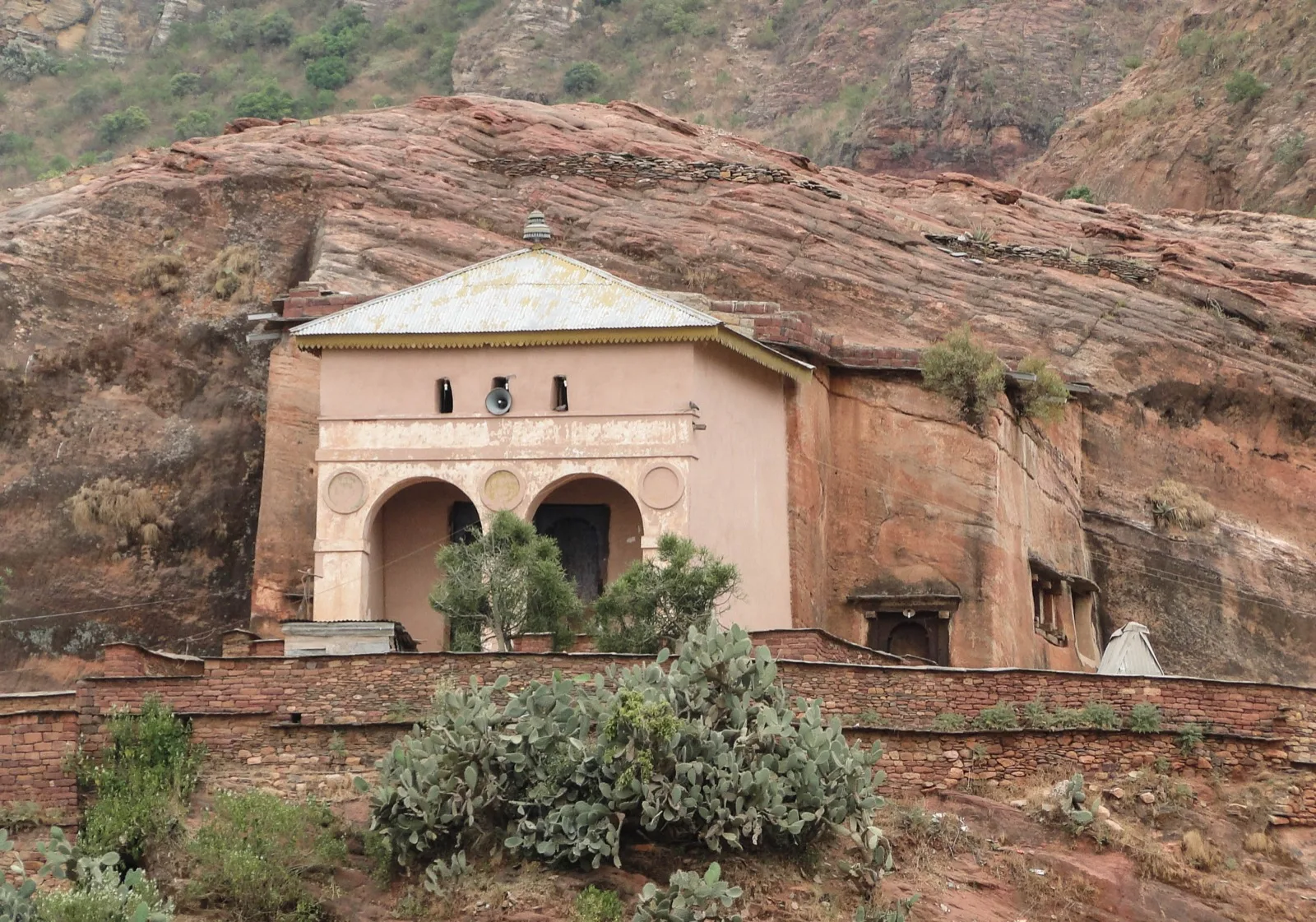
11 days · Itinerary
Tigray Community Trails and the Danakil
Eleven days connect Axum with a chain of Tigray community-trail locations before the route enters the Danakil for Erta Ale, Dallol and the salt lakes.
Explore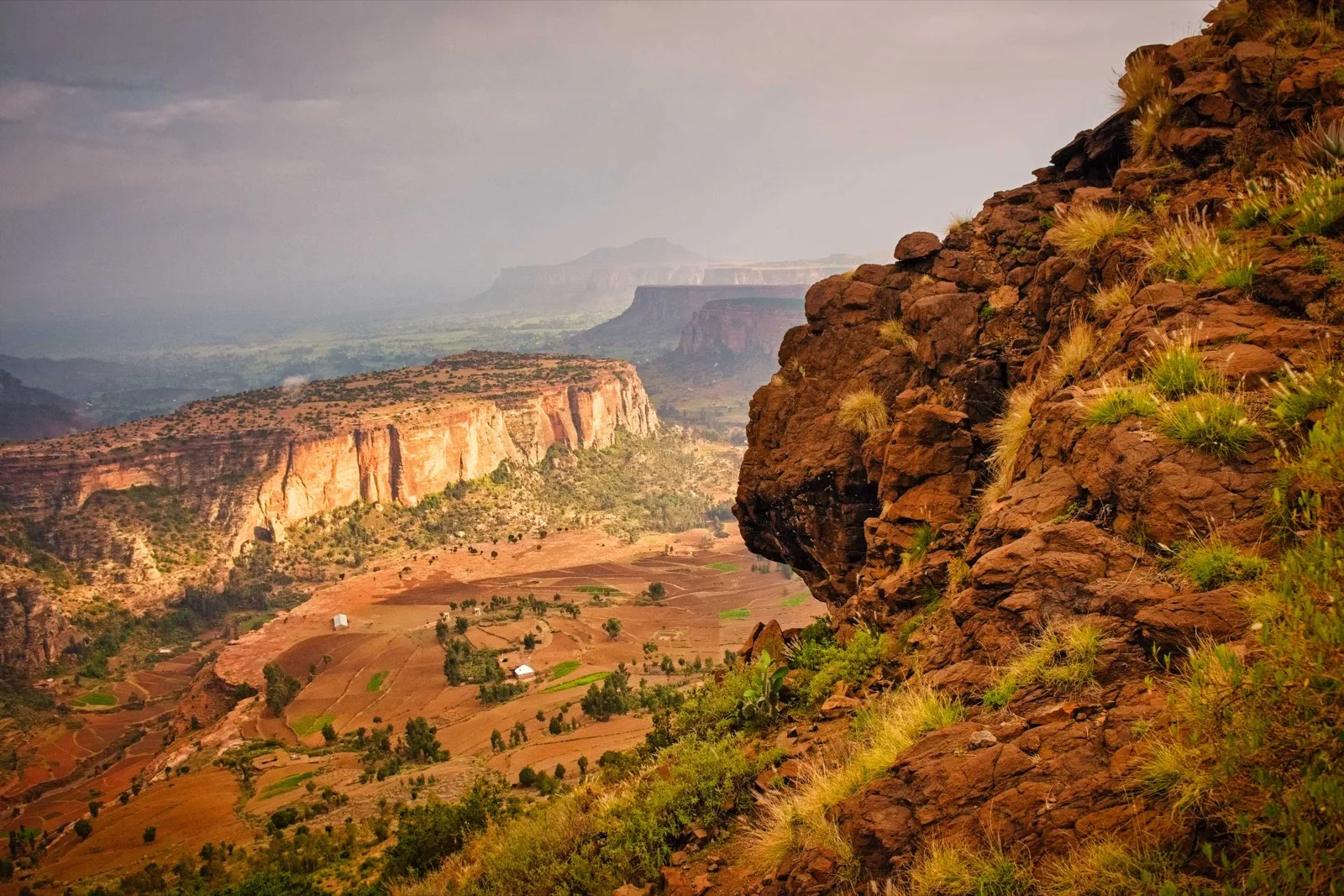
Route study
Community Trekking in Ethiopia: Route Study
Compare community walking around Wollo and Tigray with Lalibela, Gondar, the Simiens and Axum, and review the unresolved stages of this route concept.
Explore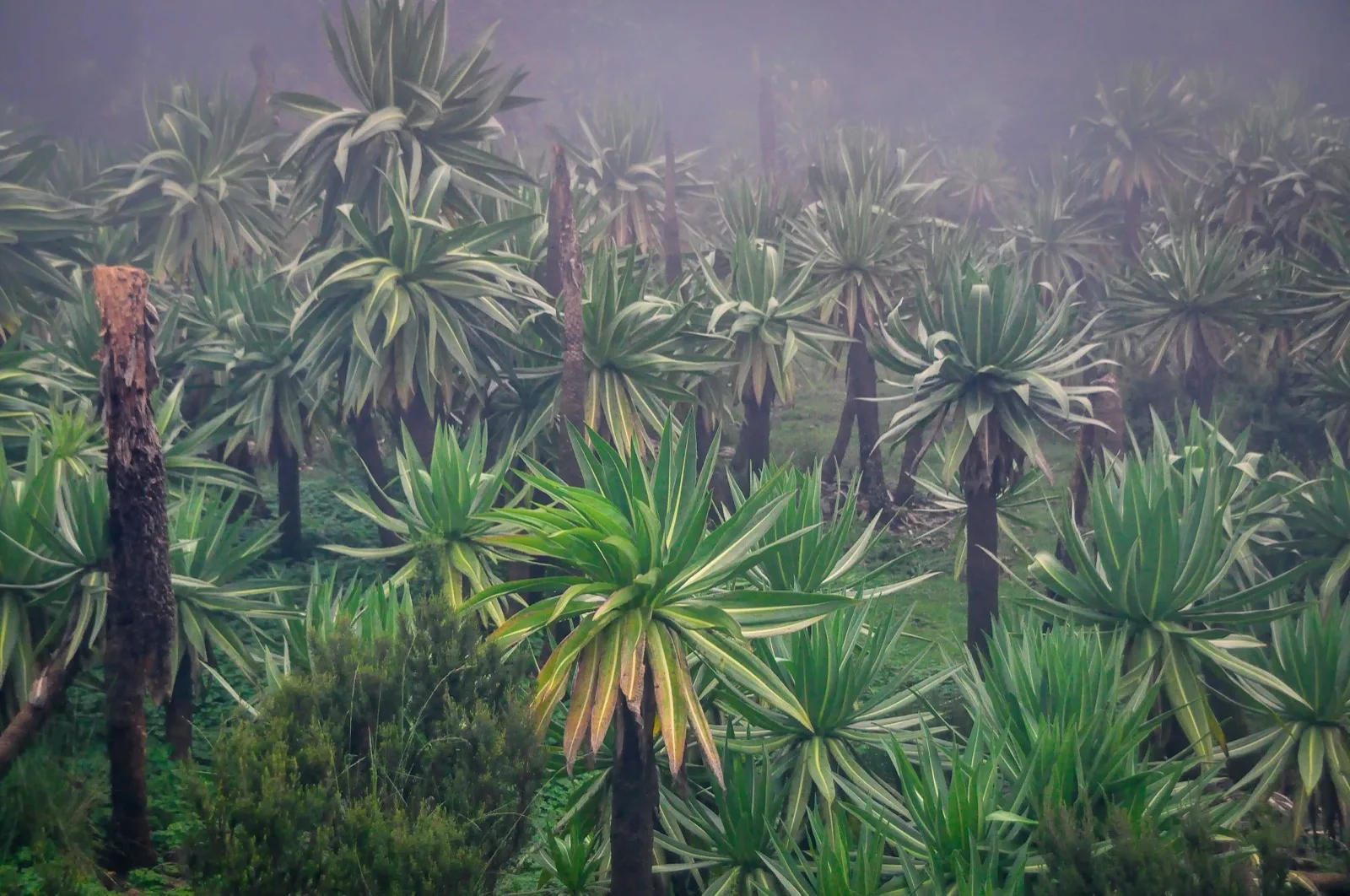
Route study
Peaks and Plateaus of Ethiopia
Compare Wollo and Tigray community walks, Lalibela, Gondar, the Simien Mountains and Axum in an Ethiopia route outline of twelve to thirteen days.
Explore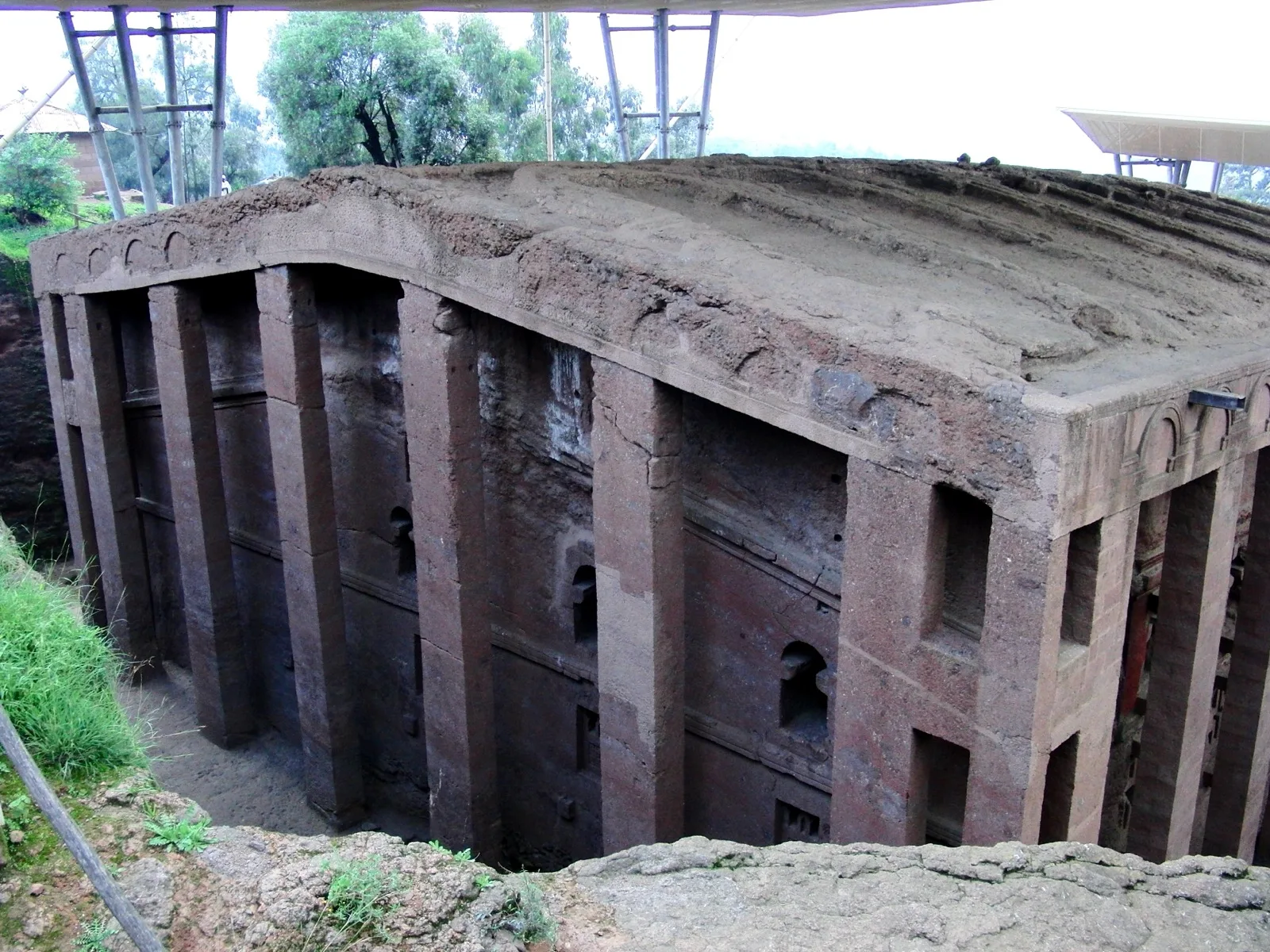
9 days · Historical Christmas programme
Lalibela Christmas and Northern Heritage: Historical Journey
A nine-day historical journey links Addis Ababa, Bahir Dar, Gondar and Axum with Lalibela and Tigray.
Explore5 days · Itinerary
Lalibela Churches and Highland Walking
Five days combine Lalibela's church groups with a Hudad approach, an optional Abuna Yosef outing and Yimrehane Kristos before returning to Addis Ababa.
Explore
5 days · Itinerary
Gondar and the Western Simien Ridges
Five days place Gondar before a Simien walking sequence through Imet Gogo and Bwahit, with a final return to Addis Ababa via Gondar.
Explore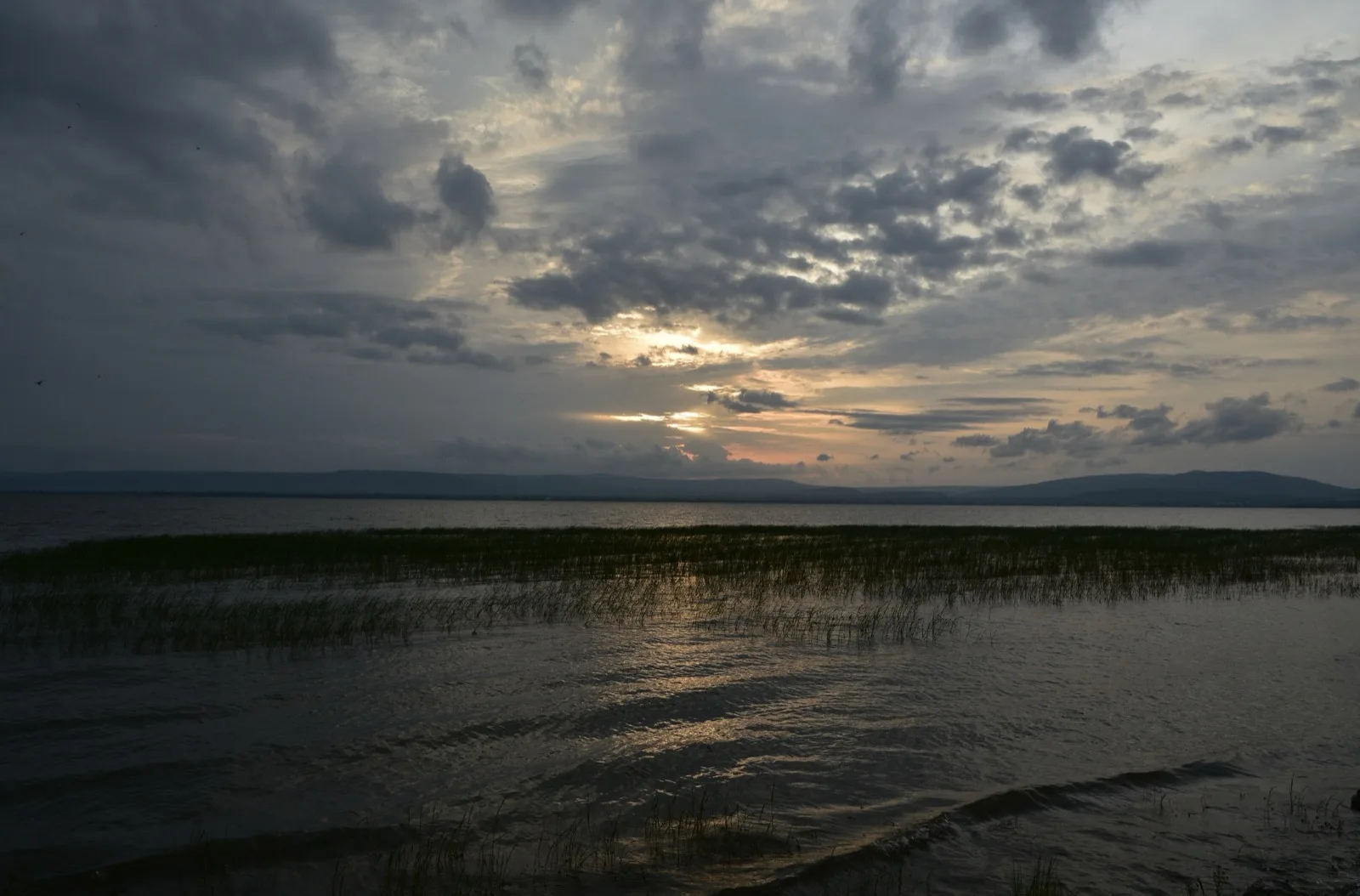
10 days · Itinerary
Ten-Day Rift Valley and Bale Nature Journey
Ten days link Awash, Langano, Hawassa and Bale, giving the park and lake sections their own days before returning through Robe to Addis Ababa.
Explore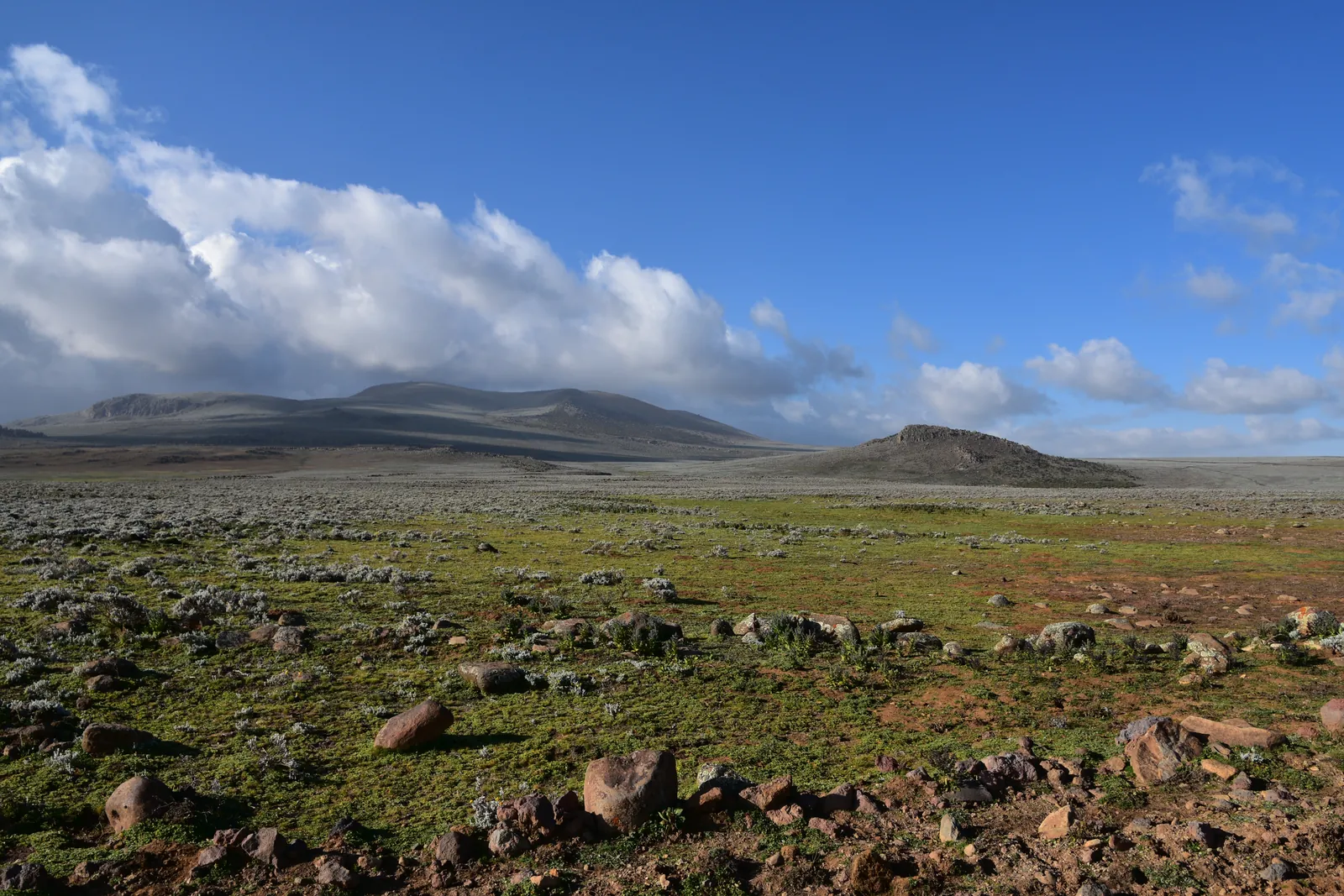
4 days · Itinerary
Four-Day Rift Valley and Bale Road Journey
A four-day sequence starts in Addis Ababa, reaches Langano through Ziway, continues into Bale and returns through Hawassa.
ExploreRelated places and journeys
Ethiopia guide
All Trips
Compare Ethiopia journeys by their route, time on foot and regional focus.
ExploreEthiopia guide
Ethiopia Guide
Start exploring Ethiopia with places, experiences and a few practical questions.
ExploreEthiopia guide
Hotels and lodges in Ethiopia
Choose between town hotels, landscape lodges and camping in Ethiopia, with a practical framework for matching accommodation to your route and priorities.
ExploreEthiopia guide
Gheralta Mountains and Rock Churches
Explore Gheralta’s sandstone landscape and rock churches, with planning questions about individual approaches, walking demands and respectful visits in Tigray.
ExploreEthiopia guide
Lalibela: churches, highlands and pilgrimage
Explore Lalibela's eleven rock-hewn churches, living worship and surrounding highlands, and build a visit with time for both architecture and context.
ExploreEthiopia guide
The Highlands Around Lalibela
Explore the highlands around Lalibela through monasteries, landscape walks and community trekking, with questions to choose an approach suited to your interests.
ExploreEthiopia guide
Gondar: castles, churches and highland connections
Explore Gondar's Royal Enclosure, painted church interiors and relationship with the Simien Mountains, with a plan that gives the city its own attention.
ExploreEthiopia guide
Simien Mountains: escarpments and walking choices
Explore the Simien Mountains through escarpment scenery, endemic wildlife and distinct walking routes, with guidance on choosing the right mountain plan.
ExploreEthiopia guide
Omo Valley: people, landscapes and respectful visits
Understand the Lower Omo Valley as a living cultural landscape, with guidance on locally agreed visits, photography, different bases and thoughtful pacing.
ExploreEthiopia guide
Bale Mountains: plateau, forest and wildlife
Discover the Bale Mountains through the Sanetti Plateau, Harenna Forest and grasslands, and plan time around their distinct habitats and walking interests.
Explore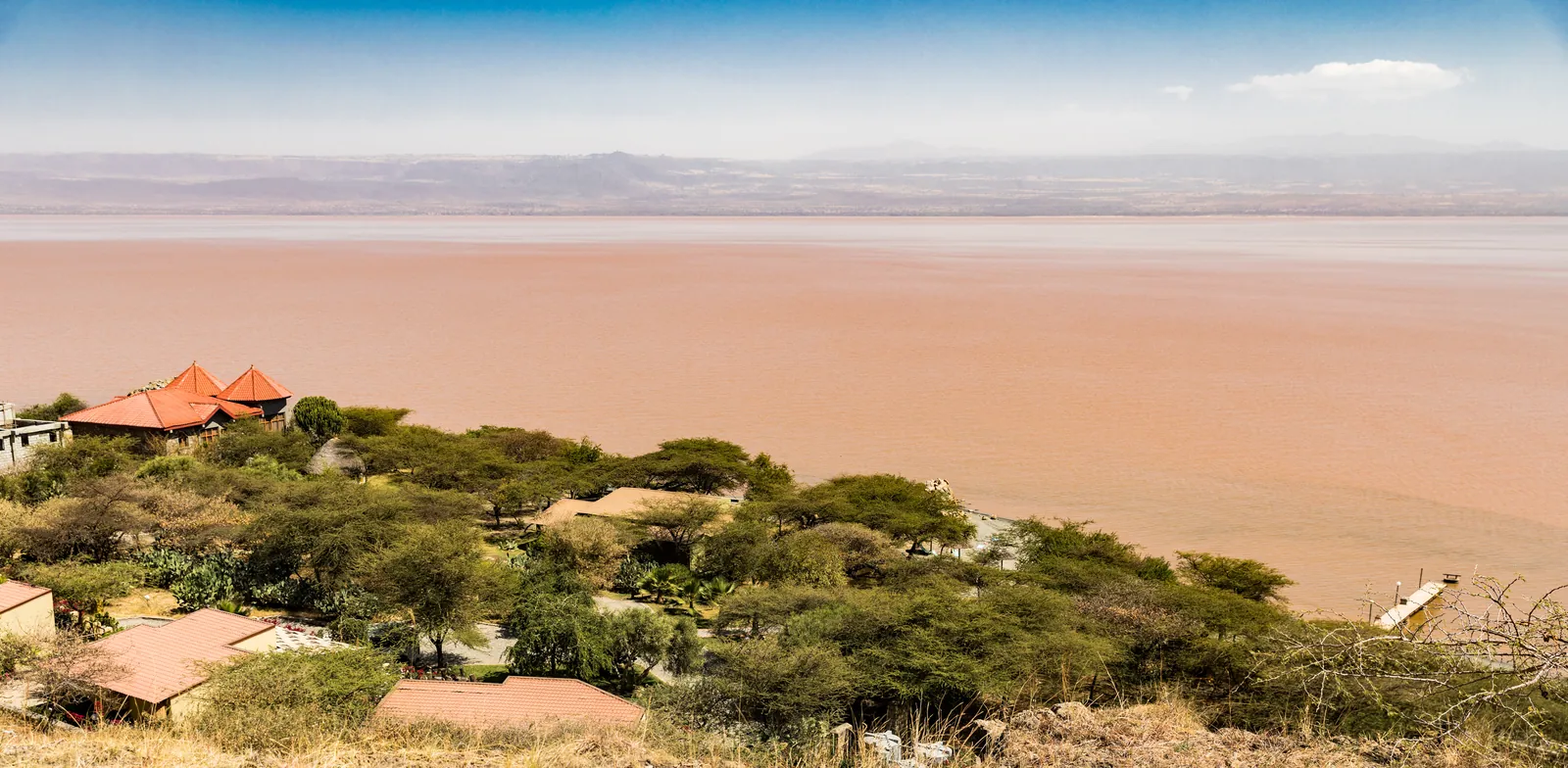
Ethiopia guide
Ethiopia's lakes: choosing a route
Compare Lake Tana, the Rift Valley lakes and other Ethiopian water landscapes by setting, wildlife interests and the journey you want to build around them.
ExploreEthiopia guide
Lake Langano: A Rift Valley Stop
Consider Lake Langano within a Rift Valley journey, with ideas for a slower lakeside stay and clear questions about accommodation, activities and onward travel.
Explore
Ethiopia guide
Addis Ababa: culture, history and city time
Plan meaningful time in Addis Ababa around history, neighbourhood life, food and the city's highland setting, with a realistic pace between visits.
Explore
Ethiopia guide
Lake Chamo Near Arba Minch
Discover Lake Chamo’s place in a southern Ethiopia route, with a thoughtful approach to birdlife, wildlife viewing and the details of any proposed boat excursion.
ExploreShape your journey
Bring your preferred dates, interests and pace together in a planning draft.