
Camping in Ethiopia: choosing the setting
Camping in Ethiopia can mean a highland trekking stage, a forest overnight or part of a remote expedition. Those settings require different arrangements, so the word camping should introduce a discussion rather than stand as a complete specification.
The day around the overnight
Camping changes more than the bed: it affects how a walking day ends, where meals are prepared and how people, baggage and waste move through the landscape. A useful itinerary connects each night to its preceding and following stages, with the roles of guides, cooks and any baggage support explained.
The environmental practice matters at the actual site. Confirm how drinking water and washing are handled, where toilets are located and how waste leaves the area. These arrangements need to work for both guests and the people supporting the journey; they are not decorative details to add after the route is sold.
Five landscapes and their different camp roles
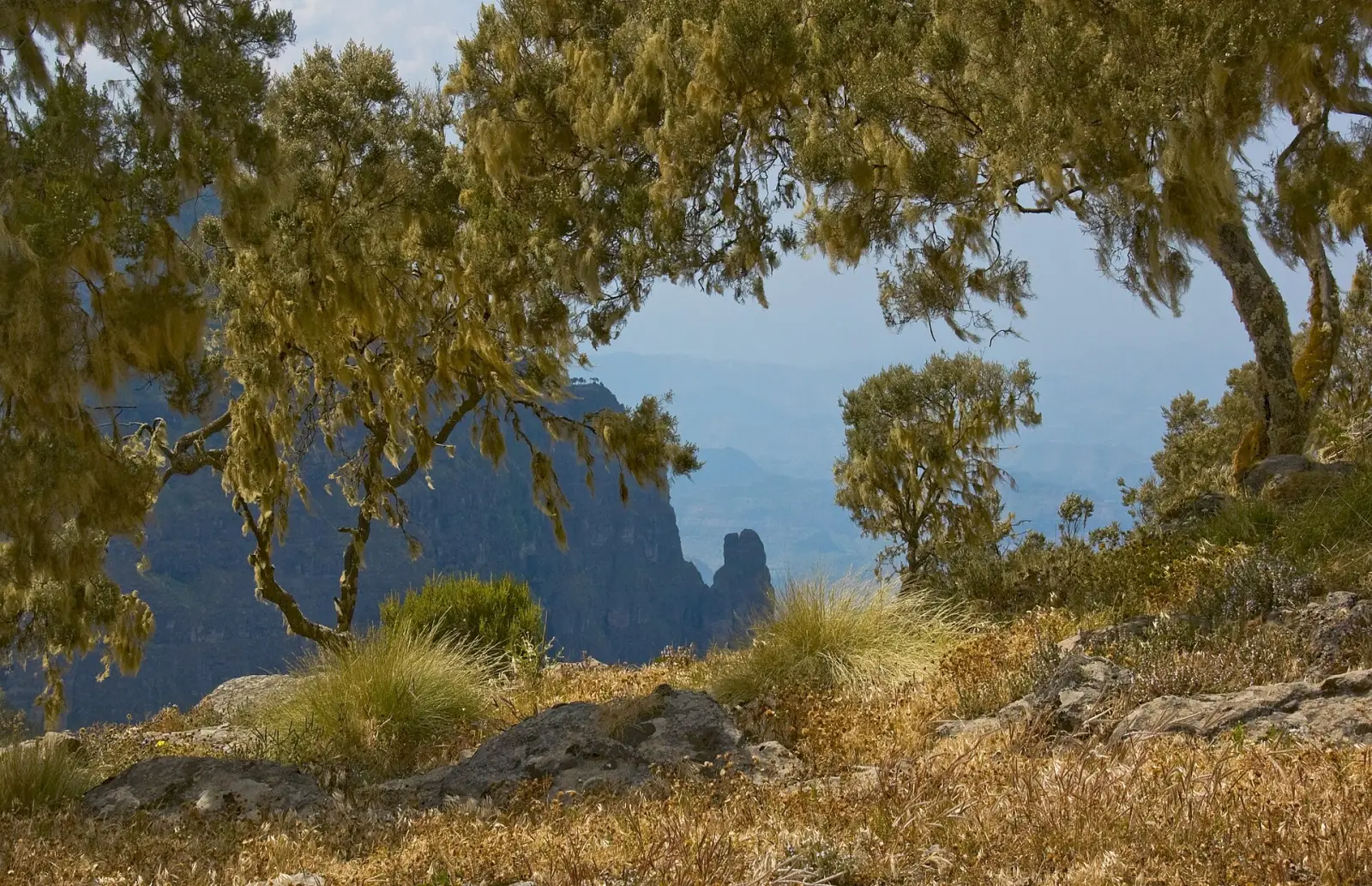
In the Simiens, camps can connect walking stages such as Sankaber, Gich and Chenek. In Bale, names such as Dinsho, the Web Valley and Rafu belong to a different habitat sequence. Gambella’s historical tented and fly-camp concept follows lowland wildlife interests.
Danakil nights support a geological expedition, while an Omo river camp supports time in river country and locally agreed encounters. These five settings explain why the word camping is not a complete description of the experience.
Ethiopia guide
Staying in the Simien Mountains
Compare lodge nights, camping stages and mixed stays in the Simien Mountains, with a focus on walking aims, altitude and the shape of your route.
Explore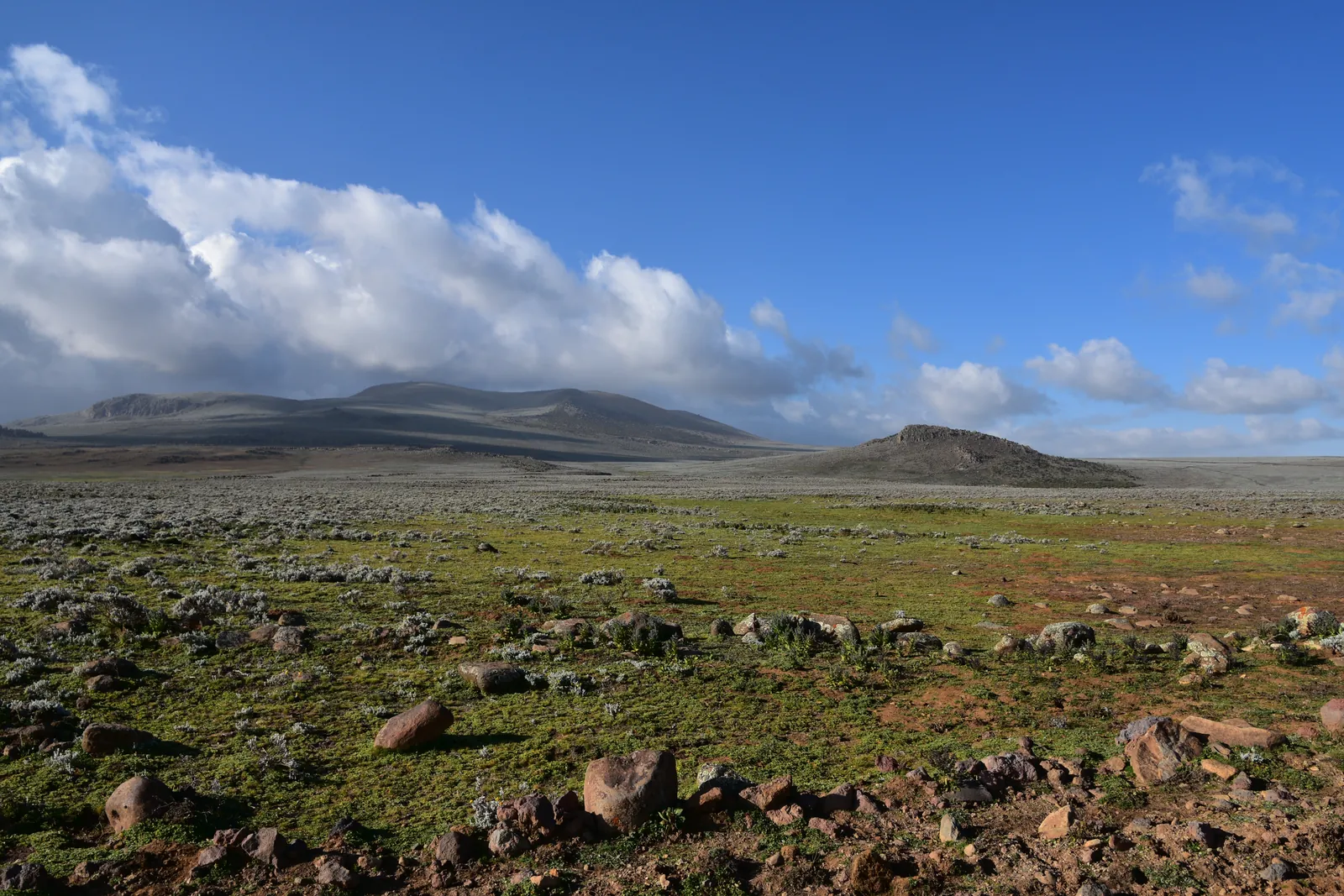
Ethiopia guide
Camping routes in the Bale Mountains
Consider Bale Mountains camping through the habitats, walking stages and overnight support that distinguish a multi-day trek from a lodge-based visit.
ExploreEthiopia guide
Gambella National Park: landscape and planning
Understand Gambella's western lowland wildlife landscape and the specialist access, seasonal knowledge and current permissions needed to assess a visit.
Explore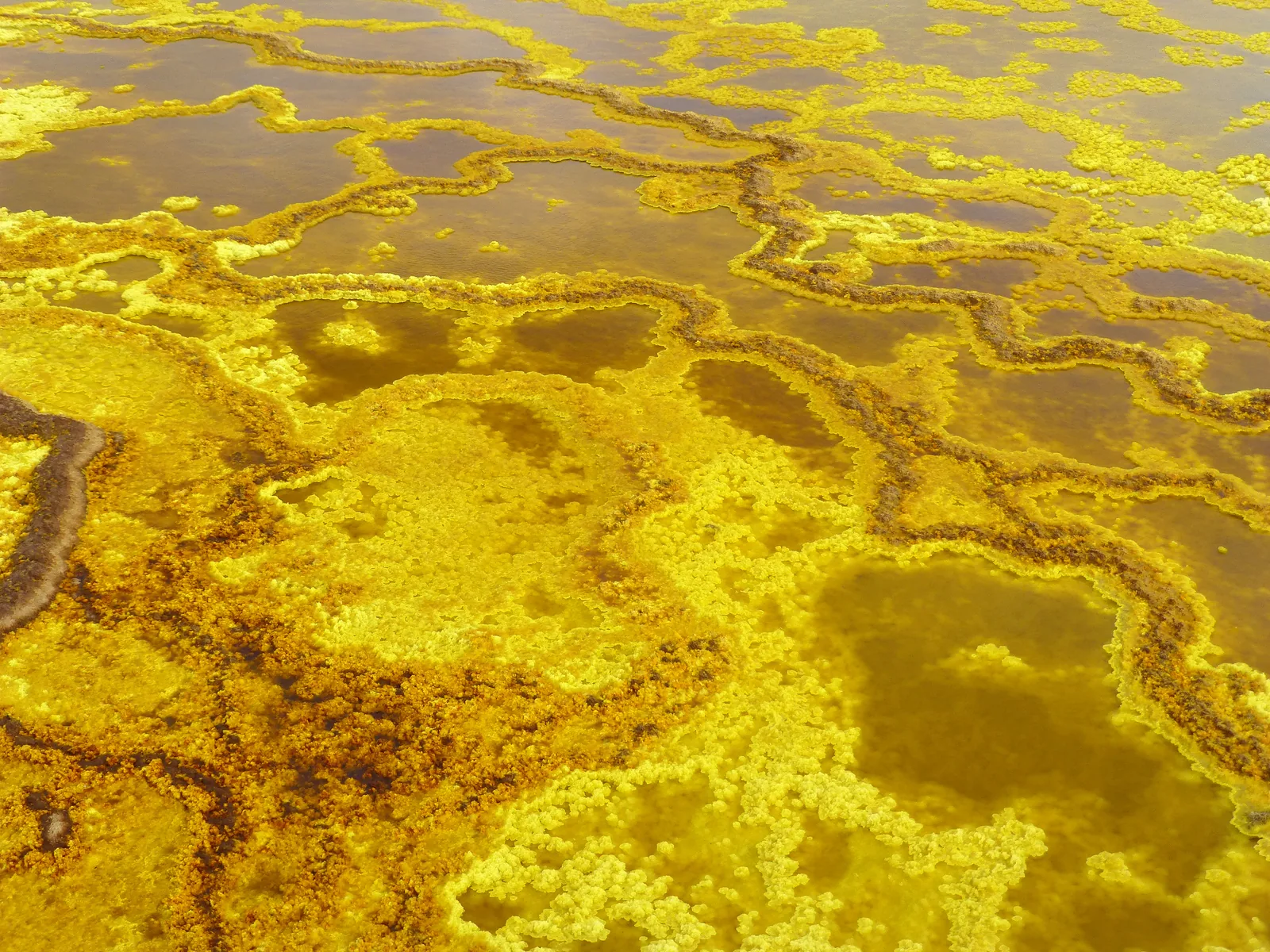
Ethiopia guide
Overnight arrangements in the Danakil
Understand why Danakil accommodation needs a detailed itinerary-specific discussion of sleeping arrangements, sanitation, water and each night's location.
Explore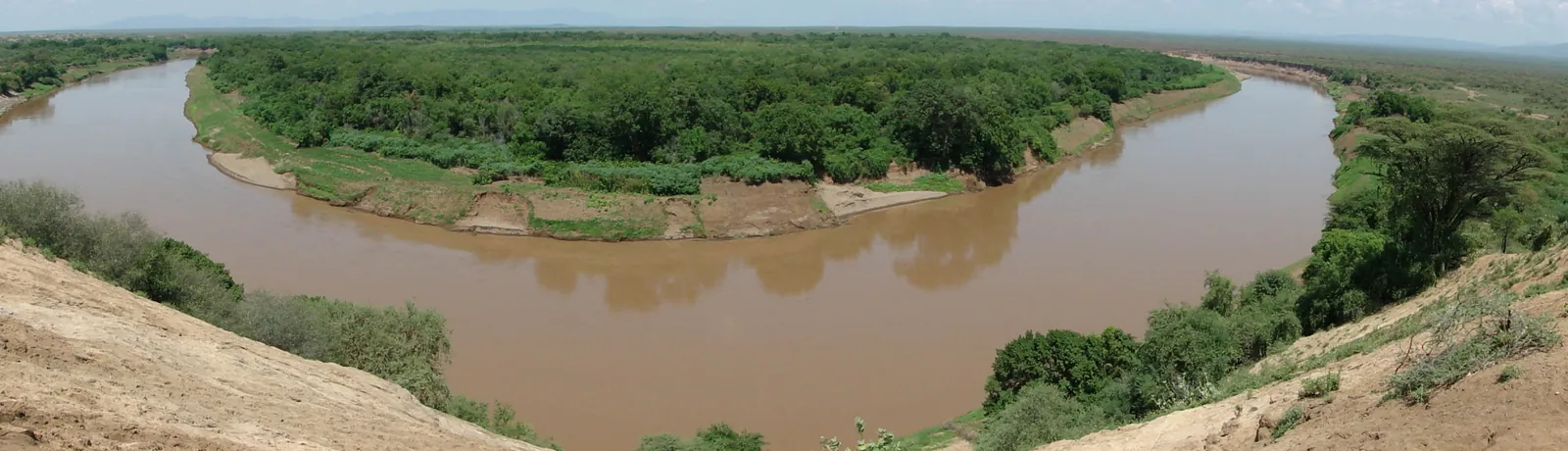
Ethiopia guide
Lale's Camp and the Omo River landscape
Explore the remote river setting historically associated with Lale's Camp and the access, hosting and environmental questions needed for a careful plan.
ExploreWhat changes between a fixed camp and a moving camp
A fixed tented camp may have beds and established shared facilities. A moving walking camp follows the stages and needs equipment and food to travel with the group. A temporary fly camp introduces another level of simplicity and a separate support plan.
Compare the sleeping surface, shelter, washing arrangement, meals and baggage movement explicitly. A photograph of a furnished tent is not a specification for the next night of a trekking itinerary.
Let the landscape define the plan
A Simien trek follows a sequence of walking stages, while a Danakil overnight belongs to a vehicle-based expedition. Compare the purpose of the night, the expected environment and the route it supports before choosing equipment.
Specify the camp
Ask about shelter, sleeping equipment, toilets, meals, water and how baggage is handled. Establish who provides each item, what you carry yourself and how the group will leave the place free of waste.
Respect hosts and park rules
A suitable-looking patch of ground is not permission to camp. Overnight locations and local staffing must be agreed through the appropriate custodians and current park or community arrangements.
Journeys to explore alongside this guide
Use these related route ideas to compare the places, interests and time involved. Open each outline for its route context and any details still requiring review.
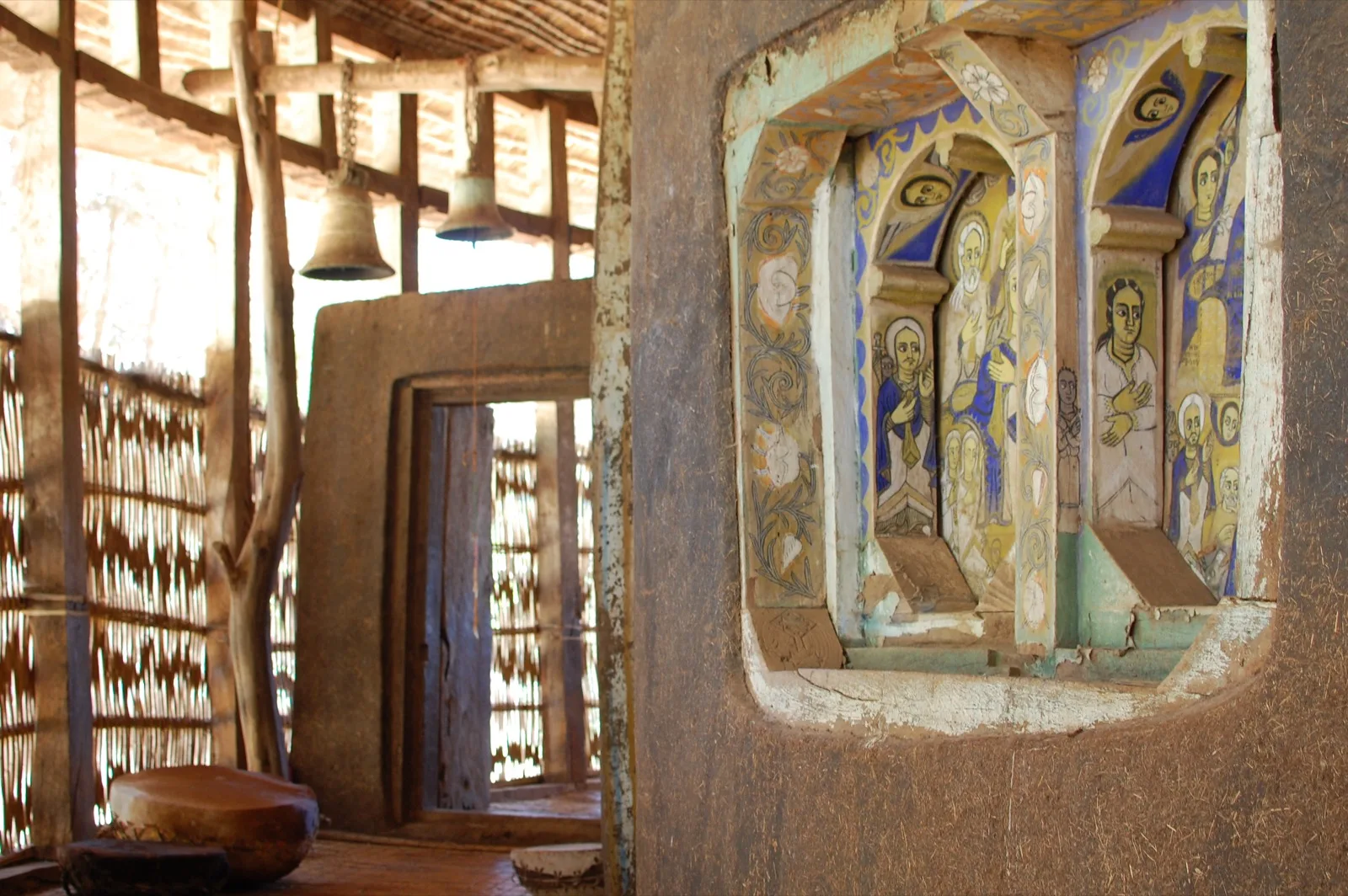
12 days · Itinerary
Northern Heritage with Lodge-Based Stays
Twelve days follow Bahir Dar, Lalibela, Gondar, the Simien Mountains, Axum and Hawzien.
Explore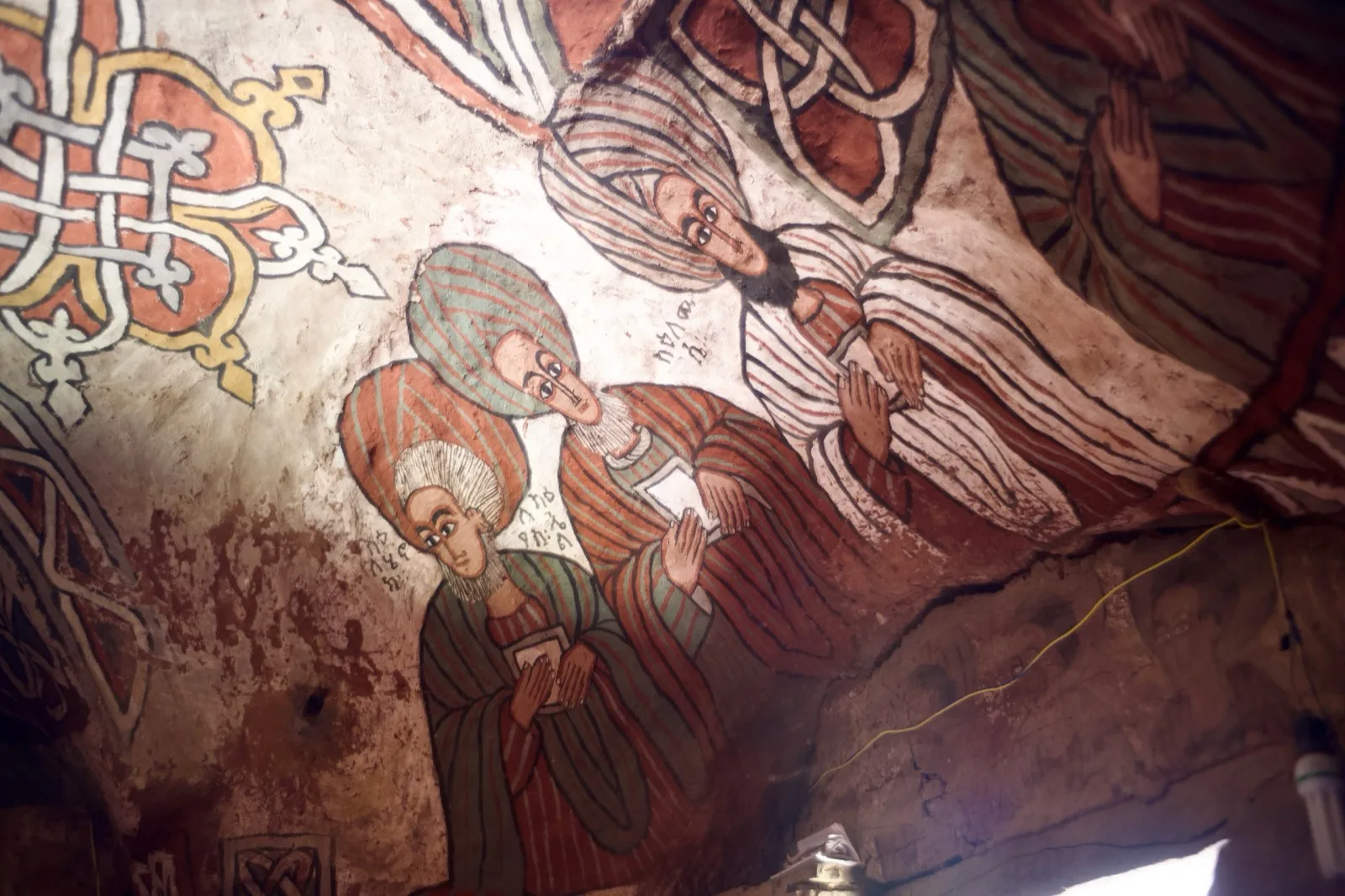
Route study
Historic North Circuit and Community Trekking
Explore a northern Ethiopia route concept combining Bahir Dar, Gondar, the Simien Mountains, Axum, Tigray community walking and Lalibela. The walking connection requires confirmation.
Explore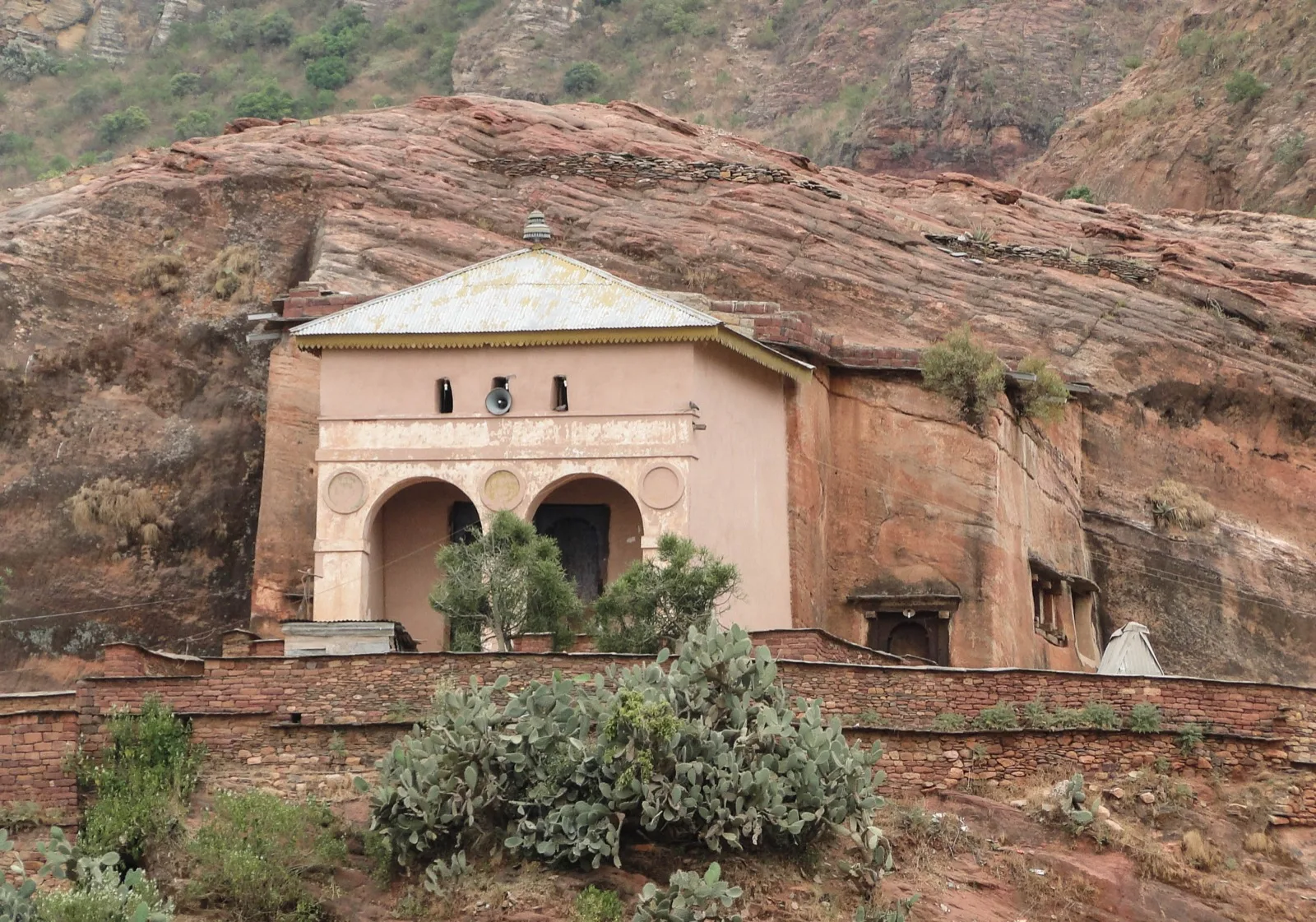
11 days · Itinerary
Tigray Community Trails and the Danakil
Eleven days connect Axum with a chain of Tigray community-trail locations before the route enters the Danakil for Erta Ale, Dallol and the salt lakes.
Explore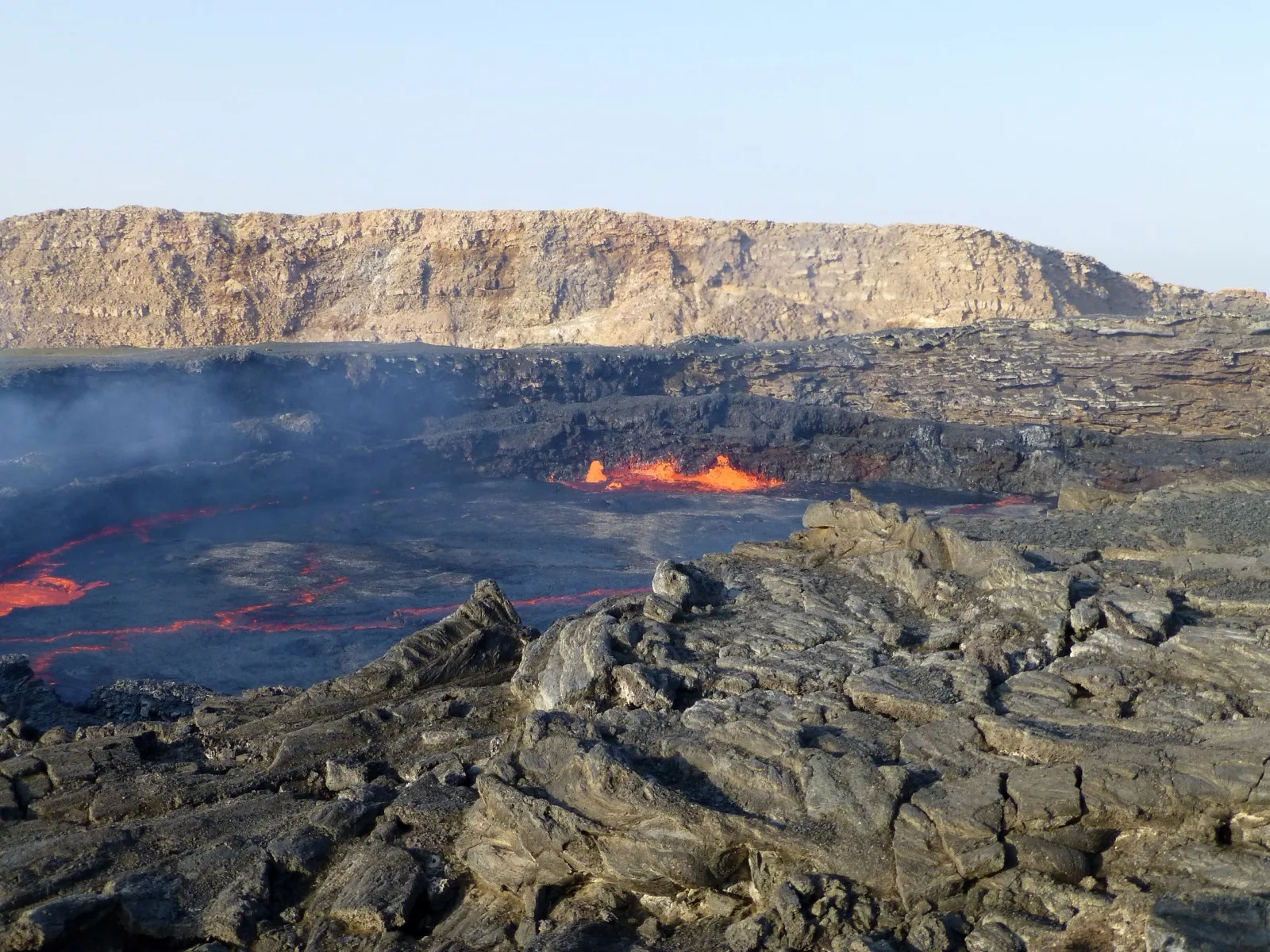
3 days · Itinerary
Three-Day Danakil Volcanic Traverse
Three days link Mekele with Erta Ale via Aksoma, then Hamed Ela, Dallol and Lake Afrera before the return to Mekele.
Explore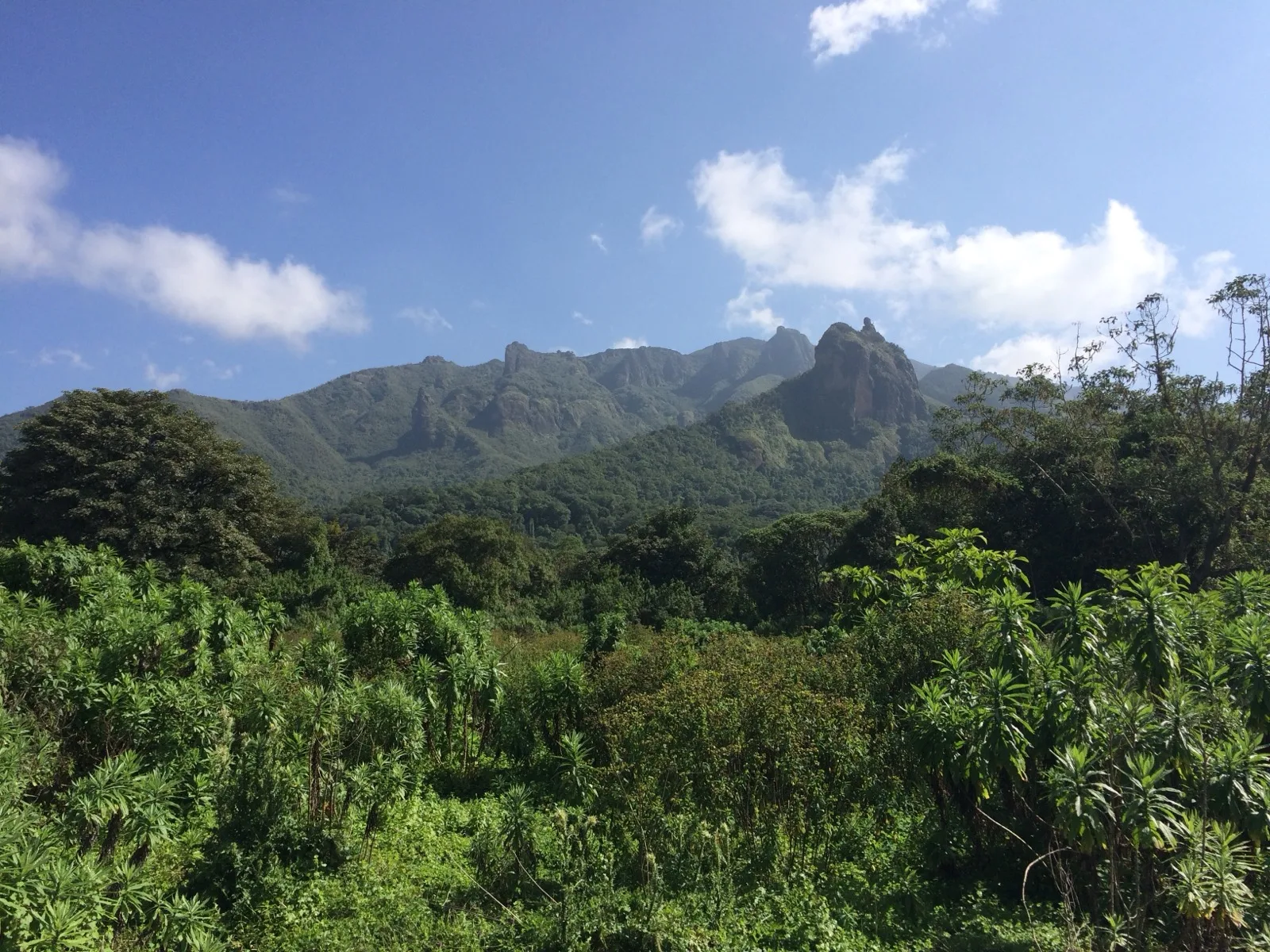
Route study
Trekking and Camping in the Bale Mountains
Explore a Bale Mountains camping and trekking concept across plateau and forest environments, with its overall length still to confirm.
Explore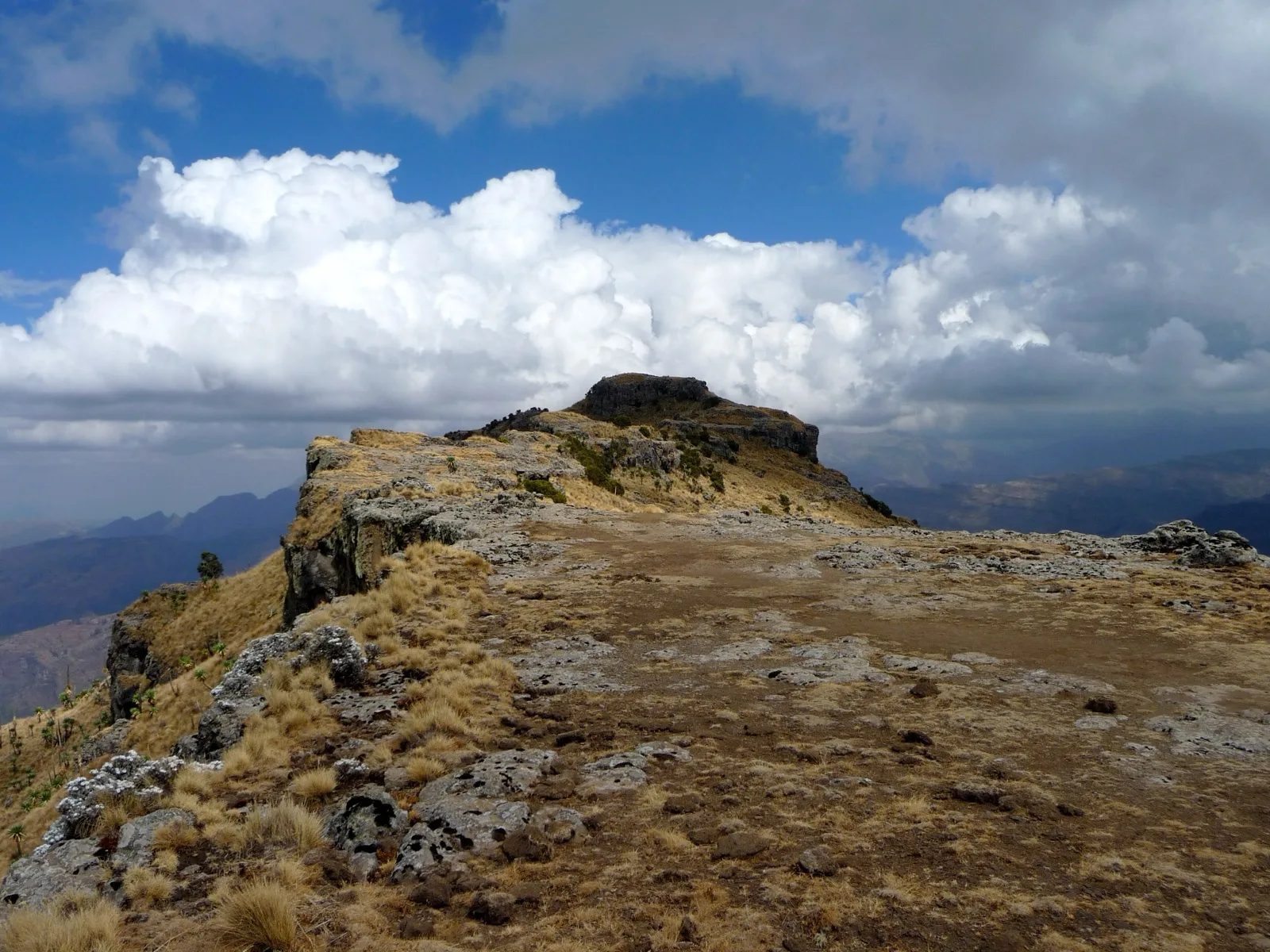
Route study
Trekking in the Simien Mountains: Route Study
Follow the named Simien trekking stages through Sankaber, Gich, Chenek, Ambiko and Ras Dashen, with the return from Menteber still to confirm.
Explore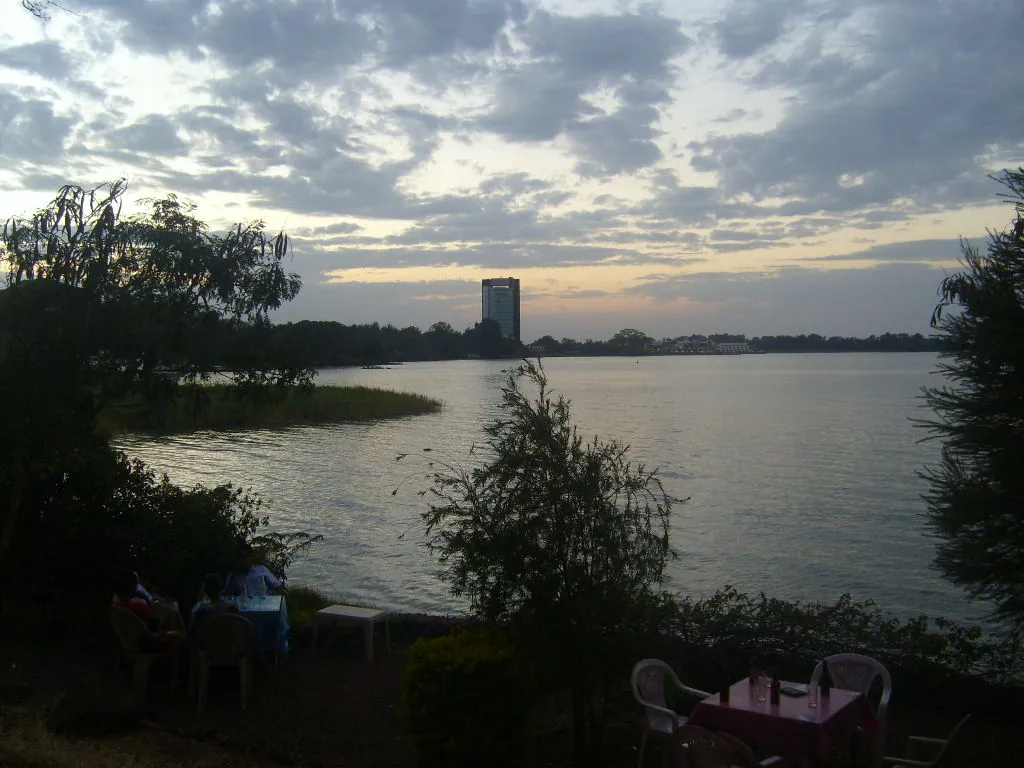
12 days · Itinerary
Northern Heritage and Simien Camping Circuit
Twelve days connect Bahir Dar, Lalibela and Gondar with four Simien walking stages, then continue through Axum and Gheralta before returning to Addis Ababa.
ExploreRoute study
Simien Mountains and Northern History
Combine the interests of Lalibela, Gondar and the Simien Mountains in a northern Ethiopia route study, with the final connection still to confirm.
Explore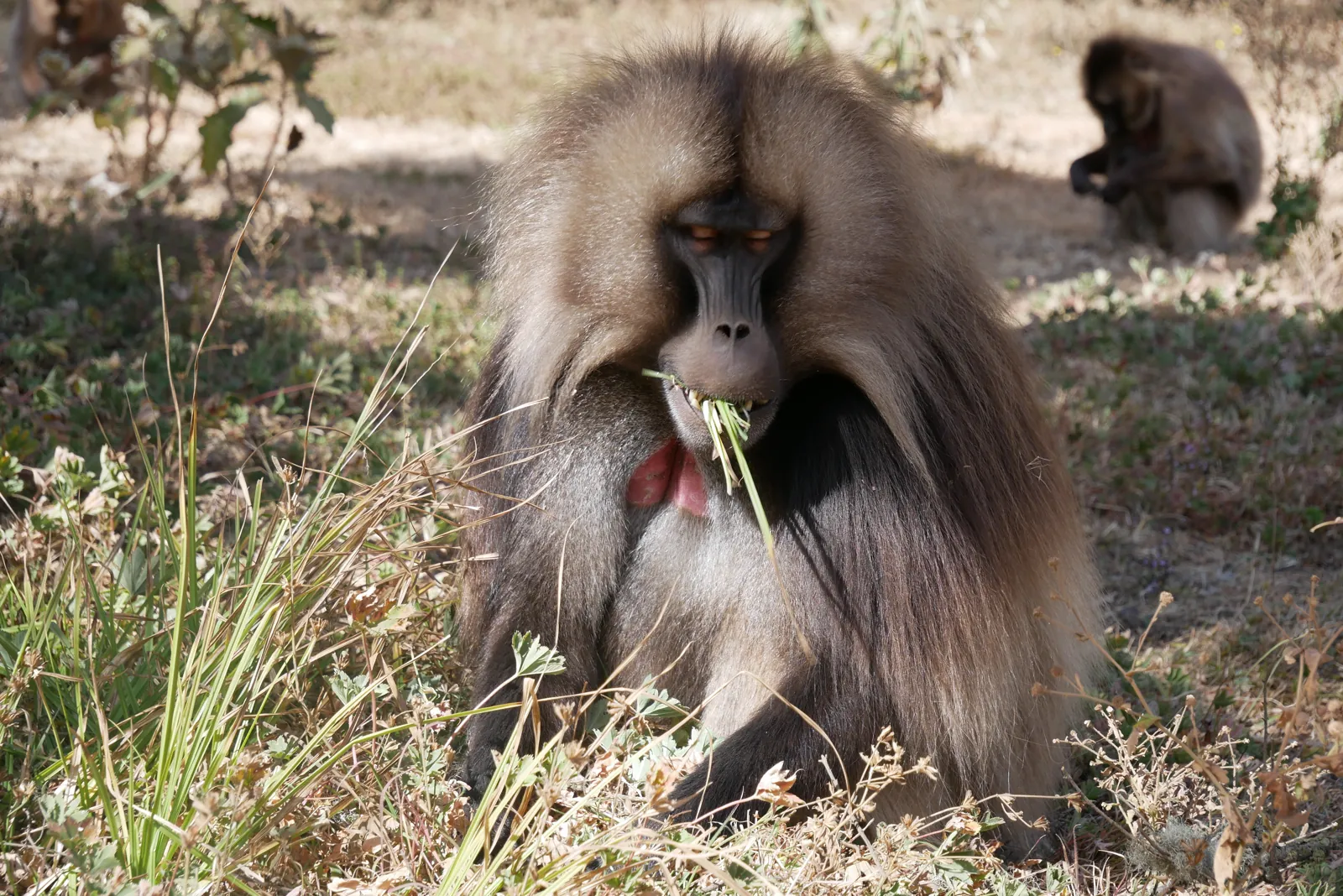
5 days · Itinerary
Gondar and the Western Simien Ridges
Five days place Gondar before a Simien walking sequence through Imet Gogo and Bwahit, with a final return to Addis Ababa via Gondar.
Explore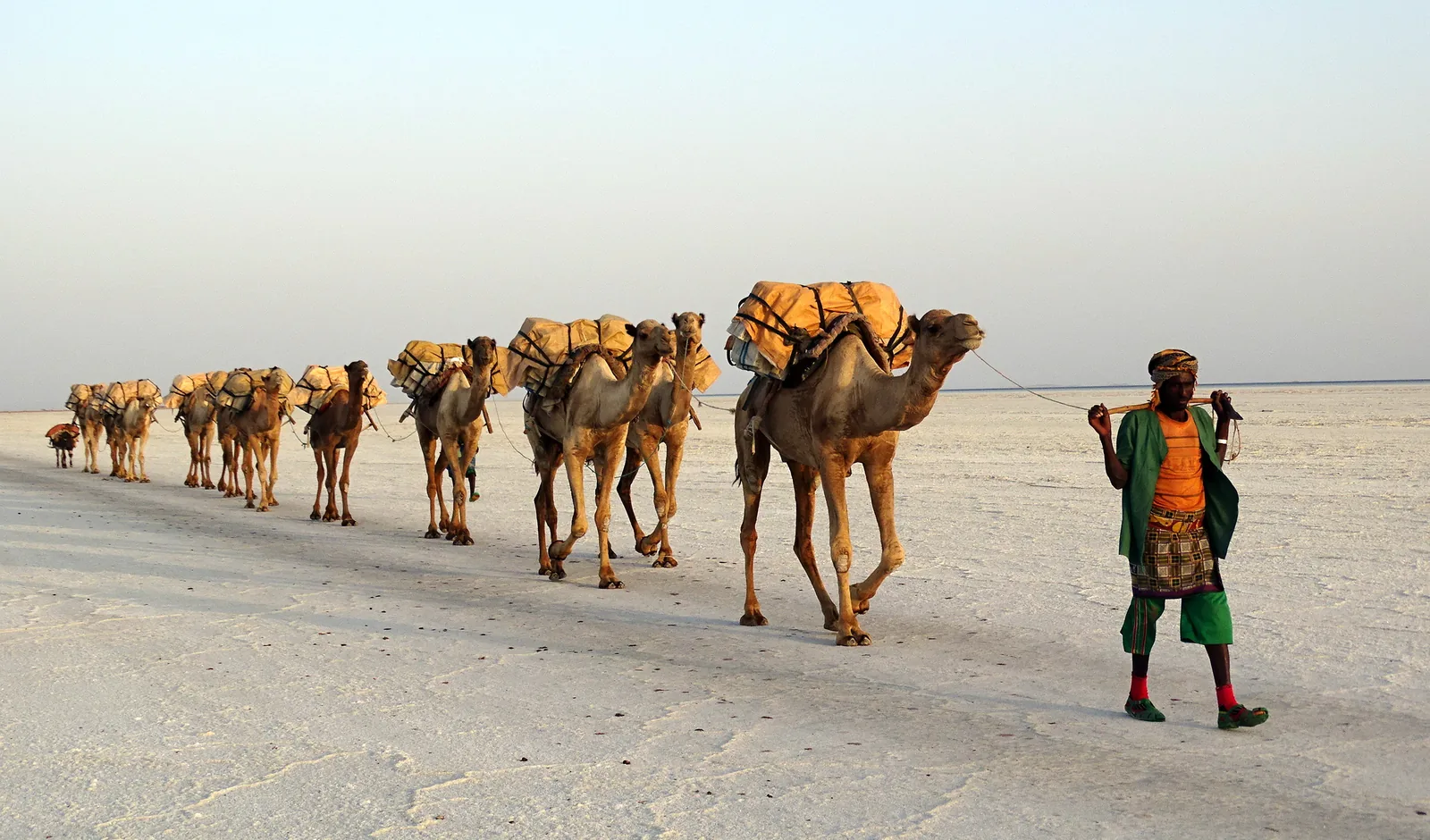
1 day · Itinerary
Danakil Salt-Landscape Day Trip
A single-day journey follows Berhale, Ahmed Ela, Lake Asale and Dallol before returning towards the Tigray highlands.
Explore2 days · Itinerary
Two Days in the Danakil Depression
Explore a proposed two-day Danakil route from Mekele through Berhale and Hamed Ela to Dallol, Lake Asale and the salt workings of Ragad.
Explore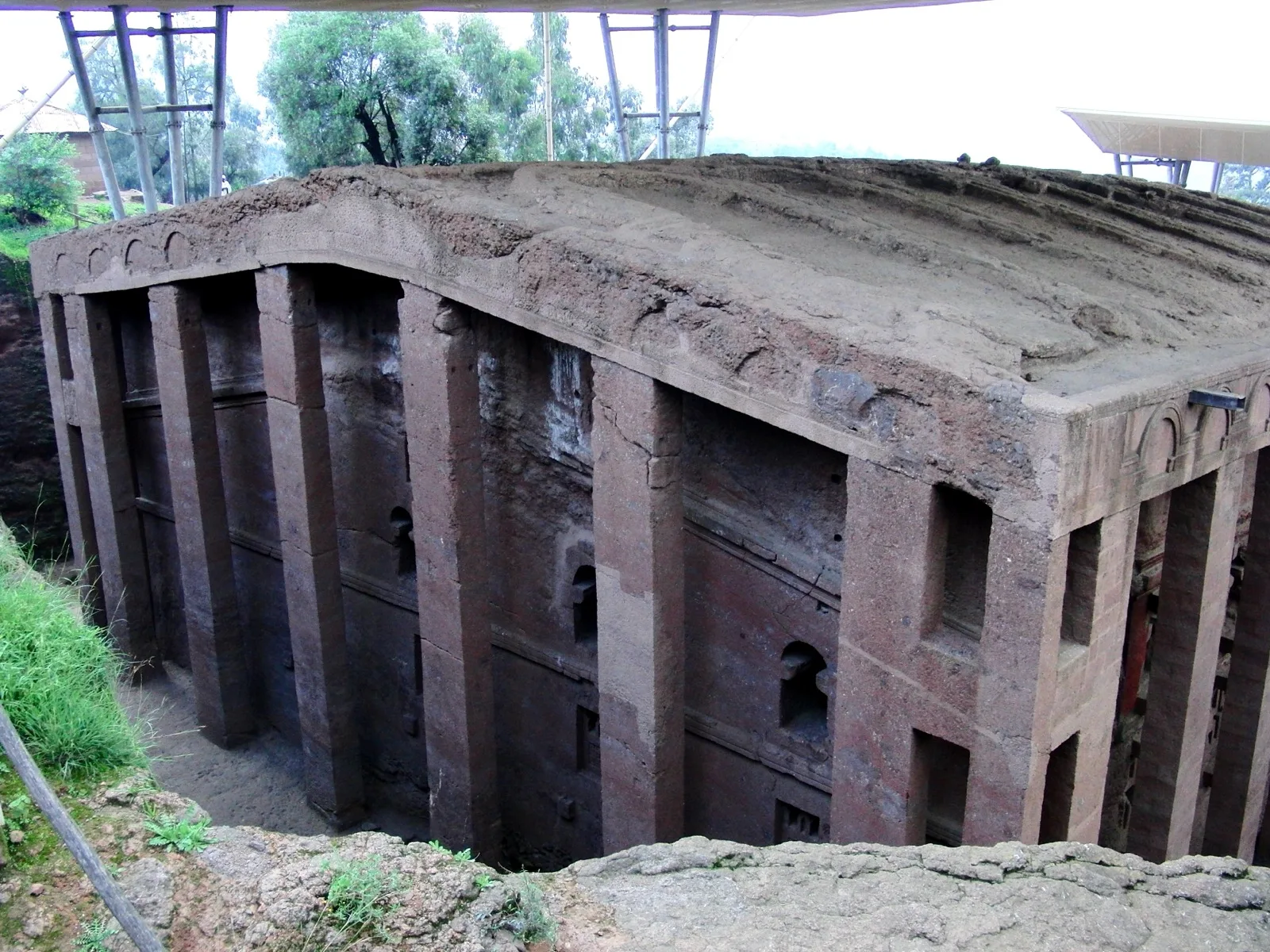
9 days · Historical Christmas programme
Lalibela Christmas and Northern Heritage: Historical Journey
A nine-day historical journey links Addis Ababa, Bahir Dar, Gondar and Axum with Lalibela and Tigray.
Explore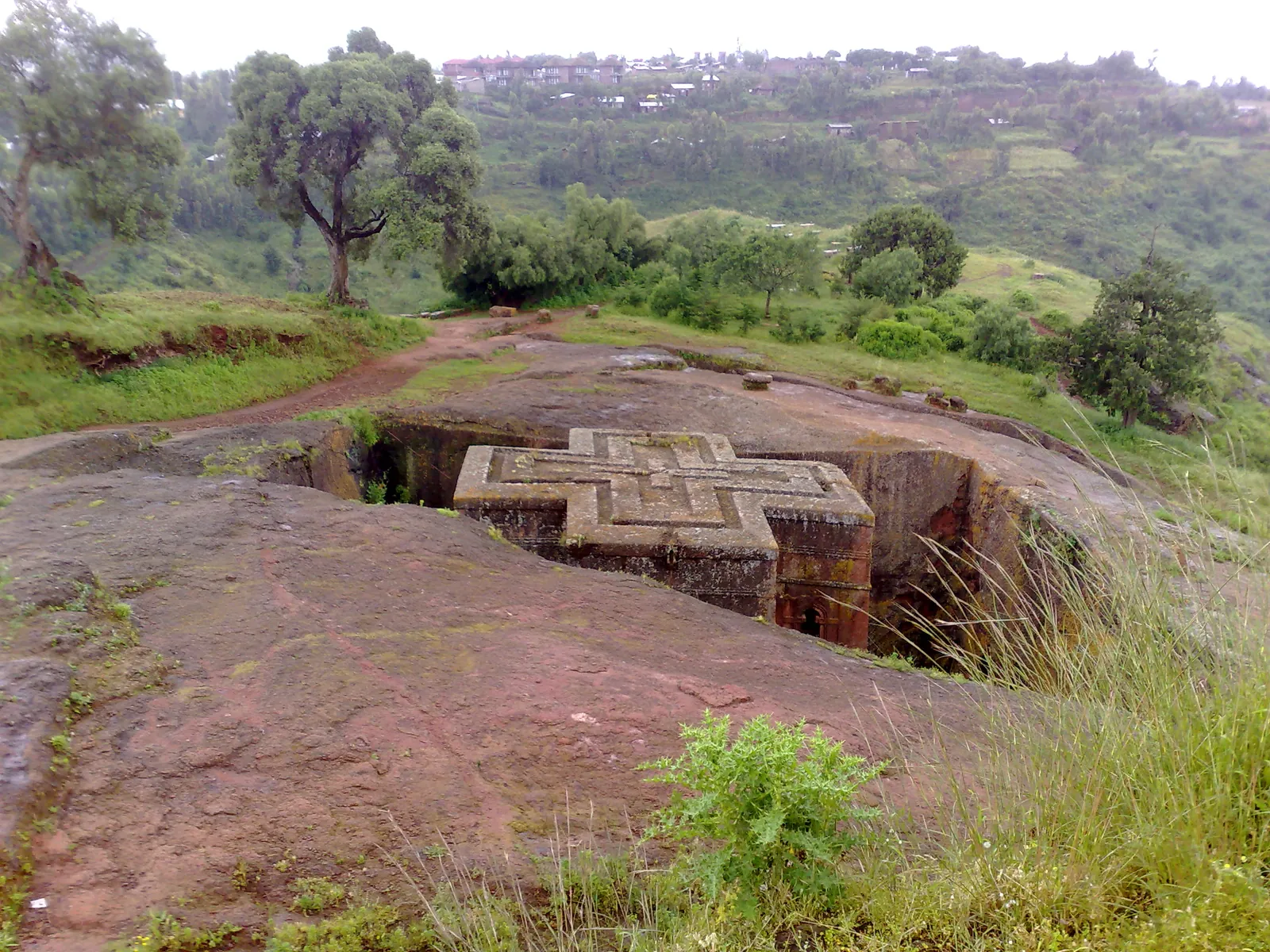
5 days · Itinerary
Lalibela Churches and Highland Walking
Five days combine Lalibela's church groups with a Hudad approach, an optional Abuna Yosef outing and Yimrehane Kristos before returning to Addis Ababa.
Explore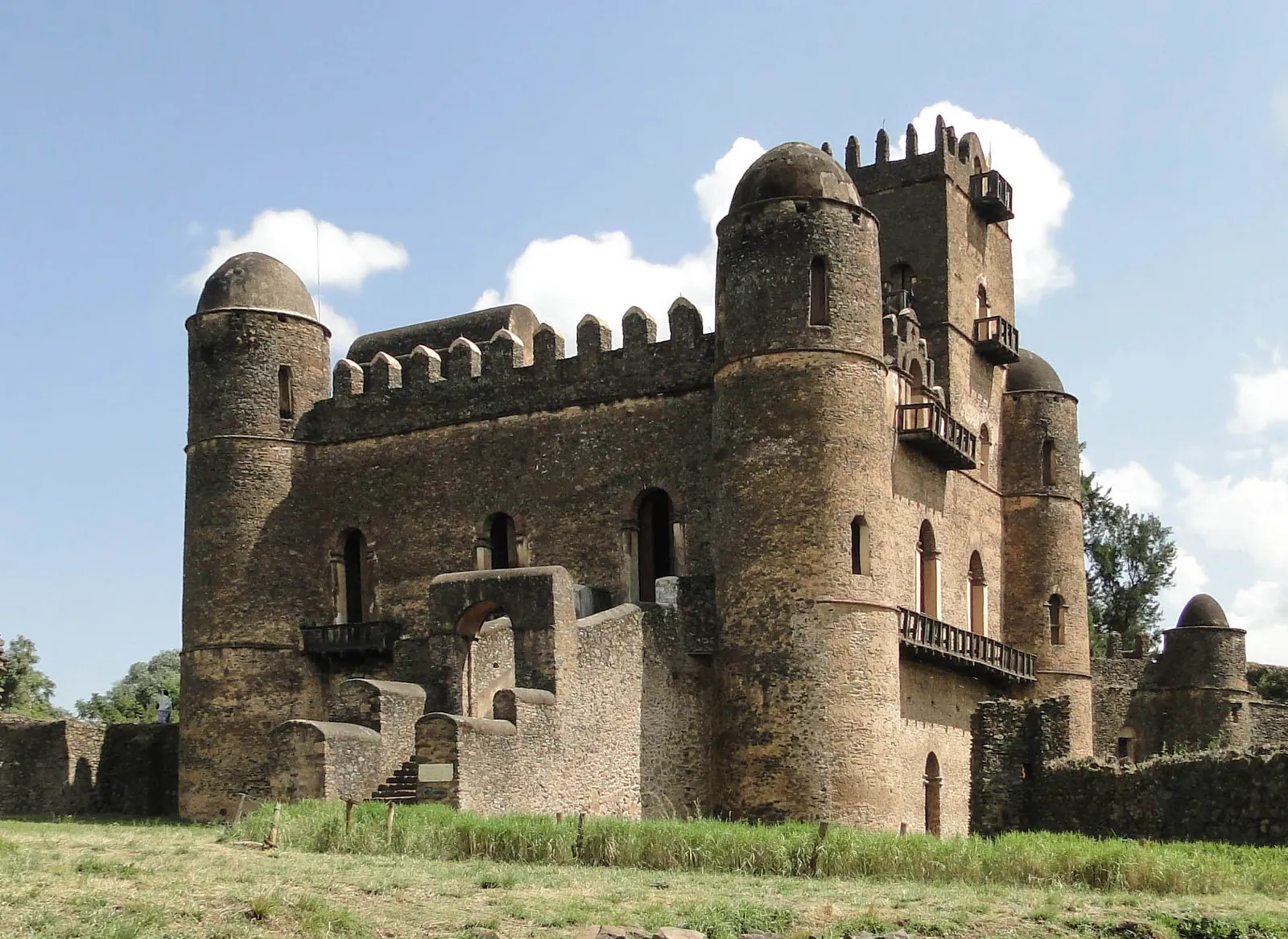
9 days · Itinerary
Nine Days through Ethiopia's Historic Towns
A nine-day heritage journey links Bahir Dar, Gondar, Lalibela and Axum with the old walled city of Harar in the east.
Explore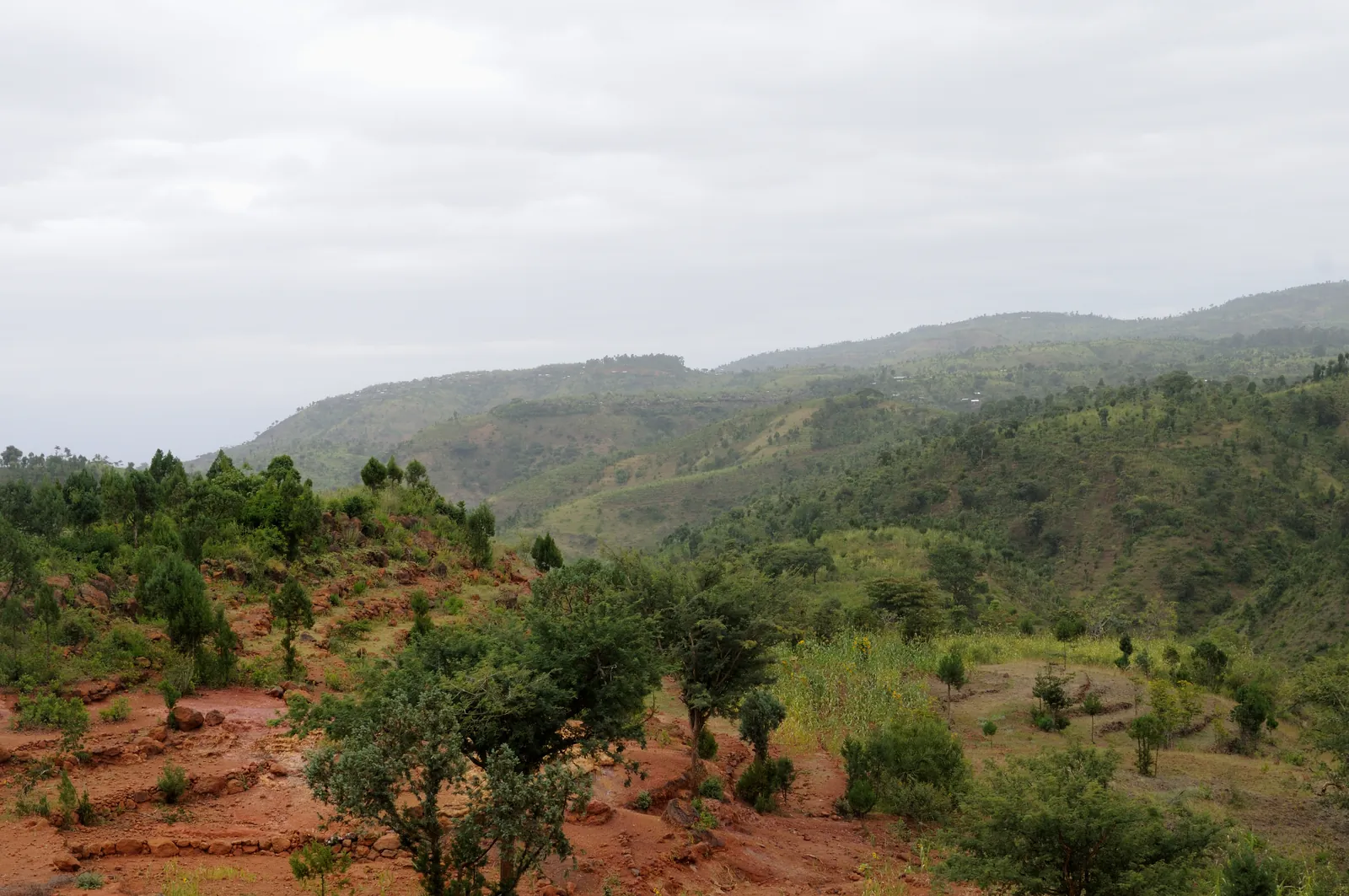
20 days · Itinerary
Twenty-Day Northern and Southern Ethiopia Survey
Twenty days join northern heritage cities and the Simien Mountains with Omo communities, Bale and the Rift lakes in one country-wide journey.
Explore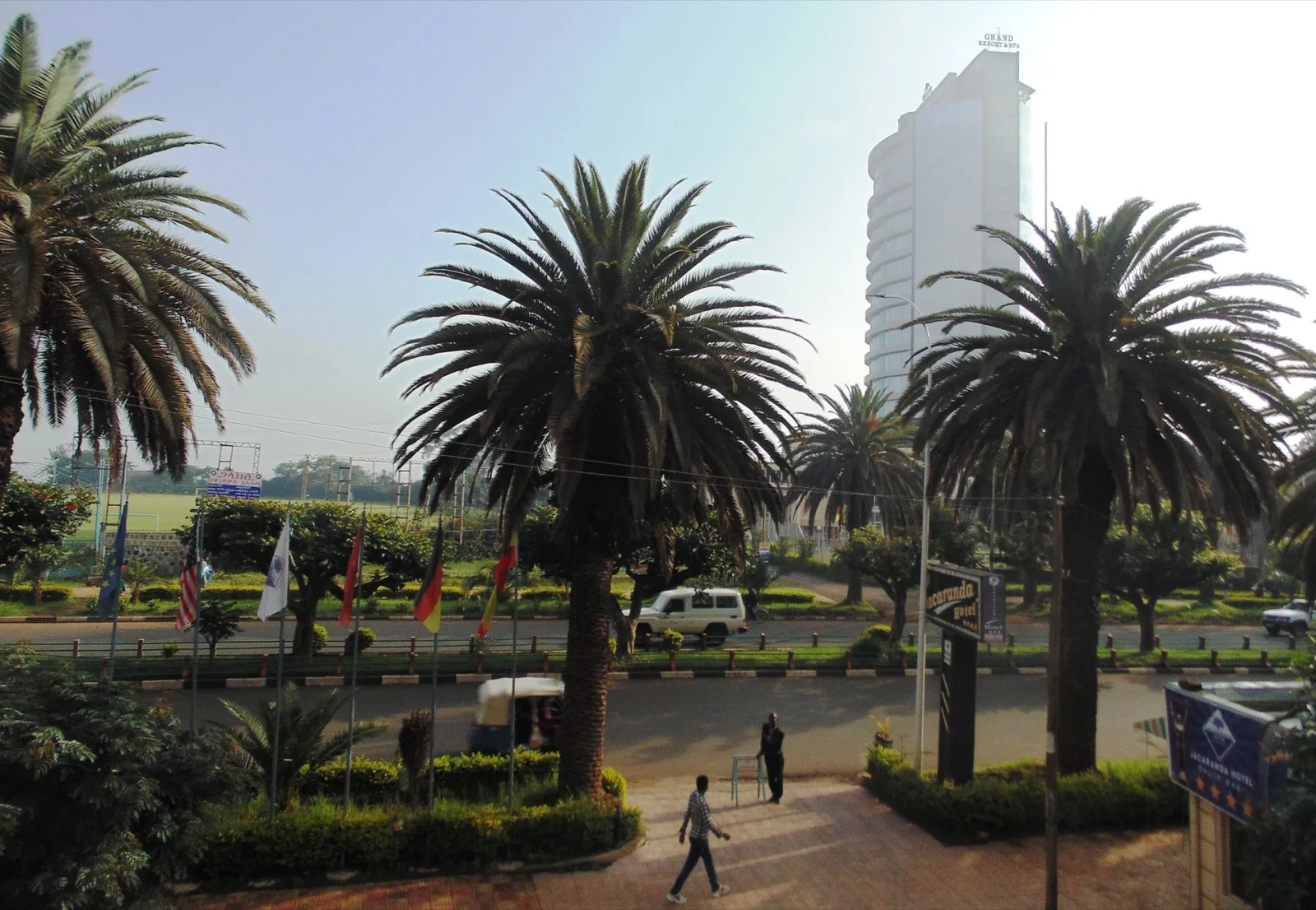
6 days · Itinerary
Six-Day Northern Heritage Sampler
Six days connect Lake Tana and Gondar with Axum and two Lalibela church days, returning to Addis Ababa. The focus stays on heritage sites rather than trekking.
Explore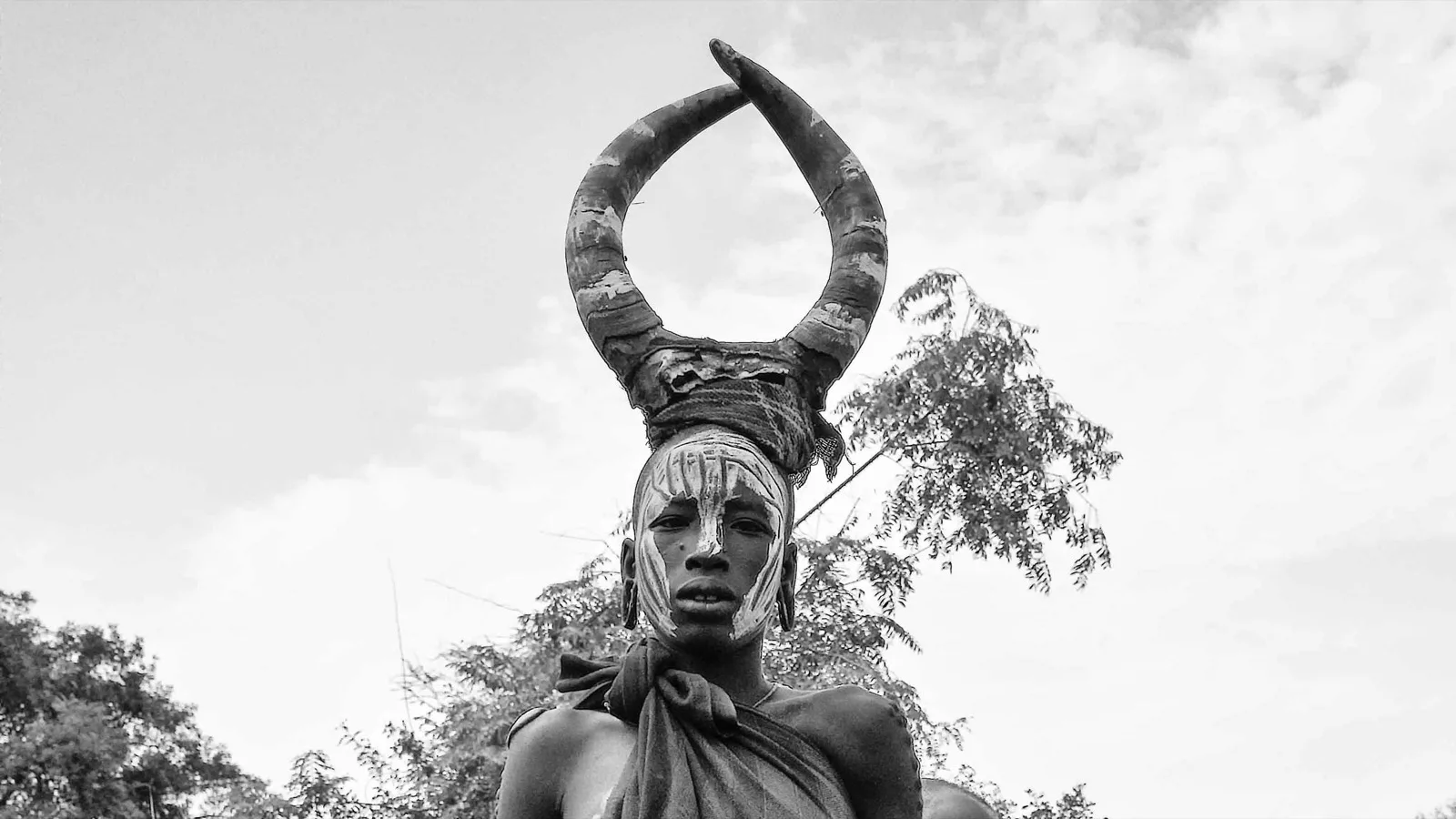
13 days · Itinerary
Southern Cultures, Rift Lakes and Bale
Thirteen days connect Jinka and Turmi with Arba Minch, Hawassa, Bale and Langano.
Explore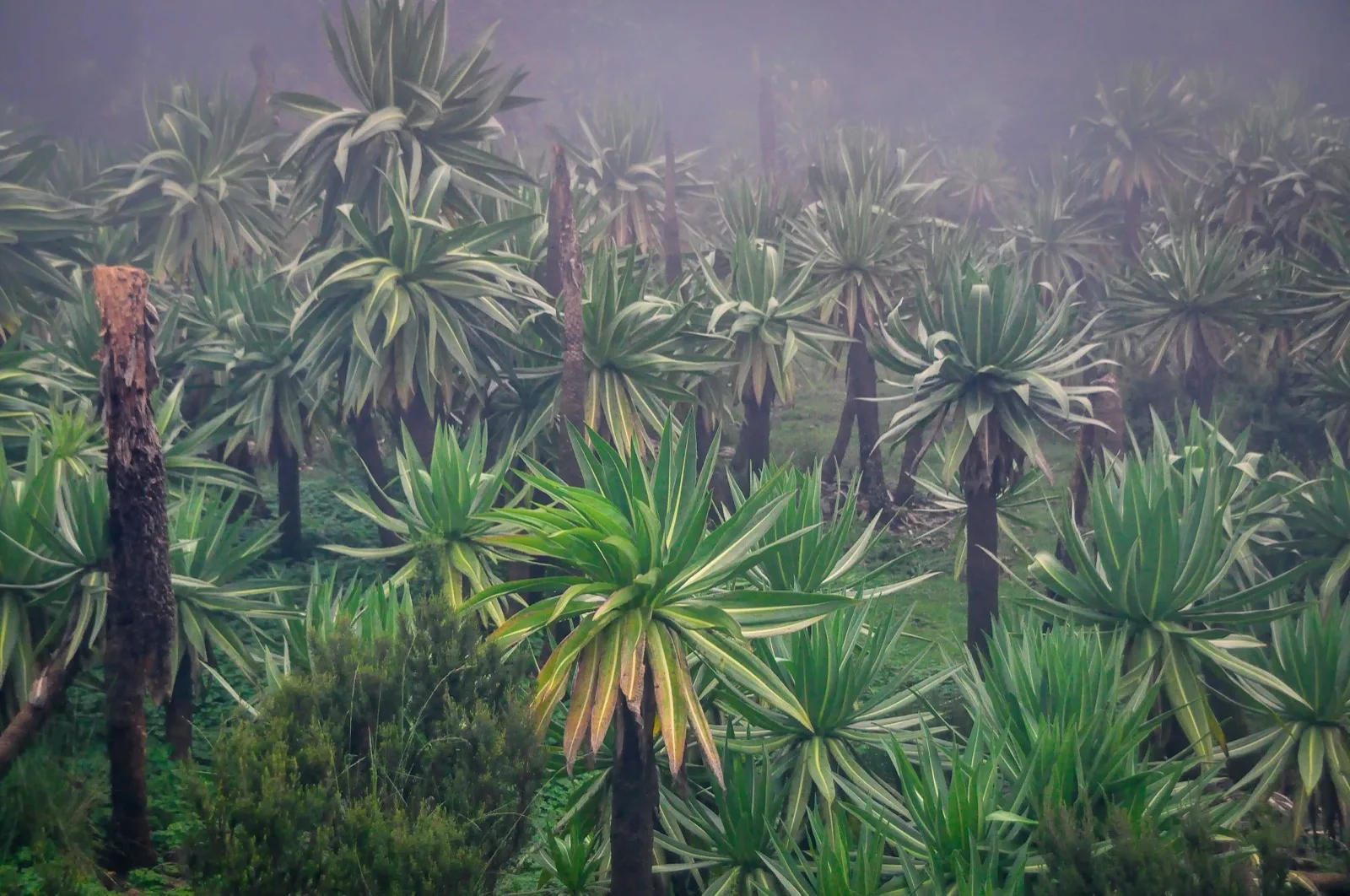
Route study
Peaks and Plateaus of Ethiopia
Compare Wollo and Tigray community walks, Lalibela, Gondar, the Simien Mountains and Axum in an Ethiopia route outline of twelve to thirteen days.
Explore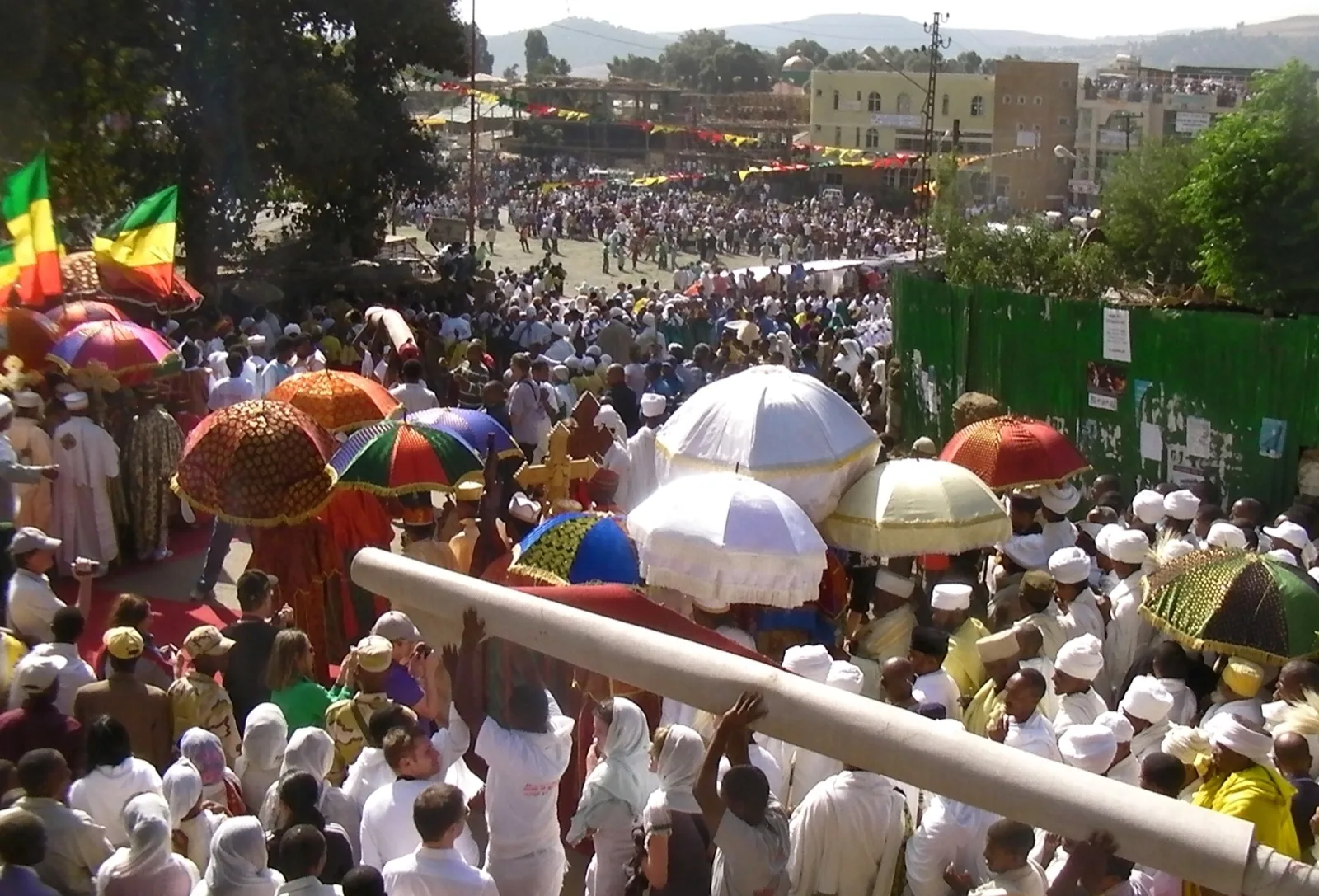
16 days · Archived Timket programme
Archived Timket on the Wollo and Tigray Plateaus
Sixteen historical days join Wollo community trails and a Timket occasion with Lalibela, Gondar, the Simiens, Axum and Tigray.
Explore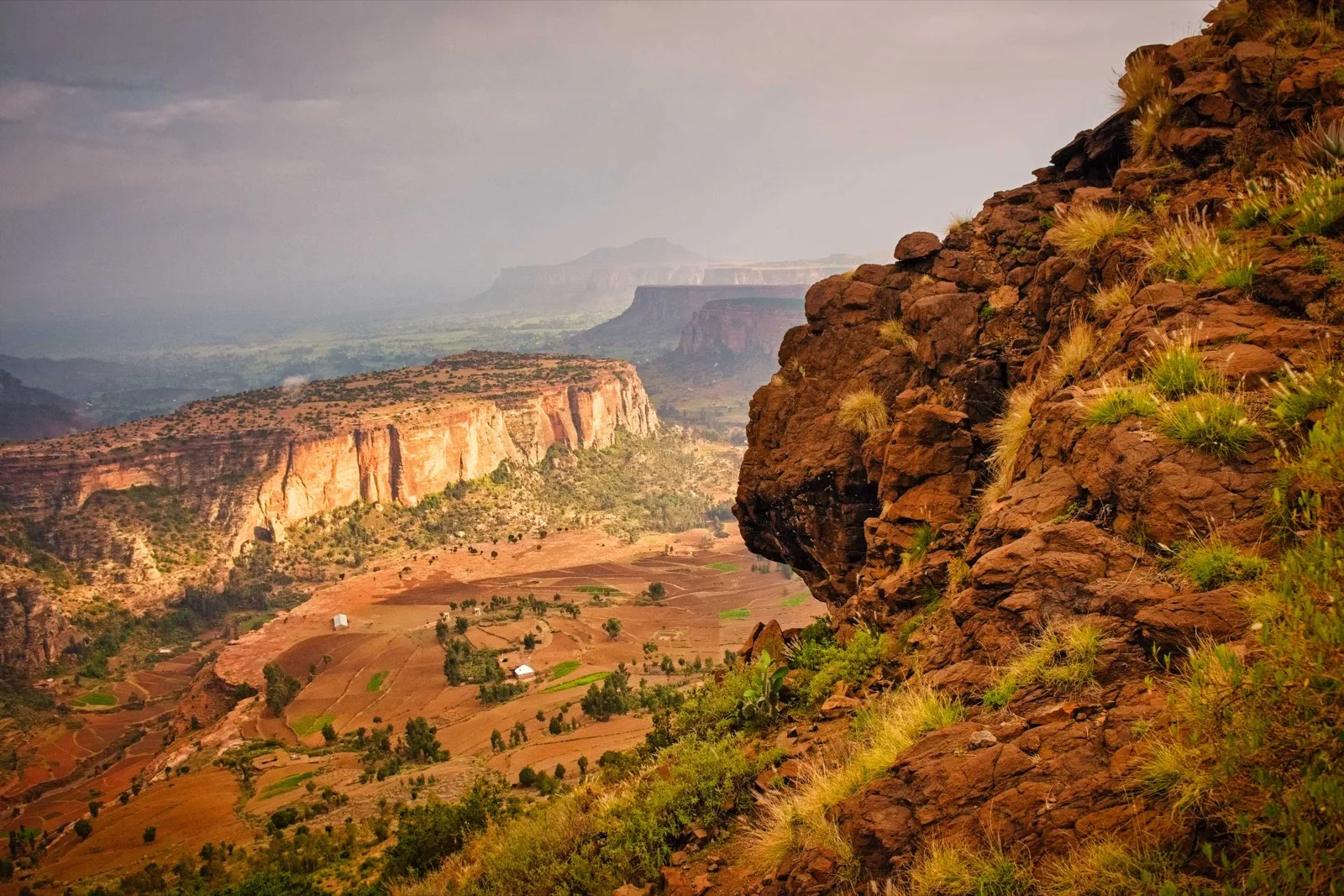
Route study
Community Trekking in Ethiopia: Route Study
Compare community walking around Wollo and Tigray with Lalibela, Gondar, the Simiens and Axum, and review the unresolved stages of this route concept.
ExploreRelated places and journeys
Ethiopia guide
All Trips
Compare Ethiopia journeys by their route, time on foot and regional focus.
ExploreEthiopia guide
Things to do in Ethiopia
Build an Ethiopia journey around a few experiences you want time to enjoy.
ExploreEthiopia guide
Simien Mountains: escarpments and walking choices
Explore the Simien Mountains through escarpment scenery, endemic wildlife and distinct walking routes, with guidance on choosing the right mountain plan.
Explore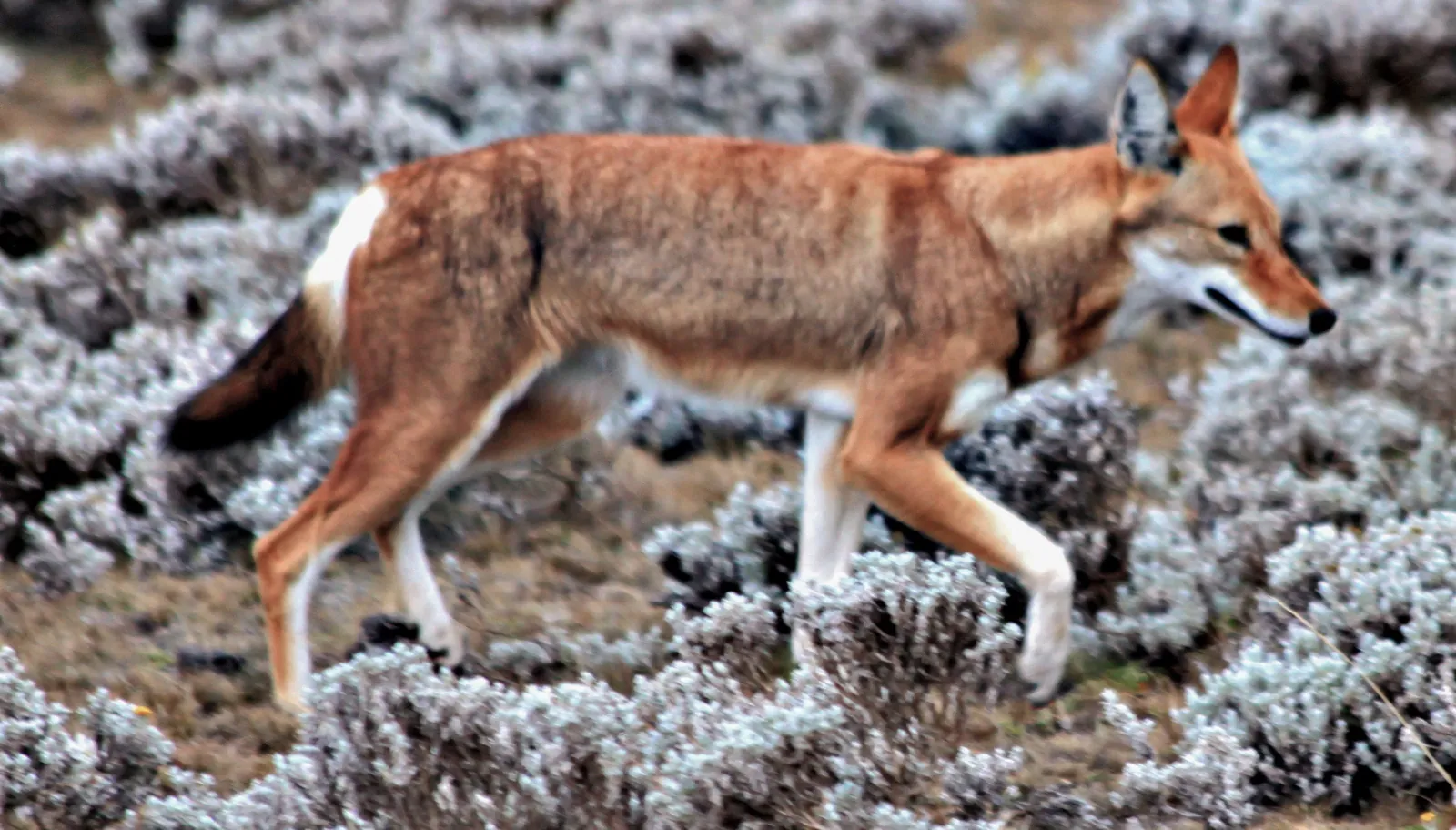
Ethiopia guide
The Ethiopian Wolf
Explore the Ethiopian wolf’s highland habitat, its red-and-white appearance and the place of Bale in wildlife planning, with a respectful approach to observation.
ExploreEthiopia guide
Geladas of the Ethiopian Highlands
Learn about geladas, their grassland feeding and social groups, and plan a Simien wildlife encounter that leaves animals room to behave naturally.
Explore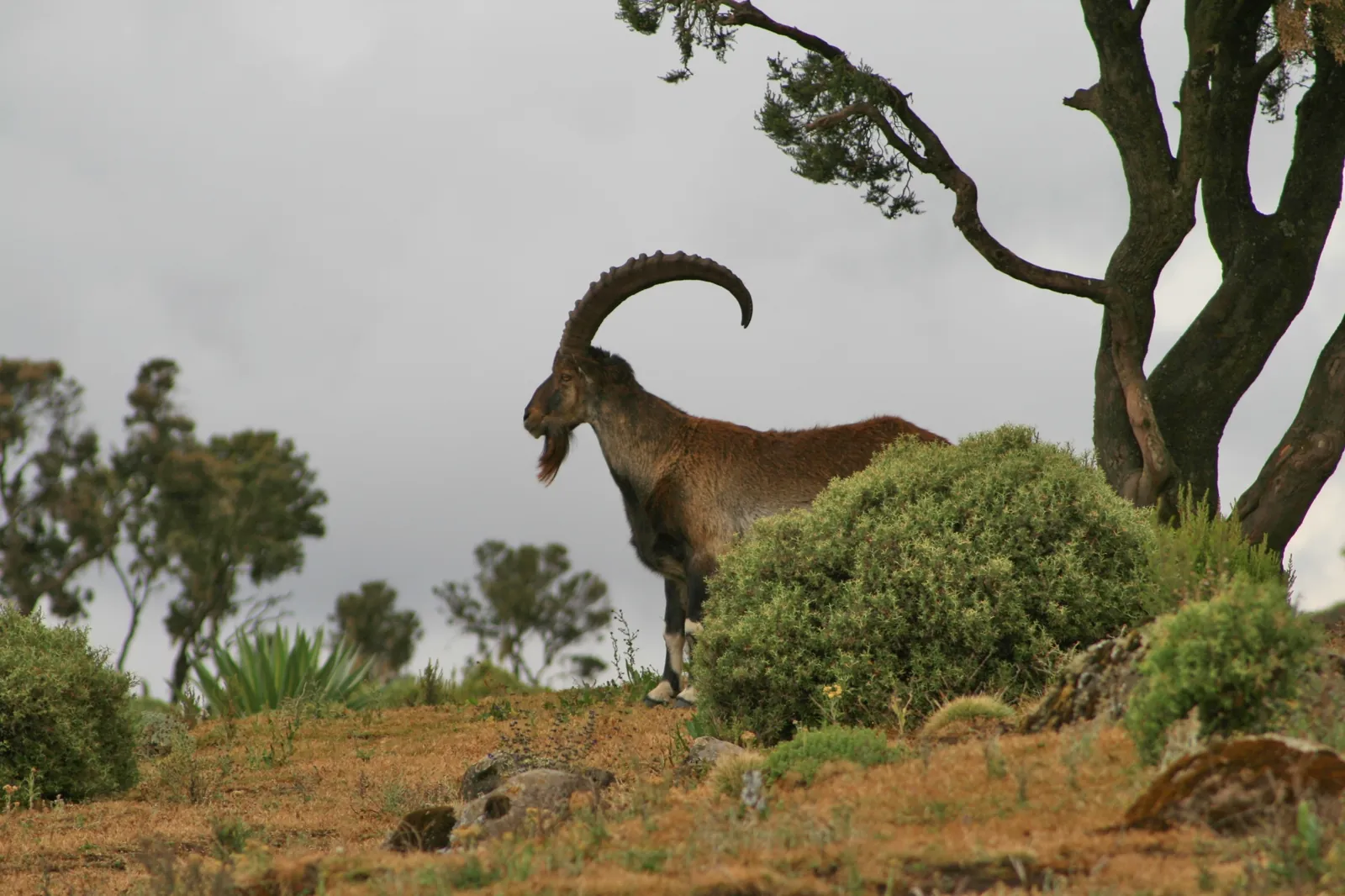
Ethiopia guide
Walia Ibex of the Simien Mountains
Learn about the Walia ibex and its mountain habitat in the Simiens, with a patient approach to wildlife watching and careful use of conservation information.
ExploreEthiopia guide
Camping in the Simien Mountains
Plan a Simien camping trek around named overnight stops, equipment and support, with clear questions about Sankaber, Gich, Chenek and longer routes.
ExploreEthiopia guide
Bale Mountains: plateau, forest and wildlife
Discover the Bale Mountains through the Sanetti Plateau, Harenna Forest and grasslands, and plan time around their distinct habitats and walking interests.
ExploreEthiopia guide
Bale Mountain Lodge and Harenna Forest
Place Bale Mountain Lodge in its historically described Harenna Forest setting and weigh forest time, plateau visits and the details of a proposed stay.
ExploreEthiopia guide
Danakil Depression: geology and itinerary choices
Explore the Danakil's salt landscapes, Dallol and volcanic setting, and distinguish itinerary choices without assuming every tour includes the same stops.
Explore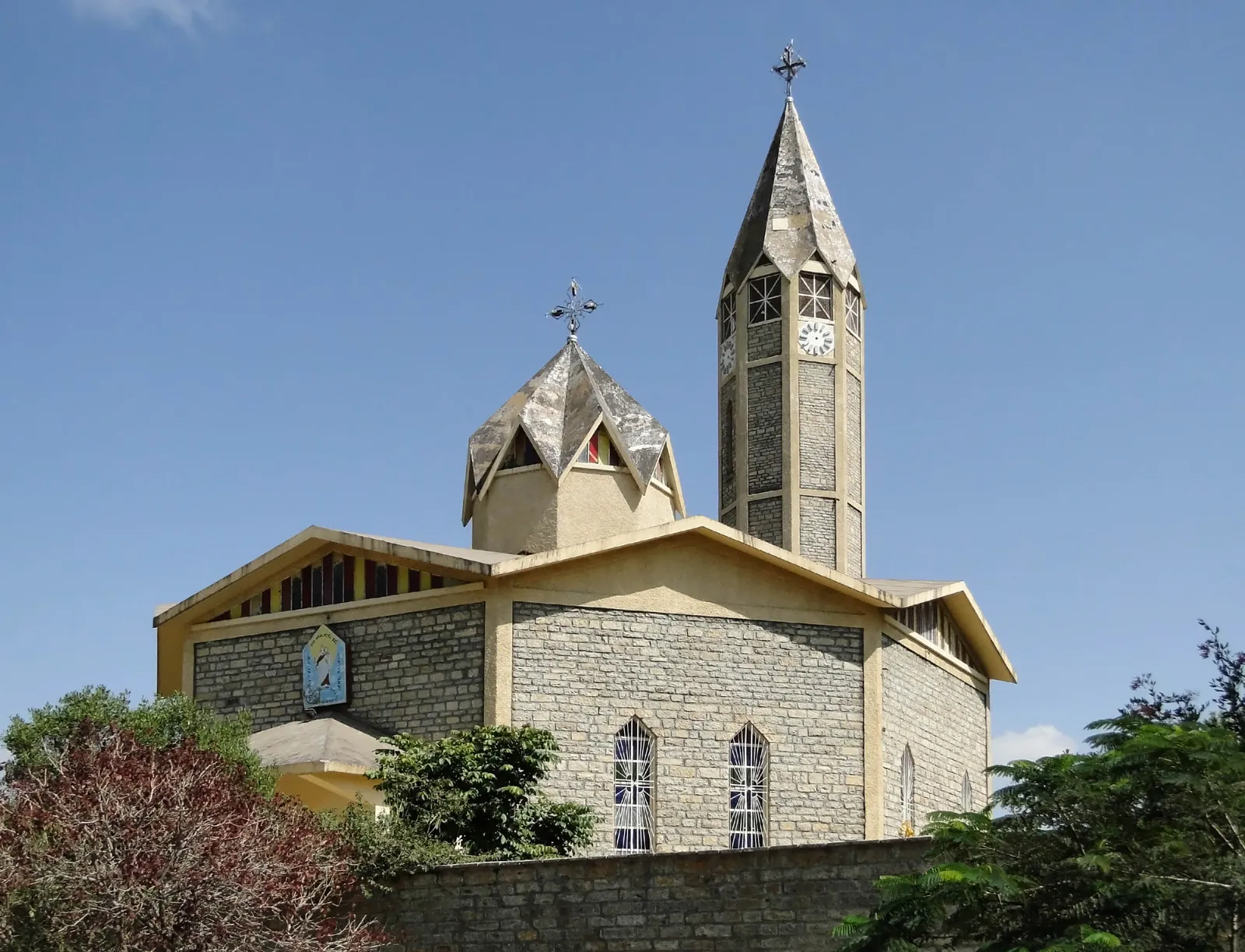
Ethiopia guide
Mekele: understanding the Tigray capital
Explore Mekele's role in Tigray's history and culture, with context for its urban heritage and questions to resolve before including it in a journey.
Explore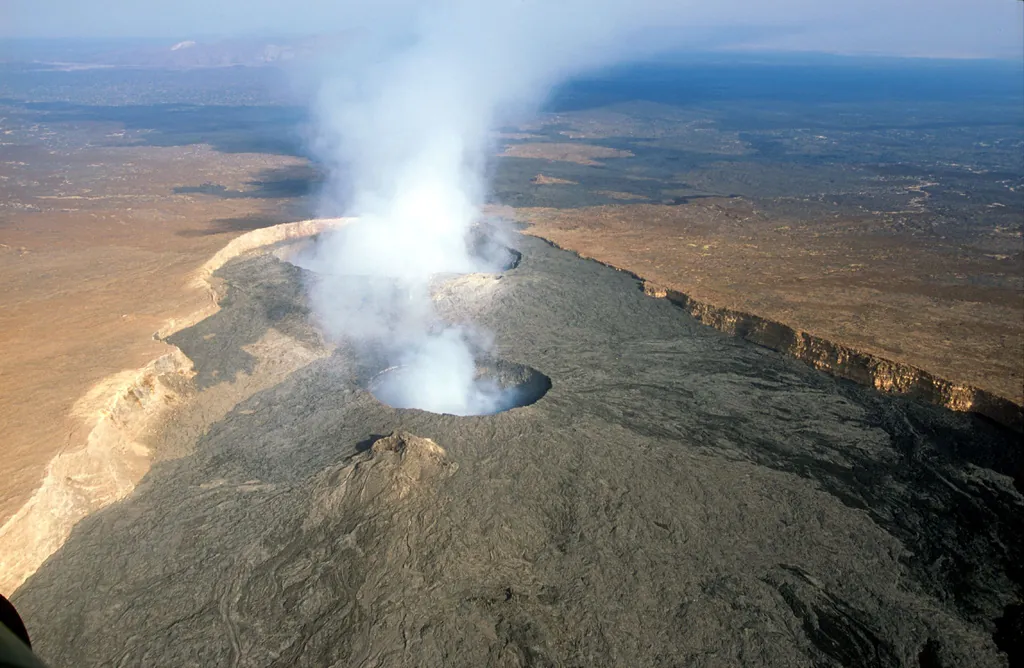
Ethiopia guide
Erta Ale: Volcanic Journey Planning
Understand Erta Ale as a separate Danakil volcanic objective, with questions about current activity, the approach, overnight arrangements and realistic expectations.
ExploreEthiopia guide
Omo Valley: people, landscapes and respectful visits
Understand the Lower Omo Valley as a living cultural landscape, with guidance on locally agreed visits, photography, different bases and thoughtful pacing.
ExploreShape your journey
Bring your preferred dates, interests and pace together in a planning draft.